Barranquilla and its Carnival
One of the world's largest carnivals, UNESCO intangible heritage: four days before Ash Wednesday of parades, cumbia, marimonda and congo masks and the Battle of Flowers, then the Carnival museum, the Ventana al Mundo on the Magdalena River and the town of Puerto Colombia.
- Barranquilla
- Puerto Colombia
Day by day
- Day 1
The Battle of Flowers on the Vía 40
The Barranquilla Carnival, on Colombia's Caribbean coast, is one of the largest carnivals in the world and the most important in the country, recognised by UNESCO as a masterpiece of the oral and intangible heritage of humanity. It is celebrated on the four days before Ash Wednesday, so between February and early March, but the city starts celebrating weeks earlier. To enter Colombia you need a valid passport and must complete the Check-MIG migration form online before your flight. Colombia is at level 3 in US travel advisories: Barranquilla is not in the areas to avoid, but the usual big-city precautions apply.
Arrive in Barranquilla a few days early if you can, to see the Guacherna, the Friday night parade with lanterns and drums.
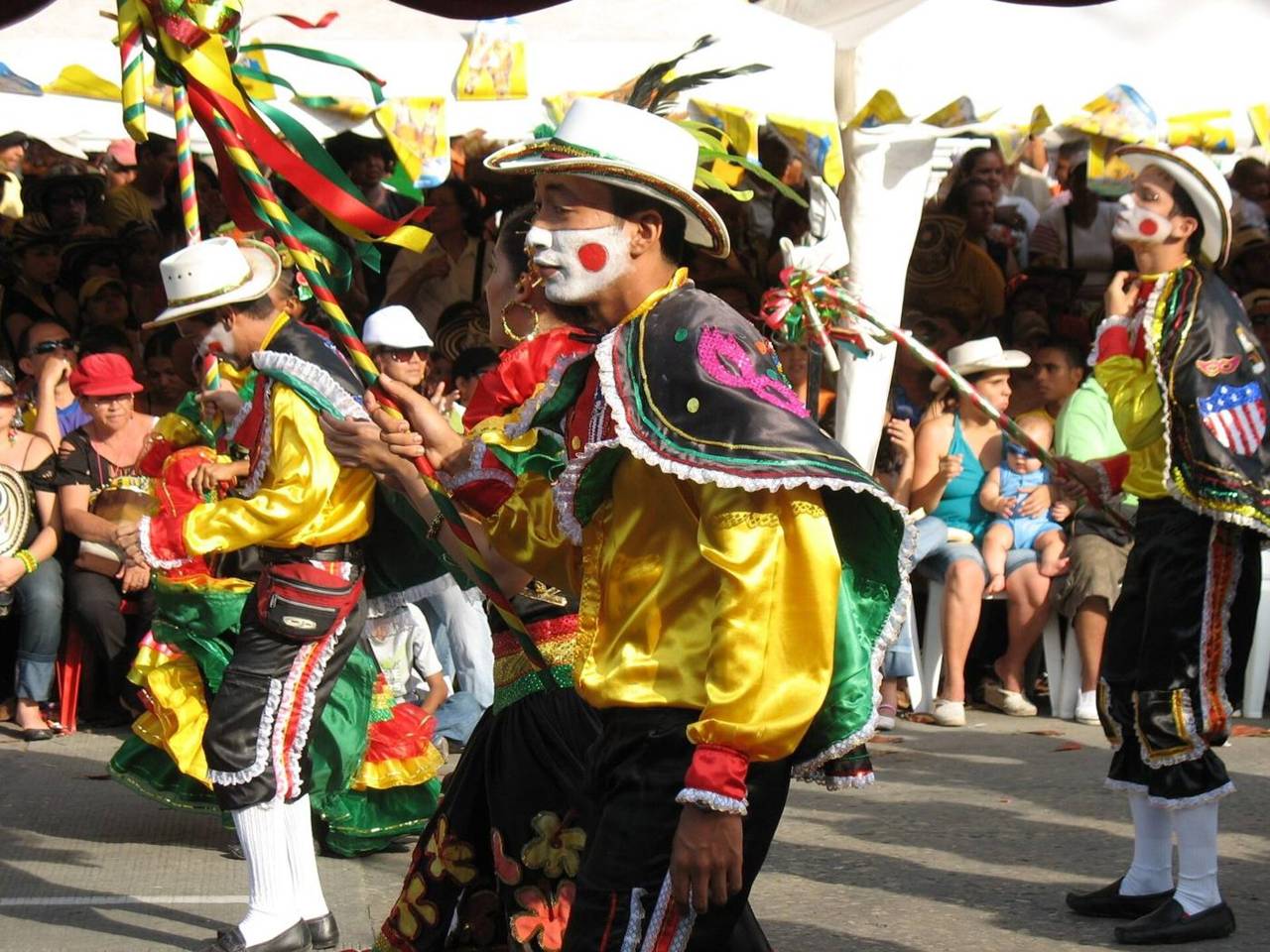
Carnival Saturday opens with the Batalla de Flores, the Battle of Flowers, the oldest parade, born in 1903 to celebrate the end of a civil war. Along the Vía 40, a wide avenue near the Magdalena river, floats decorated with flowers, the carnival queen, dance groups, bands and thousands of costumed dancers pass for hours. You see the traditional masks: the Marimonda, with a long nose and big ears, the Congo, with a flowered headdress, the Garabato, representing the struggle between life and death, and the Monocuco, with a white mask.
The music is that of the coast: cumbia, mapalé, porro and champeta, with drums and gaitas, the traditional flutes.
In the evening the party continues in the neighbourhoods and at big open-air events.
Practical tip: to watch the parades comfortably, buy a place in the palcos, the stands along the route, in advance; bring a hat, sunscreen and water.
- Day 2
The Great Parade of Traditions
Carnival Sunday brings the Gran Parada de Tradición, the great parade of traditions, again along the Vía 40. It is perhaps the most authentic parade: there are no floats, only traditional dance groups, the comparsas, who come from Barranquilla and the villages of the Caribbean region, with costumes, masks and dances handed down for generations.
You see dances of African origin, such as the mapalé and the congo dance, indigenous ones such as the pilanderas dance, and mestizo ones such as cumbia, danced by women in wide skirts holding candles. The groups are often whole families, with grandparents, parents and children, who prepare all year. Many costumes represent animals such as the lion, tiger, bull and caiman, and characters from history and political satire.
During the parades people throw maicena, white cornflour, and foam: everyone turns white, and it is part of the game. Do not get annoyed, and wear clothes you can get dirty.
In the afternoon, after the parade, rest in the shade or at your accommodation, as the heat in Barranquilla is strong, usually above thirty degrees.
In the evening try the coast's street food: arepa de huevo, a corn fritter filled with fried egg, carimañola, butifarra, a small sausage, and bollo de yuca.
Practical tip: in the crowd keep your phone and money in a pouch under your clothes and carry only what you need; leave original documents at your accommodation with a copy in your pocket.
- Day 3
The Carnival museum, the Caribbean museum and neighbourhood parties
In the morning visit the Casa del Carnaval, the carnival's headquarters, with a small museum on its history, where you see costumes, masks, photos of past queens and videos of the dances, which help you understand what you have seen in the streets. In the city there are also workshops where craftsmen make wooden and papier-mâché masks.
Then visit the Museo del Caribe, in the Caribbean cultural park, a modern museum devoted to Colombia's Caribbean region: its nature, indigenous peoples such as the Wayuu and Arhuaco, history, music and literature, with a room dedicated to Gabriel García Márquez, who lived in Barranquilla as a young man, worked as a journalist for the city's newspapers and belonged to a circle of writers and artists known as the Barranquilla group.
In the afternoon, on Monday, the Vía 40 hosts the Gran Parada de Comparsas, with fantasy groups and more modern choreography. Alternatively, go to the neighbourhood parties, where people dance in the street around the casetas, large parties with live music, and the picós, huge sound systems painted in bright colours, typical of the coast, blasting champeta.
In the evening the carnival continues all over the city. Tuesday closes with the burial of Joselito Carnaval, the character who symbolises the carnival and dies after four days of partying, mourned by mock widows in procession: a comic and slightly melancholy moment.
Practical tip: to get around in the evening use taxis booked by app or through your accommodation, not ones hailed in the street.
- Day 4
Puerto Colombia, the sea and departure
In the morning, after the days of partying, go to Puerto Colombia, about half an hour from Barranquilla, on the Caribbean Sea. Until the early twentieth century it was Colombia's main port: ships from Europe arrived here with goods and immigrants, who then went on to Barranquilla by train. Its long iron pier, built in the late nineteenth century and stretching more than a kilometre into the sea, was one of the longest in the world; partly collapsed in recent years, it is the town's symbol: check its current state and whether it is open.
Stroll along the seafront and beaches, with stalls selling fried fish and fresh coconut. The sea here is often rough and murky because of the nearby mouth of the Magdalena, but the breeze is welcome after the city's heat.
If you have time, visit Bocas de Ceniza, the mouth of the Magdalena, Colombia's most important river, where the river's brown water meets the blue sea; you reach it partly by a small train or motorbike taxi along the breakwater.
In the afternoon return to Barranquilla and fly out, or continue to Cartagena, about two hours away, or Santa Marta, about two hours away, to carry on along the Caribbean coast.
Things to take home: a wooden carnival mask, a sombrero vueltiao, the coast's traditional hat woven from cane fibre, handwoven Wayuu bags and cumbia music.
Practical tip: carnival dates change each year with Easter; book flights and accommodation many months ahead.
The dates change each year with Easter. Grandstand seats along the parades are bought in advance; accommodation sells out months ahead. In the crowds keep phone and money secure. Combines well with Cartagena and Santa Marta. EU citizens enter without a visa for up to 90 days with a passport and must fill in the Check-MIG migration form online before the flight. The US keeps Colombia at level 3 and advises against all travel to Arauca, Cauca (except Popayán), Valle del Cauca (except Cali), Norte de Santander and the 10 km strip along the Venezuelan border: this itinerary stays outside those areas.
Before you go
- Documents and visa
- Valid passport; no visa for tourism up to 90 days for EU citizens. Before the flight, between 72 hours and one hour before departure, you fill in the no-cost Check-MIG form online.
- Health and vaccines
- No compulsory vaccines arriving from Europe; yellow fever is recommended for forest areas and some parks. Protect yourself against mosquitoes because of dengue. In Bogotá, at 2,600 metres, the altitude is noticeable. Emergencies: 123.
- Money and payments
- Colombian peso. Cards work in cities; use cash machines inside banks or shopping centres, by day.
- Power sockets
- Types A and B, 110 volts: you need an adapter and devices must accept 110 volts.
- Time zone
- UTC-5 all year: Colombia does not use daylight saving time.
- Safety
- The United States rates Colombia level 3 for crime and terrorism, with level 4 for Arauca, Cauca except Popayán, Valle del Cauca except Cali, Norte de Santander and 10 km from the Venezuelan border. Use app taxis and never accept drinks from strangers. Official advice: GOV.UK.
Information checked in November 2026 for Italian and EU citizens. Rules change: always check before you travel.
Variations
In 2 days: the Battle of Flowers on Saturday and the Great Parade of Traditions on Sunday.
In 8 days: add Cartagena and the Rosario Islands, or Santa Marta and Tayrona park.
Frequently asked questions
When is the Barranquilla Carnival?
On the four days before Ash Wednesday, between February and early March; the date changes each year with Easter.
What documents do I need?
A valid passport and the Check-MIG form, completed online before your flight.
Is it safe?
Colombia is at level 3 in US travel advisories; Barranquilla is not among the areas to avoid, but big-city precautions are needed in crowds and at night.
Indicative itinerary written by World Atlas. Before booking, check timetables, seasonal openings, documents and safety.
 6 daysEasy
Cartagena and the Rosario Islands
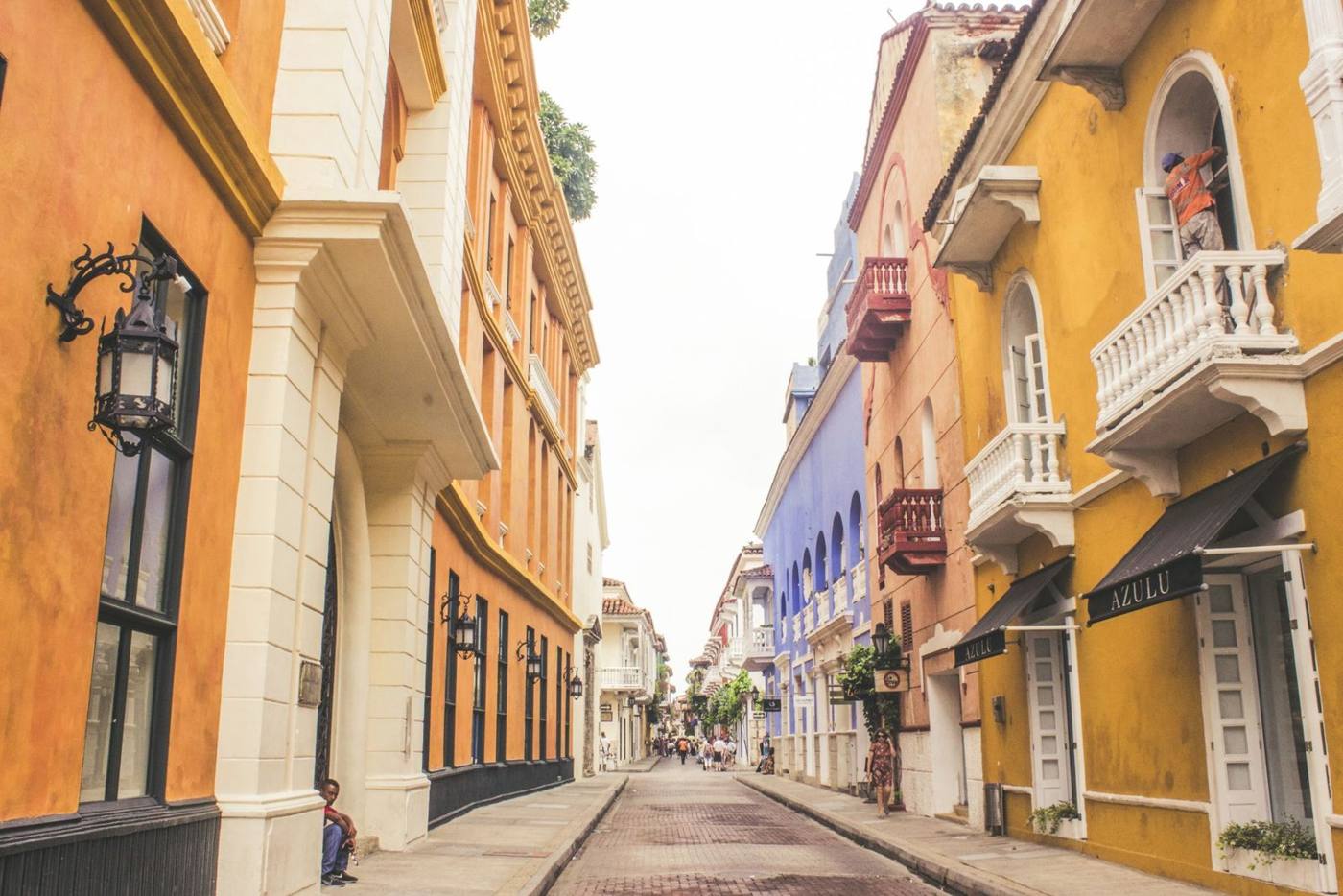
The finest walled city in the Caribbean, the Getsemaní district, San Basilio de Palenque and two days at sea in the Rosario Islands.
 6 daysEasy
The coffee region and the Cocora Valley
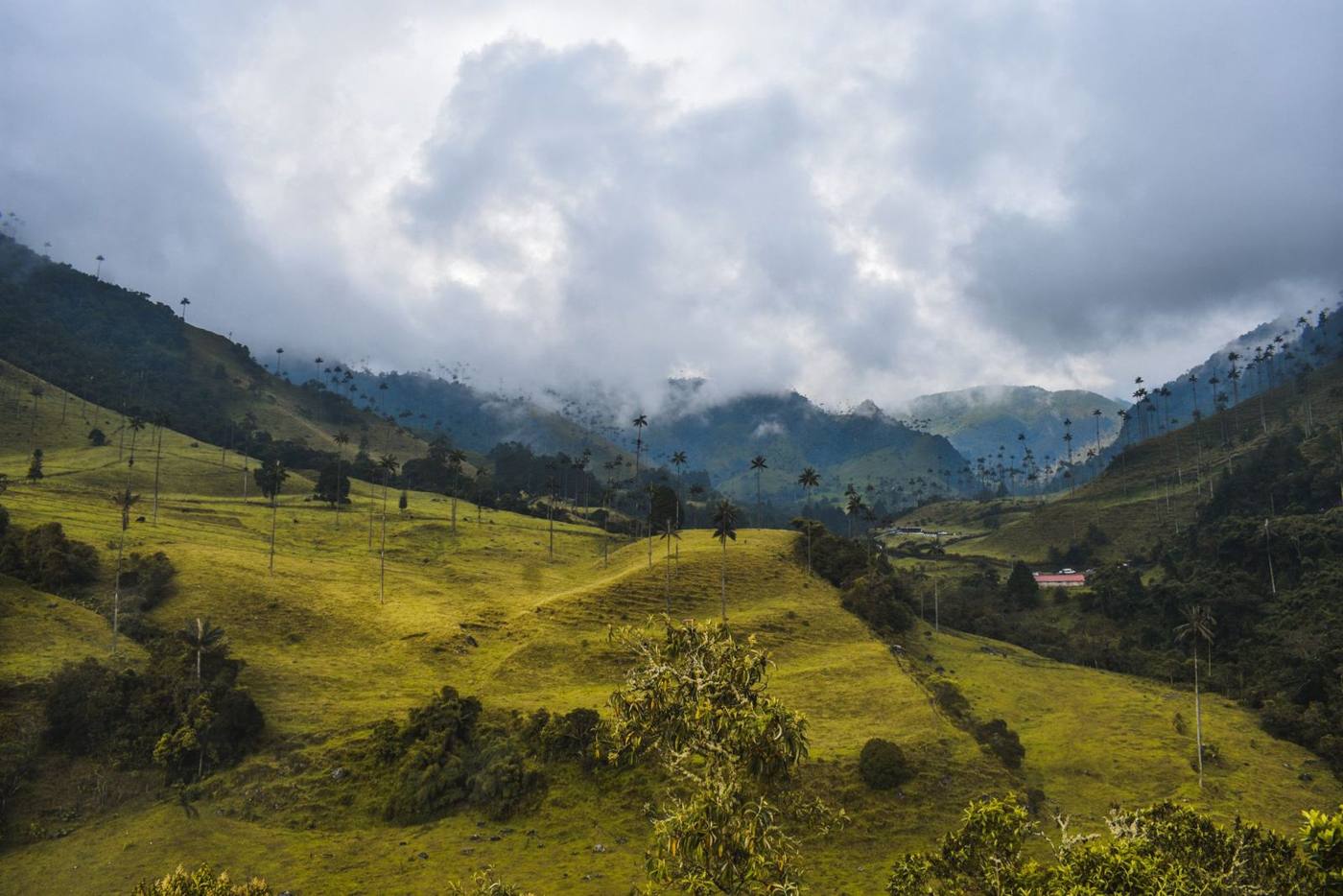
Coffee farms between Salento and Filandia, the sixty-metre wax palms of the Cocora Valley and the Santa Rosa hot springs.
 7 daysChallenging
Trek to the Ciudad Perdida
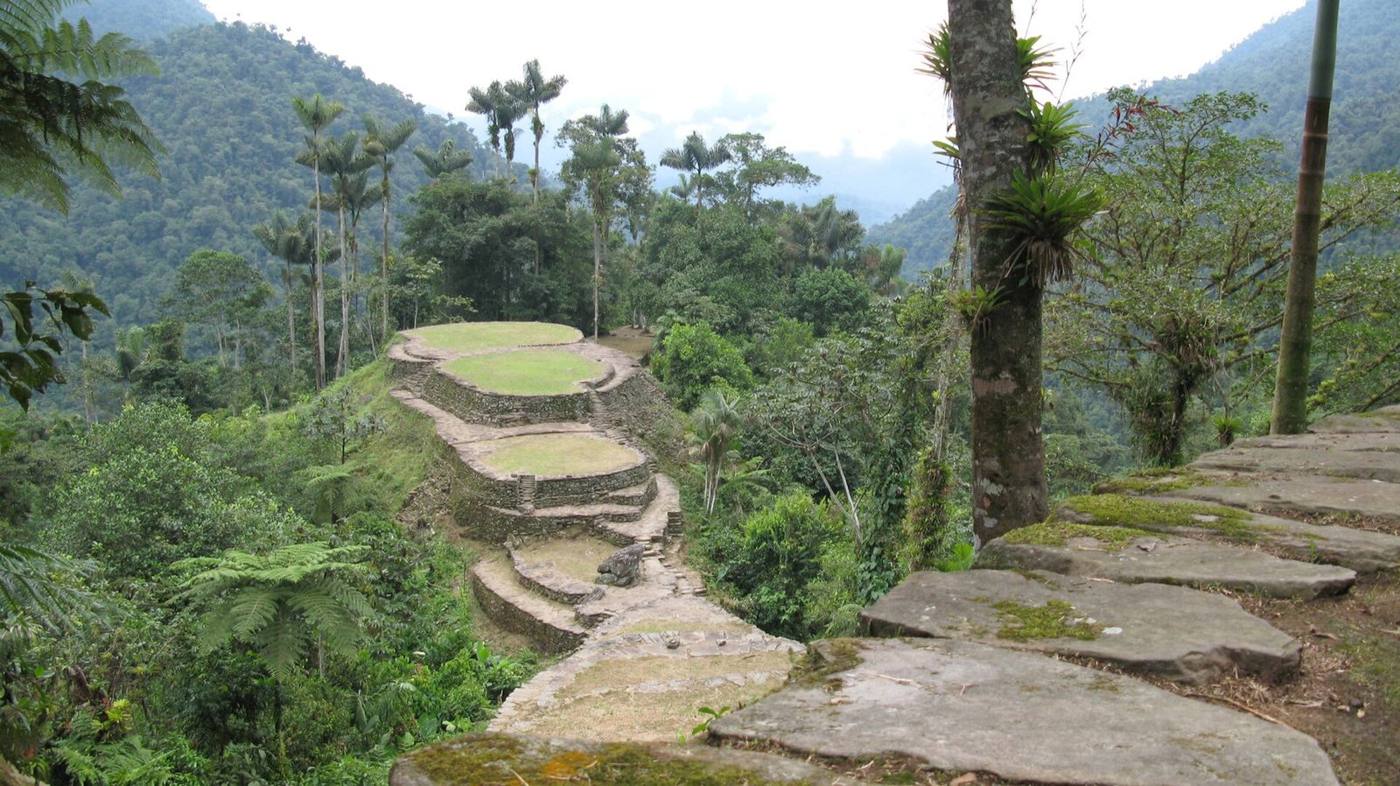
Four days on foot in the Sierra Nevada de Santa Marta, fording rivers and passing Kogi villages, to the lost city of the Tayrona.