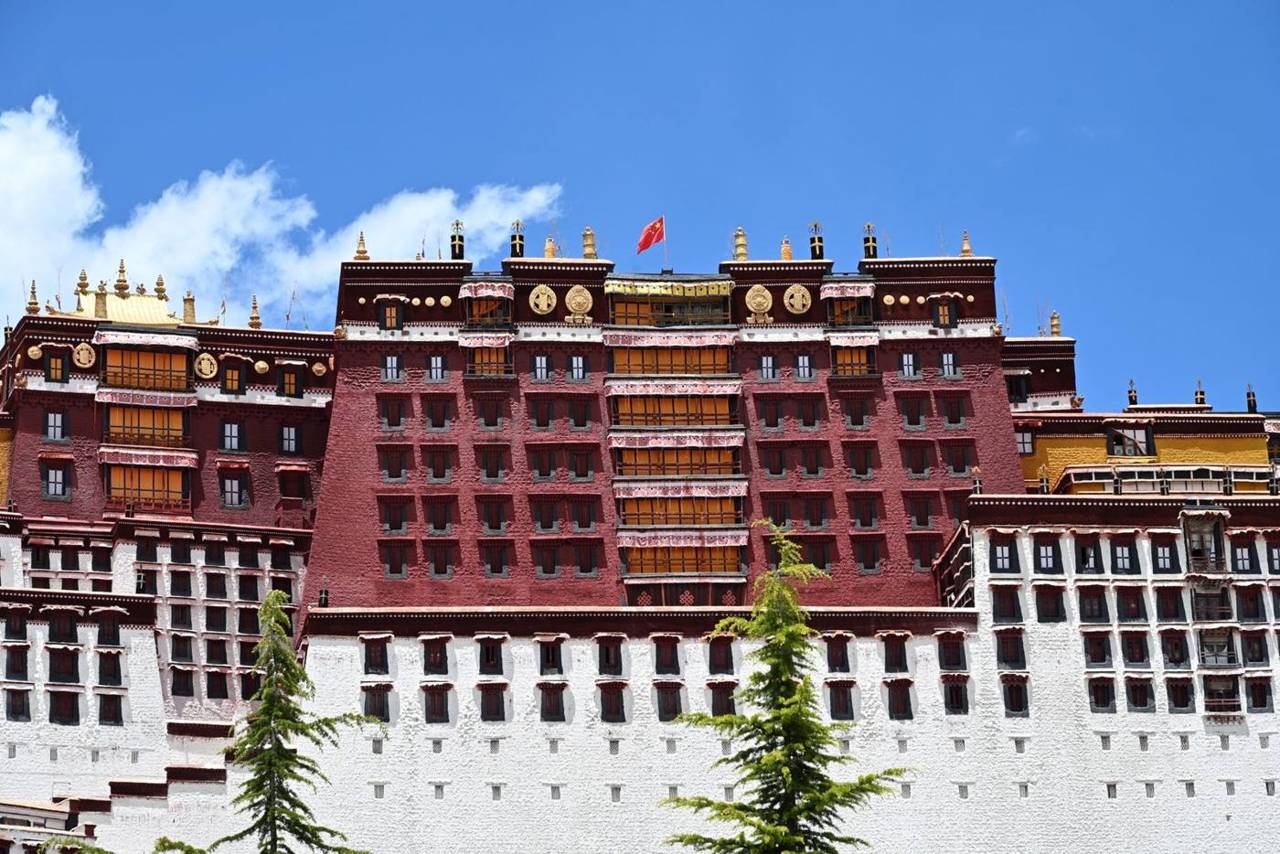
Tibet: from Lhasa to Everest
The Potala and Jokhang in Lhasa, Lake Yamdrok, the monasteries of Gyantse and Shigatse and the north face of Everest from Rongbuk.
- Lhasa
- Yamdrok
- Gyantse
- Shigatse
- Rongbuk
- Lhasa
Day by day
- Day 1
Arrival in Lhasa
This trip takes you to Tibet, on the highest plateau in the world: Lhasa with the Potala Palace and the Jokhang temple, the great monasteries of Sera and Drepung, Lake Yamdrok, Gyantse and Shigatse, and finally the road to the foot of the north face of Everest. It is a demanding trip because of the altitude, almost always above three thousand five hundred metres.
Before you leave: Italian citizens can enter China without a visa for short stays until 31 December 2026, but Tibet also requires a special permit for foreigners, obtainable only through an authorised agency, with a guide and driver for the whole trip. You cannot travel independently. Ask the agency which documents you need and whether visa no-cost entry applies to your itinerary; other nationalities should check their own rules. At certain times of year Tibet may be closed to foreigners: check before booking.
You reach Lhasa by plane from a large Chinese city such as Chengdu, or by train from Xining, which crosses the plateau in about twenty hours. The airport is about an hour from the city.
On the first day, rest. In Lhasa, at about three thousand six hundred and fifty metres, almost everyone feels the altitude: headache, shortness of breath, restless sleep. Walk slowly, drink plenty of water, avoid alcohol and exertion.
Sleep in Lhasa.
Practical tip: before you leave, talk to your doctor about altitude sickness and medication that may help. The best time is April to October.
- Day 2
The Potala Palace
Today you visit the Potala Palace, the symbol of Tibet, a UNESCO site. It is a huge white and red building on a hill above Lhasa, with thirteen storeys and more than a thousand rooms. It was the winter residence of the Dalai Lamas and the centre of the Tibetan government from the seventeenth century until 1959.
You climb on foot up long outdoor stone staircases: go slowly, at that altitude it is hard work. Inside you visit chapels, audience halls, private rooms and the tombs of the Dalai Lamas, stupas covered in gold and precious stones. Yak butter lamps scent the air and pilgrims leave offerings of banknotes and white scarves.
Tickets are limited, with a fixed entry time, and the visit is short, usually an hour. The agency books for you with your passport. Photography is not allowed inside.
In the afternoon rest, then walk to the park behind the Potala, where Tibetans make the ritual circuit around the palace, turning prayer wheels and reciting mantras.
In the evening try Tibetan food: momos, dumplings filled with yak meat or vegetables, thukpa, noodle soup, tsampa, roasted barley flour, and salty butter tea.
Sleep in Lhasa.
Practical tip: in Tibetan temples you walk clockwise. Do not touch the statues and do not point your feet towards the altars.
- Day 3
The Jokhang and the Barkhor
In the morning visit the Jokhang temple, the holiest place in Tibetan Buddhism, in the centre of the old town. It was founded in the seventh century to house a statue of the young Buddha brought by the Chinese princess who married the Tibetan king Songtsen Gampo. It still draws pilgrims from all over Tibet.
In front of the entrance hundreds of worshippers prostrate themselves, stretching full length on the paving and rising again, repeating the gesture many times. Inside, in the dark, you walk in line past chapels with golden statues, butter lamps and praying monks. From the golden roof you see the square and, in the distance, the Potala.
Then walk the Barkhor, the circular street around the temple, the pilgrims' route, where people walk clockwise turning prayer wheels and telling rosaries. Along the street are stalls selling religious objects, fabrics, turquoise and coral jewellery and incense.
In the afternoon rest or visit the Tibet Museum, with artworks, thangkas, religious paintings on cloth, and historical documents.
In the city there are frequent security checks, with checkpoints and metal detectors. Always carry your passport and permit. Avoid political discussions and do not photograph soldiers or police.
Sleep in Lhasa.
Practical tip: at the Barkhor, dawn and dusk bring more pilgrims and fewer tourists. It is the finest time.
- Day 4
The monasteries of Sera and Drepung
Today you visit two of the three great monasteries of the Gelug school, that of the Dalai Lamas, on the outskirts of Lhasa.
In the morning go to Drepung monastery, at the foot of a mountain west of the city, founded in 1416. It was once one of the largest monasteries in the world, with thousands of monks, and looked like a white town on the hillside. You walk through courtyards, prayer halls full of painted columns, kitchens with enormous cauldrons and chapels with giant statues.
In the afternoon go to Sera monastery, north of Lhasa, founded in 1419. Not to be missed is the monks' debate, usually held in the early afternoon in a tree shaded courtyard. The monks form pairs: one seated answers, the other standing asks questions on Buddhist philosophy, clapping his hands and stamping his foot at each point. It is an exercise in logic and memory, very lively. Check the days and times with your guide.
You can photograph the debate without flash, but in many halls photos are charged for or forbidden.
This fourth day in Lhasa also helps acclimatisation before going higher in the following days.
In the evening have dinner in Lhasa and pack for the road.
Sleep in Lhasa.
Practical tip: in the monasteries always ask before photographing monks. Some prefer not to be photographed.
- Day 5
Lake Yamdrok and the Karola glacier to Gyantse
In the morning leave Lhasa by car with your guide and driver. The road follows the Yarlung Tsangpo river, then climbs in hairpins to the Kamba La pass, at about four thousand eight hundred metres, covered in colourful prayer flags.
From the pass you see Lake Yamdrok, one of Tibet's sacred lakes, long and jagged, an intense turquoise blue, surrounded by arid mountains and, in the distance, snowy peaks. Tibetans consider it the home of a protective deity. Yaks and sheep graze along the shore. You go down to the shore for a short walk.
Then the road climbs again to the Karola pass, at about five thousand metres, where a great glacier comes down almost to the road, with blue seracs and a wall of ice.
In the afternoon you reach Gyantse, a small town in the valley, with a fortress on a rocky hill, the Dzong, scene of a battle against a British expedition in 1904. The old town has white Tibetan houses with black windows and courtyards with cows.
In the evening, in Gyantse, stroll along the main street.
Sleep in Gyantse.
Practical tip: on the high passes get out of the car slowly. At five thousand metres even a few steps make your head spin.
- Day 6
The Gyantse Kumbum and Tashilhunpo monastery
In the morning visit the Pelkor Chode monastery in Gyantse, with the Kumbum, a huge fifteenth century stupa shaped like a three dimensional mandala, one of the masterpieces of Tibetan art. You climb floor by floor inside, through dozens of small chapels, each painted with thousands of figures of Buddhas, deities and masters, in still vivid colours. From the top you see the valley and the fortress. Check which floors are open.
Then continue to Shigatse, about two hours along the valley, among barley fields and villages.
Shigatse is Tibet's second city. In the afternoon visit Tashilhunpo monastery, founded in 1447, the traditional seat of the Panchen Lamas, the second religious figure of the Gelug school. It is a large complex of golden roofed buildings on the hillside, with a gilded statue of Maitreya, the Buddha of the future, about twenty six metres high, in a hall as tall as a palace.
In the late afternoon walk the pilgrims' circuit around the monastery, with prayer wheels and views over the town.
In Shigatse the guide completes the permits needed to continue towards Everest.
Sleep in Shigatse.
Practical tip: from here on facilities are simpler. Bring wet wipes, toilet paper and a torch.
- Day 7
The road to Everest
Today is the longest day on the road, towards the Everest area. You follow the Friendship Highway towards the Nepal border, across plateaus, villages and passes.
The Gyatso La pass, at over five thousand two hundred metres, is one of the highest of the trip. Then you enter the Qomolangma nature reserve, Qomolangma being the Tibetan name for Everest. After a permit check, a hairpin road climbs to the Gawu La pass, from which, on a clear day, you see a line of peaks over eight thousand metres: Makalu, Lhotse, Everest, Cho Oyu and Shishapangma.
You descend into the Rongbuk valley, along a glacial river, to Rongbuk monastery, at about five thousand metres, one of the highest monasteries in the world. In front of the monastery rises the north face of Everest, enormous, about twenty kilometres away, with the plume of snow blown off the summit by the wind.
Tourists can go as far as the monastery area and the base camp area reserved for visitors; beyond that you cannot go without an expedition permit. The rules change: check with your agency how far you can go and which lodgings are open.
At sunset the north face turns pink and then red.
Sleep in the Rongbuk area, in a simple guesthouse or a tent.
Practical tip: at Rongbuk it is very cold at night. Bring a warm sleeping bag or ask for extra blankets.
- Day 8
Sunrise on the north face of Everest
Wake before dawn and wrap up well: outside the temperature can be below zero even in summer. At sunrise the summit of Everest lights up first, then the light slides down the north face while the valley stays in shadow. It is one of the strongest moments of the trip.
After breakfast visit Rongbuk monastery, small and simple, with a few monks and nuns, and stone chortens covered in prayer flags. Higher up is a small hill with more flags, from which the view of the face is even wider. Walk slowly: at five thousand metres every step weighs.
Then the return begins. The road crosses back through the reserve and the passes northwards, to Shigatse or a town along the road, such as Lhatse or Shegar, depending on the agency's programme.
Along the way the guide may stop in villages where you can see life on the plateau: mud and stone houses with yak dung drying on the walls for fuel, barley fields, children playing, women spinning wool.
In the evening rest: going down in altitude makes you feel better straight away.
Sleep in Shigatse or along the road.
Practical tip: if your headache becomes severe, or you have nausea or confusion, tell the guide at once. The most important remedy is to descend.
- Day 9
Back to Lhasa
Today you return to Lhasa, about five or six hours by road from Shigatse, along the Yarlung Tsangpo valley, the river that further downstream, in India, becomes the Brahmaputra. The road follows the river through gorges and terraces, with villages and barley fields.
On the way, if there is time, you can stop in a small village where Tibetan incense is made with a water mill, or at a carpet workshop.
In the afternoon you reach Lhasa. Rest at the hotel and then, if you have energy, go back one last time to the Barkhor and the Jokhang at sunset, when pilgrims make their circuit with prayer wheels and golden light falls on the temple.
Buy something to take home: Tibetan incense, a hand painted thangka, silver objects, yak wool scarves, tea or a rosary. Ask your guide where to buy things made by Tibetan craftspeople.
In the evening have a farewell Tibetan dinner with your guide and driver, and give them the tip agreed beforehand with the agency.
Sleep in Lhasa.
Practical tip: antiques cannot be exported. Buy only new objects and keep the receipt. For thangkas, ask who painted them and how long it took: it helps to understand the price.
- Day 10
Departure
On the last day your driver and guide take you to Lhasa airport, about an hour by road, or to the railway station if you return by train across the plateau to Xining.
The Lhasa to Xining train is one of the highest railways in the world: it crosses the Tanggula pass, at over five thousand metres, with oxygen supplied in the carriages, and runs for hours across the plateau past lakes, snowfields and herds of yaks and Tibetan antelopes. If you have time, it is a remarkable way to descend slowly. Tickets are booked through the agency together with the permit.
If you leave by air, on the last morning you can visit the Norbulingka, the summer palace park of the Dalai Lamas, with gardens and pavilions, or take a quiet walk in the city.
Arrive at the airport early: there are many checks and your permit is verified on departure.
This trip shows a unique world: the faith of Tibetan pilgrims, golden monasteries, turquoise lakes, passes covered in prayer flags and the north face of Everest, in an immense, silent landscape.
Practical tip: back at low altitude many people feel tired for a few days. Plan a quiet day before your intercontinental flight.
A unique trip for spirituality and landscape, but with strict rules: foreigners may enter only on an organised tour with a guide and special permits, on top of the Chinese visa. Tibet closes to foreign tourists at certain times, often in March. At Rongbuk you sleep above 5,000 metres, so altitude sickness is a serious risk. Tourism here takes place under tight political control.
Before you go
- Documents and visa
- Passport with at least six months' validity. Until 31 December 2026 Italian and many other European citizens need no visa for tourism up to 30 days; check whether the scheme has been extended and covers you.
- Health and vaccines
- No compulsory vaccines arriving from Europe. In big cities check air quality. Emergencies: 110 police, 120 ambulance, 119 fire.
- Money and payments
- Renminbi yuan. Almost everything is paid with Alipay and WeChat QR codes, which can be linked to foreign cards; carry some cash.
- Power sockets
- Types A, C and I, 220 volts: a universal adapter is useful.
- Time zone
- UTC+8 all year: all of China uses Beijing time.
- Safety
- The United States rates China level 2 because of arbitrary enforcement of local laws. Always carry your passport. Many Western websites and apps are blocked. Official advice: GOV.UK.
Information checked in November 2026 for Italian and EU citizens. Rules change: always check before you travel.
Variations
In 7 days: Lhasa, Lake Yamdrok, Gyantse and Shigatse, without Everest.
In 15 days: continue from Everest to Lake Manasarovar and Mount Kailash, only with special permits.
Frequently asked questions
Do I need a permit?
Yes. As well as entry to China, which for Italians is visa no-cost for short stays until 31 December 2026, you need a special Tibet permit, obtained only through an authorised agency, with a guide for the whole trip. Other nationalities should check their own rules.
Is the altitude dangerous?
Lhasa is at about three thousand six hundred and fifty metres and the passes exceed five thousand. You need to acclimatise slowly. Talk to your doctor before you go and tell your guide if you feel ill.
When is the best time to go?
April to October. At certain times Tibet may be closed to foreigners: check before booking.
Indicative itinerary written by World Atlas. Before booking, check timetables, seasonal openings, documents and safety.
 10 daysModerate
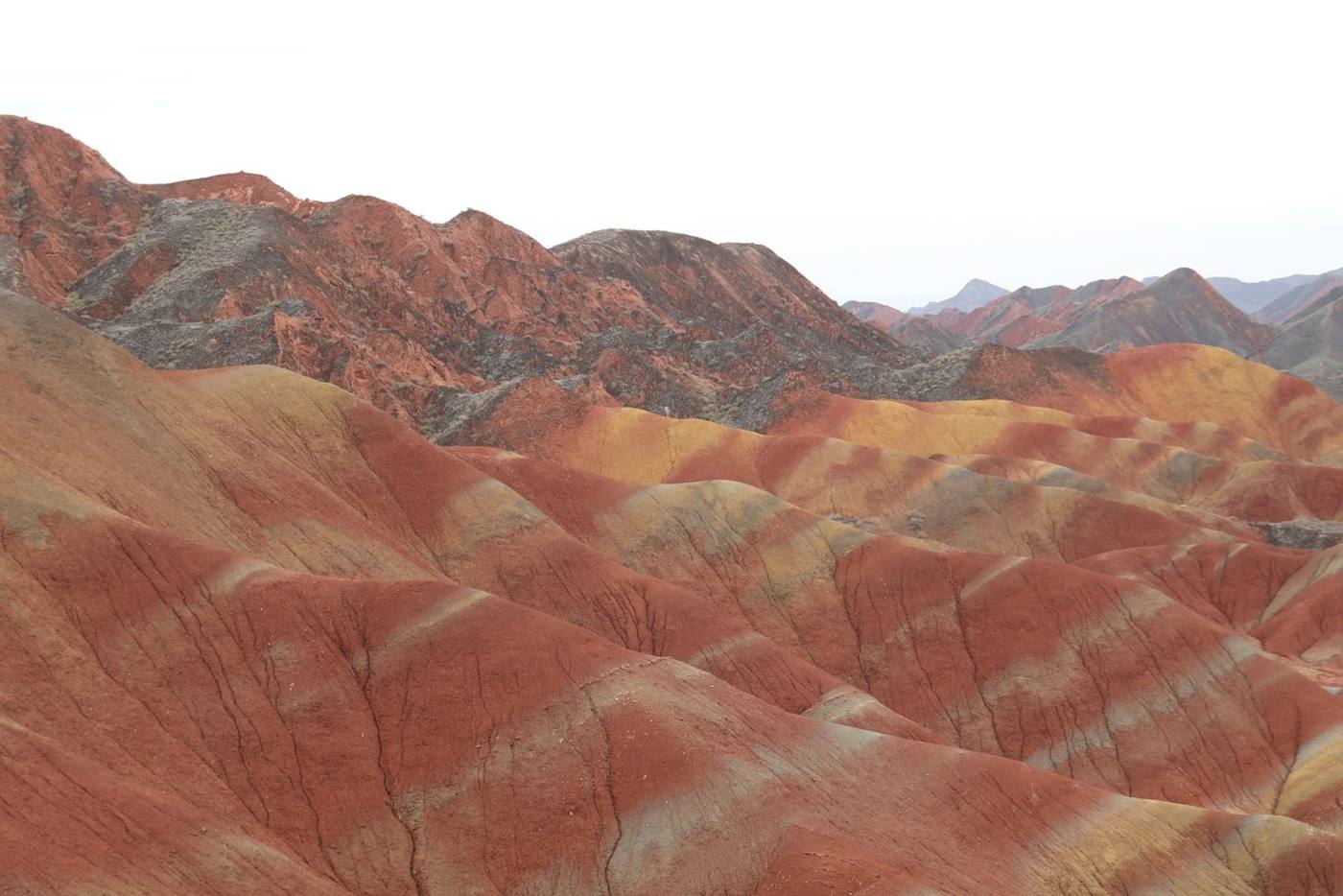
Gansu and the Silk Road
From Xi'an along the Hexi Corridor: the rainbow mountains of Zhangye, Jiayuguan fort at the end of the Great Wall, the Mogao Caves and the dunes of Dunhuang.
 8 daysEasy
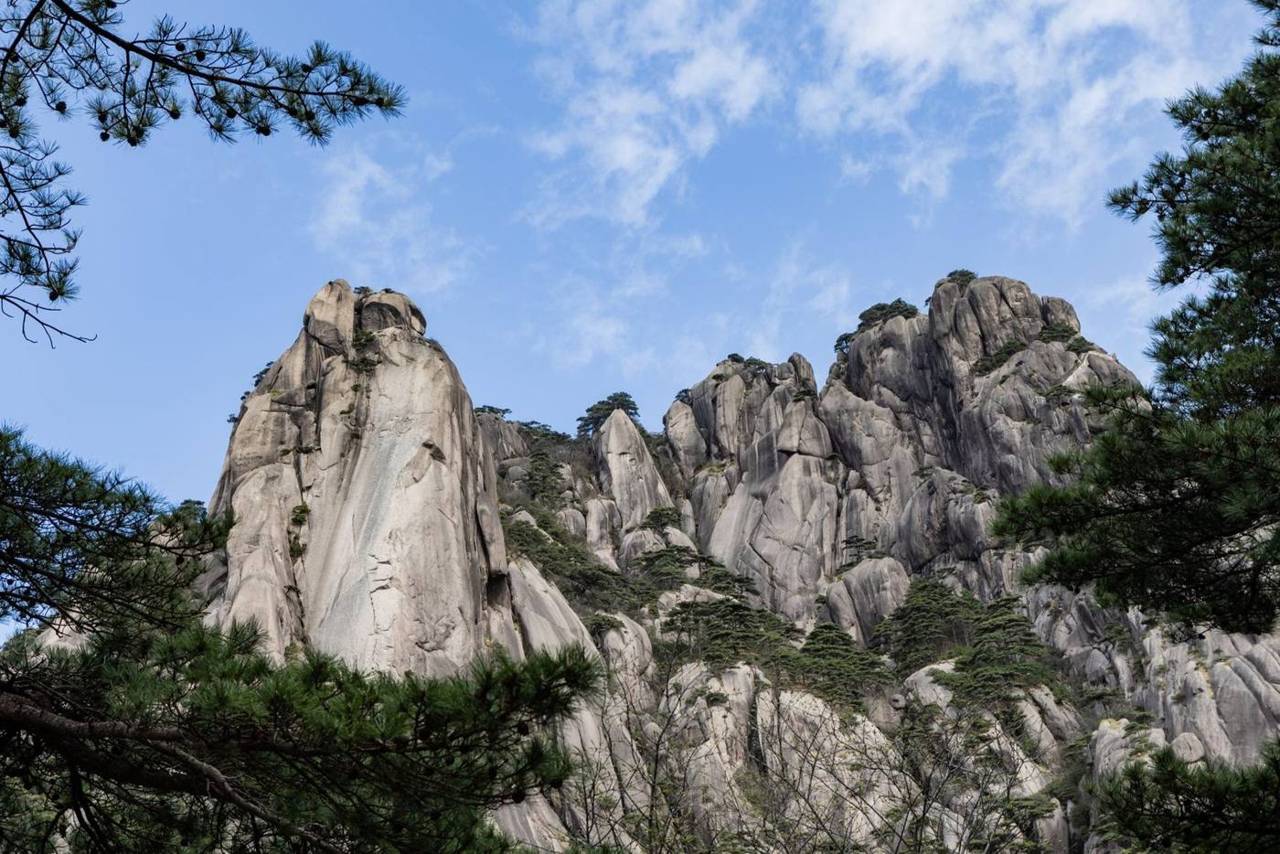
Shanghai, Hangzhou and the Yellow Mountains
Shanghai, the water town of Wuzhen, West Lake and Longjing tea in Hangzhou, the Hui villages and the peaks of Huangshan.
 6 daysEasy
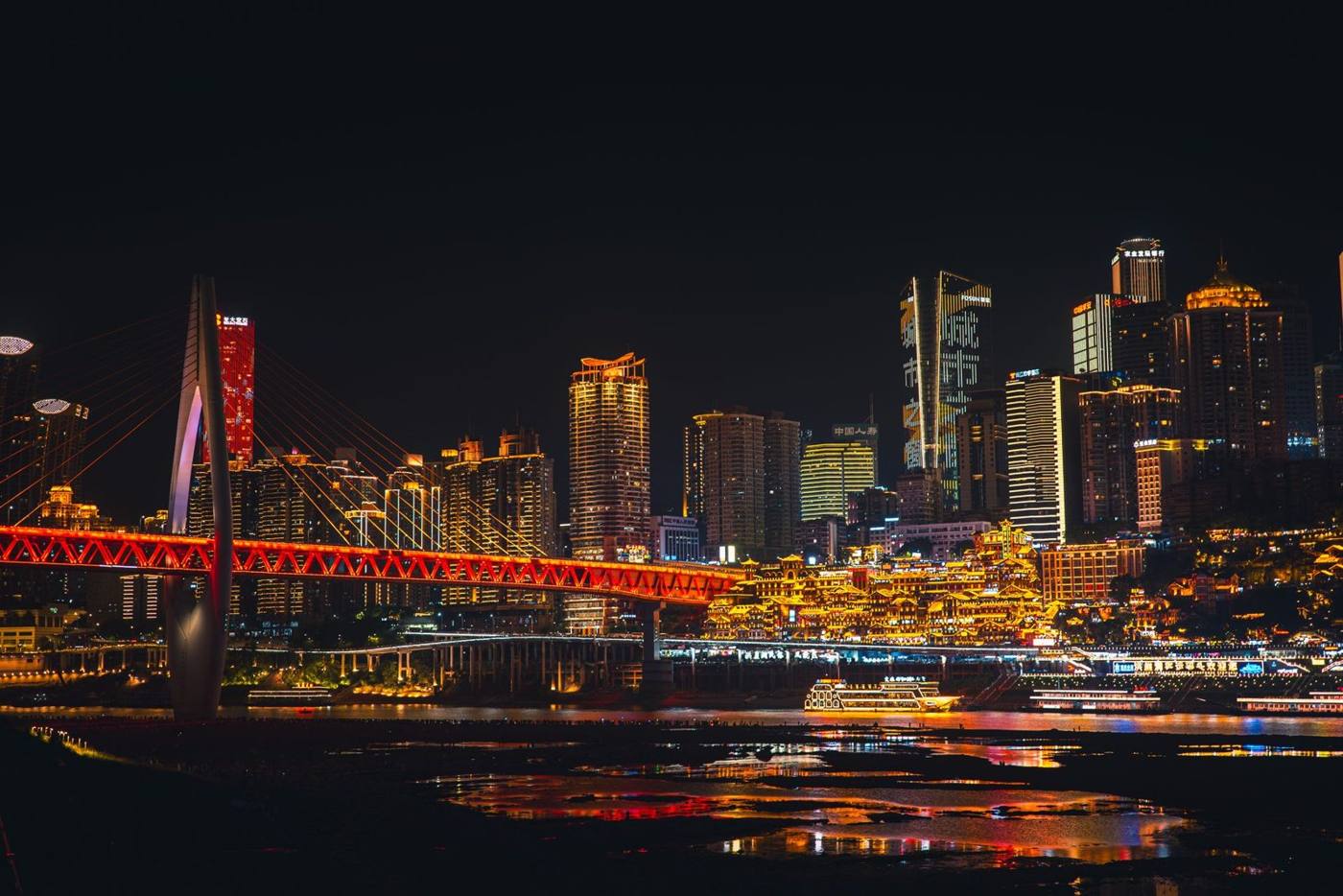
Chongqing and the Three Gorges
The vertical city of Chongqing, then three nights cruising the Yangtze through the Three Gorges to the great dam.