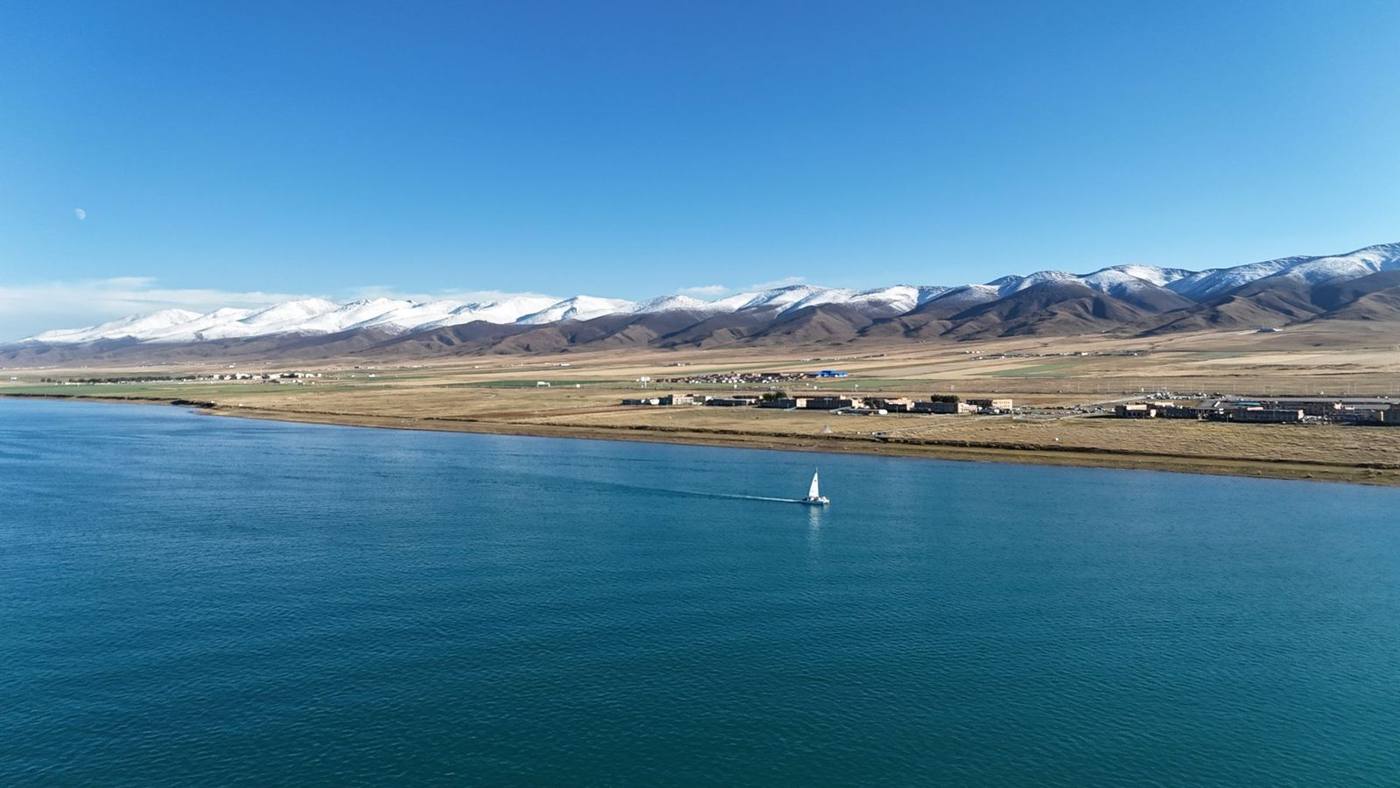
Qinghai: the blue lake and the Tibetan plateau
Tibetan culture outside Tibet, without special permits: Kumbum monastery, the great Qinghai Lake at 3,200 metres with its flowering rapeseed fields, the Chaka salt lake that mirrors the sky and herders' villages on the plateau.
- Xining
- Kumbum
- Qinghai Lake
- Heimahe
- Chaka
- Xining
Day by day
- Day 1
Xining: arrival and acclimatisation
Qinghai is a vast province on the north-eastern edge of the Tibetan Plateau, in western China: a land of high grasslands, mountains, salt lakes and Buddhist monasteries, where Han Chinese, Tibetans, Hui Muslims, Mongols and other peoples live side by side. Here lies Qinghai Lake, China's largest salt lake, at more than three thousand metres. In six days you see Xining, Kumbum Monastery, Qinghai Lake and Chaka Salt Lake.
You arrive in Xining, the provincial capital, by plane from Beijing, Shanghai or Chengdu, or by high-speed train from Lanzhou or Xi'an. Xining is at about two thousand two hundred metres: not very high, but useful for getting your body used to altitude before climbing to the lake.
On the first day, rest and walk slowly. Drink plenty of water and avoid alcohol and exertion. In the afternoon, stroll along the Huangshui river, which runs through the city, and in the parks, where people dance and play music in the evening.
In the evening, visit the Mojia Jie night market, the food street, to taste Qinghai cooking: mutton skewers, hand-pulled noodles in beef broth, yak yoghurt and oven-baked flatbreads.
In the evening, sleep in Xining.
Practical tip: for Italian citizens, entry without a visa to China for up to 30 days is valid until 31 December 2026. For trips after that date, check whether it has been extended.
- Day 2
Xining: Dongguan Mosque and Kumbum Monastery
In the morning, visit Dongguan Mosque, the largest in the province, built at the end of the fourteenth century and rebuilt several times, with green Chinese-style roofs and minarets. It is the heart of the Hui community, Chinese-speaking Muslims who are very numerous in Xining. At midday on Fridays thousands of worshippers fill the square for prayers.
Around the mosque, walk through the Muslim quarter, with its bakeries, butchers, tea sellers and men in white caps.
In the afternoon, go to Kumbum Monastery, called Ta'er in Chinese, about half an hour south of the city. It is one of the six great monasteries of the Gelug school of Tibetan Buddhism, the school of the Dalai Lama, founded in the sixteenth century at the birthplace of Tsongkhapa, the great teacher who founded the school.
The monastery is a cluster of temples, prayer halls, white stupas and monks' houses on a hillside. In the main hall you see the great silver stupa with its golden roof. The most famous hall holds the yak butter sculptures: flowers, deities and sacred scenes modelled by hand by the monks from coloured butter, delicate and full of detail.
Walk clockwise around the temples, as pilgrims do, turning the prayer wheels.
In the evening, sleep in Xining.
Practical tip: photography inside the temples at Kumbum is often forbidden. Always ask, dress modestly and walk clockwise around sacred buildings.
- Day 3
Qinghai Lake: the Riyue Pass and the south shore
In the morning, leave Xining westwards by car with a driver. The road climbs slowly through farmed valleys, then pastures, to the Riyue Pass, the Sun and Moon Pass, at about three thousand five hundred metres. The pass marks the boundary between agricultural China and the world of Tibetan herders: on one side fields, on the other grasslands, tents and herds of yak.
On the pass there are two small pavilions and colourful prayer flags flapping in the wind. A legend tells that the Chinese princess Wencheng, who set off in the seventh century to marry the king of Tibet, stopped here and threw away a magic mirror that showed her home, deciding to go on.
Descend towards Qinghai Lake, called Tso Ngonpo, the blue lake, in Tibetan. It is huge, more than four thousand square kilometres, and the water changes colour with the sky, from turquoise to deep blue.
In the afternoon, drive along the south shore, with grasslands sloping down to the water, herders' tents and, in summer, yellow fields of flowering rapeseed. Stop to watch the yak and sheep and walk down to the shore.
In the evening, sleep near the lake, on the south shore.
Practical tip: here you are above three thousand two hundred metres. Move slowly, drink a lot and, if you have a severe headache, nausea or breathlessness at rest, go down and seek help.
- Day 4
Qinghai Lake: sunrise at Heimahe
Early in the morning, before dawn, go to Heimahe, at the south-western tip of the lake, one of the best places to watch the sun rise over the water. The sky turns pink and orange, the light reflects on the calm surface and the distant mountains turn golden. It is cold even in summer: bring a warm jacket and a hat.
After sunrise, have breakfast with salty milk tea and flatbreads, or tsampa, roasted barley flour mixed with butter, the Tibetan staple.
In the rest of the morning, explore the west shore of the lake. At certain times of year, especially spring and summer, the lake is one of the most important places in Central Asia for migratory birds, such as bar-headed geese, brown-headed gulls and cormorants, which nest on small protected islands.
In the afternoon, if you like, hire a bicycle and ride a stretch of the lakeside road, much loved by Chinese cyclists, stopping at villages and viewpoints. Cycling at altitude is very tiring: keep the stretches short.
In the evening, watch the sunset over the lake, with low clouds and prayer flags.
In the evening, sleep near the lake or towards Chaka.
Practical tip: some parts of the shore are protected and closed to visitors because of the birds. Respect the signs and keep away from nesting areas.
- Day 5
Chaka Salt Lake
In the morning, drive south-west to Chaka Salt Lake, about two hours from Qinghai Lake, in an arid valley surrounded by bare mountains, at about three thousand metres.
Chaka is a salt lake where salt has been harvested for more than three thousand years. The water is very shallow, a few centimetres above a thick layer of white crystals, and on windless days the surface reflects the sky, the clouds and people perfectly, like a giant mirror. This is why it is called China's mirror of the sky.
Walk into the lake on the boardwalks or straight into the shallow water, wearing the rubber boots or shoe covers you can hire at the entrance. The salt is sharp and the water very salty: do not walk barefoot.
The tracks of a small train once used to carry salt still cross the lake, now used by a tourist train. You also see salt sculptures and old harvesting machines.
In the afternoon, when the sun is lower, the light softens and the reflections are at their best.
In the evening, sleep in Chaka, a small town near the lake.
Practical tip: the light on the salt lake is extremely strong, because the white reflects the sun. Bring dark sunglasses, high-factor sun cream and a hat, even when the sky is overcast.
- Day 6
Return to Xining
In the morning, if you like, go back to the shore at Chaka to see the lake in the dawn light, when there is almost nobody about and the water is calm.
Then head east back to Xining, in about four or five hours, passing Qinghai Lake and the Riyue Pass again. On the way, stop at viewpoints and Tibetan villages, with brick houses and prayer flags on the roofs.
If you have time, shortly before Xining, visit a small Tibetan monastery along the road, less crowded than Kumbum, or a village of the Tu, a local minority whose clothes have colourful striped sleeves.
In the late afternoon you reach Xining. In the evening, take a last walk in the city and taste a dish of boiled mutton with spices, or yak dumplings.
The next day you can leave by plane or train.
This trip combines well with the train to Lhasa, which leaves from Xining and crosses the Tibetan Plateau, but Tibet requires a special permit and an organised tour with an authorised agency. Alternatively, it combines with the Labrang region in Gansu, with the great monastery at Xiahe, or with Xi'an.
Practical tip: the train to Lhasa and Tibet itself require a special permit for foreigners and a tour with an authorised agency. The rules change often: check well in advance.
For those curious about Tibetan culture who can cope with altitude: Xining is at 2,200 metres, the lake at 3,200. In the first days walk slowly and drink plenty. In monasteries walk clockwise and ask before taking photos. Rules for foreigners in Tibetan areas can change without notice: check before leaving. For Italian and many other European citizens, entry without a visa for up to 30 days applies until 31 December 2026: for trips after that date, check whether it has been extended.
Before you go
- Documents and visa
- Passport with at least six months' validity. Until 31 December 2026 Italian and many other European citizens need no visa for tourism up to 30 days; check whether the scheme has been extended and covers you.
- Health and vaccines
- No compulsory vaccines arriving from Europe. In big cities check air quality. Emergencies: 110 police, 120 ambulance, 119 fire.
- Money and payments
- Renminbi yuan. Almost everything is paid with Alipay and WeChat QR codes, which can be linked to foreign cards; carry some cash.
- Power sockets
- Types A, C and I, 220 volts: a universal adapter is useful.
- Time zone
- UTC+8 all year: all of China uses Beijing time.
- Safety
- The United States rates China level 2 because of arbitrary enforcement of local laws. Always carry your passport. Many Western websites and apps are blocked. Official advice: GOV.UK.
Information checked in November 2026 for Italian and EU citizens. Rules change: always check before you travel.
Variations
In 4 days: Xining and Kumbum, then one night at Qinghai Lake.
In 9 days: add Labrang and Xiahe monastery in Gansu.
Frequently asked questions
When is the best time to go?
From June to September, when the grasslands are green and the rapeseed flowers in July. Winter is very cold and some roads may be closed.
Is altitude a problem?
Xining is at about two thousand two hundred metres, the lake above three thousand. Climb gradually, drink a lot and ask your doctor's advice if you have heart or breathing problems.
Do I need a guide?
It is not compulsory in Qinghai, but a car with driver makes the trip easier, as public transport is slow and few people speak English.
Indicative itinerary written by World Atlas. Before booking, check timetables, seasonal openings, documents and safety.
 7 daysEasy
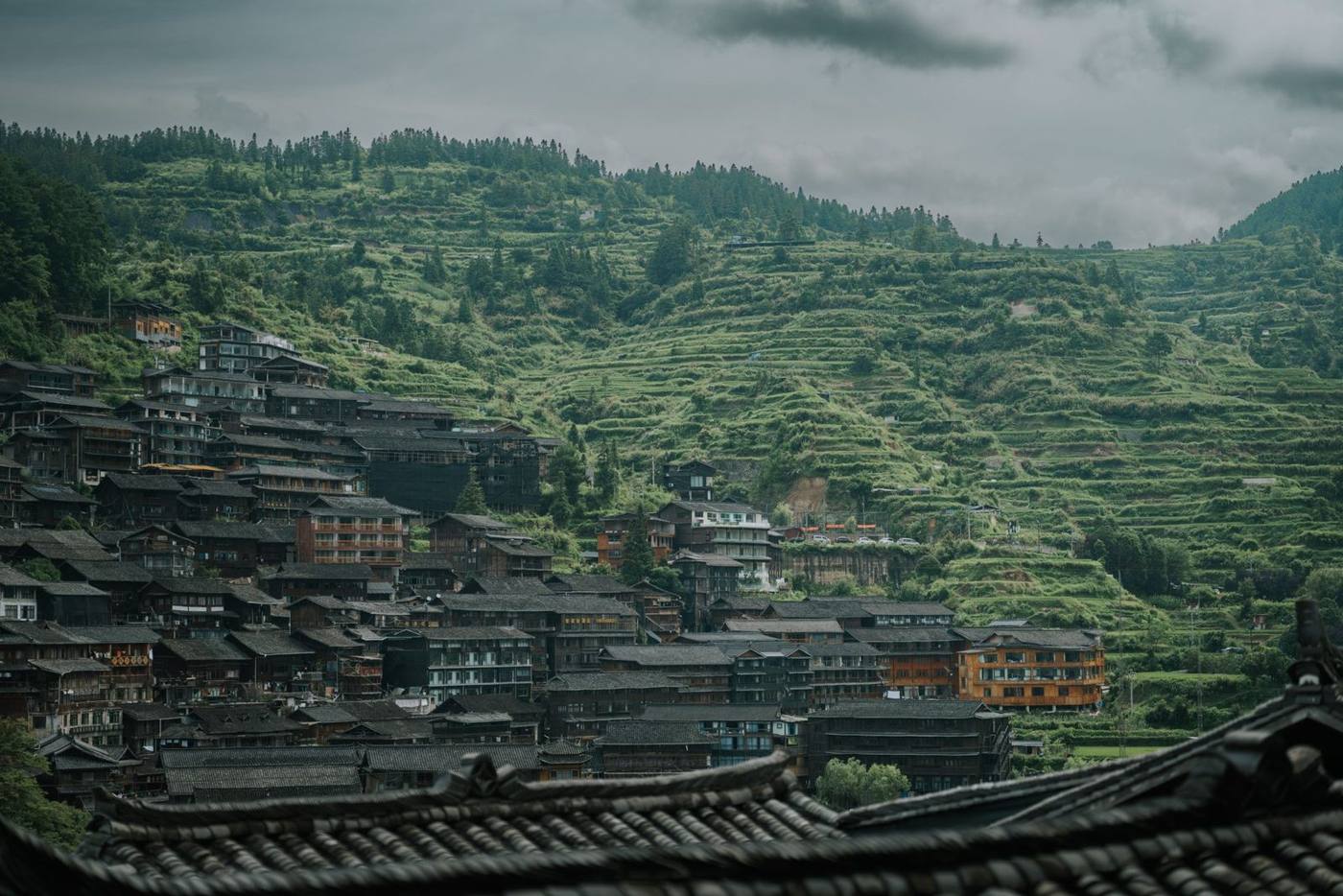
Guizhou: Miao and Dong villages
The China of the minorities: the great Miao village of Xijiang with its wooden houses on the hill, the wind-and-rain bridges and drum towers of the Dong at Zhaoxing, the Huangguoshu waterfall and the karst forests of Libo.
 4 daysEasy
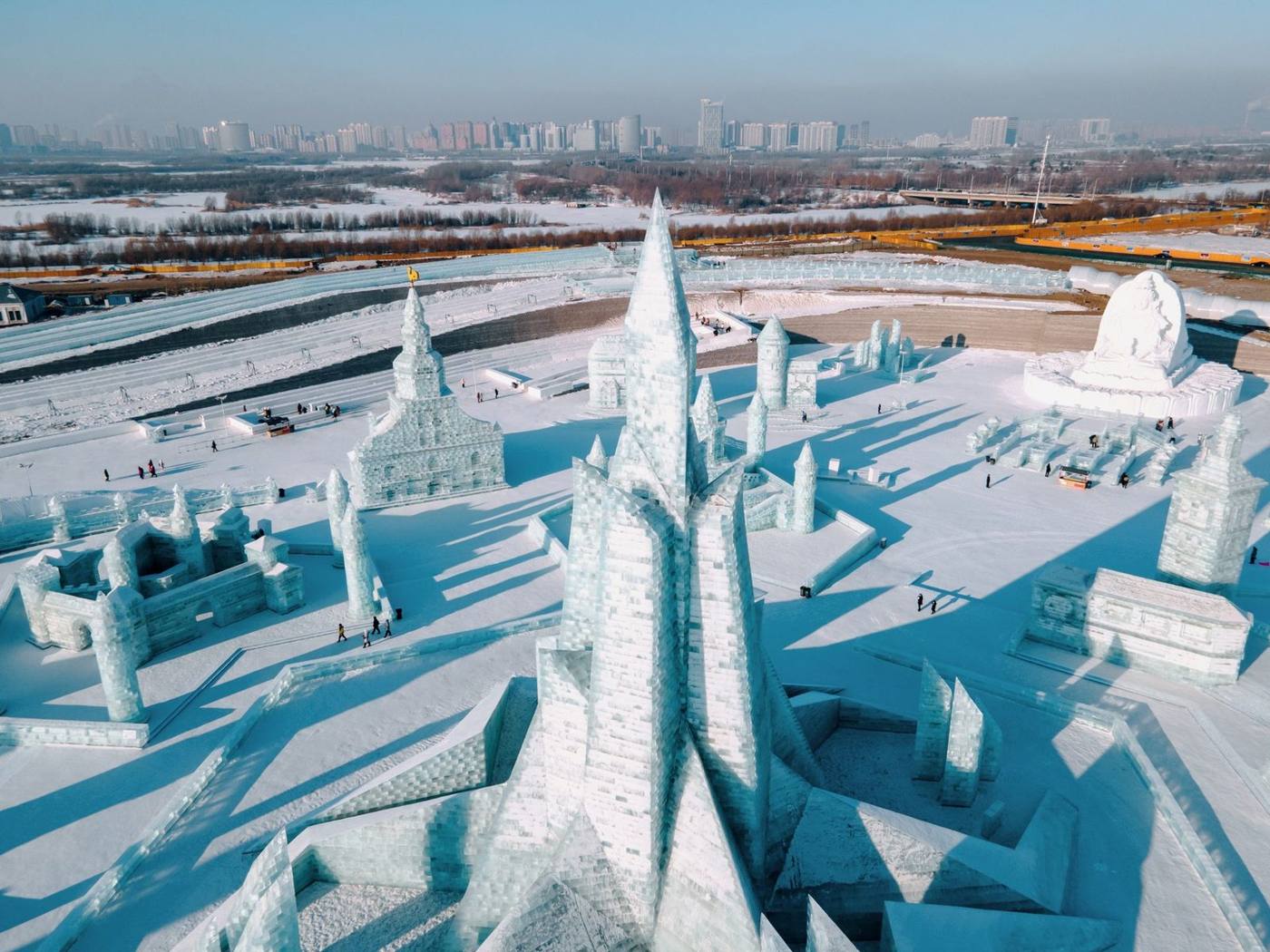
Harbin, the ice festival
China's coldest city at its most spectacular: the lit-up ice castles of Ice and Snow World, the snow sculptures of Sun Island, the central street with Russian architecture and St Sophia Cathedral, the Siberian tiger park.
 8 daysEasy
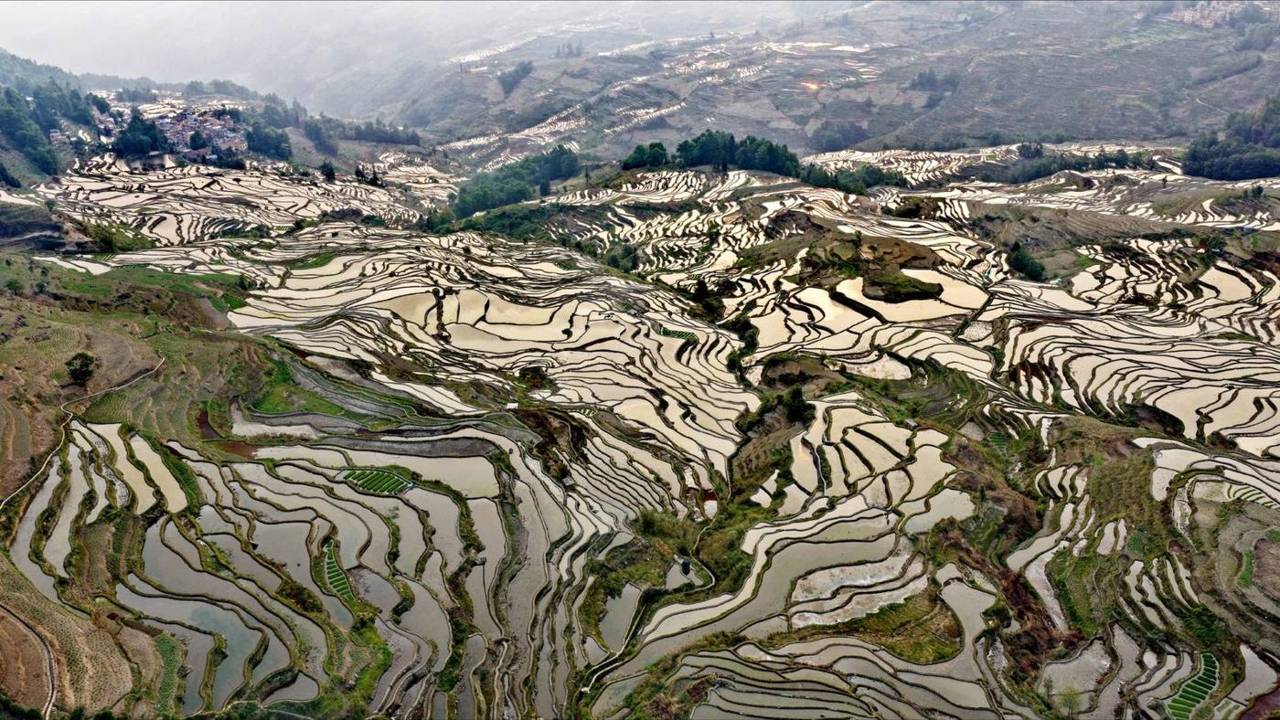
Southern Yunnan: Yuanyang and Xishuangbanna
The other Yunnan: the Hani rice terraces of Yuanyang, a UNESCO World Heritage site, mirroring the sky at dawn, the old town of Jianshui and tropical Xishuangbanna, with Dai villages, Theravada Buddhist temples and forests.