Inner Mongolia: the Hulunbuir grasslands
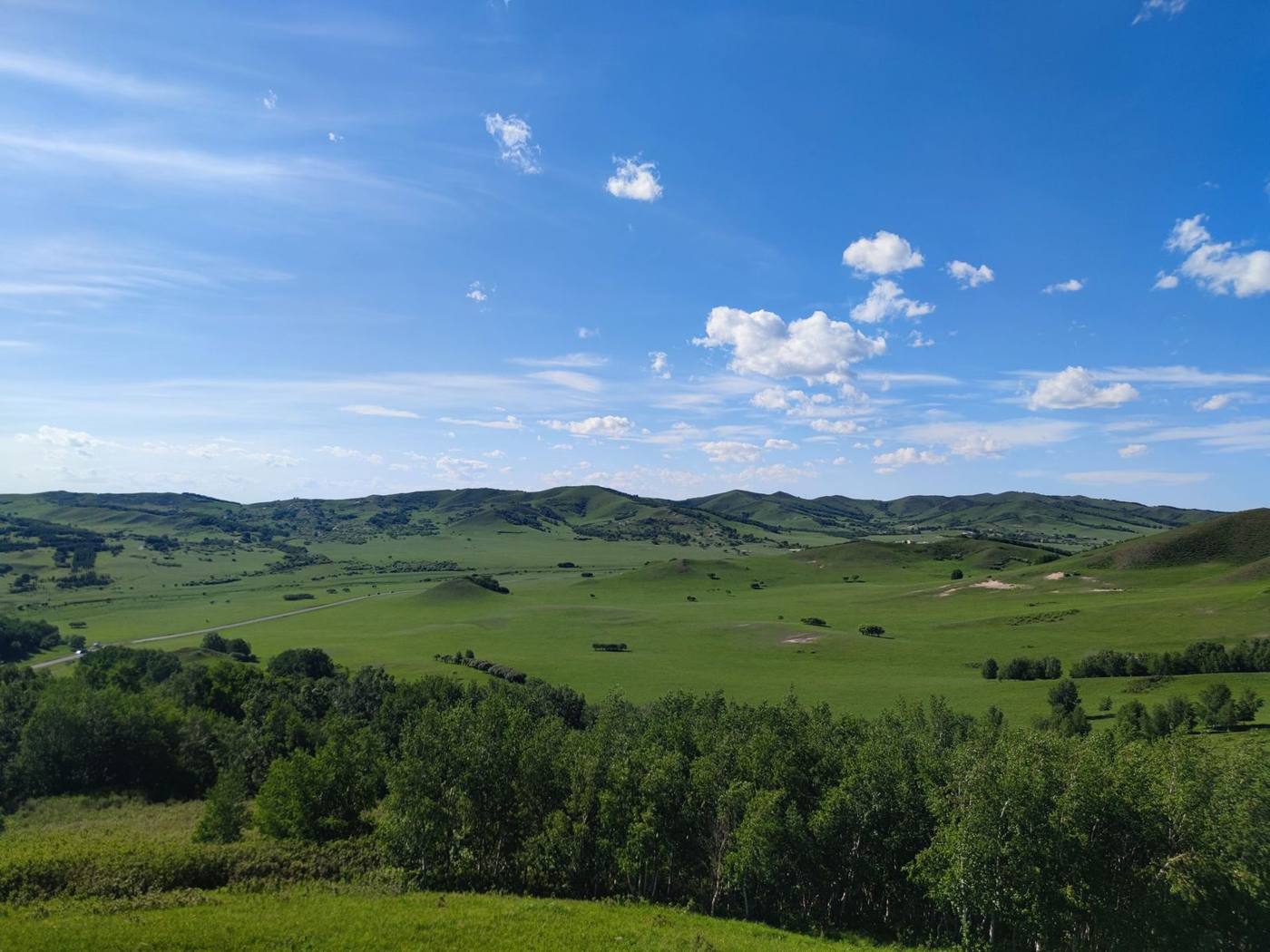
China's largest grasslands: Hailar, rivers winding through the green, Mongolian herders' tents, Hulun lake, the birch forests of the Greater Khingan and the Russian village of Shiwei on the Argun river.
- Hailar
- Mo'erdaoga
- Ergun
- Shiwei
- Hulun Lake
Day by day
- Day 1
Hailar and the nearby grassland, a night in a Mongolian tent
Hulunbuir is the north-easternmost region of Inner Mongolia, an autonomous region of China bordering Mongolia and Russia. It is one of the largest and best-preserved grasslands in the world: green rolling hills as far as the eye can see, rivers winding in endless bends, lakes, birch and larch forests, and Mongolian herders with their flocks and horses. In six days you see the grassland, the Mo'ergele river, the Greater Khingan forests, the Ergun wetland, the village of Shiwei on the Russian border and Hulun Lake.
You arrive by plane in Hailar, the region's main city, with flights from Beijing in about two and a half hours. Hailar is a modern riverside city, with part of the population of Mongolian origin and signs written in Chinese and in Mongolian, with the traditional vertical script.
In the afternoon, head out of the city into the grassland, a few kilometres away, with a driver. The grass stretches to the horizon, dotted with flocks of sheep and herds of cattle and horses.
In the evening, sleep in a ger, the traditional round Mongolian tent, made of felt on a wooden frame, today often with real beds and a small bathroom. Taste Mongolian food: boiled mutton, salty milk tea, dried cheese and yoghurt.
In the evening, sleep in a ger on the grassland.
Practical tip: for Italian citizens, entry without a visa to China for up to 30 days is valid until 31 December 2026. For trips after that date, check whether it has been extended.
- Day 2
The Mo'ergele river and horses
In the morning, at dawn, step out of the ger and look at the grassland in the low light, with a light mist over the grass. It is the quietest moment of the day, with only the sound of the wind and the animals.
Then head for the Mo'ergele river, north of Hailar, one of the most famous landscapes in China. The river flows slowly and sinuously through the grassland, forming dozens of tight bends one after another, like a silver ribbon laid on the grass. In China it is often called the most winding river in the world. Climb one of the nearby hills to see the bends from above.
Herding families live along the river, with their flocks grazing near the water. With a herder or local guide you can ride a horse across the grassland. Mongolian horses are small, sturdy and calm, used to living outdoors all year round. Even beginners can take a short ride at walking pace.
In the afternoon, if there is a festival, watch the traditional Mongolian games known as Naadam: wrestling, archery and horse racing, usually held in summer.
In the evening, watch the sunset over the grassland, with the enormous sky changing colour.
In the evening, sleep in a ger near the river.
Practical tip: for riding, wear long trousers and closed shoes, and always ask for a helmet. Tell your guide if you are not experienced, so they give you a calm horse.
- Day 3
The Greater Khingan forests at Mo'erdaoga
In the morning, drive north-east, leaving the grassland to enter the forests of the Greater Khingan range, a long chain of low, forested mountains separating the grassland from the Manchurian plain.
You reach Mo'erdaoga National Forest Park, one of the largest forests in China, with larch and white birch woods, clear rivers and hills. In autumn, from mid-September, the larches turn gold and the birches yellow, and the forest is painted like a picture. In winter everything is covered in snow, with temperatures falling far below zero.
Walk the trails and wooden boardwalks through the forest to viewpoints over the tree-covered hills. Along the river you see damp meadows, wild flowers in summer and sometimes birds and small woodland animals.
The region is home to the Evenki, a small people of hunters and reindeer herders who once moved through the forest with their tents. Today many live in villages, but some families still keep reindeer. In some centres you can learn about their history.
In the afternoon, continue north through the woods and small logging towns.
In the evening, sleep in or near Mo'erdaoga.
Practical tip: even in summer, nights in the northern forests can be cold. Bring a warm jacket, a jumper and mosquito repellent, as mosquitoes are numerous near the rivers.
- Day 4
The Ergun wetland and the village of Shiwei
In the morning, drive west to Ergun, a small town near the Russian border. Just outside the town lies the Ergun wetland, one of the largest in China, where the river spreads into a plain of meadows, channels, willow thickets and marshes.
Climb the boardwalk and the viewpoint hill to see the wetland from above: channels of water shining between green grass and woods, with hills in the background. In summer it is full of flowers and waterbirds, such as cranes, ducks and herons.
In the afternoon, drive north along the Ergun river, which marks the border between China and Russia, to the village of Shiwei, about two or three hours away. The road crosses green hills and fields of wheat and rapeseed, with very few houses.
Shiwei is a village of families of Russian origin, descendants of marriages between Chinese and Russians in the nineteenth century. The houses are wooden, with decorated windows, gardens and Russian stoves. Many families offer accommodation in their homes and make bread, jams and Russian dishes.
At sunset, walk along the river and look at the far bank, already in Russia.
In the evening, sleep in Shiwei.
Practical tip: Shiwei is in a border zone. Always carry your passport, follow the rules at checkpoints and do not photograph military or border installations.
- Day 5
Hulun Lake
In the morning, leave Shiwei and head back south across the grassland to Hulun Lake, the largest lake in Inner Mongolia and one of the largest freshwater lakes in China, west of Hailar, near the border city of Manzhouli.
The lake is so vast it looks like a sea, with waves, beaches and a horizon of water. Its shores are flat, surrounded by grassland and sand dunes, and in summer there are migratory birds such as geese, swans and gulls.
Walk along the shore and watch the fishermen. The lake is famous for its fish, which in winter are caught with nets under the ice, an ancient tradition of Mongolian fishermen. Taste lake fish cooked in local style.
If you have time, pop over to Manzhouli, the city on the Russian border, with European and Russian-style buildings, signs in Cyrillic and a huge border gate. It is a lively trading city, with markets selling Russian goods such as chocolate, matryoshka dolls and vodka.
In the evening, return to the grassland for a last night in a ger, under a sky full of stars.
In the evening, sleep near the lake or in Manzhouli.
Practical tip: the weather on the grassland changes quickly and the wind is strong, even in summer. Bring a windproof jacket and sun cream, as the sun burns even when it is cool.
- Day 6
Return to Hailar
In the morning, take a last walk on the grassland at dawn, with flocks heading out to graze and dew on the grass.
Then return to Hailar, about two or three hours by car from Hulun Lake, across the grassy hills. If you like, stop on the way with a herding family for milk tea and to see how dried cheese is made.
In Hailar, if you have time before your flight, visit the Hulunbuir museum, with the history of the grassland peoples, the Mongols, the Evenki and other groups, objects from nomadic life, saddles, clothing and musical instruments such as the horse-head fiddle, the morin khuur.
Alternatively, visit the remains of Japanese Second World War fortifications near the city, a site that tells the story of the occupation of Manchuria.
Then take the flight to Beijing, about two and a half hours, where you can connect to your international flight home or continue your trip in China.
This trip combines well with Beijing and the Great Wall, or with the Harbin ice festival in winter, reachable by train or plane from the region.
Practical tip: the best season for the grassland is short, from June to September. July and August bring many Chinese tourists: book accommodation and flights in advance.
A trip of wide open spaces, only in high summer: in winter it reaches -40 degrees here. Distances are long and public transport rare, so you need a car with driver. Nights in tents are simple. The Argun river is the border with Russia: stay on the Chinese bank and at tourist spots. For Italian and many other European citizens, entry without a visa for up to 30 days applies until 31 December 2026: for trips after that date, check whether it has been extended.
Before you go
- Documents and visa
- Passport with at least six months' validity. Until 31 December 2026 Italian and many other European citizens need no visa for tourism up to 30 days; check whether the scheme has been extended and covers you.
- Health and vaccines
- No compulsory vaccines arriving from Europe. In big cities check air quality. Emergencies: 110 police, 120 ambulance, 119 fire.
- Money and payments
- Renminbi yuan. Almost everything is paid with Alipay and WeChat QR codes, which can be linked to foreign cards; carry some cash.
- Power sockets
- Types A, C and I, 220 volts: a universal adapter is useful.
- Time zone
- UTC+8 all year: all of China uses Beijing time.
- Safety
- The United States rates China level 2 because of arbitrary enforcement of local laws. Always carry your passport. Many Western websites and apps are blocked. Official advice: GOV.UK.
Information checked in November 2026 for Italian and EU citizens. Rules change: always check before you travel.
Variations
In 4 days: Hailar, the grassland, the Mo'ergele river and Hulun Lake.
In 9 days: add Beijing and the Great Wall.
Frequently asked questions
When is the best time to go?
From June to August for the green grassland, mid-September for autumn colours in the forests. Winter is extremely cold, even below minus thirty degrees.
Do I need a guide?
It is very useful, as distances are long, public transport scarce and very few people speak English. A car with a driver is the easiest solution.
Do you really sleep in tents?
Yes, many tourist gers have beds, heating and a bathroom. There are also ordinary hotels in Hailar, Ergun and Manzhouli.
Indicative itinerary written by World Atlas. Before booking, check timetables, seasonal openings, documents and safety.
 12 daysEasy
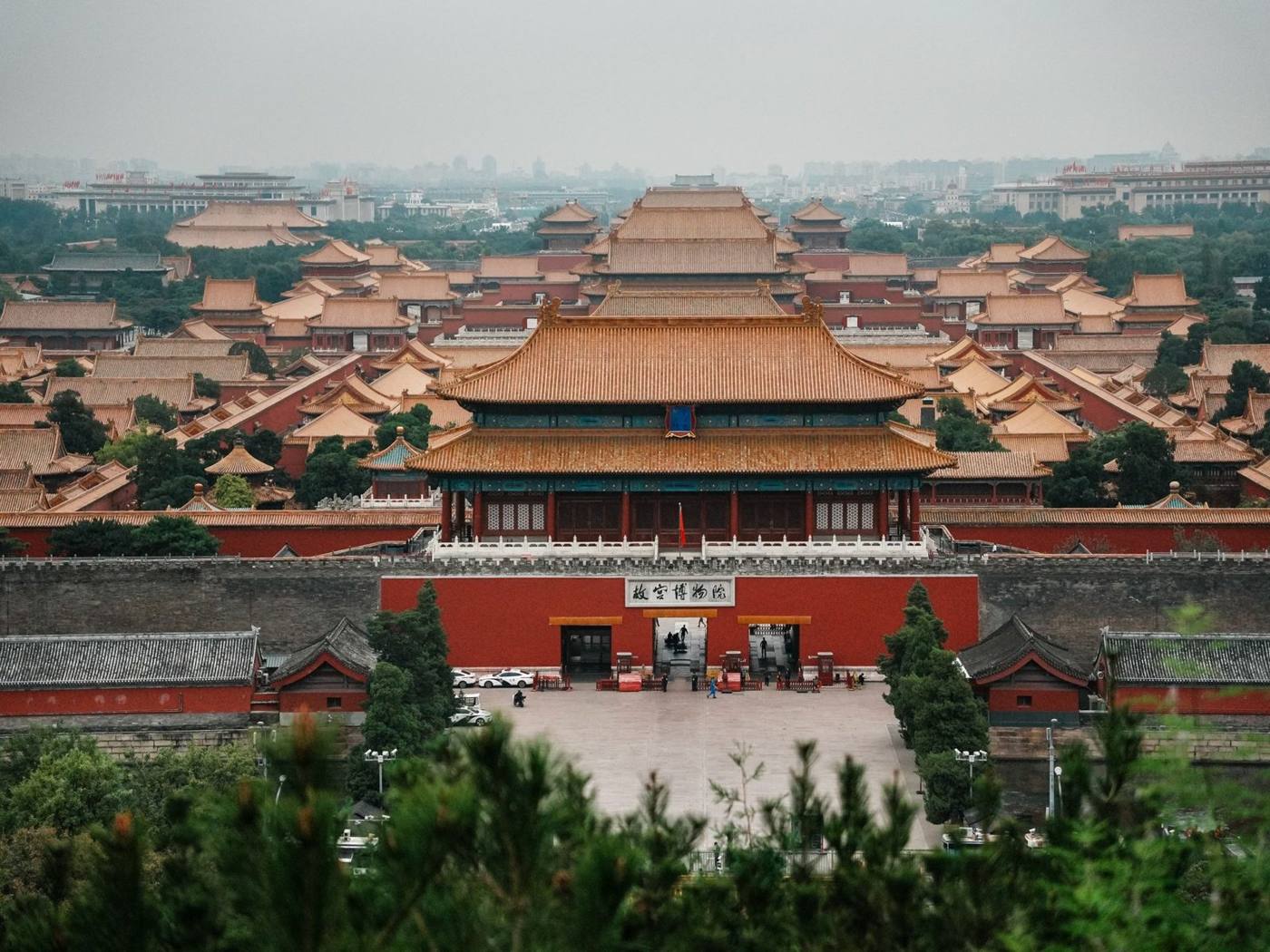
Beijing, Xi'an and Shanghai
A first trip to China: the Forbidden City and the Great Wall, the Terracotta Army of Xi'an, the gardens of Suzhou and the Shanghai skyline, linked by high-speed train.
 5 daysModerate
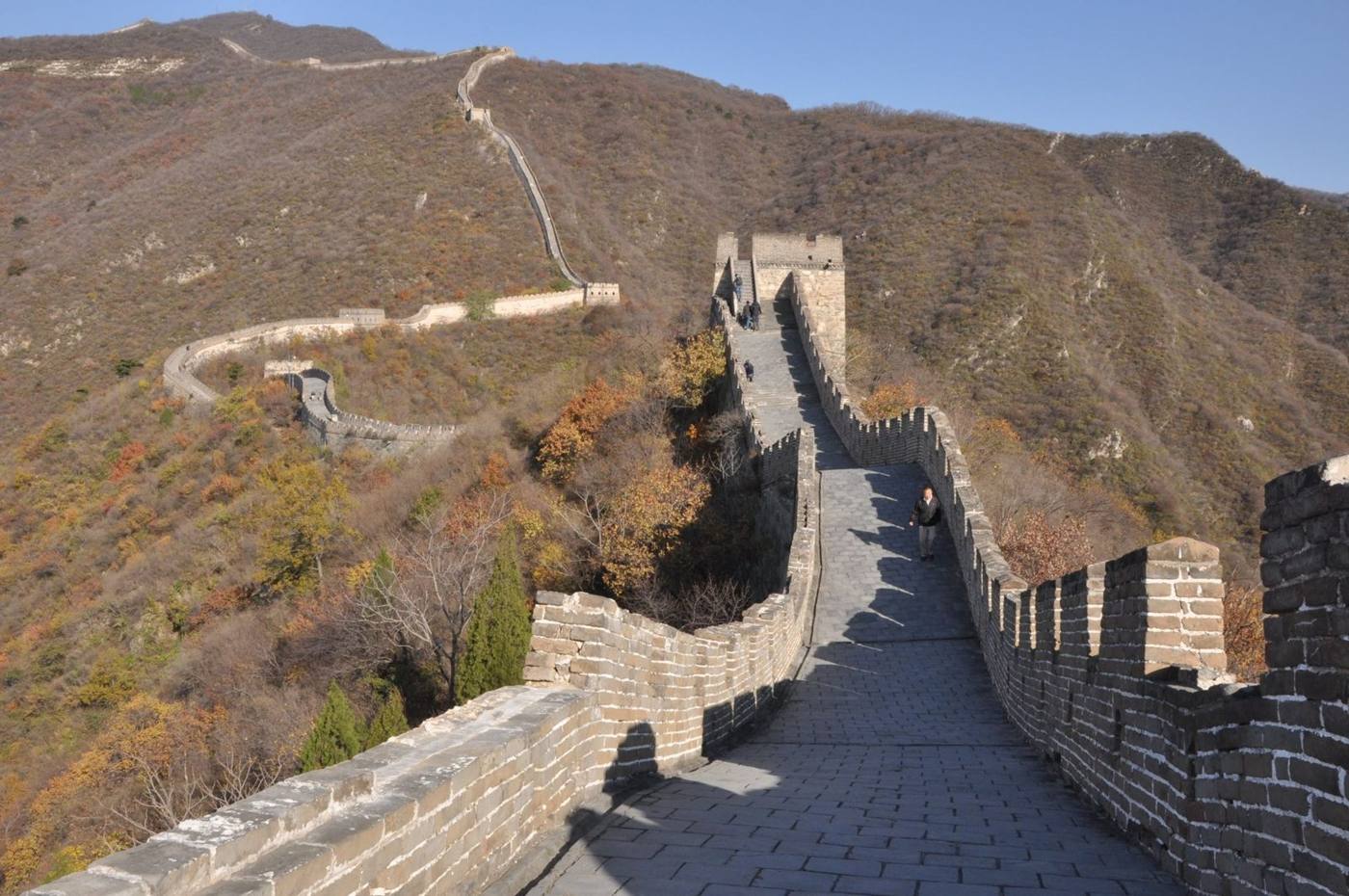
The Great Wall on foot
Away from the restored sections: walks between Jiankou and Mutianyu and east from Jinshanling, with a night in a village below the towers.
 7 daysEasy
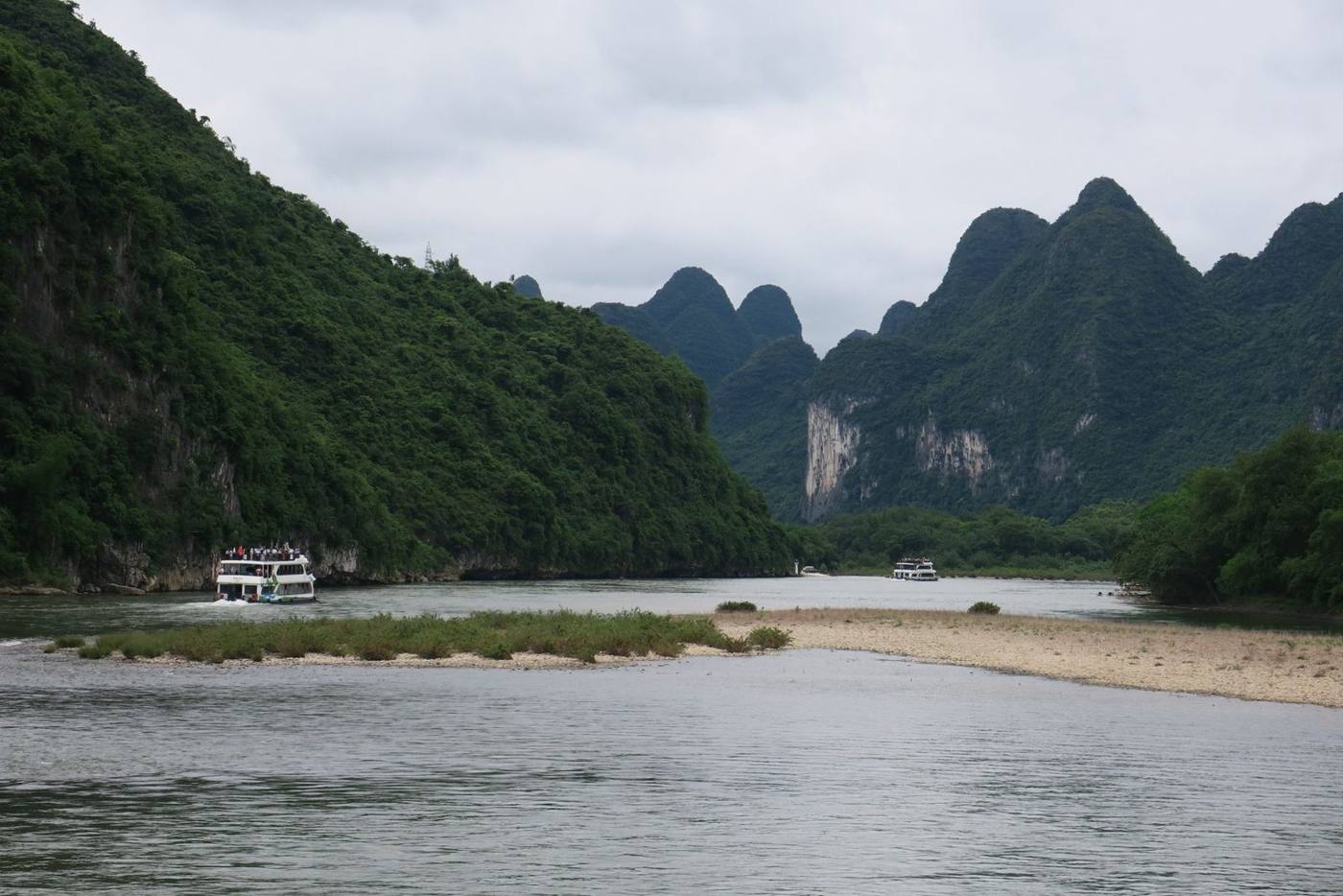
Guilin, Yangshuo and the Longji rice terraces
Karst peaks along the Li River by boat, Yangshuo by bike along the Yulong River and the rice terraces of the Zhuang and Yao villages.