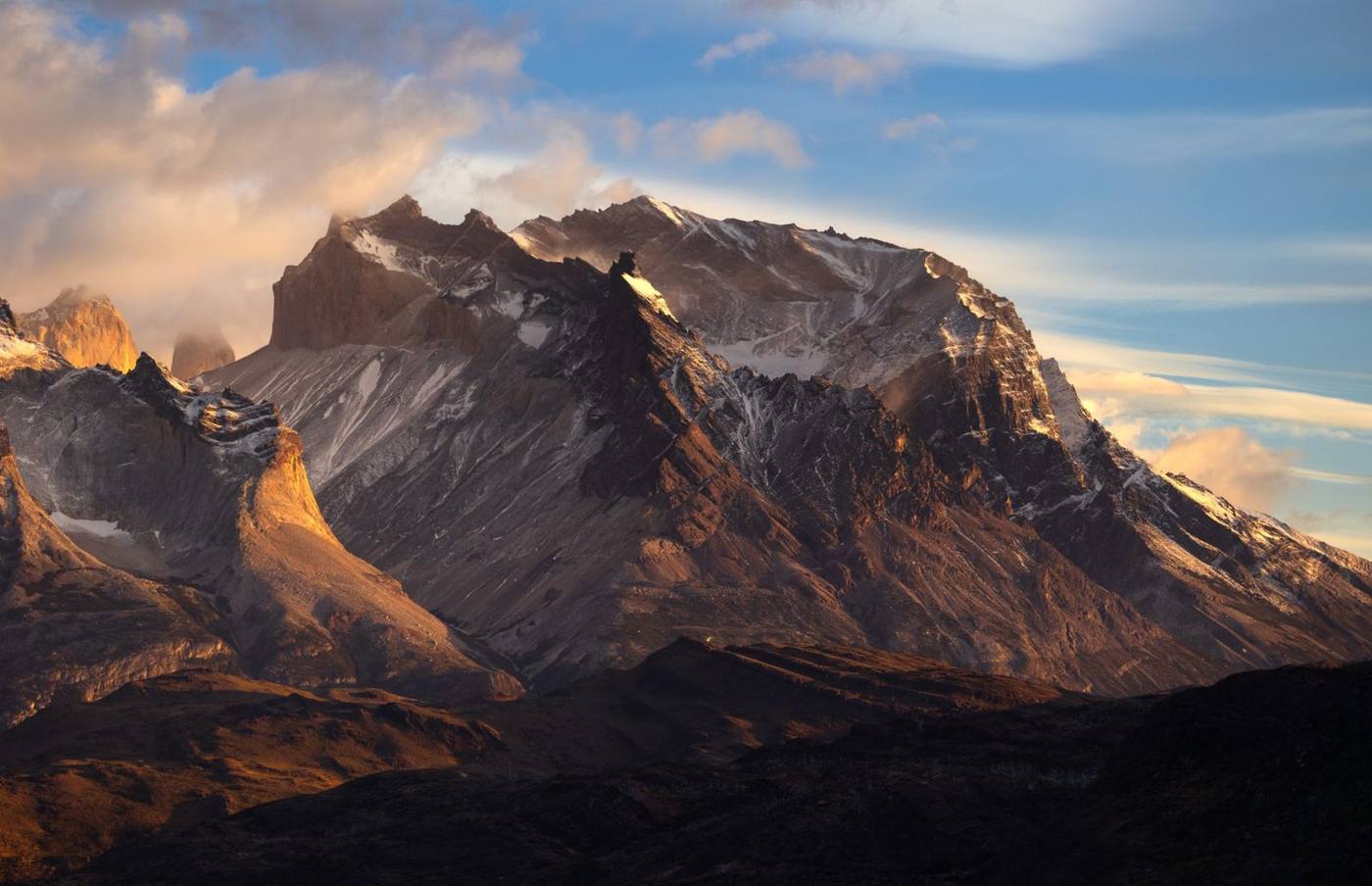
Torres del Paine: the W trek
Patagonia's most famous trek in five days from refuge to refuge: the Towers at dawn, the French Valley and Grey Glacier.
- Punta Arenas
- Puerto Natales
- Base de las Torres
- Valle del Francés
- Lake Pehoé
- Grey Glacier
Day by day
- Day 1
Arrival in Punta Arenas on the Strait of Magellan
EU citizens enter Chile without a visa for tourism for up to ninety days with a valid passport. On arrival you receive an electronic entry slip from the PDI, which must be kept until you leave the country.
Punta Arenas, in Chile's far south, is about three and a half hours by air from Santiago. The city faces the Strait of Magellan, the passage between the Atlantic and the Pacific discovered by Ferdinand Magellan in 1520, with early twentieth-century mansions built by wealthy sheep-farming and shipping families before the Panama Canal opened.
In the afternoon walk around the Plaza de Armas with its statue of Magellan: tradition says that whoever touches the foot of the Indigenous figure at the base will one day return to Patagonia. Climb to the Cerro de la Cruz lookout for views of the colourful roofs and the strait, and visit the monumental cemetery, with cypresses clipped into cones and the tombs of European pioneers.
In the evening try Patagonian cooking: Magellanic lamb spit-roasted over embers, king crab, called centolla, and calafate, a blue berry used in desserts and drinks.
Practical tip: in Patagonia the wind is extremely strong all year and the weather changes within minutes; always carry a waterproof, windproof jacket, even in summer.
- Day 2
To Puerto Natales and preparing the trek
In the morning take the bus to Puerto Natales, about three hours north across the Patagonian steppe, where you see rheas, guanacos and large sheep ranches. At some times of year there are also direct flights from Santiago to Puerto Natales.
Puerto Natales is a small town on the Última Esperanza fjord, the gateway to Torres del Paine National Park. Spend the day preparing for the W circuit, the park's most famous trek, done in four or five days.
Park entry can only be bought online on pasesparques.cl, the official site of CONAF, the Chilean parks agency: from 1 May 2026 a foreign adult pays 25,000 Chilean pesos for one day and 50,000 pesos for two or more days. To sleep along the W you need refugio or campsite reservations, which are compulsory and should be made months ahead for high season, December to February. Without a reservation you are stopped at park checkpoints.
In the afternoon check your gear: broken-in boots, waterproof jacket and trousers, warm layers, hat, gloves, sunscreen and sunglasses, a water bottle and a bag to carry your rubbish back out. Shops in Puerto Natales rent whatever you are missing.
Practical tip: lighting fires outside authorised areas is forbidden in the park; fires caused by tourists have destroyed large forests in past years, and fines are very high.
- Day 3
The climb to the base of the Towers
Early in the morning the bus from Puerto Natales takes about two hours to the park entrance at Laguna Amarga, where you show your ticket and reservations. A shuttle links the entrance with the Central sector, where the trail starts.
Today is the hardest and most famous stage: the climb to the base of the Towers, the three granite towers that give the park its name, more than two thousand metres high. The trail climbs about nine and a half kilometres with over eight hundred metres of ascent and takes eight to ten hours there and back. You cross the Ascencio valley, with wind blowing through the gorge, then a forest of southern beech, called lenga, to Refugio Chileno.
The last stretch, about an hour, climbs a steep, tiring moraine of boulders. At the top a glacial lagoon opens at the foot of the three towers, with green and grey water: one of the most famous landscapes in Patagonia. With luck the towers turn red at dawn, but to see this you need a night at Refugio Chileno and a start in the dark.
In the afternoon descend to the Central sector or Refugio Chileno for the night.
Practical tip: in winter, from May to September, CONAF requires the W and the climb to the base of the Towers to be done with an authorised guide. Always check trail closing times, because rangers close access in the afternoon.
- Day 4
Along Lake Nordenskjöld
Today you walk west along the trail beside Lake Nordenskjöld, about eleven kilometres between the Central sector and the Francés campsite or refugio, in five or six hours. The trail is less demanding than yesterday, with ups and downs over hills and small streams.
Lake Nordenskjöld is an intense turquoise that changes with the light and wind, and above it rise the Cuernos del Paine, the horns of Paine, mountains with a base of pale granite and summits of dark sedimentary rock: a unique contrast of colours due to the massif's geological history.
Along the way you see guanacos, the wild relatives of the llama, condors soaring high above the walls, and sometimes rheas and foxes. Pumas live in the park but are hard to spot and rarely approach people; if you meet one, stay standing, do not run and move away slowly without turning your back.
On days of strong wind, gusts over the lake can exceed a hundred kilometres an hour and knock you off balance: crouch down and wait for them to pass. Patagonian weather can bring sun, rain and wind within the same hour.
In the evening you reach the refugio or campsite in the Francés area. Practical tip: drink stream water only where park signs allow it, and never wash dishes or yourself in the rivers, to keep the water clean for everyone.
- Day 5
The French Valley
Today is the French Valley, the centre of the W circuit and for many its finest stage. Leaving your big pack at the campsite, you climb with a light daypack along the Francés River to the Francés lookout in about two hours and then, if the trail is open, to the Británico lookout at the head of the valley, about five or six hours there and back from the Francés lookout.
The valley is an amphitheatre ringed by rock walls: to the west Paine Grande, the highest mountain in the massif, with the Francés glacier hanging on its faces, to the east the Cuernos and other granite peaks. You often hear the roar of ice avalanches breaking off the glacier, and sometimes see them fall. The Británico lookout at the end offers a 360-degree view of the walls.
The trail crosses southern beech forests, some burnt by past fires, meadows and boulders. In autumn, in March and April, the beech leaves turn red and yellow.
In the afternoon return to the campsite, pick up your pack and continue to Refugio Paine Grande on the shore of Lake Pehoé, about two and a half hours.
Practical tip: rangers close the climb to the Británico lookout at set times in the afternoon and in bad weather; start early and respect closures, because in an emergency rescue takes many hours to arrive.
- Day 6
To the Grey Glacier
Today you walk north from Refugio Paine Grande to Refugio Grey, about eleven kilometres in four or five hours, along the Grey Lake valley. The trail first climbs among hills and ponds, then runs along the slope above the lake, where blue icebergs broken off the glacier float.
The Grey Glacier is part of the Southern Patagonian Ice Field, one of the largest reserves of fresh water in the world after Antarctica and Greenland. Along the trail, the glacier lookout shows the ice front, several kilometres wide and tens of metres high, split in two by a rocky islet, the Isla Nunatak.
From Refugio Grey you can continue to the suspension bridges over the streams, which sway in the wind and give views of the glacier from above. Experienced walkers can do an ice hike with crampons, or kayak among the icebergs, only with the park's authorised guides.
The glacier is retreating, like almost all Patagonian glaciers: park signs show where it stood in past years.
In the evening sleep at the Grey refugio or campsite. Practical tip: the wind in the Grey valley can be ferocious; pitch your tent firmly with pegs and stones, and do not leave light items outside.
- Day 7
Back to Lake Pehoé and the catamaran
In the morning, at a relaxed pace, walk back along the same trail from Refugio Grey to Refugio Paine Grande, about four hours, with morning light on the lake and icebergs. Alternatively, at some times there is a boat on Grey Lake linking Refugio Grey with the Hotel Grey area to the south, from where a bus reaches the park exit.
From Paine Grande take the catamaran across Lake Pehoé to Pudeto, about half an hour: the lake is a bright turquoise and the crossing offers one of the finest views of the Cuernos and Paine Grande. The catamaran is paid separately, in pesos or by card; check the timetable, which changes with the season, and arrive early as places are limited.
From Pudeto, if you have time before the bus, walk to Salto Grande, a powerful waterfall between Lake Nordenskjöld and Lake Pehoé, and then to the Cuernos lookout, about an hour there and back, with the closest view of the horns of Paine.
In the afternoon the bus takes you back to Puerto Natales, about two and a half hours. In the evening, after days of walking, enjoy a hot dinner and a shower.
Practical tip: leave rubbish at refugios and campsites only where indicated; everything else must be carried back to Puerto Natales, as the park asks.
- Day 8
Departure from Puerto Natales
The last day is for the journey back. From Puerto Natales you return to Punta Arenas by bus, about three hours, or fly directly to Santiago from Puerto Natales airport when flights are running.
If you have a few hours in the morning, visit the Milodón Cave, about twenty minutes from Puerto Natales, a large cavern where in the late nineteenth century the remains of a mylodon were found, a prehistoric giant ground sloth up to three metres tall that lived thousands of years ago. A life-size statue shows the animal at the entrance. The cave inspired Bruce Chatwin's book In Patagonia.
Alternatively, walk along the Puerto Natales waterfront on the Última Esperanza fjord, with black-necked swans and snowy mountains on the far shore, and the hand sculpture, one of the town's images.
Things to take home: hand-worked sheep and alpaca wool, calafate jam and liqueur, and wood and leather crafts.
Practical tip: if you fly back from Punta Arenas, the airport is about twenty minutes from town; flights back to Europe connect through Santiago. Allow a margin of time, because strong wind sometimes delays or cancels flights in Patagonia. Before leaving, keep your park ticket receipt: it may be needed if you are checked on the way out.
One of the finest treks in the world, suitable for regular walkers. Refuges and campsites must be booked months ahead, and without a booking you cannot do the circuit. The Patagonian wind is fierce, so warm layers are needed even in midsummer.
Before you go
- Documents and visa
- Valid passport; no visa for tourism up to 90 days for EU citizens. On arrival you receive the PDI electronic slip, to be kept until you leave.
- Health and vaccines
- No compulsory vaccines arriving from Europe. In the Atacama Desert and the Andes beware of altitude sickness. Emergencies: 131 ambulance, 132 fire, 133 police.
- Money and payments
- Chilean peso. Cards are accepted almost everywhere; carry some cash in parks and villages.
- Power sockets
- Types C and L, 220 volts: European two-pin plugs almost always fit.
- Time zone
- UTC-4 in the southern winter and UTC-3 from September to April. The Magallanes region stays on UTC-3 all year.
- Safety
- The United States rates Chile level 2 for crime and civil unrest, with protests in the Araucanía region. In Santiago and Valparaíso watch out for pickpockets. Official advice: GOV.UK.
Information checked in November 2026 for Italian and EU citizens. Rules change: always check before you travel.
Variations
In 6 days: the W in three days, from the base of the Towers to the French Valley and Lake Pehoé, skipping the Grey Glacier.
In 12 days: after the W add El Calafate and the Perito Moreno Glacier in Argentina, or the O circuit, the full loop of the massif.
Frequently asked questions
How much is entry to Torres del Paine?
From 1 May 2026 a foreign adult pays 25,000 Chilean pesos for one day and 50,000 pesos for two or more days. Tickets are sold only online on the official site pasesparques.cl.
Do I need to book for the W circuit?
Yes: refugio or campsite reservations are compulsory to sleep along the W. In high season, December to February, they should be made months ahead.
Can you do the W in winter?
Yes, but from May to September CONAF requires an authorised guide for the W and the climb to the base of the Towers. Days are short and many refugios are closed.
Indicative itinerary written by World Atlas. Before booking, check timetables, seasonal openings, documents and safety.
 7 daysEasy
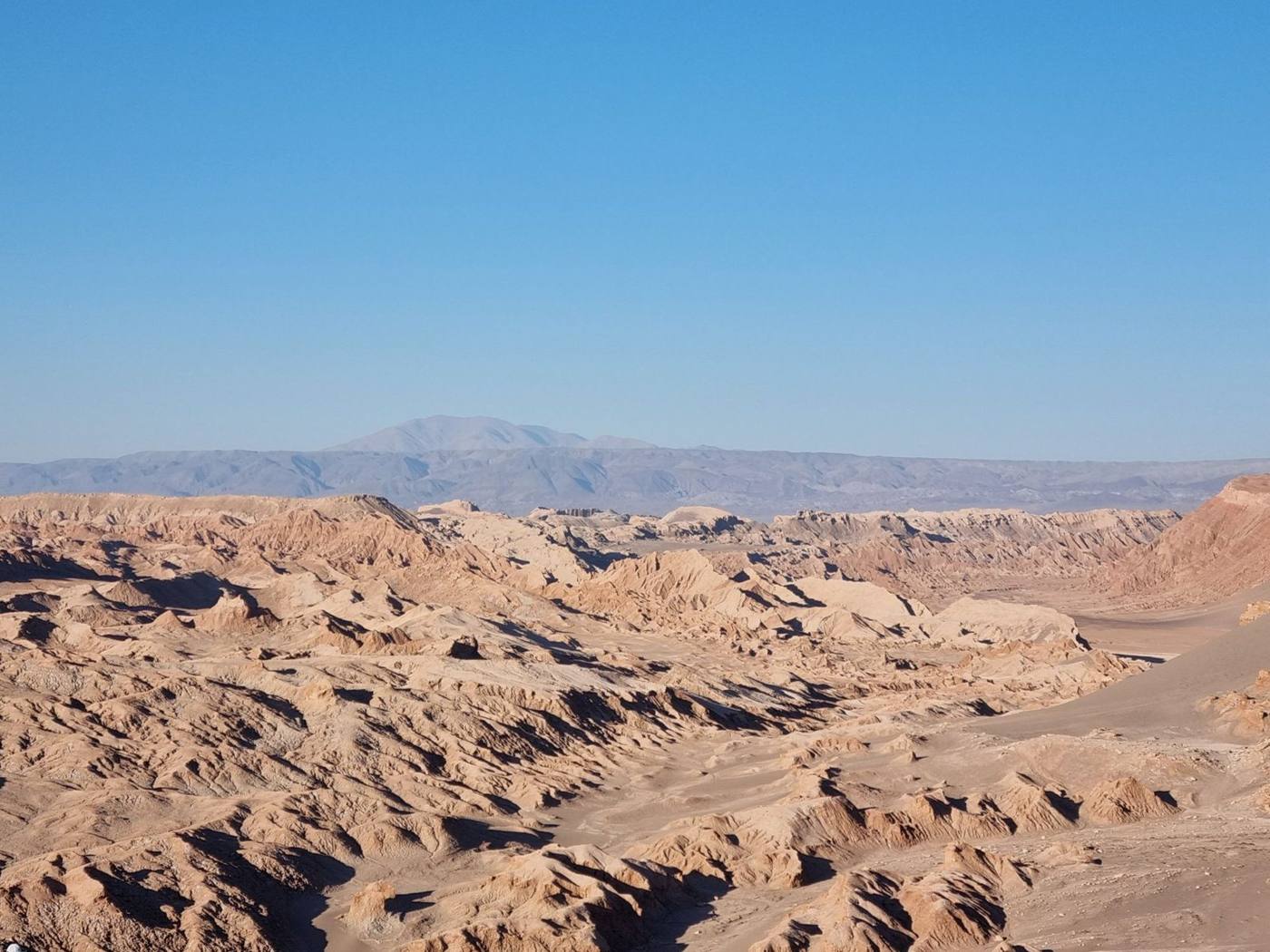
The Atacama Desert
The driest desert in the world: the Valley of the Moon, El Tatio geysers at dawn, high Andean lagoons with flamingos and the clearest night skies on Earth.
 15 daysModerate
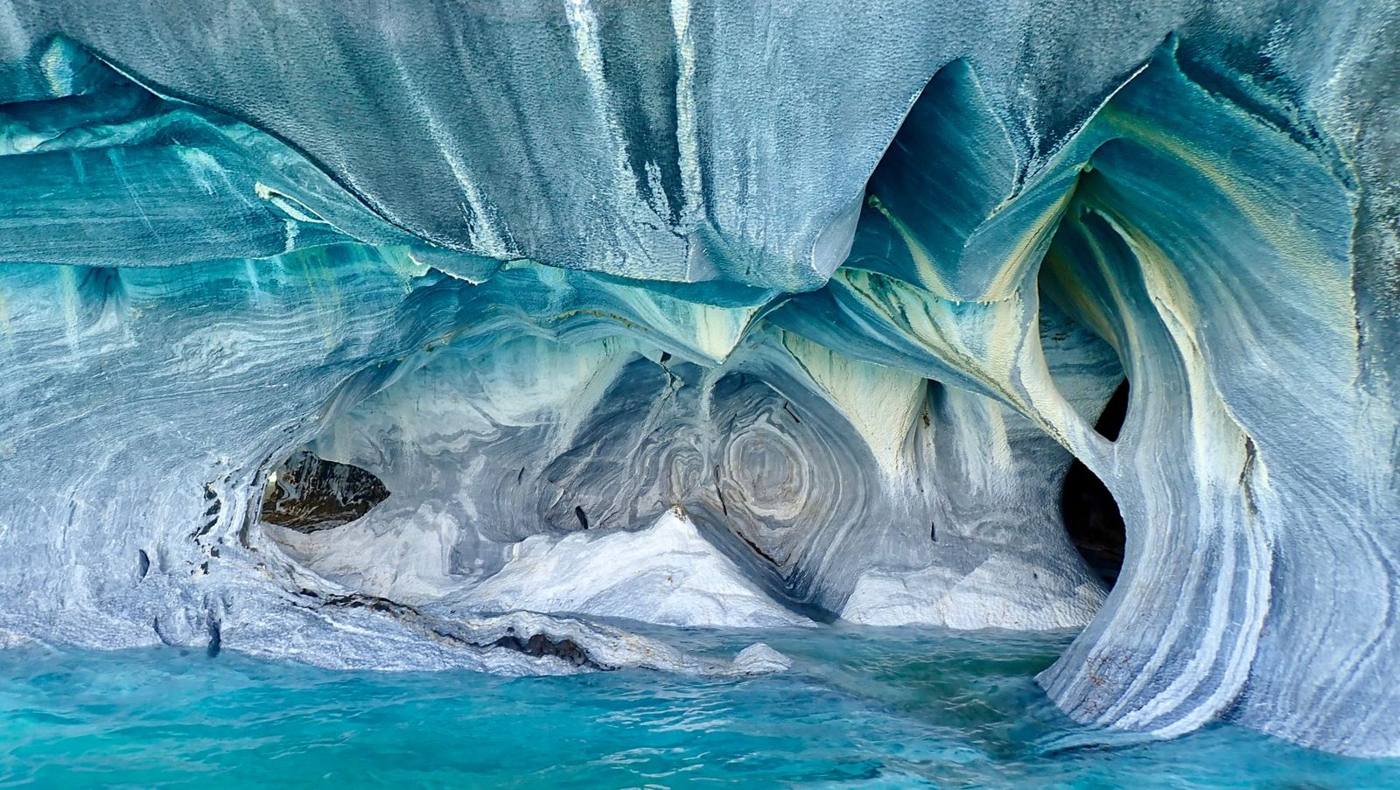
The Carretera Austral
South America's wildest road, through fjords, hanging glaciers, turquoise lakes and the marble caves.
 7 daysEasy
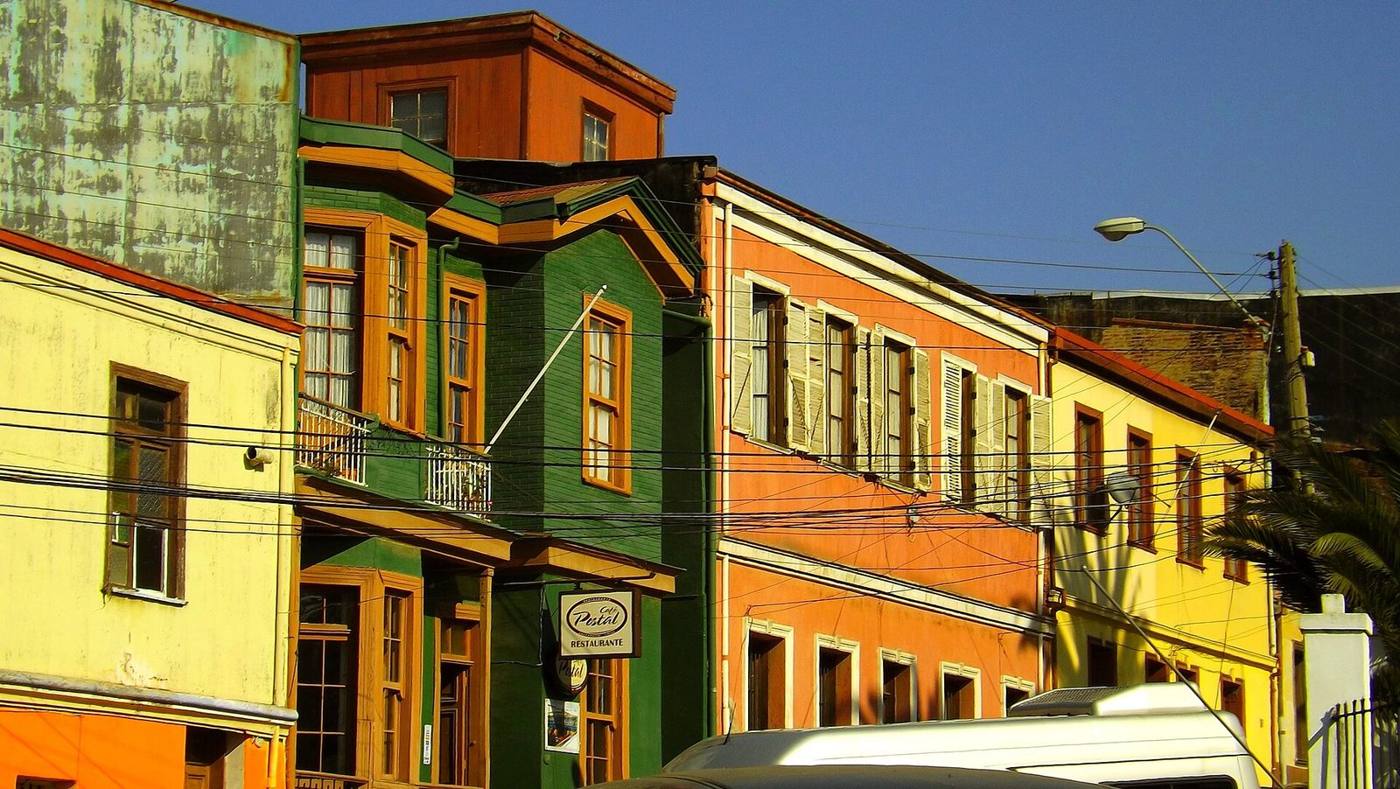
Santiago, Valparaíso and the vineyards
The capital with the Andes as a backdrop, the colours and murals of Valparaíso and the wineries of the Colchagua valley.