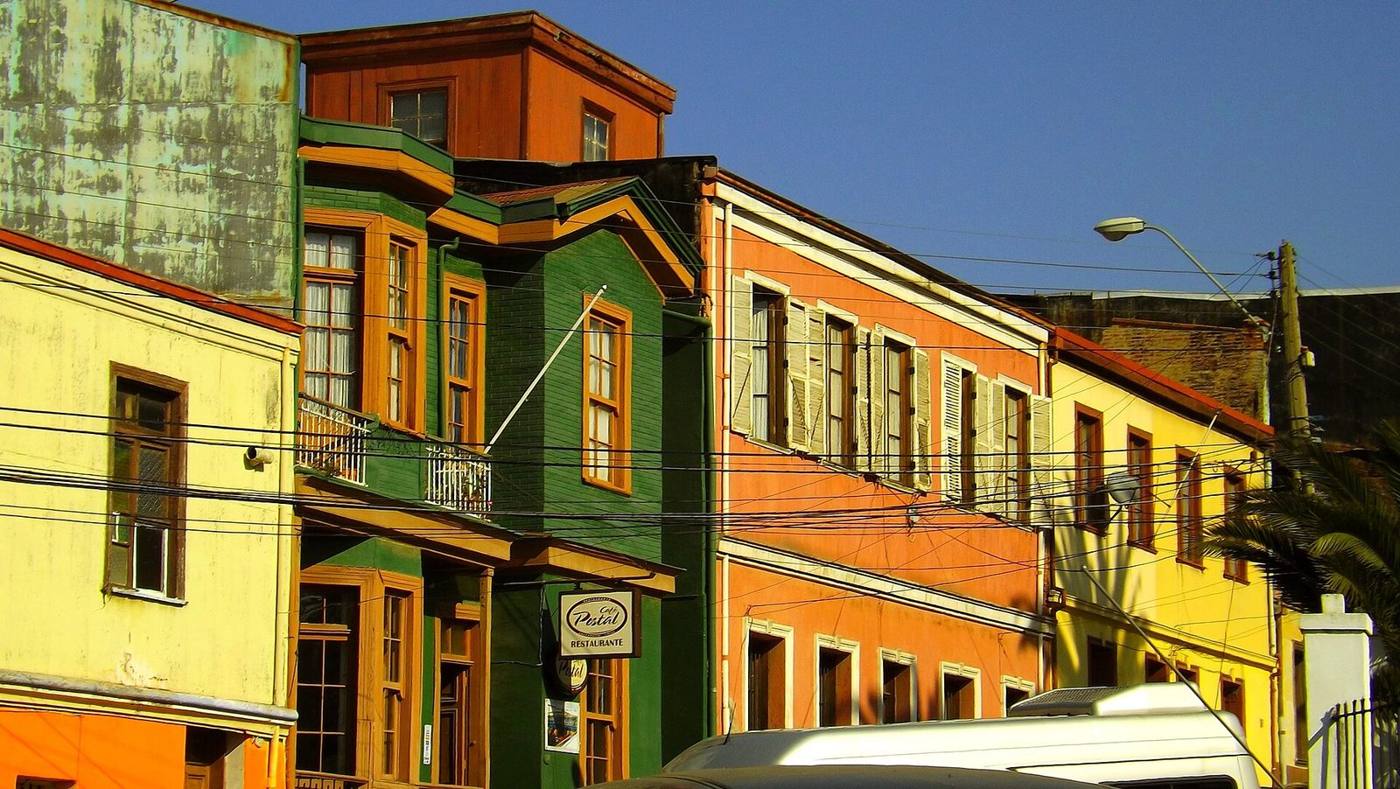
Santiago, Valparaíso and the vineyards
The capital with the Andes as a backdrop, the colours and murals of Valparaíso and the wineries of the Colchagua valley.
- Santiago
- Cajón del Maipo
- Valparaíso
- Casablanca
- Colchagua
Day by day
- Day 1
Santiago: the historic centre, La Moneda and Cerro Santa Lucía
This trip is an introduction to central Chile: the capital Santiago at the foot of the Andes, the Cajón del Maipo canyon, the colourful hillside port city of Valparaíso, and the wine valleys of Casablanca and Colchagua. In seven days you see city, mountains, ocean and vineyards, with short journeys.
You arrive at Santiago international airport, with flights from Europe, often with one connection. Italian and most European citizens do not need a visa for tourist stays of up to 90 days.
On the first day walk around the historic centre. The Plaza de Armas is the heart of the city, with the cathedral, the main post office and the national history museum. Nearby is the Palacio de La Moneda, the seat of the presidency, where President Salvador Allende died during the 1973 coup. In front of the palace you can watch the changing of the guard on some days of the week. Below the square there is a cultural centre with temporary exhibitions.
In the afternoon climb Cerro Santa Lucía, a small hill in the centre where the city was founded in 1541. Stairs, terraces, fountains and a little castle lead to the top, with a view over the city and the Andes beyond.
In the evening have dinner in the Lastarria district, near the hill.
Spend the night in Santiago.
Practical tip: the United States has Chile at level 2 for crime and civil unrest. In central Santiago watch out for pickpockets, especially in the square and on the metro, and do not show your phone in the street.
- Day 2
Santiago: Lastarria, Cerro San Cristóbal and the Museum of Memory
In the morning visit the Museum of Memory and Human Rights, a modern building near the centre, dedicated to the victims of Augusto Pinochet's military dictatorship from 1973 to 1990. With photographs, documents, objects and testimonies it tells the story of the coup, the disappeared, torture, exile and the return to democracy. It is an intense visit, but essential to understanding Chile today.
Then return to the Lastarria district, with narrow streets, early twentieth century buildings, bookshops, small museums and cafés. Here too is the National Museum of Fine Arts, in the lovely Parque Forestal, with collections of Chilean art.
In the afternoon cross the Mapocho river to the colourful Bellavista district, full of murals. Here is one of poet Pablo Neruda's houses, La Chascona, now a museum, with rooms full of curious objects he collected.
From Bellavista go up Cerro San Cristóbal, the city's great hill, by funicular or on foot. At the top there is a large white statue of the Virgin and a terrace with a wide view over Santiago and the Andes, beautiful at sunset on clear days.
In the evening have dinner in Bellavista or Lastarria.
Spend the night in Santiago.
Practical tip: Santiago's smog is heavy in winter, from May to August, and sometimes hides the Andes. Days after rain are the clearest. Check the opening times of the Museum of Memory and La Chascona, which close on some days.
- Day 3
Cajón del Maipo: Andean canyon and hot springs
Today you leave the city and climb into the Andes, to the Cajón del Maipo, a long valley carved by the Maipo river about an hour and a half from Santiago. The road climbs between rock walls, mountain villages and vineyards, with snowy peaks drawing ever closer.
The first stop is San José de Maipo, a village with a colonial church and low houses. On the river you can go rafting, from easy to more challenging depending on the season and water level.
Higher up is the El Yeso reservoir, a high altitude man made lake at about 2,500 metres, with blue water surrounded by arid mountains and snowy peaks. The last stretch of road is gravel and can be closed by snow in winter.
In the afternoon, towards the head of the valley, there are several hot springs, some in natural pools coloured orange by minerals, others in small bathhouses. Soaking in warm water with a view of the Andes is the best way to end the day.
For walkers, the El Morado natural monument has a trail to a lagoon below a glacier. The trail takes several hours and needs an early start.
In the evening return to Santiago.
Spend the night in Santiago.
Practical tip: El Morado entry is bought online on the website of CONAF, the parks agency. Check opening times and season. Without a car, the Cajón del Maipo is easy to reach on an organised excursion.
- Day 4
Valparaíso: hills, funiculars and murals
Today you go to the coast, to Valparaíso, about an hour and a half by bus or car from Santiago. It is Chile's most famous port city, built on dozens of steep hills that drop down to the harbour. The historic centre is a UNESCO World Heritage Site.
In the nineteenth century Valparaíso was the most important port on South America's Pacific coast, where ships stopped after passing the Strait of Magellan. British, German and Italian merchants arrived and built colourful houses of wood and corrugated iron on the hills. When the Panama Canal opened in 1914 the city lost importance, but it kept its look.
To climb the hills you use the ascensores, small funiculars built between the late nineteenth and early twentieth centuries. Some still work and are cheap. On Cerro Alegre and Cerro Concepción, the most visited hills, you walk among painted houses, stairways, viewpoints and murals by Chilean and foreign artists.
In the afternoon visit La Sebastiana, another of Pablo Neruda's houses, on a hill with a splendid view of the bay. Then go down to the port to watch the ships, cranes and boats.
In the evening have dinner on a hillside terrace at sunset over the bay.
Spend the night in Valparaíso.
Practical tip: Valparaíso is fascinating, but there is theft in some areas of the port and less touristy hills. Stay in busy areas, do not walk alone at night and keep an eye on your bag. The ascensores sometimes close for repairs.
- Day 5
Viña del Mar and the Casablanca valley
In the morning go to Viña del Mar, the city next to Valparaíso, reached by the urban train along the coast. It is a resort city with wide beaches, gardens and elegant villas. Near the centre is the famous flower clock, on a lawn at the foot of a hill. Walk along the seafront and look out over the Pacific.
In the afternoon go to the Casablanca valley, between the coast and Santiago, about half an hour away. It is one of Chile's best known wine areas for white wines such as sauvignon blanc and chardonnay, and for pinot noir. The climate is cool thanks to the nearby sea and the morning fog that rolls in from the ocean.
Many wineries line the main road and offer vineyard and cellar visits and tastings, often with lunch. Book ahead.
In the evening return to Valparaíso or stay in the valley.
Spend the night in Valparaíso or the Casablanca valley.
Practical tip: even in summer the Pacific here is cold, because of the Humboldt Current, and beaches often have strong waves and currents. Swim only where there are lifeguards and a green flag. If you go to tastings, arrange a driver or an excursion: drink driving checks in Chile are strict.
- Day 6
The Colchagua valley and Santa Cruz
Today you head south to the Colchagua valley, about three hours by road from Valparaíso or two and a half from Santiago. It is Chile's most famous red wine region, especially for cabernet sauvignon and carmenère, a grape of French origin that almost disappeared in Europe and was rediscovered in Chile in the 1990s.
The centre of the valley is Santa Cruz, a small town with a tree lined square, a church and a museum on the history of Chile and the region, with prehistoric and colonial objects and items from the valley's farmers.
The valley has many wineries, some modern with striking architecture, others in old colonial haciendas with courtyards, arcades and underground cellars. Many offer visits by bike or on horseback among the vines, as well as tastings.
In the afternoon take a country walk among vineyards, olive groves and fields, with the hills of the coastal range behind. At sunset the light over the valley is beautiful.
In the evening have dinner in Santa Cruz or at a winery. The valley's food is simple and tasty: empanadas, pastel de choclo, a corn pie with meat, and grilled meat.
Spend the night in the Colchagua valley.
Practical tip: March and April are harvest time, with festivals in many of the valley's villages. It is the liveliest time, but you need to book ahead.
- Day 7
Back to Santiago and departure
On the last day return to Santiago, about two and a half hours by road from the Colchagua valley.
If your flight is in the afternoon or evening, you have a few hours for a last visit. A good choice is the Mercado Central, a fish market under a fine iron structure from 1872, near the Plaza de Armas. Here you can eat Chilean seafood dishes such as caldillo de congrio, a conger eel soup, and pastel de jaiba, a crab bake.
Alternatively visit the Barrio Italia or the Barrio Yungay, with early twentieth century houses, design shops, workshops and cafés. Or go to the Pre Columbian Art Museum in the centre, with a rich collection of art by the indigenous peoples of the Americas, from Andean textiles to ceramics.
Santiago airport is about thirty to forty five minutes from the centre, depending on traffic.
If you have more time, flights leave Santiago for the Atacama Desert in the north, Patagonia in the south and Easter Island in the Pacific, about five hours away.
Practical tip: for international flights from Chile arrive at the airport at least three hours early, as border control can be slow. On arrival in Chile agricultural checks are strict: fruit, vegetables, meat, seeds and cheese must be declared, and failing to do so can mean a fine.
Chile's cities and wine, ideal at the start or end of a trip to Patagonia or the Atacama. On its own it does not justify such a long flight. In Valparaíso watch out for pickpockets in the lower areas and at night.
Before you go
- Documents and visa
- Valid passport; no visa for tourism up to 90 days for EU citizens. On arrival you receive the PDI electronic slip, to be kept until you leave.
- Health and vaccines
- No compulsory vaccines arriving from Europe. In the Atacama Desert and the Andes beware of altitude sickness. Emergencies: 131 ambulance, 132 fire, 133 police.
- Money and payments
- Chilean peso. Cards are accepted almost everywhere; carry some cash in parks and villages.
- Power sockets
- Types C and L, 220 volts: European two-pin plugs almost always fit.
- Time zone
- UTC-4 in the southern winter and UTC-3 from September to April. The Magallanes region stays on UTC-3 all year.
- Safety
- The United States rates Chile level 2 for crime and civil unrest, with protests in the Araucanía region. In Santiago and Valparaíso watch out for pickpockets. Official advice: GOV.UK.
Information checked in November 2026 for Italian and EU citizens. Rules change: always check before you travel.
Variations
In 4 days: Santiago and Valparaíso, with a day in the Casablanca valley.
In 10 days: add three days in the Atacama Desert, flying from Santiago.
Frequently asked questions
When is the best time to go?
October to April, in the southern spring and summer. March and April for the grape harvest.
Do I need a visa?
Italian and most European citizens do not need one for tourist stays of up to 90 days. Your passport must be valid for the whole stay.
Do I need a car?
Not for Santiago and Valparaíso, which are well linked by bus. For the wine valleys a car with driver or an excursion is useful.
Indicative itinerary written by World Atlas. Before booking, check timetables, seasonal openings, documents and safety.
 7 daysEasy
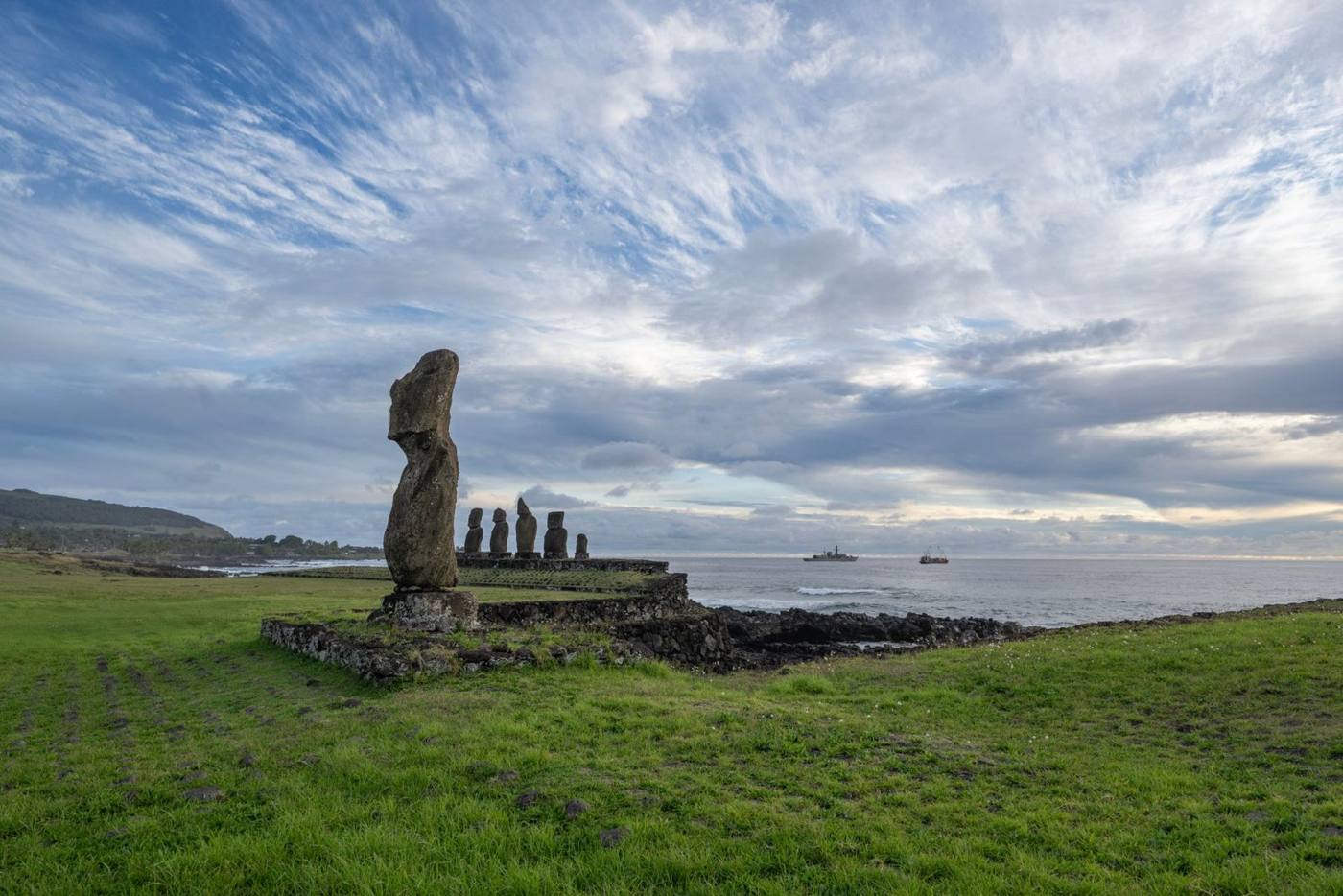
Easter Island
Five days on the world's most remote inhabited island, among the moai of Ahu Tongariki, the Rano Raraku quarry and the ceremonial village of Orongo.
 10 daysEasy
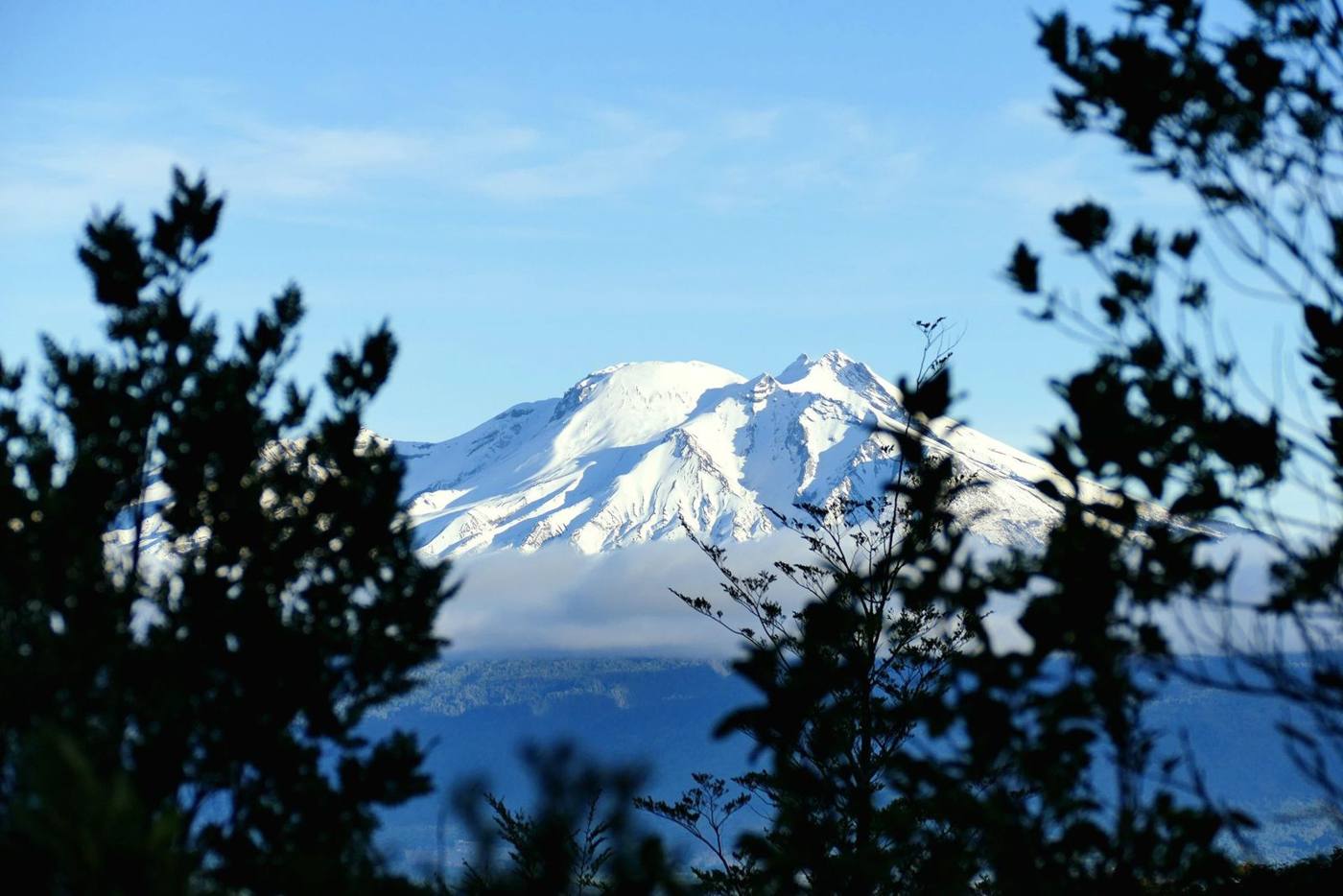
Lakes and volcanoes: Pucón and Chiloé
Chile's green south: Villarrica volcano, hot springs in the forest, Lake Todos los Santos and the wooden churches of Chiloé.
 18 daysModerate
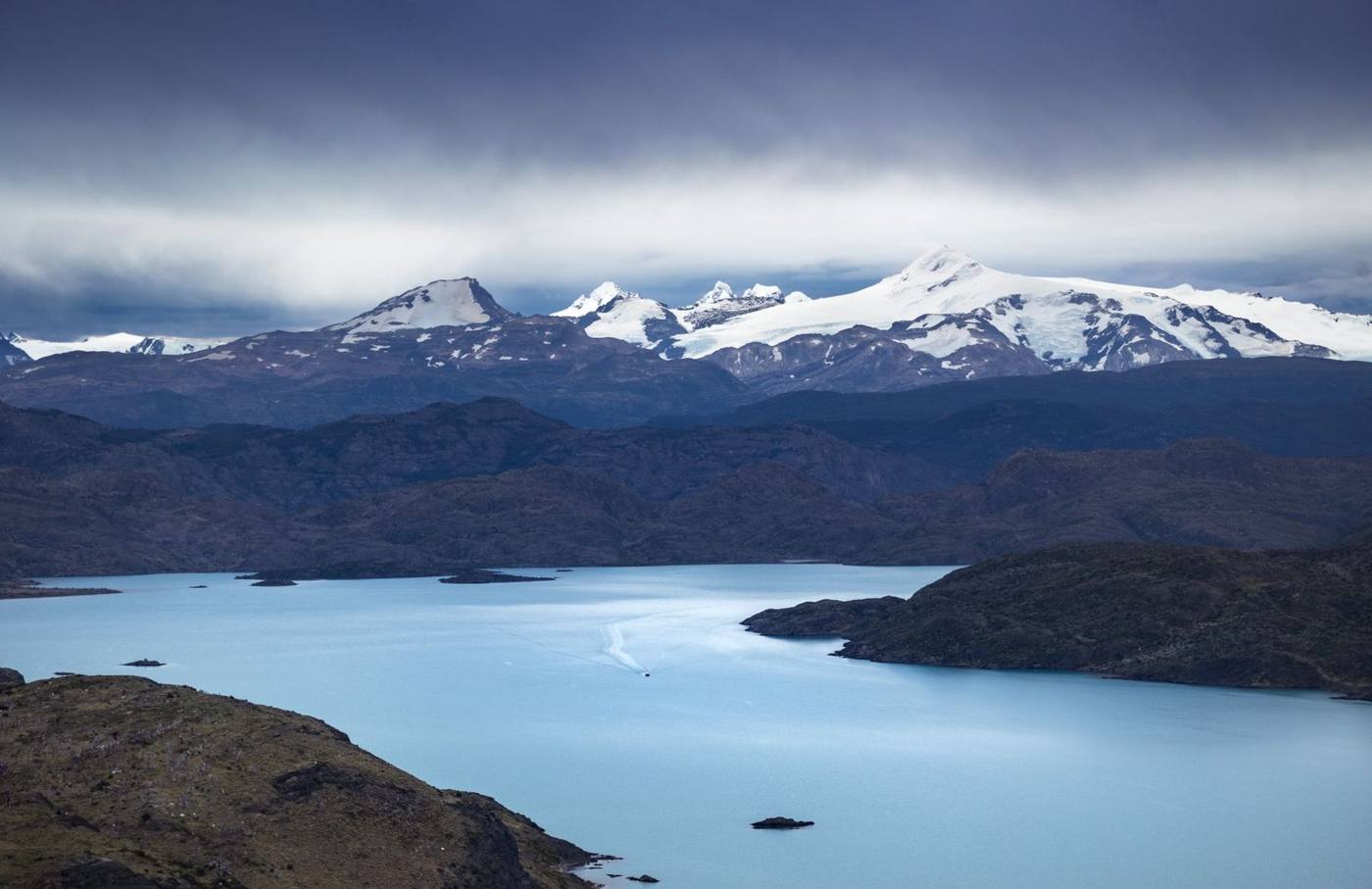
Chile in full, from the Atacama to Patagonia
The world's longest country in one trip: desert, Santiago, the southern lakes and volcanoes and a grand finale in Torres del Paine.