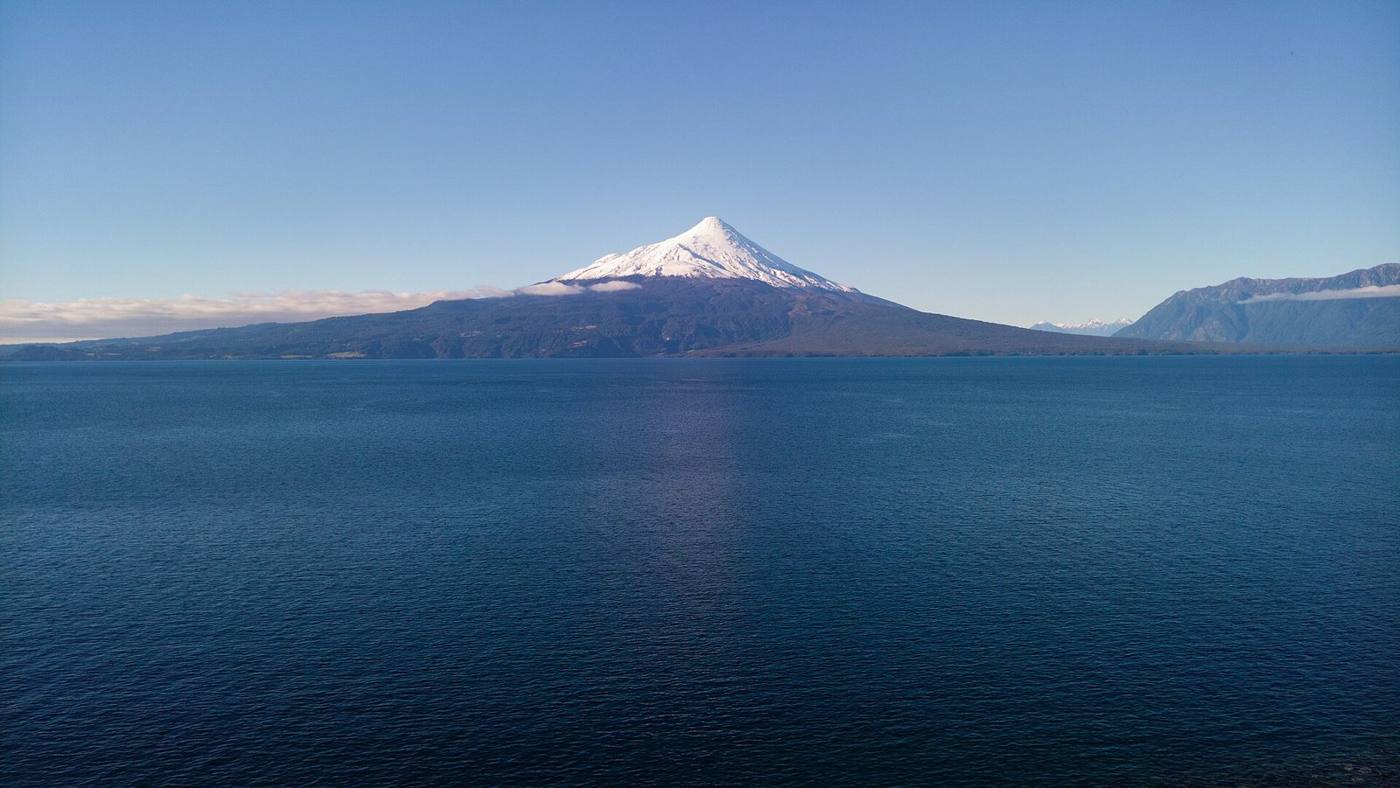
Lake Llanquihue, Osorno Volcano and Petrohué
The most photographed part of the Lake District: Frutillar and Puerto Varas with their German settlers' houses, the perfect cone of Osorno volcano, the Petrohué falls, emerald Lake Todos los Santos and Vicente Pérez Rosales National Park.
- Puerto Montt
- Puerto Varas
- Frutillar
- Volcán Osorno
- Petrohué
- Lago Todos los Santos
Day by day
- Day 1
Puerto Varas and the lakeshore
The Lake District, in southern Chile, is a land of large blue lakes, snow-capped volcanoes, damp forests, emerald-green rivers and wooden towns built by German settlers in the mid-nineteenth century. Lake Llanquihue is the largest, and on its eastern shore rises the Osorno volcano, an almost perfect cone reminiscent of Mount Fuji. In five days it is an easy trip, with good roads and tidy towns, which can be combined with Chiloé or the Carretera Austral.
You fly into Puerto Montt airport, about an hour and forty minutes from Santiago, and from there it is half an hour by road to Puerto Varas, on the southern shore of the lake, the best base for the trip. It is worth renting a car here.
Puerto Varas is called the city of roses for its gardens in bloom in summer. It was founded in 1853 by German emigrants, who came thanks to a law of the Chilean government that wanted to populate the south of the country. Their wooden houses, with steep roofs and wooden shingles, can still be seen in the centre and along the streets climbing up from the shore. On the hill stands the Sacred Heart church, built entirely of red and white wood, inspired by a church in the Black Forest.
In the afternoon, stroll along the lakefront, which is long and well kept, with piers, beaches of dark sand and views of the Osorno volcano and, beside it, Calbuco, with its broken summit. At sunset, on clear days, the two volcanoes turn pink.
Practical tip: it rains often in this region and clear skies are not the rule, so keep your plans flexible and use the fine days for the volcano and the lakes.
- Day 2
Frutillar and the theatre on the lake
In the morning, follow the road along the western shore of the lake north to Frutillar, about half an hour away. It is one of the prettiest towns in Chile, with colourful wooden houses, gardens, piers on the lake and the Osorno volcano opposite. Frutillar was also founded by German settlers, and their tradition can still be seen in the cooking and the cakes: fruit tarts, called kuchen, are a local speciality.
The first stop is the German colonial museum, a small open-air museum on the hill, with a manor house, a watermill, a forge and a barn, rebuilt as in the nineteenth century, and a garden. It tells the story of the first settlers, who arrived after a long sea voyage and had to clear the forest to farm the land.
Then go down to the lakefront and look at the Teatro del Lago, a large modern theatre of wood and copper, built over the water and opened in 2010. It hosts classical concerts, opera and dance and, every year between late January and early February, the Frutillar Musical Weeks, one of the oldest music festivals in South America. Thanks to this tradition, Frutillar is a UNESCO Creative City of Music. If there is a performance during your stay, it is a special occasion.
In the afternoon, swim in the lake if it is summer, or continue to the small town of Puerto Octay, on the northern tip, with a wooden church and a beautiful view of the volcano.
Practical tip: the lake water is cold even in summer: people only swim on the hot days of January and February.
- Day 3
The Osorno volcano: the road to the ski centre and the trails
Today you go up the Osorno volcano, 2,652 metres high, with a glacier covering its summit. From Puerto Varas, follow the road along the eastern shore of the lake to Ensenada, then take the mountain road that climbs through many bends to the ski centre, at about 1,200 metres, on the side of the volcano. It is about an hour from Puerto Varas.
On the way up the view opens over Lake Llanquihue, Lake Todos los Santos and the other mountains of the region. Higher up the landscape becomes lunar: black and red volcanic sands and rocks, lichens and small plants growing among the stones.
Several trails leave from the ski centre. One of the best known leads to the Crater Rojo, a small red crater on the side of the volcano, in about an hour and a half there and back, on sand and stones. The trail offers a grand view over the lakes and nearby volcanoes, such as Calbuco, Puntiagudo with its thin point and, on the clearest days, Tronador on the border with Argentina. In winter people ski here, and a chairlift also runs in summer, when it is operating, for those who want the view without walking.
The climb to the summit, on the glacier, is a real mountaineering ascent: it is only done with specialist guides and ice equipment.
In the afternoon, come down and stop at the black sand beaches on the eastern shore of the lake.
Practical tip: higher up, wind and cold can be strong even in summer. If the volcano is in the clouds, postpone the climb to another day.
- Day 4
The Saltos de Petrohué and a boat on Lake Todos los Santos
Today you enter Vicente Pérez Rosales National Park, the oldest in Chile, created in 1926. From Ensenada the road continues east to the Saltos de Petrohué, about an hour from Puerto Varas.
The Saltos are a series of rapids and small falls where the emerald-green Petrohué river rushes between rocks of black basalt, carved by the water into smooth, rounded shapes. Behind them, on clear days, the Osorno volcano closes the view. Boardwalks and short forest paths lead to the viewpoints. Nearby, longer trails start in the forest, among very tall trees, ferns and wild flowers.
Then continue to Petrohué, a small village on the shore of Lake Todos los Santos, a long, narrow lake, green as emerald, surrounded by forested mountains, with no roads along its shores. From here you can take a boat trip on the lake, with views of the Osorno, Puntiagudo and Tronador volcanoes. Scheduled boats go to Peulla, at the other end of the lake, where the crossing of the Andes to Bariloche, in Argentina, begins, combining boats and buses.
On the lakeshore, near the pier, there is also a beach of black volcanic sand, with a good view of the volcano.
In the evening, return to Puerto Varas and taste the cooking of southern Chile: salmon, seafood and the settlers' fruit tarts.
Practical tip: do not swim in Lake Todos los Santos or the Petrohué river: the river currents are extremely strong and the water is icy.
- Day 5
Return to Puerto Montt
On the last day, go down to Puerto Montt, the port city on the Gulf of Reloncaví, about half an hour from Puerto Varas. Puerto Montt is less beautiful than the lake towns, but it is the hub of the region and the starting point for ferries to Patagonia and flights to the south and to Santiago.
In the morning, go to the market and harbour of Angelmó, the liveliest part of the city, with colourful fishing boats, stalls of fish, shellfish and seaweed and craft shops selling wool and wood. It is the right place to taste curanto, the traditional dish of this region and of Chiloé island: seafood, meat, sausages, potatoes and flatbreads cooked together under leaves and hot stones in a pit in the ground, or in a large pot. Also try the oysters and the giant mussels of the gulf.
From the waterfront, on clear days, you can see the mountains and volcanoes across the gulf. If you have time before your flight, take a boat to Tenglo island, opposite the harbour, from where the view over the city and the bay is very beautiful.
Then go to the airport for your flight back to Santiago, or continue your trip: in a few hours by road and ferry you are in Chiloé, with its UNESCO-listed wooden churches, or you can start down the Carretera Austral to the south.
Practical tip: Italian citizens do not need a tourist visa for up to 90 days. The United States keeps Chile at level 2, for caution, because of crime and protests: watch out for pickpockets in towns and at the harbour.
Easy, with good roads and tidy towns; it combines with Chiloé and the Carretera Austral. The volcano is only clearly visible on clear days, which are not the rule here. January and February are Chilean holidays: book ahead. Italians need no tourist visa for up to 90 days. The United States keeps Chile at level 2 (caution) for crime and unrest: watch out for pickpockets in cities.
Before you go
- Documents and visa
- Valid passport; no visa for tourism up to 90 days for EU citizens. On arrival you receive the PDI electronic slip, to be kept until you leave.
- Health and vaccines
- No compulsory vaccines arriving from Europe. In the Atacama Desert and the Andes beware of altitude sickness. Emergencies: 131 ambulance, 132 fire, 133 police.
- Money and payments
- Chilean peso. Cards are accepted almost everywhere; carry some cash in parks and villages.
- Power sockets
- Types C and L, 220 volts: European two-pin plugs almost always fit.
- Time zone
- UTC-4 in the southern winter and UTC-3 from September to April. The Magallanes region stays on UTC-3 all year.
- Safety
- The United States rates Chile level 2 for crime and civil unrest, with protests in the Araucanía region. In Santiago and Valparaíso watch out for pickpockets. Official advice: GOV.UK.
Information checked in November 2026 for Italian and EU citizens. Rules change: always check before you travel.
Variations
In 3 days: Puerto Varas, the Osorno volcano and the Saltos de Petrohué, without Frutillar and Puerto Montt.
In 9 days: after Lake Llanquihue, cross the Chacao channel to Chiloé, with its wooden churches, the stilt houses of Castro and the island's national park.
Frequently asked questions
When is the best time to go?
From December to March, in the southern summer, with the longest days and the most stable weather. In January and February there are the Chilean holidays, so book ahead. In winter you can ski on the Osorno volcano.
Do I need a car?
It is very useful, because the towns and parks are spread out and buses to the volcano and Petrohué are few. The roads are good.
What documents do I need?
A valid passport. Italian citizens do not need a tourist visa for up to 90 days.
Indicative itinerary written by World Atlas. Before booking, check timetables, seasonal openings, documents and safety.
 6 daysModerate
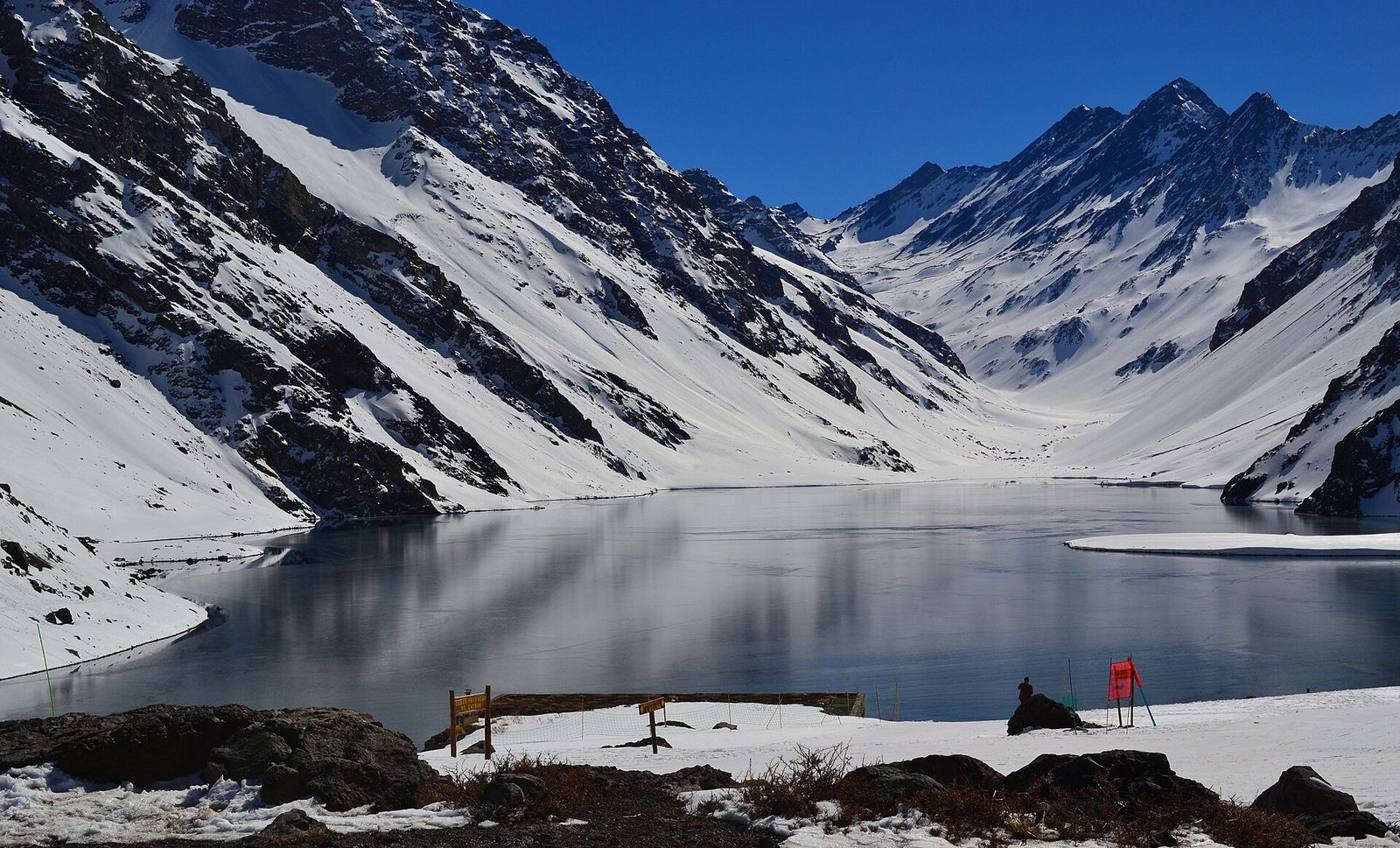
Skiing at Portillo and Valle Nevado
August snow in the southern hemisphere: the slopes of Valle Nevado, La Parva and El Colorado an hour and a half from Santiago, and Portillo, the historic resort on the Laguna del Inca near the Argentine border, below Aconcagua.
 5 daysModerate
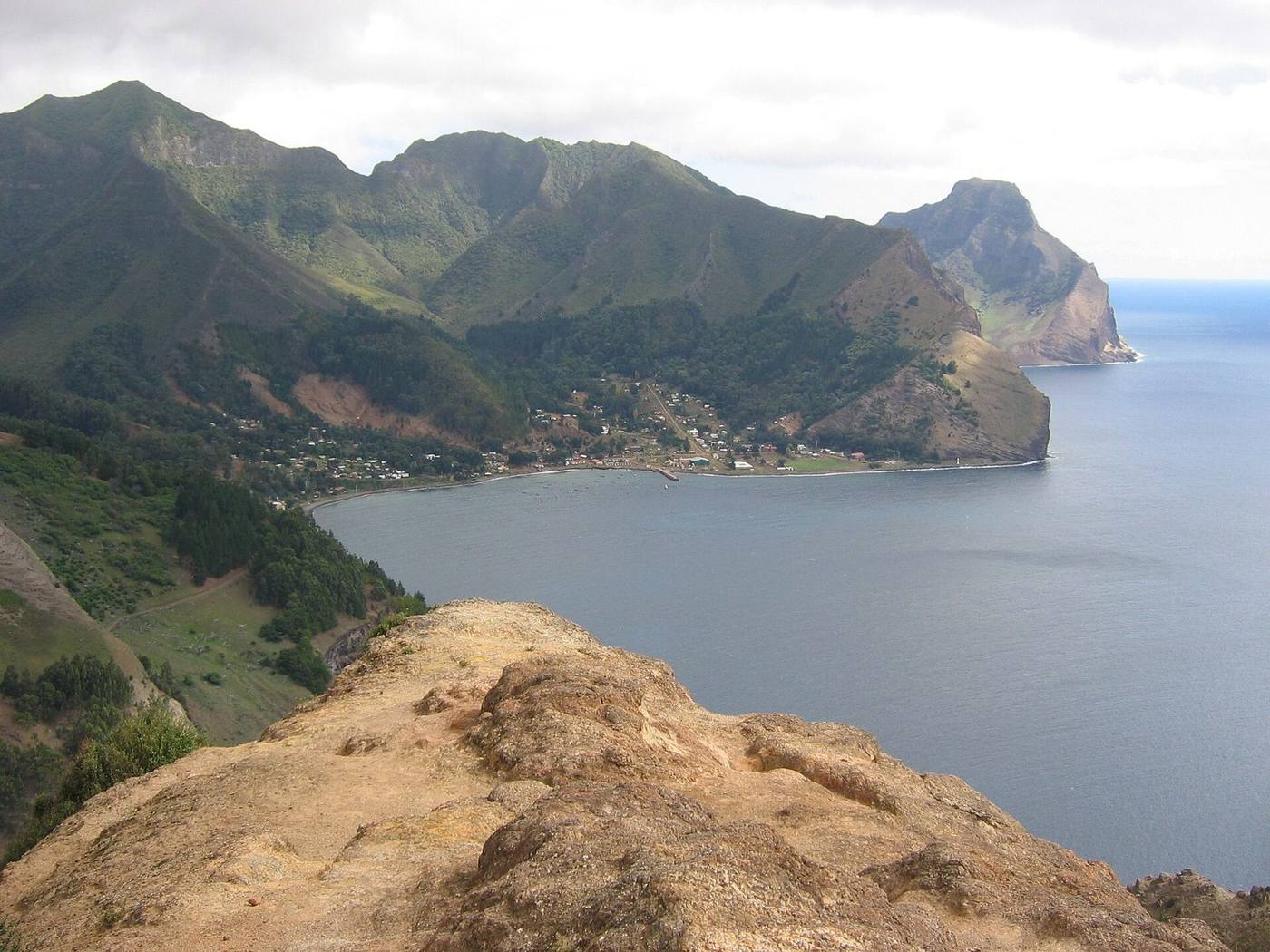
Robinson Crusoe Island
The Juan Fernández archipelago in the Pacific, 670 km off the coast: the island where the sailor who inspired Robinson Crusoe lived, the village of San Juan Bautista, Selkirk's lookout, endemic forests, fur seal colonies and clear water for diving.
 8 daysModerate
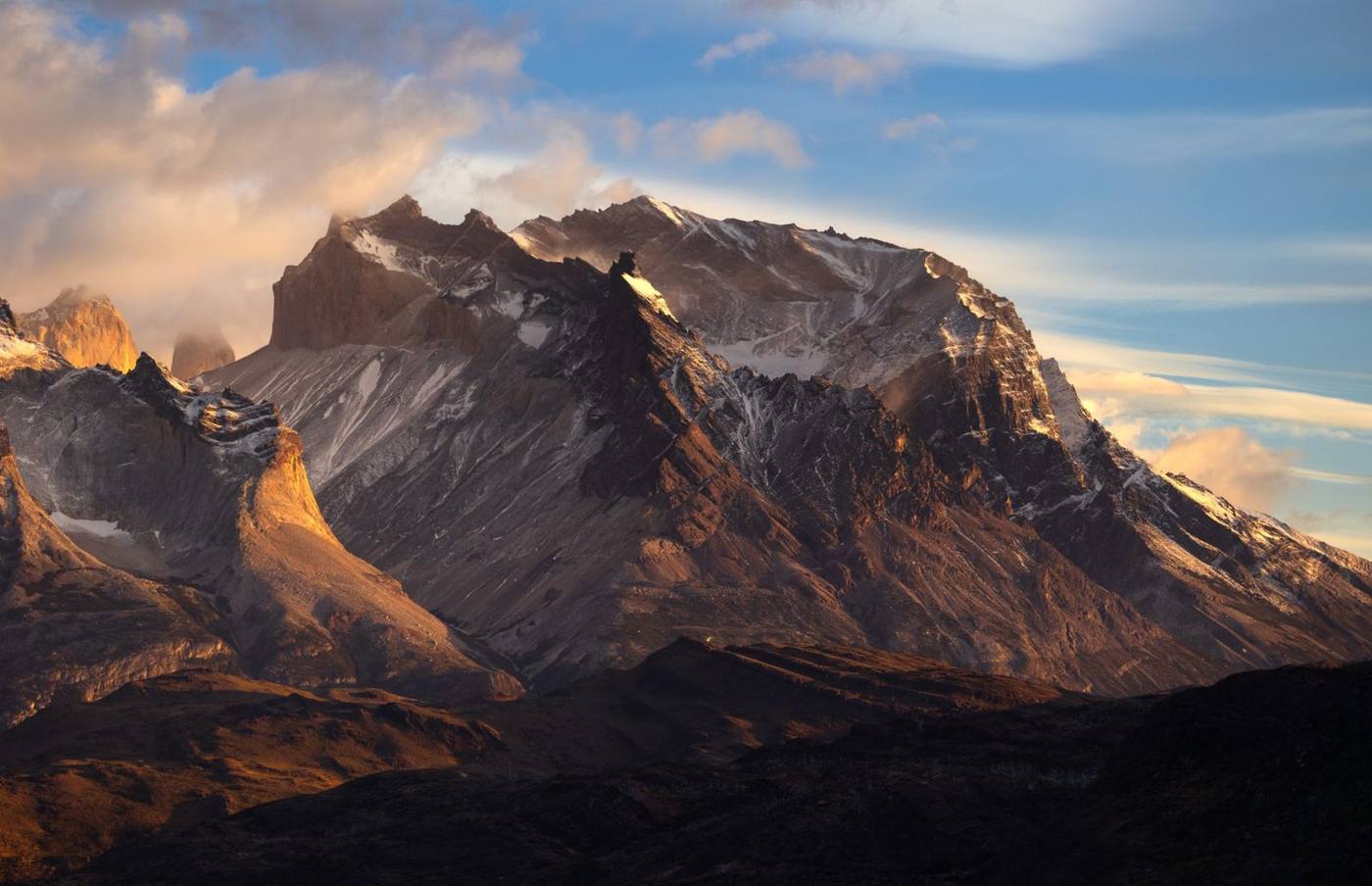
Torres del Paine: the W trek
Patagonia's most famous trek in five days from refuge to refuge: the Towers at dawn, the French Valley and Grey Glacier.