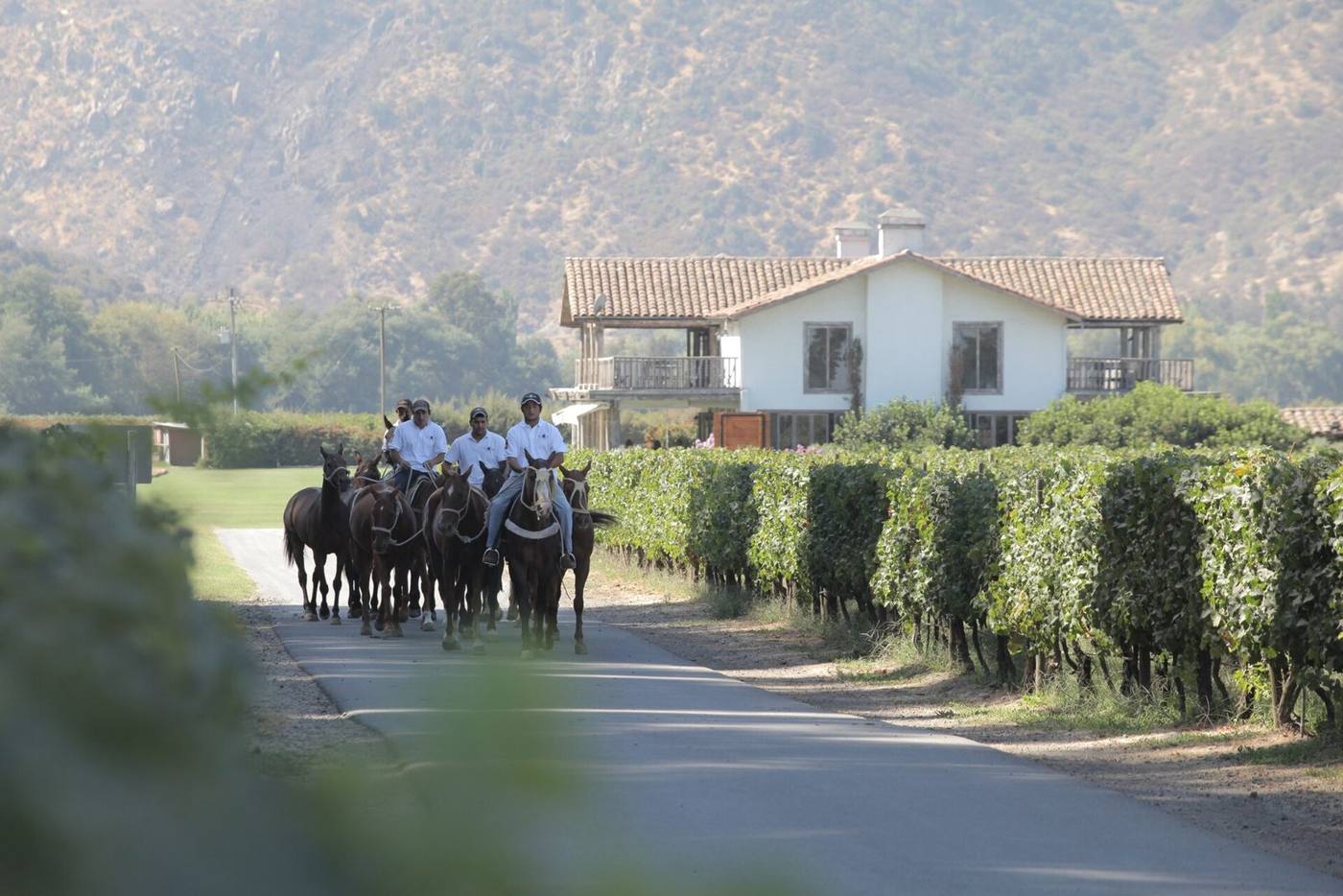
Colchagua Valley and Pichilemu
Chile of wine and surf: the wineries of the Colchagua Valley around Santa Cruz, known for carménère, colonial villages with adobe houses, then the Pacific at Pichilemu, the capital of Chilean surfing, and the artisanal salt pans of Cáhuil.
- Santiago
- Santa Cruz
- Lolol
- Pichilemu
- Cáhuil
Day by day
- Day 1
From Santiago to Santa Cruz and the Colchagua museum
The Colchagua valley, south of Santiago, is one of Chile's most famous wine regions, enclosed between the Coastal Range and the Andes, with a warm, dry climate similar to the Mediterranean. It is the land of Chilean reds, above all carménère, a grape of French origin that had almost vanished in Europe and was rediscovered here at the end of the twentieth century, and cabernet sauvignon. On this trip you combine wineries, country villages and the Pacific coast with the surf of Pichilemu.
In the morning leave Santiago by car, the most convenient way to do this route, or by bus: Santa Cruz, the centre of the valley, is about two and a half to three hours south, along the Pan-American Highway and then through the vineyards.
Santa Cruz is a small town with a tree-lined square, the church and a clock tower with a carillon. In the afternoon visit the Colchagua museum, one of the largest private museums in Chile, with very varied collections: fossils, ceramics and objects of pre-Columbian peoples, weapons and objects from the colonial period, carriages, farm machinery and a section devoted to the rescue of the 33 miners of Copiapó in 2010, with the original capsule used to bring them to the surface.
In the evening try Chilean country cooking: baked beef empanada, cazuela, a soup with meat, potatoes and corn, and pastel de choclo, a sweet corn pie. Pair them with a carménère from the valley. Sleep in Santa Cruz or in one of the country houses among the vineyards. Practical tip: in Chile you drive on the right; the main roads are good, but tolls are frequent, so keep some coins and notes in pesos to hand.
- Day 2
The valley's wineries by bike or with a driver
Today is devoted to wine. The valley has dozens of wineries, from large modern estates with spectacular architecture to small family cellars, and many are open to visitors, usually by reservation. The most pleasant way to tour them is by bike, because the valley is flat and the wineries around Santa Cruz are close together; otherwise rely on a driver, so you can taste without thinking about driving.
In the morning start at a winery on the slopes of the hills, where you often go up to a viewpoint to see the rows of vines covering the valley, with the Andes in the background on clear days. The visit shows the vineyard, the harvest, fermentation in steel tanks and ageing in oak barrels, and ends with a tasting of three or four wines.
For lunch stop at a winery with a restaurant or with tables outdoors among the vines, for grilled meat or local vegetables.
In the afternoon visit a smaller winery, perhaps one that works with organic or biodynamic methods, where the owner often tells you about the work in person. Carménère, a soft and spicy red, is the wine not to miss; the valley also makes excellent syrah and malbec.
In March and April, at harvest time, Santa Cruz usually holds a wine festival with music, food and wineries on the square.
Practical tip: book visits in advance, especially at weekends, and plan no more than three wineries a day: getting around and tasting take time.
- Day 3
Lolol and the adobe villages
In the morning go to Lolol, a small village about half an hour west of Santa Cruz, one of the best preserved in central Chile. Its adobe houses, built of sun-dried earth and straw bricks, with tiled roofs and long covered walkways along the street, are an example of rural architecture from the colonial period and the nineteenth century. The village has been declared a typical zone and is protected. The 2010 earthquake damaged many of these houses; some have been restored, others are still waiting for repairs.
Walk along the main street in the shade of the porticoes and stop at the church and the square. You often meet huasos, the mounted countrymen with flat straw hats, short colourful ponchos and spurred boots: they are the traditional figure of the Chilean countryside and the stars of rodeo, the national sport.
In the afternoon explore the surroundings, with the other wineries in the western part of the valley, closer to the ocean, where the climate is cooler and white wines are also made. If you have time, visit one of the nearby villages, such as Pumanque, with more old houses, or take a horse ride with a local guide through the hills and woods.
Between September and April, at weekends, rodeos are often held in the area in medialunas, the half-moon arenas: if you find one, it is a chance to see this tradition up close.
In the evening return to Santa Cruz or sleep in the countryside. Practical tip: always carry some cash in pesos, because in small villages not everyone accepts cards.
- Day 4
Pichilemu: Punta de Lobos and a surf lesson
In the morning head for the coast: Pichilemu is about an hour and a half west of Santa Cruz, on the Pacific Ocean. It is the capital of Chilean surfing, with powerful, consistent waves all year round, and a relaxed small town with wooden houses, seafood restaurants and surf schools.
Start at the main beach, Playa Principal, where the waves are gentler and the schools hold beginner lessons. A two-hour lesson with wetsuit, board and instructor is the best way to try: the Pacific water here is cold all year because of the Humboldt current flowing up from Antarctica, and a wetsuit is essential even in summer.
In the afternoon go to Punta de Lobos, about six kilometres south of town, one of the most famous surf spots in South America, with waves that can exceed six or seven metres and international big-wave competitions. From the rocks of the headland you watch experienced surfers drop into the waves, while below you sea lions rest on the rocks. The point is protected by a local foundation to prevent building on the coast.
At sunset head back towards the centre and walk in Ross Park, a nineteenth-century garden on the headland above the beach, with palm trees and sea views.
In the evening try Pacific fish and seafood: conger eel, machas, clams baked with parmesan, and caldillo de mariscos. Practical tip: at Punta de Lobos the sea is dangerous; do not go in unless you are an experienced surfer.
- Day 5
The Cáhuil salt pans and back to Santiago
On the last morning go to Cáhuil, about fifteen minutes south of Pichilemu, where a lagoon separated from the sea by a strip of sand holds traditional salt pans. Sea salt has been made here for centuries by a craft method: salt water from the lagoon flows into shallow pans and the sun evaporates it, then the salt workers rake the salt by hand with wooden rakes and pile it into small white pyramids. The harvest season usually runs from November to April. Along the road the producers sell salt directly, sometimes flavoured with herbs and chilli.
A few boat and kayak trips also leave from the lagoon, to see water birds such as herons and black-necked swans up close.
Around midday leave for Santiago. The journey from the coast takes about three and a half hours, depending on traffic coming into the capital, especially on Sunday evenings, when many people from Santiago return from a weekend by the sea.
If you have time, you can stop on the way at one of the wineries in the Cachapoal or Maipo valleys, closer to the city, for a final tasting.
Once in Santiago, return the car or continue to the airport. Practical tip: the United States has Chile at level 2, increased caution, mainly because of theft in Santiago and protests in Araucanía, much further south; the Colchagua and Pichilemu area is quiet. In the car, do not leave anything visible in car parks.
Easy and relaxing, about three hours' drive from Santiago. Winery visits must be booked. The ocean at Pichilemu is cold with strong currents: wetsuit and surf schools. Whoever drives must not drink. Italians need no tourist visa for up to 90 days. The United States keeps Chile at level 2 (caution) for crime and unrest: watch out for pickpockets in cities.
Before you go
- Documents and visa
- Valid passport; no visa for tourism up to 90 days for EU citizens. On arrival you receive the PDI electronic slip, to be kept until you leave.
- Health and vaccines
- No compulsory vaccines arriving from Europe. In the Atacama Desert and the Andes beware of altitude sickness. Emergencies: 131 ambulance, 132 fire, 133 police.
- Money and payments
- Chilean peso. Cards are accepted almost everywhere; carry some cash in parks and villages.
- Power sockets
- Types C and L, 220 volts: European two-pin plugs almost always fit.
- Time zone
- UTC-4 in the southern winter and UTC-3 from September to April. The Magallanes region stays on UTC-3 all year.
- Safety
- The United States rates Chile level 2 for crime and civil unrest, with protests in the Araucanía region. In Santiago and Valparaíso watch out for pickpockets. Official advice: GOV.UK.
Information checked in November 2026 for Italian and EU citizens. Rules change: always check before you travel.
Variations
In 3 days: Santa Cruz and the museum on day one, the wineries on day two, Pichilemu and the return on day three.
In 8 days: add Valparaíso and Viña del Mar on the coast to the north, or the Cajón del Maipo and the Andes near Santiago.
Frequently asked questions
When is the best time to go?
From October to April, with warm dry weather. March and April are harvest time, with wine festivals. In winter it rains more, but the Pichilemu waves are at their best.
Do I need a car?
It is very useful for getting around the wineries, Lolol and the coast. Without a car you can take the bus between Santiago, Santa Cruz and Pichilemu and book organised winery tours.
Can beginners surf?
Yes, there are many schools on Pichilemu's main beach offering beginner lessons. You always need a wetsuit, because the water is cold all year.
Indicative itinerary written by World Atlas. Before booking, check timetables, seasonal openings, documents and safety.
 5 daysModerate
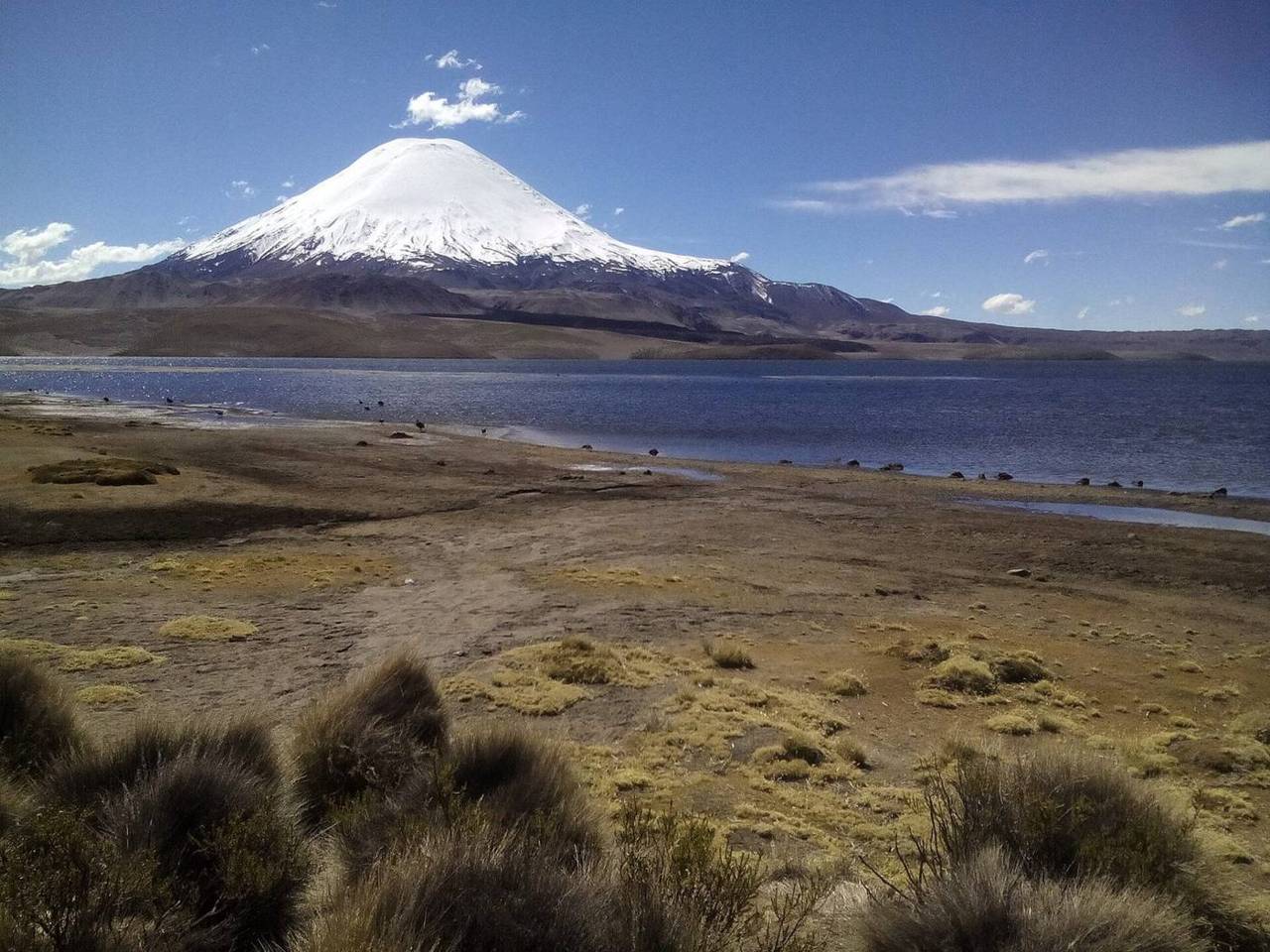
Arica, Putre and Lauca National Park
The Andean altiplano in the far north: Arica on the Pacific and the Chinchorro mummies, a UNESCO World Heritage site, the climb to Putre past geoglyphs, Lake Chungará below Parinacota volcano, vicuñas, alpacas and flamingos, and the small Aymara churches of straw and mud.
 5 daysEasy
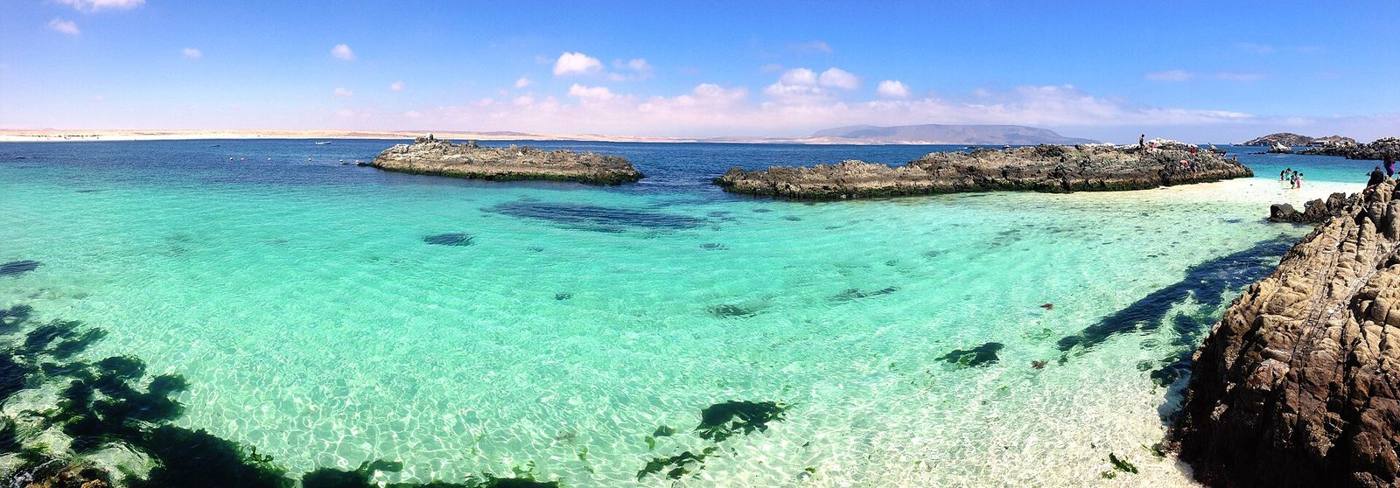
Pan de Azúcar and Bahía Inglesa
Where the Atacama Desert meets the Pacific: Pan de Azúcar National Park with Humboldt penguins, cacti in the coastal fog and white beaches, Bahía Inglesa with its turquoise sea and, after a rainy winter, the flowering desert.
 4 daysEasy
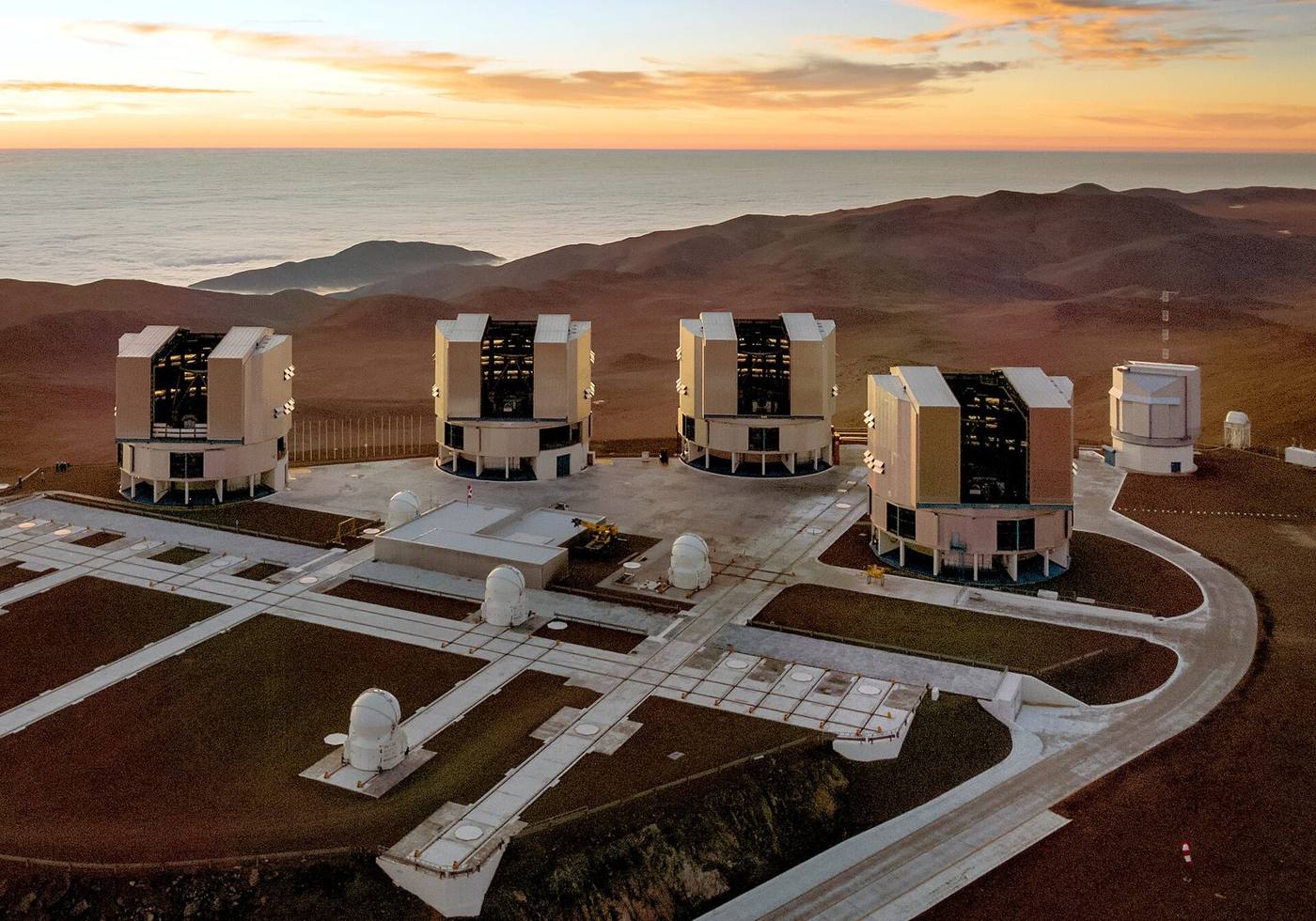
Antofagasta and the Paranal Observatory
The driest desert in the world and the most powerful telescopes: the rock arch of La Portada on the Pacific, the Hand of the Desert, the European observatory of Paranal on its visiting day, and the starry sky of the Atacama Desert.