Arica, Putre and Lauca National Park
The Andean altiplano in the far north: Arica on the Pacific and the Chinchorro mummies, a UNESCO World Heritage site, the climb to Putre past geoglyphs, Lake Chungará below Parinacota volcano, vicuñas, alpacas and flamingos, and the small Aymara churches of straw and mud.
- Arica
- Valle de Azapa
- Putre
- Parinacota
- Lago Chungará
Day by day
- Day 1
Arica: the Morro, the seafront and the iron cathedral
Arica is Chile's northernmost city, a few kilometres from the Peruvian border, on the coast of the Atacama Desert, where it almost never rains and the climate is mild all year: hence its name, the city of eternal spring. From here a road climbs in a few hours from the coast to the Andean plateau at over four thousand metres, with snow-capped volcanoes, lakes and Aymara villages. Italian citizens can enter Chile without a visa for tourism with a valid passport.
Arica is about two and a half hours by air from Santiago. In the morning climb the Morro de Arica, a rocky headland about 140 metres high, rising sheer above the sea over the city. Here in 1880, during the War of the Pacific between Chile, Peru and Bolivia, a decisive battle was fought: a small history museum at the top tells the story. From the Morro you see the whole city, the port, the beaches and the desert running down to the ocean.
In the afternoon go down to the centre and visit the Cathedral of San Marcos, a Gothic church built of iron, prefabricated in France in the nineteenth century and attributed to the workshops of Gustave Eiffel, and the old customs house, also of iron, now a cultural centre. Then stroll along the seafront and the beaches of El Laucho or La Lisera, where the Pacific is cool even in summer.
In the evening try the coast's fish and seafood, such as ceviche and grilled fish, and black olives from the Azapa valley.
Practical tip: the desert sun is very strong; use sunscreen and a hat even when the air feels cool.
- Day 2
The Azapa valley, the Chinchorro mummies and the geoglyphs
In the morning drive inland into the Azapa valley, a narrow green oasis in the desert, with olive groves and fields watered by the San José river, a few kilometres from Arica.
In the valley is the San Miguel de Azapa archaeological museum, run by the University of Tarapacá, which holds the Chinchorro mummies, the oldest artificial mummies in the world: the earliest are about seven thousand years old, two millennia older than Egypt's. The Chinchorro people, coastal fishers and gatherers, took apart the bodies of the dead, filled them with plants and clay, reassembled them and covered them with a clay mask and a wig of human hair. The Chinchorro settlements and burials have been a UNESCO World Heritage site since 2021. The museum also covers the later cultures of the valley and highlands.
In the afternoon, along the valley road, stop to see the geoglyphs, large figures drawn on the desert hillsides by arranging dark stones on a light background: llamas, people, birds and geometric shapes, made about a thousand years ago by peoples travelling the caravan routes between the coast and the Andes. They can be seen clearly at several points along the road, such as Cerro Sombrero.
In the evening return to Arica.
Practical tip: check the Azapa museum's opening times and bring water; there are few services in the valley.
- Day 3
Up to Putre at 3,500 metres and acclimatising
In the morning drive east from Arica on the road to Bolivia, climbing from sea level to over three thousand metres in a few hours. The landscape changes quickly: the completely arid desert of the Lluta valley, with maize fields and geoglyphs on the hillsides, then gorges and rock walls, and finally the first giant candelabra cacti, the first flocks and stone villages.
On the way stop at Poconchile, with a small white colonial church, and at the village of Socoroma, with pre-Columbian farming terraces and a seventeenth-century church.
In the early afternoon you reach Putre, at about 3,500 metres, an Aymara village at the foot of the Taapaca volcano, with houses of stone and adobe, a seventeenth-century church and fields of oregano, one of the local crops. Putre is the base for visiting Lauca park: spending one or two nights here lets your body adapt to the altitude before going higher still.
In the afternoon walk slowly around the village, visit the small market of local produce and rest. Drink plenty of water and coca tea, eat lightly and avoid alcohol.
In the evening, on clear nights, the sky over Putre is full of stars.
Practical tip: altitude sickness can affect anyone; if you have a bad headache, nausea or breathlessness, rest and, if it worsens, go back down towards Arica. People with heart conditions should ask their doctor before travelling.
- Day 4
Lauca park: Parinacota, the bofedales and Lake Chungará
In the morning climb from Putre into Lauca National Park, a UNESCO biosphere reserve, a plateau between 4,000 and 4,600 metres covered in yellow grass, cushions of llareta, a bright green plant that grows extremely slowly over centuries, and bofedales, green wetlands where llamas and alpacas graze. The park is also home to wild vicuñas, rheas, viscachas, rabbit-like rodents that sun themselves on the rocks, and many species of waterbirds.
Visit the village of Parinacota, at about 4,400 metres, a small, almost uninhabited Aymara village, with a white seventeenth-century church surrounded by a wall, its inner walls decorated with murals depicting the Last Judgement and the torments of hell.
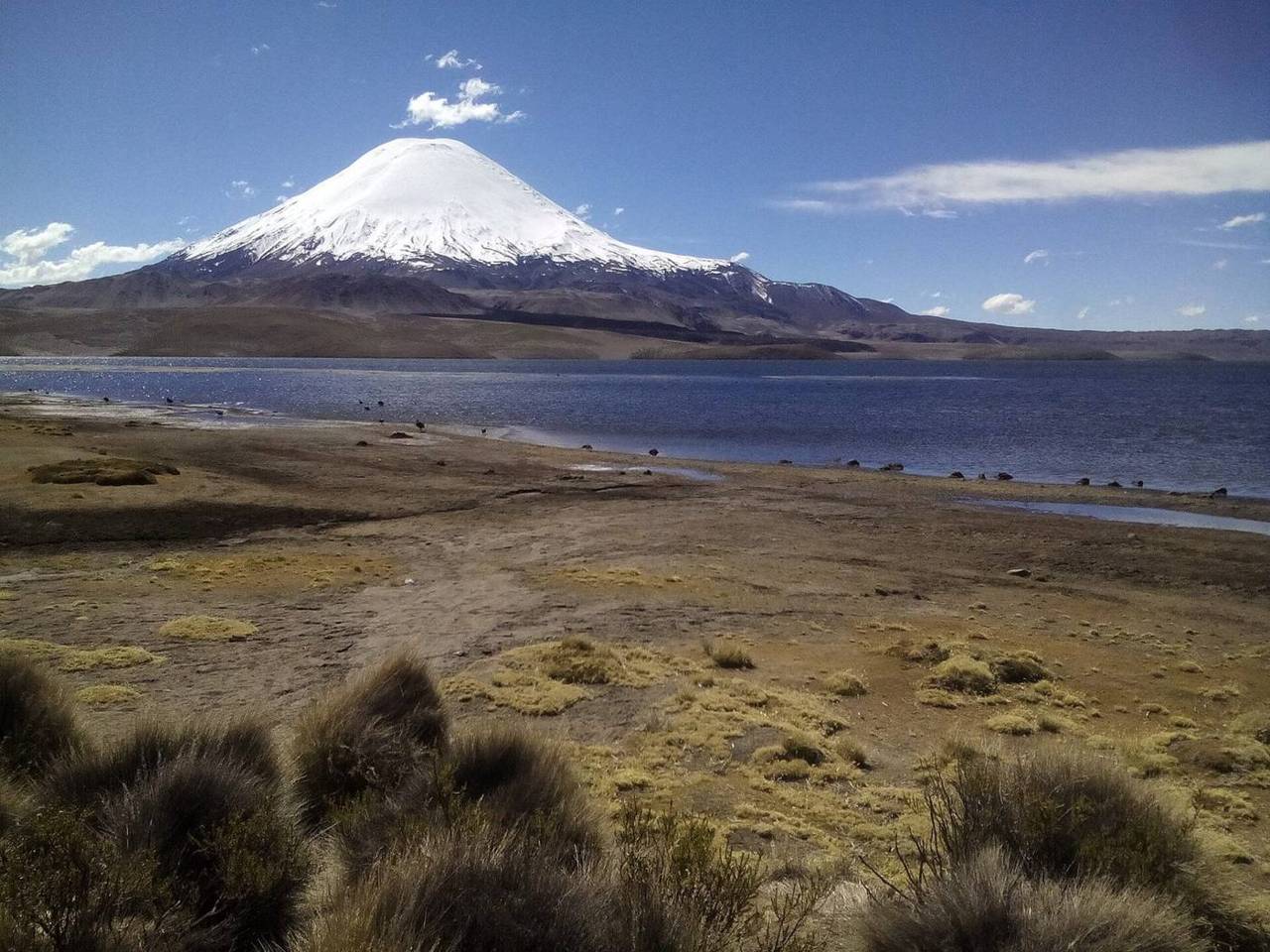
Continue to the Cotacotani lagoons, a series of small lakes among lava flows, and then to Lake Chungará, at about 4,500 metres, one of the highest lakes in the world, deep blue, with Andean flamingos and giant coots. Behind the lake rise the twin volcanoes Parinacota and Pomerape, known as the Payachatas, their snowy summits over six thousand metres: one of the most spectacular views in the Andes. The Bolivian border is a few kilometres away.
In the afternoon return to Putre.
Practical tip: at Chungará it is cold even in summer and the wind is strong; move slowly and wrap up well.
- Day 5
Back to Arica and a last afternoon by the sea
In the morning, before leaving Putre, if you feel well take a short walk around the village to the old farming terraces or a viewpoint facing the Taapaca volcano, or, if you have a suitable car and time, make a detour to the Jurasi hot springs, natural warm pools near Putre at about 4,000 metres.
Then descend to Arica, about two and a half to three hours. The descent is when the body recovers from the altitude: many people immediately feel more energy. On the way stop at viewpoints over the Lluta valley and the geoglyphs, with the morning light bringing out the figures on the hillsides.
In the afternoon, in Arica, relax on the beach or visit the Cuevas de Anzota, an area of caves and cliffs south of the city, with a coastal path among rock formations where the Chinchorro once lived and where today you see sea lions, pelicans and cormorants.
In the evening watch the sunset over the ocean from the seafront. Arica has flights to Santiago and other Chilean cities; the Peruvian border, towards Tacna, is about half an hour away.
Things to take home: Azapa olives, Putre oregano, alpaca wool textiles and Aymara handicrafts.
Practical tip: do not go straight to Chungará on the day you leave Arica without sleeping in Putre: climbing too fast increases the risk of altitude sickness.
A little-visited, spectacular Chile. Lake Chungará is at about 4,500 metres: climb gradually by sleeping in Putre, and anyone with heart or blood-pressure problems should ask their doctor. The road is the truck route to Bolivia. Nights are freezing. Italians need no tourist visa for up to 90 days. The United States keeps Chile at level 2 (caution) for crime and unrest: watch out for pickpockets in cities.
Before you go
- Documents and visa
- Valid passport; no visa for tourism up to 90 days for EU citizens. On arrival you receive the PDI electronic slip, to be kept until you leave.
- Health and vaccines
- No compulsory vaccines arriving from Europe. In the Atacama Desert and the Andes beware of altitude sickness. Emergencies: 131 ambulance, 132 fire, 133 police.
- Money and payments
- Chilean peso. Cards are accepted almost everywhere; carry some cash in parks and villages.
- Power sockets
- Types C and L, 220 volts: European two-pin plugs almost always fit.
- Time zone
- UTC-4 in the southern winter and UTC-3 from September to April. The Magallanes region stays on UTC-3 all year.
- Safety
- The United States rates Chile level 2 for crime and civil unrest, with protests in the Araucanía region. In Santiago and Valparaíso watch out for pickpockets. Official advice: GOV.UK.
Information checked in November 2026 for Italian and EU citizens. Rules change: always check before you travel.
Variations
In 3 days: Arica and Azapa on day one, Putre on day two, Lauca and Chungará on day three with return to Arica.
In 8 days: add the Salar de Surire and the Polloquere hot springs, with a 4x4 and a guide.
Frequently asked questions
How can I avoid altitude sickness?
Sleep at least one night in Putre before going up to Chungará, drink plenty, eat lightly and avoid alcohol.
Do I need a car?
It is very convenient; there are also organised tours from Arica, but going up to Chungará and back in a day from Arica is not advisable because of the altitude.
When is the best time to go?
Almost all year; in January and February the plateau has the Andean summer rains and some roads may be cut.
Indicative itinerary written by World Atlas. Before booking, check timetables, seasonal openings, documents and safety.
 5 daysEasy
Pan de Azúcar and Bahía Inglesa
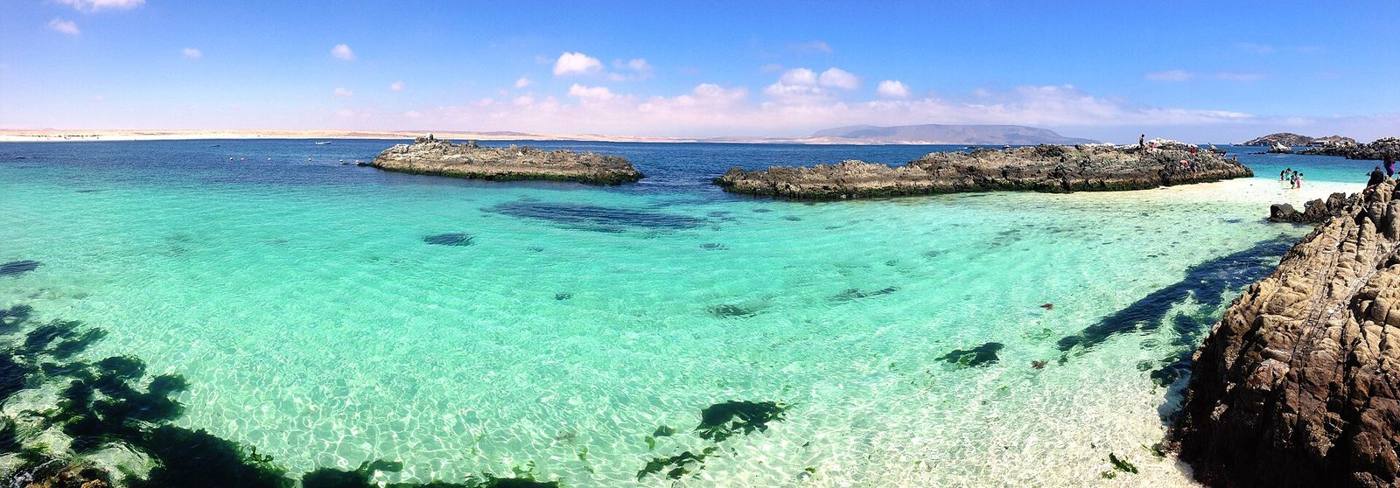
Where the Atacama Desert meets the Pacific: Pan de Azúcar National Park with Humboldt penguins, cacti in the coastal fog and white beaches, Bahía Inglesa with its turquoise sea and, after a rainy winter, the flowering desert.
 4 daysEasy
Antofagasta and the Paranal Observatory
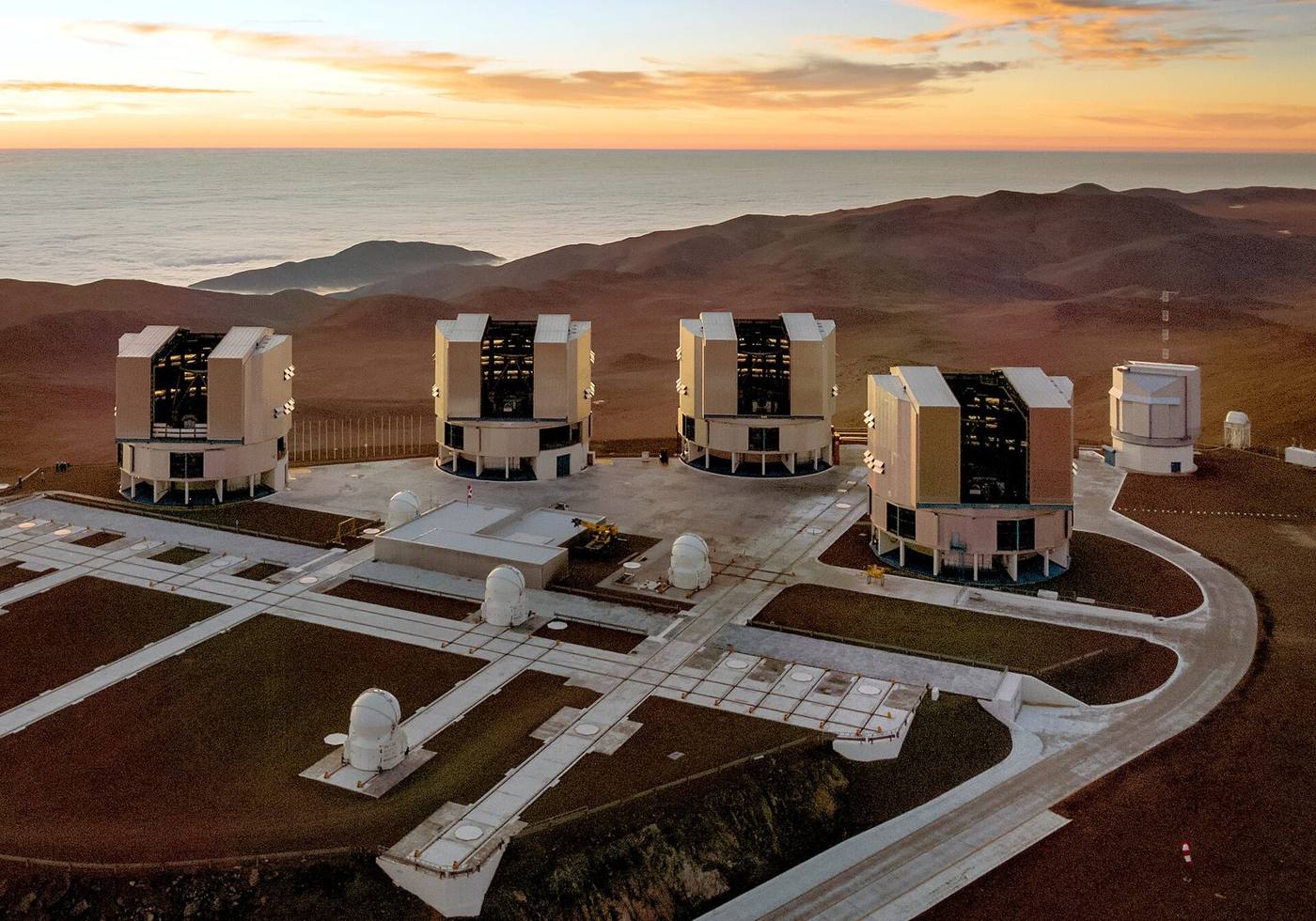
The driest desert in the world and the most powerful telescopes: the rock arch of La Portada on the Pacific, the Hand of the Desert, the European observatory of Paranal on its visiting day, and the starry sky of the Atacama Desert.
 5 daysEasy
Valdivia and Huilo Huilo
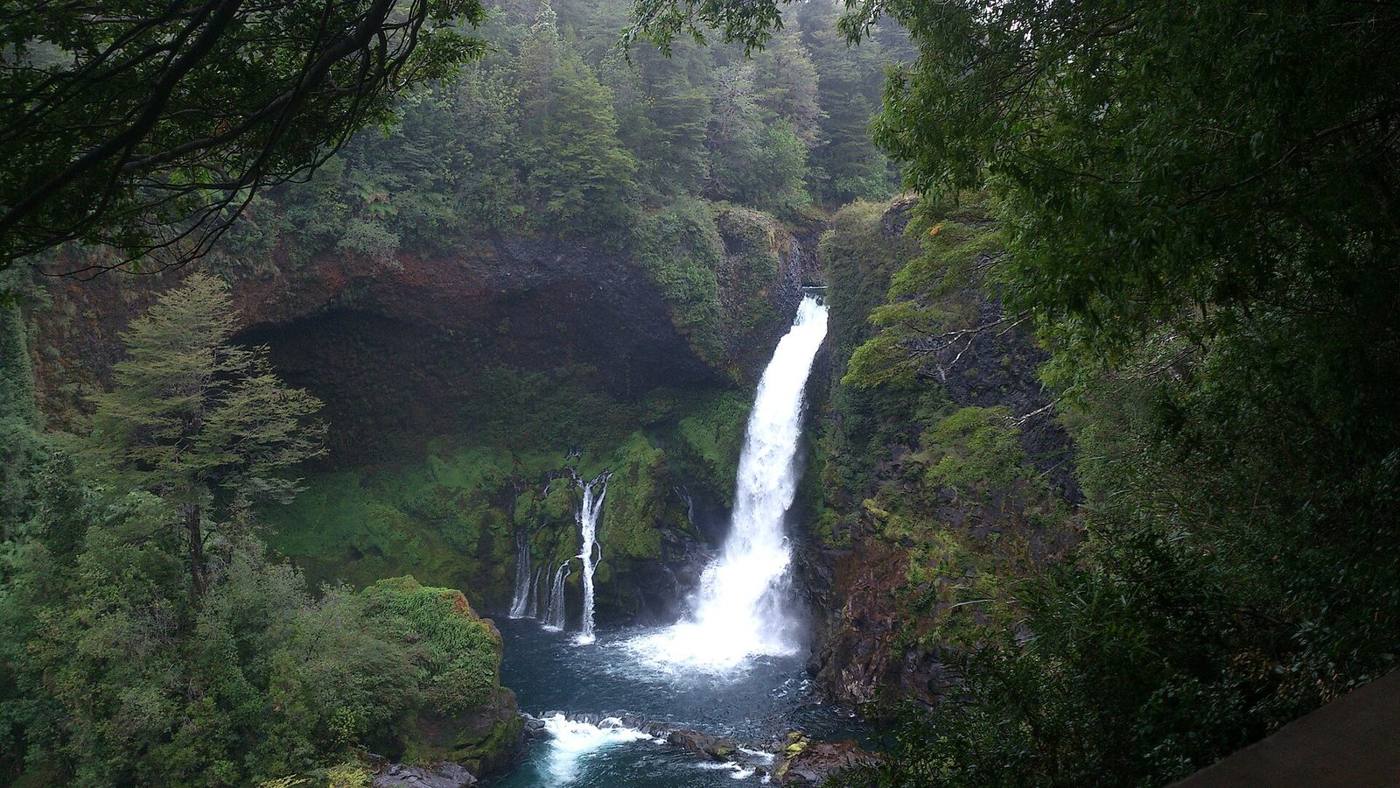
The south of rivers and forests: Valdivia with its fish market and sea lions on the river, the Spanish forts of Niebla and Corral, then the Huilo Huilo reserve with temperate rainforest, waterfalls and Lake Pirihueico.