Antofagasta and the Paranal Observatory
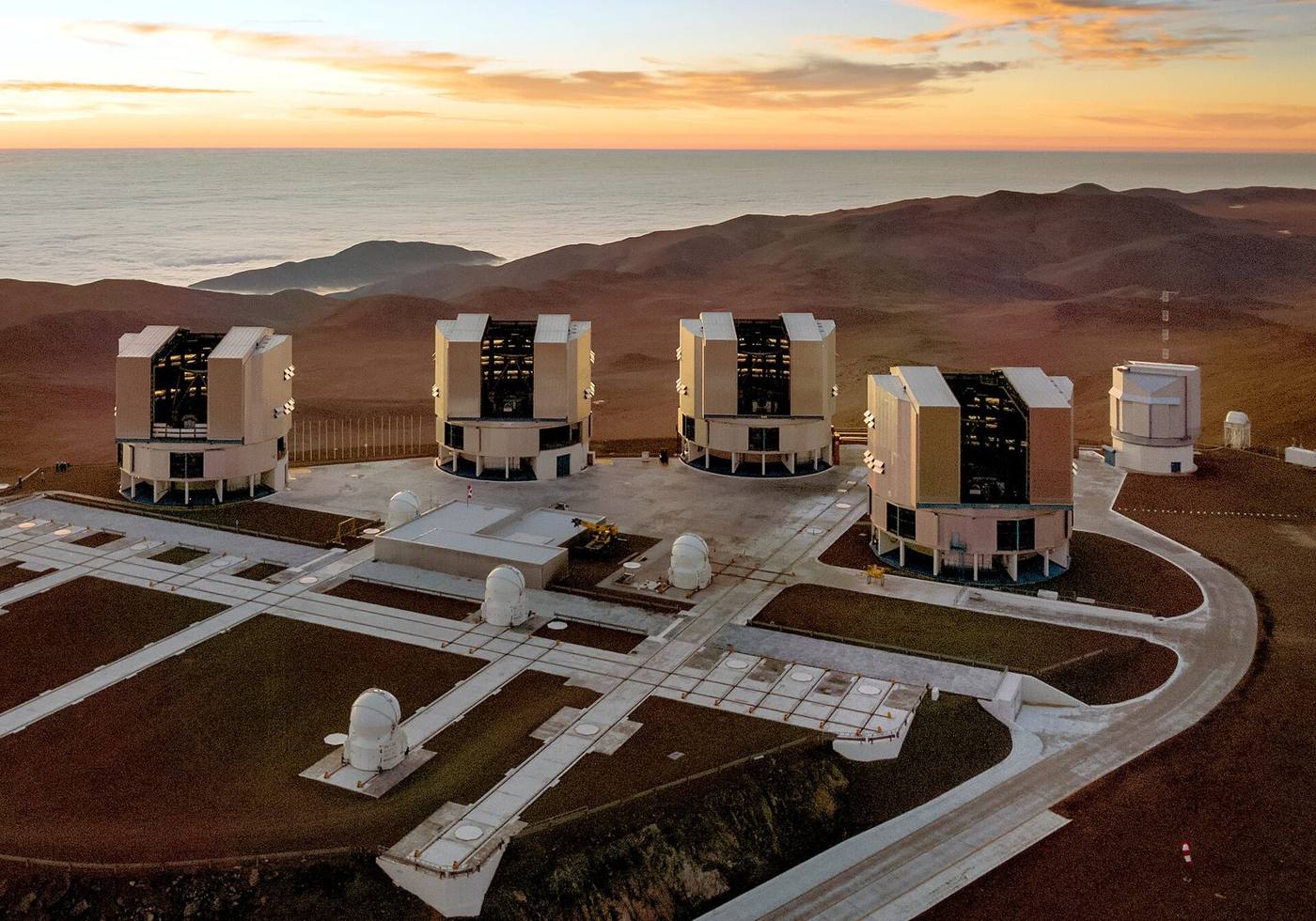
The driest desert in the world and the most powerful telescopes: the rock arch of La Portada on the Pacific, the Hand of the Desert, the European observatory of Paranal on its visiting day, and the starry sky of the Atacama Desert.
- Antofagasta
- La Portada
- Mano del Desierto
- Paranal
Day by day
- Day 1
Antofagasta and La Portada
To enter Chile you need a valid passport; EU citizens need no visa for tourist stays of up to ninety days. Check the rules for your nationality.
Antofagasta, in northern Chile, is a port city on the Pacific, squeezed between the sea and the bare hills of the Atacama, the driest non-polar desert in the world. It is the country's mining capital: ships carrying copper from the great inland mines leave from here. It is not a tourist city, but it is the gateway to the Paranal Observatory, one of the most important on the planet, and to spectacular desert landscapes. It is about two hours by air from Santiago.
In the morning stroll through the centre around Plaza Colón, with the clock tower donated by the British community, a small copy of London's Big Ben, and along the old historic pier of wood and iron, built in the late nineteenth century to load saltpetre, the mineral that made the region rich before copper. Visit the regional museum in the former customs house, which tells the story of saltpetre and of the War of the Pacific, when the region, which belonged to Bolivia, passed to Chile.
In the afternoon reach La Portada, about twenty kilometres north of the city, a natural monument: a great dark rock arch about forty metres high rising from the ocean in front of pale striped cliffs, shaped by wave erosion. From the viewpoint you see seabirds, pelicans and sometimes sea lions.
In the evening, at sunset, visit the Huanchaca ruins, a great nineteenth-century silver smelter on the hill above the city, with terraced stone walls.
Practical tip: the desert sun is very strong even under the morning mist; use sunscreen and a hat.
- Day 2
Paranal Observatory on a booked visit and the Hand of the Desert
Early in the morning rent a car and drive south on the Pan-American Highway and then a minor road through the desert to Paranal Observatory, about a hundred and twenty kilometres and two hours from Antofagasta, on the summit of Cerro Paranal at about 2,600 metres. The landscape looks like another planet: brown and ochre hills with no plants or animals under an always clear sky. That is why the European Southern Observatory, the astronomical organisation of which many European countries are members, built the Very Large Telescope here, one of the world's most powerful telescope systems, with four main telescopes over eight metres in diameter, which can also work together.
The observatory can be visited at no cost on some weekend days on a guided tour of about two hours, only with a booking made in advance on the ESO website; places are few and sell out weeks ahead. The tour shows the platform with the telescope domes, the inside of one telescope and the control room, and the Residencia, the partly underground building where astronomers live, with a tropical garden and a pool that keeps the air humid in the dry climate. From the platform you see, on the neighbouring mountain, the construction site of the Extremely Large Telescope, which will be the world's largest optical telescope.
In the afternoon, heading back towards Antofagasta, stop at the Hand of the Desert, a concrete sculpture about eleven metres tall by Chilean artist Mario Irarrázabal: a giant hand emerging from the sand in the middle of nowhere beside the Pan-American Highway.
Practical tip: Paranal can only be reached by your own vehicle; fill up and bring water, as there is nothing along the road.
- Day 3
A stargazing night with a local astronomer
In the morning rest after the long day in the desert, or visit the municipal beach or Juan López beach north of the city near La Portada, with the cold water of the Humboldt Current but a calm bay and a small fishing community.
In the afternoon you can take a trip into the inland desert to the oficinas salitreras, the saltpetre ghost towns abandoned when natural nitrate was replaced by factory-made nitrate in the twentieth century. Some still have workers' houses, a church, a theatre and rusty machinery. Along the road you see miners' cemeteries, with wooden crosses in the sand.
In the evening join a stargazing session with an astronomer or local guide, far from the city lights in the desert. Without moonlight, the Atacama sky is one of the darkest and clearest in the world: with the naked eye you see thousands of stars, the Milky Way so bright it casts shadows, the Southern Cross and the Magellanic Clouds, two small neighbouring galaxies. Through the guide's telescopes you observe planets, star clusters and nebulae such as Orion and the Carina Nebula, visible only from the southern hemisphere. Guides also explain how Andean peoples read the sky, seeing animal figures in the dark patches of the Milky Way, such as the llama and the serpent.
Practical tip: at night the desert temperature drops sharply; bring a warm jacket, a hat and something hot to drink.
- Day 4
Return or onward to San Pedro de Atacama
In the morning, if you are flying to Santiago, spend a last hour on the Antofagasta seafront, with its city beaches and parks, or visit the Atacama Desert museum at the foot of the Huanchaca ruins, which tells the region's geology, archaeology and mining history. The desert is also one of the best places in the world to find meteorites, preserved here for thousands of years by the extremely dry air.
If instead you continue to San Pedro de Atacama, the adobe village in the heart of the desert and base for the El Tatio geysers, the altiplano lagoons and the Valley of the Moon, you have two options: drive north-east for about four and a half to five hours via Calama, the mining city next to Chuquicamata, one of the world's largest open-pit copper mines, or fly to Calama in under an hour and then take a transfer of about an hour and a half to San Pedro. The road crosses the Domeyko range, with landscapes of coloured hills, and climbs to about 2,400 metres.
Antofagasta airport is about twenty-five kilometres north of the city, with flights to Santiago in about two hours.
Things to take home: copper objects, lapis lazuli, Chilean pisco, products made with rica rica, a desert herb, and Atacama salt.
Practical tip: check your government's travel advice before leaving.
For astronomy lovers. Public visits to Paranal are at no cost but only on certain days, booked on the ESO website, and fill up early; the drive from Antofagasta is about two hours. In the desert there is no shade and no water. Italians need no tourist visa for up to 90 days. The United States keeps Chile at level 2 (caution) for crime and unrest: watch out for pickpockets in cities.
Before you go
- Documents and visa
- Valid passport; no visa for tourism up to 90 days for EU citizens. On arrival you receive the PDI electronic slip, to be kept until you leave.
- Health and vaccines
- No compulsory vaccines arriving from Europe. In the Atacama Desert and the Andes beware of altitude sickness. Emergencies: 131 ambulance, 132 fire, 133 police.
- Money and payments
- Chilean peso. Cards are accepted almost everywhere; carry some cash in parks and villages.
- Power sockets
- Types C and L, 220 volts: European two-pin plugs almost always fit.
- Time zone
- UTC-4 in the southern winter and UTC-3 from September to April. The Magallanes region stays on UTC-3 all year.
- Safety
- The United States rates Chile level 2 for crime and civil unrest, with protests in the Araucanía region. In Santiago and Valparaíso watch out for pickpockets. Official advice: GOV.UK.
Information checked in November 2026 for Italian and EU citizens. Rules change: always check before you travel.
Variations
In 2 days: Antofagasta and La Portada on day one, Paranal and the Hand of the Desert on day two, on a weekend with a booked visit.
In 9 days: continue to San Pedro de Atacama, with the El Tatio geysers, the altiplano lagoons and the Valley of the Moon.
Frequently asked questions
What do I need to enter Chile?
A valid passport; EU citizens need no visa for tourist stays of up to ninety days.
How do I visit Paranal Observatory?
On the no-cost tours held on some weekend days, only by booking on the ESO website and arriving in your own vehicle. Places go quickly: book weeks ahead.
When is the best time for stargazing in the Atacama?
On moonless nights, almost all year round; the sky is clear on most nights.
Indicative itinerary written by World Atlas. Before booking, check timetables, seasonal openings, documents and safety.
 5 daysEasy
Valdivia and Huilo Huilo
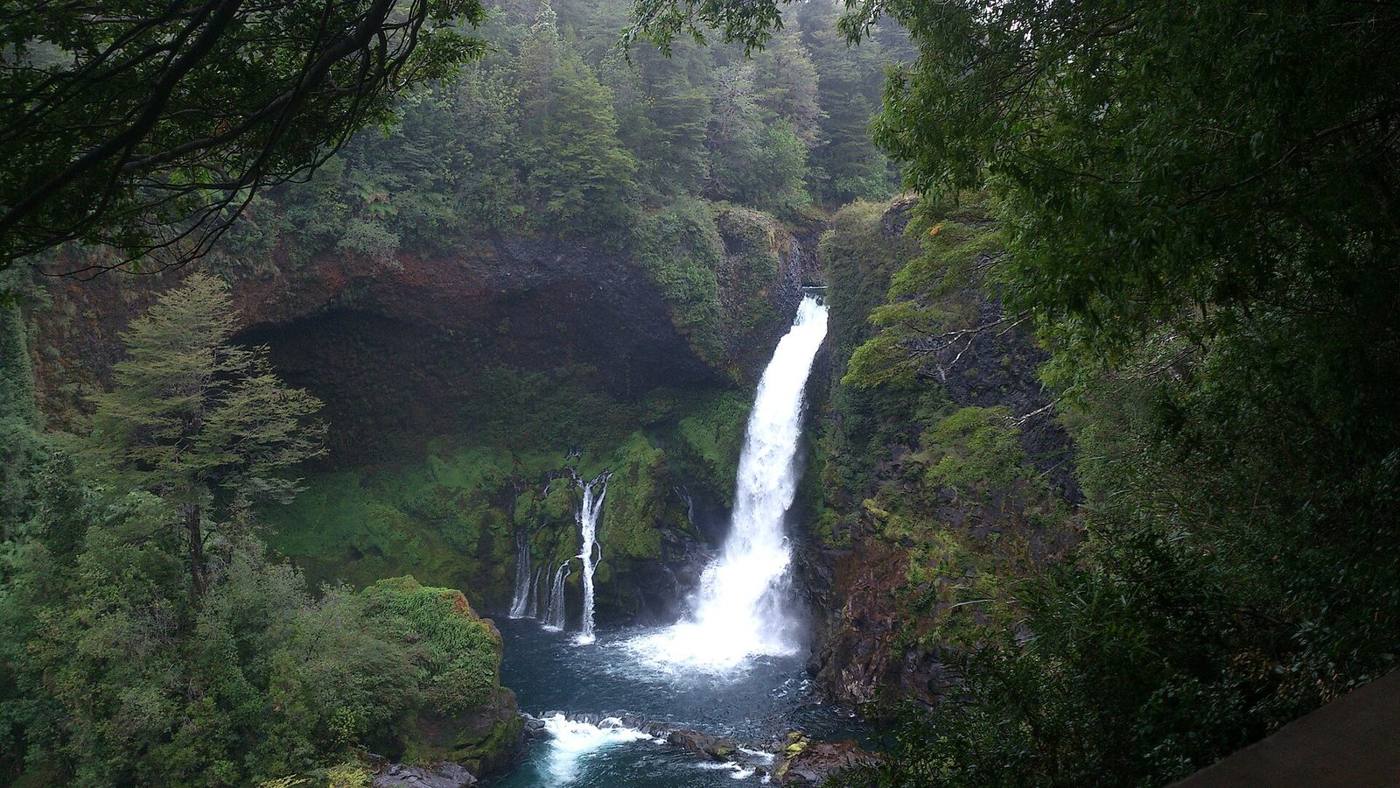
The south of rivers and forests: Valdivia with its fish market and sea lions on the river, the Spanish forts of Niebla and Corral, then the Huilo Huilo reserve with temperate rainforest, waterfalls and Lake Pirihueico.
 5 daysEasy
Lake Llanquihue, Osorno Volcano and Petrohué
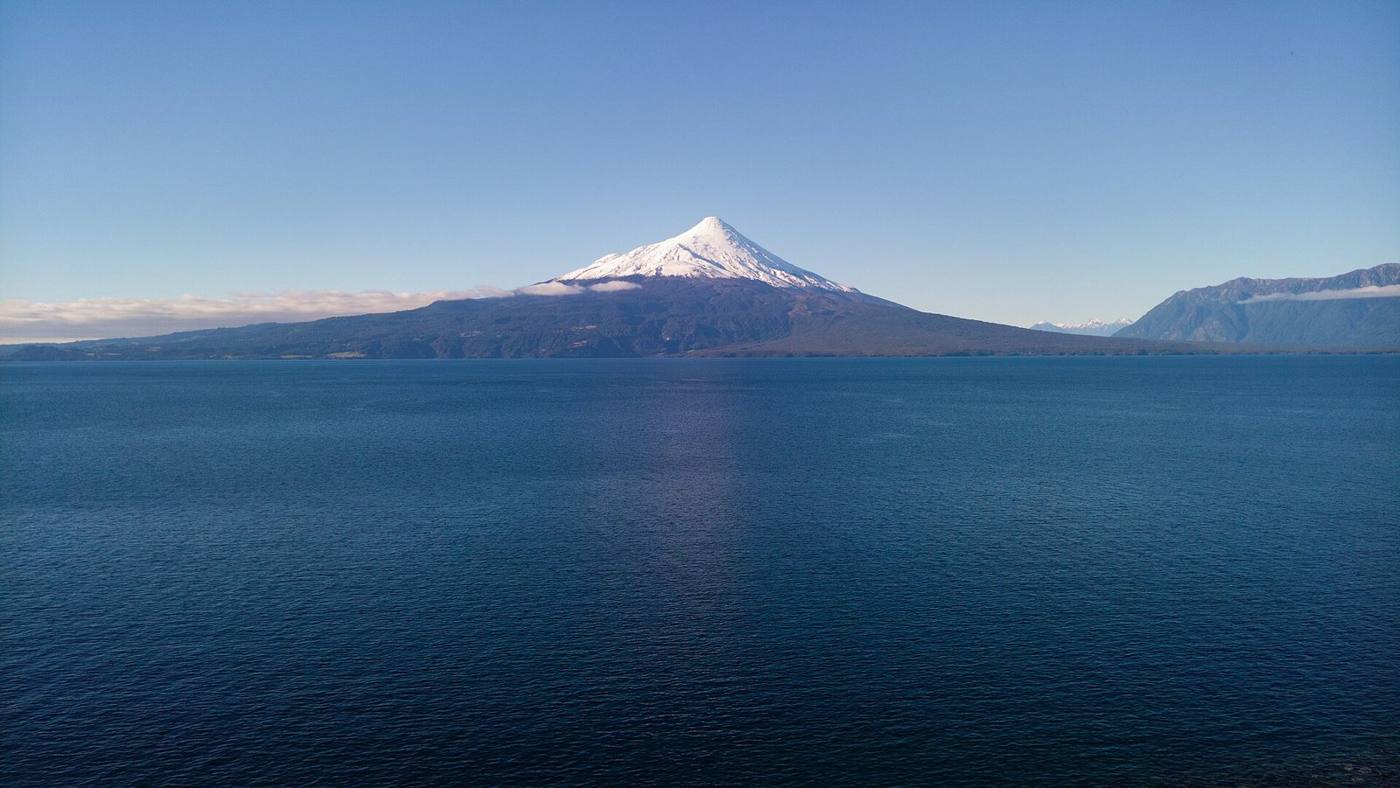
The most photographed part of the Lake District: Frutillar and Puerto Varas with their German settlers' houses, the perfect cone of Osorno volcano, the Petrohué falls, emerald Lake Todos los Santos and Vicente Pérez Rosales National Park.
 6 daysModerate
Skiing at Portillo and Valle Nevado
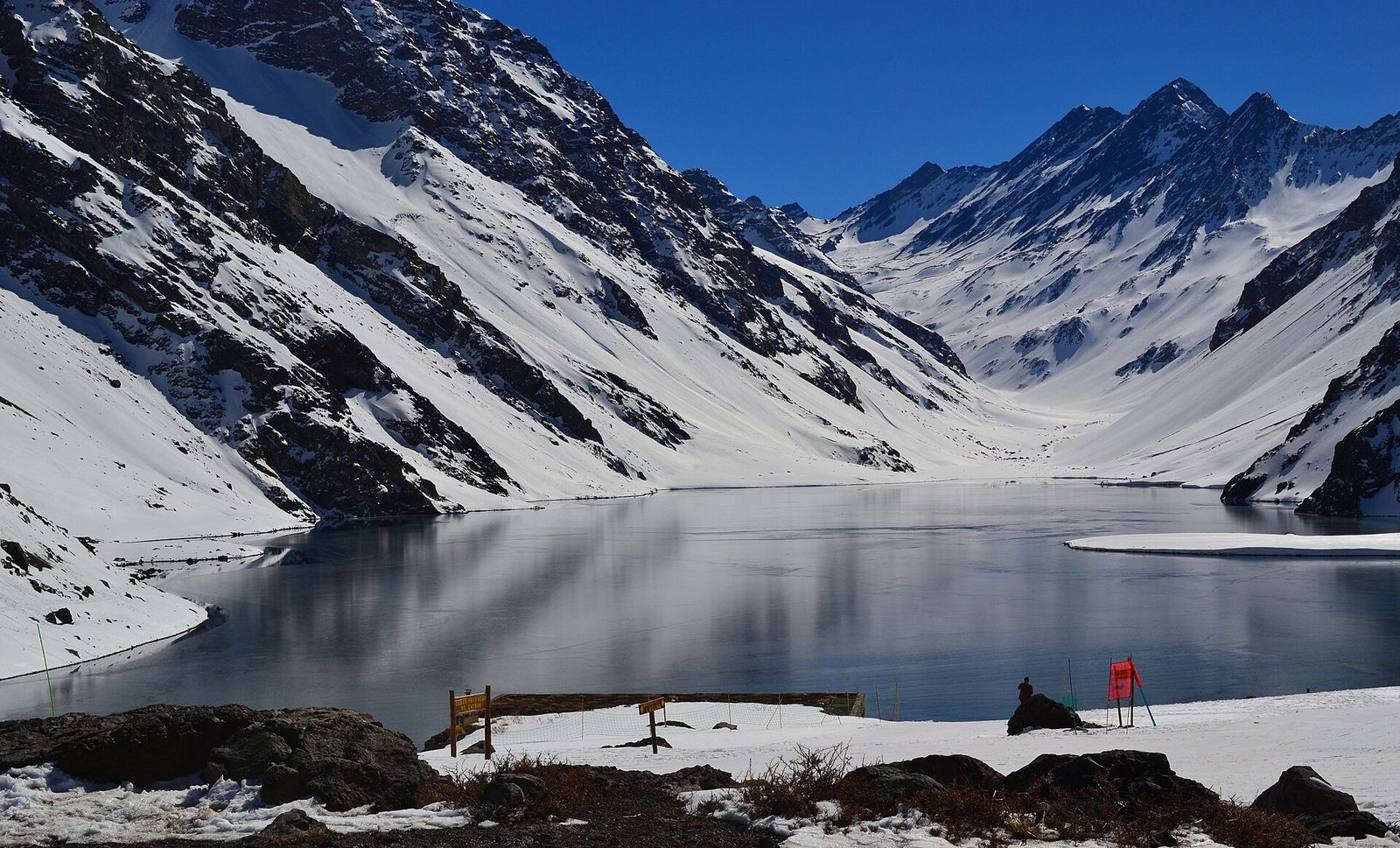
August snow in the southern hemisphere: the slopes of Valle Nevado, La Parva and El Colorado an hour and a half from Santiago, and Portillo, the historic resort on the Laguna del Inca near the Argentine border, below Aconcagua.