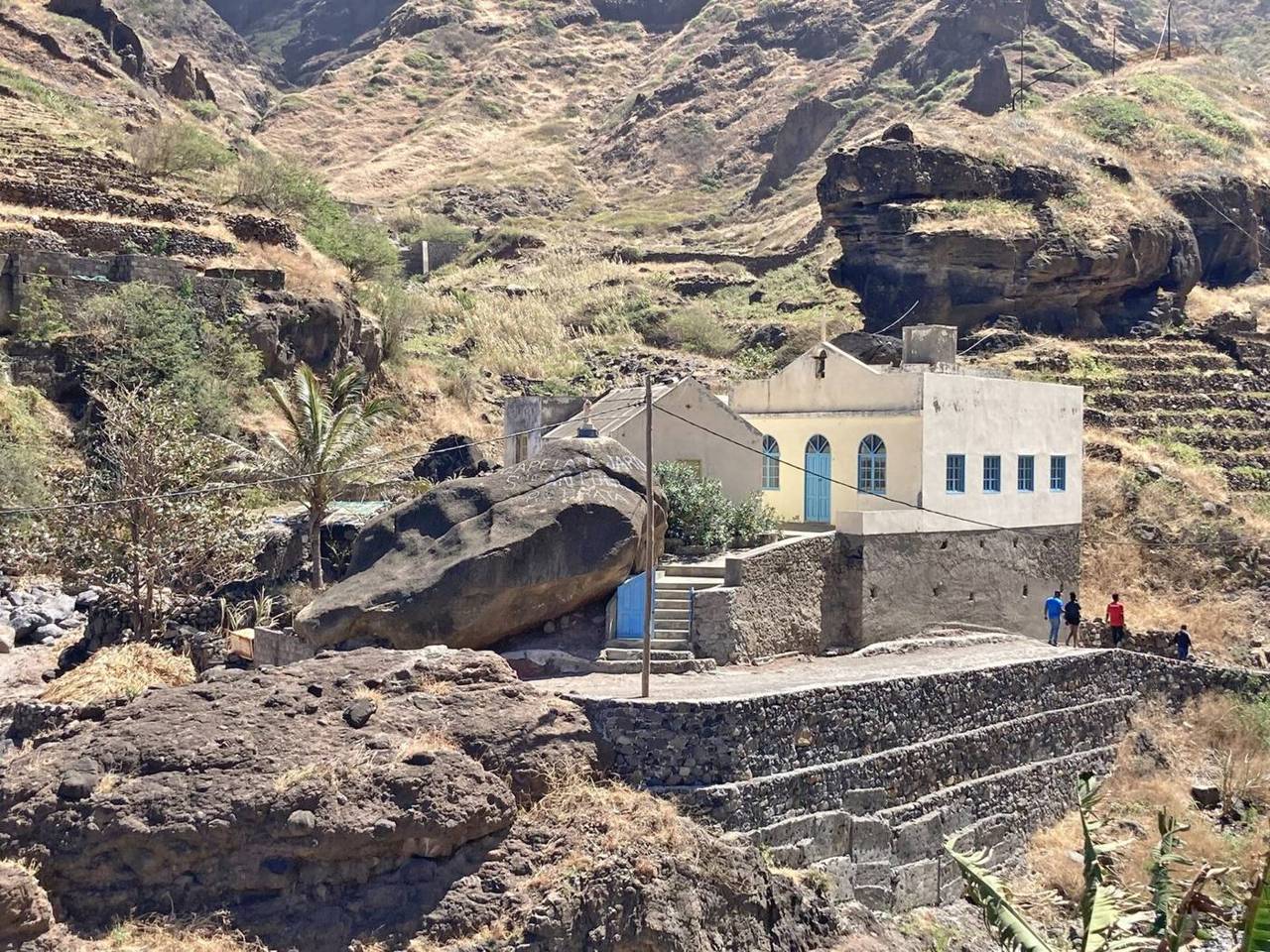
São Nicolau
A mountainous island with almost no tourists: Monte Gordo and its park, the Fajã valley, the village of Ribeira Brava and the dunes of Carriçal by the sea.
- Ribeira Brava
- Monte Gordo
- Fajã
- Tarrafal de São Nicolau
Day by day
- Day 1
Arrival on São Nicolau and Ribeira Brava
This four-day trip is devoted to São Nicolau, a mountainous island in the Barlavento, the northern islands, still almost without tourists. You walk on Monte Gordo and in the Fajã valley, sleep in simple family-run places and finish by the sea at Tarrafal.
Before you go: Italian citizens enter Cape Verde without a visa for up to 30 days, with a passport valid for at least three months beyond the length of the stay. Pre-registration on the official EASE platform is compulsory, with online payment of the airport security tax, at least five days before arrival: anyone arriving without it pays double at the border. Check the current amount on the portal. Other nationalities should check their own rules. The island is quiet; domestic flights and ferries often change times, so always keep a spare day.
You arrive on a domestic flight at Preguiça airport, near the east coast, or by ferry from São Vicente to the port of Tarrafal. From Preguiça a short road climbs to Ribeira Brava, the main town.
Ribeira Brava is a town squeezed into the bottom of a valley, with colourful houses, steep streets and a large church on the square. In the nineteenth century the seminary school was founded here, the first secondary school in Cape Verde, where many of the country's writers and politicians studied. Walk around the centre, sit in the square and watch the slow life of the town.
Practical tip: there are few cash machines on São Nicolau, mostly in Ribeira Brava and Tarrafal. Withdraw money as soon as you arrive and carry cash for the villages.
- Day 2
The climb up Monte Gordo
Today you climb Monte Gordo, the highest mountain on the island, at about 1,300 metres, at the heart of a natural park. The northern slope, exposed to the trade winds, is often in mist and is therefore green and damp, with woods, ferns and plants that grow only here.
Leave Ribeira Brava early by aluguer or taxi to the start of the path, near the park's visitor centre on the road to Fajã. The climb follows a well-marked path that becomes steeper in the last section. Allow a few hours there and back, with breaks.
Along the way look out for the dragoeiros, dragon trees with a sturdy trunk and an umbrella-shaped crown: they are one of the island's symbols. If the mist clears, the view from the top is superb: the whole of São Nicolau, with its valleys running down to the sea, and on the horizon the other northern islands, such as São Vicente, Santa Luzia and sometimes Santo Antão.
In the afternoon walk down towards the villages in the valley and return to Ribeira Brava. In the evening try the island's goat's cheese and fish cooked simply, with rice and vegetables.
Practical tip: even if it is hot in the valley, wind and mist make the air cool at the top. Bring a jacket, water and food, and turn back if the mist becomes too thick to see the path.
- Day 3
On foot in the Fajã valley
Today you walk in the Fajã valley, the greenest farming basin on São Nicolau, below Monte Gordo. It is a landscape of terraced fields, sugar cane, banana trees, papayas and small villages scattered across the slopes.
A good walk starts in the upper part of the valley, near Cachaço, a mountain village known for its goat's cheese, and descends through Fajã de Cima and Fajã de Baixo along old paved mule tracks. On the way you see the trapiches, the presses where cane is crushed to make grogue, the spirit of Cape Verde, and the channels carrying water to the fields.
The valley is linked to an important book: Chiquinho, the novel by Baltasar Lopes set on São Nicolau, tells of farming life, drought and emigration, and is considered one of the founding works of Cape Verdean literature. The writer was born in the village of Caleijão, in the Ribeira Brava valley.
At the end of the walk an aluguer or your driver takes you to Tarrafal de São Nicolau, on the west coast, where you spend the last night. The road drops from the green mountains to a dry, reddish landscape.
Practical tip: always ask permission before crossing fields or photographing people at work. If you are unsure of the way, villagers are happy to point out the right path.
- Day 4
Tarrafal de São Nicolau and departure
The last day is for Tarrafal de São Nicolau, the island's second town, a fishing port on the west coast, sheltered from the wind. In the morning go down to the harbour to see the boats coming back with tuna and the catch of the day.
Around the town there are beaches of black volcanic sand: local people say that sand warmed by the sun is good for bones and aches, and it is not unusual to see people lying with their legs buried in it. The sea here is often calmer than elsewhere, but swim only close to shore and ask first where it is safe. Further north the coast becomes rugged, with bays and dark cliffs.
In the afternoon take the ferry from Tarrafal to São Vicente or drive back to Preguiça airport for your flight.
In four days you have seen an island that has stayed off the tourist routes: Ribeira Brava and its old seminary, Monte Gordo with its dragon trees, the Fajã valley with its cane fields and Tarrafal with its black sand. It is a trip for walkers looking for peace, landscapes and real encounters with local people.
When to go: the best months are November to June, with dry weather and paths in good condition. From August to October there is more rain and the mountains are greener.
Practical tip: confirm your flight or ferry the day before and do not book an international flight on the same day as your departure from São Nicolau.
For hikers who want peace and quiet. Inter-island flights and ferries change often: keep a spare day. Simple, family-run lodgings.
Before you go
- Documents and visa
- Passport valid for at least three months beyond the length of your stay. Citizens of the Schengen area do not need a visa for up to 30 days, but pre-registration on the official EASE platform is compulsory, with online payment of the airport security tax (TSA), at least five days before arrival. From 1 July 2026 anyone arriving without pre-registration pays double the tax at the border. Check the current amount on the EASE portal.
- Health and vaccines
- No vaccinations are compulsory, except yellow fever for travellers arriving from a country at risk. Dengue is present, with outbreaks in Praia in the rainy season, and malaria cases are possible on Santiago from July to December: protect yourself from mosquitoes. Drink bottled water.
- Money and payments
- Cape Verdean escudo, with a fixed exchange rate to the euro. Importing and exporting the local currency is prohibited: change money on arrival or use cash machines in towns. Euros are accepted in many tourist places.
- Power sockets
- Type C and F, 220 volts: you need an adapter for British plugs.
- Time zone
- UTC-1 all year.
- Safety
- A calm country with no areas advised against. Theft and pickpocketing happen mainly in Mindelo, Sal and Boa Vista; in Praia avoid the night and the outer districts, and do not walk on isolated beaches after dark. Ocean currents are very strong: swim only where there is a lifeguard. Ferries and flights between the islands, especially to Fogo and Brava, are often cancelled because of the sea or the wind. Official advice: GOV.UK.
Information checked in November 2026 for Italian and EU citizens. Rules change: always check before you travel.
Variations
In 3 days: Ribeira Brava and the climb up Monte Gordo, then Tarrafal and departure, without the walk in the Fajã valley.
In 8 days: combine São Nicolau with the São Vicente and Santo Antão trip, with the ferry from Tarrafal to Mindelo.
Frequently asked questions
How do you get to São Nicolau?
On a domestic flight to Preguiça airport, near Ribeira Brava, or by ferry from São Vicente to the port of Tarrafal. Timetables change often, so keep a spare day.
Is the climb up Monte Gordo difficult?
It is a moderate walk, with a steeper last section. You need hiking shoes, a jacket against wind and mist, water and a few hours.
Are there beaches on São Nicolau?
Yes, mainly around Tarrafal, with black volcanic sand. They are simple beaches without facilities: swim close to shore and ask local people where the sea is safe.
Indicative itinerary written by World Atlas. Before booking, check timetables, seasonal openings, documents and safety.
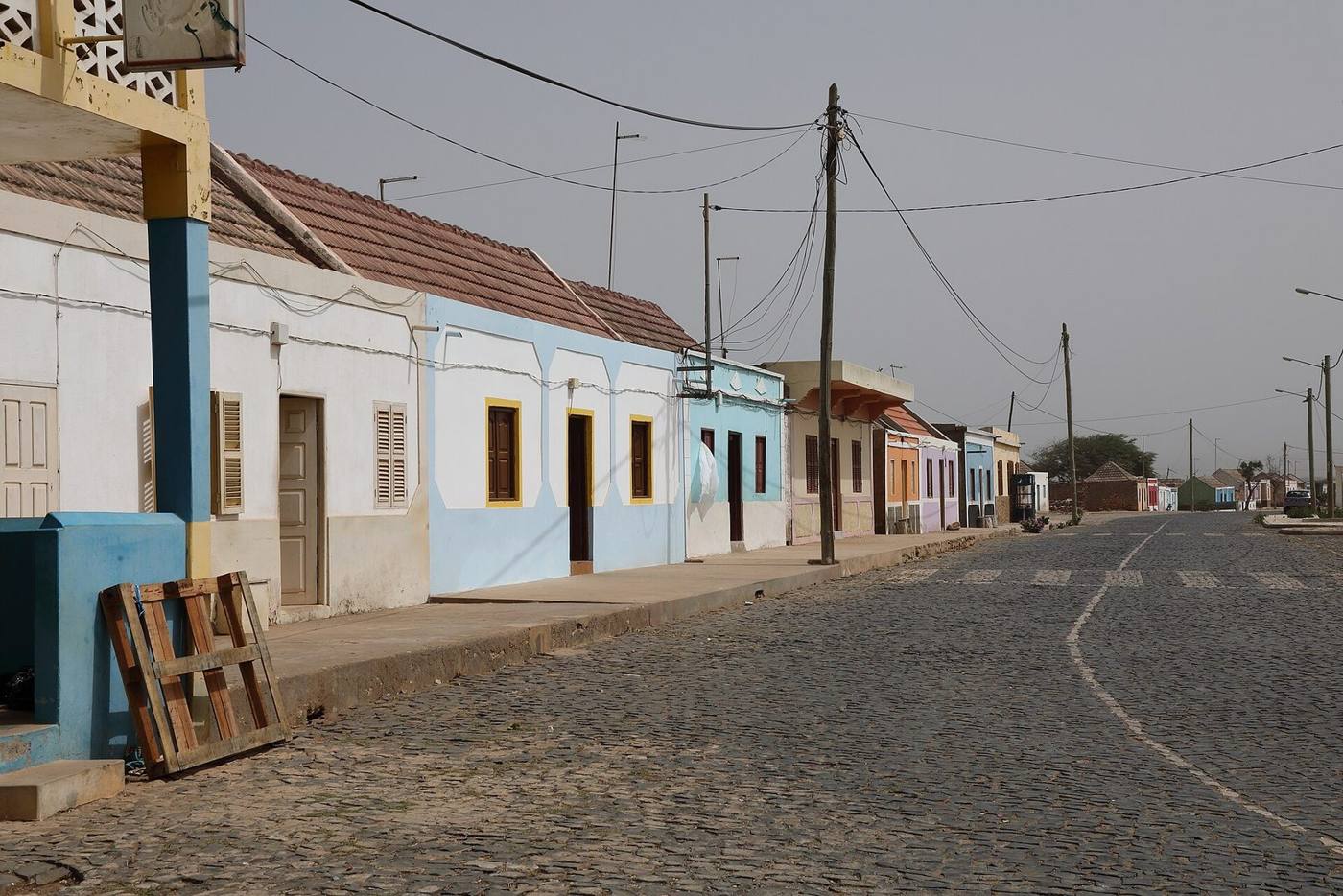 3 daysEasy
Maio
The flat, silent island near Santiago, with almost empty white beaches, salt flats, fishing villages and sea turtles in summer.
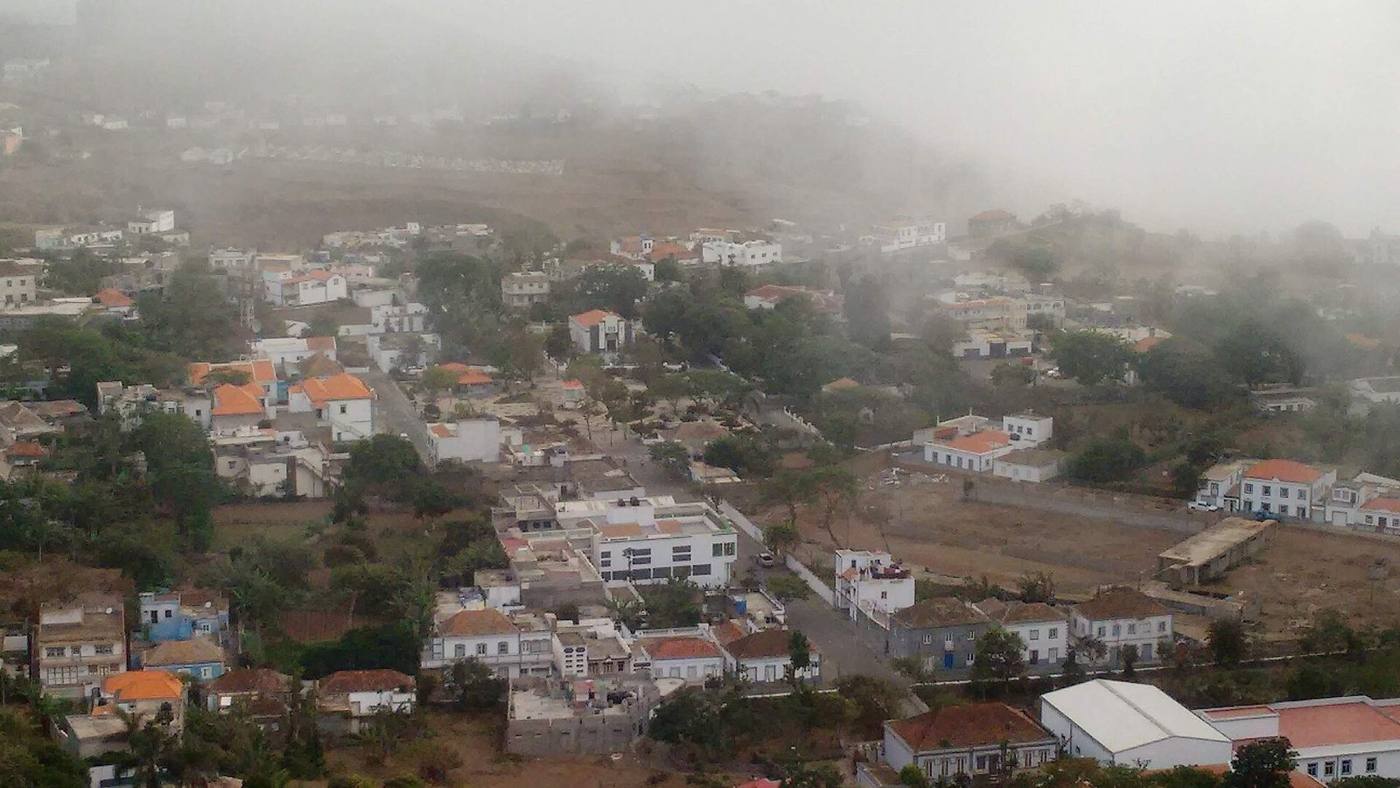 3 daysModerate
Brava
The island of flowers, the smallest inhabited one: Nova Sintra among the hydrangeas, trails down to Fajã de Água and its natural pools, and views of Fogo volcano.
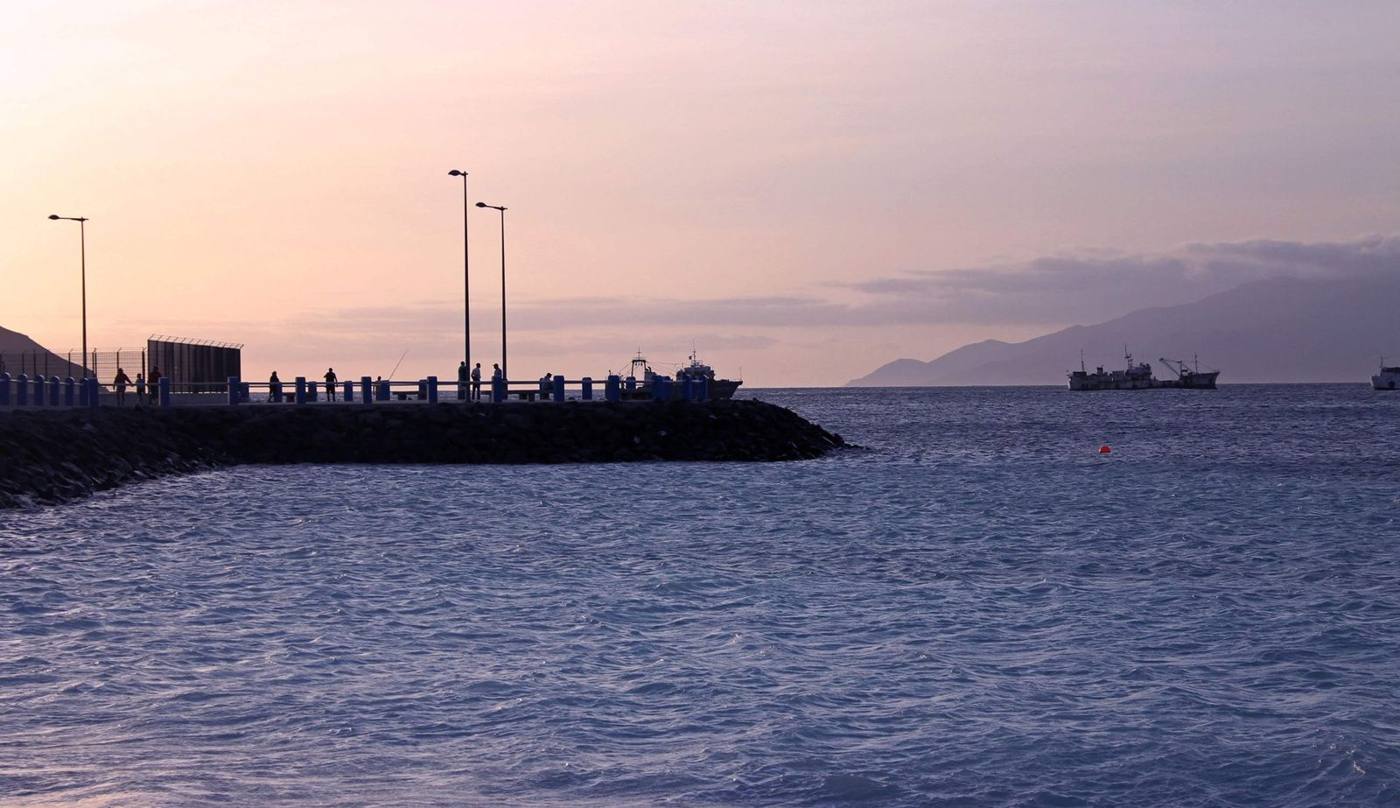 7 daysModerate
Santo Antão and São Vicente
Mindelo and its music, then Santo Antão with cobbled trails through green valleys, sugarcane terraces and villages above the ocean.