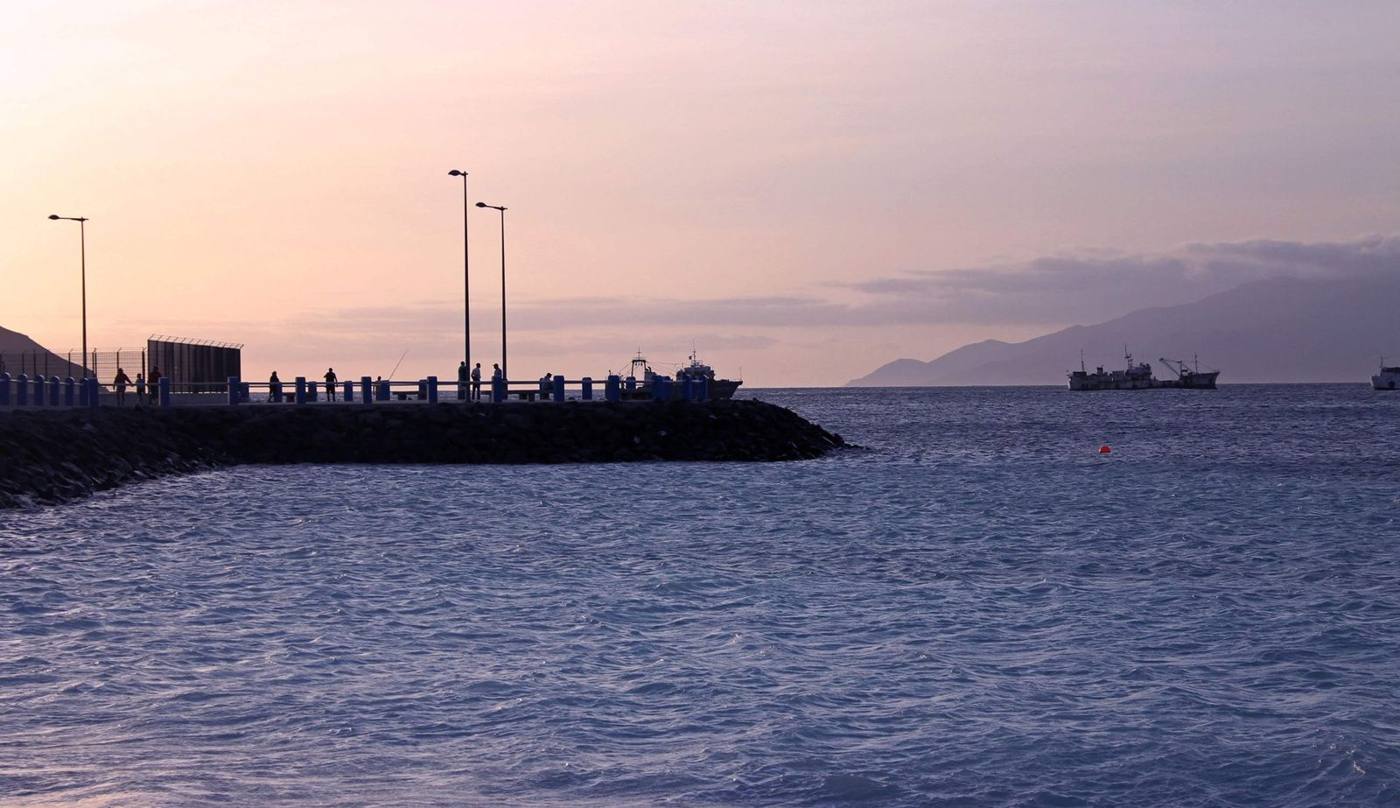
Santo Antão and São Vicente
Mindelo and its music, then Santo Antão with cobbled trails through green valleys, sugarcane terraces and villages above the ocean.
- Mindelo
- Porto Novo
- Cova
- Paul
- Ribeira Grande
- Ponta do Sol
- Fontainhas
Day by day
- Day 1
Arrival in Mindelo
This seven-day trip combines two islands in the north of Cape Verde: São Vicente, with Mindelo and its music, and Santo Antão, the island of great paved paths, green valleys and villages perched above the ocean. It is one of the finest treks in the Atlantic, still little known.
Before you go: Italian citizens enter Cape Verde without a visa for up to 30 days, with a passport valid for at least three months beyond the length of the stay. Pre-registration on the official EASE platform is compulsory, with online payment of the airport security tax, at least five days before arrival: anyone arriving without it pays double at the border. Check the current amount on the portal. Other nationalities should check their own rules. There is theft and pickpocketing in Mindelo: take taxis in the evening and do not show valuables.
You land at São Vicente airport, named after Cesária Évora, the morna singer born in Mindelo, and in a quarter of an hour you are in town. Mindelo spreads around a large natural bay, Porto Grande, closed off by Monte Cara, a mountain that looks like the profile of a face lying back and gazing at the sky.
In the afternoon walk around the colonial centre: Praça Nova with its bandstand, the pink-painted Palácio do Povo, streets of pastel houses and the seafront. At the harbour there is a small copy of Lisbon's Belém Tower.
In the evening listen to live morna, the slow, melancholy music about the sea, departures and longing, now on UNESCO's list of intangible heritage.
Practical tip: buy your ferry ticket to Santo Antão today and ask about return times, so you can plan the whole trip.
- Day 2
Mindelo, the markets and Monte Verde
In the morning visit Mindelo's markets. The fish market, on the seafront, is the liveliest: tuna, mackerel, moray eels and lobsters arrive and the women traders shout out prices. The municipal market, in a colonial building, sells fruit and vegetables from Santo Antão, cheeses and spices. Then go into the crafts and design centre to see textiles, ceramics and objects by Cape Verdean artists. Check prices and times.
In the afternoon leave the town for Monte Verde, the highest mountain on São Vicente, at about 750 metres. A paved road climbs almost to the top, where clouds brought by the trade winds leave a little moisture and the vegetation is greener. From up there you see the whole island, the bay of Mindelo and, across the channel, the mountains of Santo Antão.
On the way down stop at Calhau, a fishing village on the east coast with dark sand beaches and volcanic cones, or go back to Laginha beach, near the centre of Mindelo, for a swim in calm water.
In the evening, if it is February, you might find Mindelo's carnival, with floats and costumes; in August there is the Baía das Gatas music festival. In other months music is found in the bars of the centre.
Practical tip: the ferry to Santo Antão leaves early in the morning. Pack a light rucksack for the walking days and leave the rest securely locked.
- Day 3
The ferry to Santo Antão and the Cova crater
Today you cross the channel on the morning ferry, in about an hour, to Porto Novo on the south coast of Santo Antão. The sea can be very rough: sit outside and look at the horizon. The landscape around Porto Novo is dry and bare, but you only need to climb to discover another island.
From the port take an aluguer or a car with driver on the old paved road that climbs into the mountains, with sheer hairpin bends and immense views. The higher you go, the cooler the air and the more the vegetation changes: pines, eucalyptus, terraces of maize and beans, clouds racing over the ridges.
The first goal is Cova, an extinct volcanic crater, wide and almost perfectly round, with its floor farmed in green fields. Walk down into the crater along the path, cross the fields and climb to the opposite rim. From there, when the clouds part, you see the drop into the Paul valley, which falls all the way to the ocean.
Sleep up in the mountains, near Cova or along the mountain road, where some family houses take in travellers. The evening is cool: bring a jumper.
Practical tip: the ferry can be cancelled in heavy seas. If that happens, spend the day in Mindelo and move the programme back a day, shortening the last part.
- Day 4
Walking down into the Paul valley
Today you do the most famous walk on Santo Antão: the descent from the rim of Cova into the Paul valley. The paved path zigzags down a very steep wall, with a drop of more than a thousand metres, between rocks, ferns and terraces. It takes several hours and is above all a test for the knees.
As you descend, the valley opens out below you: sugar cane, bananas, mangoes, breadfruit, papayas and coffee grown on small terraces held up by stone walls. It is the greenest valley in Cape Verde, thanks to the moisture coming from the sea. On the way you pass through villages such as Passagem, with houses clinging to the mountain and children waving.
In the valley you see the trapiches, the presses where cane is crushed to make grogue, the Cape Verdean spirit. In some you can taste it, along with honey punch: drink in moderation, because the walk is not over.
The path reaches Vila das Pombas, on the sea, at the mouth of the valley. From here an aluguer takes you along the coast road to Ponta do Sol, where you sleep for two nights.
Practical tip: use trekking poles for the descent, carry at least two litres of water and set off early, before the clouds and the heat reach the valley.
- Day 5
From Ponta do Sol to Fontainhas and Cruzinha
Today you walk the island's most spectacular coastal path. Ponta do Sol is a colourful town at the northernmost point of Santo Antão, with a small harbour where fishing boats come back in through the waves, guided by men on shore.
From the town the path climbs along the cliff, cut into the rock, with the ocean hundreds of metres below. In less than an hour you reach the viewpoint over Fontainhas, a village of colourful houses built on a narrow ridge above a terraced valley: it is one of the most famous images of Cape Verde. Walk through the village and continue along the coast towards Corvo and Formiguinhas, with constant ups and downs and ever-changing views.
The path ends at Cruzinha da Garça, a fishing village at the mouth of a valley. It takes a few hours of walking. From Cruzinha you return to Ponta do Sol by aluguer or a taxi arranged in advance.
The path is well marked, but in places it runs close to the edge of the cliff, with no railings. It is not suitable for people who suffer from vertigo and should be avoided in the rain, when the stones become slippery.
Practical tip: arrange a driver the evening before for the return from Cruzinha at a fixed time, because aluguers there are few, especially in the afternoon.
- Day 6
Ribeira Grande and back to Mindelo
In the morning visit Ribeira Grande, the main town in the north of Santo Antão, a few kilometres from Ponta do Sol. It lies where two deep valleys meet, with houses squeezed between the mountainsides, a church on the square and a market selling fruit, vegetables and grogue.
Local people still call the town Povoação, the settlement, its old name. In the streets of the centre you see tailors' and shoemakers' workshops, women selling coconut and papaya sweets and men playing ouril, a game with seeds on a carved wooden board, common throughout West Africa.
If your legs still allow, take a short walk up the valley behind the town, among terraces of sugar cane and villages, for a last look at the island's farming landscape.
In the early afternoon take the aluguer to Porto Novo. The coast road runs past cliffs, tunnels and bays, and is quicker than the old mountain road. In Porto Novo take the afternoon ferry to Mindelo.
In the evening, in Mindelo, celebrate the end of the trek with a fish dinner and a night of music. It is the chance to hear morna again after seeing the landscapes of emigration and sea that it sings about.
Practical tip: arrive at the port of Porto Novo at least half an hour before departure, because on some days the ferry is full and tickets run out.
- Day 7
Departure from São Vicente
On the last day, before your flight, take a final walk around Mindelo: a coffee in the square, a stroll through the market to buy Fogo coffee, goat's cheese or a bottle of grogue from Santo Antão, and a last look at the bay with Monte Cara.
Then go to the airport for your flight home, direct or via another island.
In seven days you have seen two very different islands: Mindelo, the liveliest and most musical town in Cape Verde, with its bay and markets, and Santo Antão, with the Cova crater, the descent into the Paul valley, the cliff path between Ponta do Sol, Fontainhas and Cruzinha and the town of Ribeira Grande. It is a trip for walkers, with steep paths and long descents that need good knees, but it repays you with some of the finest landscapes in the Atlantic.
When to go: the best months are October to June, with drier weather and paths in good condition. Between August and October the rains arrive: the valleys are greener, but some paths can be slippery or damaged by landslides.
Practical tip: do not book your international flight on the same day as the ferry from Santo Antão. Spending the last night in Mindelo protects you from cancellations and delays.
One of the Atlantic's finest hiking trips, still little known. The ferry between the islands can be very rough. Many trails are steep descents: you need good knees.
Before you go
- Documents and visa
- Passport valid for at least three months beyond the length of your stay. Citizens of the Schengen area do not need a visa for up to 30 days, but pre-registration on the official EASE platform is compulsory, with online payment of the airport security tax (TSA), at least five days before arrival. From 1 July 2026 anyone arriving without pre-registration pays double the tax at the border. Check the current amount on the EASE portal.
- Health and vaccines
- No vaccinations are compulsory, except yellow fever for travellers arriving from a country at risk. Dengue is present, with outbreaks in Praia in the rainy season, and malaria cases are possible on Santiago from July to December: protect yourself from mosquitoes. Drink bottled water.
- Money and payments
- Cape Verdean escudo, with a fixed exchange rate to the euro. Importing and exporting the local currency is prohibited: change money on arrival or use cash machines in towns. Euros are accepted in many tourist places.
- Power sockets
- Type C and F, 220 volts: you need an adapter for British plugs.
- Time zone
- UTC-1 all year.
- Safety
- A calm country with no areas advised against. Theft and pickpocketing happen mainly in Mindelo, Sal and Boa Vista; in Praia avoid the night and the outer districts, and do not walk on isolated beaches after dark. Ocean currents are very strong: swim only where there is a lifeguard. Ferries and flights between the islands, especially to Fogo and Brava, are often cancelled because of the sea or the wind. Official advice: GOV.UK.
Information checked in November 2026 for Italian and EU citizens. Rules change: always check before you travel.
Variations
In 5 days: one night in Mindelo, then Cova, the descent into the Paul valley and the Fontainhas path, returning by ferry on the fifth day.
In 10 days: add São Nicolau, reached from São Vicente, with Monte Gordo and the Fajã valley.
Frequently asked questions
Is trekking on Santo Antão difficult?
The paths are paved and well marked, but steep, with long descents of over a thousand metres. You need to be fit and above all to have good knees. The path between Ponta do Sol and Cruzinha runs close to the cliff edge.
How do you get to Santo Antão?
By ferry from Mindelo to Porto Novo, in about an hour. The sea can be very rough and sailings can be cancelled: keep a spare day.
Do you need a guide?
For the main paths, such as Cova to Paul or Ponta do Sol to Cruzinha, it is not essential if you are experienced. A local guide is useful for less used paths and in mist.
Indicative itinerary written by World Atlas. Before booking, check timetables, seasonal openings, documents and safety.
 5 daysModerate
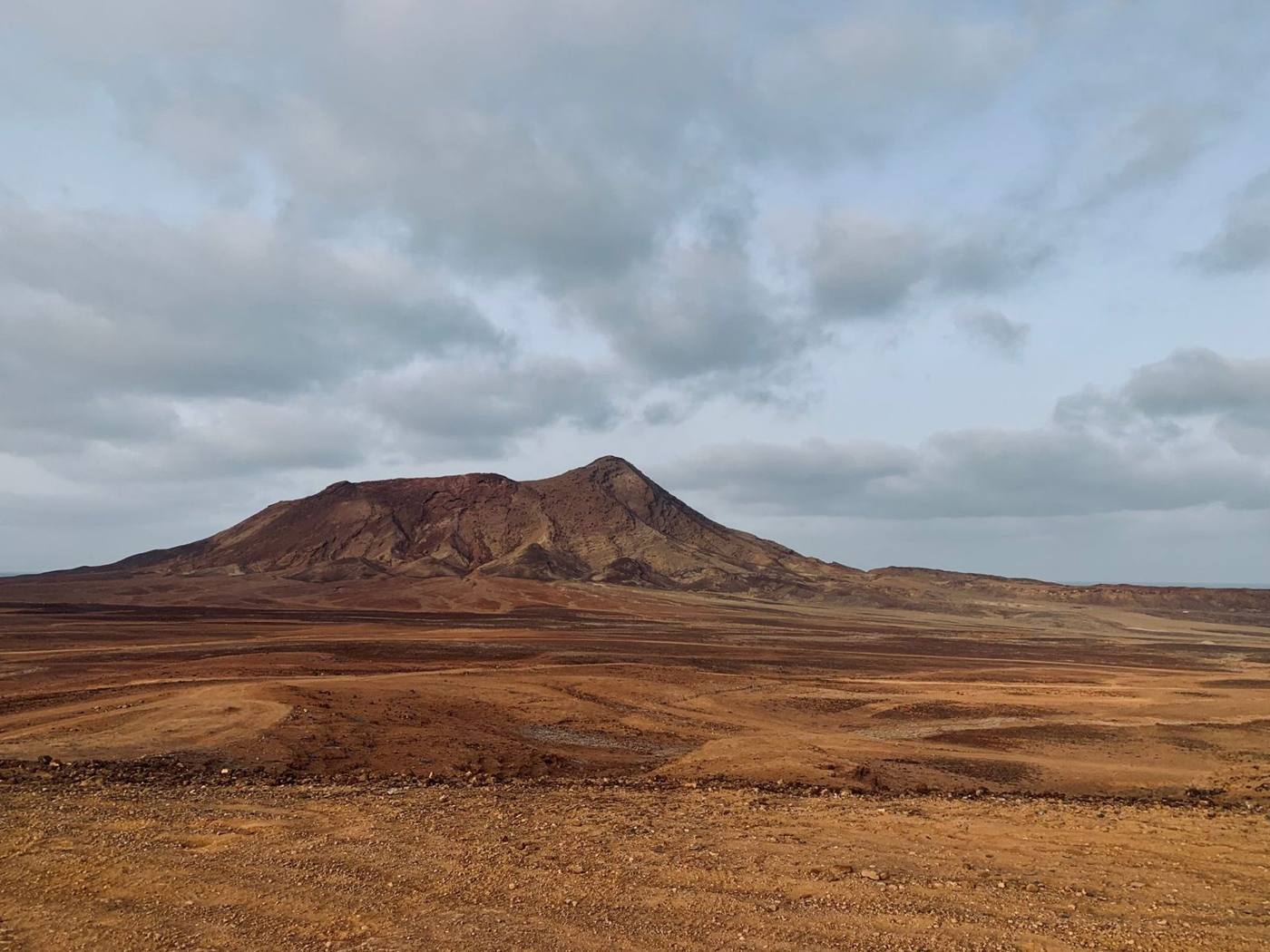
Fogo and its volcano
Pico do Fogo at 2,829 metres, the village of Chã das Caldeiras rebuilt in the crater after the 2014 eruption, its wine and colonial São Filipe.
 6 daysEasy
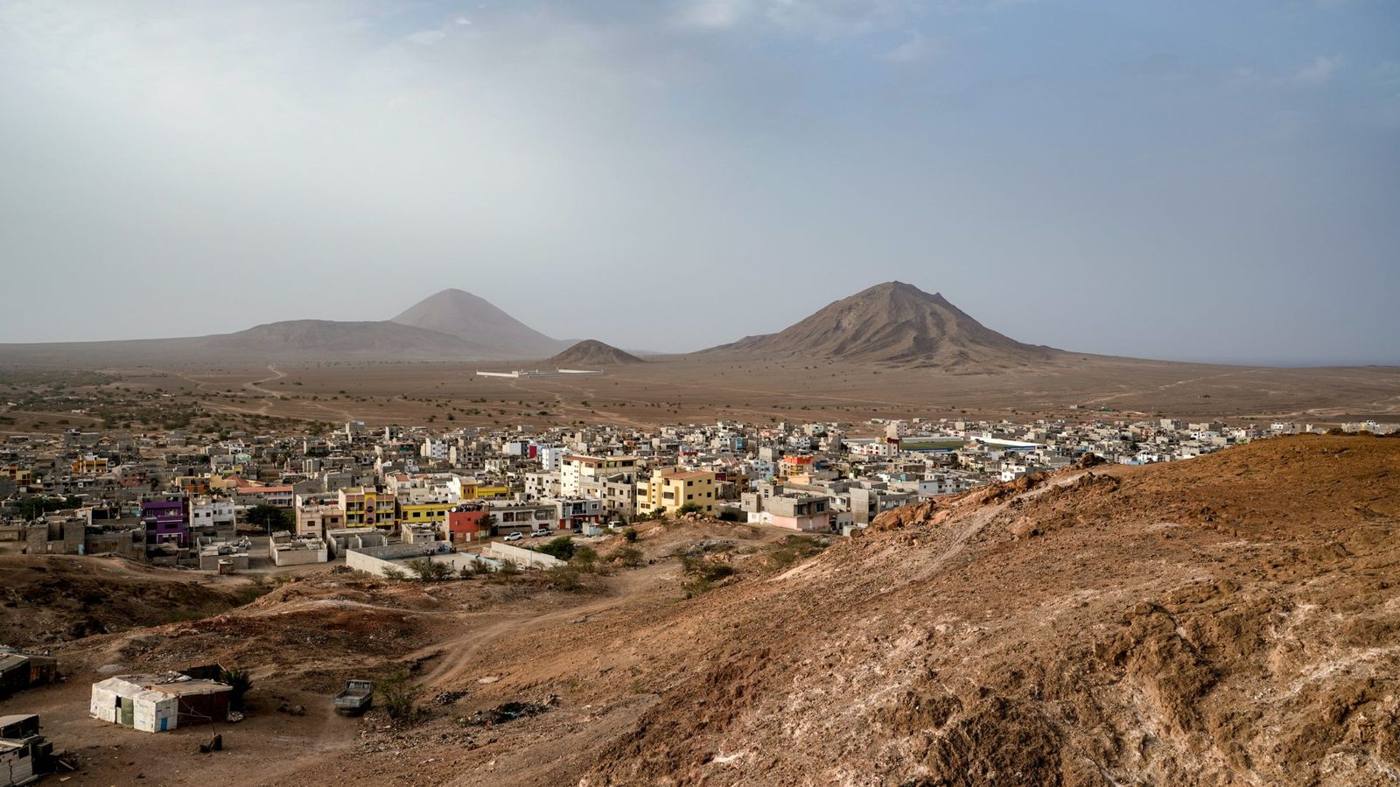
Sal and Boa Vista
The salt pans in the Pedra de Lume crater, kitesurfing at Santa Maria, the dunes of Boa Vista and turtles nesting on the beaches in summer.
 4 daysEasy
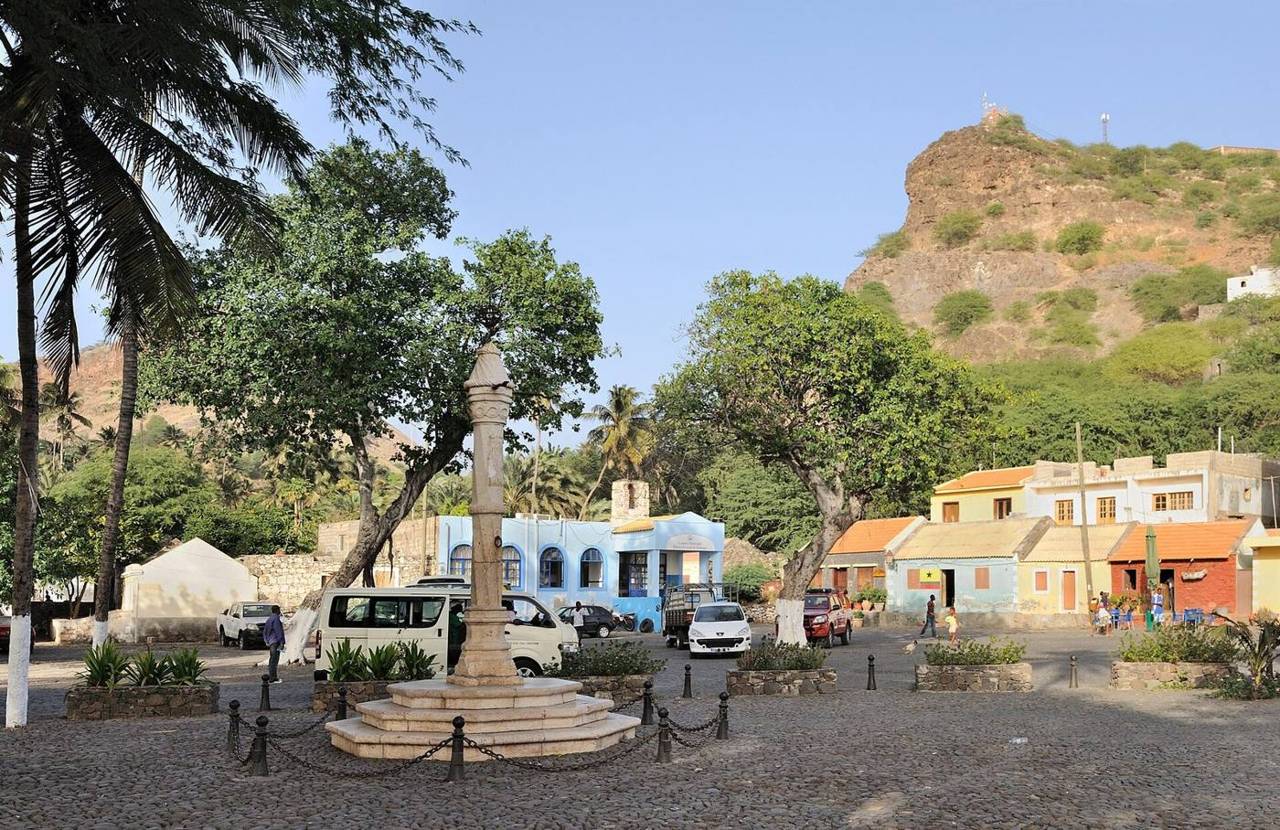
Santiago and Cidade Velha
The archipelago's most African island: Cidade Velha, the first European town in the tropics and a UNESCO site, Assomada market, Serra Malagueta and Tarrafal beach.