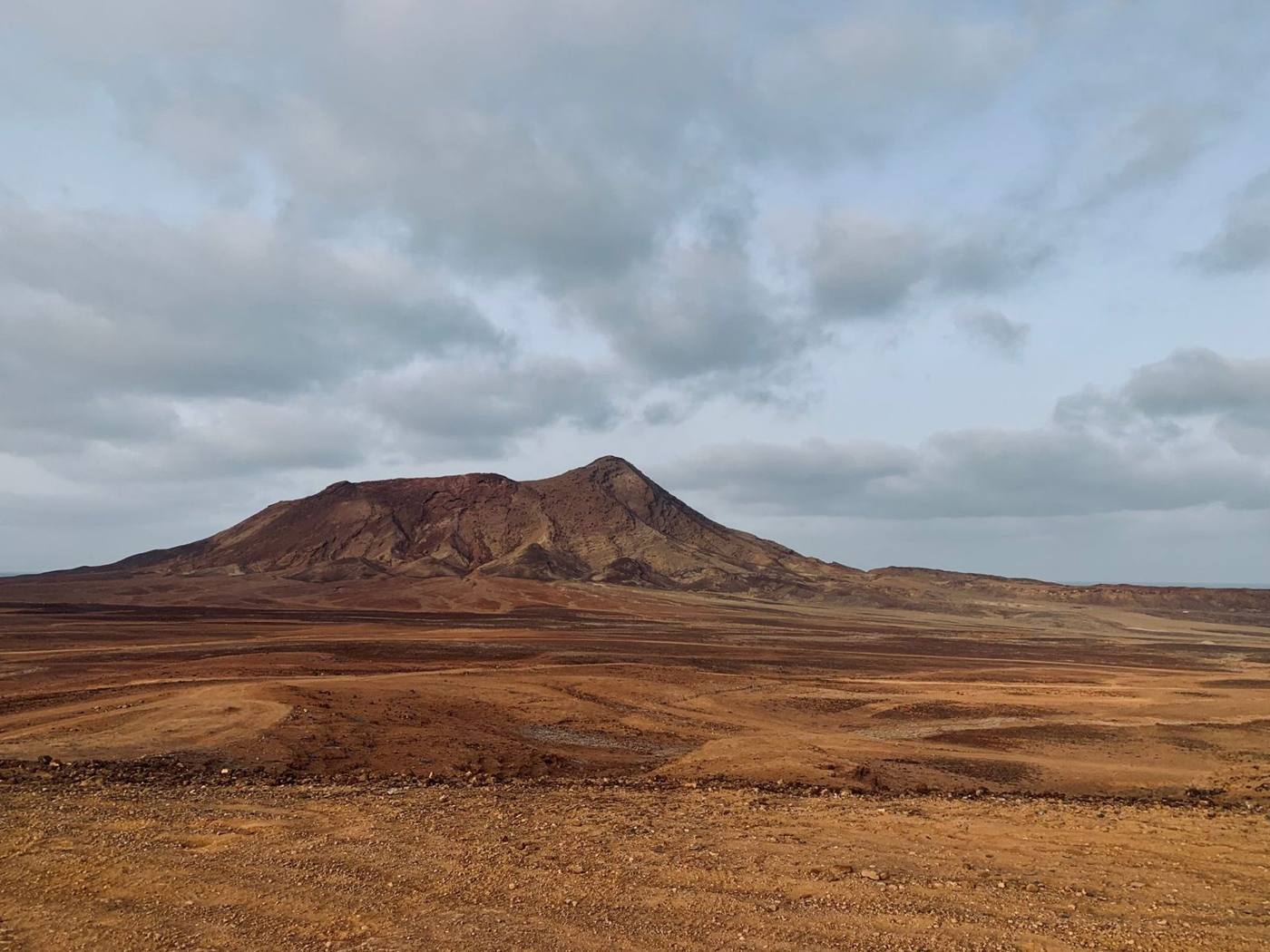
Fogo and its volcano
Pico do Fogo at 2,829 metres, the village of Chã das Caldeiras rebuilt in the crater after the 2014 eruption, its wine and colonial São Filipe.
- Praia
- São Filipe
- Chã das Caldeiras
- Pico do Fogo
Day by day
- Day 1
The flight to Fogo and São Filipe
This five-day trip is devoted to Fogo, the volcano island: colonial São Filipe, the village of Chã das Caldeiras inside the great caldera, its wine and the climb of Pico do Fogo, at 2,829 metres the highest summit in Cape Verde. You start and finish in Praia.
Before you go: Italian citizens enter Cape Verde without a visa for up to 30 days, with a passport valid for at least three months beyond the length of the stay. Pre-registration on the official EASE platform is compulsory, with online payment of the airport security tax, at least five days before arrival: anyone arriving without it pays double at the border. Check the current amount on the portal. Other nationalities should check their own rules. The volcano is active and the British government notes that tremors are sometimes felt on Fogo and Brava: before climbing, find out about the state of the volcano and the rules of the natural park.
The flight from Praia is short, and from the window you see the volcanic cone rising out of the sea. The airport is near São Filipe, the main town, built on a cliff above the ocean.
The historic centre is one of the finest in the archipelago: squares with gardens, paved streets and the sobrados, two-storey colonial houses with wooden balconies, built by landowners. Walk to the viewpoint above the black sand beach and, on clear days, look for the outline of Brava on the horizon.
Practical tip: wind can cause domestic flights to be cancelled. Book your flight to Fogo with at least a day's margin before your international flight home.
- Day 2
Chã das Caldeiras and the wine of the volcano
Today you go up towards the volcano. From São Filipe the road circles the island and then climbs through fields, villages and lava flows until it enters the caldera, a huge basin surrounded by a rock wall hundreds of metres high, called the Bordeira. At the far end, in the middle, rises the perfect cone of Pico do Fogo.
Chã das Caldeiras is the village built inside the caldera, at about 1,700 metres. In the eruption that began at the end of 2014 and ended in early 2015, lava buried most of the houses, the road and many vineyards. The inhabitants, however, came back and rebuilt among the black flows: walking through the village, seeing roofs poking out of the lava and new houses beside them, is a rare experience.
Here vines, fruit trees and beans are grown in the volcanic ash, which holds moisture. The wine of Chã das Caldeiras, red and white, is the most famous in Cape Verde: in the afternoon have a tasting at the village winery, with goat's cheese and local bread. Check prices and times.
In the evening it is cold, because you are at altitude: the starry sky above the caldera is one of the clearest you will ever see.
Practical tip: arrange tomorrow's climb today with a local guide from the village. Ask about the departure time, what to bring and which descent route you will take.
- Day 3
Climbing Pico do Fogo at dawn
Today is the big day. You set off before dawn, with a head torch, from the village of Chã das Caldeiras. You climb with a guide along a steep path of rock and lapilli, with a height gain of more than a thousand metres. It usually takes three or four hours to reach the crater rim, with frequent stops.
The climb is tiring: the ground slides under your feet and in the last section you also use your hands. The reward is the sun rising over the ocean while you stand above the clouds. From the crater rim you see the deep mouth of the volcano, with fumaroles and the smell of sulphur, the whole caldera below you and, on clear days, the islands of Brava, Santiago and sometimes Maio.
The descent is the most fun part: you run down, almost skiing, along a steep slope of fine ash, and in less than an hour you are back at the bottom of the caldera. Your shoes fill up with black sand.
In the afternoon rest in the village. If you still have energy, walk among the 2014 lava flows near the houses.
Practical tip: wear high hiking boots, gaiters if you have them, light gloves and a windproof jacket, and carry at least two litres of water and food. It is cold at the top and the wind is strong. If you do not feel up to it, the guide can stop halfway.
- Day 4
Pico Pequeno and back to São Filipe
In the morning take an easier walk to Pico Pequeno, the small cone born from an earlier eruption at the foot of the great volcano. The path crosses fields of black lava and ash, with strange shapes, tunnels and rock bubbles. The vent of the 2014 eruption also opened near here.
With the guide you can see where the lava flowed down towards the village and the plants already recolonising the ash. It is the best way to understand how young and alive this landscape is.
Around midday you leave the caldera and return to São Filipe. On the way down stop in one of the villages on the eastern slope, where Fogo coffee is grown, a small crop much prized in the archipelago. The road runs through fields, old lava flows and views of the ocean.
In the late afternoon, in São Filipe, go down to the black sand beach below the town to watch the sunset. Do not swim: the waves are strong and the currents dangerous.
In the evening taste the island's food: grilled fish, cachupa and goat's cheese from Chã das Caldeiras.
Practical tip: if you also want to visit Brava, ferries leave São Filipe for the neighbouring island. Ask for times at the port and keep spare days.
- Day 5
A last morning and the flight to Praia
On the last day, if your flight leaves late, take a final walk around the centre of São Filipe. Visit the market, where fruit, vegetables and the volcano's wine are sold, and the small church on the square. Look once more at the mountain dominating the island: from here the cone seems very close.
Then go to the airport for the flight to Praia. If the wind is strong and the flight is cancelled, ask the airline straight away for the next available departure: this is why a spare day is important.
In five days you have seen one of the most spectacular islands in the Atlantic: São Filipe with its colonial houses, the caldera of Chã das Caldeiras with its village reborn after the eruption, wine grown in ash, dawn from Pico do Fogo and the run down through the ash. It is a rare experience, suited to people who are fit and happy with simple services.
When to go: the best months are November to June, with clearer skies and dry paths. From August to October there are rains, clouds often cover the summit and the landscape is greener.
Practical tip: pack a pair of clean socks and a bag for your ash-filled shoes: the volcano's black sand gets everywhere.
An active volcano with a village inside the crater, a rare experience. The climb is steep and takes 3-4 hours with a compulsory guide. Domestic flights are often cancelled because of wind.
Before you go
- Documents and visa
- Passport valid for at least three months beyond the length of your stay. Citizens of the Schengen area do not need a visa for up to 30 days, but pre-registration on the official EASE platform is compulsory, with online payment of the airport security tax (TSA), at least five days before arrival. From 1 July 2026 anyone arriving without pre-registration pays double the tax at the border. Check the current amount on the EASE portal.
- Health and vaccines
- No vaccinations are compulsory, except yellow fever for travellers arriving from a country at risk. Dengue is present, with outbreaks in Praia in the rainy season, and malaria cases are possible on Santiago from July to December: protect yourself from mosquitoes. Drink bottled water.
- Money and payments
- Cape Verdean escudo, with a fixed exchange rate to the euro. Importing and exporting the local currency is prohibited: change money on arrival or use cash machines in towns. Euros are accepted in many tourist places.
- Power sockets
- Type C and F, 220 volts: you need an adapter for British plugs.
- Time zone
- UTC-1 all year.
- Safety
- A calm country with no areas advised against. Theft and pickpocketing happen mainly in Mindelo, Sal and Boa Vista; in Praia avoid the night and the outer districts, and do not walk on isolated beaches after dark. Ocean currents are very strong: swim only where there is a lifeguard. Ferries and flights between the islands, especially to Fogo and Brava, are often cancelled because of the sea or the wind. Official advice: GOV.UK.
Information checked in November 2026 for Italian and EU citizens. Rules change: always check before you travel.
Variations
In 3 days: arrival in São Filipe, a night in Chã das Caldeiras and the climb of Pico do Fogo, returning on the third afternoon.
In 8 days: add three days on the island of Brava, with the ferry from São Filipe and the path to Fajã de Água.
Frequently asked questions
Do you need a guide to climb Pico do Fogo?
Yes, climb only with a local guide from Chã das Caldeiras, who knows the path and the state of the volcano. The volcano is active: before climbing, find out about the natural park's rules and any closures.
How hard is the climb?
It is steep and tiring: it usually takes three or four hours to go up, with over a thousand metres of height gain on lapilli and rock. The descent through the ash is quicker. You need to be fit.
Was Chã das Caldeiras destroyed by the eruption?
The eruption of 2014 and 2015 buried most of the village, but many inhabitants came back and rebuilt among the lava flows. Today you can sleep in the village and taste its wine.
Indicative itinerary written by World Atlas. Before booking, check timetables, seasonal openings, documents and safety.
 6 daysEasy
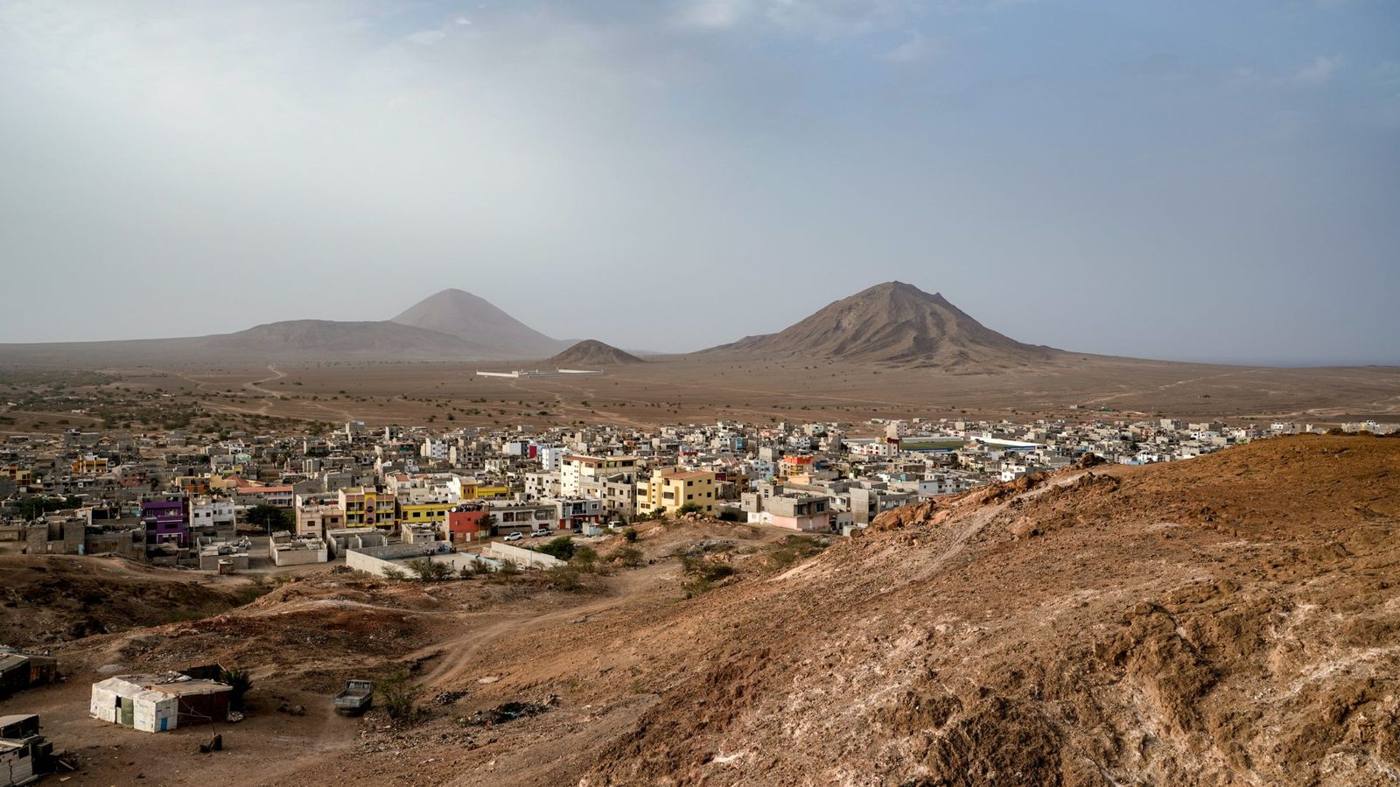
Sal and Boa Vista
The salt pans in the Pedra de Lume crater, kitesurfing at Santa Maria, the dunes of Boa Vista and turtles nesting on the beaches in summer.
 4 daysEasy
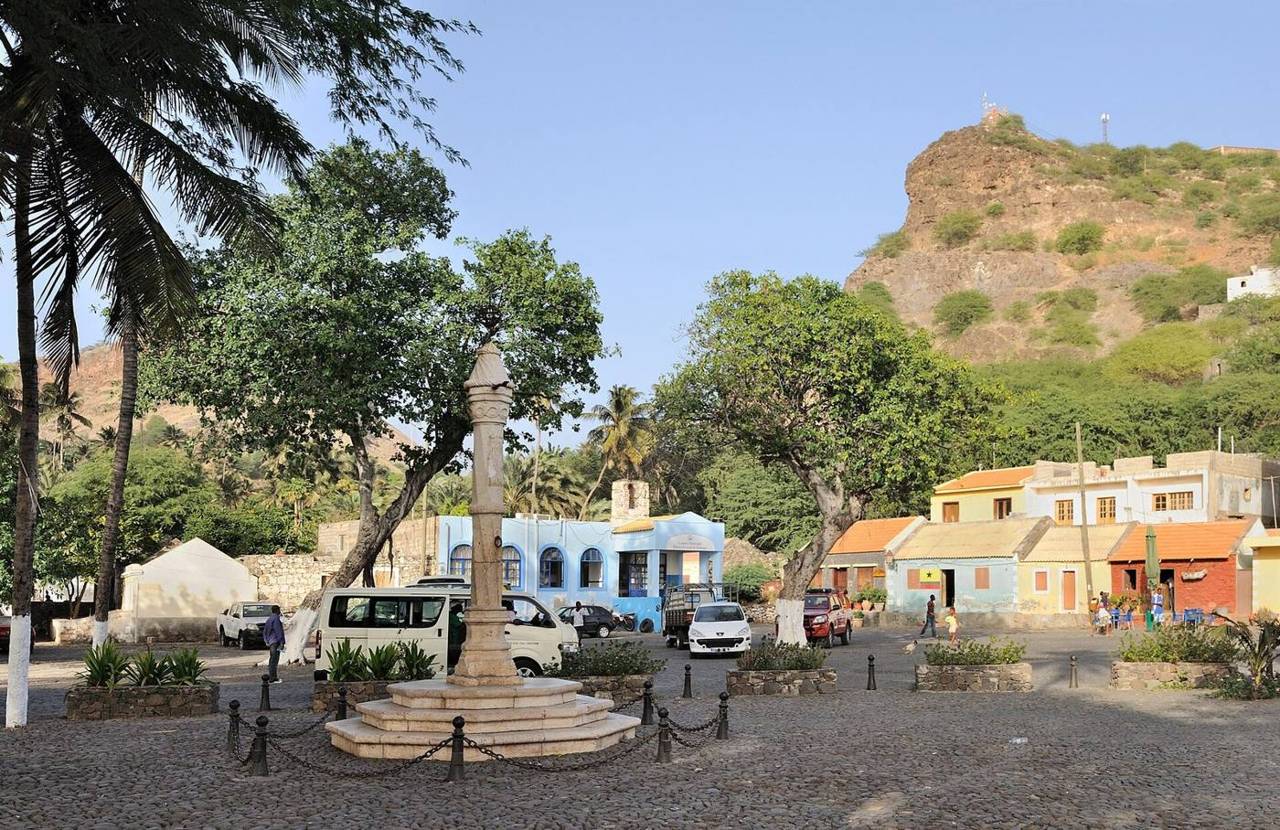
Santiago and Cidade Velha
The archipelago's most African island: Cidade Velha, the first European town in the tropics and a UNESCO site, Assomada market, Serra Malagueta and Tarrafal beach.
 4 daysModerate
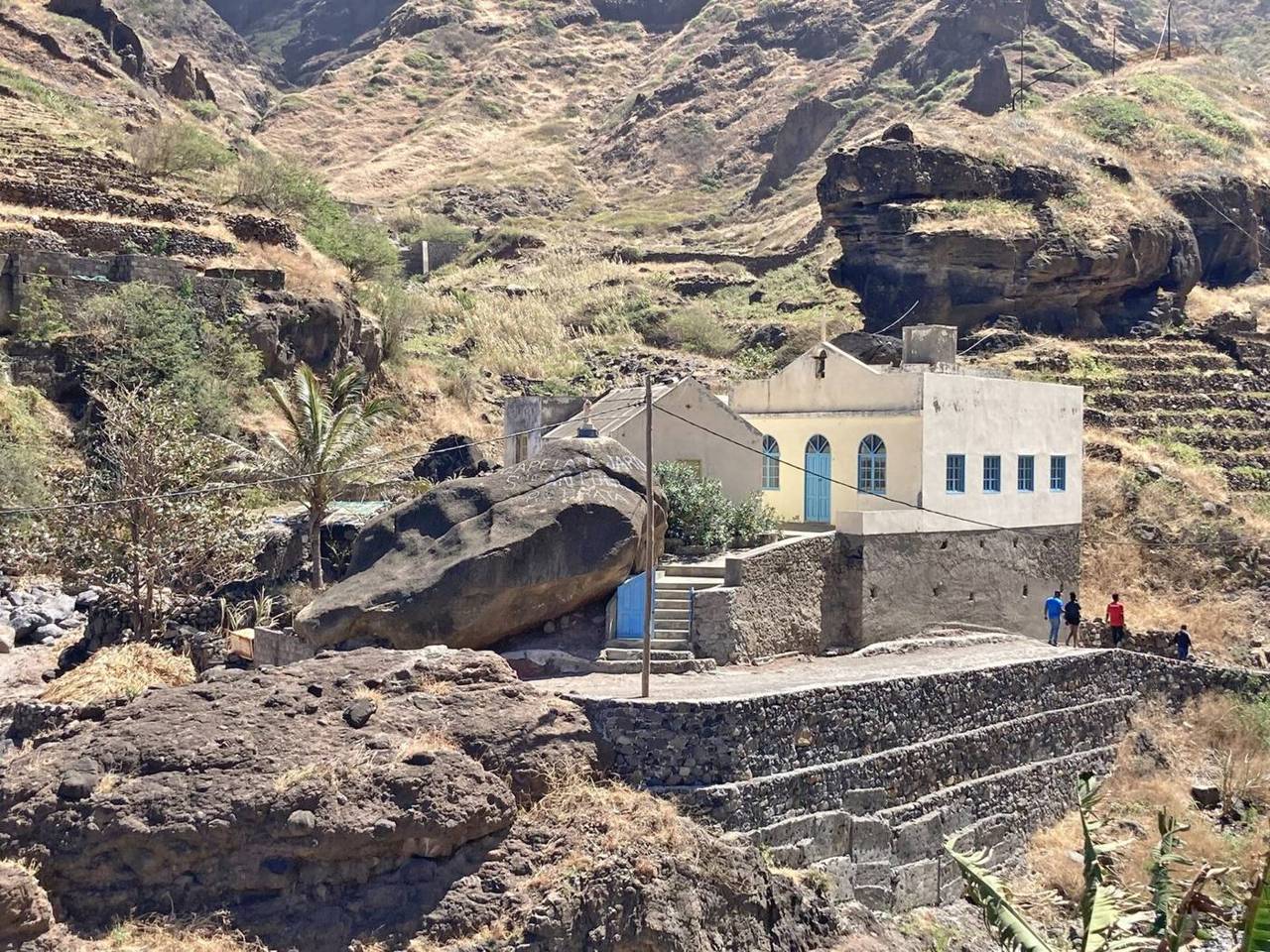
São Nicolau
A mountainous island with almost no tourists: Monte Gordo and its park, the Fajã valley, the village of Ribeira Brava and the dunes of Carriçal by the sea.