Ontario: Toronto, Niagara and Algonquin
Toronto, Niagara Falls, the Lake Ontario vineyards, the capital Ottawa and three days by canoe among the lakes of Algonquin.
- Toronto
- Niagara Falls
- Niagara-on-the-Lake
- Algonquin
- Ottawa
- Toronto
Day by day
- Day 1
Toronto: the CN Tower and the Distillery District
This trip discovers Ontario, Canada's most populous province: Toronto, the country's largest city, Niagara Falls, Algonquin Provincial Park with its lakes, canoes and moose, and Ottawa, the federal capital. It is a journey of great multicultural cities, nature, lakes and history.
To enter Canada by air, Italian and other EU citizens apply online for an eTA, the electronic travel authorisation, costing 7 Canadian dollars. You need a car for Algonquin and it is useful for the rest of the trip; in Toronto and Ottawa you get around easily by public transport and on foot.
You fly into Toronto. On the first day go up the CN Tower, the 553 metre communications tower that was for decades the tallest freestanding structure in the world. Glass lifts climb in under a minute to the observation decks, with a glass floor you can walk on over the void, and a view over the city, Lake Ontario and, on clear days, the mist cloud of Niagara Falls.
In the afternoon go to the Distillery District, a pedestrian quarter in a nineteenth century whisky distillery, with dozens of red brick Victorian buildings turned into galleries, craft workshops, shops and cafés. In December it hosts a Christmas market.
In the evening have dinner in one of Toronto's multicultural neighbourhoods, such as Chinatown, Little Italy or Kensington Market: more than a hundred languages are spoken in the city.
Spend the night in Toronto.
Practical tip: the best time is June to September, and late September to early October for autumn colours. The CN Tower charges entry: check times and prices.
- Day 2
Toronto: St. Lawrence Market and the Toronto Islands
Today discover other sides of Toronto.
In the morning go to St. Lawrence Market, a large covered market in the centre, trading since 1803, with stalls of meat, fish, cheese, bread, vegetables and Canadian produce. Try the peameal bacon sandwich, made with cornmeal rolled pork loin, a Toronto speciality, and maple syrup.
Then walk through the historic centre to the old and new city halls, with its two curved towers and Nathan Phillips Square with the colourful Toronto sign, and the Royal Ontario Museum, one of the largest museums in North America, with collections of natural history, dinosaurs, art and world cultures.
In the afternoon take the ferry to the Toronto Islands, a group of islands in Lake Ontario a few minutes from downtown. There are no cars on the islands: there are parks, beaches, cycle paths, small wooden houses lived in all year round and a lighthouse from 1808. Hire a bike or walk along the beaches.
At sunset look from the islands at the Toronto skyline and the CN Tower lighting up over the lake: it is the finest view of the city.
In the evening return downtown by ferry.
Spend the night in Toronto.
Practical tip: St. Lawrence Market is closed on Sundays and Mondays: check opening hours. The island ferry charges a fare and in summer there are queues: arrive early.
- Day 3
Niagara Falls and Niagara-on-the-Lake
Today go to Niagara Falls, about an hour and a half from Toronto, on the border between Canada and the United States.
Niagara Falls are formed by the Niagara river, flowing from Lake Erie to Lake Ontario. There are three falls: the Horseshoe Falls, the largest and most powerful, almost entirely in Canada, about 670 metres wide and about 57 metres high; and the American Falls and Bridal Veil Falls on the US side. An enormous volume of water passes every second, and the cloud of spray can be seen from far away.
In the morning walk along the Canadian promenade, which offers the best view of all the falls. Then board the boat that leaves from the base of the falls and approaches the Horseshoe Falls, entering the cloud of spray: you are given a poncho, but you still get wet.
Then take a lift down to the path at the base of the falls or into the tunnels cut into the rock behind the falls, to hear the roar and feel the power of the water.
In the afternoon go to Niagara-on-the-Lake, about twenty minutes north, a small nineteenth century town on Lake Ontario, with historic houses, gardens and shops. Around it are dozens of wineries: the region is famous for icewine, made from grapes picked frozen in winter.
In the evening have dinner with local wines.
Spend the night in Niagara-on-the-Lake or Niagara Falls.
Practical tip: the boat and the tunnels charge fees and operate only in the warmer months: check. Wineries offer tastings by reservation.
- Day 4
Towards Algonquin, the park of lakes
Today go to Algonquin Provincial Park, about four hours north of Niagara, or three hours from Toronto, through the Muskoka lake country.
Algonquin is Canada's oldest provincial park, founded in 1893, and one of its largest: about 7,600 square kilometres of maple, birch and conifer forest, with more than two thousand lakes and hundreds of kilometres of rivers. It is one of Canada's most famous places for canoeing and inspired the Canadian painters of the Group of Seven.
Highway 60 crosses the southern part of the park for about fifty six kilometres, and along it are the access points to trails, lakes and campgrounds.
In the afternoon, on arrival, visit the visitor centre, with a museum on the natural and human history of the park and a viewing deck over the forest. Then take a first walk on one of the short trails along Highway 60, such as the Lookout trail, climbing a hill with views of lakes and forest, or the Spruce Bog boardwalk through a black spruce bog.
At sunset look at the lake from the shore and listen to the call of the loon, the water bird that is a symbol of Canada.
Spend the night in the park, in a lodge or campground, or nearby in Huntsville or Whitney.
Practical tip: park entry is charged, with a daily vehicle permit: check. From late May to June there are many insects, such as black flies: bring repellent and long clothing.
- Day 5
Algonquin: canoeing on the lakes
Today spend a day canoeing on the lakes of Algonquin.
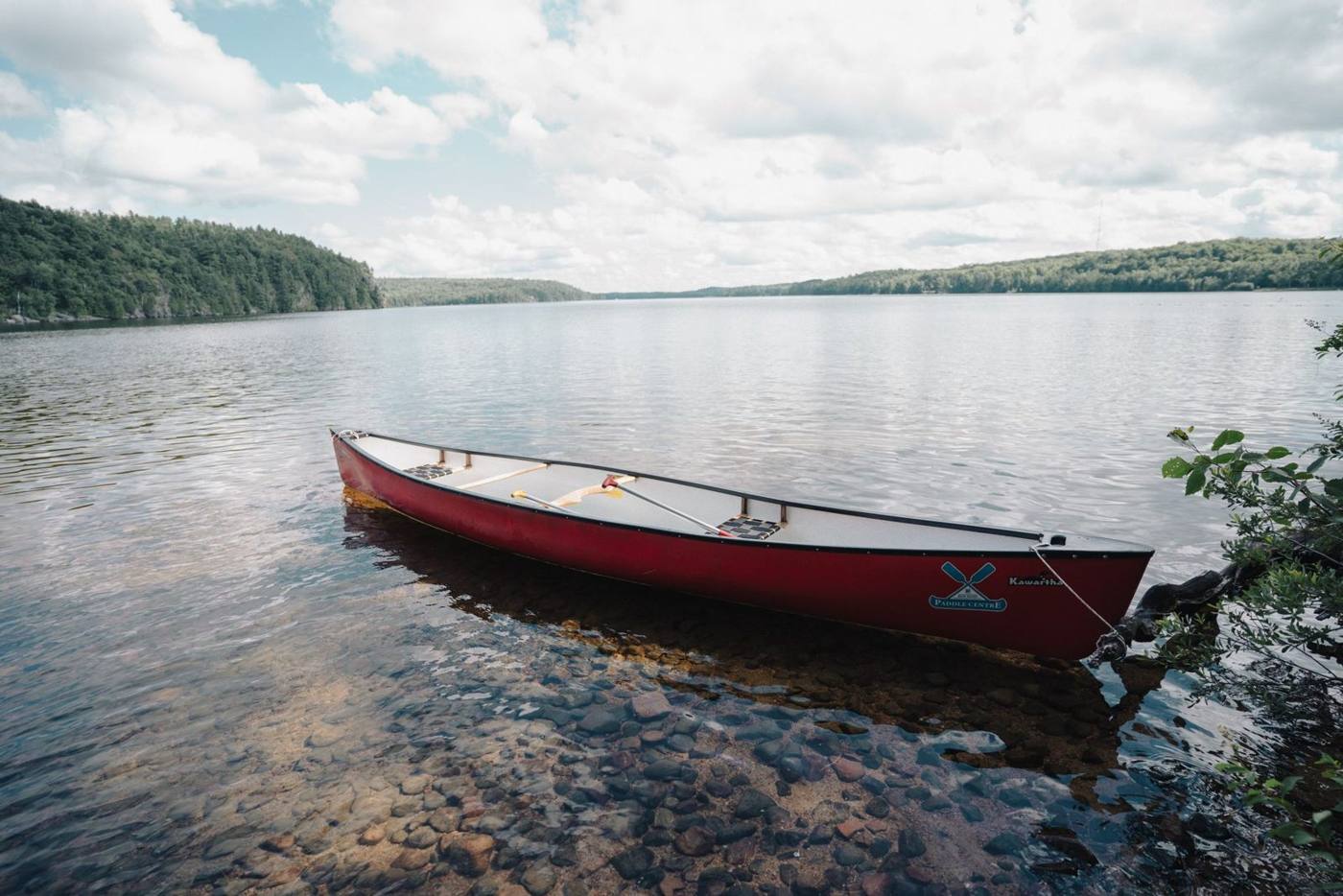
In the morning hire a canoe at one of the outfitters along Highway 60 or on the main lakes, such as Canoe Lake or Lake Opeongo. Paddle across calm water, along forested shores, among islands, bays and inlets. For a fuller experience, take a route with a portage: you carry the canoe on your shoulders along a forest trail from one lake to another, as Indigenous peoples and fur traders did.
From the canoe you often see beavers, with their dams and lodges of branches, otters, turtles, herons and, in the evening, loons.
For lunch have a picnic on an island or a flat rock on the shore.
In the afternoon return to your starting point or keep exploring. If you do not feel like paddling alone, there are guided canoe trips for beginners.
In the evening, if the programme allows, in late summer the park sometimes holds public wolf howls, in which naturalists imitate a howl and, if the wolves answer, you hear their song in the forest.
Spend the night in or near the park.
Practical tip: always wear a life jacket and do not go too far from shore in wind. Public wolf howls are not held every year: check the park website.
- Day 6
Algonquin: moose at dawn and a night in the forest
At dawn drive Highway 60 looking for moose. In spring and early summer moose come close to the road, to pools and ditches, to lick the salt left on the road from winter. They are also often seen in lakes and marshes, eating water plants.
Algonquin is one of the best places in Canada to see moose, the largest animals of the forest, up to two metres tall at the shoulder. You can also see deer, foxes, groundhogs and, more rarely, black bears.
In the morning, after breakfast, take a longer hike on one of the park's trails, such as the Track and Tower trail, with a lookout over a lake, or the more demanding Centennial Ridges trail, with views over ridges and lakes.
In the afternoon relax on the beach of one of the lakes, swim on warm days or visit the logging museum at the east entrance of the park, which tells the story of tree felling in Algonquin.
In the evening, if you are camping, light a fire in the designated places, watch the stars and listen to the sounds of the forest. If you chose a lodge, enjoy dinner overlooking the lake.
Spend the night in the park, camping or in a lodge.
Practical tip: drive slowly at dawn and dusk: moose cross the road suddenly and collisions are dangerous. Store food in your car or in proper containers so as not to attract bears.
- Day 7
Ottawa: Parliament Hill
Today leave Algonquin and drive to Ottawa, the capital of Canada, about three hours east along the Ottawa river valley.
Ottawa lies on the Ottawa river, on the border between English speaking Ontario and French speaking Quebec. It is a bilingual, green and calm city, with museums, parks and the Rideau Canal.
In the afternoon visit Parliament Hill, with the Gothic Revival Parliament buildings above the river. The Centre Block, with the Peace Tower, is closed for a long restoration that began in 2018, and Parliament is temporarily sitting in other buildings, which can be visited on no-cost guided tours. In front of Parliament is the Centennial Flame, burning above a fountain.
In summer the Changing of the Guard takes place on the Parliament lawn, with guards in red tunics and bearskin hats, and in the evening light shows are projected onto the buildings.
Then walk through ByWard Market, one of the oldest markets in Canada, with stalls, shops and restaurants. Try beavertails, fried pastries shaped like a beaver's tail and covered in sugar and cinnamon.
Spend the night in Ottawa.
Practical tip: Parliament tours are at no cost but places are limited: book or arrive early. The Changing of the Guard takes place only in summer: check the dates.
- Day 8
Ottawa: the Rideau Canal and the Canadian Museum of History
Today discover more of Ottawa.
In the morning walk or cycle along the Rideau Canal, a UNESCO World Heritage Site, built between 1826 and 1832 for military reasons, linking Ottawa to Kingston on Lake Ontario over about two hundred kilometres, with locks still operated by hand. In the centre, near Parliament, a flight of eight locks steps down to the Ottawa river. In winter the canal freezes and becomes the longest skating rink in the world.
Then cross the river to Gatineau, in Quebec, and visit the Canadian Museum of History, in a curving building designed by the architect Douglas Cardinal overlooking the river. The museum tells the story of Canada, and its great hall of the Indigenous peoples of the Pacific coast, with towering totem poles and wooden houses, is one of the most spectacular in the country.
In the afternoon, if you have time, visit the National Gallery of Canada, with its glass building and Louise Bourgeois's great spider sculpture outside, and works by the Group of Seven, who painted the landscapes of Algonquin; or climb to Nepean Point for the view of Parliament and the river.
Spend the night in Ottawa.
Practical tip: the museums charge entry, with some no-cost evenings or hours: check. Bikes and canoes can be hired along the canal in summer.
- Day 9
Back to Toronto and departure
On the last day return to Toronto, about four and a half hours by road from Ottawa, or take the train, linking the two cities in about four and a half hours, or a direct flight. If you prefer, you can also fly out directly from Ottawa airport.
If you drive, you can stop on the way in the Thousand Islands region on the St. Lawrence river, near Kingston and Gananoque, with more than a thousand islands large and small, some with a single house, and castles built by wealthy Americans in the early twentieth century. A short boat cruise among the islands takes about an hour to an hour and a half.
Or stop at Kingston, the first capital of the united Province of Canada, with a nineteenth century fort, Fort Henry, and a historic centre of limestone.
In Toronto, if you have a few hours, walk along the waterfront in the Harbourfront area, with cultural centres, parks and lake views.
Before leaving buy some souvenirs: maple syrup, icewine, Indigenous crafts, hockey jerseys.
From Toronto airport there are direct flights to many European cities.
Practical tip: traffic to Toronto airport can be very slow: allow plenty of time. Indigenous crafts are best bought directly from artists or community run shops.
The easiest Canada to reach, with Niagara as the draw but Algonquin as the best part of the trip. Niagara is very touristy and half a day is enough. In June Algonquin's mosquitoes and blackflies are a nuisance, so bring strong repellent. In late September the forests turn red.
Before you go
- Documents and visa
- Passport valid for the whole stay. Anyone flying in needs an eTA, applied for online on the official Canadian government website: it costs 7 Canadian dollars.
- Health and vaccines
- No compulsory vaccines. Medical care is very expensive for visitors: health insurance is essential. Emergencies: 911.
- Money and payments
- Canadian dollar. Cards are accepted almost everywhere; tips of 15 to 20% are customary in restaurants.
- Power sockets
- Types A and B, 120 volts: you need an adapter and devices must accept 120 volts.
- Time zone
- Montreal and Quebec City are UTC-5, Calgary and Banff UTC-7, Vancouver UTC-8, all with daylight saving time in summer.
- Safety
- A very safe country. In summer wildfires can close roads and parks and bring smoke: check local alerts. Official advice: GOV.UK.
Information checked in November 2026 for Italian and EU citizens. Rules change: always check before you travel.
Variations
In 5 days: Toronto and Niagara Falls, with a trip to Algonquin.
In 12 days: add Montréal and Québec City after Ottawa.
Frequently asked questions
Do I need a visa?
To enter Canada by air, Italian and other EU citizens apply online for an eTA, costing 7 Canadian dollars. Check the current rules.
Do I need a car?
For Algonquin, yes. For Toronto and Ottawa, no: there is public transport and trains between the cities.
When is the best time to go?
June to September; late September and early October for autumn colours in Algonquin. Late May and June bring many insects.
Indicative itinerary written by World Atlas. Before booking, check timetables, seasonal openings, documents and safety.
 10 daysModerate
Newfoundland: icebergs, whales and fjords
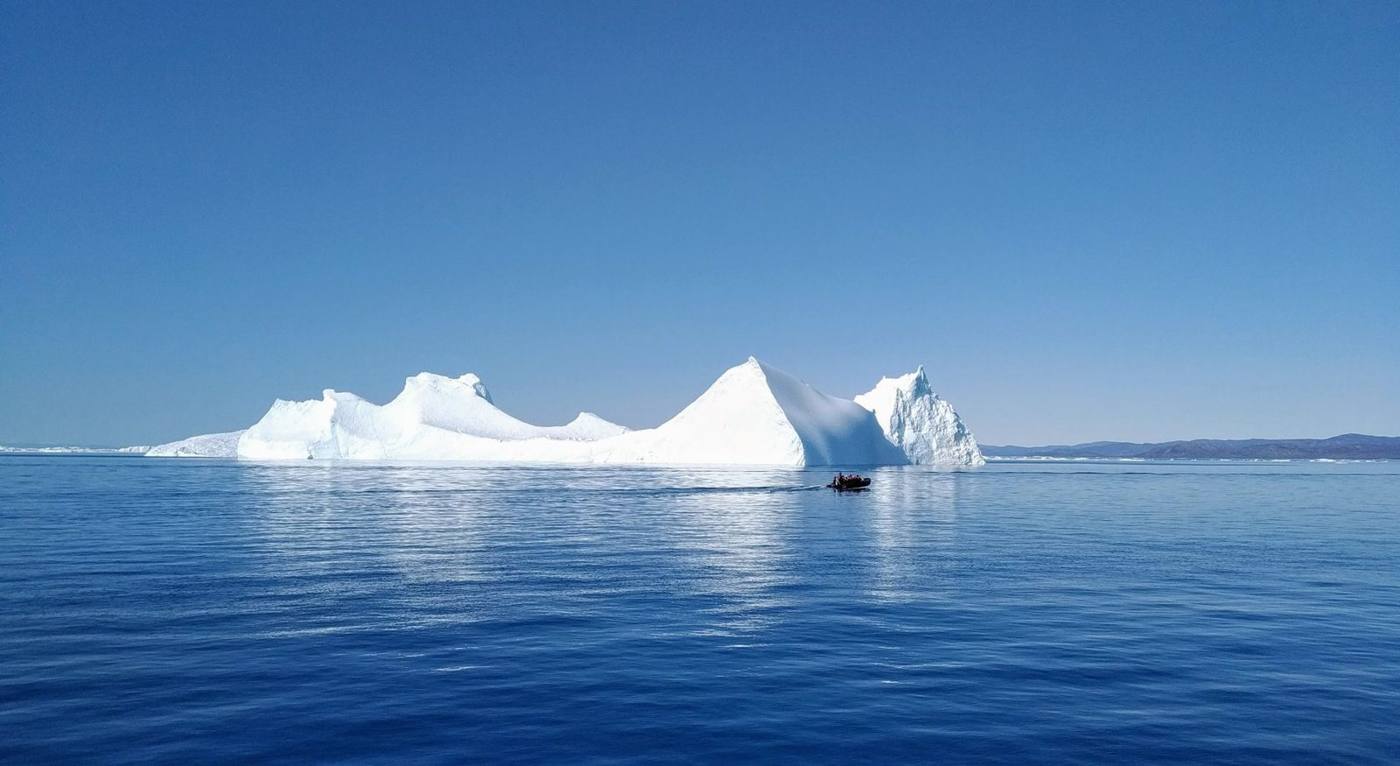
St. John's and its coloured houses, Iceberg Alley, puffins, the fjords of Gros Morne and the Viking site of L'Anse aux Meadows.
 14 daysEasy
By train from Toronto to Vancouver
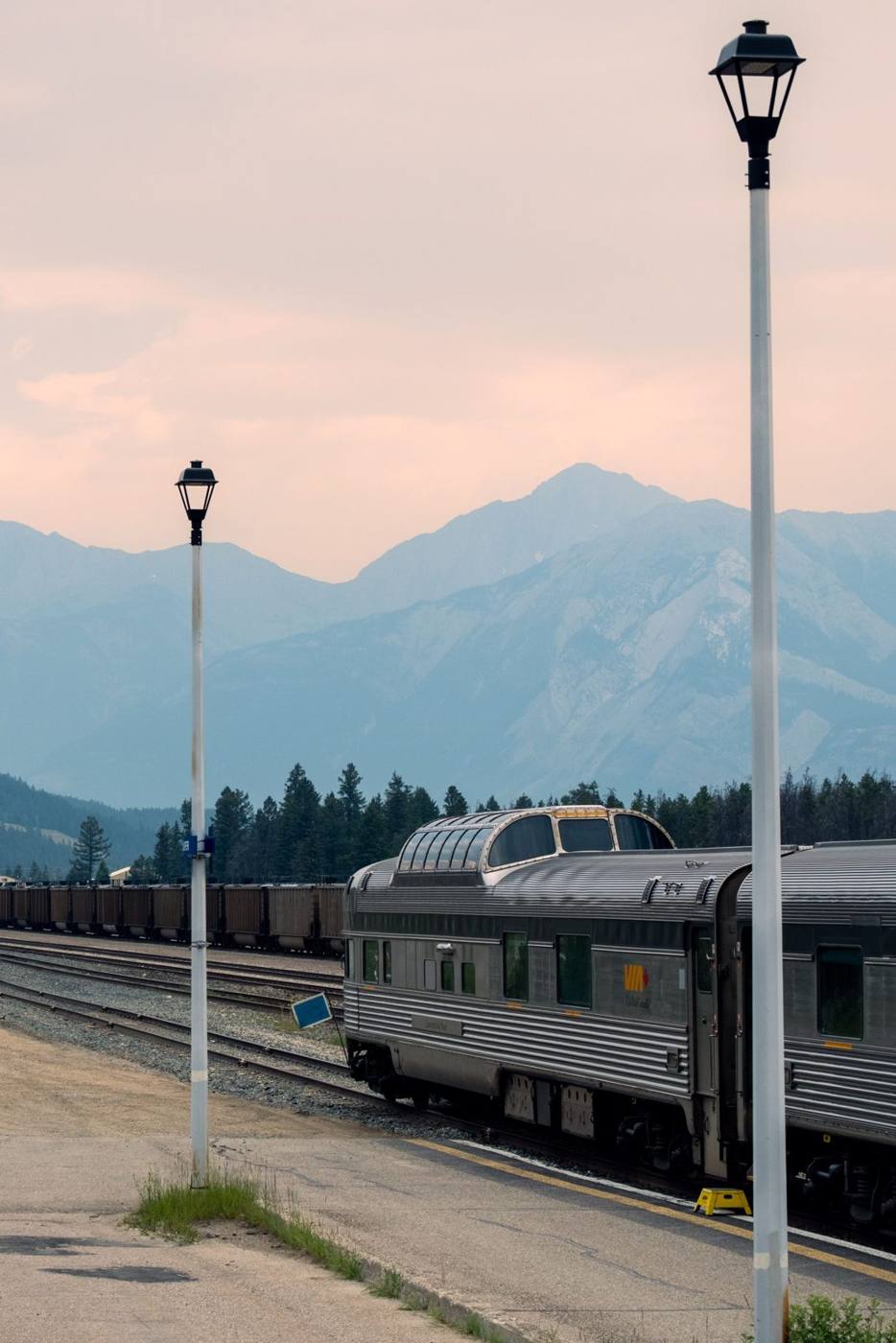
Four nights on The Canadian through forests, prairies and the Rockies, with stops in Jasper and Banff before Vancouver.
 8 daysEasy
Bay of Fundy and Prince Edward Island
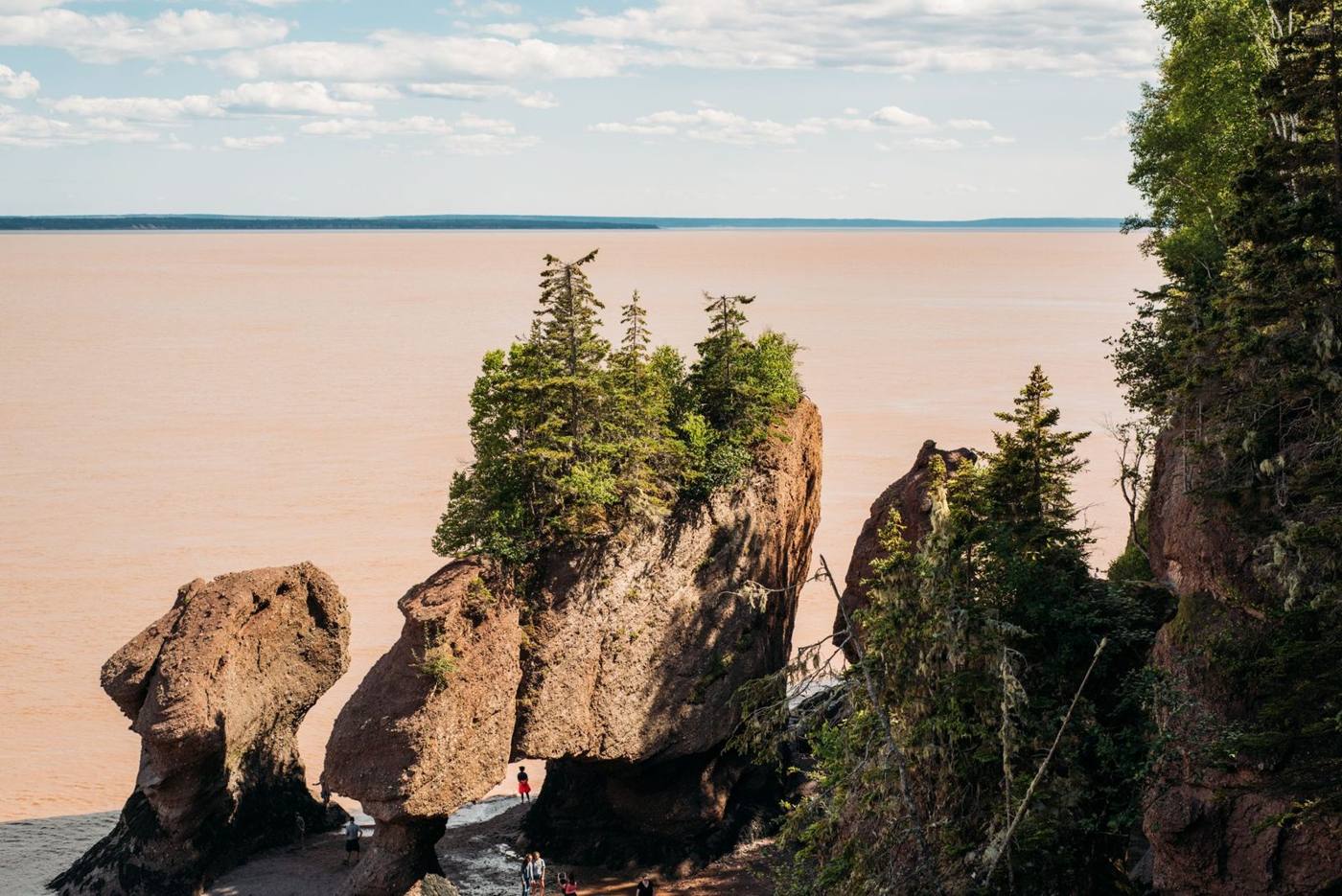
The Hopewell Rocks at low tide, Fundy National Park, the red beaches and fishing villages of Prince Edward Island.