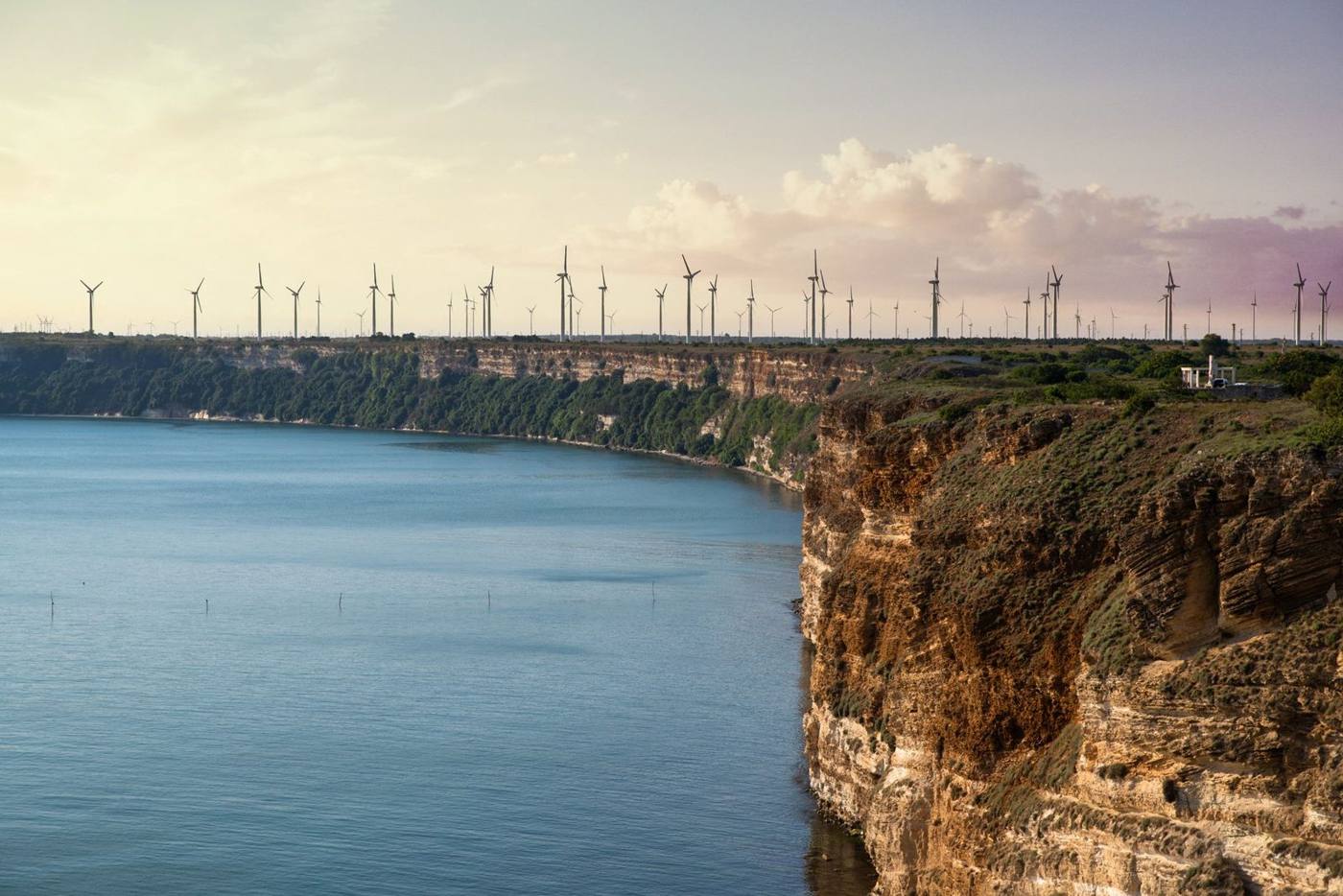
Varna and Cape Kaliakra
Varna with the world's oldest gold in its museum, the rock monastery of Aladzha, the red cliffs of Cape Kaliakra with dolphins and the town of Balchik with Queen Marie's palace.
- Varna
- Aladzha
- Balchik
- Cape Kaliakra
Day by day
- Day 1
Varna, the oldest gold in the world and the Roman baths
This trip takes you to the northern Black Sea coast of Bulgaria, more cultural and less crowded than the south: Varna with its prehistoric gold, the rock-cut monastery of Aladzha, Queen Marie's palace at Balchik and the cliffs of Cape Kaliakra. You travel by rental car from Varna.
Before you go: Italian citizens can enter Bulgaria with an electronic identity card or a passport; Bulgaria has been in the Schengen area since 2025. Other nationalities should check their own rules. The currency has been the euro since 1 January 2026. In summer there are pickpockets and thefts on the coast: do not leave valuables on the beach and use only licensed taxis. In the sea, follow the flags and the lifeguards.
You land at Varna airport, a few kilometres from the centre. Varna is the third city of Bulgaria and its most important port.
Start with the Archaeological Museum, home to the treasure of the Varna Necropolis: jewellery, sceptres and gold ornaments about 6,500 years old, considered the oldest worked gold in the world. Seeing objects so ancient and so refined is astonishing. Check prices and times.
Then walk to the Roman baths, the largest in Bulgaria, with towering walls, arches and the remains of the heating system under the floors. Check prices and times. Pass the Cathedral of the Assumption, with its gilded domes.
In the late afternoon, stroll through the Sea Garden, the large park along the seafront, down to the city beach.
Overnight in Varna, for three nights.
Practical tip: visit the Archaeological Museum early in the morning, when there are fewer groups, and allow at least two hours.
- Day 2
The rock monastery of Aladzha
Today you see a medieval monastery carved into a rock face.
In the morning, drive north for about half an hour into the Zlatni Pyasatsi Nature Park, a forest of oaks and limes above the coast. Here, in a tall white limestone cliff, is the Aladzha Monastery. Between the thirteenth and fourteenth centuries, monks carved cells, a chapel, a kitchen and a cemetery into the rock, on two levels joined by stairs. Traces of frescoes survive in the chapel.
Climb the metal stairs and walk through the rooms hanging above the forest: the view and the silence show why the monks chose this place. The small museum at the entrance explains how the community lived. Check prices and times.
A forest path leads in a few minutes to the catacombs, more caves cut on several levels, older and wilder.
Then take the road down to the sea. In the afternoon, relax on a beach north of Varna, choosing a stretch away from the big resorts, or go back to town to swim at the city beaches, with fine sand and a sea that is warm and not very salty in summer.
In the evening, have Black Sea fish for dinner, such as fried horse mackerel or mussels, and a shopska salad with tomatoes, cucumbers, peppers and grated white cheese.
Overnight in Varna.
Practical tip: the nature park has marked trails of different lengths; comfortable shoes and water are enough for an hour's walk between the monastery and the catacombs.
- Day 3
Balchik, Queen Marie's palace and the botanical garden
Today you visit a small seaside town tied to the history of Romania.
Drive north along the coast for about an hour to Balchik, a town of white houses on a hill sloping down to the harbour. Between 1913 and 1940 this area belonged to Romania. Queen Marie of Romania loved this place and had her summer residence built here.
The palace is small and unusual, with a minaret, terraces over the sea and rooms furnished with period furniture and objects. Around it spreads a terraced park with streams, little bridges, chapels and stairways, which is now the botanical garden of Sofia University. Thousands of plant species grow here, with a famous cactus collection, large roses and rare trees. Check prices and times.
The queen called this residence the Quiet Nest. She wished her heart to be kept here after her death, in the small chapel in the park, and so it was until 1940, when it was taken back to Romania.
Give the palace and the garden the whole morning: it is a place to walk slowly, stopping on the benches to look at the sea.
In the afternoon, go down to the harbour, have a bite on the seafront and, if you have time, stop at one of the beaches between Balchik and Albena. Then drive back to Varna for the evening, on the road that runs above the cliffs and the hills planted with wheat and sunflowers.
Overnight in Varna.
Practical tip: the palace park is on a slope with many steps; wear comfortable shoes and bring a hat and water, because summer mornings are already hot.
- Day 4
Cape Kaliakra and the way back
Today you reach the most spectacular spot on the northern coast.
Drive north for a little over an hour to Cape Kaliakra, a long, narrow tongue of land that runs about two kilometres into the Black Sea, with red cliffs dropping straight into the water. At the tip are the ruins of a fortress lived in by the Thracians, the Romans and the medieval Bulgarians, with walls, a gate, a small chapel and a museum cut into the rock. Check prices and times.
A legend tells that forty girls, to avoid falling into Ottoman hands, tied their hair together and threw themselves off the cliff. A monument at the entrance to the cape remembers them.
Walk along the headland and watch the sea: when it is calm you can sometimes see dolphins, and cormorants nest on the rocks. Kaliakra is at its best in the late afternoon, when the light fires up the red of the cliffs.
Then return to Varna and take your flight home, or stay one more night to see the sunset on the cape.
In these four days you have seen the northern Black Sea coast of Bulgaria: the prehistoric gold of Varna and its Roman baths, the rock monastery of Aladzha, Queen Marie's palace and garden at Balchik and the cliffs of Cape Kaliakra.
When to go: from June to September, when the sea is warm. June and September are the best months, with fewer people. July and August are the busiest.
Practical tip: there is no shade on the cape and the wind is strong; bring a hat, sun cream and a light jacket even in summer.
A north coast more cultural and less crowded than the south. Varna's gold is about 6,500 years old. Kaliakra is loveliest at sunset, and in calm seas dolphins are sometimes seen.
Before you go
- Documents and visa
- EU citizens need a valid identity card or passport: Bulgaria is in the EU and, since 1 January 2025, in the Schengen area. Damaged or worn identity cards have been refused at the border, so check yours is intact and readable. Other nationalities should check the Schengen rules.
- Health and vaccines
- No vaccines required. EU citizens should bring their EHIC; take insurance covering medical costs, repatriation and, for hiking, mountain rescue. Emergencies: 112, answered in English too.
- Money and payments
- Euro, since 1 January 2026; until the end of 2026 prices are also shown in lev. Cards work almost everywhere in towns, but carry cash in villages and mountain huts. Avoid street money changers. Roads outside towns and motorways need an electronic vignette: buy it on the official BG TOLL website, at the border or at petrol stations, and check current prices.
- Power sockets
- Types C and F, 230 volts.
- Time zone
- Eastern European Time (UTC+2, summer UTC+3).
- Safety
- A generally safe country. Watch for pickpockets and bag theft in tourist areas, on public transport and at airports, especially in Sofia and on the coast in summer. Use only licensed taxis, particularly at Sofia airport and in Sunny Beach. Drug penalties are severe. In summer and early autumn there is a risk of fast-spreading wildfires. Official advice: GOV.UK.
Information checked in November 2026 for Italian and EU citizens. Rules change: always check before you travel.
Variations
In 3 days: Varna and Aladzha on the first day, Balchik on the second, Kaliakra and home on the third.
In 6 days: continue south to Nesebar and Sozopol, flying home from Burgas.
Frequently asked questions
What document do I need for Bulgaria?
Italian citizens can enter with an electronic identity card or a passport. Other nationalities should check their own rules.
Can you really see dolphins at Kaliakra?
Sometimes, when the sea is calm, but it is not guaranteed. The cliffs and the ruins are worth the visit anyway, especially in the late afternoon.
How much do the Varna museum and Balchik palace cost?
Prices change: check prices and times on the official websites before you go.
Indicative itinerary written by World Atlas. Before booking, check timetables, seasonal openings, documents and safety.
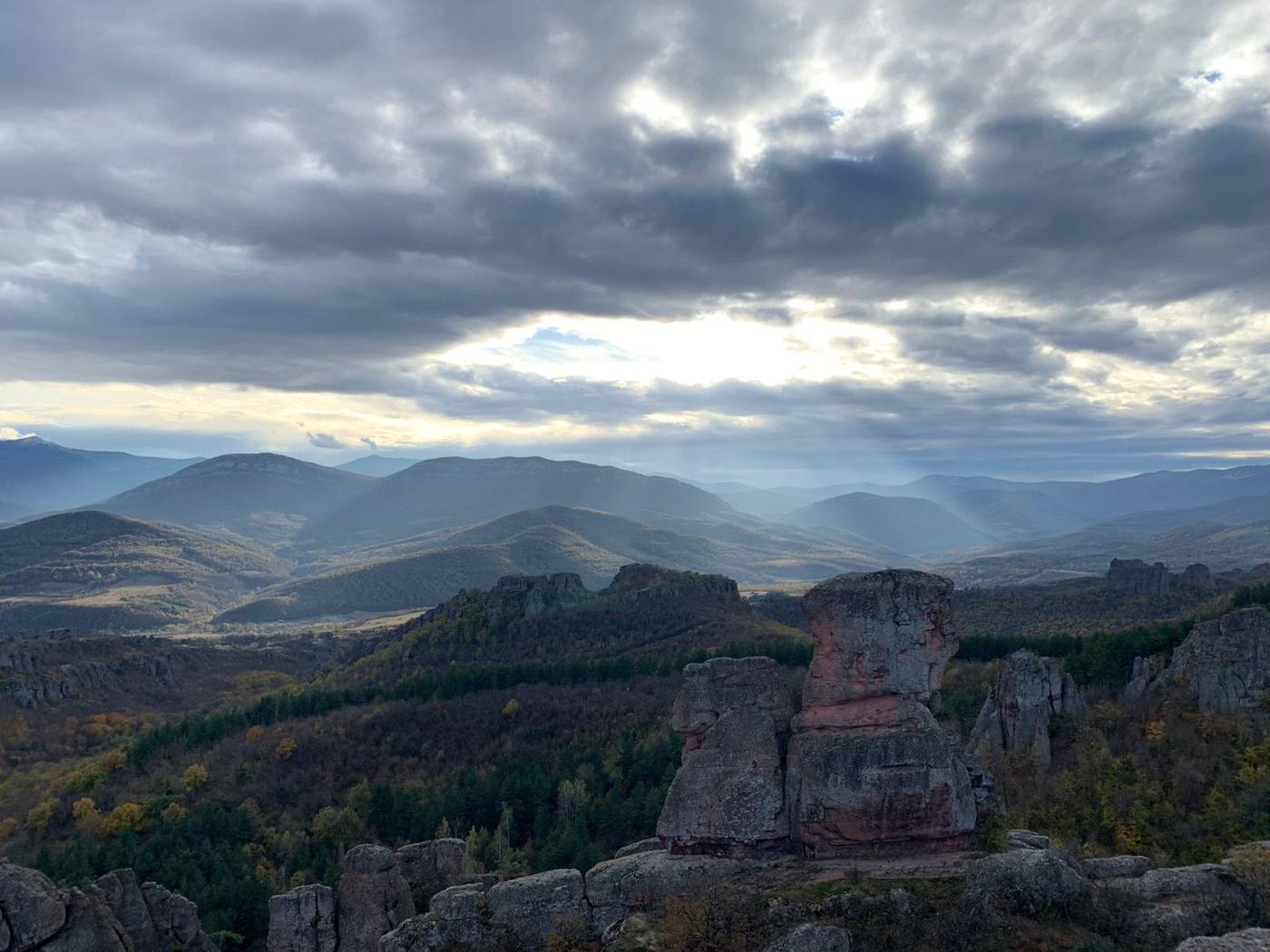 4 daysEasy
Belogradchik and the north-west
The red rocks of Belogradchik with a fortress built among the pinnacles, Magura cave with its prehistoric paintings, Vidin on the Danube and Baba Vida fortress.
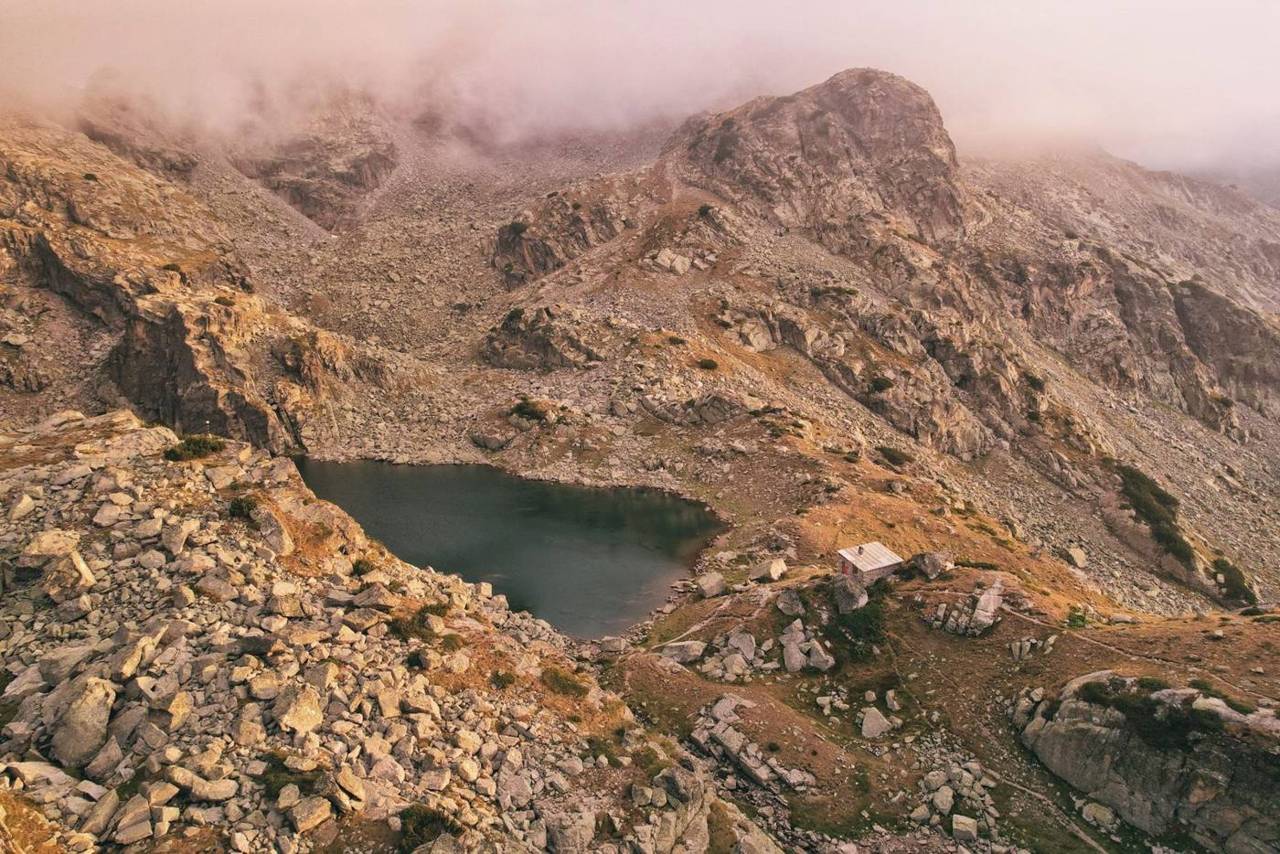 7 daysEasy
Sofia, Rila and Plovdiv
The capital with Alexander Nevsky Cathedral, Rila Monastery, the Seven Lakes and Plovdiv's old town with its Roman theatre.
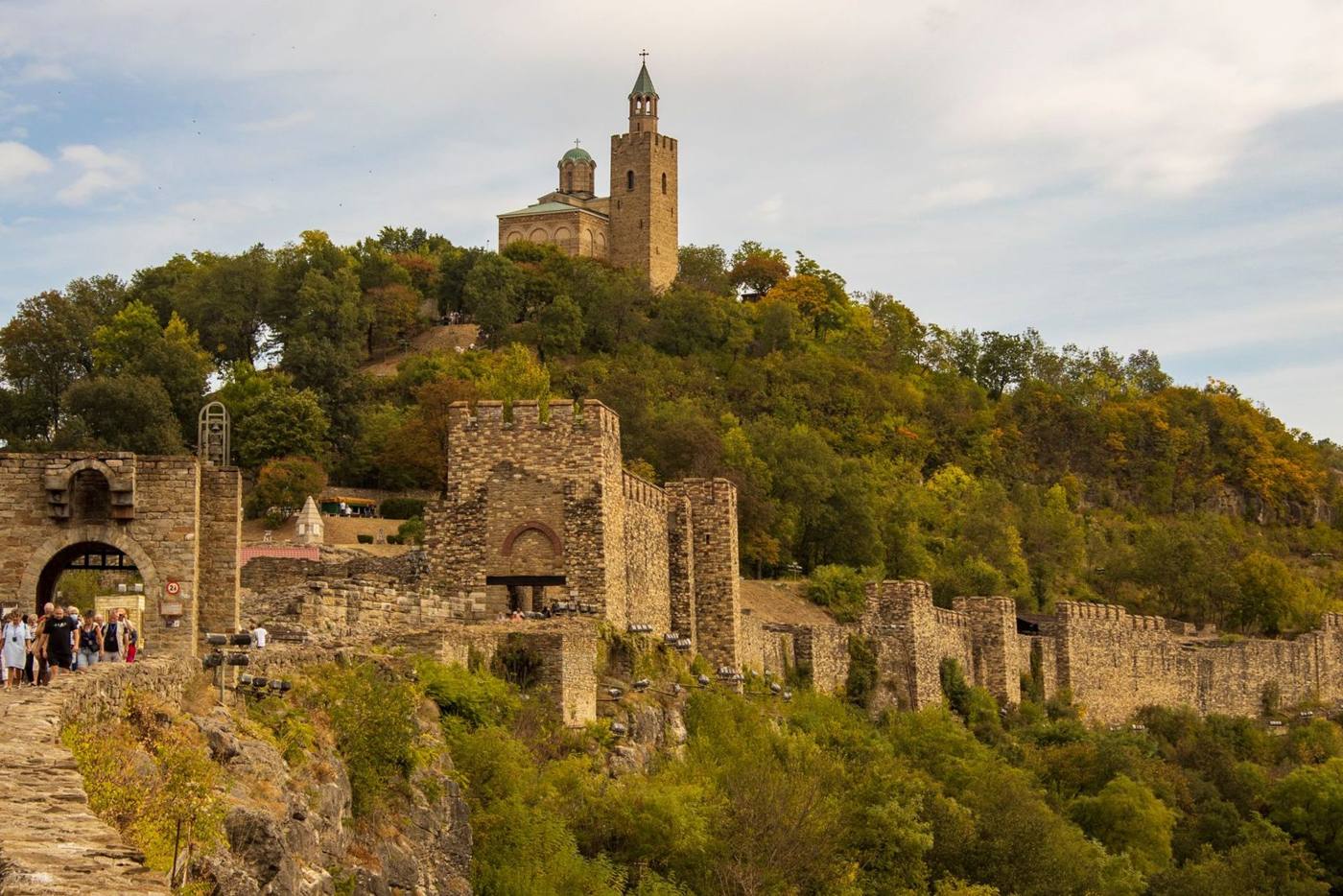 6 daysEasy
Veliko Tarnovo and the Balkan range
The old capital and Tsarevets fortress, the museum village of Arbanasi, Etara, the Shipka Pass and the Valley of Roses.