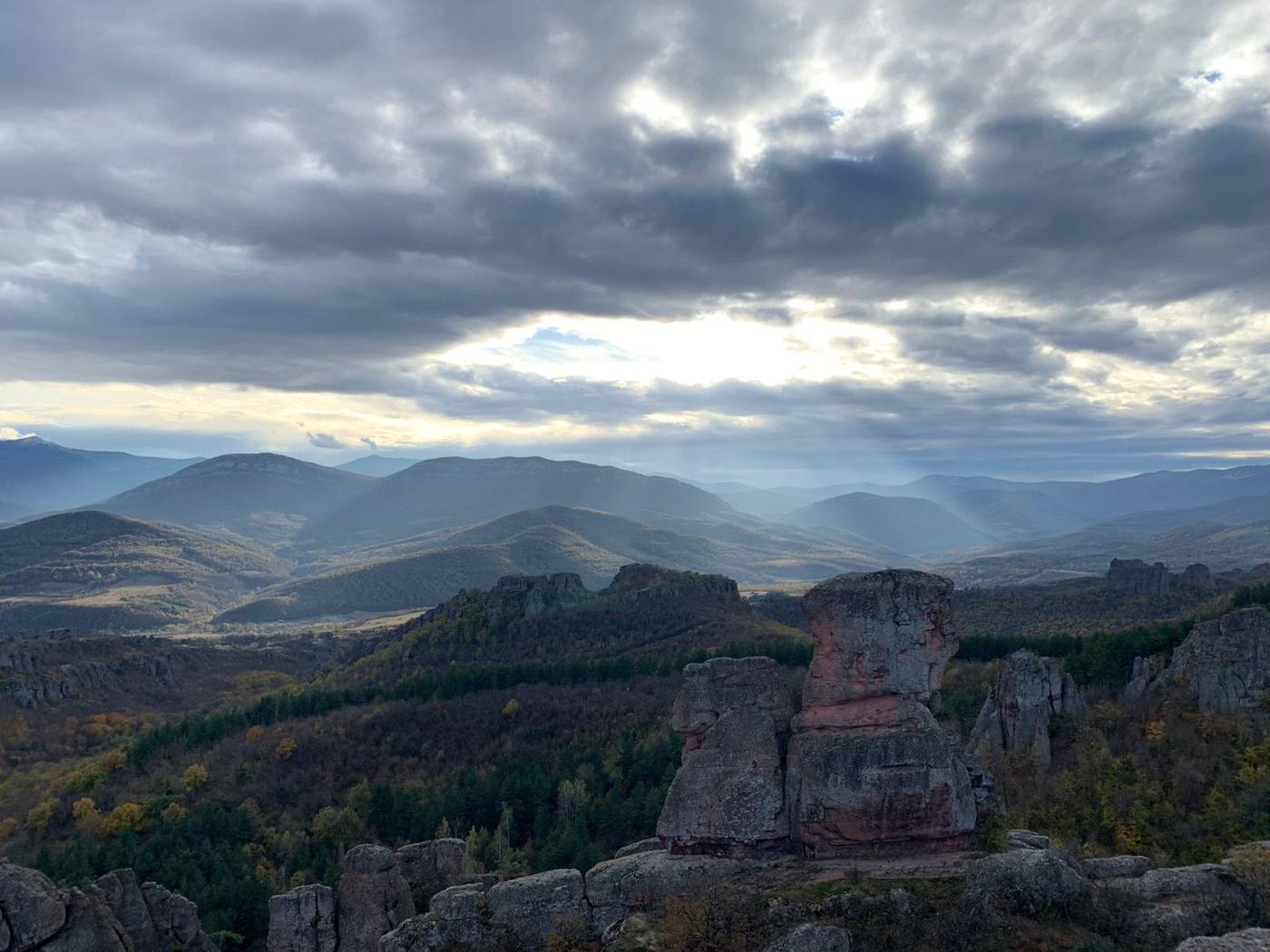
Belogradchik and the north-west
The red rocks of Belogradchik with a fortress built among the pinnacles, Magura cave with its prehistoric paintings, Vidin on the Danube and Baba Vida fortress.
- Sofia
- Belogradchik
- Magura Cave
- Vidin
Day by day
- Day 1
From Sofia to Belogradchik
This trip takes you to north-western Bulgaria, the least visited region of the country, among the red rocks of Belogradchik, the Magura cave with its prehistoric paintings and Vidin on the Danube. You travel by rental car from Sofia.
Before you go: Italian citizens can enter Bulgaria with an electronic identity card or a passport; Bulgaria has been in the Schengen area since 2025. Other nationalities should check their own rules. The currency has been the euro since 1 January 2026. Roads outside towns need an electronic vignette, bought online on the official website or at petrol stations. The north-west is quiet, but services are few: fill up and get cash in town.
Leave Sofia heading north and cross the Balkan range, the Stara Planina, on a road that climbs through the forests and drops towards the Danube plain. Allow about three hours.
You reach Belogradchik in the afternoon. The town is small and quiet, above a valley full of red and yellow rock towers up to about two hundred metres high, carved by wind and water over millions of years. Locals give every shape a name: the Madonna, the Monks, the Horseman, Adam and Eve.
Take a first walk to the viewpoint above the town and watch the rocks change colour in the evening light. For dinner, try the dishes of northern Bulgaria, such as bean soup and grilled white cheese with peppers.
Overnight in Belogradchik, for two nights.
Practical tip: buy the vignette before leaving Sofia and bear in mind that, after the pass, petrol stations and cash machines become scarce.
- Day 2
The fortress among the rocks and the sunset
Today you visit Belogradchik Fortress, built right into the rocks.
In the morning, walk up to the fortress, just above the town. It began with the Romans, who used the rock walls as natural ramparts. In the fourteenth century the Bulgarian tsar Ivan Sratsimir enlarged it, and in the nineteenth century the Ottomans rebuilt it with the walls and gates you see today. You cross three courtyards one above the other, each closed by a stone gateway. Check prices and times.
From the last courtyard, iron steps climb onto a rock summit. From up there you get the best view in the area: hundreds of red spires among the woods and, on clear days, the Balkan range on one side and the plain towards the Danube on the other. The steps are steep with little protection: take care with children and in the wind.
In the afternoon, walk the marked trails that wind between the rocks, below the fortress and towards the most famous formations. They are easy paths of one or two hours, with benches and viewpoints. You can also visit the town's small natural history museum.
Go back to the fortress or the viewpoint for sunset. This is when the stone turns fiery red and the shadows stretch the spires: it is the scene that made Belogradchik famous.
In the evening, have a relaxed dinner in town. There are few foreign tourists here and it feels like a mountain village.
Overnight in Belogradchik.
Practical tip: wear shoes with a good grip, as the sandstone is smooth and slippery, especially after rain.
- Day 3
The Magura cave and Vidin on the Danube
Today you see the oldest paintings in Bulgaria and reach the Danube.
In the morning, drive for about half an hour to the Magura cave, near the village of Rabisha. It is a huge cave, with very high chambers, stalactites, stalagmites and columns. In one gallery there are prehistoric paintings made with bat guano: figures of hunters, dancers, animals and signs that some scholars read as a calendar. They date back thousands of years, from late prehistory to the Bronze Age.
To protect them, the gallery with the paintings is sometimes closed to visitors: check prices and times before you go and ask whether the paintings are open. Visits are guided and inside the cave it stays cool all year round. Below the hill lies Lake Rabisha, calm and surrounded by fields, a good place for a break.
Then continue north to Vidin, on the Danube, about an hour away. Visit Baba Vida Fortress, built on the riverbank above the ruins of the Roman town of Bononia. It is the best-preserved medieval castle in Bulgaria, with towers, a moat and a walkway along the walls. Check prices and times.
In the afternoon, stroll along the Danube in the riverside park and watch the boats heading towards the Black Sea. On the other bank is Romania, linked to Vidin by a long bridge. In the centre you will see the old Ottoman gate and the mosque with its library.
Overnight in Vidin.
Practical tip: bring a sweatshirt for the cave and check the times of the guided tours, which leave at fixed hours.
- Day 4
Back to Sofia
Today you return to Sofia.
In the morning, take a last walk along the Vidin riverside, when the Danube is calm and the light is soft. Then head south.
On the way, if you have time, stop near Vratsa. Above the town opens the Vratsata gorge, with very high limestone walls loved by climbers, and higher up the Ledenika cave, with chambers full of rock formations. Check prices and times. From Vratsa the road climbs back across the Balkan range, through gorges and forests, and drops down to Sofia. Allow three to four hours in all, not counting stops.
You reach Sofia in the afternoon, in time to return the car or have dinner in the city.
In these four days you have seen one of the strangest corners of the Balkans: the red rock towers of Belogradchik with the fortress built among the spires, the sunset that sets them alight, the Magura cave with its prehistoric paintings, Baba Vida castle and the Danube at Vidin. This is rural, little-visited Bulgaria, with simple tourist services and a genuine welcome.
When to go: from April to October. In spring the woods are green and the days cool, ideal for walking among the rocks. In summer the Danube plain is hot, but evenings in Belogradchik are pleasant. In autumn the woods around the rocks turn yellow and red. In winter many places close and the mountain roads may have snow.
Practical tip: before you leave, buy some honey and cheese at the small markets of the north-west, simple and tasty products that cost little. Remember that in Bulgaria nodding your head up and down often means no, and shaking it from side to side means yes.
One of the strangest landscapes in the Balkans, in the country's poorest and least visited region. The Magura paintings are sometimes closed to protect them: check first. Tourist services are basic.
Before you go
- Documents and visa
- EU citizens need a valid identity card or passport: Bulgaria is in the EU and, since 1 January 2025, in the Schengen area. Damaged or worn identity cards have been refused at the border, so check yours is intact and readable. Other nationalities should check the Schengen rules.
- Health and vaccines
- No vaccines required. EU citizens should bring their EHIC; take insurance covering medical costs, repatriation and, for hiking, mountain rescue. Emergencies: 112, answered in English too.
- Money and payments
- Euro, since 1 January 2026; until the end of 2026 prices are also shown in lev. Cards work almost everywhere in towns, but carry cash in villages and mountain huts. Avoid street money changers. Roads outside towns and motorways need an electronic vignette: buy it on the official BG TOLL website, at the border or at petrol stations, and check current prices.
- Power sockets
- Types C and F, 230 volts.
- Time zone
- Eastern European Time (UTC+2, summer UTC+3).
- Safety
- A generally safe country. Watch for pickpockets and bag theft in tourist areas, on public transport and at airports, especially in Sofia and on the coast in summer. Use only licensed taxis, particularly at Sofia airport and in Sunny Beach. Drug penalties are severe. In summer and early autumn there is a risk of fast-spreading wildfires. Official advice: GOV.UK.
Information checked in November 2026 for Italian and EU citizens. Rules change: always check before you travel.
Variations
In 3 days: Belogradchik and the fortress on the first day, Magura and Vidin on the second, back on the third.
In 6 days: add two days at Vratsa for the gorges and trails of the Vrachanski Balkan Nature Park.
Frequently asked questions
What document do I need for Bulgaria?
Italian citizens can enter with an electronic identity card or a passport. Other nationalities should check their own rules.
Can you always see the Magura cave paintings?
No: the gallery with the paintings is sometimes closed to protect them. Check before you go, along with the prices and times of the guided tours.
Do I need a car for this trip?
Yes, it is the easiest way: public transport in the north-west is scarce and slow. Remember the electronic vignette for roads outside towns.
Indicative itinerary written by World Atlas. Before booking, check timetables, seasonal openings, documents and safety.
 7 daysEasy
Sofia, Rila and Plovdiv
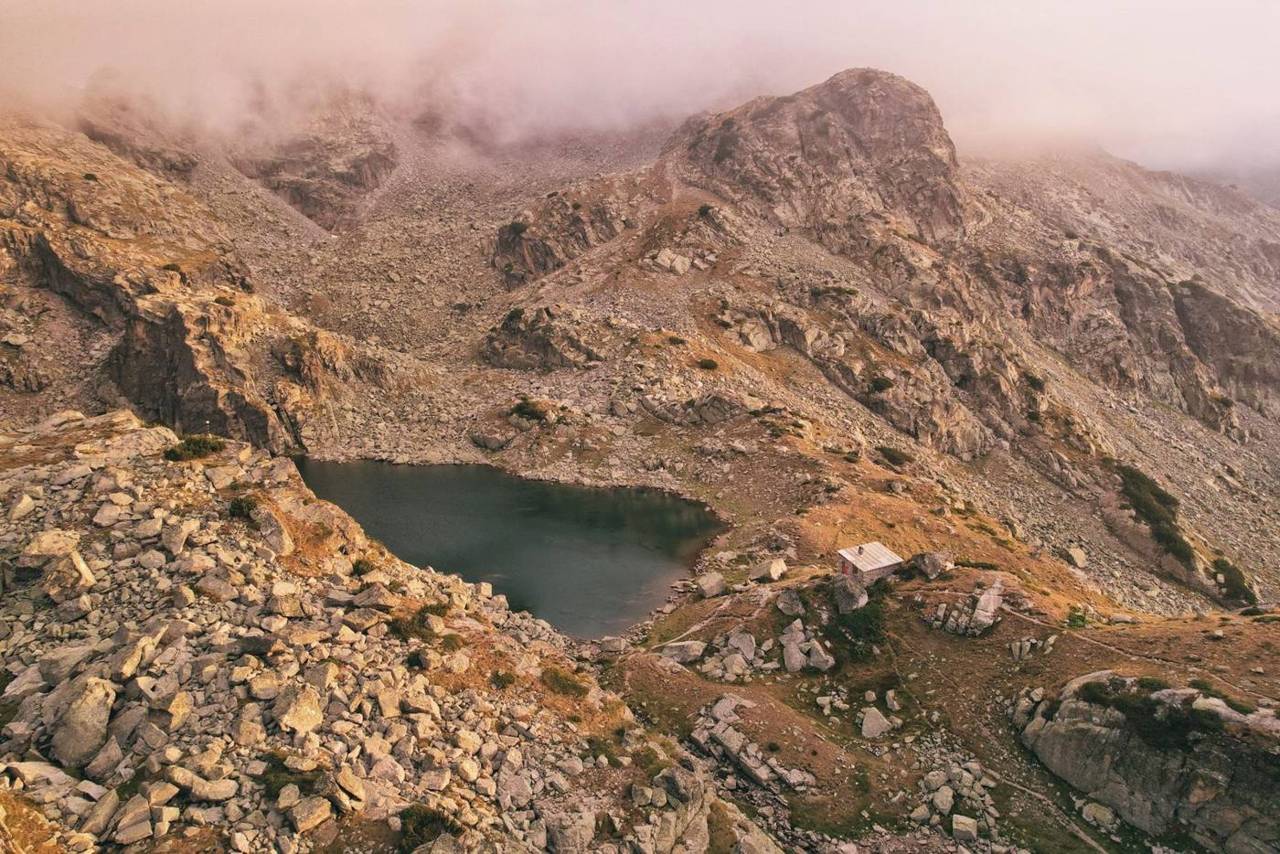
The capital with Alexander Nevsky Cathedral, Rila Monastery, the Seven Lakes and Plovdiv's old town with its Roman theatre.
 6 daysEasy
Veliko Tarnovo and the Balkan range
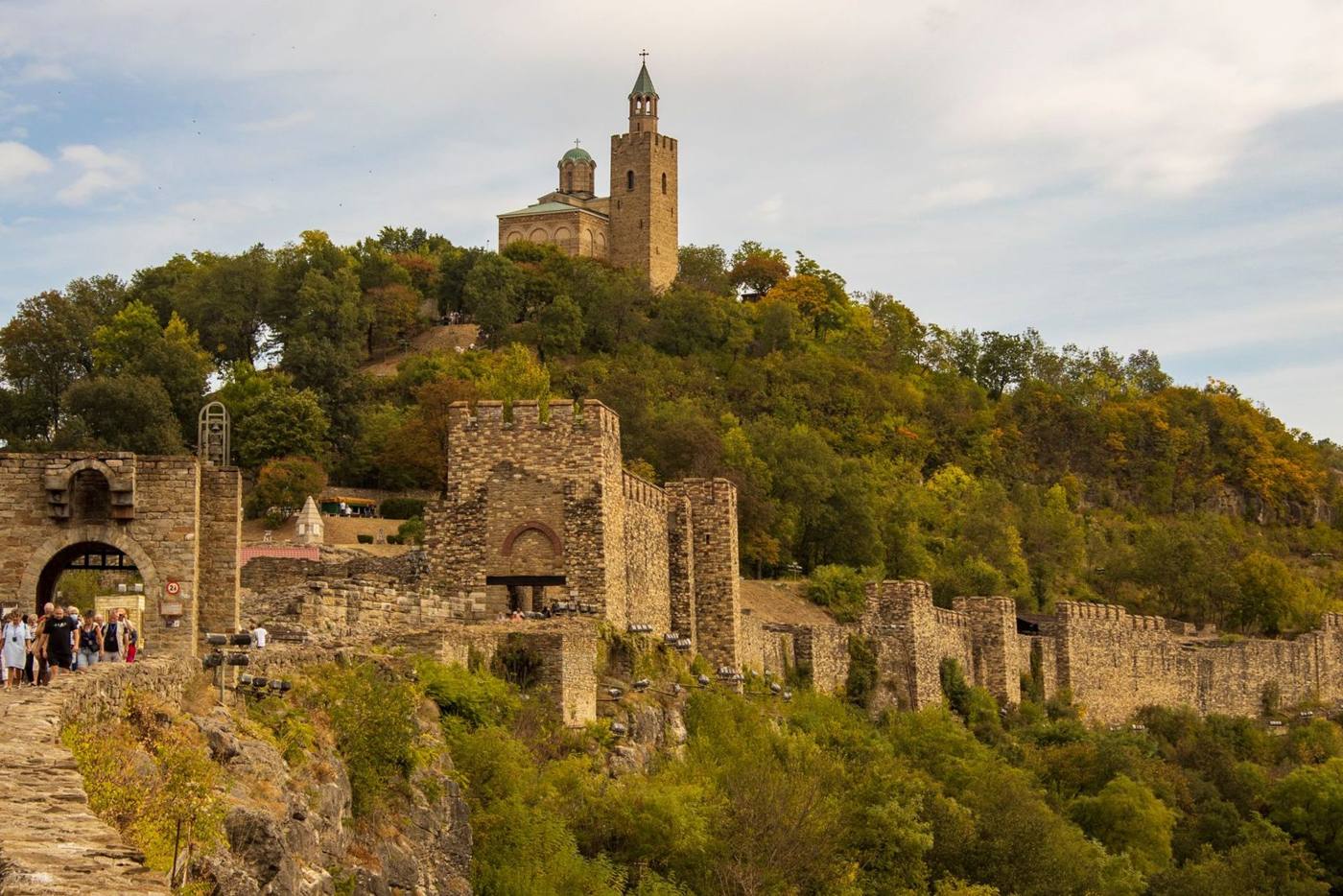
The old capital and Tsarevets fortress, the museum village of Arbanasi, Etara, the Shipka Pass and the Valley of Roses.
 6 daysEasy
The Black Sea and Nesebar
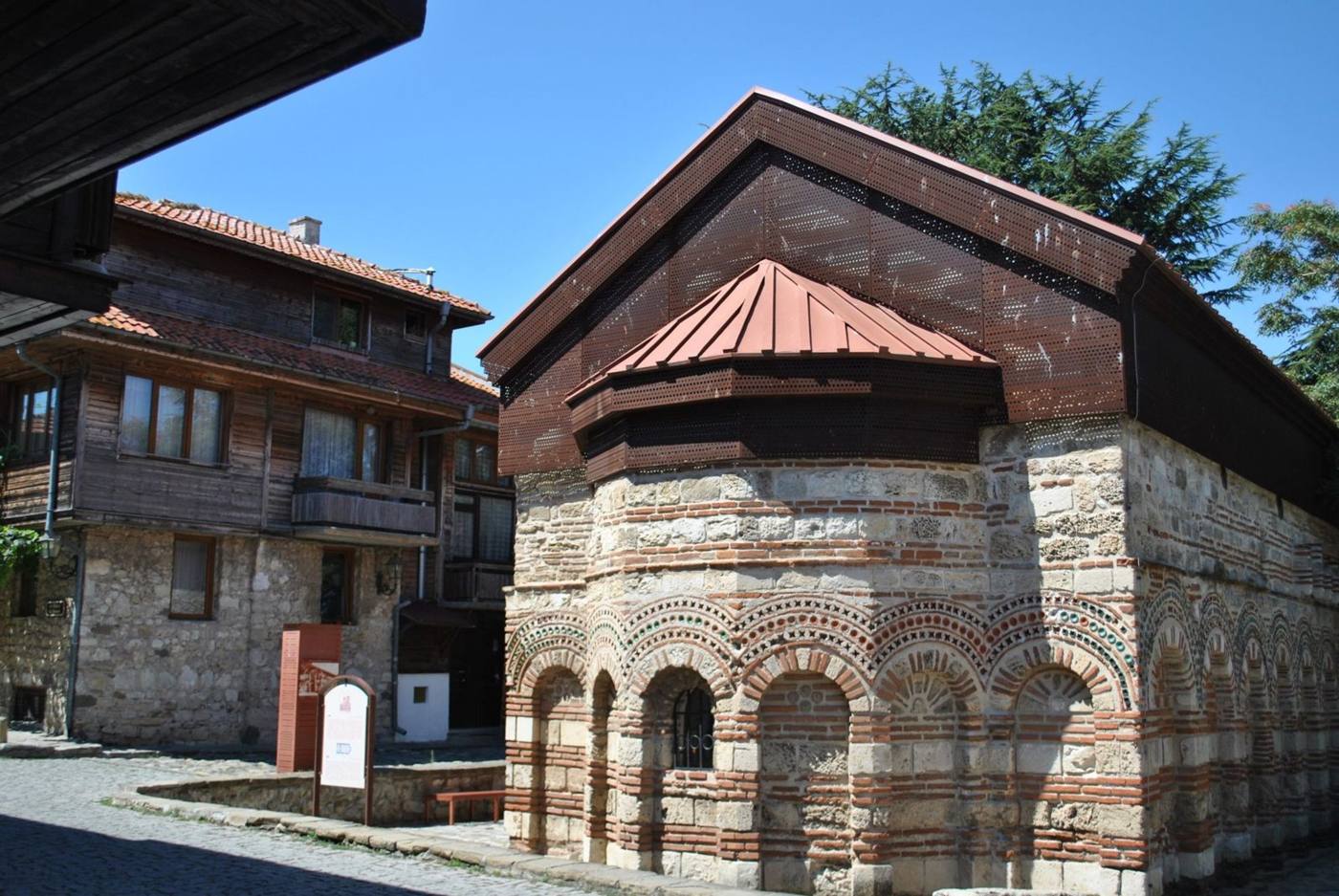
The Bulgarian coast beyond the big resorts: Varna, Cape Kaliakra, the UNESCO peninsula of Nesebar and Sozopol.