Veliko Tarnovo and the Balkan range
The old capital and Tsarevets fortress, the museum village of Arbanasi, Etara, the Shipka Pass and the Valley of Roses.
- Sofia
- Veliko Tărnovo
- Arbanasi
- Tryavna
- Etara
- Shipka
- Kazanlak
Day by day
- Day 1
From Sofia to Veliko Tarnovo and the craftsmen's street
This trip takes you through historic Bulgaria, far from the sea: Veliko Tarnovo, the old capital with Tsarevets Fortress, the village of Arbanasi with its frescoed churches, Tryavna and Etara with their craftsmen, the Shipka Pass and Kazanlak, in the Rose Valley. You travel by rental car from Sofia.
Before you go: Italian citizens can enter Bulgaria with an electronic identity card or a passport; Bulgaria has been in the Schengen area since 2025. Other nationalities should check their own rules. The currency has been the euro since 1 January 2026. The country is safe; in towns, watch out for pickpockets in crowded places. Roads outside towns and motorways need an electronic vignette.
From Sofia, drive east for about three hours along the Balkan range. Veliko Tarnovo appears suddenly: its houses are built in tiers on the sides of steep hills, around the deep bends of the Yantra river.
In the afternoon, walk along Samovodska Street, the old craftsmen's street, with nineteenth-century houses and workshops where potters, woodcarvers, blacksmiths and goldsmiths work. You can watch them and buy something handmade. Then stroll along Gurko Street, hanging above the river, with houses whose wooden balconies lean out over the drop.
At sunset, look out from the viewpoint over the great bend of the Yantra, with the Monument to the Asens, founders of the Second Bulgarian Empire, on the riverbank.
Overnight in Veliko Tarnovo, for two nights.
Practical tip: the town is all ups and downs, with plenty of cobbles; wear comfortable shoes and choose a place to stay near the old centre so you can get around on foot.
- Day 2
Tsarevets Fortress and the village of Arbanasi
Today you visit the heart of medieval Bulgaria.
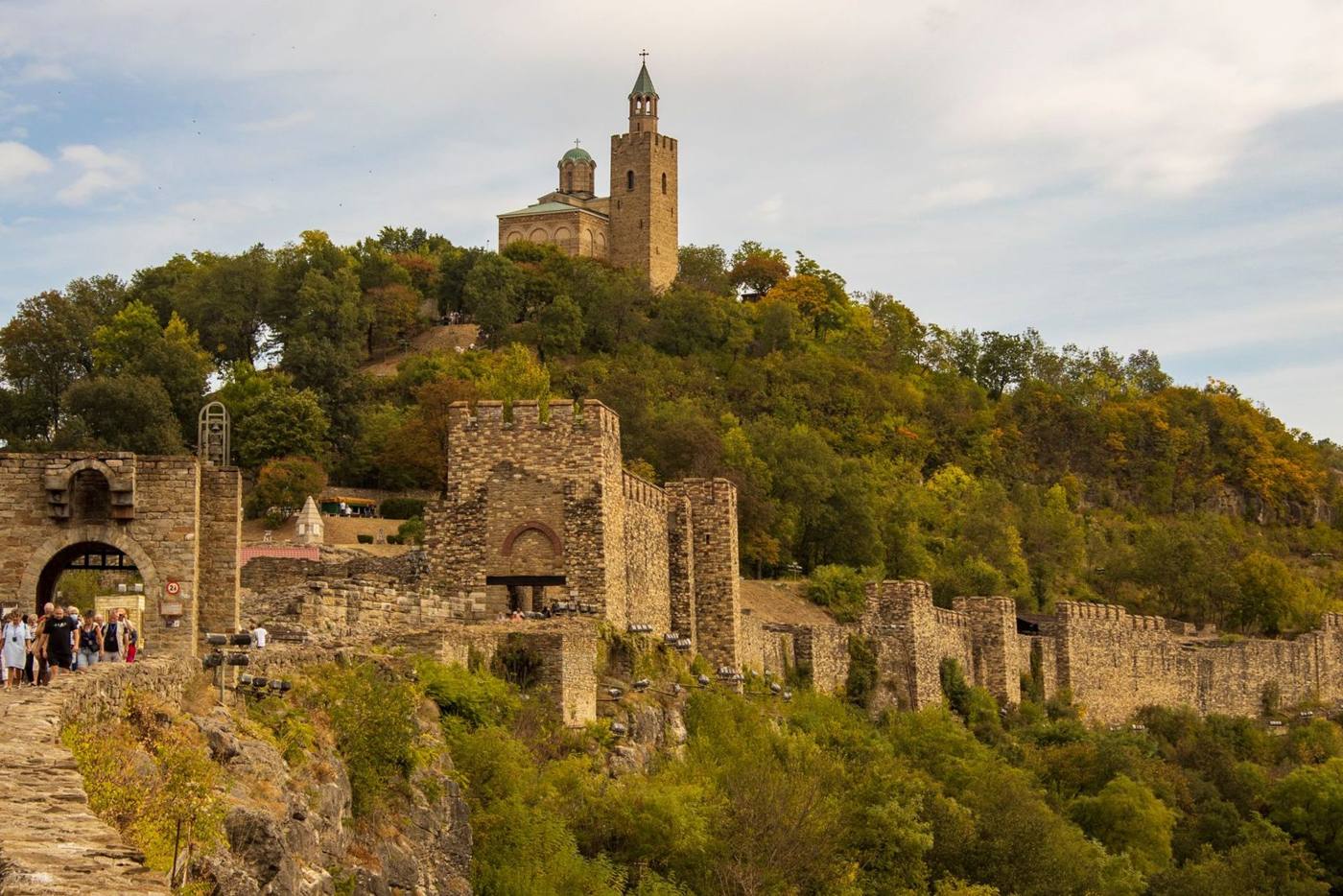
In the morning, climb Tsarevets hill, the citadel of the Bulgarian kings. Between 1185 and 1393 Tarnovo was the capital of the Second Bulgarian Empire, one of the most powerful states in the Balkans. You enter through the fortified gate and walk along the walls that ring the whole hill, among the ruins of the royal palace and dozens of churches and houses. Check prices and times.
At the top of the hill stands the Patriarchal Church of the Ascension, rebuilt in the twentieth century. Inside, the modern frescoes, dark and dramatic, tell the history of Bulgaria in a very different way from the old churches. At the tip of the hill is Baldwin's Tower, where according to tradition a Latin emperor of Constantinople was imprisoned.
In the afternoon, drive a few minutes to Arbanasi, a village on a plateau above the town. This was where rich merchants built fortress-houses with high walls and closed courtyards. Visit the Church of the Nativity: from outside it looks like a plain stone house, but inside every inch of wall and vault is covered in seventeenth-century frescoes, with thousands of figures. Check prices and times. Step into one of the merchants' houses too, such as the Konstantsaliev house, furnished as it once was.
On summer evenings a sound and light show is sometimes held on the fortress: check the dates.
Overnight in Veliko Tarnovo.
Practical tip: visit Tsarevets at opening time, when the light is soft and the groups have not yet arrived, and bring water as there is little shade on the hill.
- Day 3
Tryavna and the open-air museum of Etara
Today you enter the craft villages of the Balkans.
From Veliko Tarnovo, drive south-west for about an hour to Tryavna, a small town among the hills famous for its school of woodcarving and icon painting. The main square has a nineteenth-century clock tower and an arched stone bridge. Visit the Daskalov house, where two wooden ceilings carved in the shape of a sun were born from a contest between two master carvers. In the woodcarving museum you see icons, doors, chests and handmade decorations. Check prices and times.
Then continue for about half an hour to Etara, near Gabrovo. It is an open-air ethnographic complex that recreates a nineteenth-century street of workshops along a stream. The craftsmen really work: you see the blacksmith, the coppersmith, the confectioner, the cutler and the potter. The stream's water turns the mills, the fulling mill for wool and the grindstone, with old and ingenious wooden mechanisms. Check prices and times.
Gabrovo, the town nearby, is famous in Bulgaria for its humour: the locals make fun of themselves for their proverbial thrift, and the town even has a House of Humour and Satire.
In the evening, have mountain dishes for dinner, such as banitsa, the cheese-filled pastry, and a meat and vegetable stew.
Overnight near Gabrovo or in Tryavna.
Practical tip: at Etara buy something from the workshops, such as a knife, a copper object or boiled-sugar sweets; it is the best way to support the craftsmen who keep these trades alive.
- Day 4
The Shipka Pass, the monument and the Russian church
Today you cross the Balkan range on a road full of history.
From Gabrovo the road climbs through the forests to the Shipka Pass, at about 1,200 metres. Here, during the war of 1877 and 1878 between Russia and the Ottoman Empire, Russian soldiers and Bulgarian volunteers held the pass for months, through fighting, cold and snow. Their resistance was decisive for the liberation of Bulgaria.
Leave the car and climb the long flight of steps to Stoletov peak, where the Freedom Monument stands, a stone tower with a bronze lion at the entrance. Inside is a small museum, and from the terrace at the top you see the mountains on one side and the Rose Valley on the other. Check prices and times. Around it, paths and trenches mark the positions of the battle.
Then drive down the southern side to the village of Shipka. Here stands the Memorial Church of the Nativity, built in the early twentieth century in memory of the fallen soldiers. It has gilded onion domes and the colourful facades of the Russian style. The crypt holds the remains of many soldiers. Check times.
In the afternoon, continue a few kilometres to Kazanlak, in the middle of the Rose Valley.
Overnight in Kazanlak, for one night.
Practical tip: the weather on the pass changes quickly and even in summer it can be cold and windy; bring a jacket and try to go up in the morning, before the clouds roll in.
- Day 5
Kazanlak, the Thracian tomb and the Rose Museum
Today you discover the Thracians and the rose, the two symbols of the valley.
In the morning, go to Tyulbeto park, on the hill of Kazanlak, home to the Thracian Tomb of Kazanlak, a UNESCO World Heritage Site. It dates from the fourth century BC and has a small dome with beautiful frescoes: a man and a woman seated at the funeral banquet, servants, horses and chariots. The original tomb rarely opens because it is fragile; next to it you visit an exact copy, with the same colours. Check prices and times.
Then visit the Rose Museum, which explains how the Damask rose is grown and how the oil is distilled. You see copper stills, old tools and photographs of the harvest. Check prices and times.
In the afternoon, if you have time, drive a few kilometres west to one of the mounds in the Valley of the Thracian Kings open to the public, such as the Shushmanets tomb, with its round chamber and central column. Check prices and times.
If you travel between late May and early June, get up very early to see the rose harvest at dawn in the fields around the villages. The harvest lasts only a few weeks and depends on the weather each year.
In the evening, have dinner in town and taste the rose products: jam, liqueur and sweets.
Overnight in Kazanlak.
Practical tip: buy rose oil and rose water only in reputable shops and read the label; real rose oil is very expensive and very cheap products are often imitations.
- Day 6
Back to Sofia through the Rose Valley
Today you return to Sofia through the Rose Valley.
From Kazanlak, drive west along the valley, past fields of roses and lavender, with the Balkan range to the north and the hills of Sredna Gora to the south.
Stop in Karlovo, a small town at the foot of the mountains, where Vasil Levski was born, the national hero of Bulgaria's fight for freedom. His birthplace is a small museum. Check prices and times. A few kilometres further on, in Sopot, you can see the birthplace of Ivan Vazov, the greatest Bulgarian writer of the nineteenth century.
Then continue to Sofia, about three hours in all, not counting stops. You arrive in the afternoon, in time to return the car or take a walk in the centre.
In these six days you have seen historic Bulgaria, little visited by foreigners: Veliko Tarnovo on the bends of the Yantra with Tsarevets Fortress, the frescoed churches of Arbanasi, the workshops of Tryavna and Etara, the Shipka Pass with its monument and Russian church, the Thracian tomb and the Rose Museum of Kazanlak.
When to go: from May to October. Between late May and early June the roses are harvested and Kazanlak holds its festival, usually on the first weekend of June. In summer the valleys are hot, but the air in the mountains is cool. Autumn is beautiful in the Balkan forests.
Practical tip: before you leave, buy mountain honey and lyutenitsa, the pepper and tomato relish, and remember that in Bulgaria a head moving up and down often means no.
Historic Bulgaria, away from the coast and little visited by foreigners. The rose harvest lasts a few weeks and depends on the year's weather. The original Kazanlak tomb rarely opens: usually you visit the replica next to it.
Before you go
- Documents and visa
- EU citizens need a valid identity card or passport: Bulgaria is in the EU and, since 1 January 2025, in the Schengen area. Damaged or worn identity cards have been refused at the border, so check yours is intact and readable. Other nationalities should check the Schengen rules.
- Health and vaccines
- No vaccines required. EU citizens should bring their EHIC; take insurance covering medical costs, repatriation and, for hiking, mountain rescue. Emergencies: 112, answered in English too.
- Money and payments
- Euro, since 1 January 2026; until the end of 2026 prices are also shown in lev. Cards work almost everywhere in towns, but carry cash in villages and mountain huts. Avoid street money changers. Roads outside towns and motorways need an electronic vignette: buy it on the official BG TOLL website, at the border or at petrol stations, and check current prices.
- Power sockets
- Types C and F, 230 volts.
- Time zone
- Eastern European Time (UTC+2, summer UTC+3).
- Safety
- A generally safe country. Watch for pickpockets and bag theft in tourist areas, on public transport and at airports, especially in Sofia and on the coast in summer. Use only licensed taxis, particularly at Sofia airport and in Sunny Beach. Drug penalties are severe. In summer and early autumn there is a risk of fast-spreading wildfires. Official advice: GOV.UK.
Information checked in November 2026 for Italian and EU citizens. Rules change: always check before you travel.
Variations
In 4 days: Veliko Tarnovo and Arbanasi, then Etara and the Shipka Pass, and back to Sofia.
In 8 days: add two days in Plovdiv, with the old town and the Roman theatre, before returning to Sofia.
Frequently asked questions
What document do I need for Bulgaria?
Italian citizens can enter with an electronic identity card or a passport. Other nationalities should check their own rules.
When are the roses harvested?
Between late May and early June, for a few weeks, depending on the weather each year. The picking is done at dawn.
Can you enter the original Kazanlak tomb?
Rarely, because it is fragile: you usually visit the copy next to it. Check prices and times before you go.
Indicative itinerary written by World Atlas. Before booking, check timetables, seasonal openings, documents and safety.
 6 daysEasy
The Black Sea and Nesebar
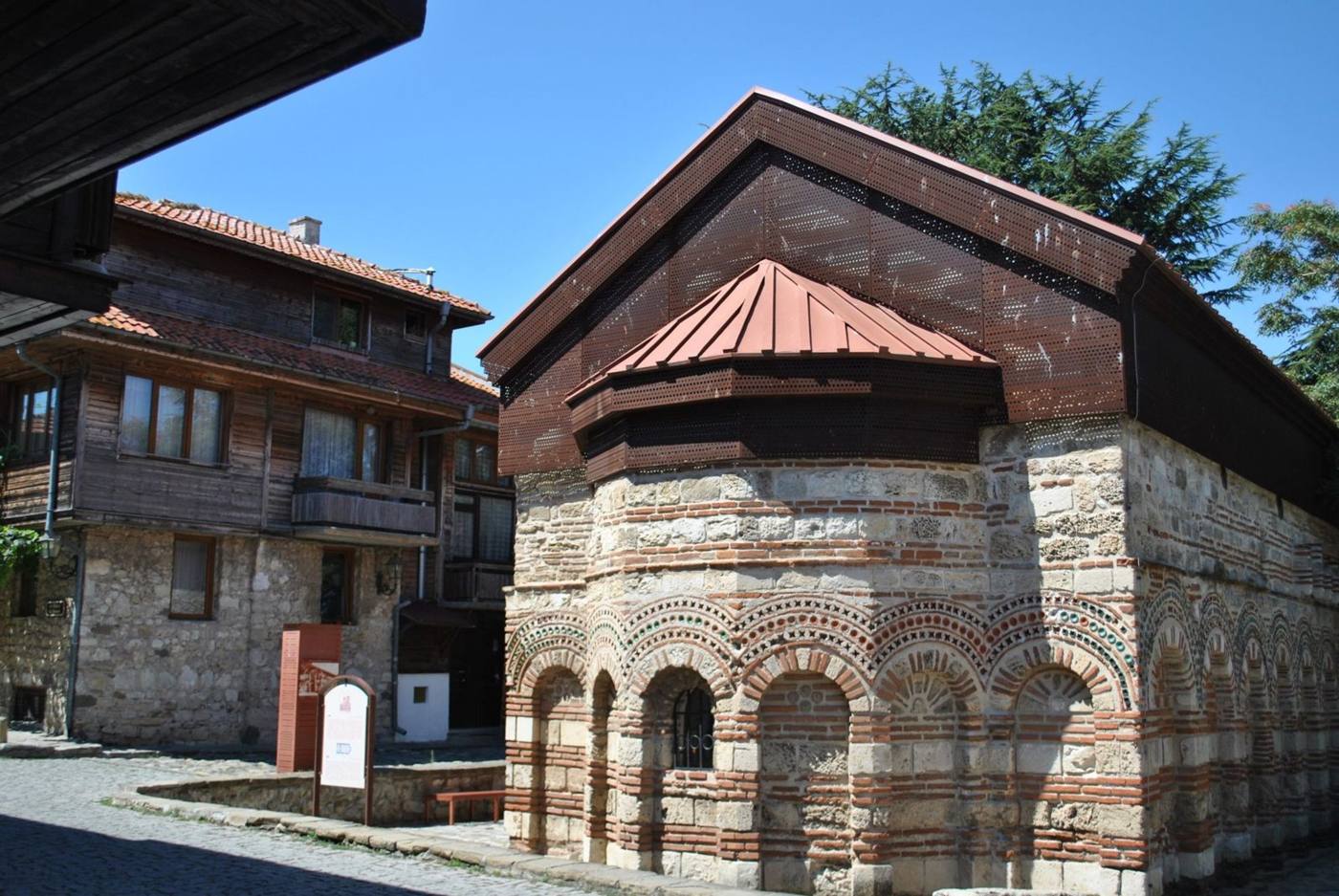
The Bulgarian coast beyond the big resorts: Varna, Cape Kaliakra, the UNESCO peninsula of Nesebar and Sozopol.
 5 daysModerate
The Pirin mountains and Bansko
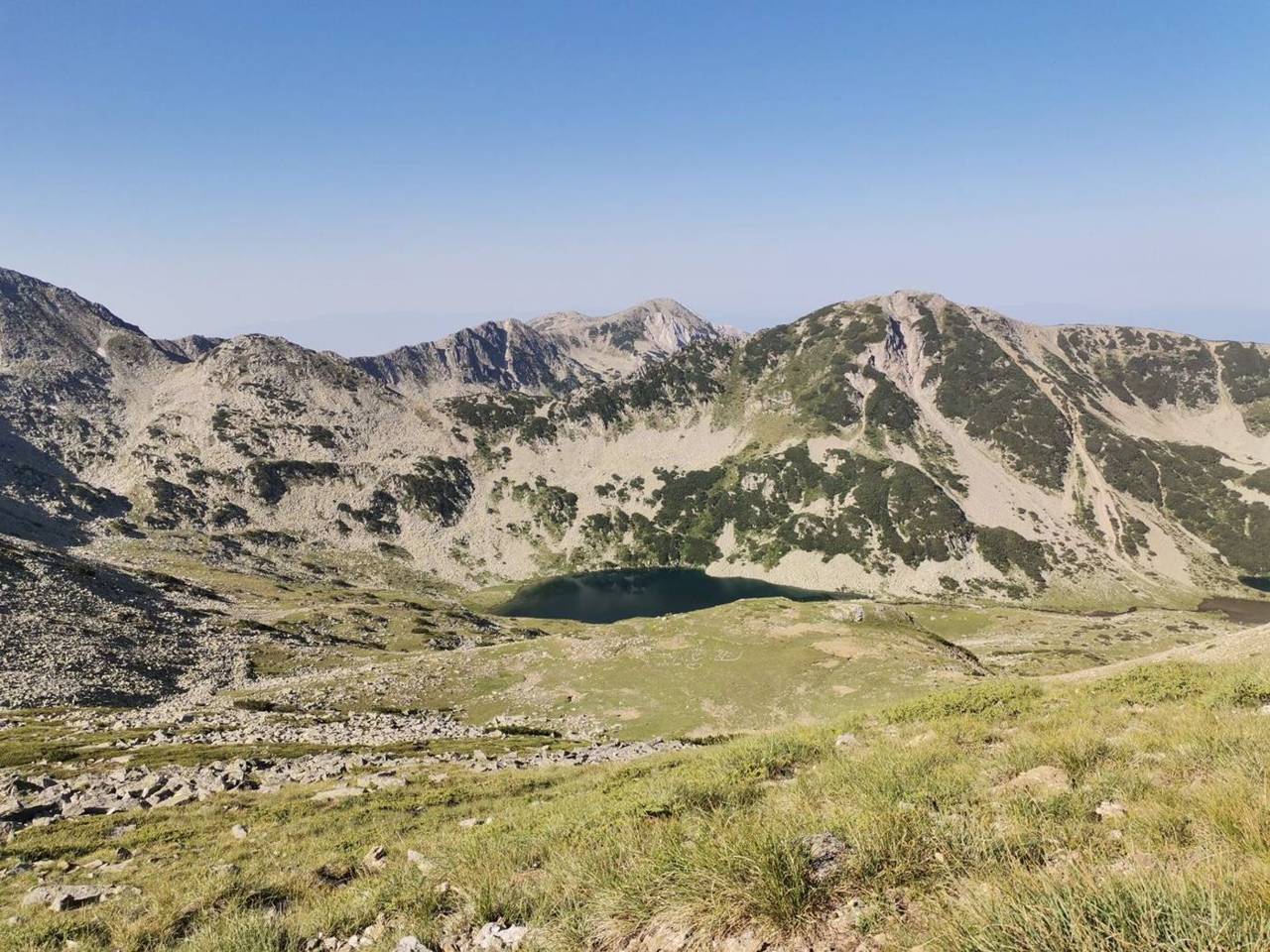
UNESCO-listed Pirin park with its glacial lakes, the climb up Vihren, the ancient Baikushev pine, stone-built Bansko and Melnik among its sand pyramids.
 2 daysModerate
The Seven Rila Lakes
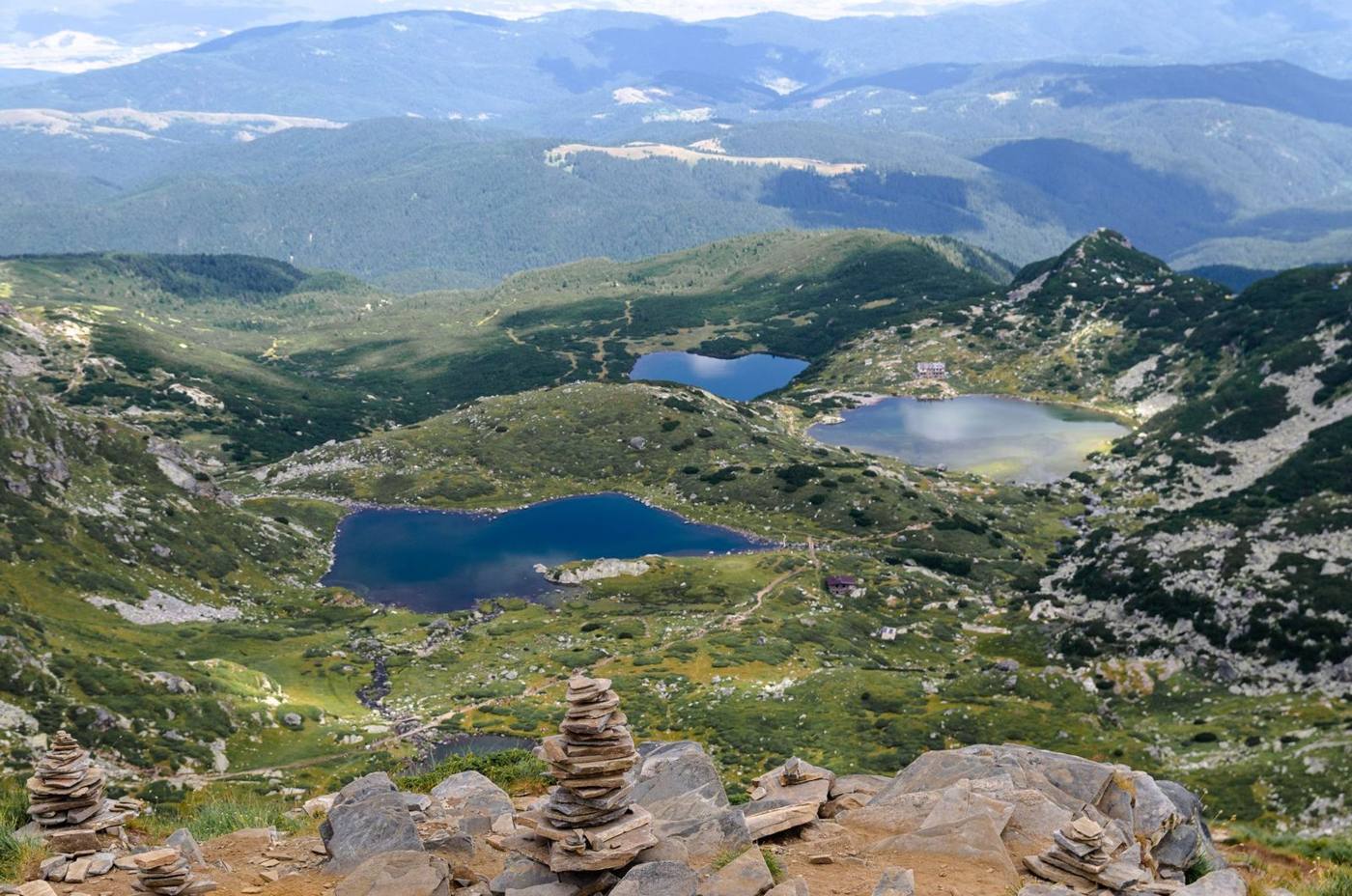
Bulgaria's most famous walk: seven glacial lakes stepped down the Rila mountains, reached by chairlift from Panichishte, with a night in a hut.