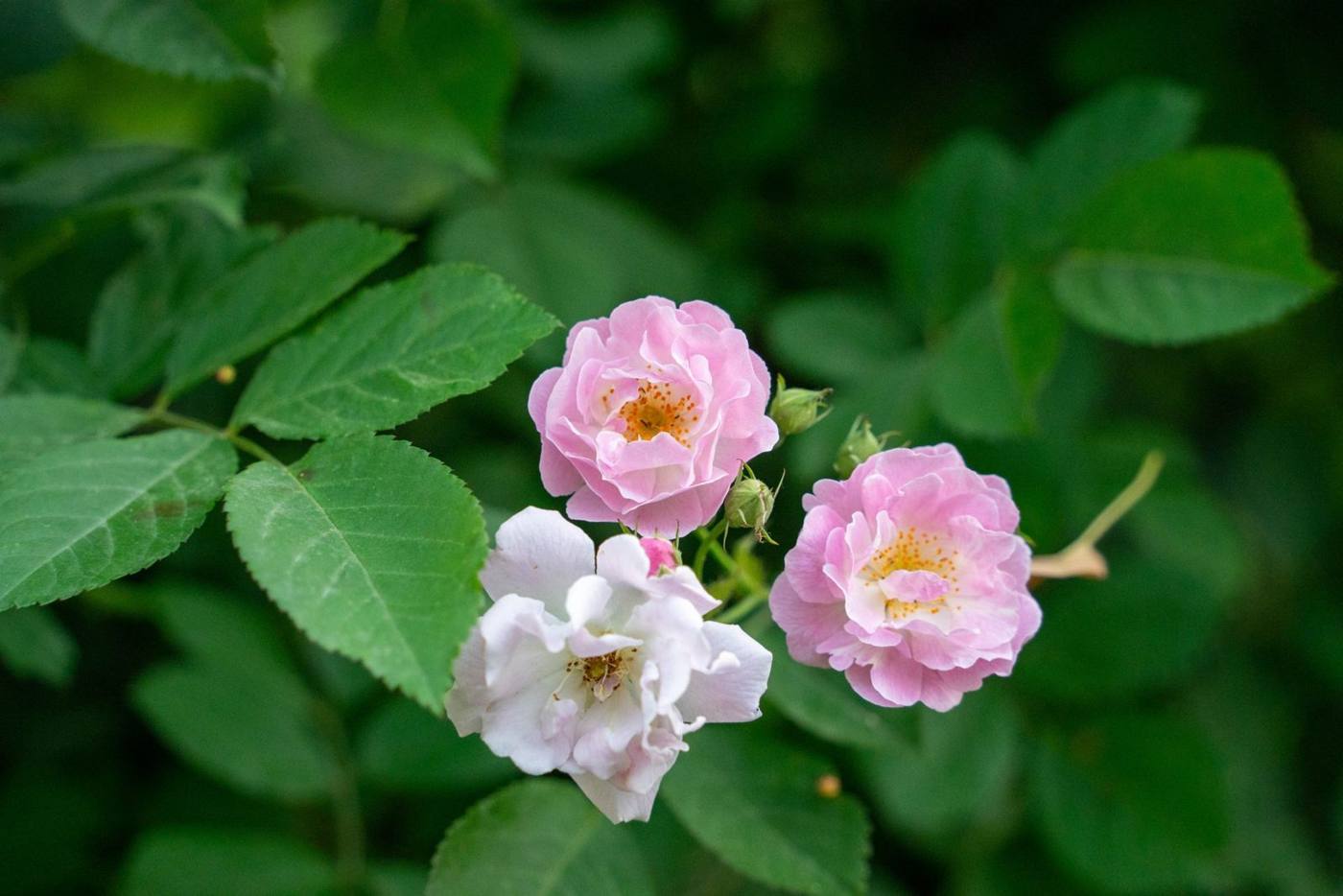
The Valley of Roses and the Thracians
Kazanlak and the rose festival in late May and early June, the UNESCO Thracian tomb, Shipka pass with its monument and Russian church, and the village of Koprivshtitsa.
- Koprivshtitsa
- Kazanlak
- Shipka
- Valley of the Thracian Kings
Day by day
- Day 1
Koprivshtitsa and the houses of the Bulgarian National Revival
This trip takes you into the heart of Bulgaria, through the Rose Valley, where petals are picked for rose oil, the tombs of the Thracian kings and the Shipka Pass. It starts in Koprivshtitsa, a mountain village that has stayed almost as it was in the nineteenth century. You travel by rental car from Sofia.
Before you go: Italian citizens can enter Bulgaria with an electronic identity card or a passport; Bulgaria has been in the Schengen area since 2025. Other nationalities should check their own rules. The currency has been the euro since 1 January 2026. The country is safe; during the rose festival watch out for pickpockets in the crowds. Roads outside towns need an electronic vignette.
From Sofia, drive east for about two hours, through hills and forests, to Koprivshtitsa, in the Sredna Gora range. The village is an open-air museum: cobbled lanes, little stone bridges over the stream and large houses painted blue, red and ochre, with wooden balconies and courtyards behind high walls.
This is where the April Uprising against the Ottoman Empire began in 1876. Near the Kalachev bridge, according to tradition, the first shot was fired. Many of the leaders' houses are now museums: the Oslekov house, with its painted walls, the Lyutov house, with its decorated rooms, and those of the patriots Karavelov and Benkovski. One combined ticket covers them: check prices and times.
In the afternoon, climb the hill with the Benkovski monument to see the village rooftops from above.
Overnight in Koprivshtitsa.
Practical tip: many house museums close one day a week; buy the combined ticket at the information centre on the square and ask there for the opening list.
- Day 2
The rose harvest at dawn and the Kazanlak festival
Today is the most fragrant day of the trip.
Leave very early, before dawn, for Kazanlak, about an hour and a half's drive through the valley. Oil roses are picked by hand in the first hours of the morning, when the petals are full of essence and the sun has not yet dried them. In the fields around the valley villages you can join the harvest: women pick the flowers one by one and drop them into big sacks, while the air fills with an intense scent.
This is the Damask rose, grown here for centuries. A few drops of oil need huge amounts of petals: that is why Bulgarian rose oil is so precious and is used in perfumes all over the world.
Then drive on to Kazanlak. During the festival, usually on the first weekend of June, the town fills with music, traditional costumes and stalls. The parade through the centre and the crowning of the Rose Queen are the highlights. Check the exact dates for the year, as they change.
In the afternoon, visit the Rose Museum in the town park, where you see old copper stills, photographs of the harvest and the bottles that once held the oil. Check prices and times. Before you leave, taste rose jam and rose liqueur.
Overnight in Kazanlak, for two nights.
Practical tip: for the dawn harvest, an organised trip to a valley village is the best option, since the fields are private; book early, as places sell out quickly during the festival.
- Day 3
The tombs of the Thracian kings
Today you discover the Thracians, the people who lived here before the Greeks and the Romans.
The valley around Kazanlak is called the Valley of the Thracian Kings, because it is full of tumuli, man-made mounds that hide the tombs of rulers and nobles. Hundreds have been found.
Start with the Thracian Tomb of Kazanlak, a UNESCO World Heritage Site. It dates from the fourth century BC and its dome has beautiful frescoes: a funeral banquet, horses and chariots. The original tomb is very fragile and rarely opens; next to it you visit a faithful copy, with the same colours and figures. Check prices and times.
Then drive west along the valley to visit some of the mounds open to the public. In the Shushmanets tomb you see a corridor and a round chamber with a single column in the centre holding up the roof. In Golyama Kosmatka, one of the largest, archaeologists found the burial of King Seuthes III, with a gold wreath and precious objects; a bronze head of the king was also discovered nearby. The Ostrusha tomb has a stone ceiling with painted panels. Times change often: check prices and times before you go.
Beneath the Koprinka reservoir lie the ruins of Seuthopolis, the capital of Seuthes III, flooded when the dam was built.
In the evening, return to Kazanlak and have dinner with valley dishes, such as tripe soup or a stew baked in a clay pot.
Overnight in Kazanlak.
Practical tip: the tombs are far apart and signs are few; save their locations on your phone map before setting off.
- Day 4
The Shipka Pass and the way back
Today you climb into the Balkan range and then return to Sofia.
From Kazanlak, drive north to the village of Shipka, at the foot of the mountains. Stop at the Memorial Church of the Nativity, built in memory of the Russian and Bulgarian soldiers who died in the war of 1877 and 1878 against the Ottomans. With its gilded onion domes and bright colours, it looks like a Moscow church in the middle of the woods. Check times.
Then continue up the mountain road to the Shipka Pass. One of the decisive battles of the war that led to Bulgaria's liberation was fought here. On top of Stoletov peak stands the Freedom Monument, a large stone tower you reach by a long flight of steps. From the top you see the Rose Valley on one side and the hills to the north on the other. Check prices and times.
In the early afternoon, drive down and head west through the valley to Sofia, about three hours.
In these four days you have seen the most fragrant and historic side of Bulgaria: the painted houses of Koprivshtitsa, the dawn rose harvest and the Kazanlak festival, the frescoes and mounds of the Thracian kings and the Shipka Pass with its golden-domed church.
When to go: between late May and early June, when the roses are picked. The harvest lasts only a few weeks and depends on the weather each year. The rest of spring and autumn are still pleasant for the tombs and the mountains.
Practical tip: buy rose oil, rose water and creams only in reputable shops and read the label: real rose oil is expensive, and very cheap products often contain none.
A fragrant trip full of history. The rose harvest happens at dawn and lasts only a few weeks. The original Kazanlak tomb is rarely open: visitors see a faithful replica.
Before you go
- Documents and visa
- EU citizens need a valid identity card or passport: Bulgaria is in the EU and, since 1 January 2025, in the Schengen area. Damaged or worn identity cards have been refused at the border, so check yours is intact and readable. Other nationalities should check the Schengen rules.
- Health and vaccines
- No vaccines required. EU citizens should bring their EHIC; take insurance covering medical costs, repatriation and, for hiking, mountain rescue. Emergencies: 112, answered in English too.
- Money and payments
- Euro, since 1 January 2026; until the end of 2026 prices are also shown in lev. Cards work almost everywhere in towns, but carry cash in villages and mountain huts. Avoid street money changers. Roads outside towns and motorways need an electronic vignette: buy it on the official BG TOLL website, at the border or at petrol stations, and check current prices.
- Power sockets
- Types C and F, 230 volts.
- Time zone
- Eastern European Time (UTC+2, summer UTC+3).
- Safety
- A generally safe country. Watch for pickpockets and bag theft in tourist areas, on public transport and at airports, especially in Sofia and on the coast in summer. Use only licensed taxis, particularly at Sofia airport and in Sunny Beach. Drug penalties are severe. In summer and early autumn there is a risk of fast-spreading wildfires. Official advice: GOV.UK.
Information checked in November 2026 for Italian and EU citizens. Rules change: always check before you travel.
Variations
In 3 days: Kazanlak with the roses and the Thracian tombs, then Shipka, without Koprivshtitsa.
In 6 days: add Veliko Tarnovo, the old capital, north of the Shipka Pass.
Frequently asked questions
What document do I need for Bulgaria?
Italian citizens can enter with an electronic identity card or a passport. Other nationalities should check their own rules.
When is the Kazanlak Rose Festival?
Usually on the first weekend of June, but the dates change every year: check the official town website before booking.
Can you enter the original Kazanlak tomb?
Very rarely, because it is fragile: you normally visit the faithful copy next to it. Check prices and times before you go.
Indicative itinerary written by World Atlas. Before booking, check timetables, seasonal openings, documents and safety.
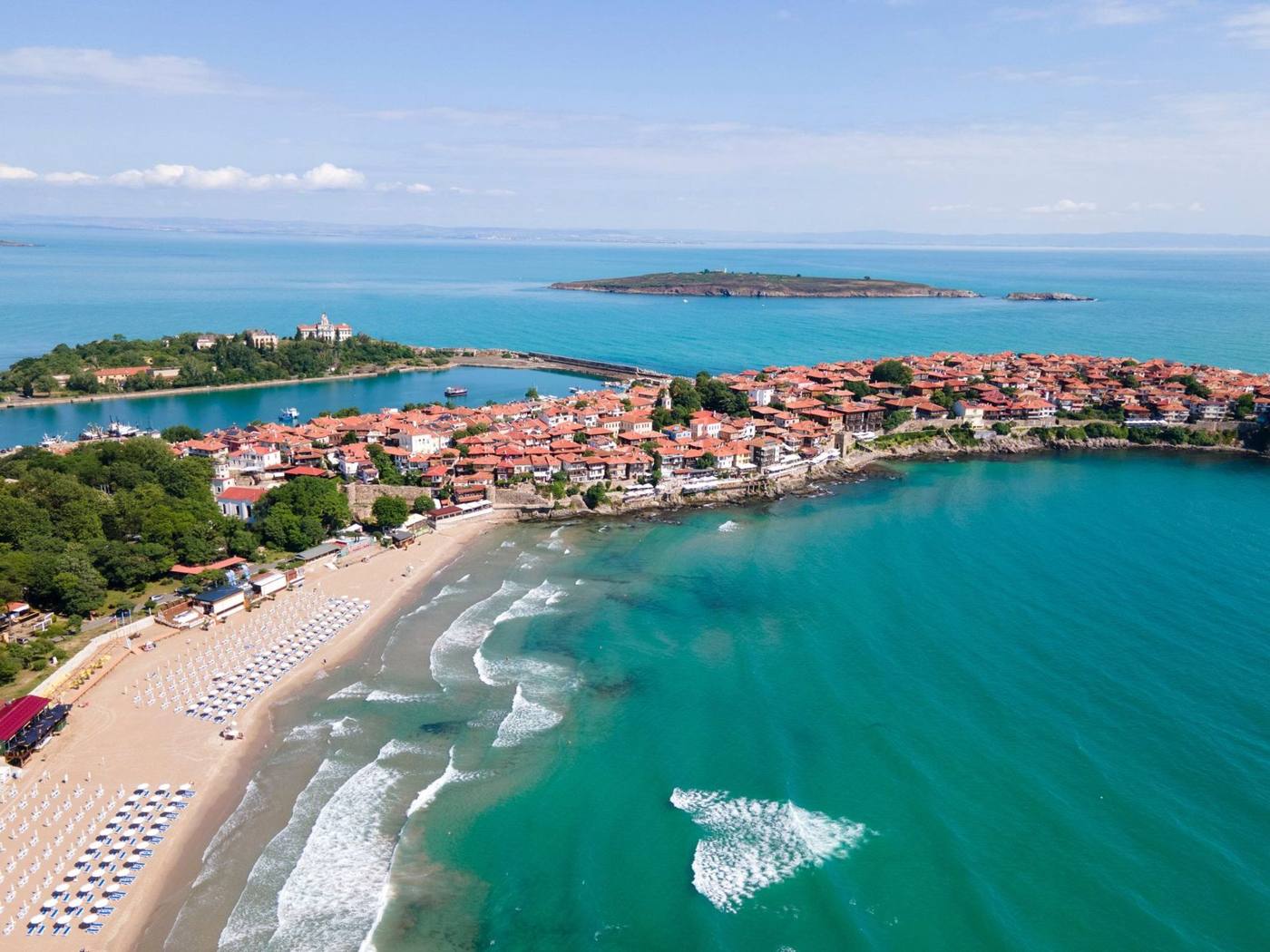 5 daysEasy
Sozopol and the south coast
Sozopol's old town of wooden houses, the beaches of Sinemorets and the Veleka river mouth, Strandzha park and quiet Ahtopol village.
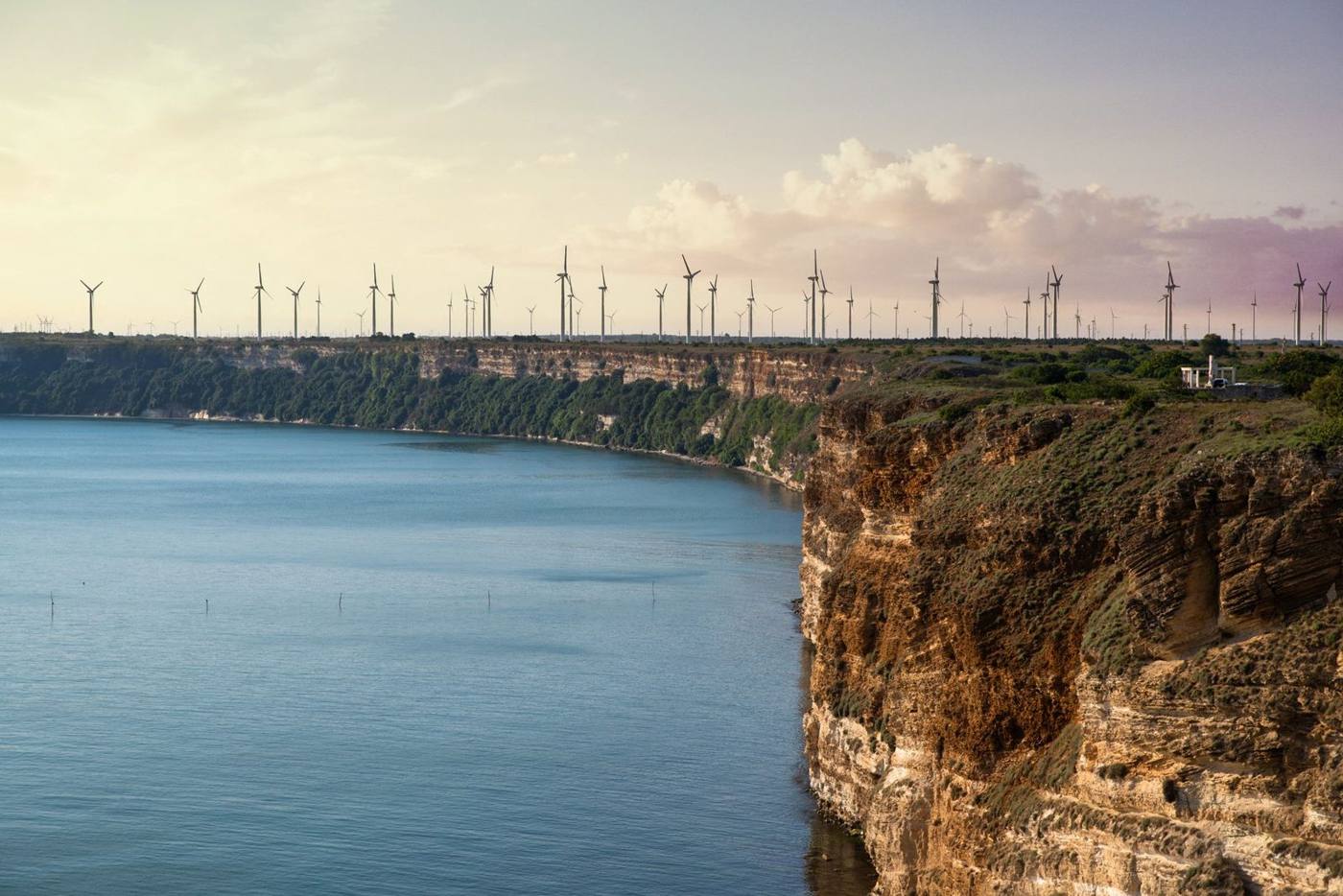 4 daysEasy
Varna and Cape Kaliakra
Varna with the world's oldest gold in its museum, the rock monastery of Aladzha, the red cliffs of Cape Kaliakra with dolphins and the town of Balchik with Queen Marie's palace.
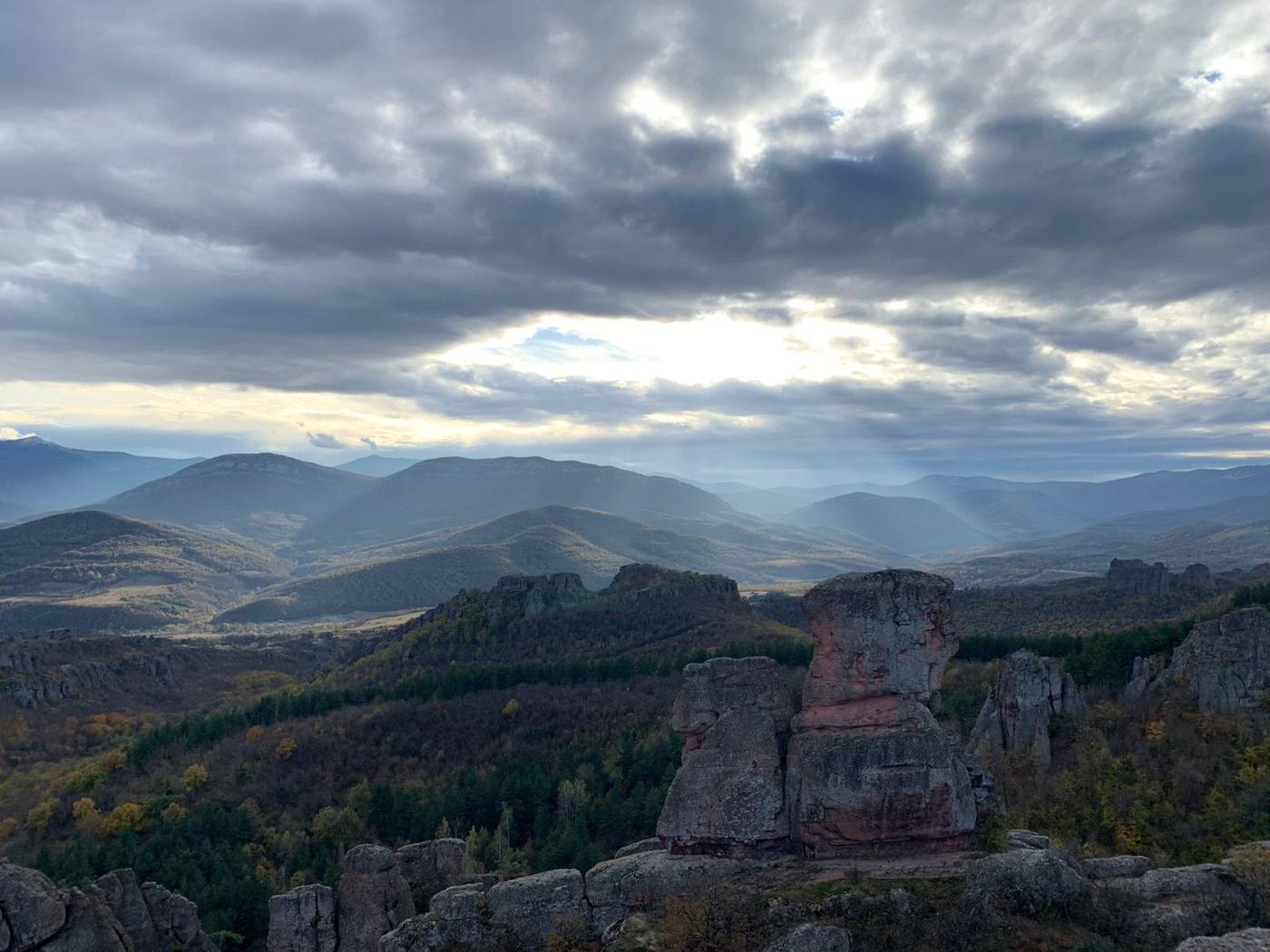 4 daysEasy
Belogradchik and the north-west
The red rocks of Belogradchik with a fortress built among the pinnacles, Magura cave with its prehistoric paintings, Vidin on the Danube and Baba Vida fortress.