Abomey and the royal palaces
The UNESCO royal palaces of the Kingdom of Dahomey with their bas-reliefs, the treasures returned by France and the hills of Dassa.
- Cotonou
- Abomey
- Dassa-Zoumé
Day by day
- Day 1
From Cotonou to Abomey
This trip takes you to the historic heart of Benin: Abomey, the capital of the kingdom of Dahomey, with its royal palaces, a UNESCO World Heritage Site, and their bas-reliefs, and Dassa-Zoumé, the town of the 41 hills. You travel by car with a driver.
Before you go: Italian citizens enter Benin with a passport, valid for the whole length of the stay, and an electronic visa, to be requested only on the official website evisa.bj a few days before departure. Yellow fever vaccination is compulsory: since September 2026 the certificate is no longer routinely checked on arrival, but it can be requested, so always carry it. Talk to your doctor about malaria prevention. Other nationalities should check their own rules. Italy, the UK and the United States advise against the north of the country, with the W and Pendjari parks and the borders with Burkina Faso and Niger, because of terrorism and kidnapping: this trip stays in the centre and south, far from those areas.
You leave Cotonou in the morning and take the road north. The drive to Abomey takes about three hours, among fields of maize, oil palms and villages. Halfway, stop in Allada, the ancient seat of a kingdom from which, according to tradition, the founders of the Dahomey dynasty came. Here a monument remembers Toussaint Louverture, the leader of the Haitian revolution, who according to tradition had ancestors from this area.
You reach Abomey in the afternoon. Take a first walk around town to the square with the large statue of King Béhanzin, the last independent king of Dahomey, with his hand raised.
Sleep in Abomey, for two nights.
Practical tip: on the road north avoid driving at night, because of lorry traffic and potholes.
- Day 2
The royal palaces and the museum
Today you visit the royal palaces of Abomey, the most important place in the history of the kingdom of Dahomey.
The kingdom of Dahomey was one of the most powerful kingdoms in West Africa. From the seventeenth century to the end of the nineteenth, twelve kings succeeded one another, and each had his own palace built next to that of his predecessor. The result is a huge citadel of red earth walls, courtyards and buildings, a UNESCO World Heritage Site since 1985. The kingdom based part of its wealth on the slave trade with the Europeans, and it is also famous for its women warriors, the agojie, whom Europeans called Amazons.
With a guide you enter the palaces of kings Ghézo and Glèlè, which house the history museum. Look at the coloured clay bas-reliefs on the walls: each king had his own symbols. The buffalo is the symbol of Ghézo, the lion that of Glèlè, the shark that of Béhanzin. Other scenes tell of battles, proverbs and deities.
In the museum you see thrones, weapons, appliqué textiles and ceremonial objects. Part of the palaces is under restoration: some rooms may be closed. In 2021 France returned to Benin 26 royal treasures taken in 1892, including statues and thrones: check where they are currently on display, in Abomey or in Cotonou. Check prices and times.
In the afternoon visit the workshops of the craftsmen who sew appliqué textiles with the symbols of the kings, a tradition born at court.
Sleep in Abomey.
Practical tip: in the palaces photography may be forbidden in some rooms. Ask your guide before taking pictures, and do not use flash near the bas-reliefs.
- Day 3
Dassa-Zoumé and its 41 hills
Today you reach Dassa-Zoumé, a town surrounded by granite hills, about an hour and a half's drive north-east of Abomey.
The landscape changes: the plain gives way to large rounded rocks and wooded hills. According to local tradition, there are 41 hills around the town, linked to the story of the founding of the kingdom of Dassa and its ancestors. Some hills are sacred places, with traditional shrines, and not all of them can be visited.
Climb one of the hills with a local guide. The path is short but steep, among smooth rocks and shrubs. From the top you see the other hills rising from the green savannah and the roofs of the town. At sunset the light on the rocks is very beautiful.
Dassa-Zoumé is also an important place of Catholic pilgrimage. The Marian grotto of Arigbo hosts a large pilgrimage every year, in August, with believers from all over Benin and neighbouring countries. Outside the pilgrimage period too you can visit the sanctuary and the path among the rocks, in a peaceful atmosphere. Here as well different religions live side by side: Christianity and the traditional cults of the hills.
You can also pass by the royal palace of Dassa, where the traditional king lives, who still has an important role in the life of the community.
In the afternoon you return to Abomey or stay in Dassa-Zoumé.
Sleep in Abomey or Dassa-Zoumé.
Practical tip: to climb the hills wear shoes with a good grip: the rocks are smooth and slippery, especially after rain. Bring water too.
- Day 4
Back to Cotonou
Today you return to Cotonou, crossing the south of Benin again.
If you still have time in the morning, in Abomey visit one of the town's vodun temples, linked to the royal family. Vodun was the religion of the Dahomey court, and many shrines are still looked after by the descendants of the kings. Only enter with a guide and ask permission before taking photos.
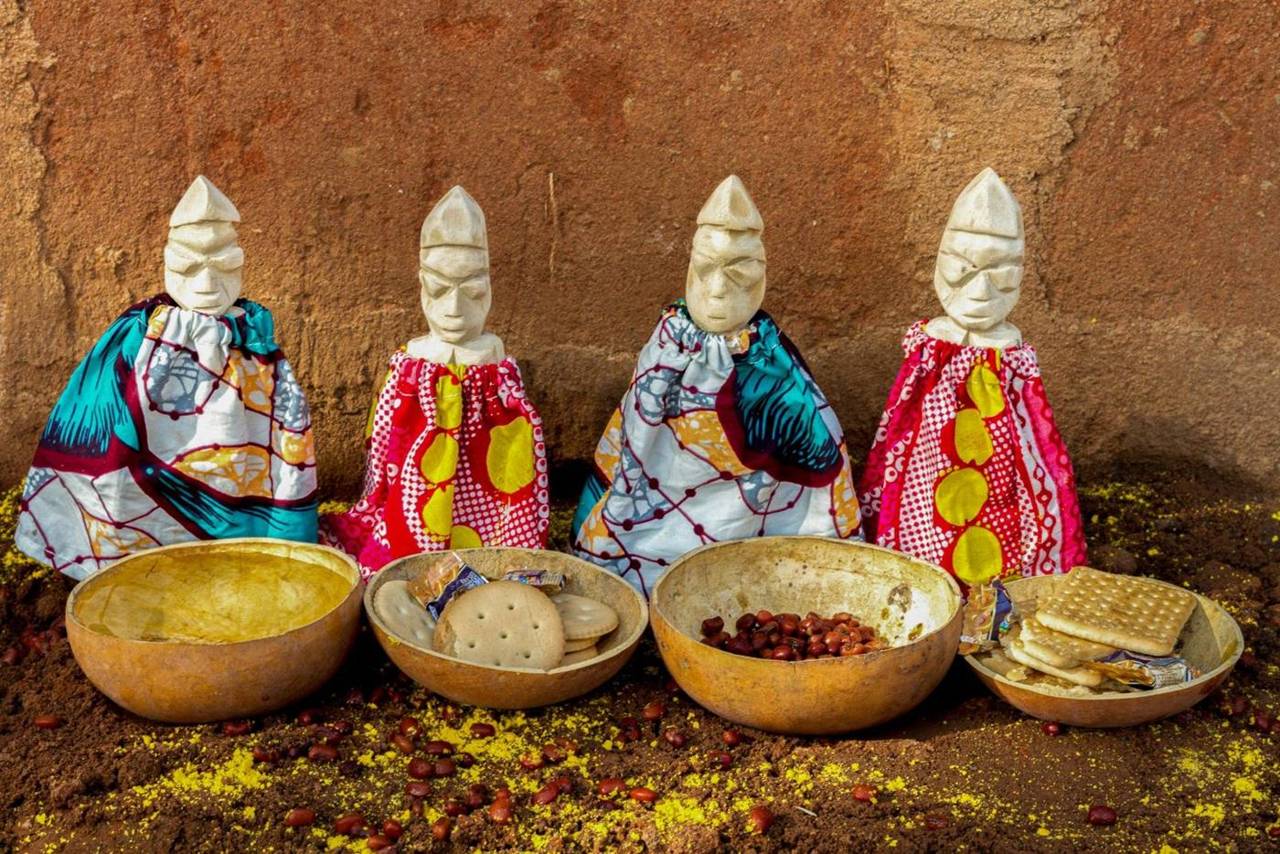
Or visit the Abomey market, where spices, fruit, colourful pagne cloths and objects used in vodun ceremonies are sold, such as statuettes, shells and small gourds. Taste gari, toasted cassava flour, and roasted peanuts sold in small bags.
Then set off south. The drive takes about three hours. You reach Cotonou in the afternoon. If the royal treasures are on display in Cotonou, you can visit them before evening: check prices and times.
In four days you have seen the heart of the kingdom of Dahomey: the statue of Béhanzin, the royal palaces with their bas-reliefs and museum, the appliqué textiles, the 41 hills of Dassa-Zoumé with the Arigbo grotto and the vodun shrines linked to the kings.
When to go: the best period is from November to March, in the dry season. The roads are easier and the heat is less humid. Between December and February the harmattan may blow, the dry wind from the Sahara. From April to July come the long rains, and in autumn there is a second, shorter rainy season.
Practical tip: carry cash in CFA francs. Outside Cotonou cash machines that accept foreign cards are rare, so take out enough money before you leave the city.
A journey into the history of one of Africa's great kingdoms. Part of the palaces is under restoration: some rooms may be closed. The treasures returned in 2021 are shown in Cotonou or Abomey depending on the period.
Before you go
- Documents and visa
- Passport valid for at least the whole length of your stay and a compulsory visa: the electronic visa is requested only on the official website evisa.bj, a few days in advance. Beware of unofficial websites offering visas for Benin. A return ticket is also required.
- Health and vaccines
- Yellow fever vaccination is compulsory to enter Benin: since September 2026 the certificate is no longer routinely checked on arrival, but it can be requested, so always carry it. Malaria prevention is recommended, after medical advice; dengue is also present. Healthcare facilities are basic: you need insurance covering medical costs and repatriation. Drink only bottled water.
- Money and payments
- West African CFA franc, with a fixed exchange rate to the euro. Almost everything is paid in cash; cards work mainly in large hotels and cash machines accepting foreign cards are rare outside Cotonou.
- Power sockets
- Type C and E, 220 volts: you need an adapter for British plugs.
- Time zone
- UTC+1 all year.
- Safety
- The north is advised against by the UK, the United States and Italy because of terrorism and kidnapping: the W and Pendjari parks and nearby hunting zones, the borders with Burkina Faso and Niger, Kandi, Tanguiéta, Malanville and the north-eastern border with Nigeria. The UK also advises against all but essential travel to the rest of Alibori and Atacora and to the area between the RNIE 2 road, from Tchaourou to Malanville, and Nigeria. The south is calmer; in Cotonou watch out for theft in crowded markets such as Dantokpa and in the outskirts after dark. Official advice: GOV.UK.
Information checked in November 2026 for Italian and EU citizens. Rules change: always check before you travel.
Variations
In 3 days: only Abomey and the royal palaces, without Dassa-Zoumé.
In 6 days: add Ouidah, with the Slave Route and the Python Temple, on the way back to Cotonou.
Frequently asked questions
Are the royal palaces of Abomey open?
Yes, but part of the palaces is under restoration and some rooms may be closed. Check prices and times before your visit. The treasures returned by France in 2021 may be on display in Abomey or in Cotonou depending on the period.
Are Abomey and Dassa-Zoumé safe?
They are in the centre and south of Benin, far from the northern areas advised against by Italy, the UK and the United States. Still, check the current advice before you go.
What documents do I need for Benin?
Italian citizens enter with a passport and an electronic visa, to be requested only on the official website evisa.bj. Yellow fever vaccination is compulsory: always carry the certificate. Other nationalities should check their own rules.
Indicative itinerary written by World Atlas. Before booking, check timetables, seasonal openings, documents and safety.
 3 daysEasy
Grand-Popo and the Bouche du Roy
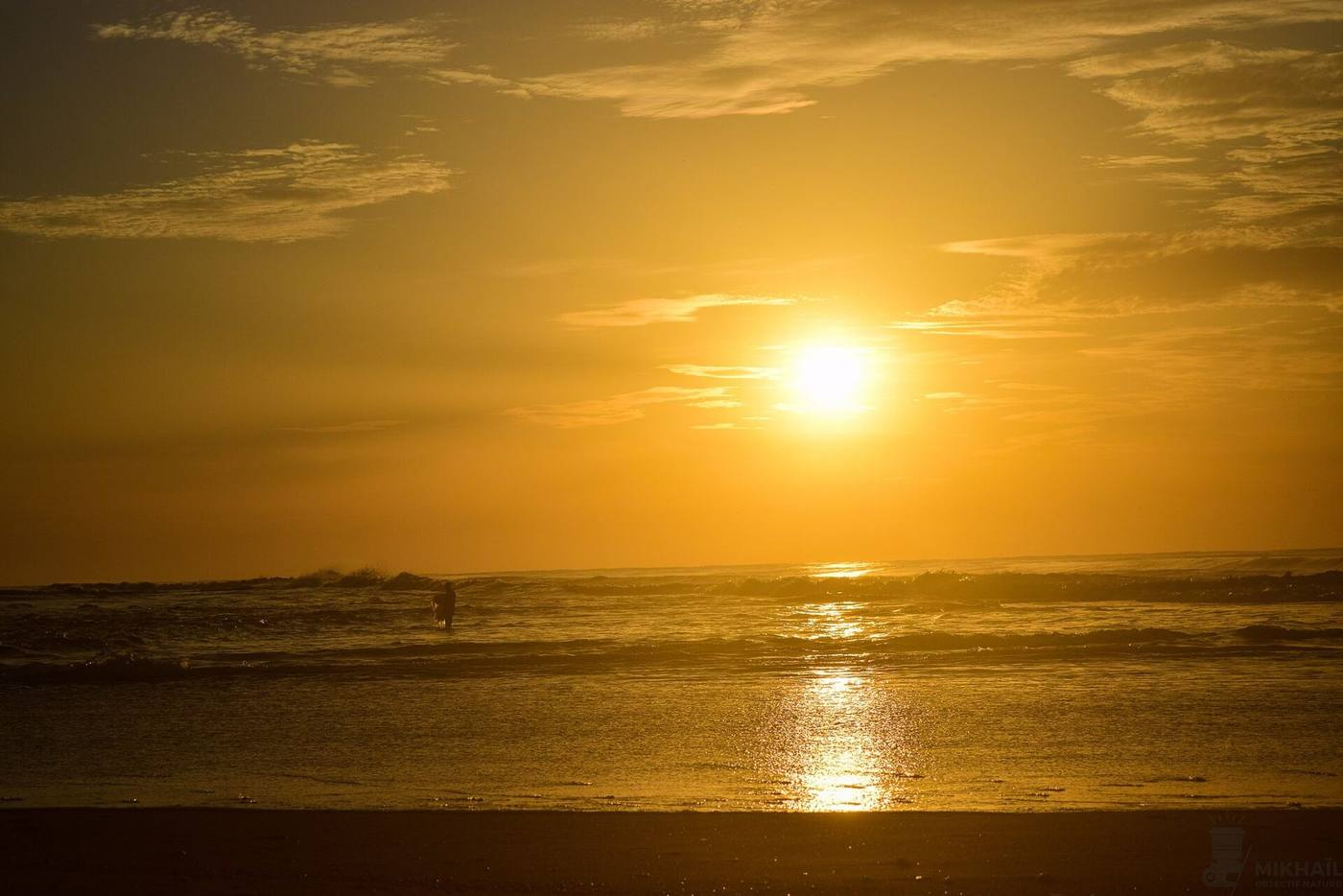
The quiet coast towards Togo: the palm-lined beaches of Grand-Popo, the boat through the lagoon among mangroves and fishing villages to the Bouche du Roy, where the Mono River meets the ocean.
 2 daysEasy
Lake Ahémé and Possotomé
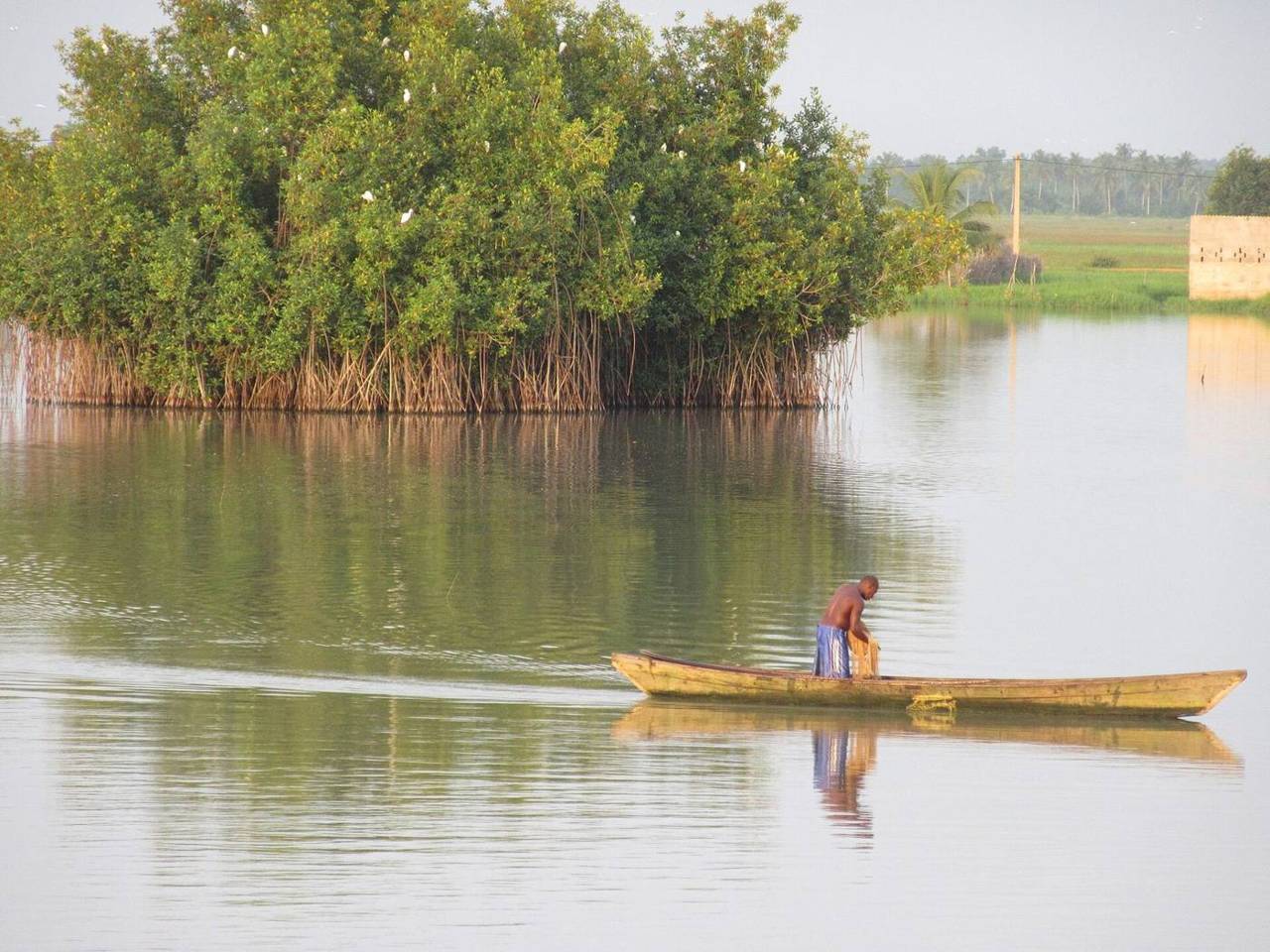
Lake Ahémé with its fishermen and their branch traps, the acadja, the village of Possotomé with its spring and walks among medicinal plants and vodun ceremonies.
 3 daysEasy
Ouidah's Vodun Days
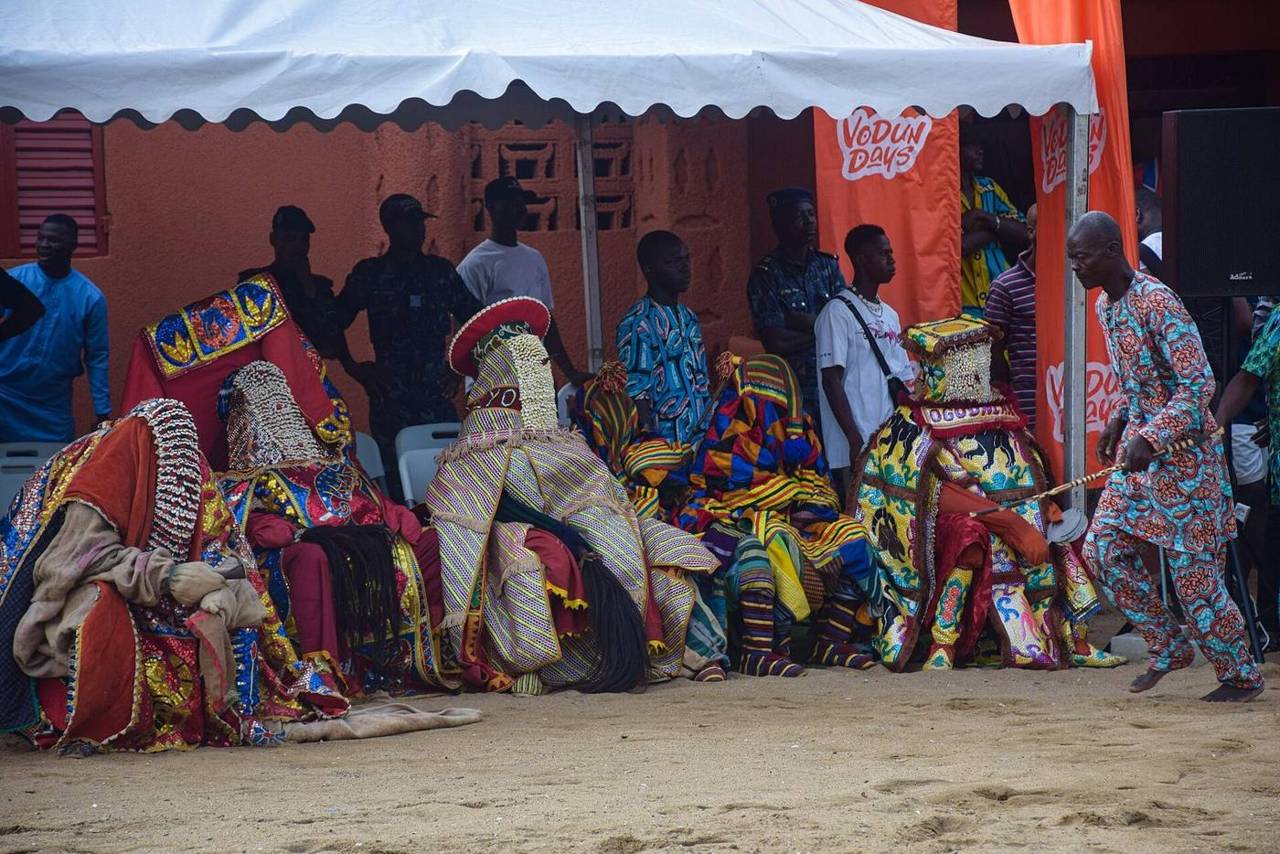
The great national vodun festival in early January in Ouidah, lasting a week from 2027: ceremonies, egungun and zangbeto masks, dances on the beach beside the Door of No Return and the Slave Route.