Ouidah's Vodun Days
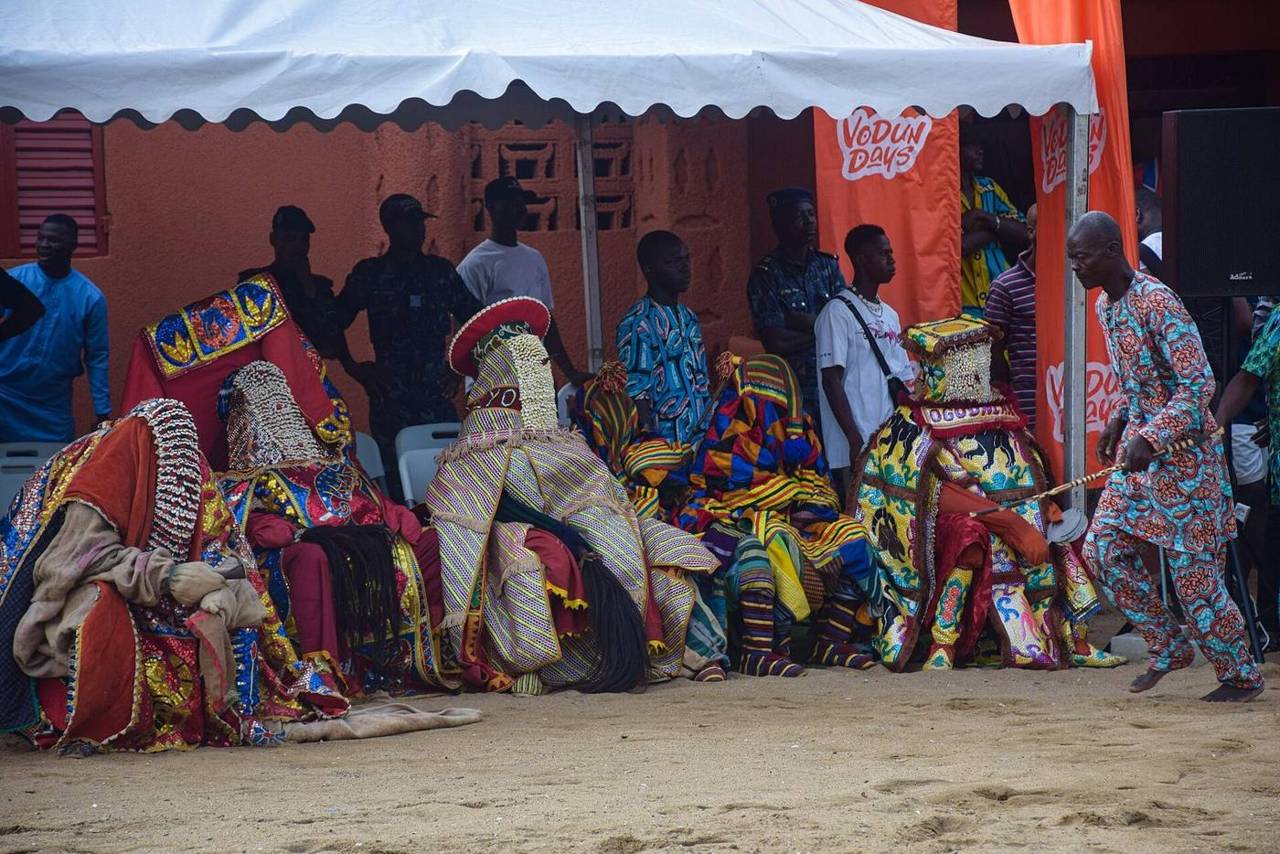
The great national vodun festival in early January in Ouidah, lasting a week from 2027: ceremonies, egungun and zangbeto masks, dances on the beach beside the Door of No Return and the Slave Route.
- Cotonou
- Ouidah
- Door of No Return
Day by day
- Day 1
Arrival in Ouidah and the Slave Route
This trip takes you to Ouidah during the Vodun Days, the great national festival of vodun, with ceremonies, egungun and zangbeto masks, dancing and drums on the beach next to the Door of No Return. In 2027, according to the government of Benin, the Vodun Days take place in Ouidah from 2 to 9 January, a whole week instead of the three days of previous editions. You travel by car with a driver from Cotonou and on foot.
Before you go: Italian citizens enter Benin with a passport, valid for the whole length of the stay, and an electronic visa, to be requested only on the official website evisa.bj a few days before departure. Yellow fever vaccination is compulsory: since September 2026 the certificate is no longer routinely checked on arrival, but it can be requested, so always carry it. Talk to your doctor about malaria prevention. Other nationalities should check their own rules. Italy, the UK and the United States advise against the north of the country, with the W and Pendjari parks and the borders with Burkina Faso and Niger, because of terrorism and kidnapping: this trip stays in the south, far from those areas.
From Cotonou you reach Ouidah in about an hour. In the afternoon walk the Slave Route, about four kilometres of dirt road from the town to the beach: the auction square, the tree of forgetting, around which captives had to walk to forget their homeland, and the Zoungbodji memorial. At the end stands the Door of No Return, a large arch on the beach in memory of the people deported to the Americas.
Sleep in Ouidah, for two nights.
Practical tip: during the festival accommodation in Ouidah is full. Book months in advance, or sleep in Cotonou.
- Day 2
The festival and the ceremonies on the beach
Today you experience one of the days of the Vodun Days, the festival that brings together priests, followers, families and visitors from all over Benin and many other countries.
Vodun is a living religion, practised by millions of people in Benin and neighbouring Togo, and carried to the Americas by enslaved Africans: from here come the African-rooted religions of Haiti, Brazil and Cuba. Vodun has many deities, linked to the sea, the earth, thunder and iron, and the ancestors play a central role.
In the morning ceremonies begin in the convents and shrines of the town, with songs, drums and offerings. Later the festival moves towards the beach, near the Door of No Return, where the large public celebrations take place. You see the egungun pass by, masks representing the spirits of the ancestors, covered in colourful fabric from head to toe, spinning around and running through the crowd. Then come the zangbeto, the guardians of the night, large cones of straw that move and turn without anyone seeing who is inside.
The programme changes every year: check the official programme published by the government of Benin.
In the evening the music continues in town, with concerts and dancing.
Sleep in Ouidah.
Practical tip: never touch the egungun masks and let them pass: according to tradition, contact is dangerous. Always ask before photographing ceremonies and priests, and follow the instructions of the organisers. Bring water and a hat, as you may stand in the sun for hours.
- Day 3
The Python Temple and back to Cotonou
Today you visit the sacred places in the centre of Ouidah, then return to Cotonou.
In the morning enter the Python Temple, opposite the Basilica of the Immaculate Conception. The royal python is sacred to the vodun of Ouidah and lives in a small shrine surrounded by a courtyard. The keeper may place one on your shoulders: it is a harmless snake. The closeness of the temple and the basilica shows well how religions live side by side in Benin. Check prices and times.
Then walk to the Kpassè sacred forest, a wood where, according to tradition, King Kpassè turned into a tree. Among the trees there are metal and concrete statues representing the vodun deities. A guide explains the meaning of each one.
If it is open, visit the Ouidah History Museum, in the old Portuguese fort, which tells the story of the slave trade and the links with Brazil. Check first whether it is open, and check prices and times.
In the afternoon you return to Cotonou.
In three days you have experienced the vodun festival in Ouidah: the Slave Route and the Door of No Return, the ceremonies, the egungun and zangbeto on the beach, the Python Temple and the Kpassè forest.
When to go: the Vodun Days take place at the beginning of January; in 2027 from 2 to 9 January. The exact dates should be checked every year on the official website of the government of Benin. January is in the dry season, with heat and sometimes the harmattan.
Practical tip: in the crowd keep your phone and money in a closed pocket in front of you.
A unique moment to understand vodun, a living religion in Benin. Crowds and full lodgings: book months ahead and check the exact dates each year.
Before you go
- Documents and visa
- Passport valid for at least the whole length of your stay and a compulsory visa: the electronic visa is requested only on the official website evisa.bj, a few days in advance. Beware of unofficial websites offering visas for Benin. A return ticket is also required.
- Health and vaccines
- Yellow fever vaccination is compulsory to enter Benin: since September 2026 the certificate is no longer routinely checked on arrival, but it can be requested, so always carry it. Malaria prevention is recommended, after medical advice; dengue is also present. Healthcare facilities are basic: you need insurance covering medical costs and repatriation. Drink only bottled water.
- Money and payments
- West African CFA franc, with a fixed exchange rate to the euro. Almost everything is paid in cash; cards work mainly in large hotels and cash machines accepting foreign cards are rare outside Cotonou.
- Power sockets
- Type C and E, 220 volts: you need an adapter for British plugs.
- Time zone
- UTC+1 all year.
- Safety
- The north is advised against by the UK, the United States and Italy because of terrorism and kidnapping: the W and Pendjari parks and nearby hunting zones, the borders with Burkina Faso and Niger, Kandi, Tanguiéta, Malanville and the north-eastern border with Nigeria. The UK also advises against all but essential travel to the rest of Alibori and Atacora and to the area between the RNIE 2 road, from Tchaourou to Malanville, and Nigeria. The south is calmer; in Cotonou watch out for theft in crowded markets such as Dantokpa and in the outskirts after dark. Official advice: GOV.UK.
Information checked in November 2026 for Italian and EU citizens. Rules change: always check before you travel.
Variations
In 2 days: arrive on the morning of the main festival day and leave the next day, sleeping in Cotonou.
In 6 days: add Cotonou, the stilt village of Ganvié and Porto-Novo.
Frequently asked questions
When are the Vodun Days?
At the beginning of January in Ouidah. In 2027, according to the government of Benin, from 2 to 9 January. Check the dates and the official programme every year.
Can I photograph vodun ceremonies?
Always ask first. Some ceremonies and some shrines cannot be photographed. Do not touch the egungun masks and follow the instructions of the priests and organisers.
What documents do I need for Benin?
Italian citizens enter with a passport and an electronic visa, to be requested only on the official website evisa.bj. Yellow fever vaccination is compulsory: always carry the certificate. Other nationalities should check their own rules.
Indicative itinerary written by World Atlas. Before booking, check timetables, seasonal openings, documents and safety.
 5 daysEasy
The coast and Ouidah
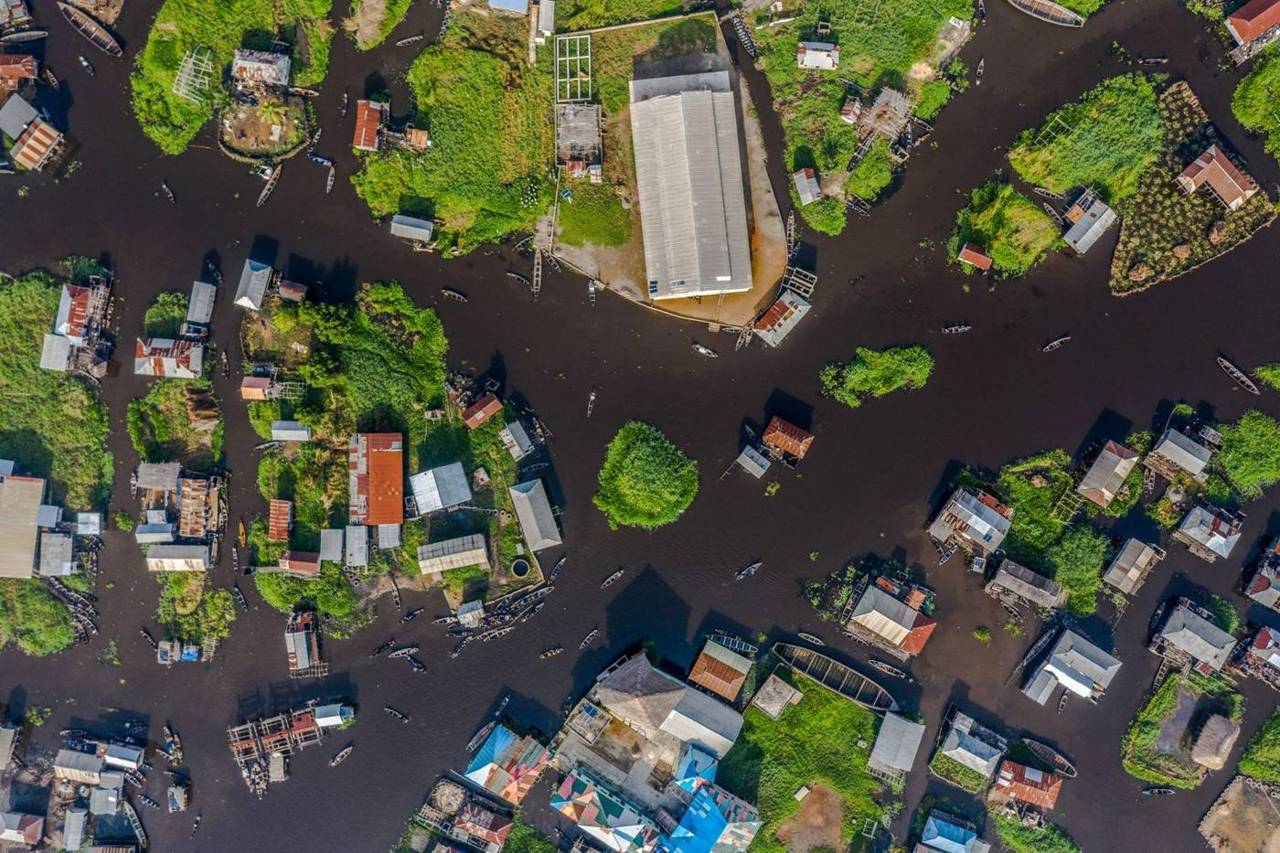
Cotonou, the lake village of Ganvié on stilts, Ouidah with the python temple and the Door of No Return, and Porto-Novo.
 4 daysEasy
Abomey and the royal palaces
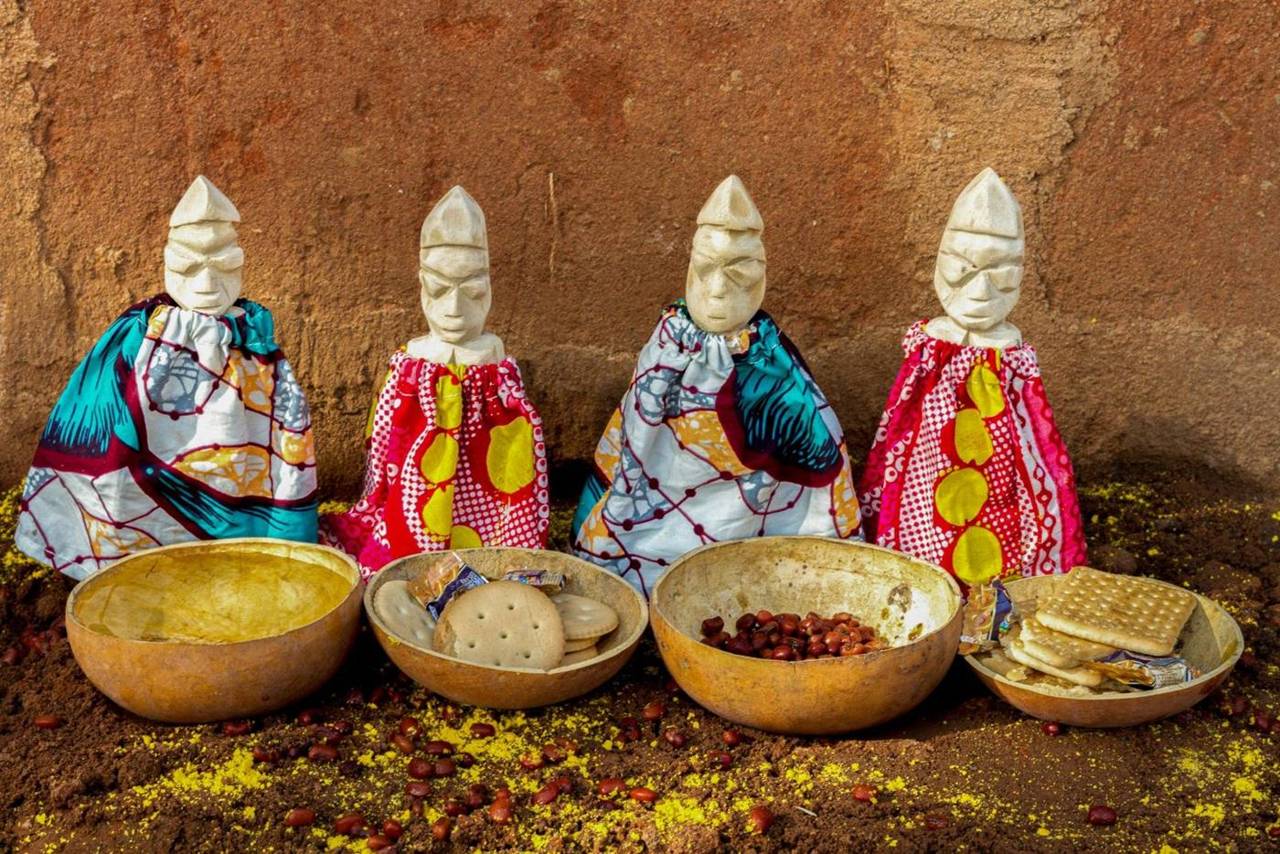
The UNESCO royal palaces of the Kingdom of Dahomey with their bas-reliefs, the treasures returned by France and the hills of Dassa.
 3 daysEasy
Grand-Popo and the Bouche du Roy
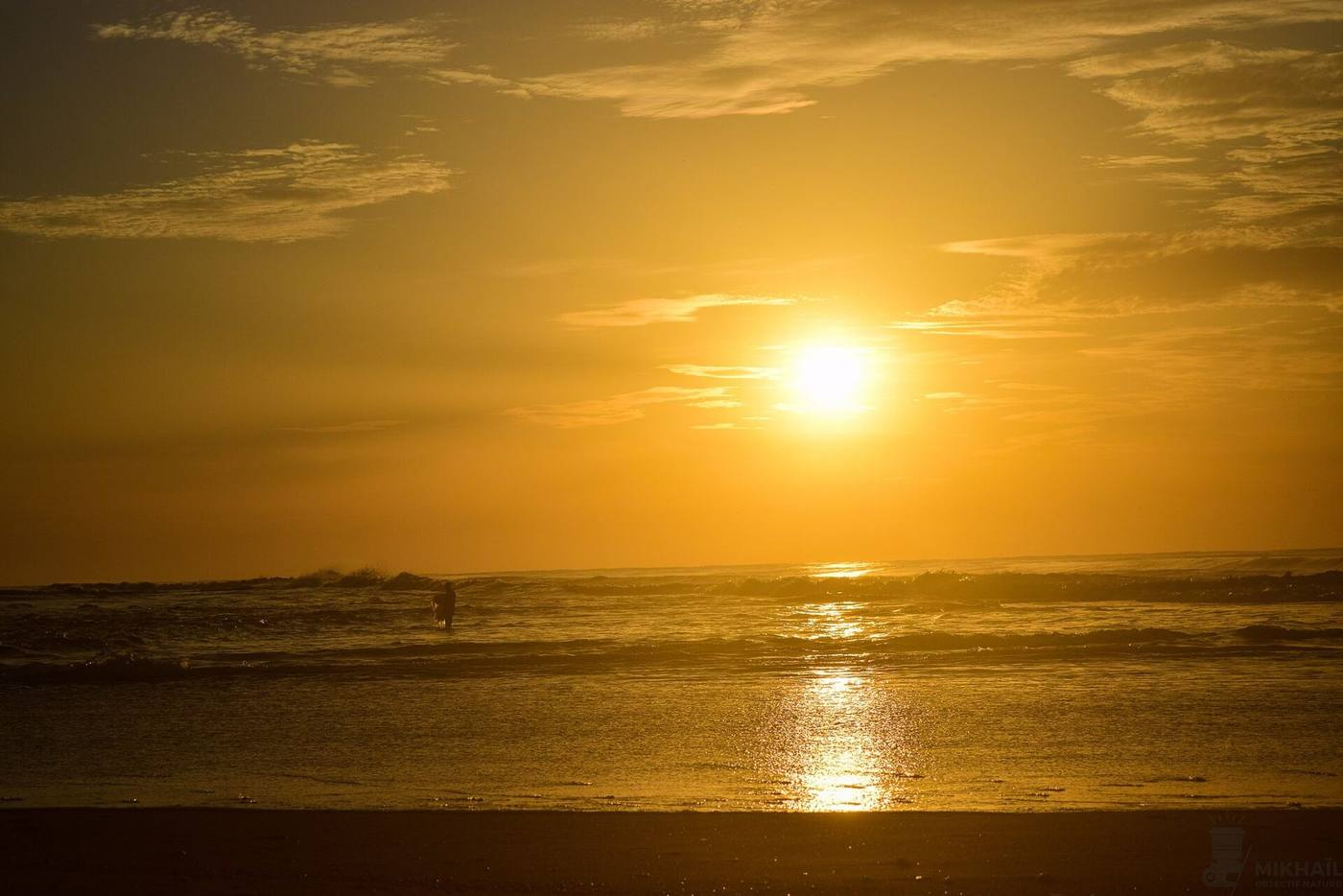
The quiet coast towards Togo: the palm-lined beaches of Grand-Popo, the boat through the lagoon among mangroves and fishing villages to the Bouche du Roy, where the Mono River meets the ocean.