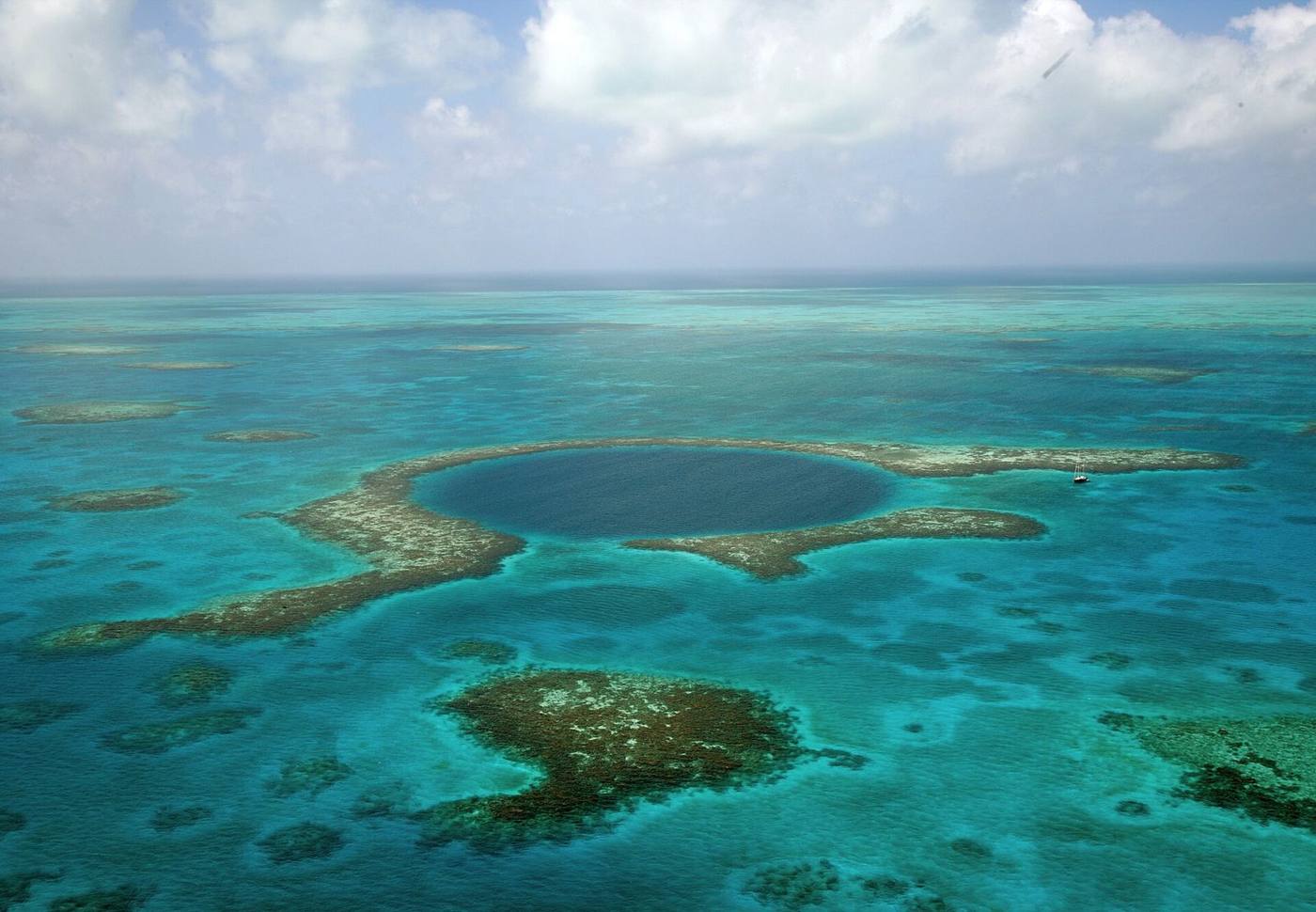
The Great Blue Hole
The world's most famous marine sinkhole in Lighthouse Reef atoll, with dives among stalactites at 40 metres, Half Moon Caye and its red-footed boobies.
- Caye Caulker
- Great Blue Hole
- Half Moon Caye
Day by day
- Day 1
By boat to the Great Blue Hole and Half Moon Caye
This short trip is devoted to the Great Blue Hole, the most famous marine sinkhole in the world, in the Lighthouse Reef atoll, from Caye Caulker.
Before you go: Italian citizens enter Belize without a visa for stays of up to 30 days, with a valid passport; many airlines ask for at least six months' validity. Other nationalities should check their own rules. The United States advises increased caution because of crime, especially in Belize City. Since 1 November 2026 a state of emergency has been in force in parts of Belize City, including the road from the airport towards Ladyville: travel by day, in a licensed taxi, or fly from the airport straight to Caye Caulker.
The boat leaves very early, at first light. It takes two or three hours across open sea to reach Lighthouse Reef. The Blue Hole is a dark blue circle about 300 metres across and more than 120 metres deep, an ancient collapsed cave. Jacques Cousteau made it famous in the 1970s, and it is part of the Belize Barrier Reef, a UNESCO World Heritage Site.
The dive goes down the wall to about 40 metres, among huge stalactites, and lasts only a few minutes at depth. You need an advanced certification and experience of deep diving. Snorkellers stay on the coral rim.
Then the boat goes to Half Moon Caye, a protected island where red-footed boobies and frigatebirds nest; from a platform among the trees you see the colony up close. Check prices and times, including the protected area fee.
Practical tip: choose only registered operators, with boats in good condition, and take a seasickness tablet before you leave and eat lightly; the return trip, with the afternoon wind, can be very rough.
- Day 2
A rest day on Caye Caulker
Today you stay on Caye Caulker, a small, quiet island on the barrier reef, where the motto is "go slow". After a deep dive it is also the right day not to fly: wait at least twenty-four hours.
In the morning walk along the sand streets, where people get around on foot, by bicycle or by golf cart, among brightly painted wooden houses, fishermen and boats. Have breakfast with fry jacks, fried bread, and tropical fruit.
Then go to the Split, at the northern end of the village, the channel opened by Hurricane Hattie in 1961 that divides the island in two. Here the water is shallow and calm, good for a swim and for watching the sunset later.
In the afternoon hire a kayak or a paddleboard and paddle along the sheltered shore towards the mangroves, where young fish swim and sometimes manatees. Anyone who does not dive can take a scenic flight today in a small plane over the Blue Hole: from above, the blue circle in the pale lagoon is the finest sight of all. Check prices and times.
In the evening eat lobster, if it is in season, or grilled fish with rice and beans.
In these two days you have seen the Great Blue Hole and its stalactites, the boobies of Half Moon Caye and the slow life of Caye Caulker. It is a dive worth telling people about, technical and short, with many hours on the boat.
When to go: from April to June the sea is usually calmer; from December to April there is less rain. June to November is the hurricane season.
Practical tip: lobster fishing in Belize is closed for some months every year; during that period do not order it, out of respect for the rule and the stocks.
A dive to talk about, but technical and short: an advanced certification and experience are needed. The boat ride is 2-3 hours each way. Non-divers can fly over it in a small plane.
Before you go
- Documents and visa
- Valid passport, ideally with at least six months' validity, as many airlines require; no visa is needed for stays of up to 30 days, which can be extended for a fee at an immigration office. If you leave by land or by sea for Mexico or Guatemala, you pay a departure tax.
- Health and vaccines
- The WHO certified in 2023 that Belize had eliminated malaria, but in 2025 there were local cases in Cayo District near Guatemala. There is a risk of dengue, chikungunya and Zika: protect yourself from mosquitoes during the day too. Drink bottled water. Emergencies: 911.
- Money and payments
- Belize dollar, pegged to the US dollar, which is accepted almost everywhere. Carry cash for villages and boat trips; cards work at accommodation and in tourist areas.
- Power sockets
- Types A, B and G, 110 or 220 volts: bring a universal adapter and check the voltage.
- Time zone
- UTC-6 all year.
- Safety
- The United States advises increased caution across the country because of crime, with a higher risk in Belize City, especially south of Haulover Creek. Since 1 November 2026 the government has declared a state of emergency in parts of Belize City and the Belize and Cayo Districts: expect checkpoints and always carry ID. The United Kingdom reports armed criminals in remote forest near the Guatemalan border. For boat trips and diving use only registered operators. Official advice: GOV.UK.
Information checked in November 2026 for Italian and EU citizens. Rules change: always check before you travel.
Variations
Shorter: just the boat day, leaving from Caye Caulker or San Pedro.
Longer: add three days on the reef, with snorkelling at Hol Chan and Shark Ray Alley.
Frequently asked questions
Do you need a certification for the Blue Hole?
For the dive, yes: you need an advanced certification and experience of deep diving, because you go down to about 40 metres. Non-divers snorkel on the rim or see it from the air.
How long is the boat trip?
It takes a full day: two or three hours at sea each way, with the dives and the stop at Half Moon Caye.
Can you fly the day after diving?
It is best to wait at least twenty-four hours after a deep dive. That is why the second day is a rest day.
Indicative itinerary written by World Atlas. Before booking, check timetables, seasonal openings, documents and safety.
 4 daysEasy
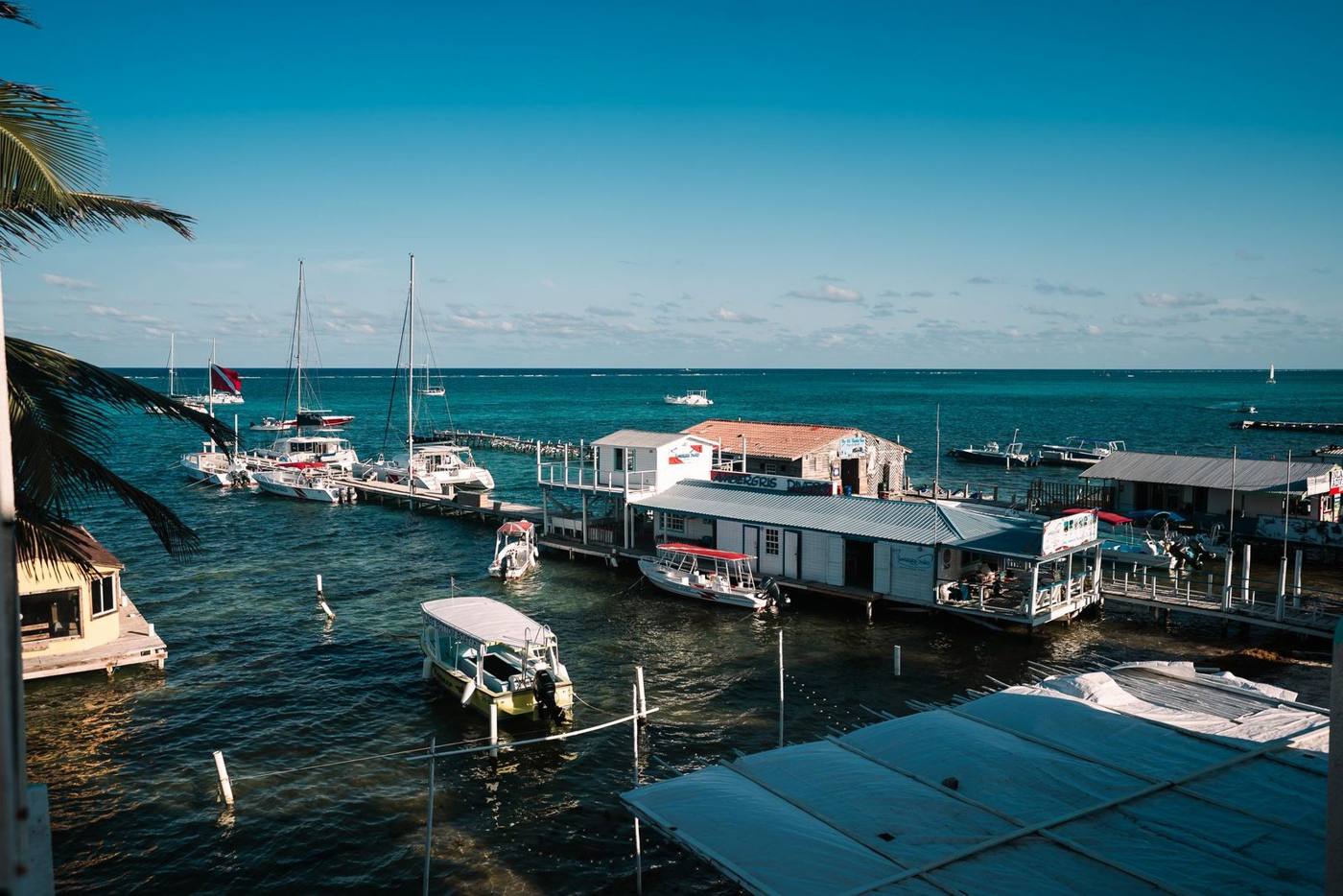
Ambergris Caye
Belize's largest island: San Pedro, snorkelling at Hol Chan and Shark Ray Alley with nurse sharks and rays, and the northern beaches by golf cart.
 3 daysEasy
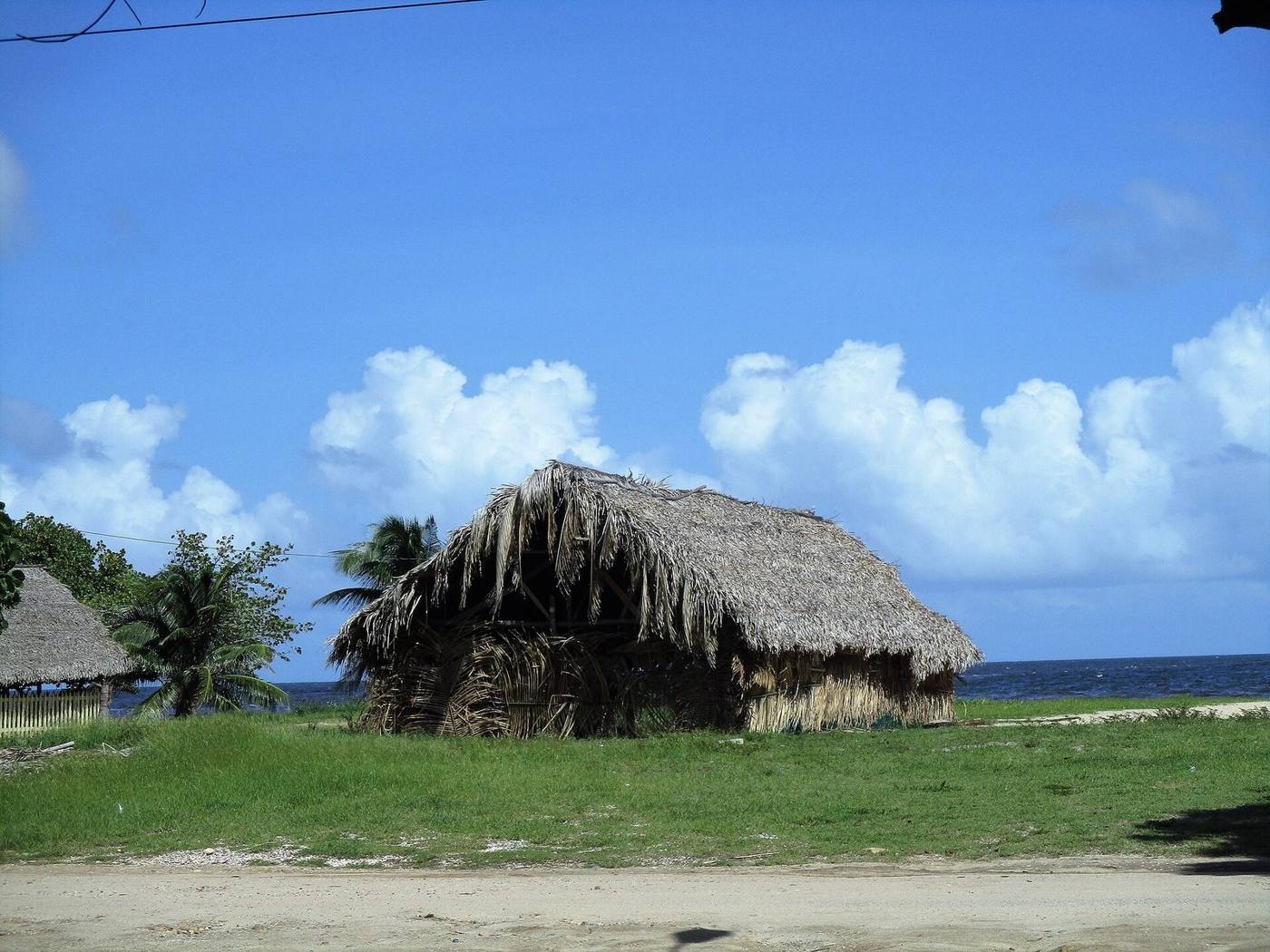
Hopkins and Garifuna culture
The seaside Garifuna village, with drumming lessons, hudut fish and plantain stew, and on 19 November the festival marking the Garifuna arrival.
 2 daysModerate
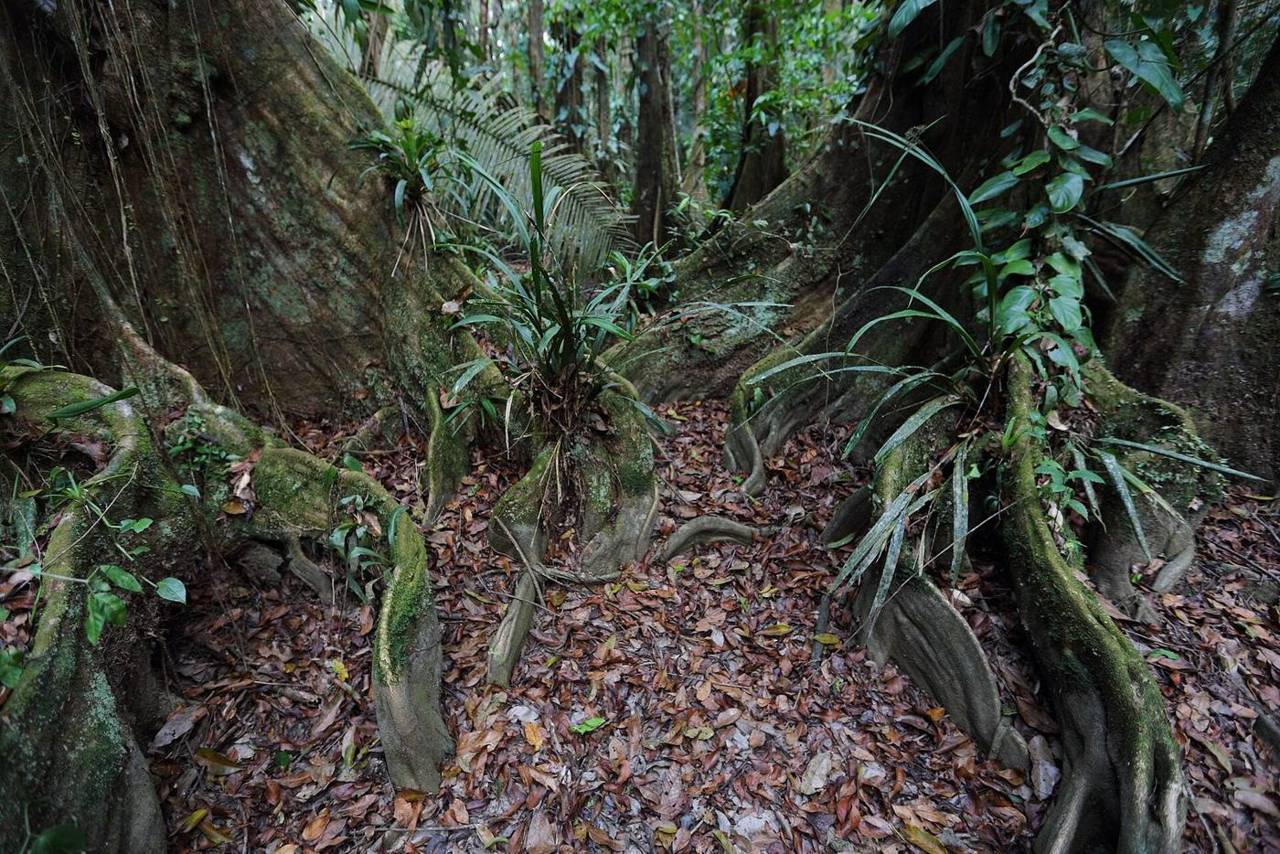
Cockscomb and the jaguars
The world's first reserve created for the jaguar, with forest trails, waterfalls, river tubing and the climb to Ben's Bluff.