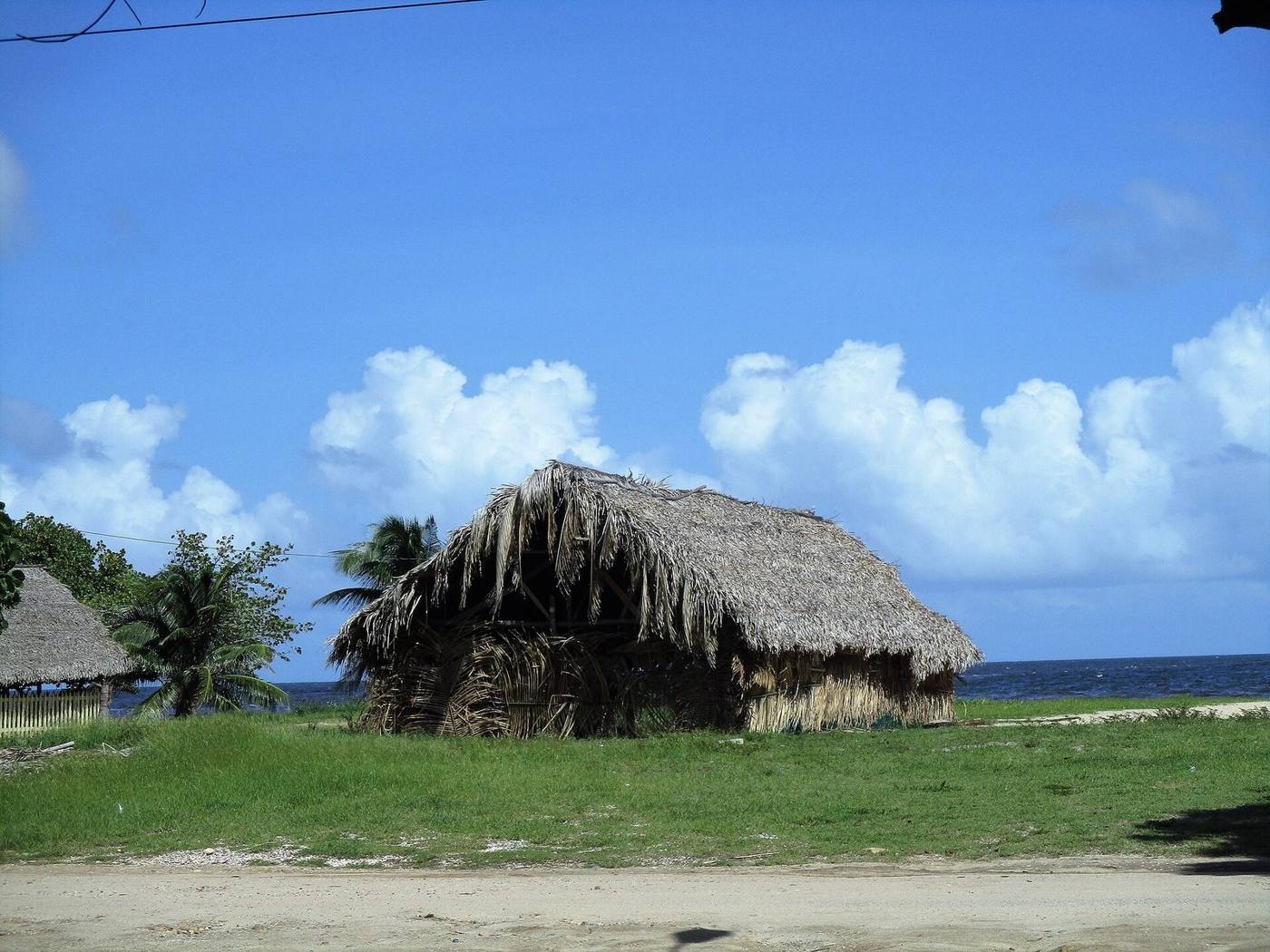
Hopkins and Garifuna culture
The seaside Garifuna village, with drumming lessons, hudut fish and plantain stew, and on 19 November the festival marking the Garifuna arrival.
- Dangriga
- Hopkins
Day by day
- Day 1
Dangriga and arrival in Hopkins
This trip is devoted to Garifuna culture, in the coastal villages of Stann Creek District: Dangriga, the main Garifuna town, and Hopkins, a fishing village by the sea. Three days of drums, cooking and beach.
Before you go: Italian citizens enter Belize without a visa for stays of up to 30 days, with a valid passport; many airlines ask for at least six months' validity. Other nationalities should check their own rules. The United States advises increased caution because of crime, with a higher risk in Belize City. Since 1 November 2026 a state of emergency has been in force in parts of Belize City, including the road from the airport towards Ladyville, and of Cayo District: the simplest way to avoid them is a short domestic flight from the international airport to Dangriga.
In Dangriga walk along the seafront and the river, among the fishing boats. Visit the town's Garifuna museum, which tells the story of this people: the Garifuna descend from Africans and Indigenous Caribbean people of the island of Saint Vincent. At the end of the eighteenth century the British deported them to the island of Roatán, in Honduras, and from there they settled along the coast of Central America, as far as Belize. Check prices and times.
In the afternoon take a taxi south to Hopkins, less than an hour away. The village is long and narrow, with a single road running parallel to the beach, wooden houses, children playing and boats pulled up on the sand.
At sunset walk on the beach and say hello: here everyone knows everyone, and visitors are welcomed calmly and kindly.
Practical tip: at sunset there are sandflies on the beach, tiny insects that bite your ankles; put on long trousers and repellent before the sun goes down.
- Day 2
Garifuna drums and cooking
Today you learn the music and cooking of the Garifuna, the heart of this trip. Garifuna language, music and dance are part of UNESCO's intangible cultural heritage.
In the morning take a drumming lesson with a musician from the village. Garifuna drums are hollowed out of a tree trunk and covered with skin: the primero, the smaller one, leads the rhythm and talks to the dancers; the segunda, the larger one, keeps the bass. You learn the basic rhythms, such as punta, the best-known dance, fast and cheerful, danced at parties. Lessons often include songs in the Garifuna language, which tell of the sea, work and the ancestors.
In the afternoon join a cooking lesson in a village home. The most famous dish is hudut: fish cooked in a spiced coconut milk broth, served with green and ripe plantain pounded in a large wooden mortar until it becomes a soft paste. You can also taste cassava bread, thin and crunchy, made according to a long tradition, and coconut sweets.
In the evening, if there is music, listen to the drums on the beach or in the village. At weekends it is easier to find a group playing.
Practical tip: always ask permission before photographing people and houses; and leave a tip or buy something from the craftspeople, because the lessons are often a family's livelihood.
- Day 3
Beach and departure
Today you enjoy the sea before leaving.
Early in the morning, when the sea is flat, hire a kayak and paddle along the coast, or swim in the warm, shallow water in front of the village. The barrier reef lies offshore, and some village fishermen take visitors snorkelling around the nearby cayes: ask in the village and check prices and times.
Then walk along the beach to the north or the south, among palms and colourful boats. Stop to buy a small drum, a seed necklace or a wooden carving from the village craftspeople.
At midday eat coastal dishes once more: fried fish, rice and beans cooked in coconut milk, or coconut bread.
In the afternoon go back to Dangriga for the domestic flight or to continue your journey.
In these three days you have got to know Garifuna culture: the story of its ancestors in Dangriga, the drums and punta, hudut and cassava bread, and the quiet life of Hopkins by the sea. It is a peaceful, welcoming village, where you feel good even doing nothing.
When to go: from February to May, in the dry season. On 19 November it is Garifuna Settlement Day, the great festival that remembers the arrival of the Garifuna on the coast of Belize, with a re-enactment of the landing by boat in Dangriga, and drums and dancing in every village. June to November is the hurricane season.
Practical tip: for 19 November book well in advance, because places to stay in Dangriga and Hopkins fill up quickly for the festival.
Garifuna culture is UNESCO heritage and the heart of this trip. A quiet, welcoming village. Sandflies on the beach at sunset.
Before you go
- Documents and visa
- Valid passport, ideally with at least six months' validity, as many airlines require; no visa is needed for stays of up to 30 days, which can be extended for a fee at an immigration office. If you leave by land or by sea for Mexico or Guatemala, you pay a departure tax.
- Health and vaccines
- The WHO certified in 2023 that Belize had eliminated malaria, but in 2025 there were local cases in Cayo District near Guatemala. There is a risk of dengue, chikungunya and Zika: protect yourself from mosquitoes during the day too. Drink bottled water. Emergencies: 911.
- Money and payments
- Belize dollar, pegged to the US dollar, which is accepted almost everywhere. Carry cash for villages and boat trips; cards work at accommodation and in tourist areas.
- Power sockets
- Types A, B and G, 110 or 220 volts: bring a universal adapter and check the voltage.
- Time zone
- UTC-6 all year.
- Safety
- The United States advises increased caution across the country because of crime, with a higher risk in Belize City, especially south of Haulover Creek. Since 1 November 2026 the government has declared a state of emergency in parts of Belize City and the Belize and Cayo Districts: expect checkpoints and always carry ID. The United Kingdom reports armed criminals in remote forest near the Guatemalan border. For boat trips and diving use only registered operators. Official advice: GOV.UK.
Information checked in November 2026 for Italian and EU citizens. Rules change: always check before you travel.
Variations
Shorter: two days in Hopkins, with the drumming and cooking lessons.
Longer: add two days in the nearby Cockscomb reserve, for the forest and the waterfalls.
Frequently asked questions
When is the Garifuna festival?
On 19 November, Garifuna Settlement Day: a re-enactment of the landing in Dangriga, with drums and dancing. Book well in advance.
Can you swim in Hopkins?
Yes, the sea in front of the village is usually shallow and calm. The barrier reef lies offshore and you reach it by boat.
How do you get to Hopkins?
The simplest way is a domestic flight to Dangriga and then a taxi of less than an hour. There are buses too, but with more changes.
Indicative itinerary written by World Atlas. Before booking, check timetables, seasonal openings, documents and safety.
 2 daysModerate
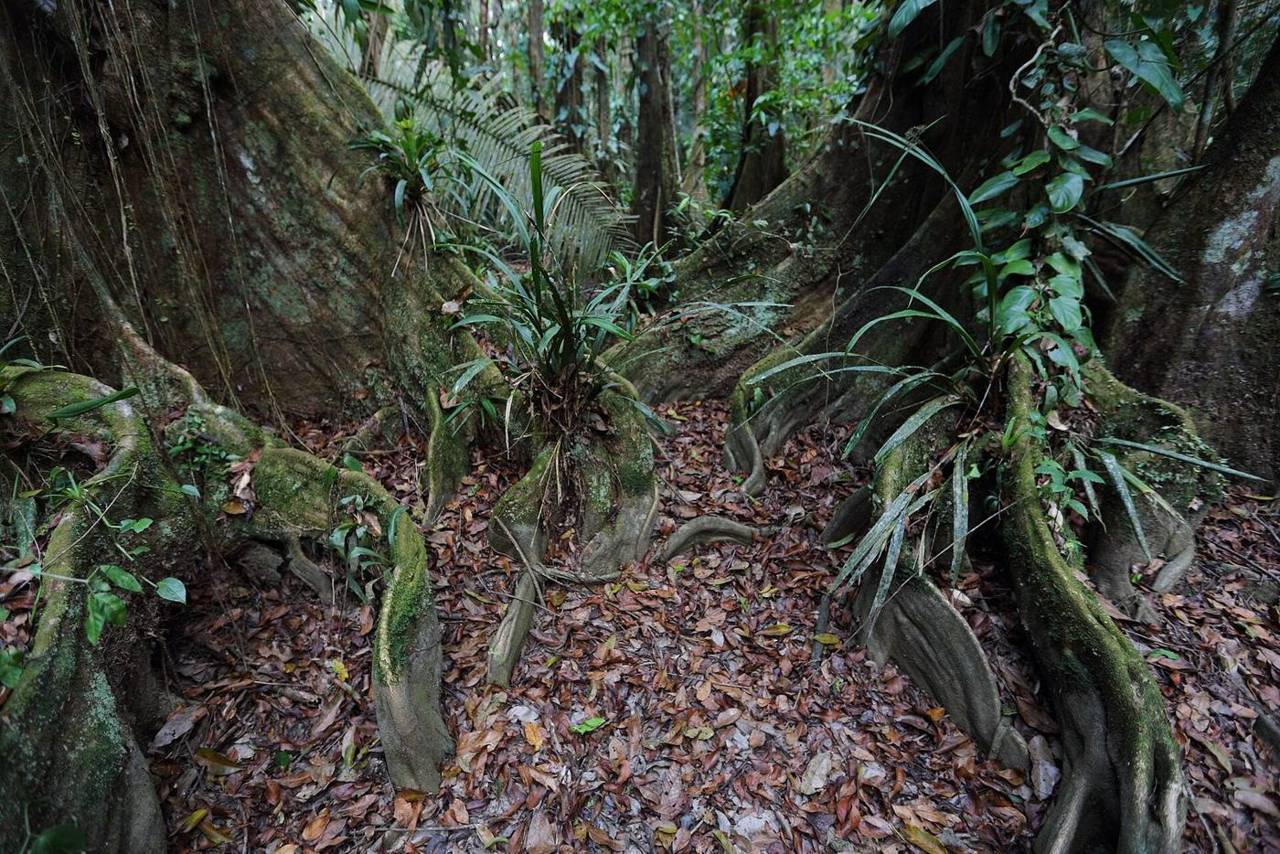
Cockscomb and the jaguars
The world's first reserve created for the jaguar, with forest trails, waterfalls, river tubing and the climb to Ben's Bluff.
 3 daysModerate
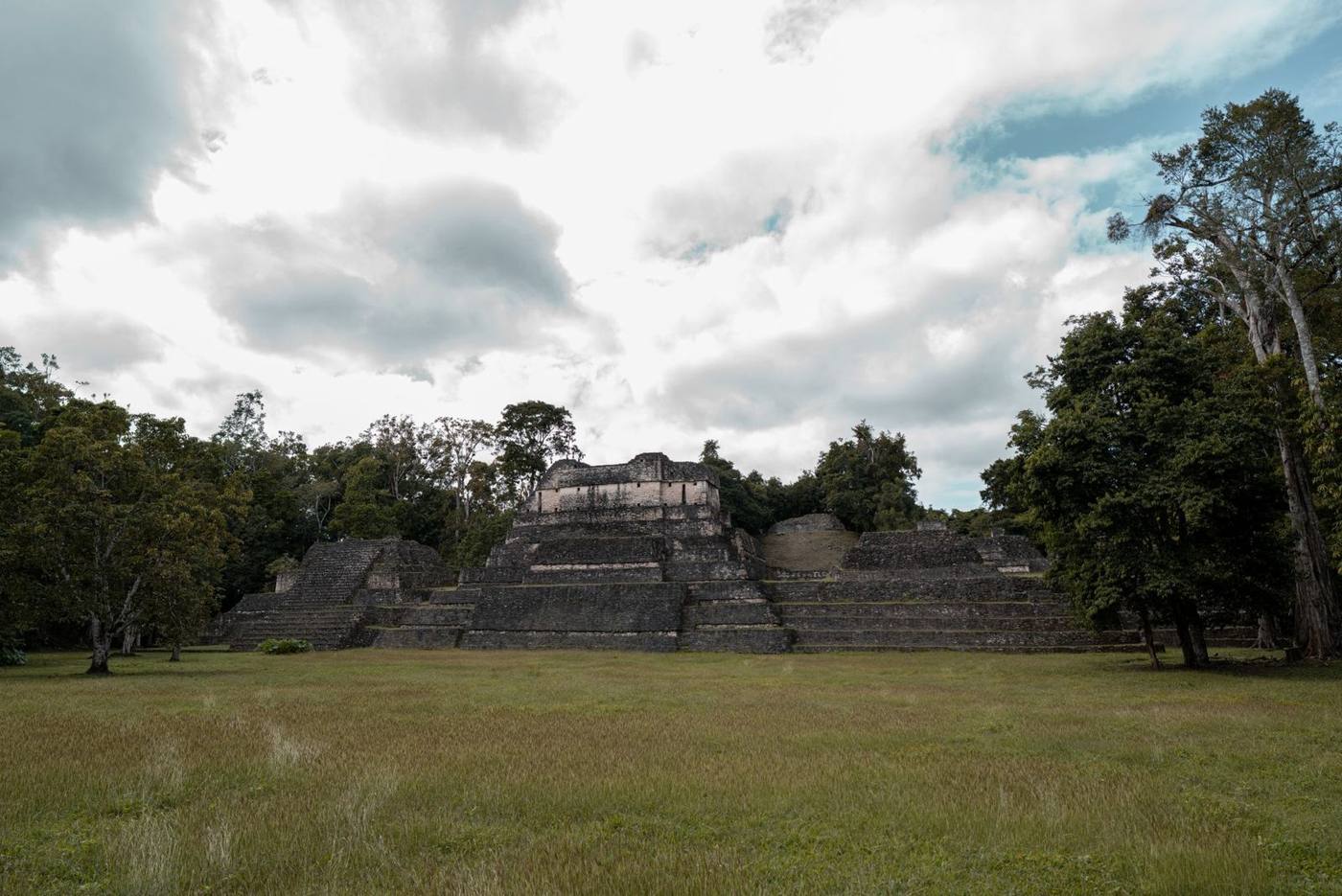
Mountain Pine Ridge and Caracol
The pine forests and waterfalls of Mountain Pine Ridge, the Río On pools, and the great Maya city of Caracol with Caana pyramid, Belize's tallest building.
 2 daysEasy
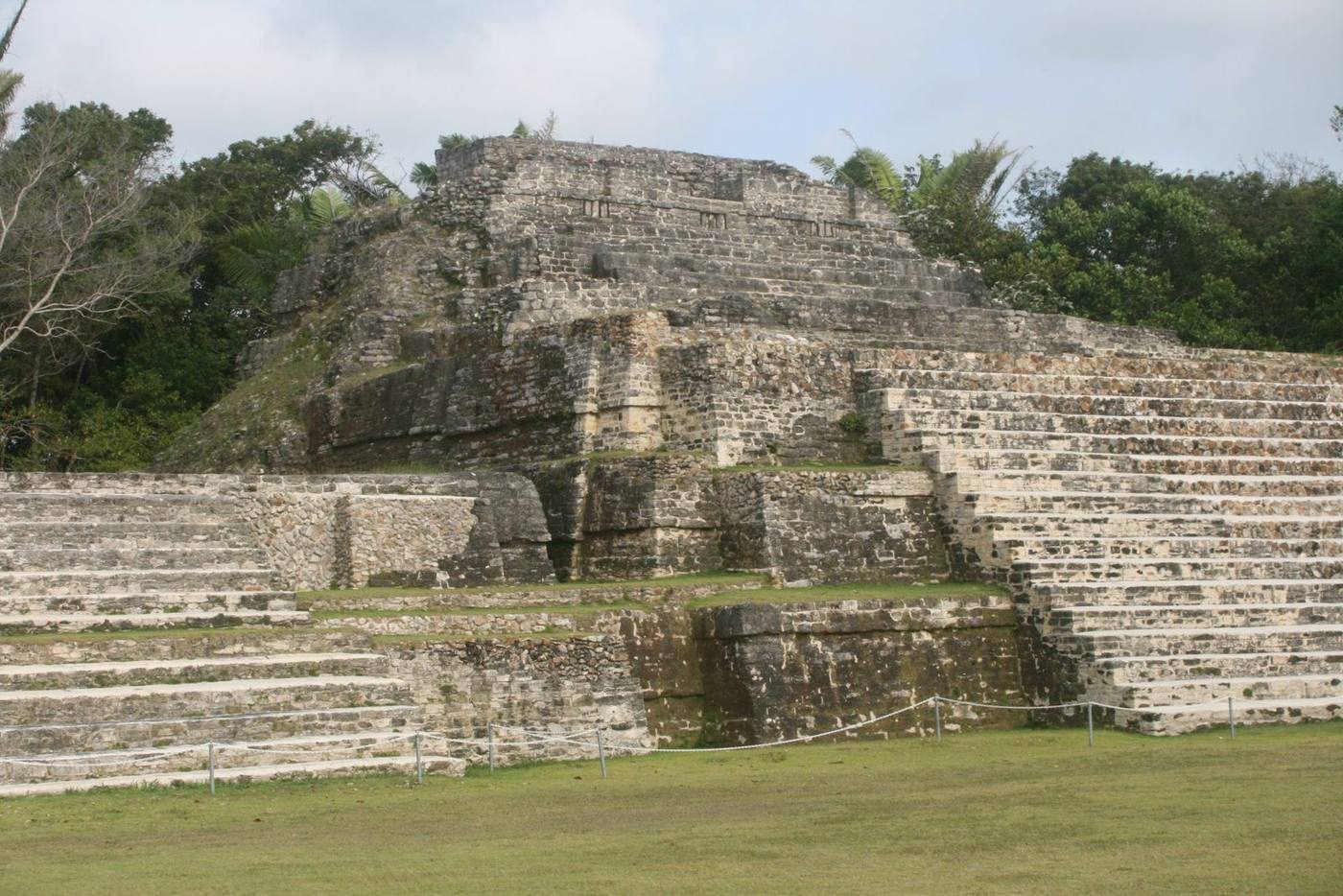
Lamanai and the New River
A boat ride up the New River among crocodiles and birds to Lamanai, a jungle Maya city with the Mask Temple and howler monkeys.