Lamanai and the New River
A boat ride up the New River among crocodiles and birds to Lamanai, a jungle Maya city with the Mask Temple and howler monkeys.
- Orange Walk
- New River
- Lamanai
Day by day
- Day 1
By boat up the New River to Lamanai
This trip combines a boat ride up the New River and Lamanai, one of the great Maya cities of Belize, hidden in the forest on the shore of a lagoon.
Before you go: Italian citizens enter Belize without a visa for stays of up to 30 days, with a valid passport; many airlines ask for at least six months' validity. Other nationalities should check their own rules. Italy's official travel advice strongly advises against the areas near the border with Guatemala: Lamanai is in the north of the country, far from those areas. The United States advises increased caution because of crime, with a higher risk in Belize City, where since 1 November 2026 a state of emergency has been in force in some districts and on the road from the airport towards Ladyville: if you come from there, travel by day.
In the morning leave from the jetty in Orange Walk Town. The boat travels upriver for about an hour and a half through reed beds, mangroves and forest. The guide slows down to show you Morelet's crocodiles, herons, jacanas walking on the leaves, kingfishers, iguanas and the small bats lined up on tree trunks. Along the bank you pass a Mennonite community, with its farms and wooden boats.
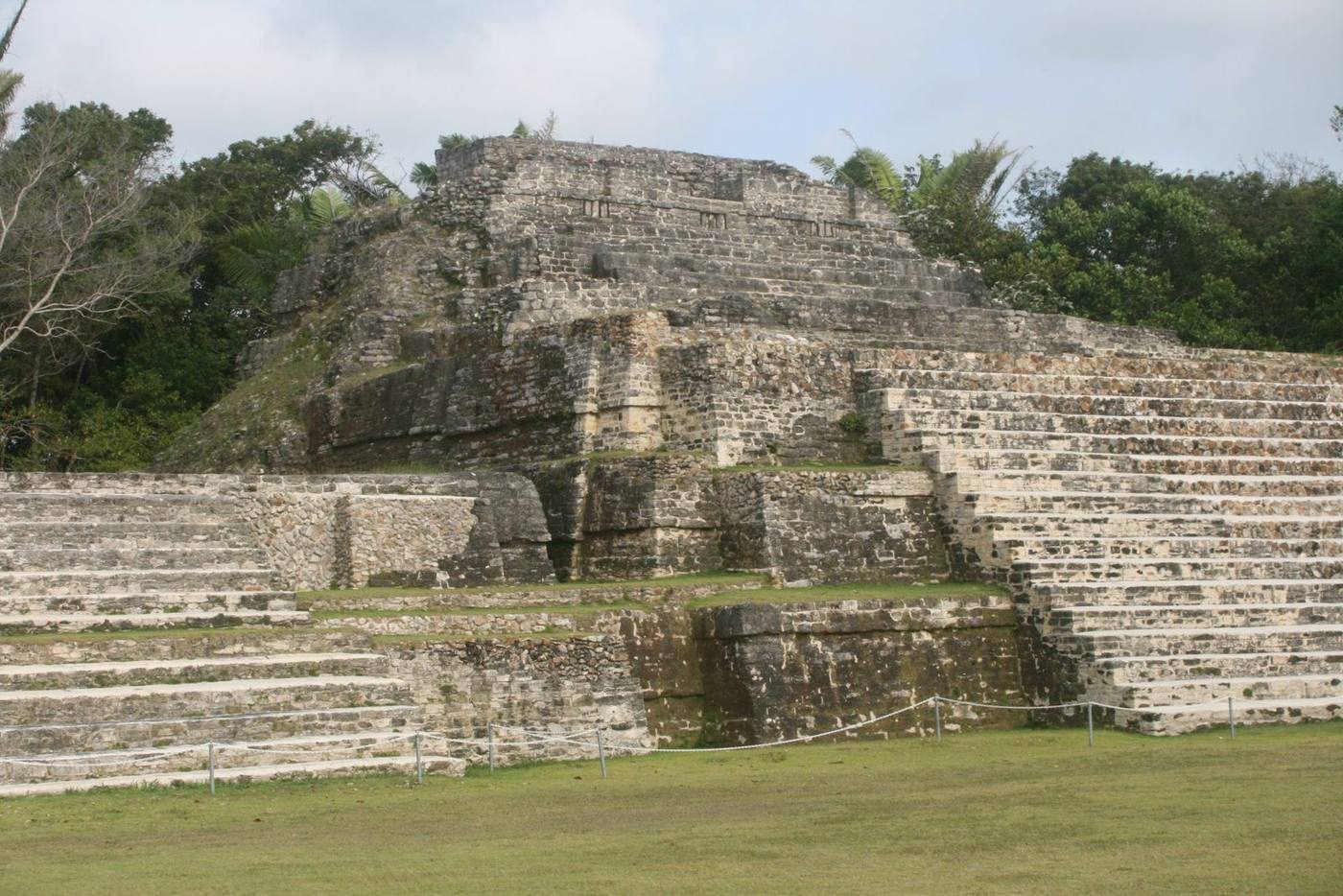
Lamanai, whose name comes from the Maya word for "submerged crocodile", was inhabited for many centuries and was still alive when the Spanish arrived. Visit the Mask Temple, with two large stone faces of a ruler, the High Temple, which towers over the forest, and the Jaguar Temple. There are also the ruins of a Spanish church and a small museum. Check prices and times.
Practical tip: bring repellent, a hat and water; on the boat the sun is strong and among the ruins there are plenty of mosquitoes.
- Day 2
The lagoon at dawn and the return
Today you see the forest and the river in the coolest hours, and then you head back.
If you slept near Lamanai, early in the morning listen to the black howler monkeys, which can be heard kilometres away, and walk the trails around the temples before the groups arrive. Look for toucans, woodpeckers and parrots in the trees. At dawn the lagoon is still and full of birds. Not far away are the remains of a nineteenth-century sugar mill, with rusty steam engines among the tree roots, which tell how the British grew cane in this area.
If you did the trip in a day, spend the morning in Orange Walk Town instead, the sugar town of the north, with its market, tacos and corn tortillas that recall the cooking of nearby Mexico. The district is home to families of Maya, Mestizo and Mennonite origin, and you can see it at the market stalls too.
In the afternoon take the road south again, or carry on towards the coast and the islands.
In these two days you have travelled up the New River among crocodiles and birds and you have seen Lamanai, with the Mask Temple and the High Temple. The boat trip is worth as much as the ruins. It is an easy trip from Orange Walk, possible as a day trip too.
When to go: from December to May, in the dry season, when the boat ride is more comfortable and there are fewer mosquitoes. From June to November it rains a lot and there are hurricanes.
Practical tip: carry cash in Belize or US dollars for the boat, the entry fee and tips for the guide; do not count on card payments along the river.
The boat ride is worth as much as the ruins. An easy trip from Orange Walk or even Belize City. Bring repellent.
Before you go
- Documents and visa
- Valid passport, ideally with at least six months' validity, as many airlines require; no visa is needed for stays of up to 30 days, which can be extended for a fee at an immigration office. If you leave by land or by sea for Mexico or Guatemala, you pay a departure tax.
- Health and vaccines
- The WHO certified in 2023 that Belize had eliminated malaria, but in 2025 there were local cases in Cayo District near Guatemala. There is a risk of dengue, chikungunya and Zika: protect yourself from mosquitoes during the day too. Drink bottled water. Emergencies: 911.
- Money and payments
- Belize dollar, pegged to the US dollar, which is accepted almost everywhere. Carry cash for villages and boat trips; cards work at accommodation and in tourist areas.
- Power sockets
- Types A, B and G, 110 or 220 volts: bring a universal adapter and check the voltage.
- Time zone
- UTC-6 all year.
- Safety
- The United States advises increased caution across the country because of crime, with a higher risk in Belize City, especially south of Haulover Creek. Since 1 November 2026 the government has declared a state of emergency in parts of Belize City and the Belize and Cayo Districts: expect checkpoints and always carry ID. The United Kingdom reports armed criminals in remote forest near the Guatemalan border. For boat trips and diving use only registered operators. Official advice: GOV.UK.
Information checked in November 2026 for Italian and EU citizens. Rules change: always check before you travel.
Variations
Shorter: the day trip from Orange Walk, with the boat and the ruins.
Longer: add three days on the barrier reef at Caye Caulker.
Frequently asked questions
Can you do it in a day?
Yes, from Orange Walk the boat trip and the visit to the ruins fit into one day. Sleeping near Lamanai lets you see the forest at dawn.
Will you really see crocodiles?
Usually yes: Morelet's crocodile lives along the river and the lagoon. The guides slow down and stop at a distance.
Can you climb the temples?
The rules change depending on the state of conservation. Ask on site and follow the instructions of the custodians.
Indicative itinerary written by World Atlas. Before booking, check timetables, seasonal openings, documents and safety.
 4 daysModerate
The Maya villages of Toledo
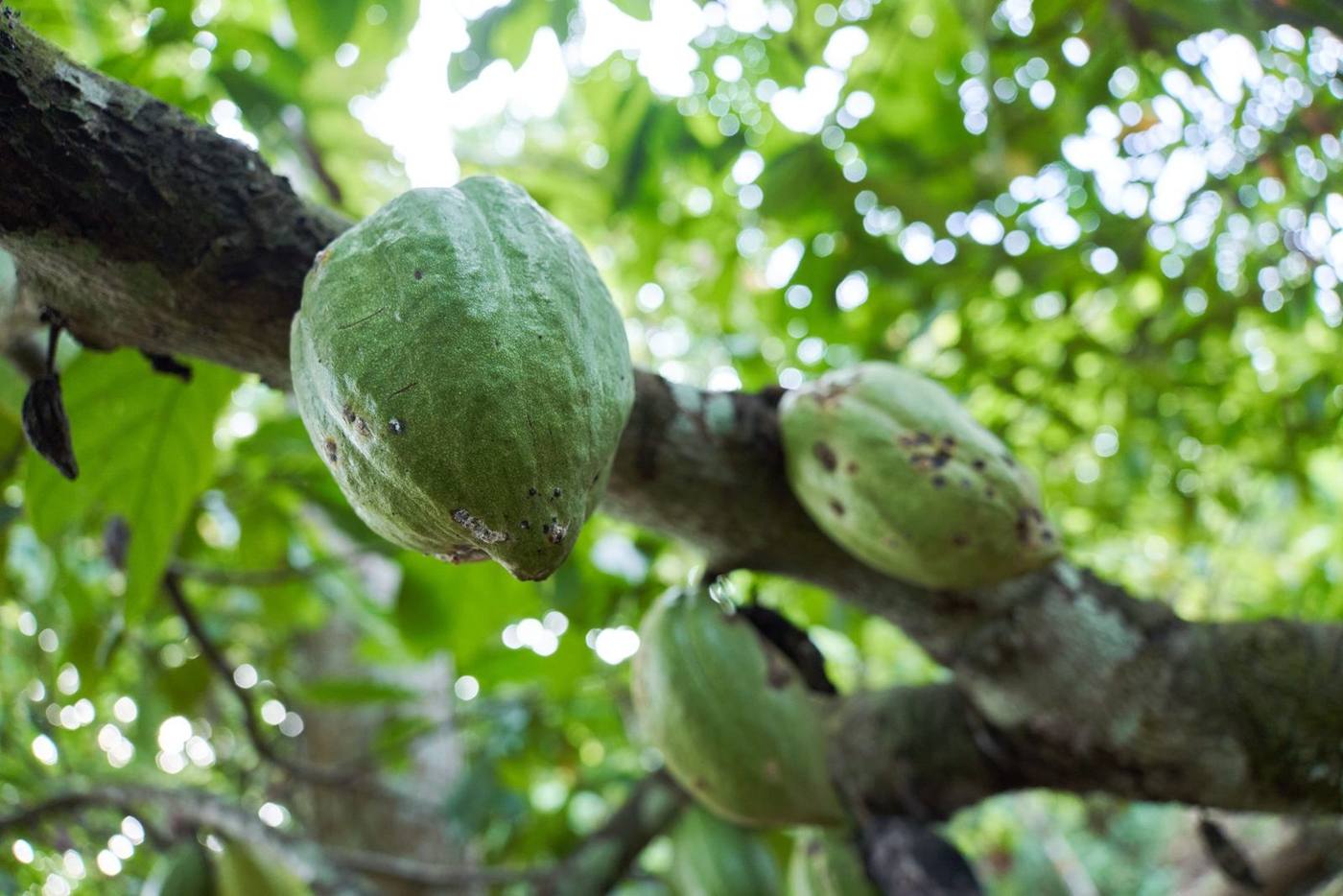
The most remote south: nights in Q'eqchi' and Mopan village homes, local cacao chocolate, the ruins of Lubaantun and Nim Li Punit and the Blue Creek cave.
 6 daysEasy
The barrier reef and Caye Caulker
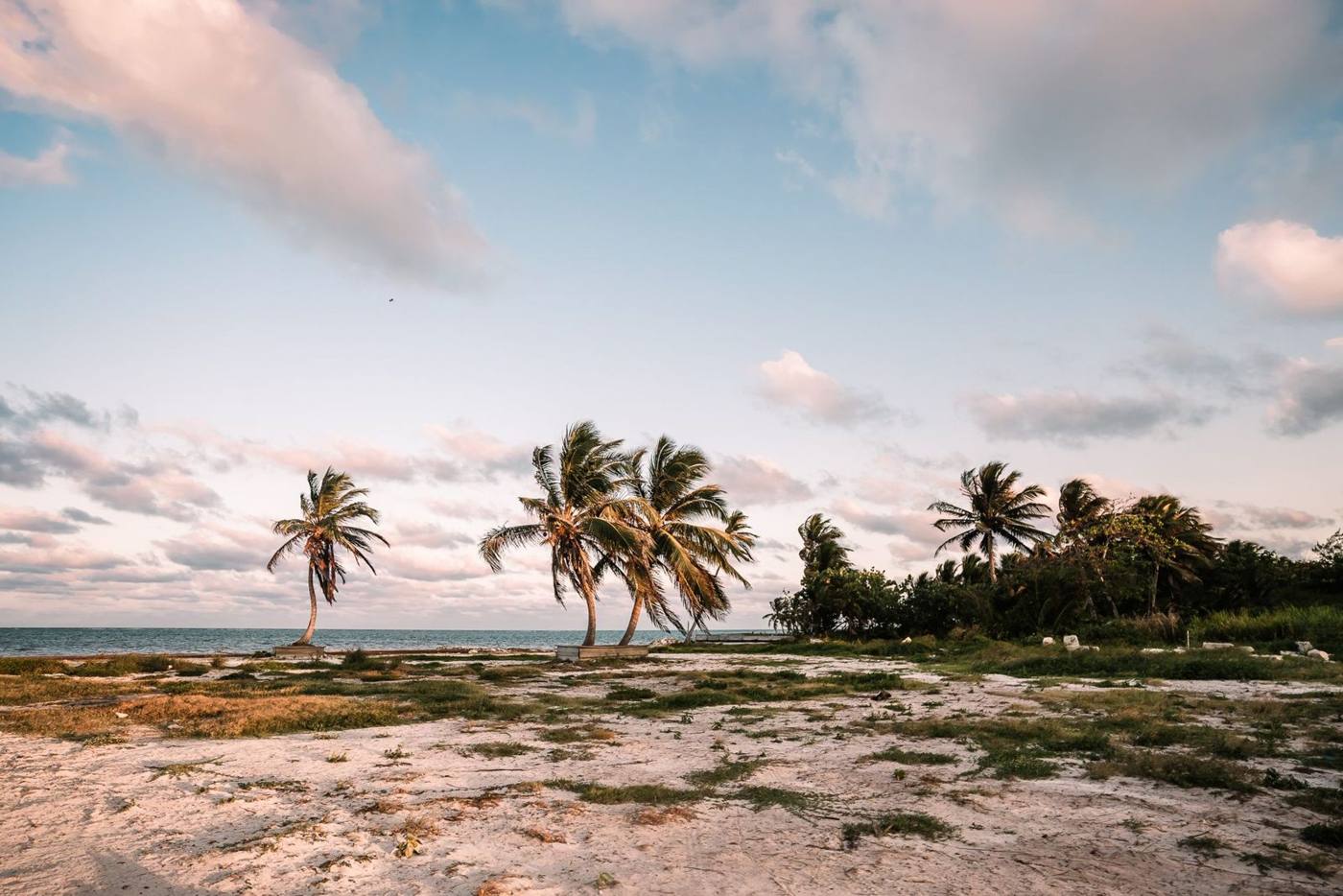
The world's second-largest barrier reef: Hol Chan and Shark Ray Alley, the Great Blue Hole and laid-back Caye Caulker.
 5 daysModerate
Jungle and Maya ruins
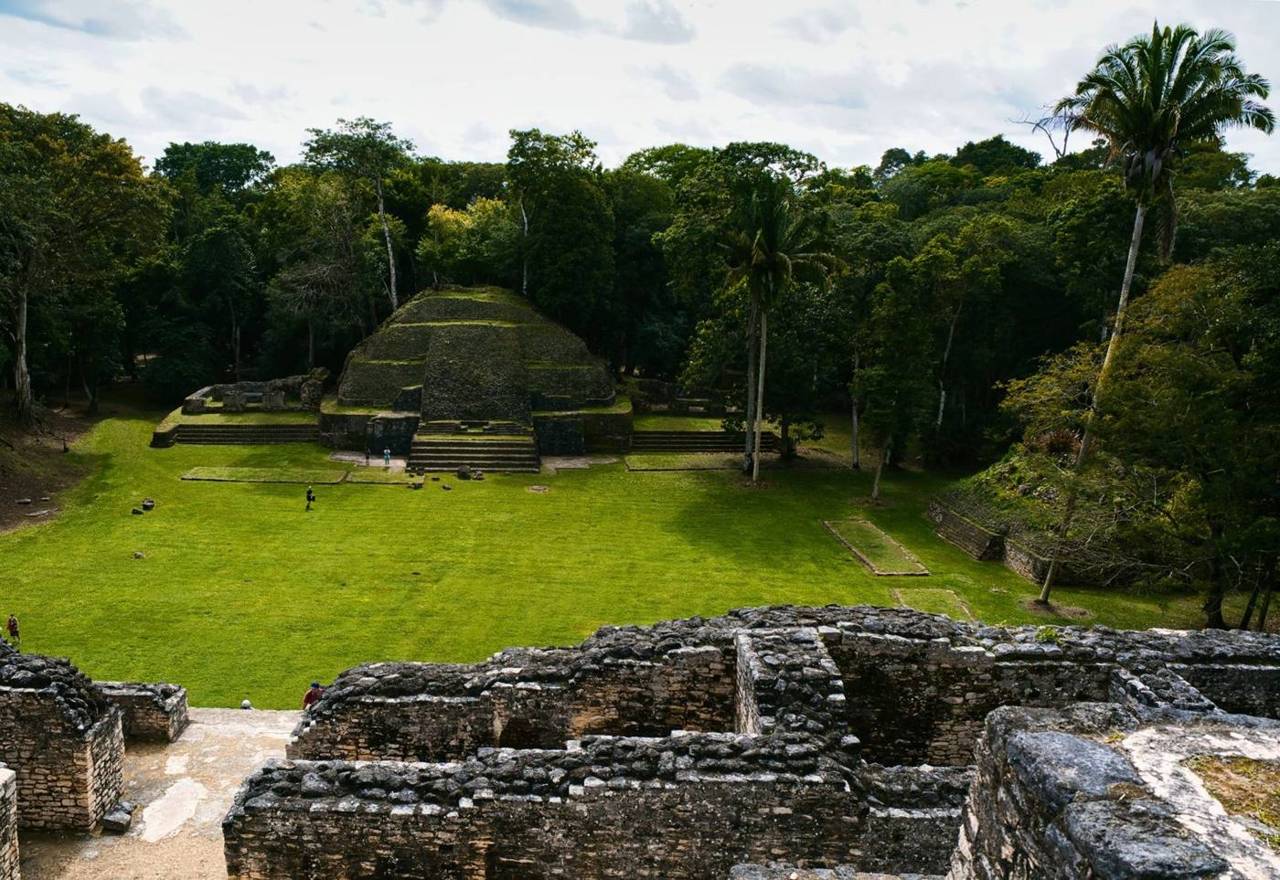
Actun Tunichil Muknal cave with its Maya skeletons, the ruins of Xunantunich and Caracol and the Mountain Pine Ridge reserve.