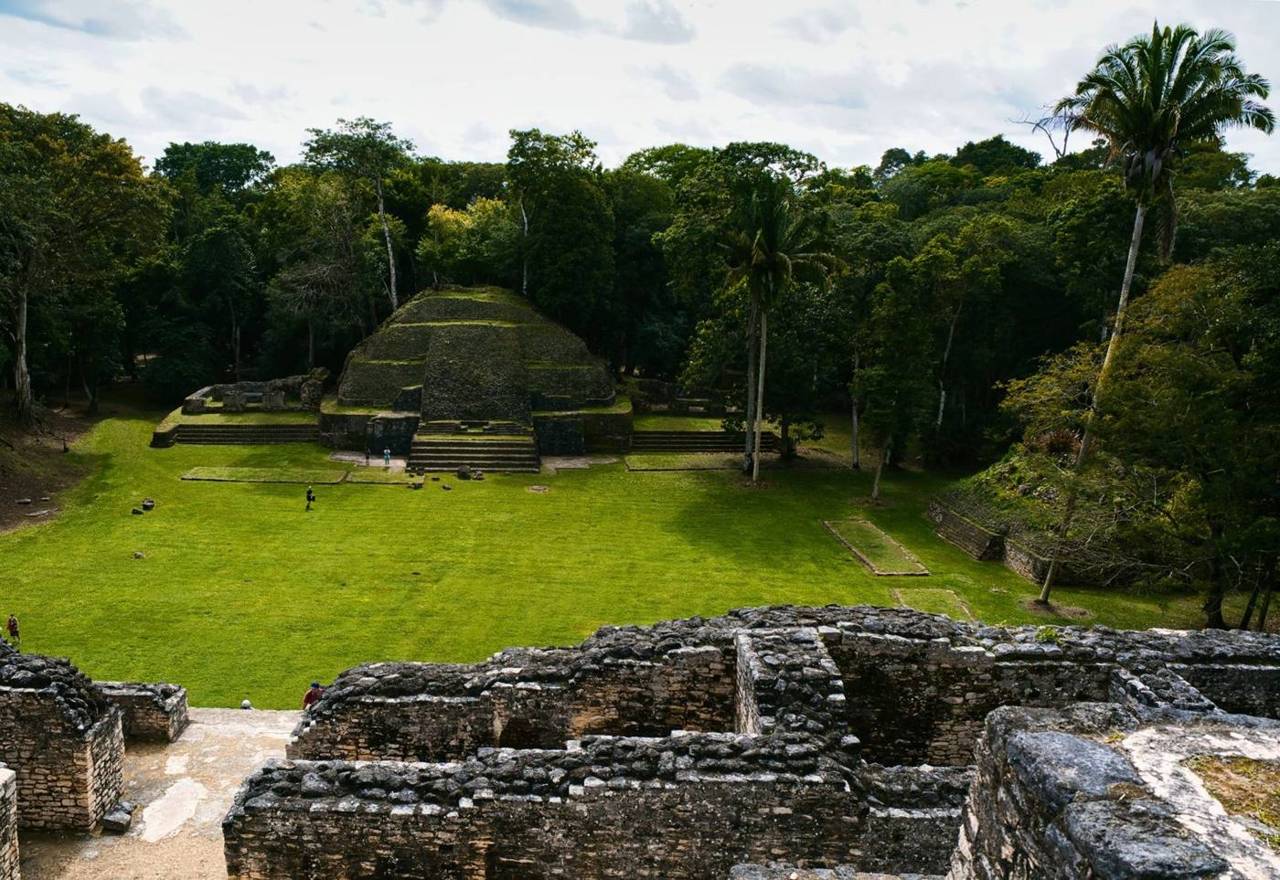
Jungle and Maya ruins
Actun Tunichil Muknal cave with its Maya skeletons, the ruins of Xunantunich and Caracol and the Mountain Pine Ridge reserve.
- San Ignacio
- Actun Tunichil Muknal
- Xunantunich
- Caracol
- Mountain Pine Ridge
Day by day
- Day 1
San Ignacio and Xunantunich
This five-day trip is based in San Ignacio, in western Belize, and combines the Actun Tunichil Muknal cave, the Maya ruins of Xunantunich and Caracol, and the Mountain Pine Ridge plateau.
Before you go: Italian citizens enter Belize without a visa for stays of up to 30 days, with a passport valid for at least six months on arrival and a return ticket. Other nationalities should check their own rules. Some areas on this trip are close to borders or places where the situation changes often: check your government's travel advice before booking and again before you leave.
From the international airport head west with an organised transfer, by day, to San Ignacio, the small town on the Macal River that is the gateway to the Cayo District.
In the afternoon go to the village of San José Succotz and cross the Mopan River on the small hand-cranked ferry, which carries cars and people from one bank to the other. Then walk or drive up to Xunantunich, a Classic-period Maya city on a hill, very close to the border with Guatemala. The name means stone woman, from a local legend about a female figure seen among the ruins.
The main temple, El Castillo, is one of the tallest pyramids in Belize. On its east side you see a stucco frieze with masks and sky symbols, partly reconstructed. From the top you look over the Mopan valley and the hills of Guatemala. Check prices and times.
Practical tip: stay on the paths at the site and return to San Ignacio with your driver before sunset.
- Day 2
The Actun Tunichil Muknal cave
Today you enter one of the most extraordinary archaeological caves in the world: Actun Tunichil Muknal, known as ATM, which in Maya means cave of the crystal sepulchre.
The cave lies in the Tapir Mountain nature reserve and can only be visited with a licensed guide. From the car park you walk through the forest for about three quarters of an hour and wade across a river three times. At the entrance you swim for a few metres in a deep, cool pool, then carry on through the water, among stalactites, narrow passages and boulders to climb over, with a helmet and head torch.
After about a kilometre you climb up into a large dry chamber. Here, more than a thousand years ago, the Maya brought offerings to the gods of the underworld, called Xibalba: you see pottery deliberately broken and the remains of sacrificed people. The most famous is the skeleton of the Crystal Maiden, covered by a layer of calcite that sparkles in the light of the lamps.
In the chamber you walk only in socks, to protect the floor, and follow the guide's markers. Cameras and phones are banned, after a visitor dropped one onto a skull. So you will remember the cave only with your eyes.
The visit takes almost the whole day and is tiring: you need to be able to swim a little and not suffer from claustrophobia. Check prices and times with your guide.
Practical tip: wear closed shoes that can get wet, bring spare socks and leave dry clothes in the vehicle.
- Day 3
Caracol in the Chiquibul forest
Today you leave at dawn for Caracol, the largest Maya city in Belize, in the Chiquibul forest reserve.
The road passes through Mountain Pine Ridge and then enters a huge, almost uninhabited forest, near the border with Guatemala. The situation in this area changes often: before you leave check your government's travel advice and go only with a local operator who knows the current times and rules.
Caracol was a great power in the Classic period. In the sixth century its kings defeated Tikal, and for a long time the city dominated part of the region. Around the centre the Maya built terraced fields, reservoirs for rainwater and raised roads, the sacbeob, which stretched for kilometres through the forest.
The heart of the site is Caana, the sky palace, an enormous pyramid with rooms, courtyards and three temples on top: it is still the tallest building in Belize. Climb to the top and look at the treetops around you, where other hills rise that are in fact buildings still covered by the forest. In the plazas you see round altars and stelae carved with dates from the Maya calendar.
Howler monkeys, toucans and parrots live among the trees, and, better hidden, tapirs and jaguars. At the visitor centre a small museum explains the wars and daily life of the city. Check prices and times.
Practical tip: the journey is long and there are no shops on the road; bring water, food, insect repellent and a light jacket for the plateau.
- Day 4
Mountain Pine Ridge and the waterfalls
Today you spend a quieter day on the Mountain Pine Ridge plateau, the forest reserve of pines and granite south of San Ignacio.
The plateau is different from the rest of Belize: instead of jungle there are Caribbean pines, ferns, tall grass and red earth, and the air is cooler. In the early 2000s a beetle killed many of the pines, but today the forest is growing back.
In the morning visit the Río On Pools, natural pools where the river flows over smooth rocks between small cascades. You can sit in the water or swim in the deeper basins. Then go to the Río Frío cave, a large tunnel of rock with a river running through it and light coming in from both ends.
In the afternoon stop at the viewpoint over the Thousand Foot Falls, also called Hidden Valley Falls, a slender waterfall dropping from a very high cliff into a forested valley. If you still have energy, take a steep path down to Big Rock Falls, where the water leaps between huge boulders into a green pool. The path is slippery, so go down slowly.
On the plateau keep an eye on the sky: the orange-breasted falcon, rare in Central America, lives here, and so does the king vulture, black and white with a colourful head.
In the evening return to San Ignacio. On Saturdays there is a big market near the river, with tropical fruit, vegetables, tortillas and ready-made dishes.
Practical tip: the roads are unpaved and slow again today; set off with a full tank and be back before dark.
- Day 5
Return or onward to Tikal
Today you leave the Cayo valley. You have two choices, depending on the time you have left.
If you are going home, in the morning travel east, by day, with your transfer to the international airport. On the way you can stop in Belmopan, the small capital built between the 1960s and 1970s after a hurricane destroyed part of Belize City, or at the Belize Zoo, where only animals from the country live, such as jaguars, tapirs and harpy eagles.
If you want to continue to Tikal, in Guatemala, remember that the overland border crossing lies near areas where the situation changes often: check your government's travel advice before deciding. An alternative is to return to the airport and reach the Petén by air, via Guatemala City.
Before you leave, if you have a spare hour in San Ignacio, walk up to Cahal Pech, the small Maya site on the hill above the town, with the plazas and the rooms of the nobles. Then have lunch with local dishes: rice and beans cooked in coconut milk, stewed chicken, fried plantain and panuchos, fried tortillas with beans and meat.
In these five days you have seen the Belize of the Maya and the forest: the sacred ATM cave, the pyramids of Xunantunich and Caracol, and the pine woods and waterfalls of Mountain Pine Ridge.
When to go: from December to May, in the dry season, when the rivers in the cave are lower and the roads easier. After heavy rain the cave can close.
Practical tip: allow at least three hours between San Ignacio and the airport, so you do not have to rush on the road.
One of the world's most extraordinary caves: ATM involves swimming and climbing, and cameras are banned. Caracol is reached on a long dirt road. It pairs well with Tikal.
Before you go
- Documents and visa
- Passport with at least six months' validity on arrival, a return ticket and enough funds for the stay; no visa is needed for stays of up to 30 days, which can be extended for a fee at an immigration office. If you leave by land or by sea for Mexico or Guatemala, you pay a departure tax.
- Health and vaccines
- The WHO certified in 2023 that Belize had eliminated malaria, but in 2025 there were local cases in Cayo District near Guatemala. There is a risk of dengue, chikungunya and Zika: protect yourself from mosquitoes during the day too. Drink bottled water. Emergencies: 911.
- Money and payments
- Belize dollar, pegged to the US dollar, which is accepted almost everywhere. Carry cash for villages and boat trips; cards work at accommodation and in tourist areas.
- Power sockets
- Types A, B and G, 110 or 220 volts: bring a universal adapter and check the voltage.
- Time zone
- UTC-6 all year.
- Safety
- The United States advises increased caution across the country because of crime, with a higher risk in Belize City, especially south of Haulover Creek. Since 1 November 2026 the government has declared a state of emergency in parts of Belize City and the Belize and Cayo Districts: expect checkpoints and always carry ID. The United Kingdom reports armed criminals in remote forest near the Guatemalan border. For boat trips and diving use only registered operators. Official advice: GOV.UK.
Information checked in November 2026 for Italian and EU citizens. Rules change: always check before you travel.
Variations
In 3 days: San Ignacio, Xunantunich and the ATM cave, without Caracol and Mountain Pine Ridge.
In 8 days: add three days by the sea on Caye Caulker, with a domestic flight from the international airport.
Frequently asked questions
What document do I need for Belize?
Italian citizens enter without a visa for stays of up to 30 days, with a passport valid for at least six months on arrival and a return ticket. Other nationalities should check their own rules.
Is the ATM cave difficult?
You walk through water, swim for a few metres and squeeze through narrow spots for several hours. Normal fitness is enough, but it is not suitable if you suffer from claustrophobia. You can only enter with a licensed guide.
Can I take photos in the ATM cave?
No, cameras and phones are banned inside the cave. You leave them in the vehicle before setting off.
Indicative itinerary written by World Atlas. Before booking, check timetables, seasonal openings, documents and safety.
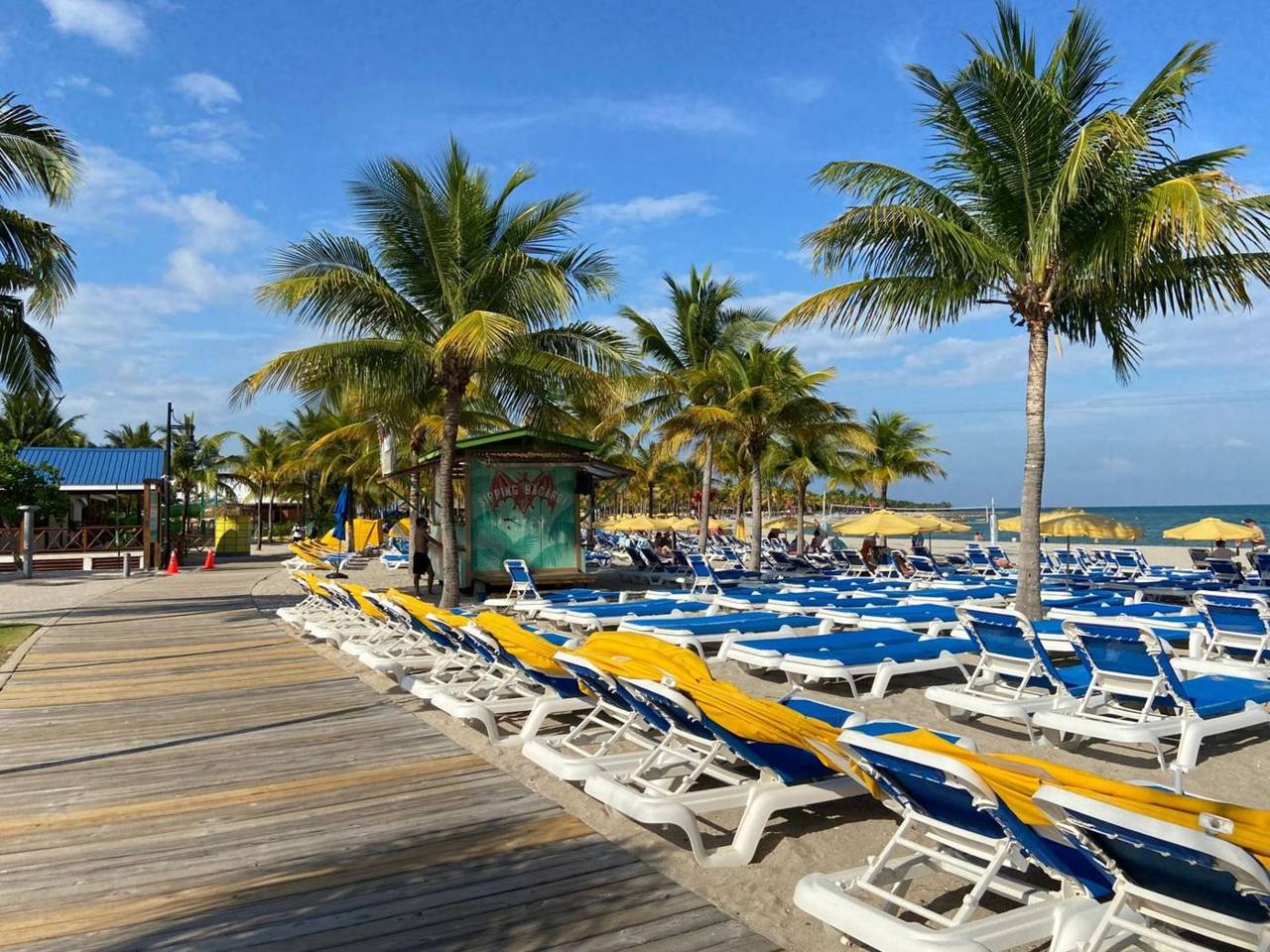 5 daysEasy
Placencia and the south
The Placencia peninsula, the Cockscomb Basin jaguar reserve, the Gladden Spit whale sharks in spring and Garifuna culture in Hopkins.
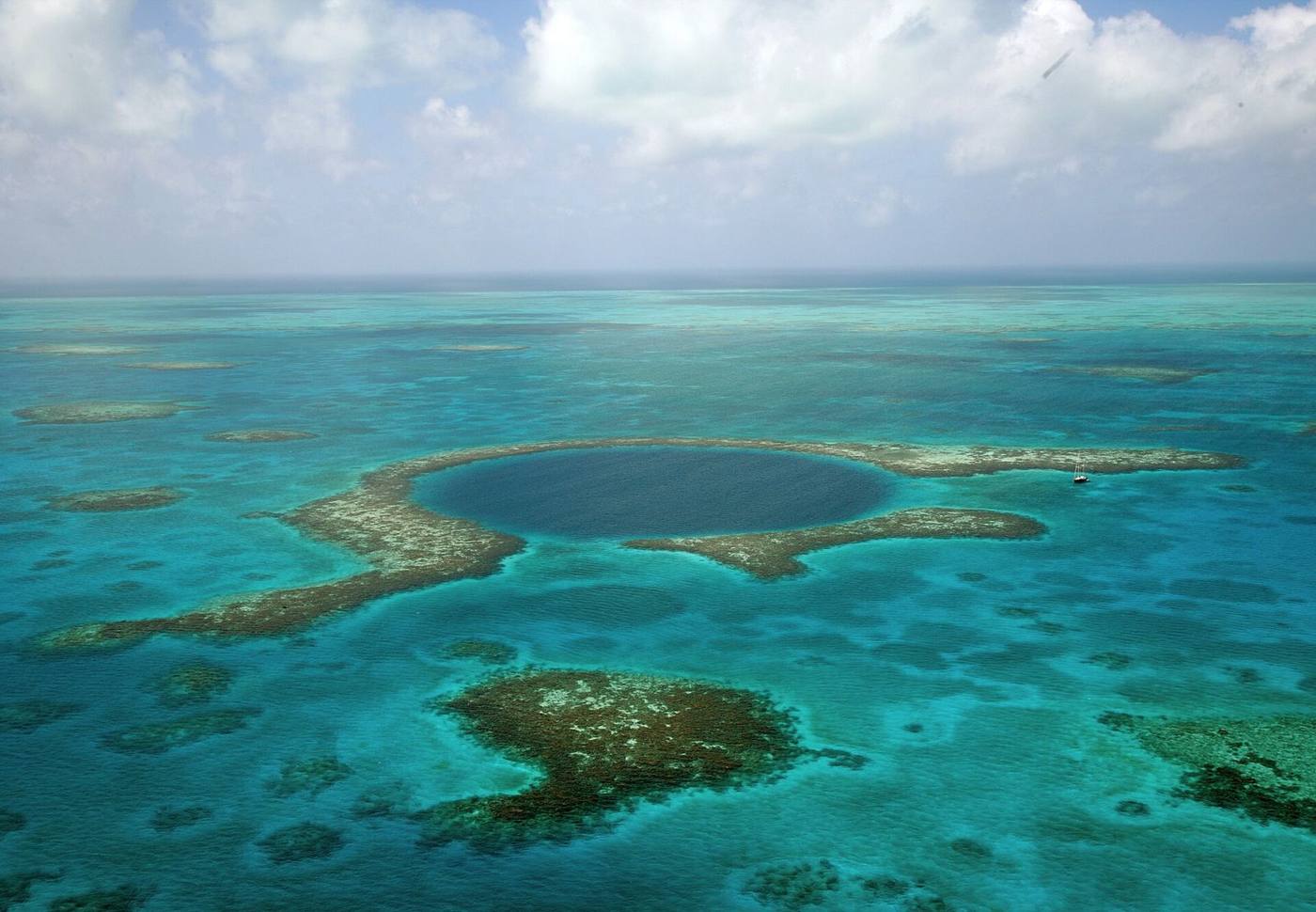 2 daysModerate
The Great Blue Hole
The world's most famous marine sinkhole in Lighthouse Reef atoll, with dives among stalactites at 40 metres, Half Moon Caye and its red-footed boobies.
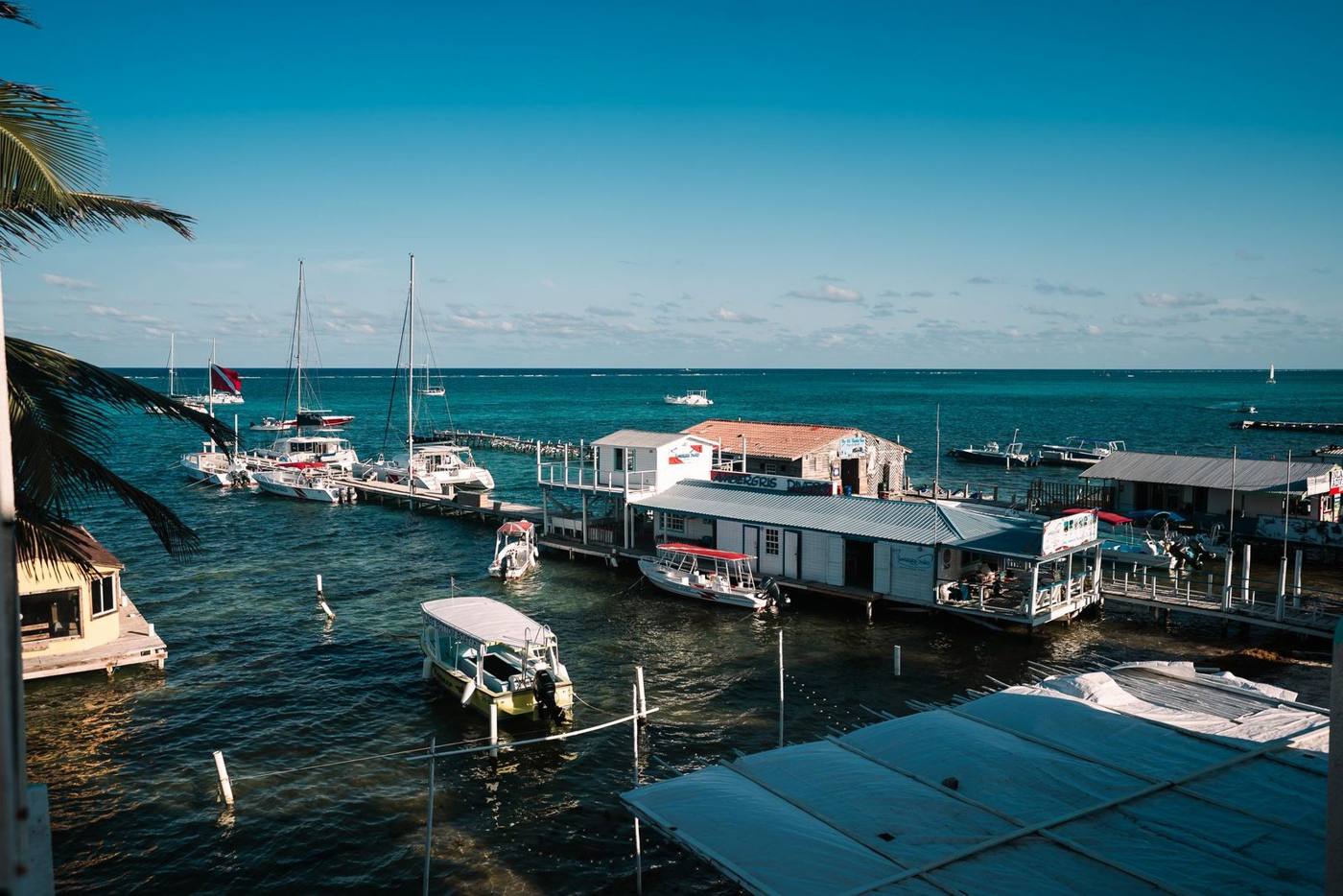 4 daysEasy
Ambergris Caye
Belize's largest island: San Pedro, snorkelling at Hol Chan and Shark Ray Alley with nurse sharks and rays, and the northern beaches by golf cart.