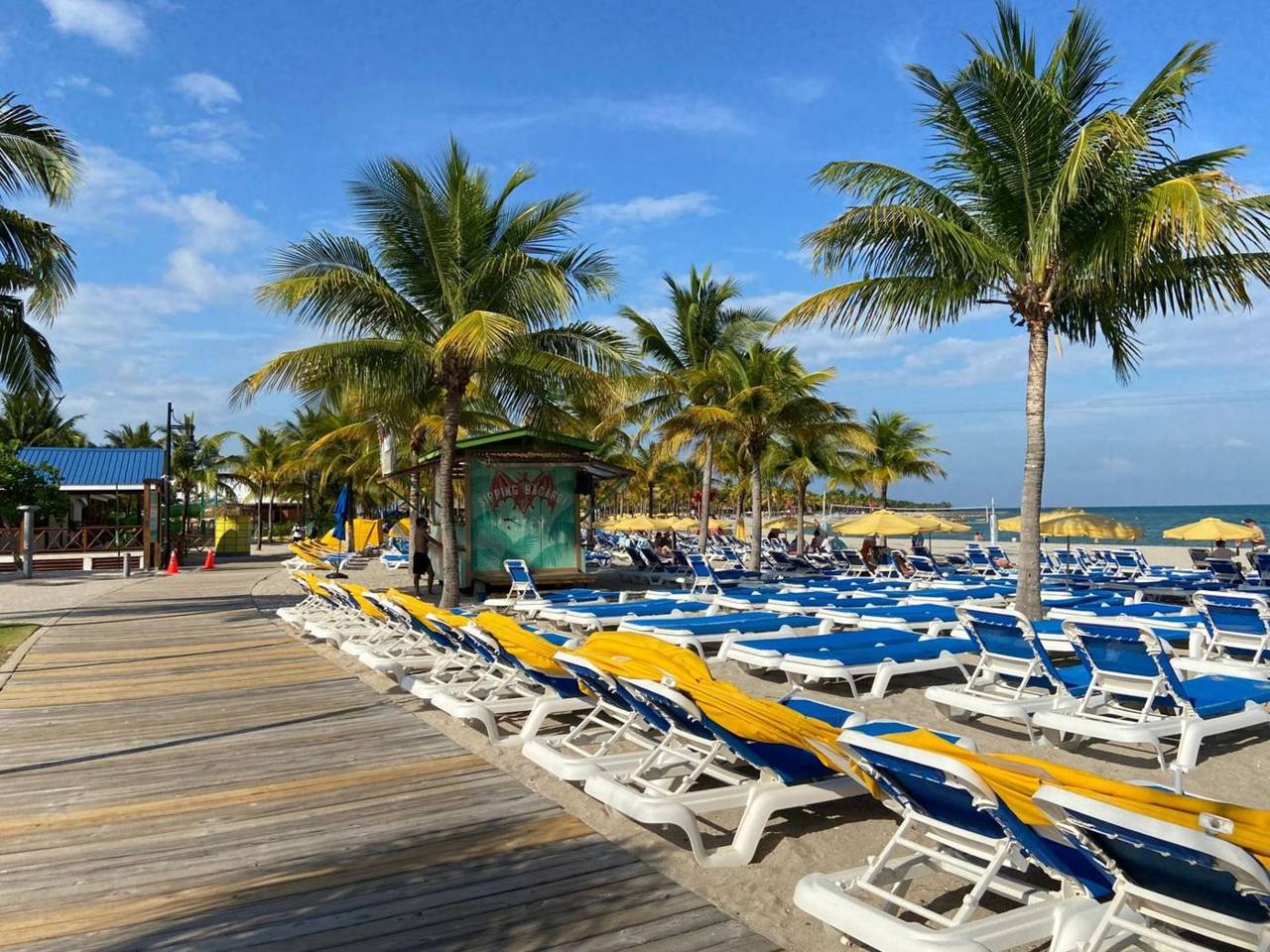
Placencia and the south
The Placencia peninsula, the Cockscomb Basin jaguar reserve, the Gladden Spit whale sharks in spring and Garifuna culture in Hopkins.
- Hopkins
- Cockscomb Basin
- Placencia
- Gladden Spit
- Laughing Bird Caye
Day by day
- Day 1
Hopkins and an evening of Garifuna drums
This trip covers the south of Belize on the mainland: Hopkins and Garifuna culture, the Cockscomb jaguar reserve and the Placencia peninsula, with Laughing Bird Caye park and, in spring, the whale sharks of Gladden Spit.
Before you go: Italian citizens enter Belize without a visa for stays of up to 30 days, with a passport valid for at least six months on arrival and a return ticket. Other nationalities should check their own rules. Italy's official travel advice strongly advises against the areas near the border with Guatemala, far from this route, and reports street crime in Belize City and Dangriga. Since 1 November 2026 a state of emergency has been in force in parts of Belize City and the Belize and Cayo Districts, including the road from the airport towards Ladyville: for this reason you fly from the international airport to the Dangriga airstrip, without stopping in town.
From the airstrip a pre-booked taxi takes you in just over half an hour to Hopkins, a Garifuna village along a beach of sand and palms. The Garifuna descend from Africans and Indigenous Caribbean people, and they reached this coast at the start of the nineteenth century. Their language, music and dance are recognised by UNESCO.
In the afternoon walk on the beach, among the fishing boats and wooden houses.
In the evening join a drumming lesson at a cultural centre in the village: you learn the rhythms of punta and listen to songs in the Garifuna language. For dinner try hudut, fish in coconut broth with mashed plantain.
Practical tip: book the taxi from the Dangriga airstrip before you leave and ask the driver to go straight to Hopkins.
- Day 2
Cockscomb Basin: trails and waterfalls
Today you enter the forest of the Cockscomb Basin reserve, in the Maya Mountains, the first protected area in the world created for the jaguar.
Early in the morning leave Hopkins for the Mopan village of Maya Centre, where you pay the reserve fee. Then a dirt track climbs through the forest to the visitor centre. Check prices and times.
Many well-marked trails start from the visitor centre. The favourite is Tiger Fern, which climbs through the forest to two waterfalls, one above the other, with a cool pool for swimming. Along the way you hear howler monkeys and see toucans, parrots and blue butterflies. The jaguar lives here, but it is very rarely seen: you come for the forest, and at most you find tracks in the mud.
After lunch you can float down a stretch of the South Stann Creek river on an inner tube, carried by the slow current under the trees.
In the late afternoon return to Hopkins. For dinner try fried fish with cassava bread, a crisp flatbread that Garifuna women have made for centuries.
Practical tip: wear long trousers and closed shoes, carry at least two litres of water each and repellent; in the afternoon short, heavy storms sometimes arrive.
- Day 3
The Placencia peninsula
Today you head south to the Placencia peninsula, a long, narrow strip of sand between the sea and a lagoon.
In the morning the transfer from Hopkins takes about an hour, past citrus and banana plantations and forest. The peninsula road runs between the lagoon, to the west, and the beaches, to the east, through the villages of Maya Beach and Seine Bight to the village of Placencia, at the tip of the peninsula.
Placencia is a Creole fishing village, with colourful wooden houses under the palms and a long concrete sidewalk that crosses the village through the sand, instead of a road. Here the beaches are real ones, of pale sand, and you swim right in front of the village.
In the afternoon hire a kayak on the lagoon side, calm water among the mangroves, home to manatees, herons and pelicans. Move slowly: the manatees surface to breathe and then disappear.
At sunset walk on the pier, where the fishermen come back with their boats.
In the evening have a coconut ice cream or a coconut sweet, and for dinner grilled fish with rice and beans.
Practical tip: in Placencia you get around on foot and by bicycle; hire one for a few days, because distances on the peninsula are short but tiring in the heat.
- Day 4
Laughing Bird Caye or the whale sharks
Today you spend the day on a boat on the barrier reef, with two options depending on the season.
All year round you can go to Laughing Bird Caye, a small islet of sand and palms that is a national park and part of the Belize reef, a UNESCO World Heritage Site. The name comes from the gulls that once nested here and seem to laugh. The boat gets there in less than an hour. Around the island you snorkel among corals, rays, parrotfish and sometimes turtles. Check prices and times, including the park fee.
From March to June, on the days around the full moon, whale sharks come to Gladden Spit, a point of the reef in the open sea, to feed on the eggs of fish that gather here to spawn. They are the largest fish in the world and are harmless. You swim or dive in deep water, with the sea sometimes rough, only with licensed guides and a limited number of boats.
Even on good days the whale sharks are not guaranteed: nature decides.
In the afternoon go back to Placencia and rest on the beach.
Practical tip: for Gladden Spit you need to be a strong swimmer and comfortable in deep water; take a seasickness tablet before you leave.
- Day 5
Flight to the international airport
Today is the last day, with a morning on the beach before the flight.
Early in the morning have a last swim in front of the village, when the sea is flat, or walk on the sand to the tip of the peninsula, where you can see the islets offshore.
Then go to the small Placencia airstrip, a few minutes from the village, and take the domestic flight to the international airport. The small plane follows the coast north, over the lagoon and the reef, and in less than an hour you arrive to connect with your flight home, without passing through Belize City.
In these five days you have listened to the Garifuna drums of Hopkins, walked in the jaguar forest to the Cockscomb waterfalls, seen manatees in the lagoon and swum at Laughing Bird Caye or, with a bit of luck, with the whale sharks of Gladden Spit. It is the quietest side of Belize, with real beaches on the mainland.
When to go: from December to May, in the dry season. For the whale sharks go from March to June, on the days around the full moon. From June to November is the hurricane season, with more rain.
Practical tip: leave at least three hours between the domestic flight and the international one; in bad weather small planes can leave late.
Belize at its quietest, with real mainland beaches. Jaguars are very rarely seen at Cockscomb: you go for the forest. Whale sharks come around the full moon, with deep-water dives.
Before you go
- Documents and visa
- Passport with at least six months' validity on arrival, a return ticket and enough funds for the stay; no visa is needed for stays of up to 30 days, which can be extended for a fee at an immigration office. If you leave by land or by sea for Mexico or Guatemala, you pay a departure tax.
- Health and vaccines
- The WHO certified in 2023 that Belize had eliminated malaria, but in 2025 there were local cases in Cayo District near Guatemala. There is a risk of dengue, chikungunya and Zika: protect yourself from mosquitoes during the day too. Drink bottled water. Emergencies: 911.
- Money and payments
- Belize dollar, pegged to the US dollar, which is accepted almost everywhere. Carry cash for villages and boat trips; cards work at accommodation and in tourist areas.
- Power sockets
- Types A, B and G, 110 or 220 volts: bring a universal adapter and check the voltage.
- Time zone
- UTC-6 all year.
- Safety
- The United States advises increased caution across the country because of crime, with a higher risk in Belize City, especially south of Haulover Creek. Since 1 November 2026 the government has declared a state of emergency in parts of Belize City and the Belize and Cayo Districts: expect checkpoints and always carry ID. The United Kingdom reports armed criminals in remote forest near the Guatemalan border. For boat trips and diving use only registered operators. Official advice: GOV.UK.
Information checked in November 2026 for Italian and EU citizens. Rules change: always check before you travel.
Variations
Shorter: three days in Placencia, with Laughing Bird Caye and the lagoon.
Longer: add three days in Toledo, flying from Placencia to Punta Gorda, for the Maya villages and the cacao.
Frequently asked questions
When can you see whale sharks?
From March to June, especially on the days around the full moon, at Gladden Spit. They are never guaranteed and you swim in deep water, only with licensed guides.
Can you see a jaguar at Cockscomb?
Very rarely. You are more likely to see birds, howler monkeys and tracks in the mud. You go mainly for the forest and the waterfalls.
Why fly to Dangriga?
To avoid the road from Belize City, where some areas have been under a state of emergency since 1 November 2026. Italy's official travel advice also reports crime in Dangriga: from the airstrip go straight to Hopkins in a pre-booked taxi.
Indicative itinerary written by World Atlas. Before booking, check timetables, seasonal openings, documents and safety.
 2 daysModerate
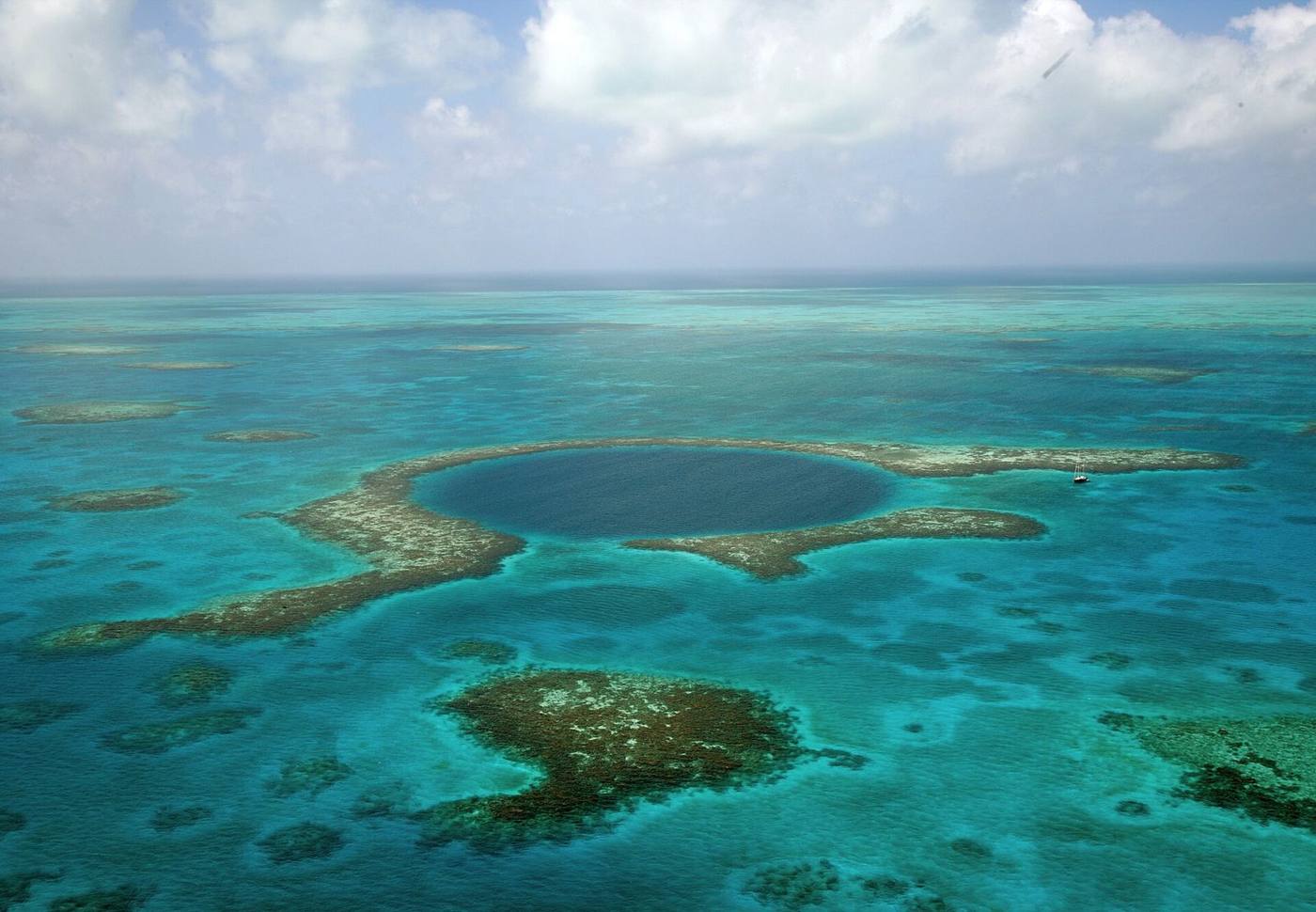
The Great Blue Hole
The world's most famous marine sinkhole in Lighthouse Reef atoll, with dives among stalactites at 40 metres, Half Moon Caye and its red-footed boobies.
 4 daysEasy
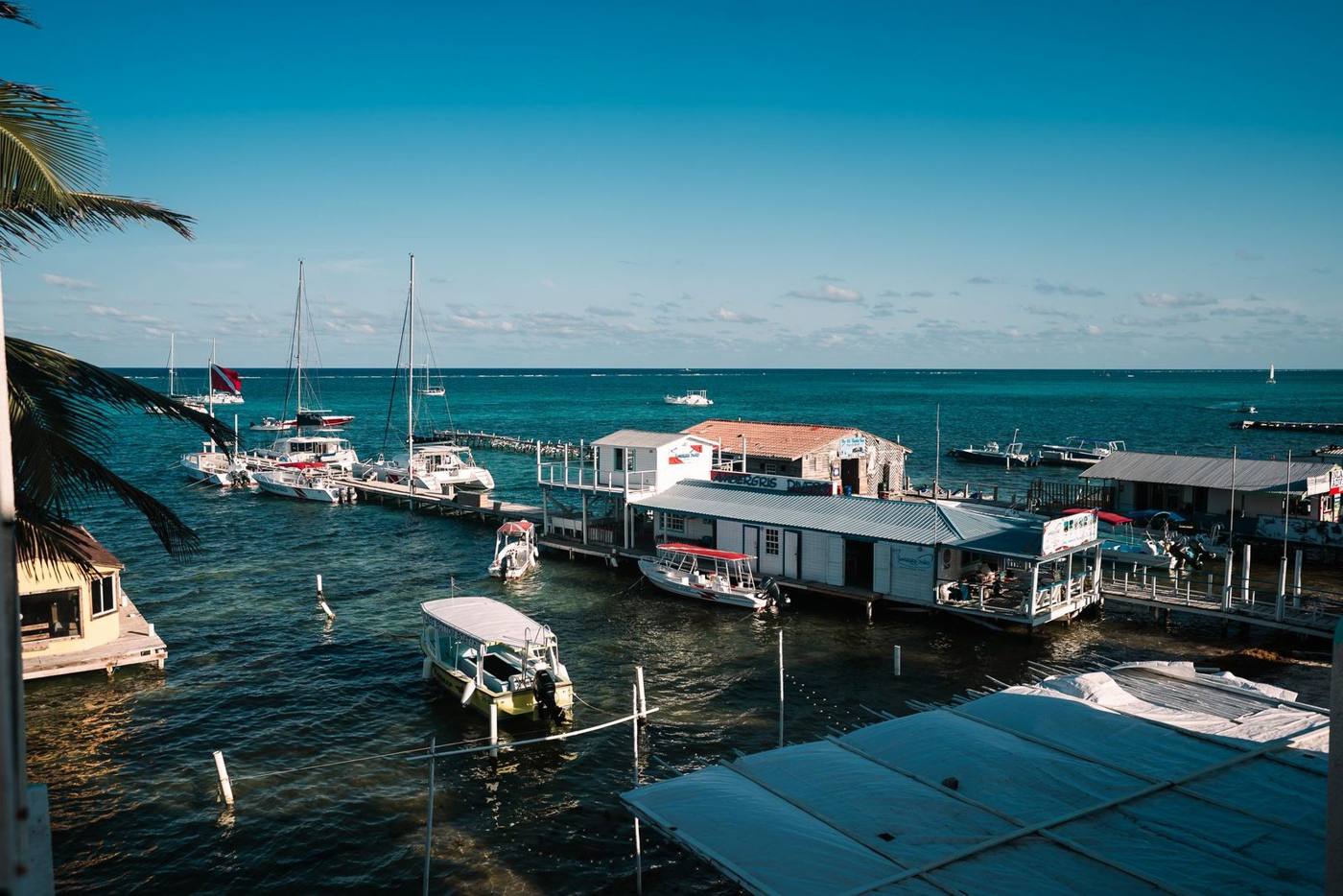
Ambergris Caye
Belize's largest island: San Pedro, snorkelling at Hol Chan and Shark Ray Alley with nurse sharks and rays, and the northern beaches by golf cart.
 3 daysEasy
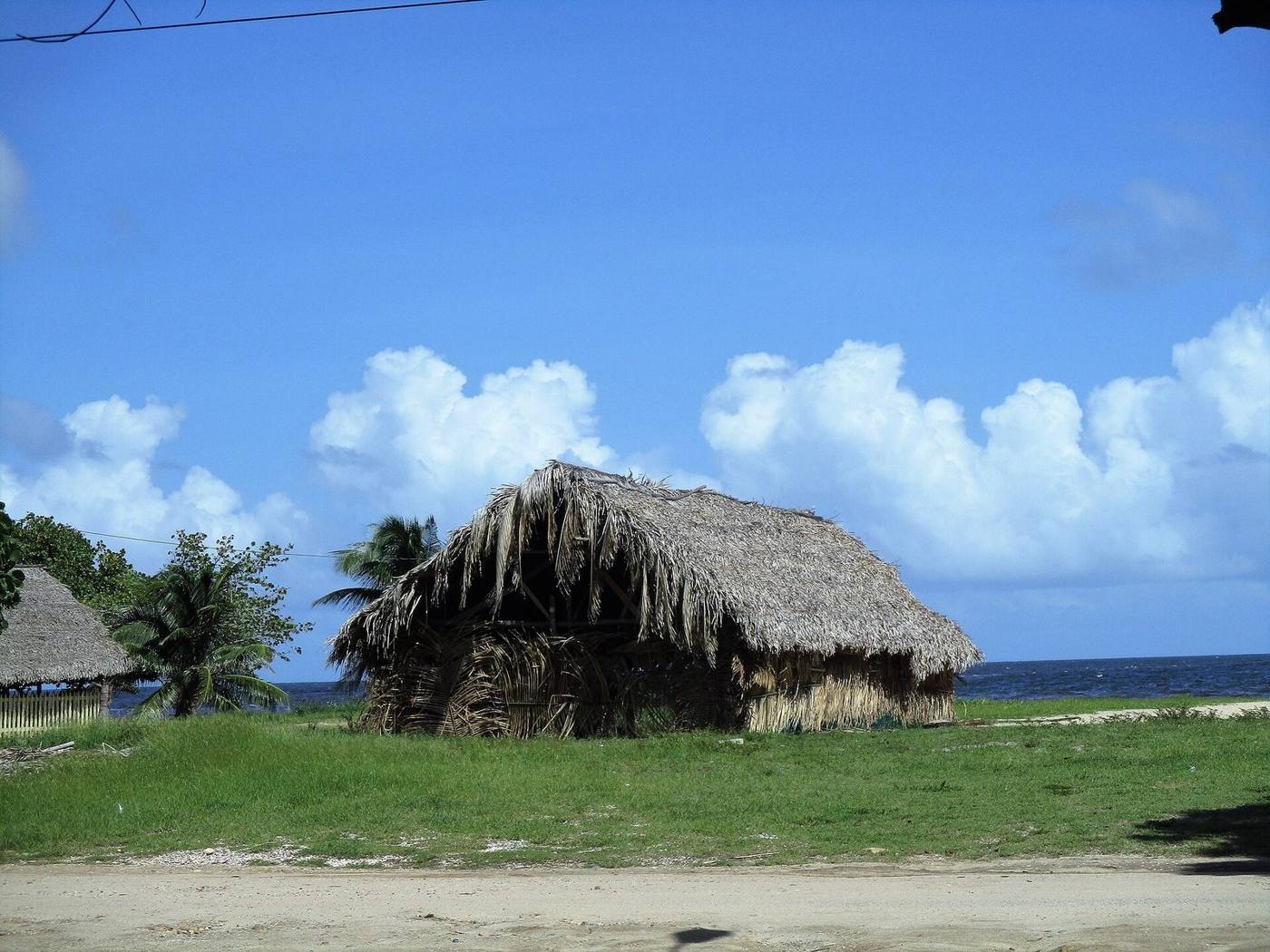
Hopkins and Garifuna culture
The seaside Garifuna village, with drumming lessons, hudut fish and plantain stew, and on 19 November the festival marking the Garifuna arrival.