Ypres, Flanders Fields and Waterloo
The Great War at Ypres with the Last Post under the Menin Gate, Tyne Cot cemetery, Passchendaele and the battlefield of Waterloo.
- Ieper
- Tyne Cot
- Passendale
- Waterloo
Day by day
- Day 1
Ypres: the In Flanders Fields Museum and the Last Post
This four-day trip is a journey of remembrance: the battlefields of the Great War around Ypres, in West Flanders, and then Waterloo, where Napoleon's adventure ended in 1815.
Before you go: Belgium is part of the European Union and the Schengen area and uses the euro. Italian citizens only need an electronic identity card valid for travel abroad or a passport; the paper identity card has not been valid for travel abroad since 3 August 2026. Other nationalities should check their own rules. Since 23 July 2026 the United States has rated Belgium level 2 for crime, terrorism and unrest, and the Belgian government keeps the terrorist threat at level 3, serious. The UK warns of pickpockets at Midi and Nord stations, on international trains and in the European quarter: keep an eye on your bag and phone. Unexploded shells are still found on the First World War battlefields: stay on the paths and touch nothing.
You arrive in Ypres, Ieper in Flemish, completely destroyed during the war and rebuilt as it was. On the Grote Markt rises the Lakenhalle, the great medieval Cloth Hall, rebuilt after 1918. Inside is the In Flanders Fields Museum, which tells the story of the war in the region through the lives of soldiers and civilians. Check prices and times.
In the afternoon walk along the town ramparts, with meadows and military cemeteries at the foot of the walls.
At 8 pm go to the Menin Gate, the memorial bearing the names of more than 54,000 Commonwealth soldiers missing with no known grave. Every evening since 1928 buglers from the fire brigade have played the Last Post, interrupted only during the German occupation in the Second World War.
Sleep in Ypres.
Practical tip: arrive at the Menin Gate at least half an hour early and stay silent during the ceremony, without applauding.
- Day 2
Tyne Cot, Passendale and the trenches of Hill 62
Today you visit the Ypres Salient, where fighting went on for four years.
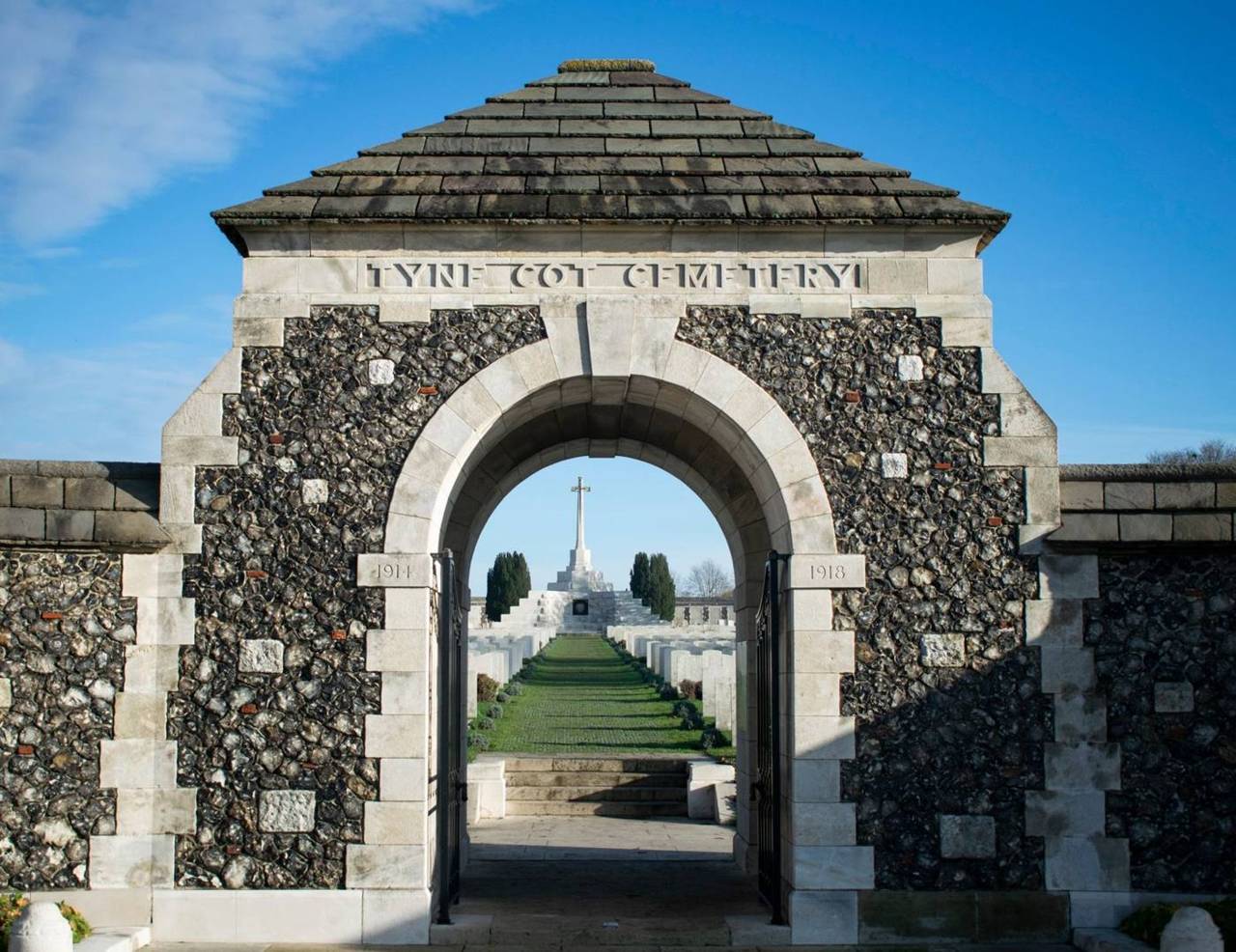
In the morning drive north-east to Tyne Cot Cemetery, the largest Commonwealth war cemetery in the world, with almost 12,000 graves in white rows on the grass. The back wall carries about 35,000 names of missing soldiers. The visitor centre, where a voice reads out names and ages, helps you grasp the scale of the loss.
Then go to Zonnebeke and the Memorial Museum Passchendaele 1917, in the castle grounds, dedicated to the Battle of Passchendaele, fought from July to November 1917 in the mud, for a few kilometres of ground. The route ends with a reconstruction of an underground dugout and of British and German trenches. Check prices and times.
In the afternoon go to Hill 62, near Sanctuary Wood, where a small museum preserves a stretch of original trenches, with shell holes and tunnels, and a collection of objects found in the fields. Nearby is the Canadian memorial.
If you have time, stop at the German cemetery at Langemark, with its dark slabs among the oaks, and at Essex Farm Cemetery, where the Canadian doctor John McCrae wrote the poem In Flanders Fields in 1915, which made the poppy the symbol of remembrance.
Sleep in Ypres.
Practical tip: in the fields stay on the paths; if you see something that looks like a shell, move away and inform the police.
- Day 3
Waterloo: the memorial, the Lion's Mound and Hougoumont
Today you cross Belgium to reach the most famous battlefield in Europe.
In the morning drive south-east from Ypres to Waterloo, a little over an hour and a half. Here, on 18 June 1815, Napoleon's army was defeated by the allied troops led by Wellington and by Blücher's Prussians.
Start at the Memorial 1815, the underground museum at the foot of the hill, which tells the story of the campaign with maps, weapons, uniforms and a film. Next to it, in the large round building, is the Panorama, a circular painting more than a hundred metres long, from 1912, which places you in the middle of the French cavalry charge. Check prices and times.
Then climb the 226 steps of the Lion's Mound, the Butte du Lion, an artificial hill built after the battle at the spot where the Prince of Orange was wounded, with the statue of a lion on top. From above you see the whole battlefield, still made up of fields and farms.
In the afternoon go to Hougoumont Farm, which the allies defended all day against French attacks. Restored for the bicentenary, it has a multimedia tour in the barn. The single Waterloo ticket covers the main sites.
Sleep in Waterloo or in Brussels, about twenty kilometres away.
Practical tip: for the Lion's Mound choose a day without strong wind, because the staircase is exposed and at the top you stand on an open platform.
- Day 4
The Wellington Museum and departure from Brussels
On the last day you complete the story of Waterloo and leave from Brussels.
In the morning, in the centre of Waterloo, visit the Wellington Museum, in the old inn where the duke had his headquarters and where he wrote the dispatch announcing the victory. The rooms tell the story of the battle with objects, documents and reconstructions. Check prices and times. Opposite is the royal church of Saint-Joseph, with plaques dedicated to the British officers who fell.
If you prefer the French point of view, drive to the south of the battlefield to the Caillou farm, Napoleon's last headquarters, where the emperor spent the night before the battle.
In the afternoon return to Brussels and, if you have a few hours before your flight or train, walk to the Grand-Place.
In these four days you have seen rebuilt Ypres, the In Flanders Fields Museum, the Last Post at the Menin Gate, Tyne Cot, the Passchendaele museum, the trenches of Hill 62, the cemeteries of Langemark and Essex Farm, and then the Memorial, the Panorama, the Lion's Mound and Hougoumont at Waterloo.
When to go: from April to October, when the days are long and the fields are green. On 11 November, Armistice Day, large ceremonies take place in Ypres, with big crowds. At Waterloo, around 18 June, historical re-enactments with thousands of participants are held from time to time: check the dates.
Practical tip: if you do not drive, there are regular trains between Ypres and Brussels, and for the Great War sites you can choose a guided tour starting from Ypres.
An intense remembrance trip, very well presented. The Last Post ceremony has been held every evening since 1928 and is moving. The Great War sites are spread out, so a car or guided tour is needed. At Waterloo a single ticket covers the main sites.
Before you go
- Documents and visa
- EU citizens need a valid identity card or passport: Belgium is in the EU and the Schengen area. Always carry your document. Other nationalities should check the Schengen rules.
- Health and vaccines
- No vaccines required. EU citizens should bring their EHIC. Emergencies: 112.
- Money and payments
- Euro. Cards are accepted almost everywhere, even for small amounts.
- Power sockets
- Type E, 230 volts.
- Time zone
- Central European Time (UTC+1, summer UTC+2).
- Safety
- A safe country, but since 23 July 2026 the United States has rated Belgium level 2 for crime, terrorism and unrest. The Belgian government keeps the terrorist threat at level 3, serious. Watch out for pickpockets at Brussels Midi and Nord stations, on international trains and in crowded places; strikes can stop transport at short notice. Official advice: GOV.UK.
Information checked in November 2026 for Italian and EU citizens. Rules change: always check before you travel.
Variations
In 3 days: Ypres with the Last Post, Tyne Cot and Passchendaele, without Waterloo.
In 6 days: add Bruges, less than an hour from Ypres, and a day in Brussels.
Frequently asked questions
What time is the Last Post in Ypres?
Every evening at 8 pm, under the Menin Gate. The ceremony has been held since 1928, interrupted only by the occupation in the Second World War. Arrive at least half an hour early.
Do you need a car for the battlefields?
Yes, it helps: the Great War sites are scattered across the countryside around Ypres. Alternatively, choose a guided tour starting from the town.
Which document do you need for Belgium?
Italian citizens only need an electronic identity card valid for travel abroad or a passport. Other nationalities should check their own rules.
Indicative itinerary written by World Atlas. Before booking, check timetables, seasonal openings, documents and safety.
 3 daysEasy
Antwerp and Mechelen
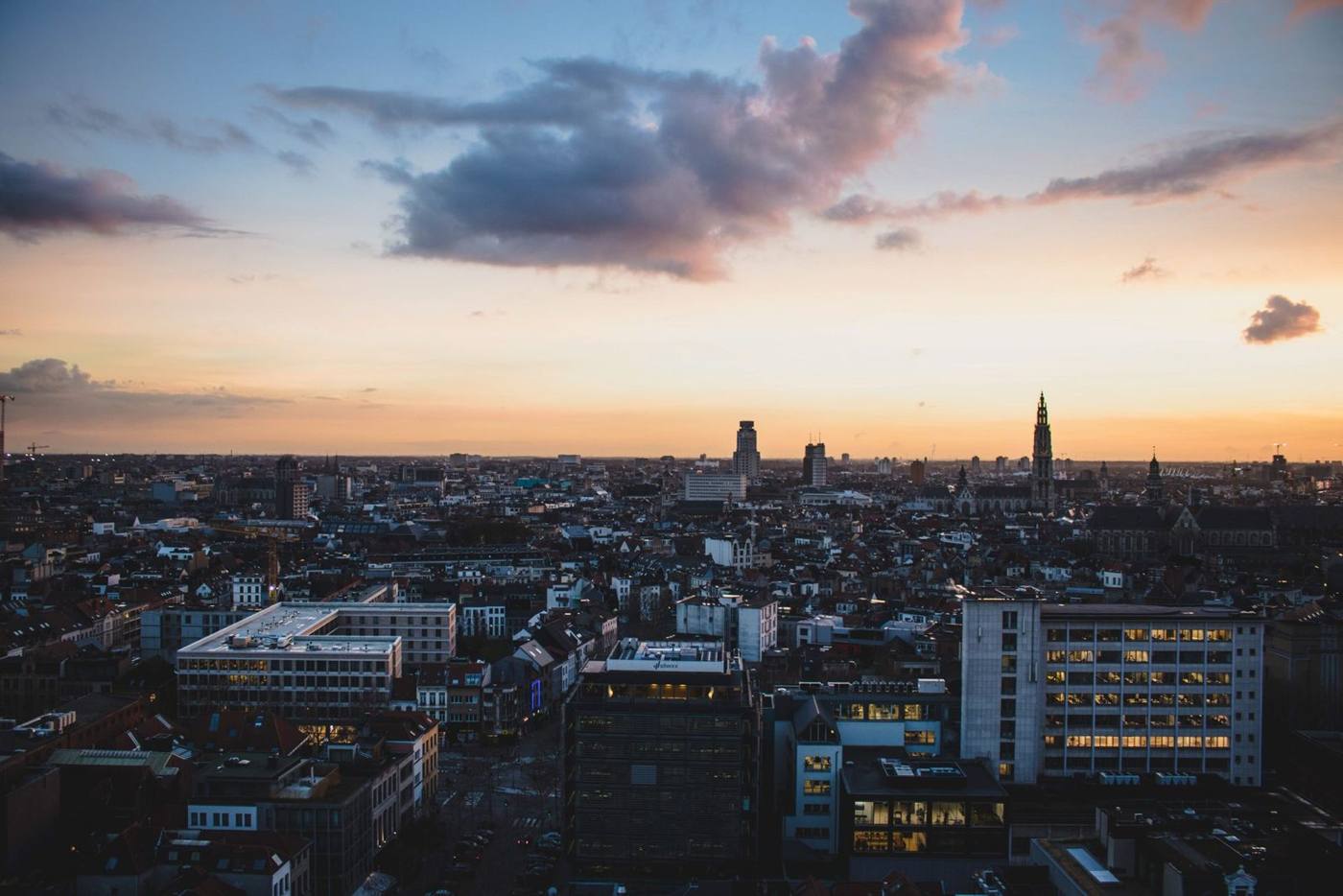
The city of Rubens, diamonds and fashion, with the UNESCO-listed Plantin-Moretus Museum, the port and the Zuid district, and nearby Mechelen.
 4 daysEasy
The Belgian coast by tram
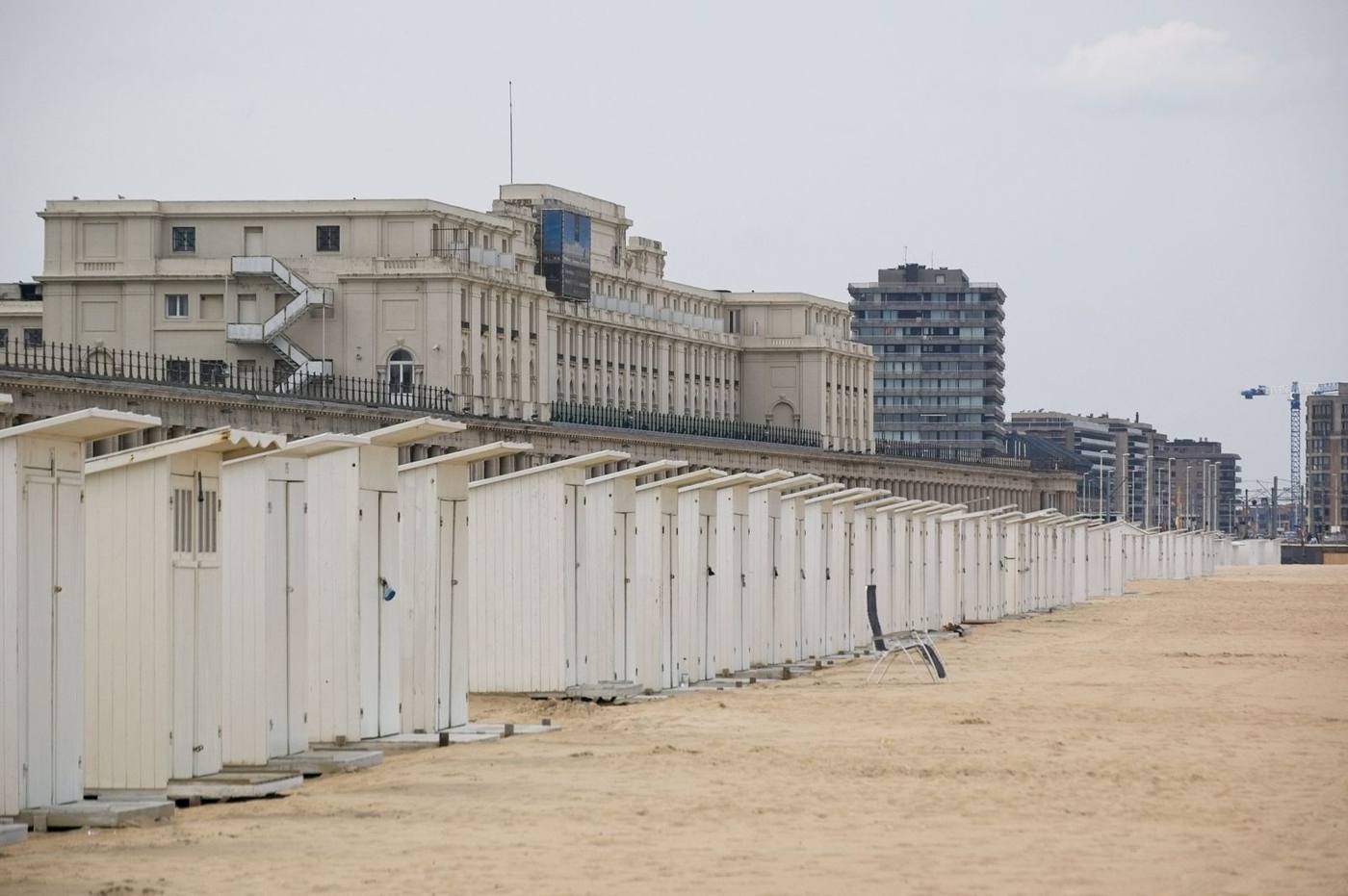
The world's longest coastal tram from De Panne to Knokke: the dunes, Ostend, the horseback shrimp fishers of Oostduinkerke and the villas of De Haan.
 4 daysEasy
Wallonia: Namur, Liège and Spa
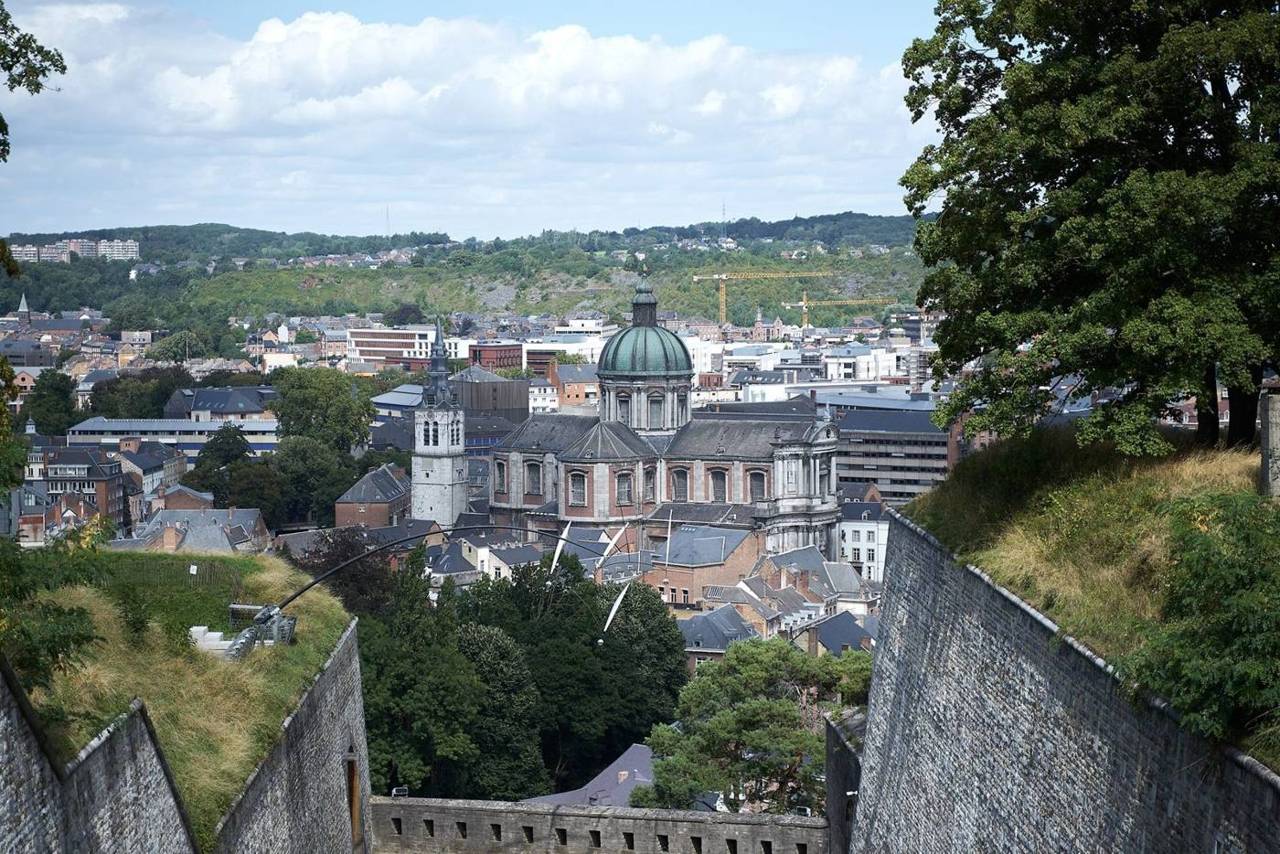
Namur citadel, Liège with the Montagne de Bueren stairway and Calatrava's station, Spa and its baths and the Hautes Fagnes.