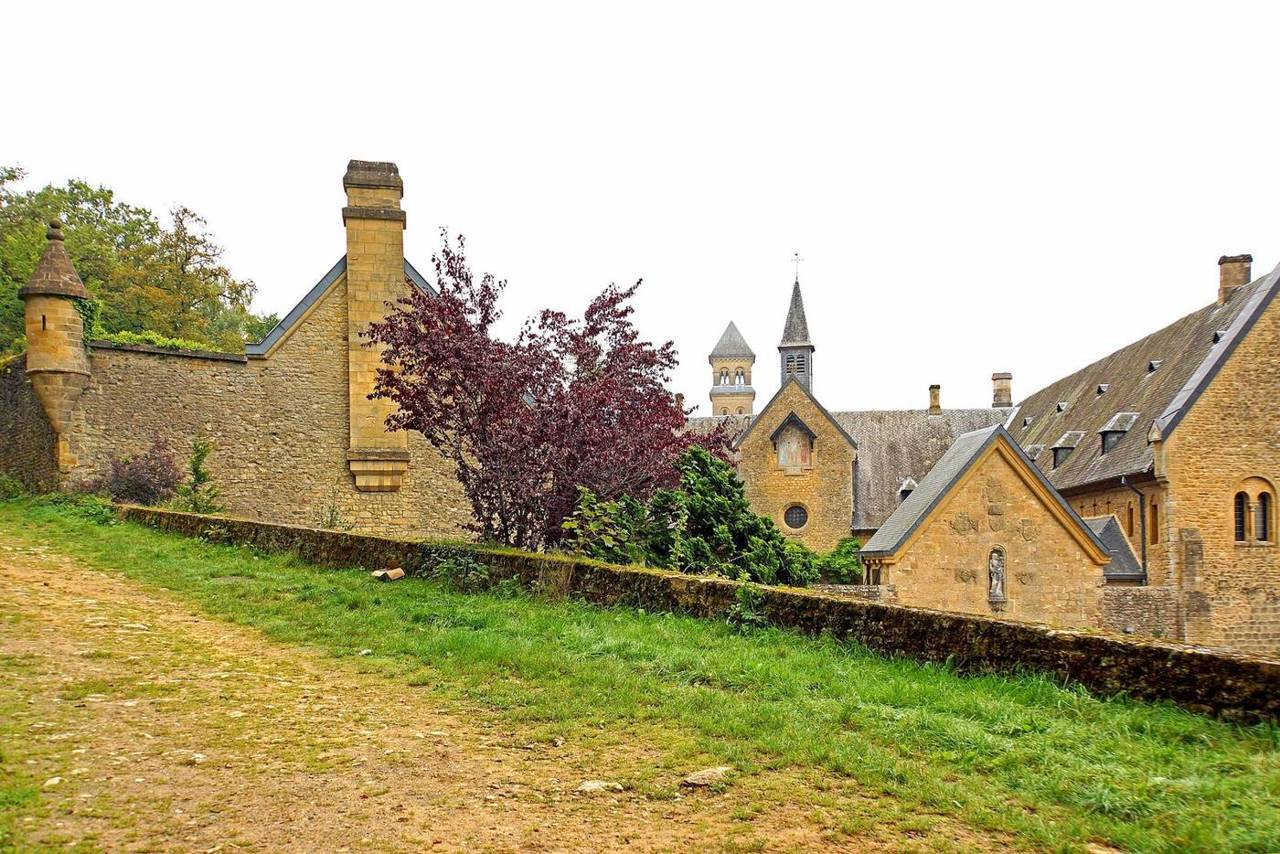
Trappist beers and abbeys
A tour of Belgium's Trappist abbeys: Westvleteren, Chimay, Orval, Rochefort and Westmalle, with the historic breweries of Brussels and Bruges.
- Brussels
- Westvleteren
- Chimay
- Rochefort
- Orval
- Westmalle
Day by day
- Day 1
Brussels, lambic and beer culture
This five-day trip is for beer lovers: a tour of Belgium's Trappist abbeys, where monks still make beer within their walls, from Westvleteren to Chimay, Rochefort, Orval and Westmalle. Belgian beer culture has been on UNESCO's intangible heritage list since 2016.
Before you go: Belgium is part of the European Union and the Schengen area and uses the euro. Italian citizens only need an electronic identity card valid for travel abroad or a passport; the paper identity card has not been valid for travel abroad since 3 August 2026. Other nationalities should check their own rules. Since 23 July 2026 the United States has rated Belgium level 2 for crime, terrorism and unrest, and the Belgian government keeps the terrorist threat at level 3, serious. The UK warns of pickpockets at Midi and Nord stations, on international trains and in the European quarter: keep an eye on your bag and phone. The abbeys are far apart and you need a car: whoever drives does not drink.
Start at the Grand-Place, where at number 10 stands the Brewers' House, the historic seat of the guild. Then go to the Stock Exchange building, which hosts an exhibition about Belgian beer, its history and its styles. Check prices and times.
Brussels is the home of lambic, a spontaneously fermented beer: the wort is left to cool in the open air and the wild yeasts of the Senne valley do the rest. Blending young and old lambics produces gueuze, sparkling and tart; with cherries it becomes kriek. In the afternoon look for a historic pub in the centre, with wooden ceilings and an old bar counter, and taste a gueuze.
Sleep in Brussels.
Practical tip: Belgian beers are often strong, even above 8 per cent; ask for small measures and drink water between tastings.
- Day 2
Westvleteren, Saint Sixtus Abbey and Poperinge
Today you go to the western corner of Flanders, among hop fields and small villages.
In the morning drive west from Brussels, about two hours, to Saint Sixtus Abbey in Westvleteren, founded in 1831. The monks have made beer since 1838, only as much as they need to support the community, and sell it only by online reservation, in limited quantities. The abbey cannot be visited inside: you see the brick buildings from the road, in the middle of the fields. Respect the silence and the life of the monks.
Opposite the abbey is the visitor centre, with a small exhibition on the life of the community, where you can taste the monks' beer with a plate of cheese or pâté.
In the afternoon go to Poperinge, a few kilometres away, the hop capital of Belgium. In the old municipal weigh house is the Hop Museum, which tells the story of growing and harvesting the plant that gives beer its bitterness. Check prices and times. Then visit Talbot House, the house where British soldiers came to rest away from the front during the First World War, which has remained almost as it was. Check prices and times.
In summer, around the town, you see the hop fields with their tall poles and the wires the plant climbs for several metres.
Sleep in Poperinge or Ypres.
Practical tip: Westvleteren beer can only be reserved on the abbey's official website and slots run out quickly; do not buy it from unauthorised sellers.
- Day 3
Chimay and Scourmont Abbey
Today you cross Belgium to the south, to Wallonia and the French border.
In the morning drive to Chimay, about two and a half hours, a small town in the south of the province of Hainaut, among woods and lakes. A few kilometres outside the centre, on a plateau, stands the Abbey of Notre-Dame de Scourmont, founded in 1850 by monks from another Belgian abbey. The monks cleared the poor land of the plateau and began making beer and cheese.
Here you can enter the abbey church, plain and full of light, walk in the gardens and see the monks' cemetery, with its simple crosses. The rest of the monastery is reserved for the community. Check the opening times, which change between summer and winter.
In the afternoon go down to Chimay, with its central square, the collegiate church of Saints Peter and Paul and the castle of the Princes of Chimay, which can be visited with a guide at certain times of year. Check prices and times.
Then, if you have time, go to the lake of Virelles, a nature reserve with herons and waterbirds, a few kilometres away, for a walk around the water.
In the evening taste the local cheese and a Trappist beer in a café on the square.
Sleep in Chimay.
Practical tip: enter the church in silence and, if the monks are at prayer, sit at the back and stay until the end or leave without making noise.
- Day 4
Rochefort and the ruins of Orval Abbey
Today is the longest day in the car, across the Ardennes.
In the morning drive east to Rochefort, about an hour and a half. The Abbey of Notre-Dame de Saint-Rémy, just outside the town, dates back to the thirteenth century and has been Trappist since the end of the nineteenth. It is one of the most secluded communities: the monastery cannot be visited and you see it only from outside, in the countryside. In the centre of Rochefort take a walk and, if you are interested, visit the Lorette cave, a limestone cavity beneath the town. Check prices and times.
In the early afternoon continue south, about an hour, to Orval Abbey, in the forest near the French border. Here, unlike at the other abbeys, you can visit the ruins of the medieval abbey, destroyed during the French Revolution in 1793: Gothic arches, columns and the great rose window of the church among the greenery. The tour includes a museum in the eighteenth century cellars, the old pharmacy and the garden of medicinal plants. Check prices and times.
Look for Matilda's fountain: according to legend, Countess Matilda of Tuscany lost her gold ring here, and a trout brought it back to the surface. This is why the place is called Orval, valley of gold, and the trout with the ring is the symbol of the abbey. Next to the ruins stands the new abbey, built in the twentieth century, closed to visitors.
Sleep in Florenville or in the villages of the Gaume.
Practical tip: arrive at Orval at least two hours before closing, because between the ruins, the museum and the garden the visit is long.
- Day 5
Westmalle and departure from Antwerp
On the last day you travel north through Belgium to the province of Antwerp, near the Netherlands.
In the morning drive north, about three hours, to Westmalle, a village in the Campine, the area of heaths and pine woods north-east of Antwerp. The Abbey of Our Lady of the Sacred Heart, founded at the end of the eighteenth century, is surrounded by fields and woods. As at Westvleteren and Rochefort, the monastery cannot be visited: you see it from the tree-lined road and the paths around it. The tripel was born here in the 1930s, the strong pale beer that later became a style copied all over the world.
Opposite the abbey, in the village, you can taste the monks' dubbel and tripel in a traditional café.
In the early afternoon reach Antwerp, about twenty kilometres away. If you have time before leaving, walk from Central Station, one of the most beautiful in Europe, to the Grote Markt and the Cathedral of Our Lady.
In these five days you have seen the Grand-Place and the gueuzes of Brussels, Saint Sixtus Abbey at Westvleteren, the Hop Museum in Poperinge, the church and gardens of Scourmont, Rochefort Abbey, the ruins and museum of Orval and Westmalle Abbey.
When to go: all year round. In summer the hops are tall and the days long; in autumn the Ardennes are full of colour. The abbeys follow the life of the community, and on religious feast days some areas may be closed.
Practical tip: if you want to taste a lot, organise your days with a driver or by train where possible; in Belgium drink-driving checks are frequent.
A trip for enthusiasts, in the home of UNESCO-recognised beer culture. The abbeys cannot be visited inside: you see the churches and grounds and taste in nearby cafés. Westvleteren beer can only be bought by online reservation. Whoever drives does not drink: better a driver or the train where possible.
Before you go
- Documents and visa
- EU citizens need a valid identity card or passport: Belgium is in the EU and the Schengen area. Always carry your document. Other nationalities should check the Schengen rules.
- Health and vaccines
- No vaccines required. EU citizens should bring their EHIC. Emergencies: 112.
- Money and payments
- Euro. Cards are accepted almost everywhere, even for small amounts.
- Power sockets
- Type E, 230 volts.
- Time zone
- Central European Time (UTC+1, summer UTC+2).
- Safety
- A safe country, but since 23 July 2026 the United States has rated Belgium level 2 for crime, terrorism and unrest. The Belgian government keeps the terrorist threat at level 3, serious. Watch out for pickpockets at Brussels Midi and Nord stations, on international trains and in crowded places; strikes can stop transport at short notice. Official advice: GOV.UK.
Information checked in November 2026 for Italian and EU citizens. Rules change: always check before you travel.
Variations
In 3 days: Brussels, Chimay and Orval, the southern abbeys closest to each other.
In 7 days: add two days in the Ardennes, between Dinant, Han-sur-Lesse and Bouillon.
Frequently asked questions
Can you visit the Trappist abbeys?
Generally not: Westvleteren, Rochefort and Westmalle can only be seen from outside. At Scourmont you can enter the church and gardens, and at Orval you can visit the medieval ruins and the museum. Check prices and times.
How do you buy Westvleteren beer?
Only by online reservation on the abbey's official website, in limited quantities. You can also taste it at the visitor centre opposite the abbey.
Which document do you need for Belgium?
Italian citizens only need an electronic identity card valid for travel abroad or a passport. Other nationalities should check their own rules.
Indicative itinerary written by World Atlas. Before booking, check timetables, seasonal openings, documents and safety.
 4 daysEasy
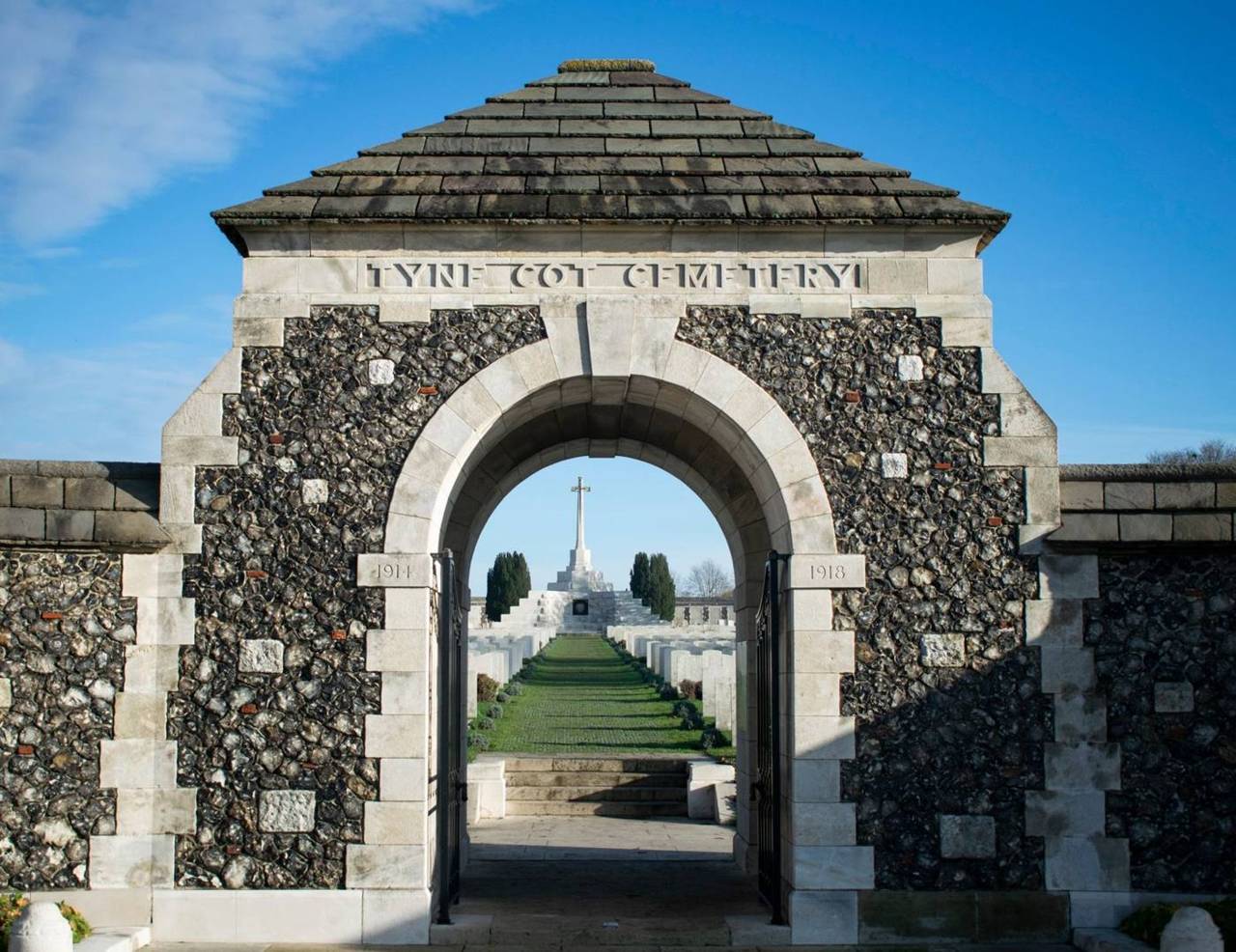
Ypres, Flanders Fields and Waterloo
The Great War at Ypres with the Last Post under the Menin Gate, Tyne Cot cemetery, Passchendaele and the battlefield of Waterloo.
 3 daysEasy
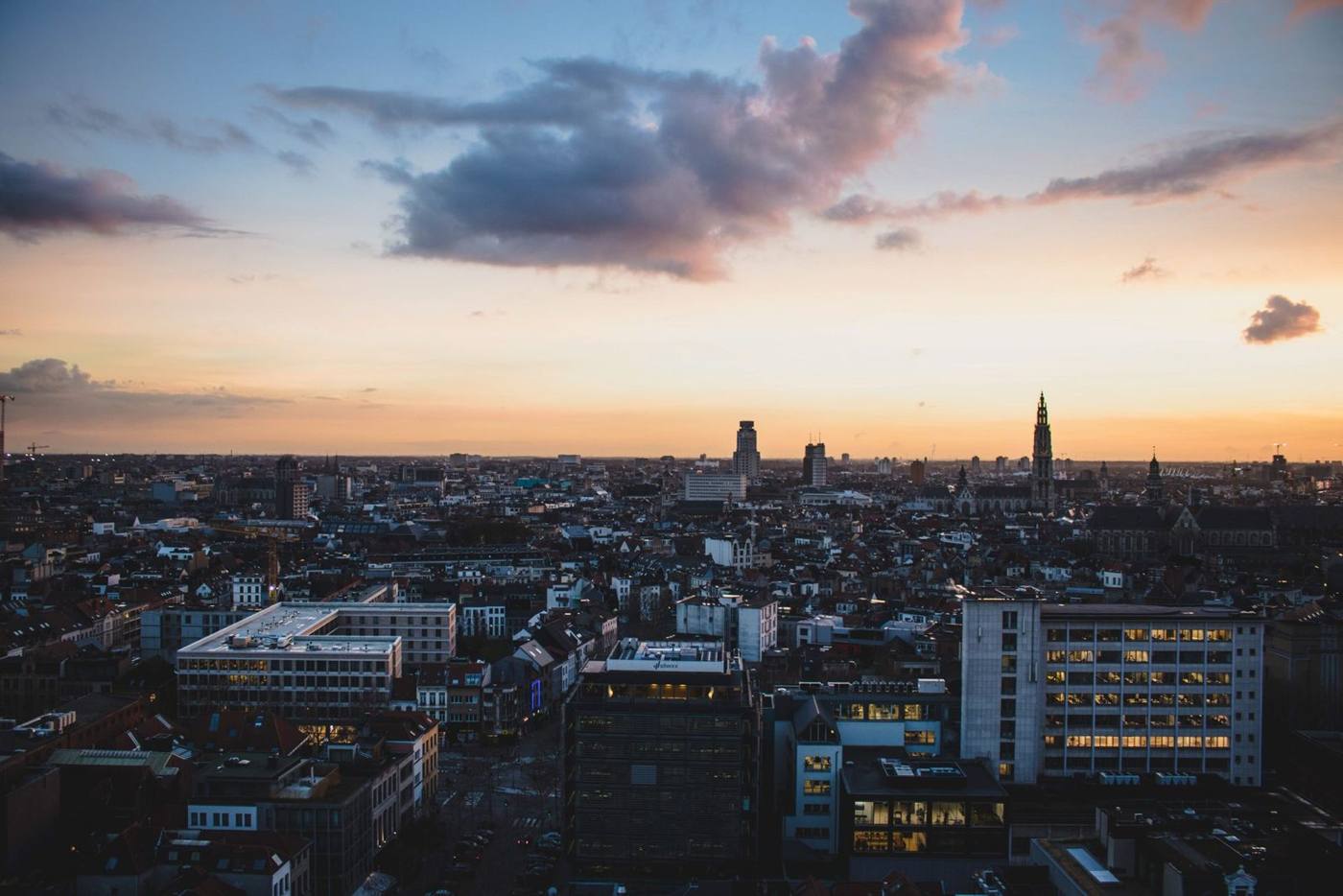
Antwerp and Mechelen
The city of Rubens, diamonds and fashion, with the UNESCO-listed Plantin-Moretus Museum, the port and the Zuid district, and nearby Mechelen.
 4 daysEasy
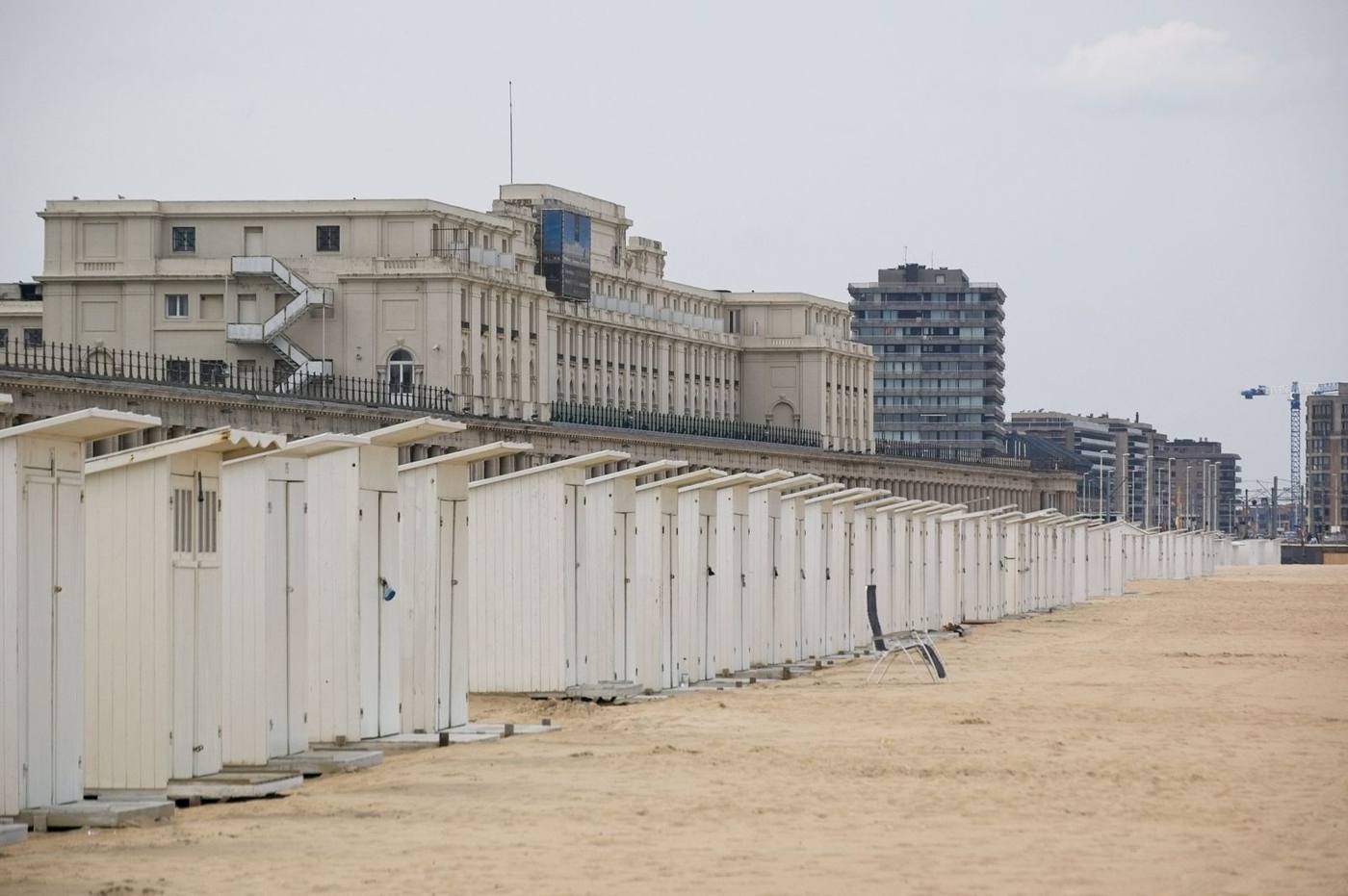
The Belgian coast by tram
The world's longest coastal tram from De Panne to Knokke: the dunes, Ostend, the horseback shrimp fishers of Oostduinkerke and the villas of De Haan.