The Belgian Ardennes
Dinant and the Meuse, Durbuy, the 'smallest town in the world', La Roche-en-Ardenne, the Han caves and kayaking on the Lesse.
- Namur
- Dinant
- Han-sur-Lesse
- Durbuy
- La Roche-en-Ardenne
- Bouillon
Day by day
- Day 1
Namur, the citadel and Dinant on the Meuse
This five-day trip takes you to the Belgian Ardennes, the green Belgium of rivers, rocks and woods: the Meuse valley at Dinant, the caves of Han and kayaking on the Lesse, Durbuy, La Roche-en-Ardenne and the castle of Bouillon. You need a car.
Before you go: Belgium is part of the European Union and the Schengen area and uses the euro. Italian citizens only need an electronic identity card valid for travel abroad or a passport; the paper identity card has not been valid for travel abroad since 3 August 2026. Other nationalities should check their own rules. Since 23 July 2026 the United States has rated Belgium level 2 for crime, terrorism and unrest, and the Belgian government keeps the terrorist threat at level 3, serious. The UK warns of pickpockets at Midi and Nord stations, on international trains and in the European quarter: keep an eye on your bag and phone.
In the morning you are in Namur, where the Sambre meets the Meuse. Go up to the citadel by cable car and walk along the ramparts for the view over the two valleys. Check prices and times.
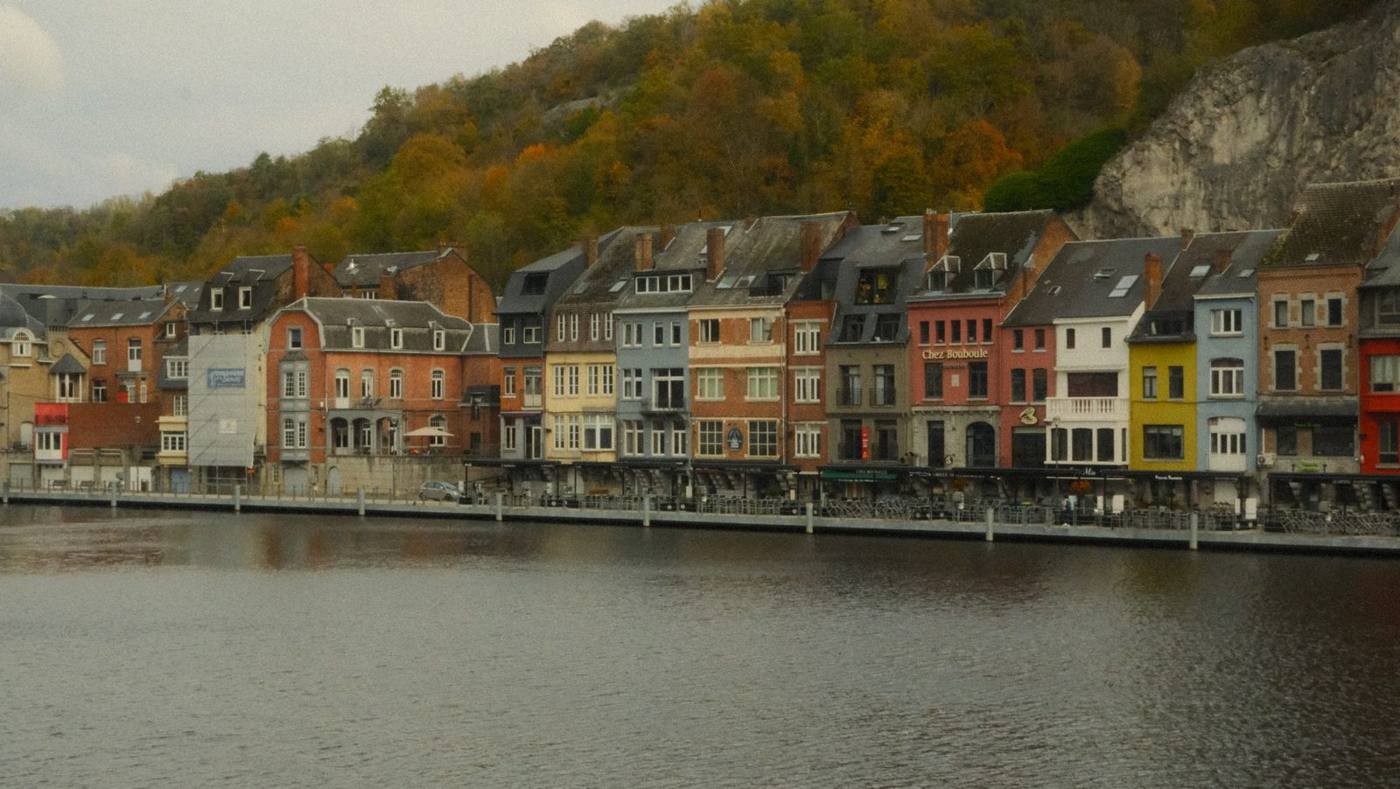
In the early afternoon follow the Meuse south to Dinant, about half an hour, a small town squeezed between the river and a wall of rock. In front of the bridge you see the Collegiate Church of Our Lady, with its onion-shaped bell tower, and above it the citadel, which you reach by cable car or by a staircase of 408 steps. Check prices and times.
Adolphe Sax, the inventor of the saxophone, was born in Dinant in 1814: on the bridge there are large colourful saxophones, and in the centre a small space tells the story of his life.
Sleep in Dinant.
Practical tip: for the classic photo of Dinant, with the collegiate church and the rock, cross the bridge and look from the opposite bank, ideally at sunset.
- Day 2
Kayaking on the Lesse and the caves of Han
Today you spend the day between the river and the underground.
In the morning paddle down the Lesse by kayak, one of the most beautiful rivers in the Ardennes, which flows between meadows, cliffs and woods to the Meuse at Anseremme, near Dinant. Several rental firms offer trips of different lengths, with a shuttle to the starting point. The current is gentle, suitable for beginners too, but trips only run when there is enough water: in a dry summer they may be suspended. Check prices and times and book, because on summer weekends the river is very crowded.
In the afternoon drive to Han-sur-Lesse, about half an hour away, for the caves of Han, one of the largest cave systems in Europe, carved by the Lesse beneath a limestone hill. You reach the entrance on an old tram, then walk among stalactites, stalagmites and great halls, as far as the very high Dome Hall. Inside it is cool, around 13 degrees, all year round. Check prices and times.
Next to the caves is a park with the animals of European forests, such as bears, wolves, lynx and bison, which you visit on foot or by a little train.
In the evening try Ardennes trout or the smoked ham of the region.
Sleep in Han-sur-Lesse or Rochefort.
Practical tip: bring dry clothes and a waterproof bag for your phone when kayaking, and a jacket for the caves, even in the height of summer.
- Day 3
Durbuy and the megaliths of Wéris
Today you visit the smallest town in the world, as Durbuy likes to call itself.
In the morning drive north-east to Durbuy, about three quarters of an hour. The village was granted town status in 1331 and has boasted ever since of being the smallest town in the world. Walk through its lanes of grey stone, with half-timbered houses, flowers at the windows and little bridges. Above the river Ourthe rises the castle of the counts, privately owned, which you see from outside.
Then visit the topiary park, a garden with hundreds of figures clipped from box: animals, characters and strange shapes, some more than two metres high. Check prices and times.
In the afternoon go to Wéris, a few kilometres away, one of the most beautiful villages in Wallonia, famous for its megaliths: dolmens and menhirs raised in prehistoric times along an alignment several kilometres long. Follow the walking route through the fields, from the Wéris dolmen to the standing stones, and stop at the small centre that explains the site. Check prices and times.
Return to Durbuy for sunset, when the day's groups leave and the village becomes quiet again.
Sleep in Durbuy.
Practical tip: Durbuy is very busy on summer weekends; leave the car in the car parks outside the centre and walk in, and if you can, visit on a weekday.
- Day 4
La Roche-en-Ardenne, the castle and the bends of the Ourthe
Today you walk in one of the wildest valleys of the Ardennes.
In the morning drive south along the Ourthe valley to La Roche-en-Ardenne, about half an hour. The town lies in a bend of the river, at the foot of a hill crowned by the ruins of the feudal castle, which dates back to the eleventh century. Climb among the walls and towers for the view over the slate roofs and the river. Check prices and times.
La Roche was almost destroyed during the Battle of the Bulge, in the winter of 1944 to 1945, the last great German offensive on the Western Front. In town a museum tells the story of those months, and a tank from the battle is on display in the centre.
In the afternoon take one of the marked trails around the town, which climb to viewpoints above the bends of the Ourthe, through beech woods and rock faces. There are routes of an hour or half a day; pick up a map at the tourist office. Along the river you often see herons and, with a little luck, a kingfisher.
In the evening try Ardennes ham, game in autumn, and the region's blueberry tarts.
Sleep in La Roche-en-Ardenne.
Practical tip: the Ardennes trails are steep and muddy after rain; wear hiking boots and carry water, because there are no fountains in the woods.
- Day 5
Bouillon, Godfrey's castle and the Semois
On the last day you head south to the Semois valley, near France.
In the morning drive to Bouillon, about an hour and a quarter. The town is squeezed into a bend of the Semois, below the castle, the oldest and largest feudal castle in Belgium, on a ridge of rock. In 1096 Godfrey of Bouillon pledged it to the Bishop of Liège to finance the First Crusade. Walk through the underground passages cut into the rock, the stairways, the wall walks and the towers. In summer there are birds of prey displays. Check prices and times.
Then stroll along the river and cross the old stone bridge.
In the early afternoon make a detour to the Tombeau du Géant viewpoint, above Botassart, a few kilometres away: from here you see one of the most famous bends of the Semois, curling around a wooded hill. Then set off for Luxembourg, about an hour and a half away, or for Brussels.
In these five days you have seen the citadel of Namur, Dinant and its collegiate church, the Lesse by kayak, the caves of Han, Durbuy and its topiary park, the megaliths of Wéris, the castle of La Roche and the bends of the Ourthe, the castle of Bouillon and the Semois.
When to go: from May to October. Summer is perfect for kayaking, if there is water; autumn colours the woods and is the game season. In winter many places close or reduce their hours.
Practical tip: Ardennes roads are narrow and winding; allow more time than expected for every journey.
Green Belgium of rivers and woods, perfect for a long weekend from Luxembourg or Brussels. Kayaking on the Lesse runs only with enough water and is crowded on summer weekends. A car is needed. In autumn the woods are beautiful and it is game season.
Before you go
- Documents and visa
- EU citizens need a valid identity card or passport: Belgium is in the EU and the Schengen area. Always carry your document. Other nationalities should check the Schengen rules.
- Health and vaccines
- No vaccines required. EU citizens should bring their EHIC. Emergencies: 112.
- Money and payments
- Euro. Cards are accepted almost everywhere, even for small amounts.
- Power sockets
- Type E, 230 volts.
- Time zone
- Central European Time (UTC+1, summer UTC+2).
- Safety
- A safe country, but since 23 July 2026 the United States has rated Belgium level 2 for crime, terrorism and unrest. The Belgian government keeps the terrorist threat at level 3, serious. Watch out for pickpockets at Brussels Midi and Nord stations, on international trains and in crowded places; strikes can stop transport at short notice. Official advice: GOV.UK.
Information checked in November 2026 for Italian and EU citizens. Rules change: always check before you travel.
Variations
In 3 days: Dinant, kayaking on the Lesse with the caves of Han, and Durbuy.
In 7 days: add northern Wallonia, with Liège, Spa and the Hautes Fagnes.
Frequently asked questions
Is kayaking on the Lesse suitable for beginners?
Yes, the current is gentle. Trips only run when there is enough water and on summer weekends the river is crowded: book ahead and check prices and times.
Do you need a car in the Ardennes?
Yes, it helps: the villages are far from the stations and buses are few. The roads are narrow and winding.
Which document do you need for Belgium?
Italian citizens only need an electronic identity card valid for travel abroad or a passport. Other nationalities should check their own rules.
Indicative itinerary written by World Atlas. Before booking, check timetables, seasonal openings, documents and safety.
 5 daysEasy
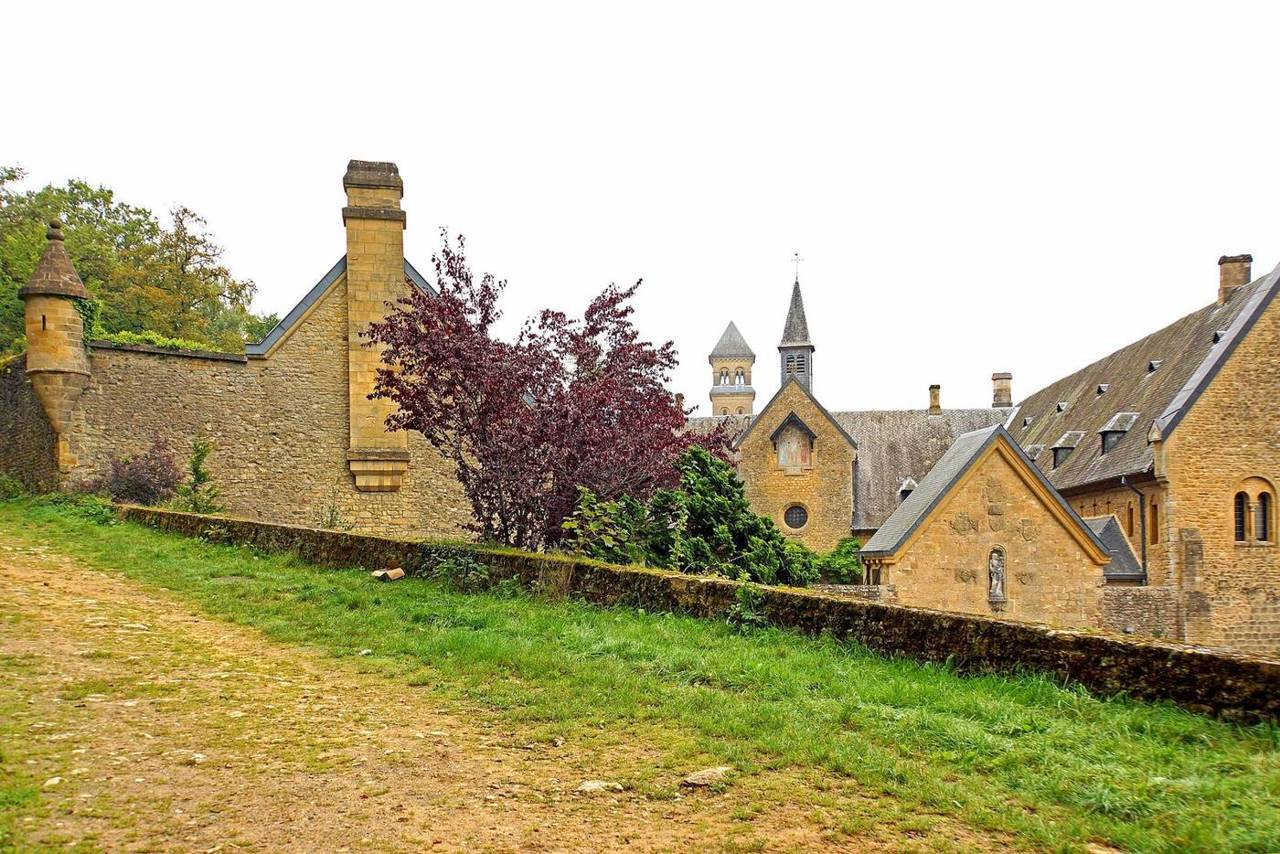
Trappist beers and abbeys
A tour of Belgium's Trappist abbeys: Westvleteren, Chimay, Orval, Rochefort and Westmalle, with the historic breweries of Brussels and Bruges.
 4 daysEasy
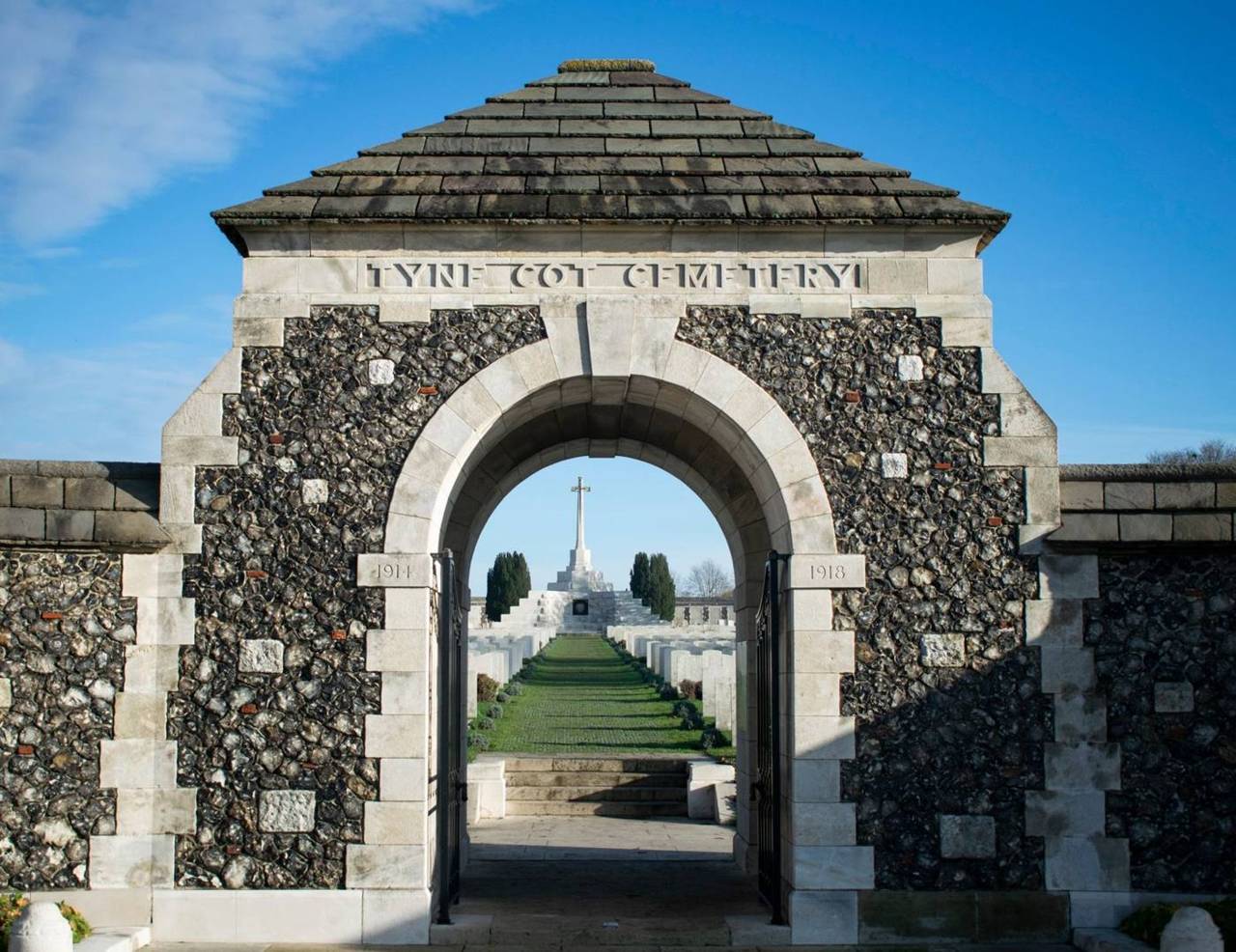
Ypres, Flanders Fields and Waterloo
The Great War at Ypres with the Last Post under the Menin Gate, Tyne Cot cemetery, Passchendaele and the battlefield of Waterloo.
 3 daysEasy
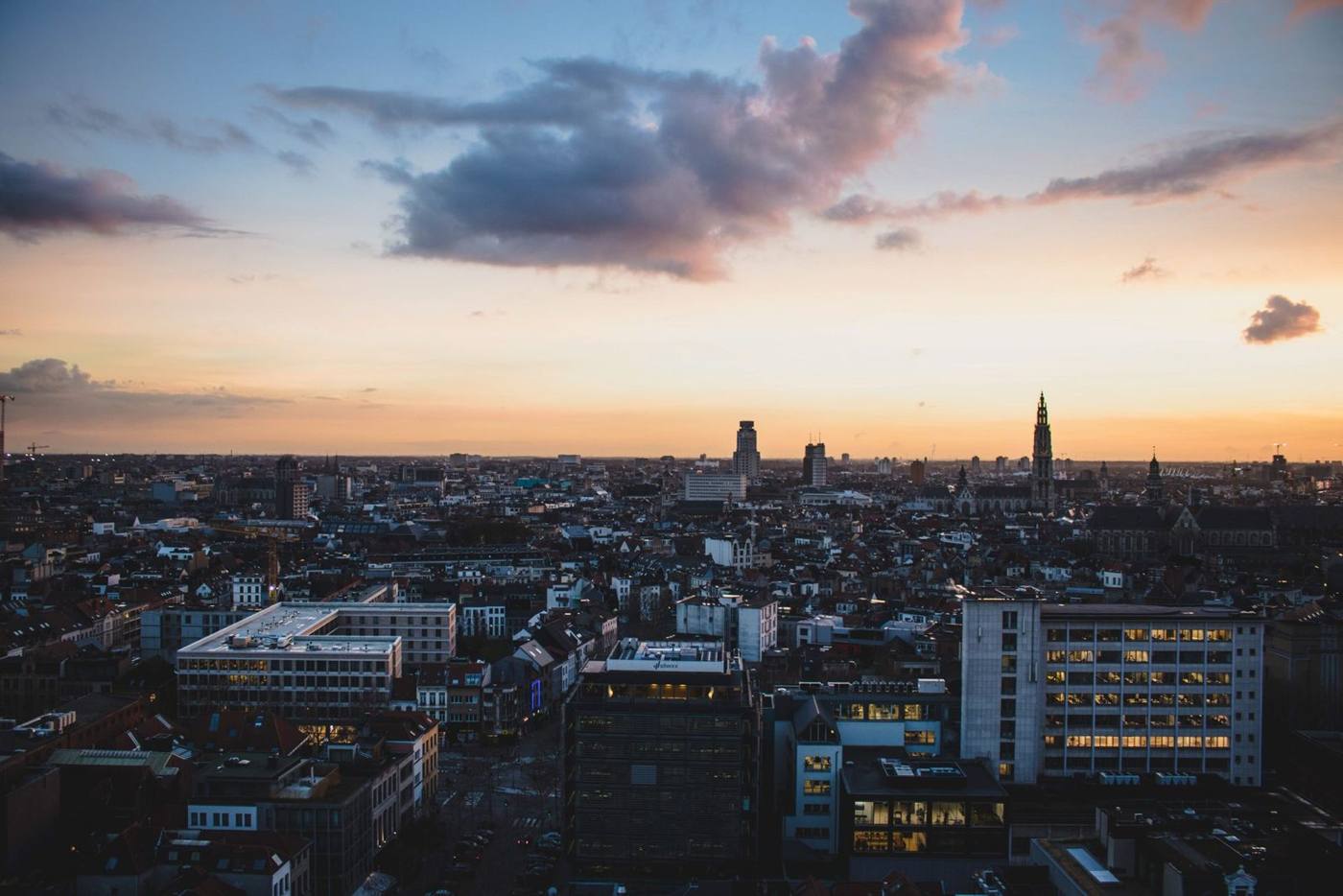
Antwerp and Mechelen
The city of Rubens, diamonds and fashion, with the UNESCO-listed Plantin-Moretus Museum, the port and the Zuid district, and nearby Mechelen.