Abaco and Hope Town
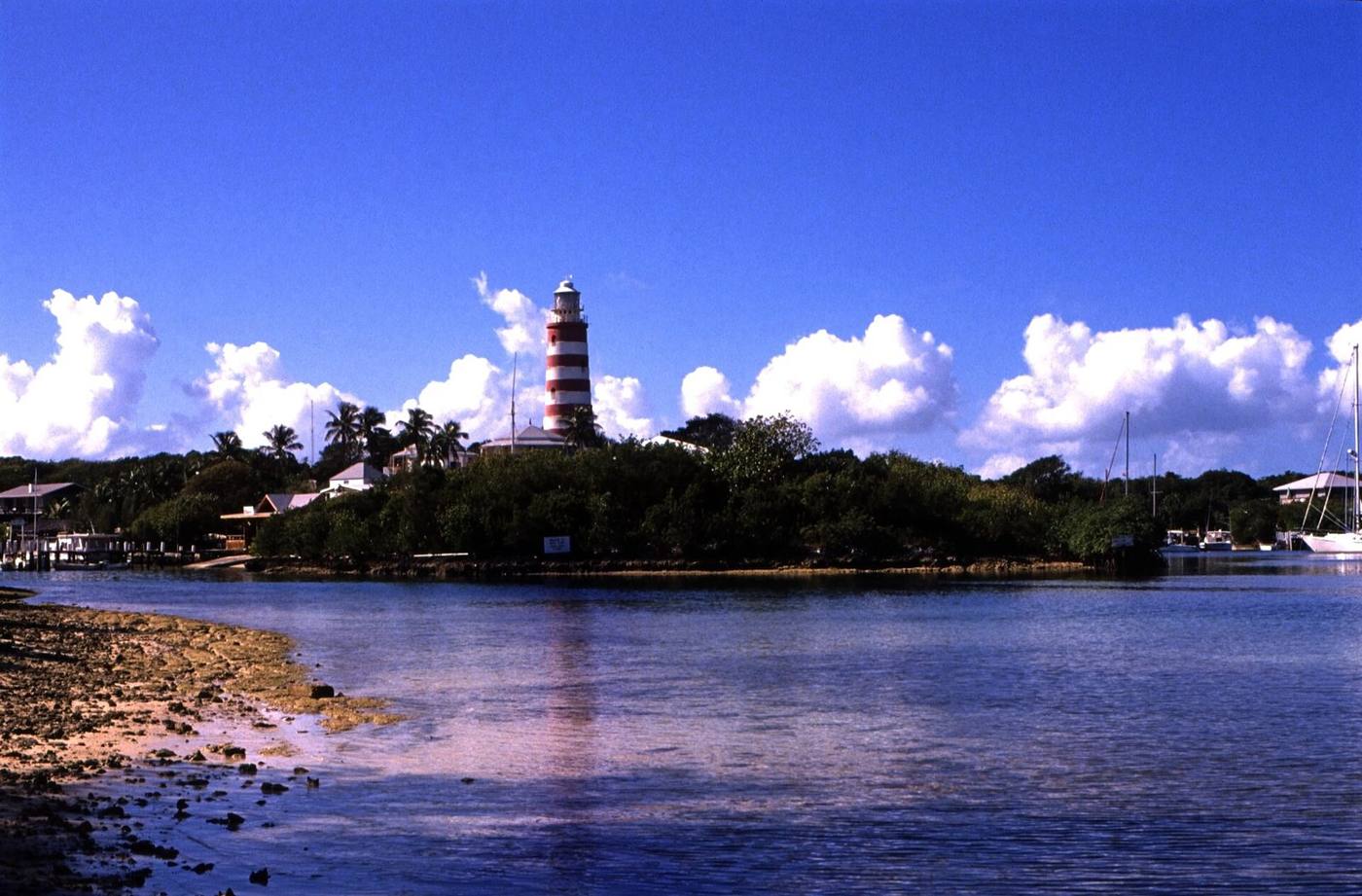
The Abaco islands by boat: the red-striped lighthouse of Hope Town, the Loyalist villages of Elbow Cay and Green Turtle Cay and the sheltered bays of the Sea of Abaco.
- Marsh Harbour
- Hope Town
- Green Turtle Cay
Day by day
- Day 1
Arrival in Marsh Harbour and the ferry to Elbow Cay
This four-day trip takes you to the Abaco islands, in the north of The Bahamas, best enjoyed by boat: the red and white striped lighthouse of Hope Town, the villages founded by American Loyalists on Elbow Cay and Green Turtle Cay, and the sheltered bays of the Sea of Abaco, a shallow, turquoise inland sea protected by a chain of small islands.
Before you go: Italian citizens enter The Bahamas with a passport valid for at least six months, without a visa for tourist stays of under 90 days. Other nationalities should check their own rules. The crime reported by the United States and the United Kingdom mainly concerns Nassau and Grand Bahama; in Abaco normal precautions apply, but always lock your accommodation and your boat. Hurricane season runs from June to November.
You arrive on a flight from Nassau or Florida at Marsh Harbour airport, the main town of the islands. Abaco was hit very hard by Hurricane Dorian in September 2019, one of the strongest ever recorded in the Atlantic: rebuilding is well advanced, but some places have not reopened. Before booking, check which accommodation, ferries and services are open.
From the airport a taxi takes you to the ferry dock, from where a boat crosses the Sea of Abaco to Elbow Cay in about twenty minutes. From the ferry you can already see Hope Town's striped lighthouse marking the harbour entrance.
Settle into the village and take a first walk through the narrow lanes, between wooden houses painted white, yellow and blue, with picket fences and flowering gardens.
Practical tip: in the Out Islands such as Abaco carry cash in dollars, because cash machines are few and sometimes out of order.
- Day 2
Hope Town and the climb up the lighthouse
In the morning cross Hope Town harbour on the local ferry or a water taxi to the lighthouse. It is a nineteenth-century lighthouse, painted in horizontal red and white stripes, and one of the last in the world still running on kerosene with a clockwork mechanism wound by hand by the keepers during the night. Climb the spiral staircase to the gallery: from up there you see the round harbour, the village, the coral reef on the Atlantic side and the islands of the Sea of Abaco. Check prices and times.
Go back to the village and visit the small local history museum, which tells the story of the Loyalists, the settlers faithful to the British Crown who came from the United States after the American War of Independence, at the end of the eighteenth century, and of the lives of fishermen and boatbuilders.
In the afternoon walk to the beach on the Atlantic side, a few minutes from the centre, a long stretch of pale sand protected by the reef. When the sea is calm you can snorkel near the coral heads; when it is windy waves and currents can be strong, and there are no lifeguards.
At sunset go back to the harbour to watch the boats come in and the lighthouse beam come on.
Hope Town is a place you explore on foot, by bike or by golf cart, and the pace is slow: that is exactly the spirit of the trip.
Practical tip: never swim alone on the Atlantic beach and ask in the village what the currents are like that day.
- Day 3
A rented boat among the cays
Today you rent a small motorboat to explore the Sea of Abaco, the finest thing to do in these islands. The inland sea is shallow and calm, but it has sandbanks and coral heads: you need some experience, the local chart and attention to the tides. The rental company explains the safe routes. If you have never driven a boat, take a trip with an authorised captain.
Set off early south to Tahiti Beach, at the tip of Elbow Cay, a tongue of sand that stretches into the turquoise sea at low tide. Then continue to Sandy Cay, an islet in the national marine park, where the reef is close to the surface: you snorkel after tying up to the moorings, without dropping anchor on the coral.
After lunch head north to Man-O-War Cay, a small village with a long tradition of wooden boatbuilding, and the long beach of Great Guana Cay.
Never go out through the passages between the islands into the open ocean: when the Atlantic swell rises, dangerous breakers form in those gaps, which locals call a rage. Listen to the weather forecast in the morning and get back to harbour before sunset.
The Sea of Abaco is also a place to see sea turtles, rays and dolphins. Watch the animals from a distance and do not chase them with the boat.
Practical tip: bring water, sunscreen, a hat and life jackets for everyone, and tell your accommodation where you are going and when you will be back.
- Day 4
Green Turtle Cay, New Plymouth and departure
On the last day leave Elbow Cay early on the ferry to Marsh Harbour, then continue by taxi or car north to the dock for Green Turtle Cay, where a short crossing takes you to New Plymouth. It is one of the oldest and best preserved villages in The Bahamas, also founded by Loyalists at the end of the eighteenth century.
Walk among the colourful wooden houses with steep roofs, the churches and the small historic jail. In the sculpture garden dedicated to the Loyalists, a series of busts remembers the people who founded the islands, both the settlers and the enslaved people they brought with them. Then stop at the nearby beach for a last swim in calm water.
Head back to the airport for your flight, at Marsh Harbour or the one further north, near the Green Turtle Cay dock: check ferry and flight times beforehand, because they are few and change with the seasons.
Trip summary: four slow days in the Abaco islands, between the kerosene lighthouse of Hope Town, the Atlantic beach, a day by boat on the Sea of Abaco with snorkelling in the marine park, and the Loyalist village of New Plymouth. Quiet islands where a boat is the best way to get around.
When to go: from December to May, with dry weather and a calm sea; June to November is hurricane season, and Abaco knows only too well how destructive they can be.
Practical tip: leave a margin before your international flight, because connections with Nassau and Florida can be cancelled in bad weather.
Quiet islands, best lived by boat. Abaco was hit hard by Hurricane Dorian in 2019: rebuilding is well advanced, but check open lodgings and ferries beforehand.
Before you go
- Documents and visa
- Passport valid for at least six months after the date you leave; British citizens can usually stay up to 30 days without a visa, extendable. You cannot work without a permit. If you arrive from the United States on an ESTA, your days in The Bahamas count towards the ESTA's 90 days.
- Health and vaccines
- No compulsory vaccinations (a yellow fever certificate only if you arrive from a risk country). Dengue and Zika: use repellent. Public hospitals are limited and private ones are good but very expensive: get insurance with medical cover and repatriation, including air evacuation. Emergencies: 911 or 919.
- Money and payments
- Bahamian dollar, at par with the US dollar, which is accepted everywhere. Visa, Mastercard and American Express work on the main islands; carry cash in the Out Islands.
- Power sockets
- Types A and B, 120 volts, as in the United States: you need an adapter for British plugs.
- Time zone
- UTC-5, UTC-4 in summer (US Eastern Time), five hours behind the UK for most of the year.
- Safety
- The United States rates The Bahamas at level 2 because of crime. On New Providence, where Nassau is, and Grand Bahama there are armed robberies and sexual assaults: stay in the main tourist areas, do not walk alone away from the centre and the beaches, travel in groups after dusk and avoid the Over the Hill area south of Shirley Street. Water sports are poorly regulated: do not rent jet skis from unregistered operators. Do not swim at dusk or at night, or where fish is gutted or sharks are baited. Hurricane season runs from 1 June to 30 November. Official advice: GOV.UK.
Information checked in November 2026 for Italian and EU citizens. Rules change: always check before you travel.
Variations
Shorter version: in 3 days, Hope Town with its lighthouse and a day by boat, without Green Turtle Cay.
Longer version: in 7 days, add two nights on Green Turtle Cay and a day in Abaco National Park, in the south of Great Abaco.
Frequently asked questions
Has Abaco recovered from Hurricane Dorian?
Rebuilding is well advanced and tourism has restarted, but some places and connections have not returned yet: check before booking.
Do you need a licence to rent a boat?
It depends on the rental company and the boat: ask beforehand what documents and experience are required; if you have no experience, choose a trip with an authorised captain.
Can you climb the Hope Town lighthouse?
Yes, usually by day, up a spiral staircase to the gallery; check prices and times locally.
Indicative itinerary written by World Atlas. Before booking, check timetables, seasonal openings, documents and safety.
 3 daysModerate
Bimini and the hammerhead sharks
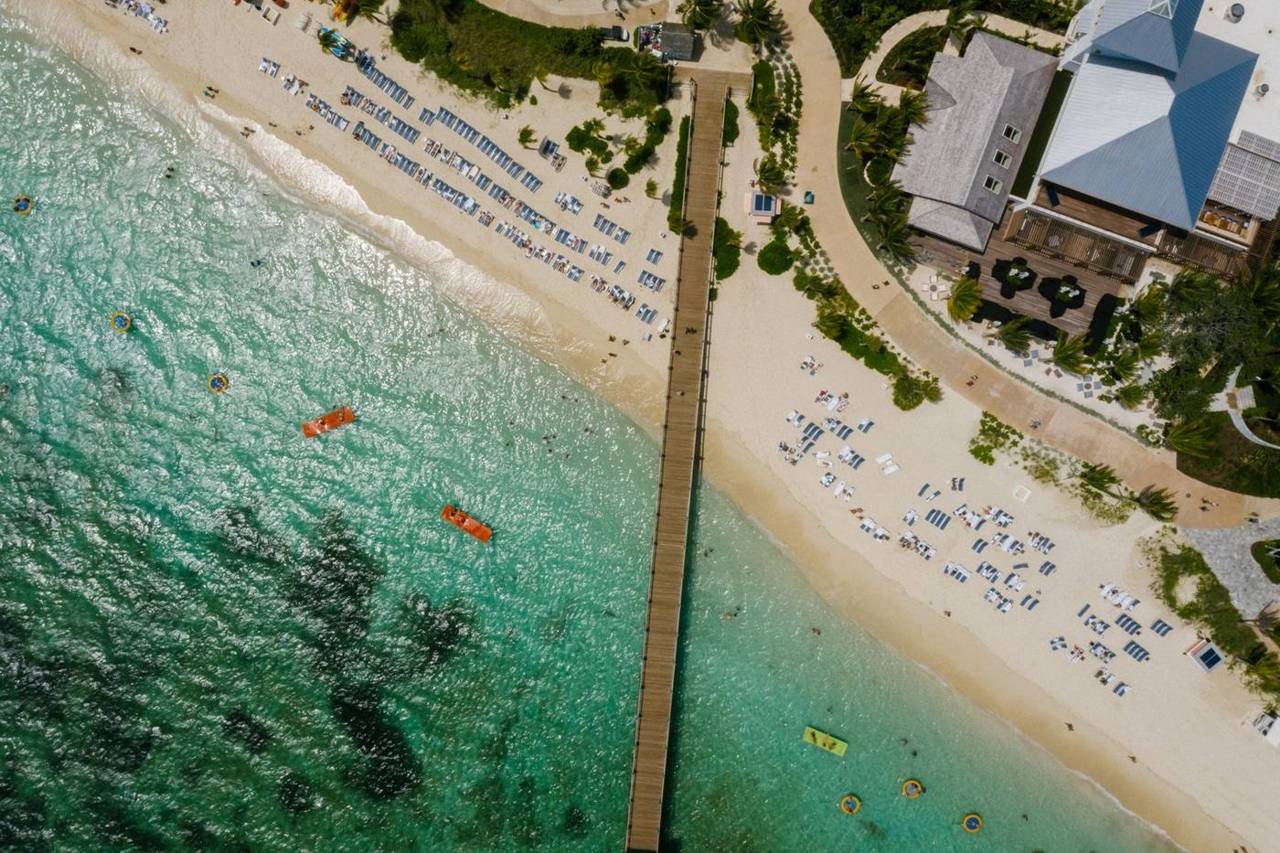
The island closest to Florida, famous for Hemingway and for diving with the great hammerhead, wild dolphins and the concrete wreck of the Sapona.
 4 daysEasy
Long Island and Dean's Blue Hole
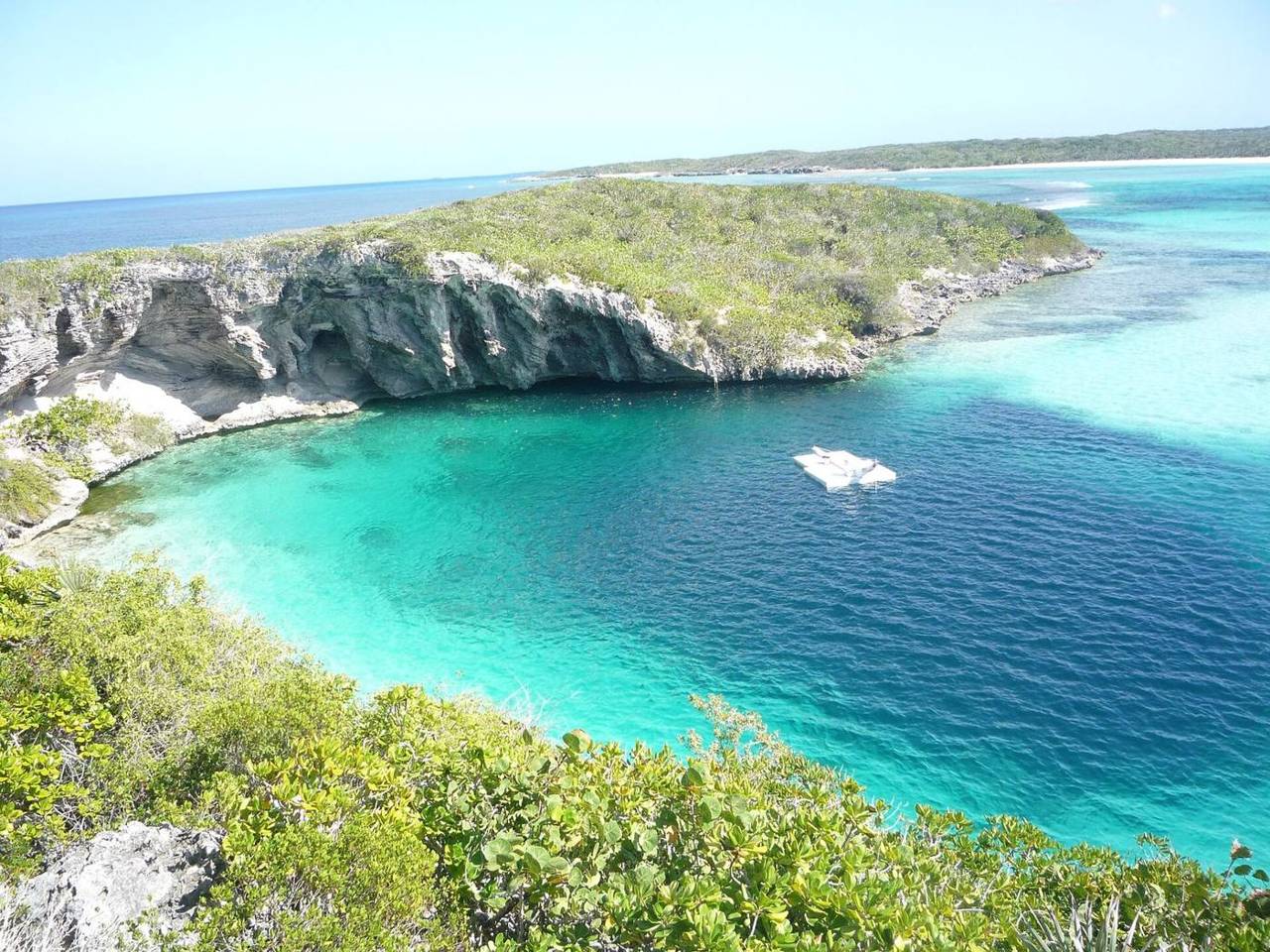
A long, narrow island, with cliffs on the Atlantic and calm beaches on the Caribbean side: Dean's Blue Hole, one of the world's deepest blue holes, Cape Santa Maria and the stone churches.
 6 daysEasy
The Exumas
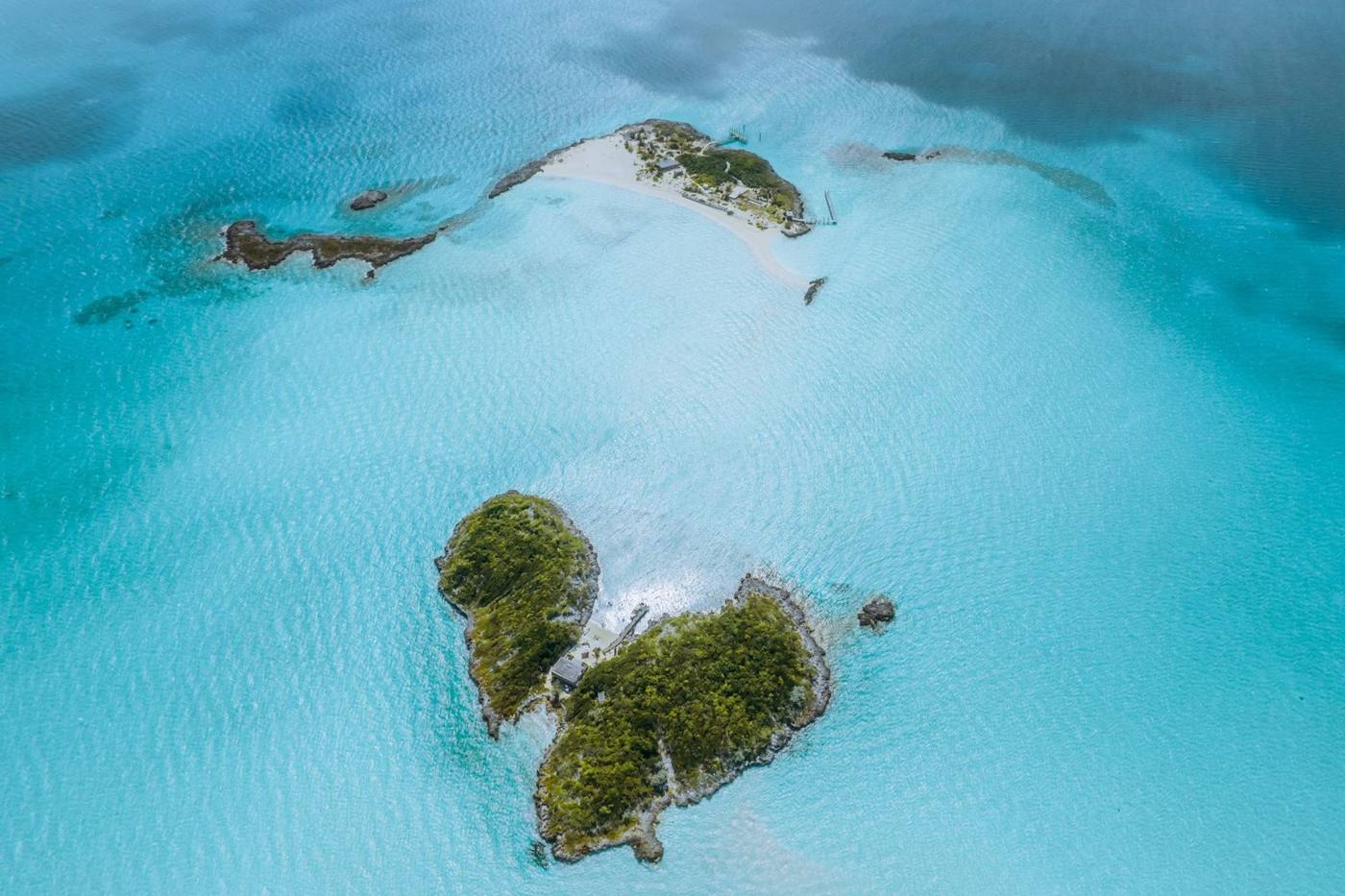
A chain of islands on a turquoise sea: the swimming pigs of Big Major Cay, Thunderball Grotto, sandbars and the iguanas of Allan's Cay.