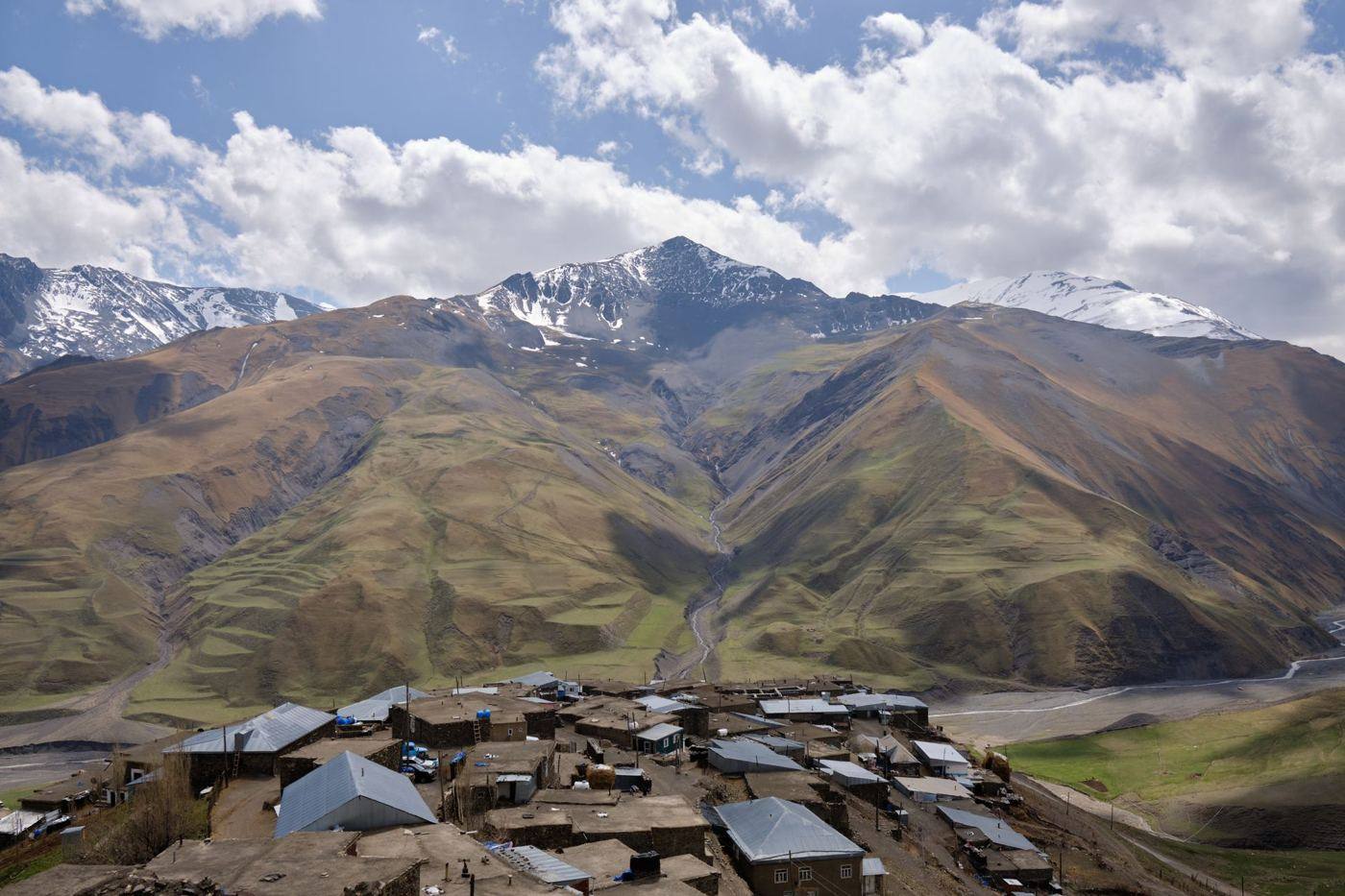
Zaqatala and Ilisu
The green north-west towards Georgia: Zaqatala with its giant plane trees and walnuts, the stone village of Ilisu with its towers, and Qax.
- Sheki
- Qax
- Ilisu
- Zaqatala
- Balakən
Day by day
- Day 1
From Sheki to Qax
This four-day trip takes you to the green north-west of Azerbaijan, towards Georgia: Qax with its ancient churches, the stone village of Ilisu with its towers and waterfall, Zaqatala with giant plane trees and hazelnut groves, and Balakən.
Before you go: Italian citizens need a passport, valid for at least three months beyond the expiry of the visa, and an e-visa, applied for online only on the official website evisa.gov.az: it is valid for one entry and up to 30 days and is not issued at the airport. Other nationalities should check their own rules. You can only enter by air, at Baku. Today the UK also lists the land border with Georgia as closed, and leaving by road requires permission from the authorities: do not count on this exit. Viaggiare Sicuri, the Italian government's travel service, advises against the areas along the Armenian border and the United States, at level 3 since 2026, against the border with Iran, both far from here.
The trip starts in Sheki, which you reach from Baku in about five hours. In the morning set off north-west and in about an hour you arrive in Qax, a quiet town at the foot of the Greater Caucasus, among chestnut and walnut woods.
The Qax district is home to a community of Ingiloys, Georgians of Christian or Muslim faith, and has some of the oldest churches in the country. Visit the basilica of Qum, a large stone church of Caucasian Albania, partly in ruins, in a village among orchards. Check times.
In the afternoon walk around the centre of Qax, with its houses with wooden balconies, and the market, where chestnuts, walnuts, honey and cheese are sold. Sleep in Qax.
Practical tip: in the north-west cash machines are few outside the main towns; withdraw money in Sheki or Qax before going up to the villages.
- Day 2
Ilisu and the waterfall
Today you climb to one of the most beautiful villages of the Azerbaijani Caucasus.
In the morning leave Qax northwards along a narrow wooded valley. In about half an hour you reach Ilisu, a village of stone houses with steep roofs, on the banks of a mountain river. For centuries Ilisu was the capital of a small sultanate, which long resisted the Russian Empire until the middle of the nineteenth century.
Walk around the village and look for the stone towers, the old mosques and the arched bridge over the river. Just outside the village rises the Sumuq tower, a medieval defensive tower built on a rocky spur, from where the valley was watched.
Then set off on the walk to the Ilisu waterfall. The path follows the river through the woods, crosses small bridges and meadows and climbs to a tall waterfall dropping into a green gorge. Allow a few hours there and back, at an easy pace. In summer the path is busy, while in spring it can be muddy after rain.
On the way back stop for tea at one of the village family homes, with wild berry jam and warm bread.
In the evening try plov with chestnuts, a typical dish of the north-west, or meat cooked over embers with fresh herbs. Sleep in Ilisu.
Practical tip: for the waterfall leave early in the morning, bring water, hiking shoes and a waterproof jacket, and ask in the village whether the path is open and in good condition.
- Day 3
Zaqatala, the plane trees and the fortress
Today you discover the town of giant plane trees and hazelnuts.
In the morning come down from Ilisu and continue north-west to Zaqatala, about an hour by road, through orchards and hazelnut groves. The Zaqatala region is one of the greenest in the country, at the foot of mountains covered with forest, and lives mainly from growing hazelnuts and walnuts.
In the central square of Zaqatala stand the giant plane trees, huge trees with very wide trunks and crowns that shade the whole park, planted according to tradition more than two centuries ago. Sit under the branches with a tea as the locals do.
Then climb to the fortress, built by the Russian army in the first half of the nineteenth century, with stone walls and gates. Some sailors of the battleship Potemkin were imprisoned here after the mutiny of 1905. Walk along the walls and look at the town from above. Check times.
In the afternoon visit the market, where you buy hazelnuts, walnuts, honey, dried fruit and cheese. If you still have energy, take a walk in the woods around the town, towards the Zaqatala nature reserve, which protects the forests and wildlife of the Greater Caucasus: ask in town which paths you can walk.
Sleep in Zaqatala.
Practical tip: autumn is the hazelnut harvest season and the time of colours in the woods; if you come in September or October, buy fresh hazelnuts at the market, the best of the year.
- Day 4
Balakən and back to Baku
Today you reach the far north-west of the country and return to Baku.
In the morning leave Zaqatala for Balakən, about half an hour by road, the last town before the border with Georgia. Visit the Friday Mosque, with its tall brick minaret that you see from afar above the roofs. Dress modestly. Then walk in the park in the centre, among large trees, and in the market.
To return to Baku you have two options: a domestic flight from Zaqatala airport, if it is operating at that time, or the night train that leaves Balakən station and arrives in Baku in the morning. Check prices and times and book ahead, because seats are few. By car the journey takes about seven hours.
Do not plan to leave for Georgia: today the UK lists the land border as closed and leaving by road requires permission from the authorities. If the rules change, check on official websites before you leave.
In these four days you have seen the greenest and least touristy corner of Azerbaijan: the ancient churches of Qax, the stone village of Ilisu with its tower and waterfall, the plane trees and fortress of Zaqatala and the minaret of Balakən.
When to go: the best time is from May to October. May and June are very green, July and August are hot in the plain but cool in Ilisu, and autumn brings hazelnuts and the colours of the woods.
Practical tip: the region's family guesthouses are simple and welcoming; always ask whether dinner is included, because outside the towns there are few places to eat in the evening.
Nature and few tourists in the country's greenest corner. Azerbaijan's land borders have been closed for entry since 2020: arrive by air in Baku. Foreigners can usually leave overland towards Georgia, and since 2026 the Baku-Tbilisi train runs again: check the crossing before you go. Simple family guesthouses.
Before you go
- Documents and visa
- Passport valid for at least three months beyond the expiry of the visa, and an e-visa, applied for online only on the official website evisa.gov.az: it is valid for one entry and up to 30 days, with an urgent service at a higher cost. Visas are not issued at the airport. Today you can only enter by air: land borders are closed to arrivals, except in exceptional authorised cases. A previous visit to Karabakh without Azerbaijani permission can lead to refused entry. Stays over 15 days require registration with the State Migration Service, which hotels often do for you.
- Health and vaccines
- No compulsory vaccinations. Tap water is not safe to drink: drink bottled water. You need insurance covering medical costs and repatriation. Air pollution is high in Baku. Emergencies: 112.
- Money and payments
- Azerbaijani manat. In Baku cards are accepted almost everywhere; in villages and markets carry cash.
- Power sockets
- Types C and F, 220 volts.
- Time zone
- UTC+4 all year.
- Safety
- The UK advises against all travel within 5 km of the Armenian border and against all but essential travel to the war-affected districts of the south-west, around Karabakh, which are full of mines and need an official permit. In 2026 the United States raised the country to level 3 and advises against travel to the border region with Iran. Official advice: GOV.UK.
Information checked in November 2026 for Italian and EU citizens. Rules change: always check before you travel.
Variations
In 3 days: Qax, Ilisu and the waterfall, returning to Sheki, without Zaqatala and Balakən.
In 8 days: start from Baku with Shamakhi, Gabala and Sheki and continue with this itinerary to Balakən.
Frequently asked questions
Can you leave for Georgia from Balakən?
Today the UK lists the land border with Georgia as closed and leaving by road requires permission from the authorities. Plan to return to Baku by plane or train and check the rules before you leave.
How hard is the path to the Ilisu waterfall?
It is a moderate path along the river, with some uphill sections and muddy stretches after rain. Allow a few hours there and back and wear hiking shoes.
How do you get back to Baku?
By domestic flight from Zaqatala airport, when it is operating, by night train from Balakən or by car, about seven hours. Check prices and times.
Indicative itinerary written by World Atlas. Before booking, check timetables, seasonal openings, documents and safety.
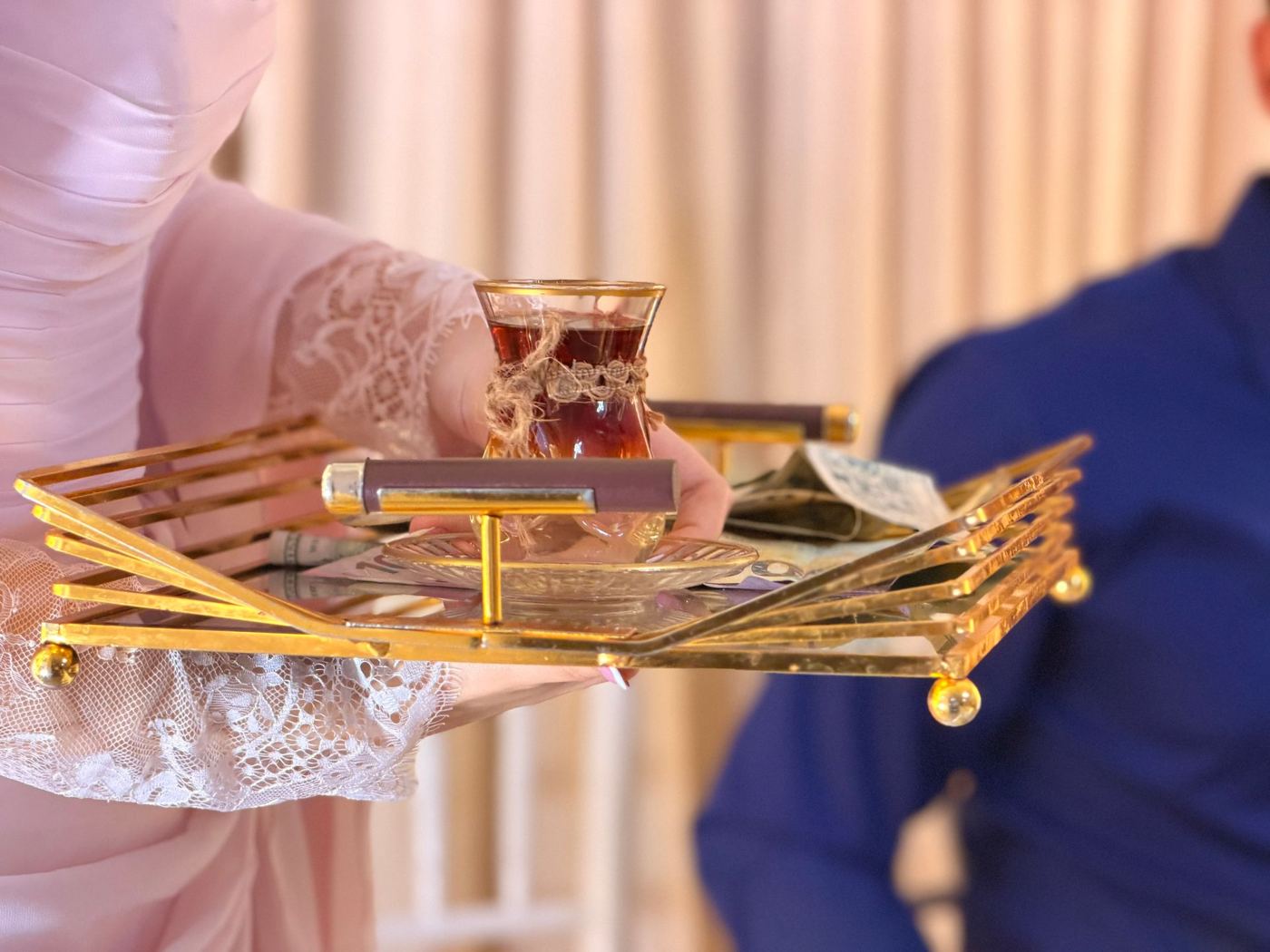 4 daysEasy
Nakhchivan
The Azerbaijani exclave reached by air from Baku: the Momine Khatun mausoleum, the Duzdağ salt cave, the mountain fortress of Əlincə and the town of Ordubad.
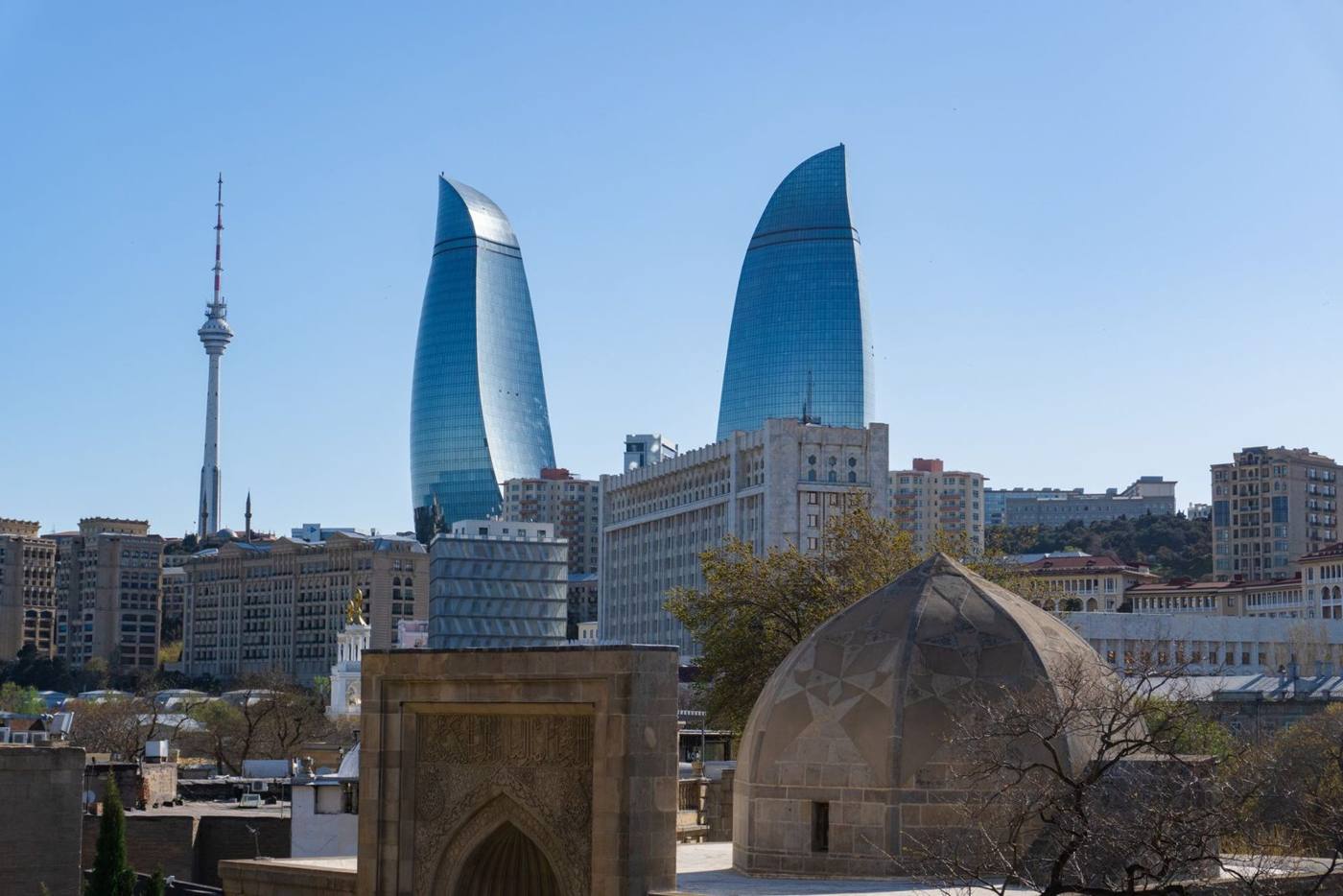 4 daysEasy
Baku and the Absheron
The walled old town with the Maiden Tower, the Flame Towers, the Heydar Aliyev Center, the Gobustan petroglyphs and the burning hill of Yanar Dag.
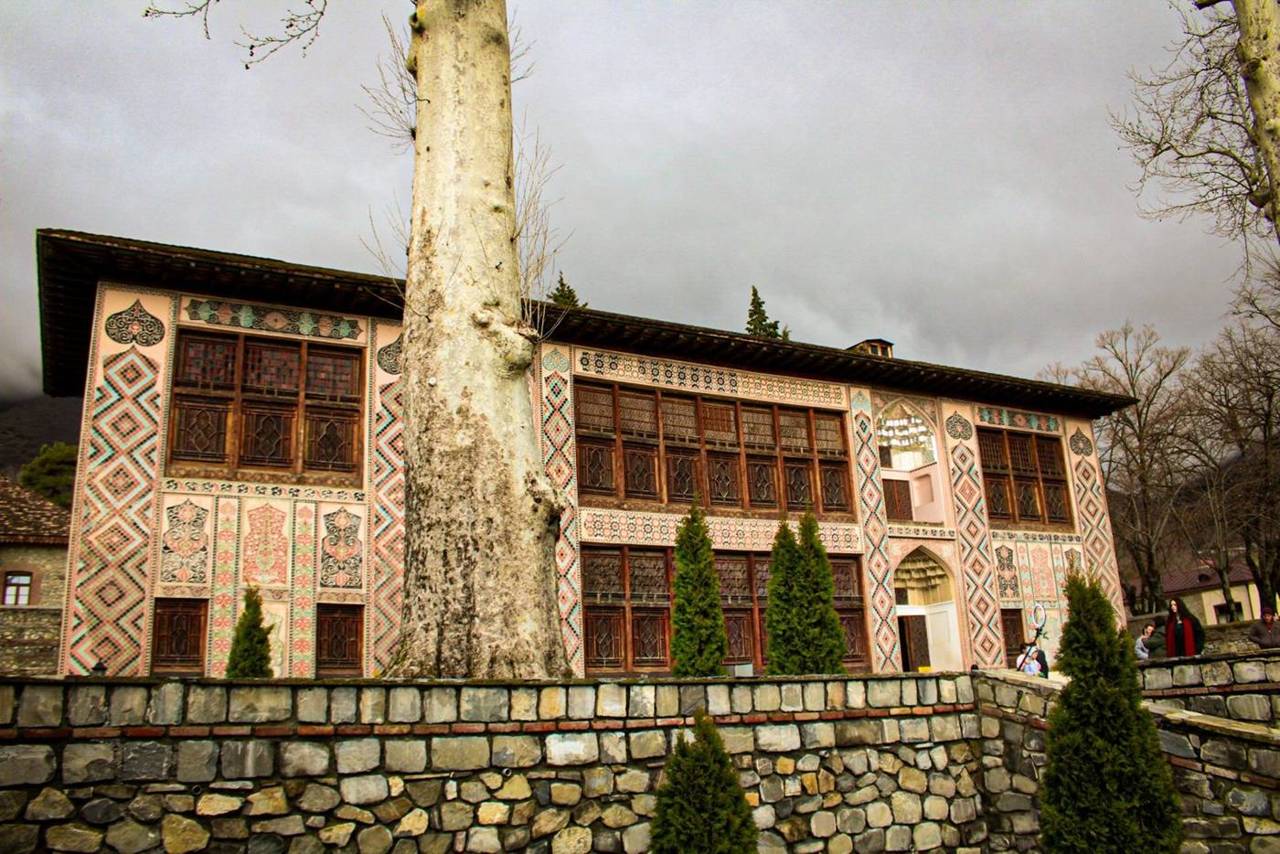 5 daysEasy
Sheki and the Caucasus
The road via Shamakhi and Lahij, the Palace of the Shaki Khans with its stained glass, the caravanserai and the Albanian church at Kish.