Vienna, Salzburg and Hallstatt
The great classic by train: imperial Vienna, Melk Abbey on the Danube, the lakes of the Salzkammergut with Hallstatt and Mozart's Salzburg.
- Wien
- Melk
- Hallstatt
- St. Wolfgang
- Salzburg
Day by day
- Day 1
Arrival in Vienna and the old centre
This trip is the great Austrian classic in nine days, all by train: imperial Vienna, Melk Abbey on the Danube, the lakes of the Salzkammergut with Hallstatt and St. Wolfgang, and Mozart's Salzburg. The trains of the Austrian railways, ÖBB, are punctual and comfortable, so you do not need a car.
Before you go: Austria is part of the European Union and the Schengen area and uses the euro. Italian citizens only need an electronic identity card valid for travel abroad or a passport; the paper identity card has not been valid for travel abroad since 3 August 2026. Other nationalities should check their own rules. The United States rates Austria level 1, the lowest. The UK warns of the risk of terrorist attacks in crowded places and of pickpockets in stations and on public transport: keep an eye on your belongings.
You land at Vienna airport and reach the centre by train in just over a quarter of an hour. Drop your bags and head straight to Stephansplatz, the square of St. Stephen's Cathedral, the symbol of the city, with its roof of coloured tiles and its Gothic south tower, about 136 metres high. Go into the nave and, if you have the energy, climb the steps of the tower for the view over the rooftops. Check prices and times.
Then walk along the Graben and the Kohlmarkt, the elegant streets of the centre, with the baroque plague column, to Michaelerplatz, in front of the entrance to the Hofburg.
In the evening try Wiener Schnitzel, the breaded veal cutlet, with potato salad. Sleep in Vienna.
Practical tip: buy a multi-day Vienna public transport ticket, valid on the underground, trams and buses; it pays off if you stay four days.
- Day 2
The Hofburg and the Kunsthistorisches Museum
Today you visit the palace of the Habsburgs and the great art museum.
In the morning go into the Hofburg, the winter residence of the imperial family for centuries, a huge complex of courtyards, wings and chapels in the heart of the city. The most popular route combines the imperial apartments, the museum dedicated to Empress Elisabeth, known as Sisi, and the court's collection of silver and porcelain. Allow about two hours. Check prices and times.
In the same complex is the Spanish Riding School, where the white Lipizzaner horses train in the morning to classical music in a baroque riding hall. Training sessions and performances have set dates: check prices and times on the official website.
In the afternoon cross the Heldenplatz and the Ringstraße and go into the Kunsthistorisches Museum, the museum of art history, in a nineteenth century palace with a splendid staircase and dome. Here you find the largest collection in the world of paintings by Pieter Bruegel the Elder, with the Tower of Babel and the Hunters in the Snow, and works by Titian, Caravaggio, Rubens and Vermeer. Allow at least three hours. Check prices and times.
If you have time left, take a walk in the MuseumsQuartier, the former imperial stables turned into a museum district, with courtyards full of colourful benches where the Viennese sit in the evening.
For dinner try Tafelspitz, boiled beef served in its broth with apple and horseradish sauce. Sleep in Vienna.
Practical tip: arrive at the Hofburg at opening time, because around midday the groups arrive and the rooms of the apartments get crowded.
- Day 3
Schönbrunn and the Naschmarkt
Today you visit the summer palace of the Habsburgs and the most famous market in the city.
In the morning take the underground to Schönbrunn, the great baroque palace on the edge of Vienna, a UNESCO World Heritage Site. Empress Maria Theresa spent her summers here, the young Mozart played here before the court, and Emperor Franz Joseph lived here for many years. The palace has more than a thousand rooms: the short tour shows about twenty of them, the long one about forty, with the halls of mirrors, porcelain and receptions. Book a timed entry and check prices and times.
Then walk in the park, open to the city, with its geometric flower beds, the Neptune Fountain, the fake Roman ruins and avenues of trees clipped like walls. Climb the hill to the Gloriette, a large colonnade on the top, from where you see the whole palace with Vienna in the background.
In the afternoon head back towards the centre and stroll through the Naschmarkt, the market about a kilometre long between the two lanes of the Wienzeile, with stalls of fruit, spices, cheese, olives and fish, and counters where you eat standing up. The market is closed on Sundays. Next to it is the Secession building, with its dome of golden leaves, where you can see the Beethoven Frieze painted by Gustav Klimt. Check prices and times.
In the evening try one of the city's historic coffee houses with a slice of apple strudel. Sleep in Vienna.
Practical tip: for Schönbrunn buy your ticket online the day before, choosing an early morning slot; in summer the afternoon slots sell out quickly.
- Day 4
The Belvedere, Klimt and the Prater
Today you see the most famous painting in Vienna and end your stay with a view from above.
In the morning go to the Belvedere, two baroque palaces built for Prince Eugene of Savoy at the beginning of the eighteenth century, linked by a sloping garden with fountains and statues. The Upper Belvedere holds the most important collection of Gustav Klimt, with The Kiss, the painting of figures wrapped in gold, and works by Egon Schiele and Oskar Kokoschka. Allow about two hours. Check prices and times.
Then walk down towards the centre and visit the Church of St. Charles Borromeo, the Karlskirche, with its large green dome and the two decorated columns in front of the façade, inspired by Trajan's Column in Rome. Check prices and times.
In the afternoon take the underground to the Prater, the large green park along the Danube, opened to the public by Emperor Joseph II in the eighteenth century. At the entrance stands the giant Ferris wheel, built in 1897, with red wooden cabins that turn slowly up to about 65 metres. From the top you see the rooftops of the city and the river. Check prices and times.
After the ride walk along the Hauptallee, the long straight avenue between chestnut trees, where the Viennese run and cycle.
In the evening, if you like music, look for a Mozart or Strauss concert in one of the city's historic halls, or the standing places at the State Opera. Sleep in Vienna.
Practical tip: tonight pack light, because tomorrow you change town and will walk with your bag between the station, the abbey and the boat.
- Day 5
Melk Abbey and the Wachau
Today you leave Vienna and go down the Danube through its most beautiful valley.
In the morning take the train to Melk, about an hour and a quarter with a change at St. Pölten. From the station walk up in a quarter of an hour to the Benedictine abbey, perched on a rock above the river. The present building, yellow and white, was rebuilt in baroque style in the first half of the eighteenth century and is one of the largest baroque complexes in Europe. Visit the abbey museum, the Marble Hall with its frescoed ceiling, the terrace over the Danube, the library with thousands of old volumes and the church, all gold and frescoes. Check prices and times.
Then go down to the landing stage and take the boat through the vineyards of the Wachau, the stretch of valley between Melk and Krems, a UNESCO World Heritage Site. From the deck you see villages with bell towers, castles on the rocks and terraces of vines and apricot trees. Boats run mainly from April to October: check prices and times.
Get off at Dürnstein, the village with the blue and white bell tower of its monastery church. On the hill above the village are the ruins of the castle where Richard the Lionheart, King of England, was held prisoner on his way back from the crusade. The path climbs in about half an hour between the rocks and gives the best view over the valley.
In the evening taste a glass of Grüner Veltliner, the white wine of the valley, and apricot desserts. Sleep in Dürnstein or Krems.
Practical tip: between Dürnstein and Krems there is also a regional bus along the river, useful if the boat does not fit your timetable.
- Day 6
By train to Hallstatt
Today you cross Austria to the heart of the Salzkammergut.
In the morning take the train from Krems westwards. The easiest route goes through St. Pölten or Linz to Attnang-Puchheim, where you change for the Salzkammergut line, which runs between lakes and mountains to Hallstatt. Allow about four hours in all. Hallstatt station is on the opposite shore of the lake: from the platform walk down to the jetty and cross in a few minutes on the ferry, which meets the trains. Check prices and times.
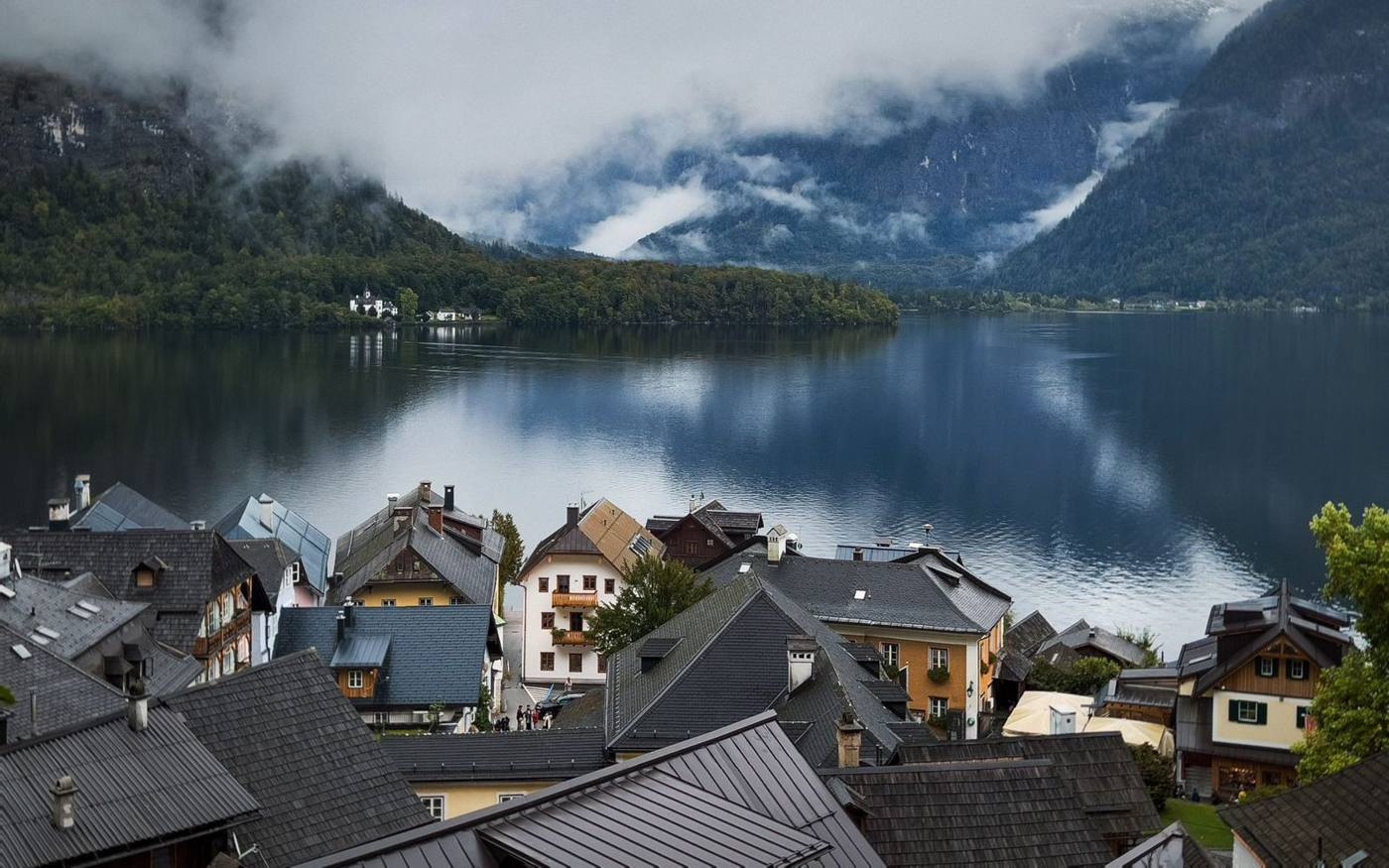
Hallstatt is a small village of wooden and stone houses squeezed between the lake and the mountain, with the pointed spire of the Protestant church reflected in the water. Together with the Dachstein and the Salzkammergut it is a UNESCO World Heritage Site. Only a few hundred people live here, but in high season thousands of day visitors arrive.
In the afternoon walk along the main street to the market square, then climb to the Catholic church. Next to it is the charnel house, a small chapel with hundreds of skulls decorated and painted with flowers and names, because the cemetery was too small and the bones were moved after some years. Check prices and times.
Towards evening, when the groups have left, go to the classic viewpoint at the northern end of the village, the postcard one, with the houses, the spire and the lake.
For dinner try Arctic char or whitefish from the lake. Sleep in Hallstatt or in a nearby village on the lake.
Practical tip: sleeping in or near Hallstatt is the right choice, because the village is beautiful at dawn and in the evening, when the streets are almost empty; book well in advance.
- Day 7
The salt mines and St. Wolfgang
Today you go inside the salt mountain and then reach another lake.
Early in the morning take the funicular that climbs from the village to the high salt valley. At the top is the Skywalk viewpoint, a platform hanging over the drop hundreds of metres above the village, with views of the lake and the Dachstein mountains. Then go into the salt mine, one of the oldest in the world: salt has been mined here for thousands of years, and the name Hallstatt was given to a whole period of European prehistory. The guided tour lasts about an hour and a half, with tunnels, an underground lake and the miners' wooden slides. Check prices and times.
After lunch leave Hallstatt. By train or bus reach Bad Ischl, the spa town where Emperor Franz Joseph spent his summers, then the bus to St. Wolfgang, on the Wolfgangsee. Allow about an hour and a half.
St. Wolfgang is a village of houses with flowered balconies on a green lake. Go into the pilgrimage church on the shore, which holds a large fifteenth century winged altar in gilded wood by Michael Pacher, one of the masterpieces of Gothic art in Austria. Check times.
If the weather is good, from May to October you can ride up the Schafberg on the rack railway, one of the steepest in Austria, to the summit with views over several lakes. Check prices and times and book.
Sleep in St. Wolfgang.
Practical tip: bring a sweatshirt for the mine; the tunnels are cool all year round and you are given overalls to wear over your clothes.
- Day 8
Salzburg, the fortress and the old town
Today you reach Mozart's city.
In the morning take the bus from St. Wolfgang to Salzburg, about an hour and a half, with one change by the lake. Drop your bags and cross the Salzach river to the old town, a UNESCO World Heritage Site, with domes, bell towers and baroque squares below the fortress hill.
Climb to the Hohensalzburg fortress by funicular or on foot in about twenty minutes. It is one of the largest preserved medieval fortresses in Europe, begun in the eleventh century by the archbishops who ruled the city. Inside are the prince archbishop's rooms, the museums and the walkways on the walls, from where you see the city, the river and the Alps. Check prices and times.
In the afternoon walk down to the cathedral, with its pale marble façade and large dome, where Mozart was baptised. Then visit the Residenz, the archbishops' palace, or the cathedral museum. Check prices and times.
Walk through the Kapitelplatz, with its large golden sphere and statue, and St. Peter's cemetery, one of the oldest in the city, with wrought iron graves and catacombs cut into the rock.
In the evening try Salzburger Nockerl, a soft baked dessert shaped like three peaks, like the mountains around the city. Sleep in Salzburg.
Practical tip: in July and August the Salzburg Festival takes place, one of the most important music and theatre festivals in the world; in those weeks accommodation prices rise sharply, so book months ahead or choose another time.
- Day 9
Mozart, the Mirabell Gardens and departure
Today you visit the places of Mozart and leave Austria.
In the morning walk along the Getreidegasse, the narrow street of the old town with wrought iron signs above the shops. At number 9, in a yellow house, Wolfgang Amadeus Mozart was born on 27 January 1756. Today it is a museum with his instruments, letters and family portraits. Check prices and times.
Then cross the river and visit the house where the Mozart family later lived, on Makartplatz, with more memories of his life. Not far away are the Mirabell Gardens, with flower beds, fountains, statues and a view of the fortress. These are the gardens where a famous scene of the film The Sound of Music was shot.
If you have time before your train or flight, take the bus to Hellbrunn, south of the city, a seventeenth century palace with trick fountains, hidden jets of water that surprise visitors. Check prices and times.
Then go back to the station or to the airport, very close to the centre.
In these nine days you have seen the most classic Austria: the churches, imperial palaces and museums of Vienna, Melk Abbey and the vineyards of the Wachau, the lake and salt mines of Hallstatt, the altar of St. Wolfgang and Mozart's Salzburg, always by train and bus.
When to go: the best time is from May to October, with boats on the Danube, the Schafberg railway and long days. September is perfect, with fewer crowds and the grape harvest in the Wachau. December has the Christmas markets, but many lake attractions are closed.
Practical tip: in Salzburg look at the city tourist card; it includes museums, the fortress and public transport and is worth it if you visit many places in two days.
The most complete first trip to Austria, easy on ÖBB trains. Hallstatt is tiny and overrun by day groups: stay there or nearby and visit in the evening and early morning. In Salzburg hotels cost double during the July-August Festival.
Before you go
- Documents and visa
- EU citizens need a valid identity card or passport: Austria is in the EU and the Schengen area. Until 15 March 2027 Austria is running checks on its borders with Slovenia, Hungary, the Czech Republic and Slovakia: always carry your document. Other nationalities should check the Schengen rules.
- Health and vaccines
- No vaccines required. EU citizens should bring their EHIC; for skiing and hiking you need insurance covering mountain rescue and helicopter costs. Emergencies: 112, police 133, ambulance 144, mountain rescue 140.
- Money and payments
- Euro. Cards are accepted almost everywhere, but carry some cash for alpine farms, mountain huts and small taverns. Motorways need a vignette, digital only from 2027, from the official ASFINAG website or sales points.
- Power sockets
- Types C and F, 230 volts.
- Time zone
- Central European Time (UTC+1, summer UTC+2).
- Safety
- A very safe country: the United States has rated Austria level 1, the lowest, since 21 August 2026. The UK warns that terrorists are likely to try to carry out attacks in crowded places, and of pickpockets at stations and on trains. In the mountains check the weather and the avalanche bulletin; off-piste skiing is very dangerous. Official advice: GOV.UK.
Information checked in November 2026 for Italian and EU citizens. Rules change: always check before you travel.
Variations
In 6 days: Vienna for three days, Hallstatt and Salzburg, without Melk and St. Wolfgang.
In 12 days: add two days in Innsbruck and Tyrol after Salzburg and a day on the Dachstein with the ice caves.
Frequently asked questions
Do you need a car for this trip?
No. Vienna, Melk, Hallstatt and Salzburg are linked by ÖBB trains, and regional buses run between Hallstatt, St. Wolfgang and Salzburg. A car would only be a problem for parking.
How do you avoid the crowds in Hallstatt?
Sleep in the village or on the lake and visit Hallstatt in the evening and early in the morning, before the day groups arrive. Go up to the mine and the Skywalk on the first funicular.
Which document do you need for Austria?
Italian citizens only need an electronic identity card valid for travel abroad or a passport, because Austria is in the European Union and the Schengen area. Other nationalities should check their own rules.
Indicative itinerary written by World Atlas. Before booking, check timetables, seasonal openings, documents and safety.
 5 daysEasy
The Salzkammergut
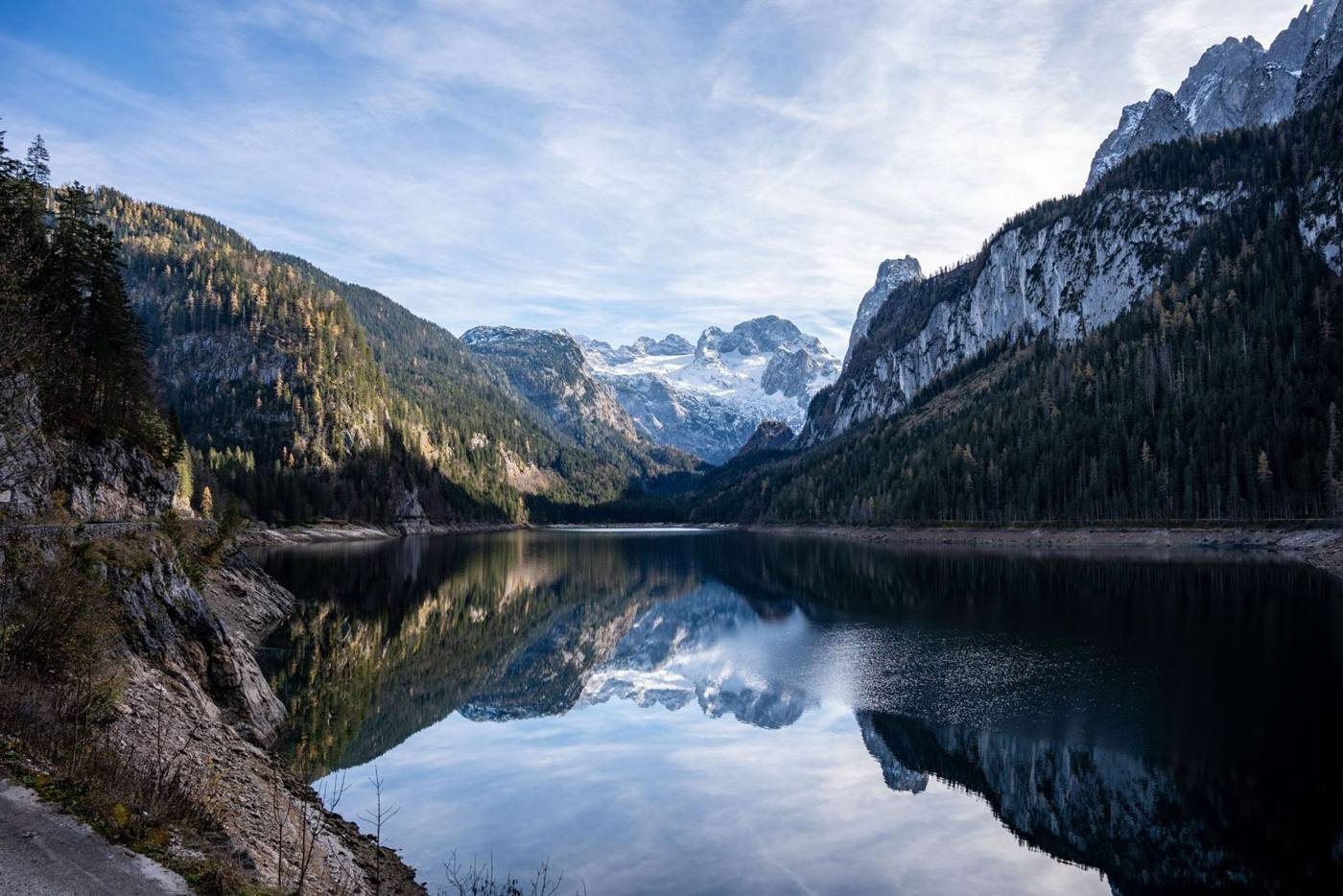
Austria's lake district: the Wolfgangsee and the Schafberg railway, Hallstatt, the Dachstein with its ice caves and the Five Fingers viewpoint.
 6 daysModerate
Tyrol: Innsbruck and the Zillertal
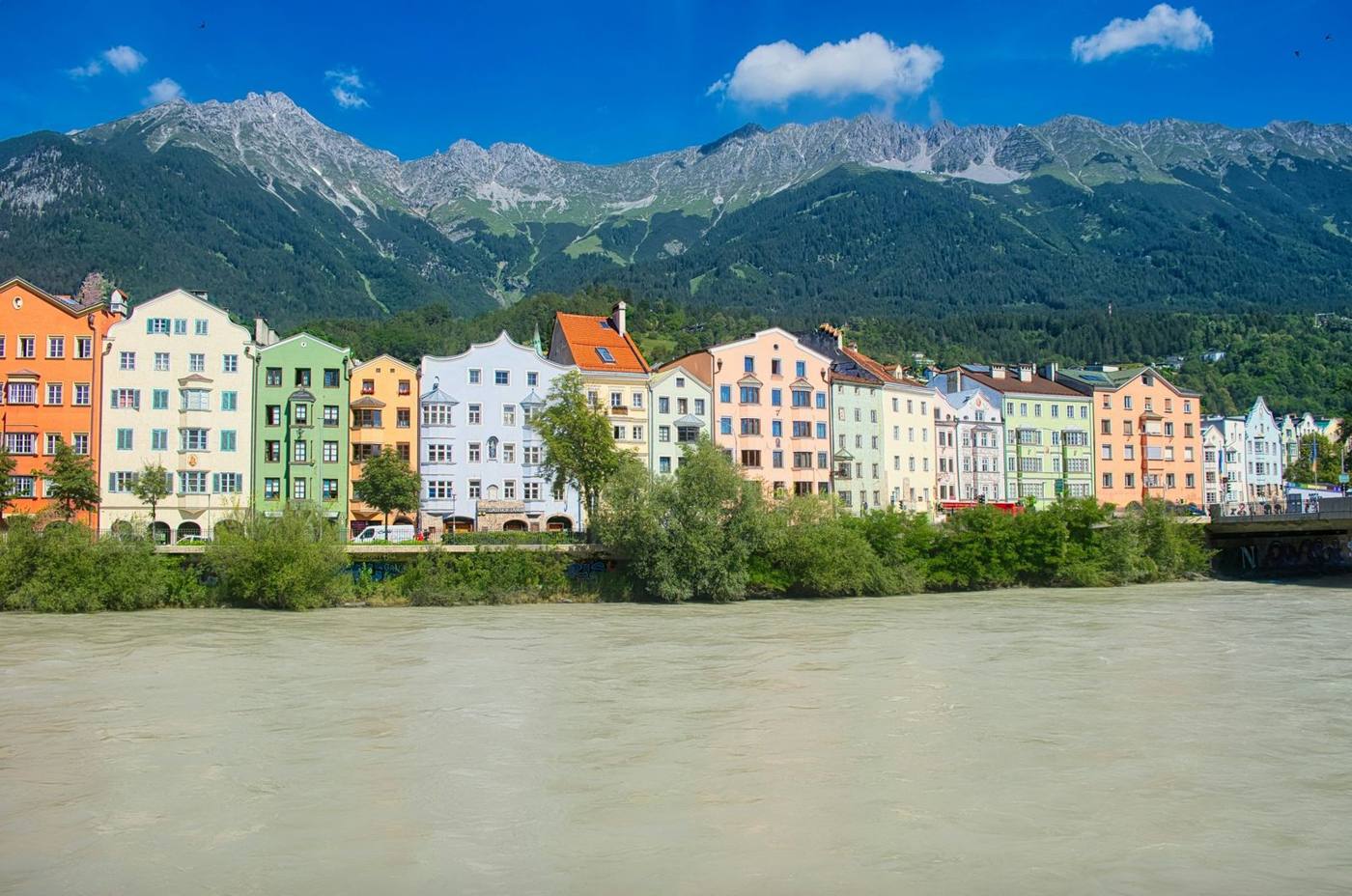
Innsbruck with the Golden Roof and the Nordkette cable car, the Swarovski Crystal Worlds, the Zillertal valleys and the Krimml waterfalls.
 5 daysModerate
The Grossglockner and the Hohe Tauern
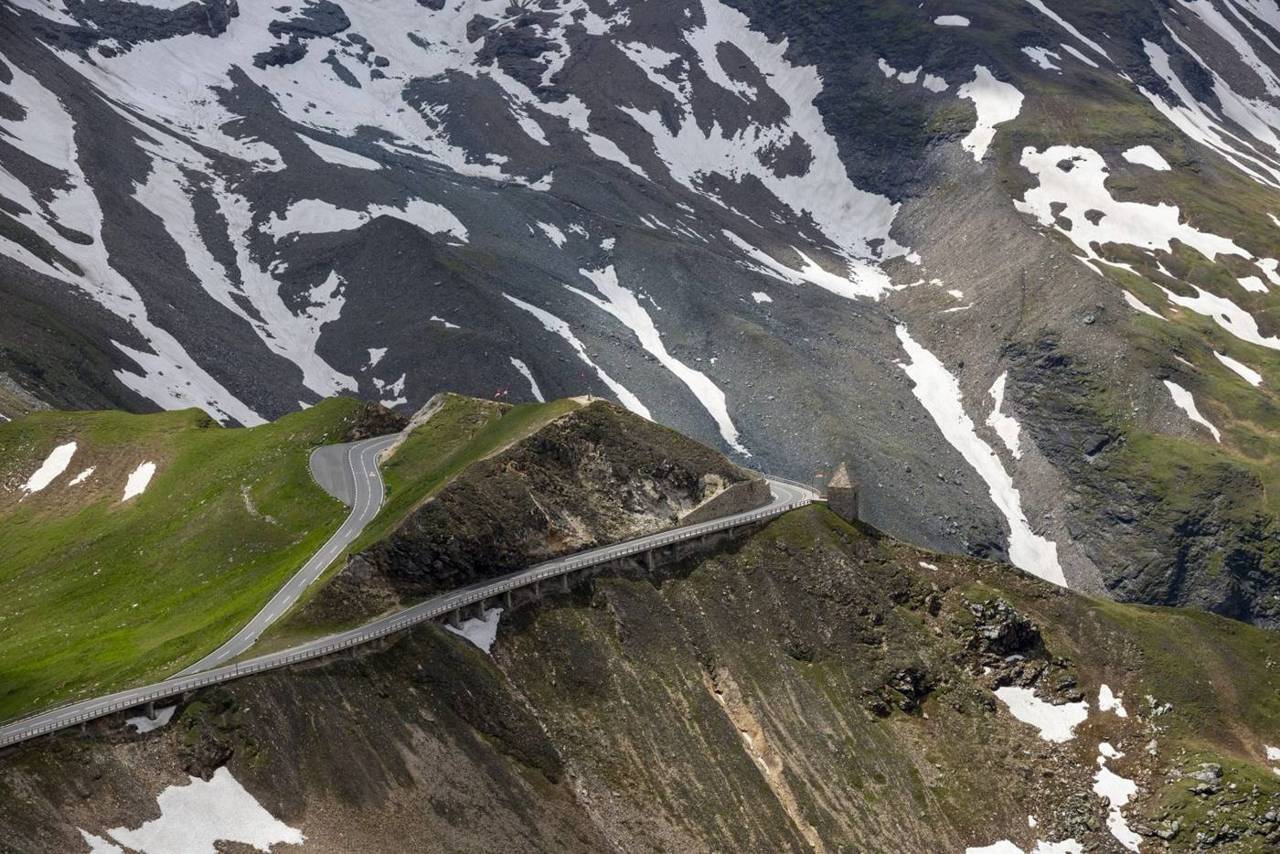
The Grossglockner High Alpine Road to the Pasterze glacier, the marmots and ibex of the national park and the village of Heiligenblut.