The Salzkammergut
Austria's lake district: the Wolfgangsee and the Schafberg railway, Hallstatt, the Dachstein with its ice caves and the Five Fingers viewpoint.
- St. Gilgen
- Wolfgangsee
- Schafberg
- Bad Ischl
- Hallstatt
- Dachstein
Day by day
- Day 1
St. Gilgen and the Wolfgangsee by boat
This trip takes you to the Salzkammergut, the lake district east of Salzburg: the Wolfgangsee with the Schafberg steam railway, Bad Ischl, the emperor's summer town, Hallstatt, the Dachstein with its ice cave and the Five Fingers platform, and the Gosausee. You get around by car or by regional bus.
Before you go: Austria is part of the European Union and the Schengen area and uses the euro. Italian citizens only need an electronic identity card valid for travel abroad or a passport; the paper identity card has not been valid for travel abroad since 3 August 2026. Other nationalities should check their own rules. The United States rates Austria level 1, the lowest. If you drive, motorways require a vignette, digital only from 2027, from the official ASFINAG website: check prices.
From Salzburg you reach St. Gilgen in under an hour, by car or bus. The village sits at the western tip of the Wolfgangsee, with painted houses and flower filled balconies. Anna Maria Pertl, Mozart's mother, was born here: her birthplace, on the lake, is now a small museum. Check prices and times.
In the afternoon take the scheduled boat across the lake to St. Wolfgang. The trip takes less than an hour, with mountains dropping straight into the green water. In St. Wolfgang visit the pilgrimage church on the shore, with its great Gothic altar of gilded wood carved by Michael Pacher in the fifteenth century. Check prices and times.
Sleep in St. Wolfgang or St. Gilgen, for two nights.
Practical tip: many places to stay in the area give a guest card that includes local buses or discounts on boats and lifts. Ask for it on arrival.
- Day 2
The Schafberg steam railway
Today you go up the Schafberg, the mountain above the Wolfgangsee, on one of the best known rack railways in the Alps.
The Schafberg railway starts in St. Wolfgang and has been running since 1893. It climbs steeply through woods and pastures to the summit, at 1,783 metres. Some departures use the old steam locomotives, others more modern trains: if you want steam, check first which departures use it. The railway only runs in the warm season. Check prices and times.
From the top the view is one of the finest in Austria: below you lie the Wolfgangsee, the Mondsee and the Attersee, each a different colour, and all around the mountains of the Salzkammergut as far as the Dachstein glacier. Take a short walk on the summit paths, but stay away from the edges, which in places are sheer drops.
If you are fit, you can walk part of the way down to one of the intermediate stops and catch the train there: ask at the station which path is best.
In the afternoon go back to the lake and swim at one of the lidos, or hire a boat. In the evening try a smoked lake fish, such as whitefish or char.
Sleep in St. Wolfgang or St. Gilgen.
Practical tip: book the railway in advance in the summer months and choose a morning departure. Clouds often build up on the Schafberg around midday and hide the view.
- Day 3
Bad Ischl, the emperor's summer town
Today you go to Bad Ischl, about twenty minutes from St. Wolfgang, the spa town where the Habsburg court spent the summer for decades.
Here in 1853 the young Emperor Franz Joseph became engaged to Elisabeth, the princess everyone calls Sisi. As a wedding present he received a villa, the Kaiservilla, which was his summer residence for about sixty years. Visit the rooms, full of hunting trophies, and the large park. In this house, in 1914, the emperor signed the manifesto that started the First World War. Check prices and times.
Then walk around the centre, along the river Traun, among nineteenth century villas, the esplanade and the old baths. Bad Ischl was European Capital of Culture in 2024 together with the Salzkammergut. Stop at a historic pastry shop in the centre for a slice of cake: the tradition of court pastries is still alive here.
If you like music, visit the villa of the composer Franz Lehár, who wrote many of his operettas here. Check prices and times.
In the late afternoon head south to Lake Hallstatt, about half an hour.
Sleep in Obertraun or Hallstatt, for two nights.
Practical tip: staying in Obertraun, on the opposite shore of the lake, costs less than Hallstatt and is quieter. Tomorrow the cable car to the Dachstein leaves from here.
- Day 4
The Dachstein and Hallstatt
Today is the fullest day of the trip: the Dachstein in the morning, Hallstatt in the late afternoon.
From Obertraun take the cable car to the first station and from there walk a few minutes uphill to the entrance of the Giant Ice Cave, the Rieseneishöhle. The visit is guided and passes columns, frozen waterfalls and halls of ancient ice. Inside the temperature is around zero even in August. The cave is only open from May to October. Check prices and times.
Then take the cable car on to the Krippenstein. From here an easy path leads to the Five Fingers, the viewing platform shaped like an open hand that juts out into space, above a drop of hundreds of metres, with Lake Hallstatt far below. Check prices and times.
In the afternoon go to Hallstatt, the lakeside village on the UNESCO list, with its wooden houses squeezed between the mountain and the water. Ride the funicular up to the salt mines, worked for thousands of years, with the viewing terrace above the village. Check prices and times. Then visit the charnel house next to the church, with skulls painted with flowers and names.
Stay until evening, when the coach groups have left and the village goes quiet again.
Sleep in Obertraun or Hallstatt.
Practical tip: for the ice cave bring a thick jumper, a jacket and closed shoes. In Hallstatt remember that people live in the houses: do not walk into gardens and keep your voice down.
- Day 5
A walk at the Gosausee and departure
Last morning in the Salzkammergut.
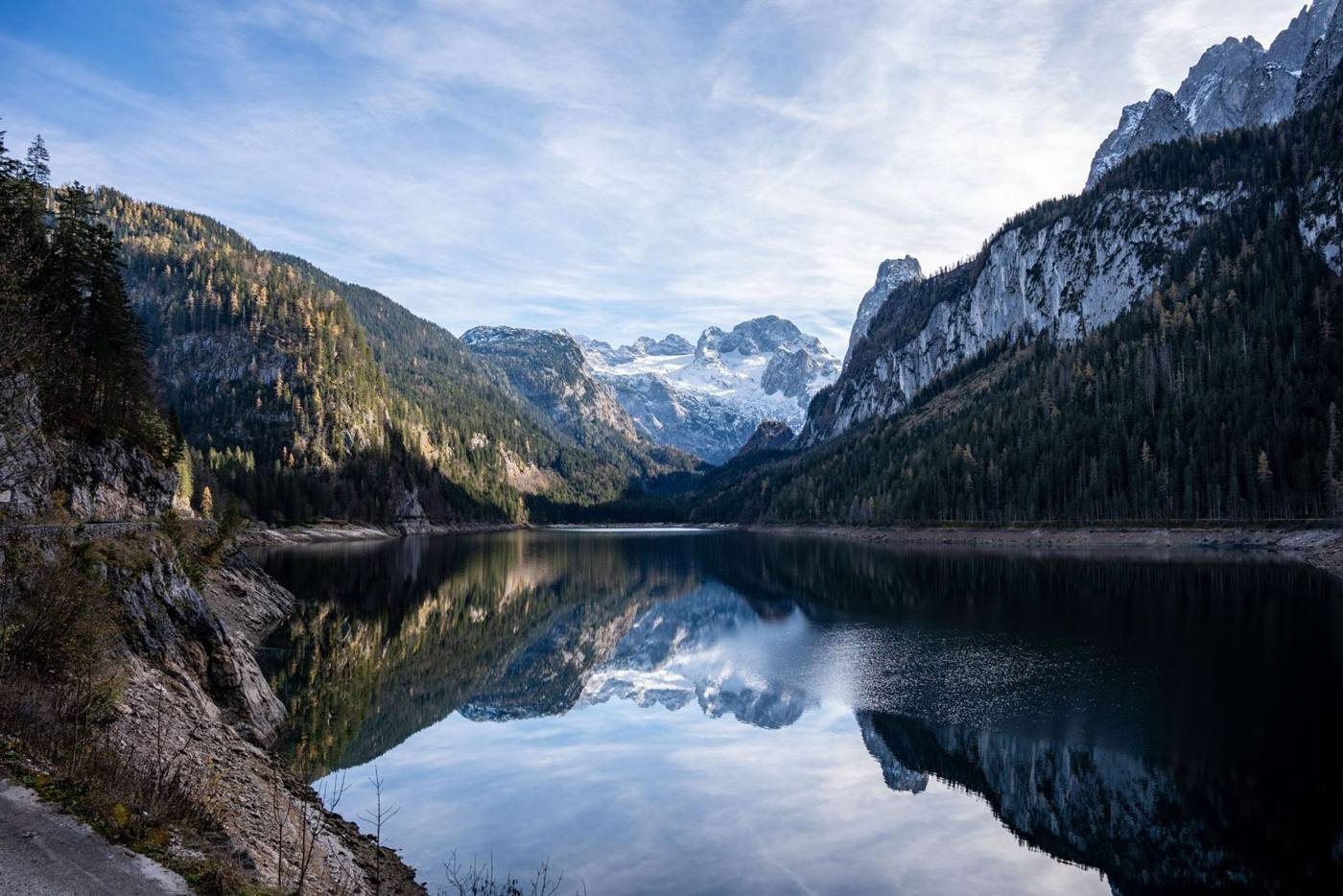
Leave Hallstatt early for the Gosau valley, about half an hour. At the end of the road lies the Gosausee, the front lake of Gosau, a small green lake surrounded by woods. On windless mornings the glacier and the walls of the Dachstein are reflected in the water: it is one of the most beautiful views in Austria.
Walk around the lake, on an easy and almost level path, in about an hour and a half. If you have more time, carry on to the rear Gosau lake, higher up and wilder.
Then head back to Salzburg, about an hour and a half away, for your flight or train home.
In these five days you have seen the finest lakes of the Salzkammergut: St. Gilgen and the Wolfgangsee with the altar of St. Wolfgang, the Schafberg summit with its steam railway, the Kaiservilla in Bad Ischl, the ice cave and the Five Fingers on the Dachstein, Hallstatt with its salt mines and the Gosausee.
When to go: the best months are June to September, when the railway, the cable cars and the ice cave are running. July and August are the warmest and busiest months, especially in Hallstatt. In September the woods begin to change colour and there are fewer people. Away from Hallstatt the area stays quiet even in high summer.
Practical tip: before you leave, buy something to take home, such as Hallstatt salt, a vacuum packed smoked fish or a jar of mountain honey. Salt travels well even in hand luggage.
Postcard lakes and mountains, perfect for easy walks and families. The Dachstein ice caves open only from May to October. The Gosausee at dawn is one of Austria's finest views. Away from Hallstatt the area stays quiet even in August.
Before you go
- Documents and visa
- EU citizens need a valid identity card or passport: Austria is in the EU and the Schengen area. Until 15 March 2027 Austria is running checks on its borders with Slovenia, Hungary, the Czech Republic and Slovakia: always carry your document. Other nationalities should check the Schengen rules.
- Health and vaccines
- No vaccines required. EU citizens should bring their EHIC; for skiing and hiking you need insurance covering mountain rescue and helicopter costs. Emergencies: 112, police 133, ambulance 144, mountain rescue 140.
- Money and payments
- Euro. Cards are accepted almost everywhere, but carry some cash for alpine farms, mountain huts and small taverns. Motorways need a vignette, digital only from 2027, from the official ASFINAG website or sales points.
- Power sockets
- Types C and F, 230 volts.
- Time zone
- Central European Time (UTC+1, summer UTC+2).
- Safety
- A very safe country: the United States has rated Austria level 1, the lowest, since 21 August 2026. The UK warns that terrorists are likely to try to carry out attacks in crowded places, and of pickpockets at stations and on trains. In the mountains check the weather and the avalanche bulletin; off-piste skiing is very dangerous. Official advice: GOV.UK.
Information checked in November 2026 for Italian and EU citizens. Rules change: always check before you travel.
Variations
In 3 days: St. Wolfgang with the Schafberg, then Hallstatt and the Dachstein, back in Salzburg on the evening of the third day.
In 7 days: add two days in Salzburg, or the Attersee and the Traunsee with the town of Gmunden and its ceramics.
Frequently asked questions
What document do I need for Austria?
Italian citizens only need an electronic identity card valid for travel abroad or a passport. Other nationalities should check their own rules.
When is the Dachstein ice cave open?
Only in the warm season, usually from May to October. The visit is guided and it is cold inside even in summer. Check prices and times before you go.
Is Hallstatt too crowded?
In the middle of the day in summer, yes, because of coach groups. Visit the village early in the morning or in the evening and stay in Obertraun or nearby villages, which are much quieter.
Indicative itinerary written by World Atlas. Before booking, check timetables, seasonal openings, documents and safety.
 6 daysModerate
Tyrol: Innsbruck and the Zillertal
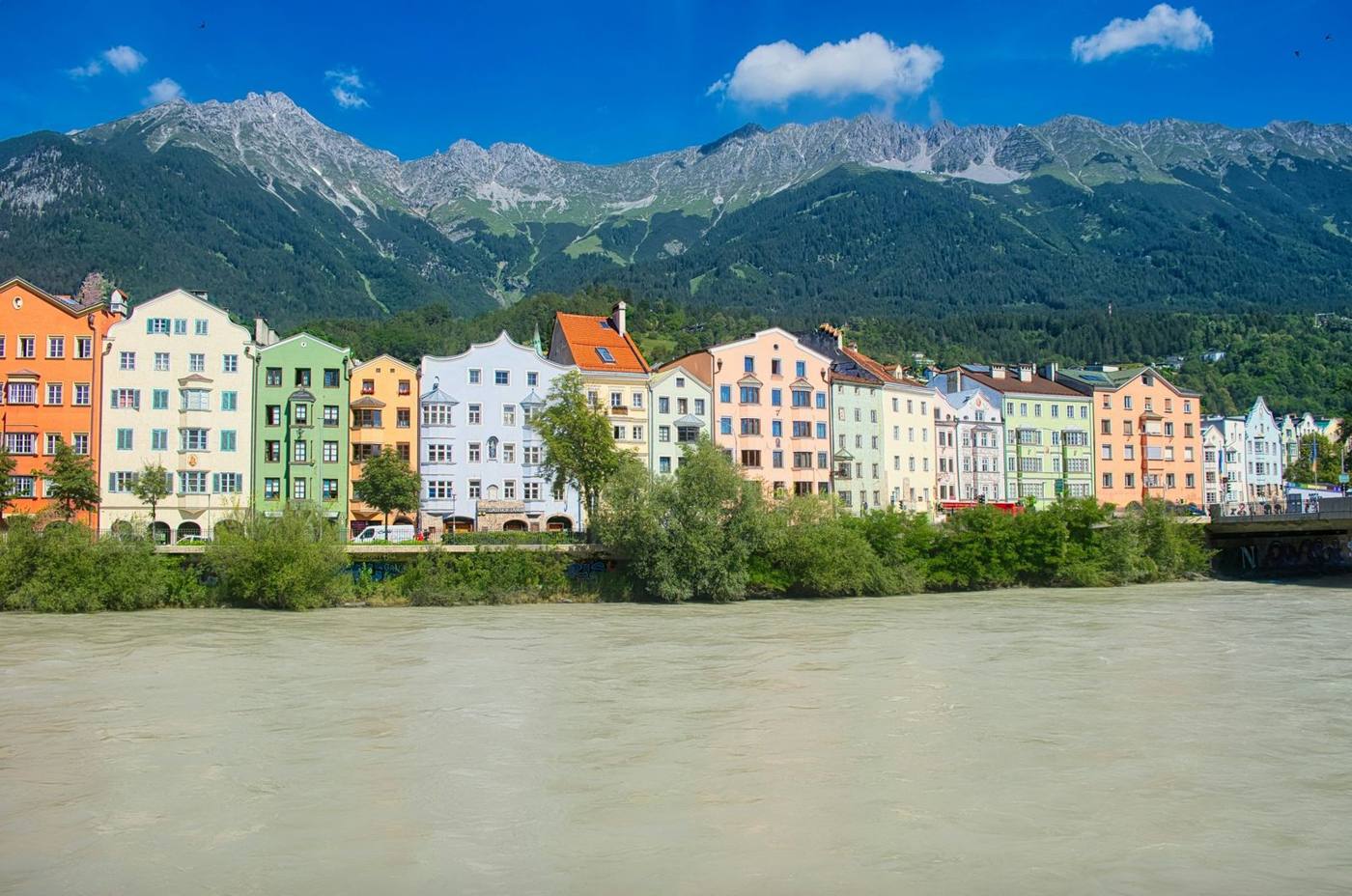
Innsbruck with the Golden Roof and the Nordkette cable car, the Swarovski Crystal Worlds, the Zillertal valleys and the Krimml waterfalls.
 5 daysModerate
The Grossglockner and the Hohe Tauern
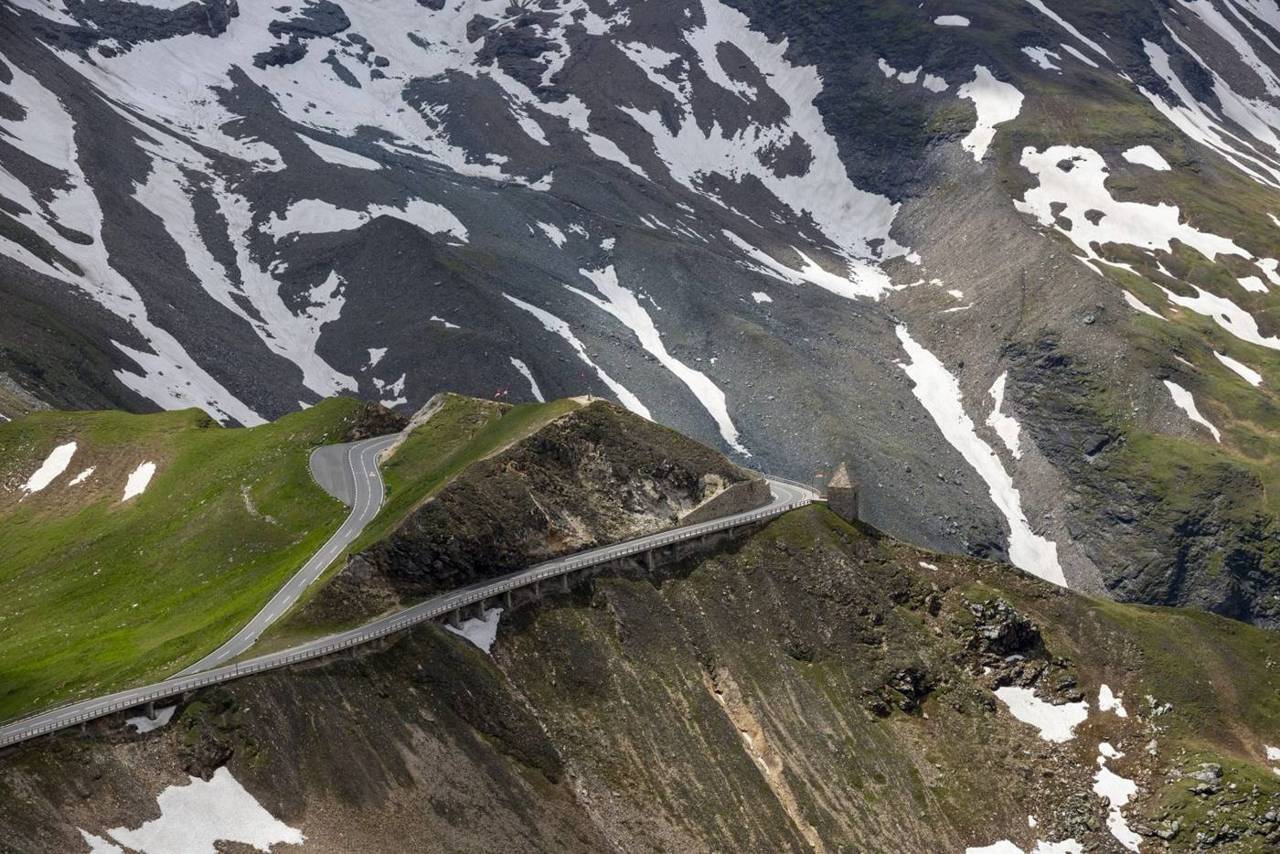
The Grossglockner High Alpine Road to the Pasterze glacier, the marmots and ibex of the national park and the village of Heiligenblut.
 4 daysEasy
The Wachau by bike
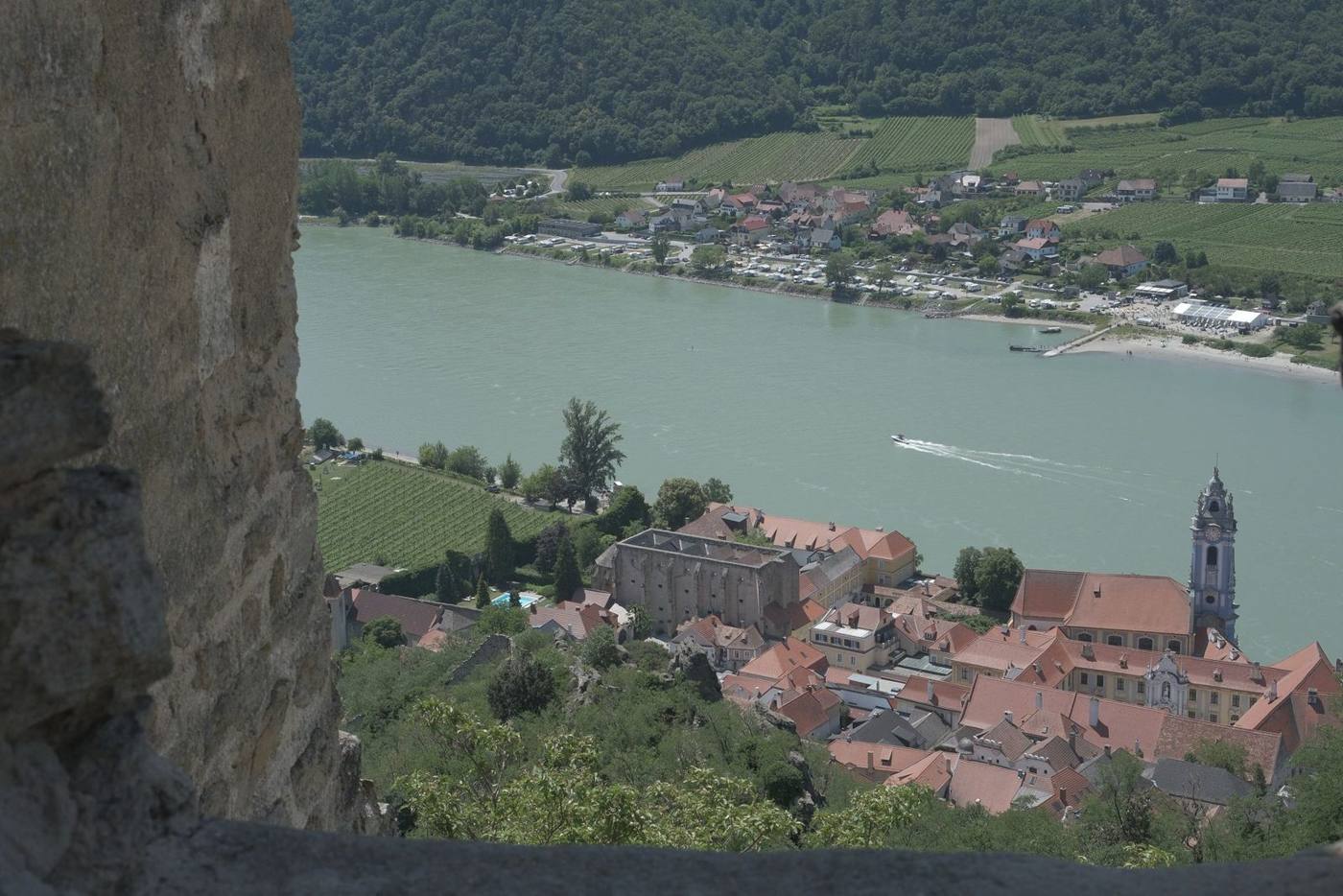
The UNESCO-listed Danube valley, from Melk to Krems by bike, among apricots, terraced Grüner Veltliner vineyards and the village of Dürnstein.