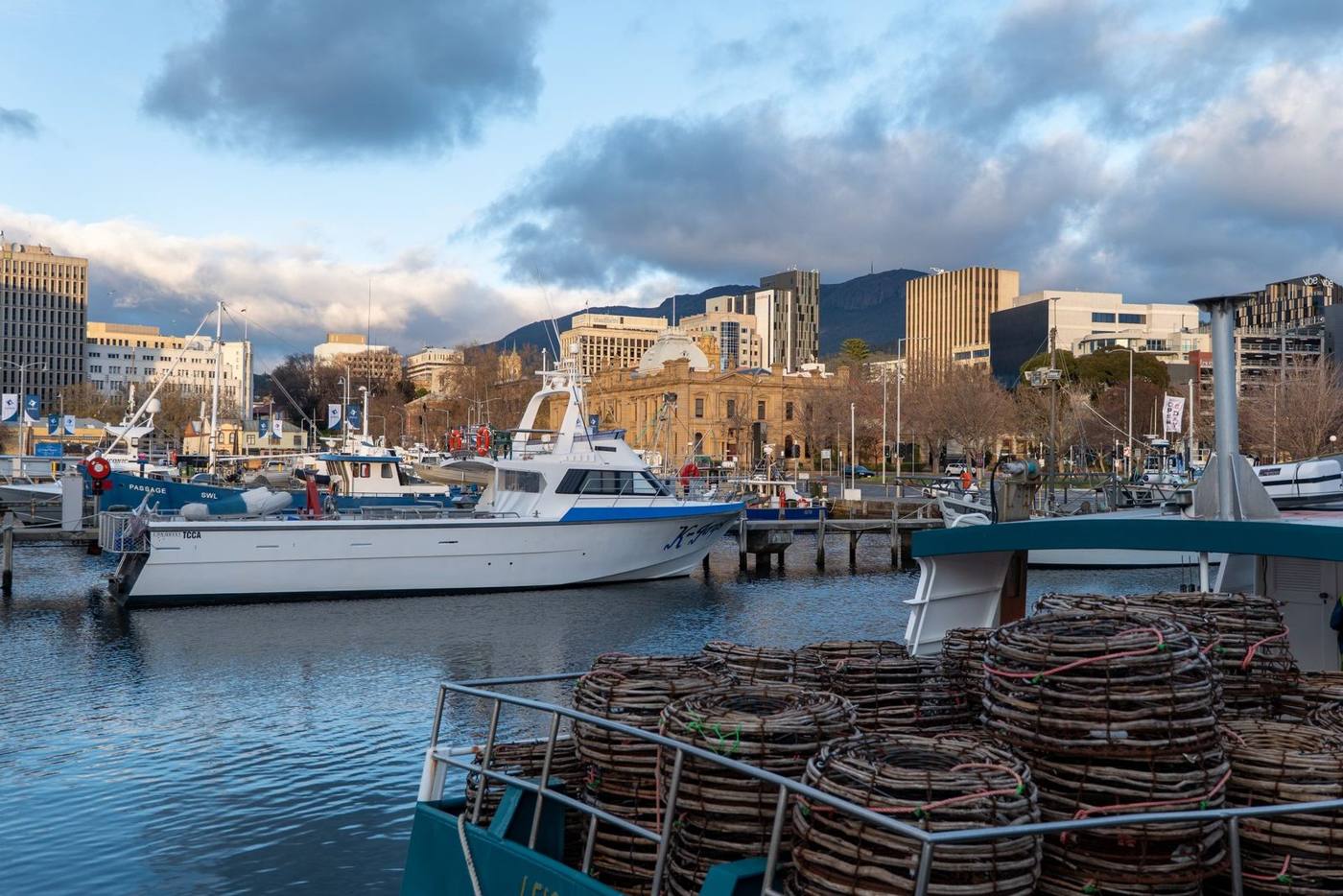
Hobart, MONA and Bruny Island
Southern Tasmania at a gentle pace: Hobart and Salamanca Market, the MONA art museum reached by ferry, Mount Wellington above the city, Bruny Island with its oysters, cheeses and cliffs, and the Huon Valley with orchards and cider.
- Hobart
- MONA
- Kunanyi / Mount Wellington
- Bruny Island
- Huon Valley
Day by day
- Day 1
Hobart: Battery Point, the harbour and Salamanca
To enter Australia EU citizens must apply online before departure for the no-cost eVisitor visa, which allows tourist stays of up to three months; you apply on the official Australian government website with a valid passport. Check the rules for your nationality.
Hobart is the capital of Tasmania, the large island south of the Australian mainland, founded in 1804 as a penal colony. It is Australia's second-oldest city, spread along the Derwent River estuary at the foot of a mountain, with a harbour full of boats, nineteenth-century sandstone warehouses and a relaxed atmosphere. From the airport you reach the centre in about twenty minutes. For this trip it is best to rent a car; driving is on the left.
In the morning walk around Battery Point, the oldest district, on the hill next to the harbour, with sailors' and fishermen's cottages, flower gardens and the little square of Arthur Circus. Then go down to the waterfront at Constitution Dock, with fishing boats and floating stalls selling fresh fish and fish and chips.
On Saturdays Salamanca Place hosts Salamanca Market, one of Australia's most famous outdoor markets, with more than three hundred stalls of Tasmanian produce, fruit, cheese, honey, lavender, woodwork, crafts and street music. On other days the old Salamanca warehouses house galleries, shops and cafés.
In the evening try Tasmanian oysters and salmon.
Practical tip: Tasmanian weather changes quickly, even in summer; always carry a warm, waterproof jacket.
- Day 2
MONA and kunanyi/Mount Wellington
In the morning take the ferry from Brooke Street pier to MONA, the Museum of Old and New Art, about twenty-five minutes up the Derwent River. MONA is one of the most original and controversial museums in the world, created by a private collector and opened in 2011, largely carved underground into the rock of a peninsula. It sets ancient works, such as Egyptian mummies and Roman coins, beside the most provocative contemporary art, with large installations, videos, machines and works about sex and death. There are no labels on the walls: information is read on an app. Some works may upset younger visitors.
The museum stands within a winery, with vineyards, a terrace over the river and a brewery. Allow at least three hours for the visit.
In the afternoon, back in Hobart, drive or take a shuttle up kunanyi/Mount Wellington, the mountain about 1,270 metres high that towers over the city; the Aboriginal name kunanyi is used alongside the English one. The road climbs about twenty kilometres through eucalyptus forest to the summit, with dolerite columns called the Organ Pipes. From the viewing platform you see all of Hobart, the Derwent estuary and the coast out to the ocean.
Practical tip: the top of kunanyi can be very cold, with wind and snow even in summer; the road sometimes closes for snow or ice, so check before going up.
- Day 3
Bruny Island: The Neck, oysters and the lighthouse
In the morning drive south to Kettering, about half an hour from Hobart, and take the ferry to Bruny Island, about twenty minutes. Bruny Island is long and narrow, made of two parts, north and south, joined by a thin sandy isthmus, with beaches, forests, cliffs and famous food produce. The ferry is in high demand at weekends and in summer: book online when possible.
The first stop is The Neck, the sandy isthmus joining the two halves of the island. A wooden staircase climbs to a lookout with the ocean on one side and the channel on the other, with long beaches. At dusk on summer evenings little penguins, the world's smallest penguins, nest in the dunes and can be watched from a platform, without lights and in silence.
Then taste the island's produce: fresh oysters farmed in the channels, cheese, berries, whisky and Bruny Island wine, at small producers along the main road.
In the afternoon continue south to Cape Bruny lighthouse, built in 1838, one of Australia's oldest, on a headland overlooking the wild coast and the Southern Ocean. Along the road you often see white wallabies, a rare pale form of wallaby living on the island.
Practical tip: many roads on Bruny Island are unsealed; drive slowly, especially at dawn and dusk when animals cross.
- Day 4
The cruise along the Bruny cliffs
Today is a boat cruise along the south-east coast of Bruny Island, one of Tasmania's most spectacular experiences. Boats leave from Adventure Bay on the island's east coast and sail for about three hours along dolerite cliffs among the highest in Australia, up to about two hundred metres, dropping sheer into the ocean, with sea caves, rock arches, columns and narrow passages between the rocks.
On the way you often see Australian and New Zealand fur seals resting on the rocks, dolphins, albatrosses and other seabirds, and between May and November sometimes migrating whales. The boat goes as far as the point where the coast opens onto the Southern Ocean, which guides call the place where Tasmania ends, with water coming straight from Antarctica.
In the afternoon walk the Fluted Cape track in the reserve above Adventure Bay, a loop of about two hours climbing to the top of the cliffs, with views over the bay and the rocks. Before leaving Adventure Bay, a small museum recalls the visits of European explorers, including James Cook.
In the evening take the ferry back to Kettering and Hobart, or stay on the island.
Practical tip: the Southern Ocean can be rough and cold; the operators provide waterproof jackets, but bring warm layers, a hat and something for seasickness.
- Day 5
The Huon Valley, Tahune Airwalk and the journey home
In the morning drive south-west into the Huon River valley, about an hour from Hobart, a green valley of orchards, especially apples, which earned Tasmania the nickname of the apple isle, with small towns, cideries and fruit stalls along the road.
Continue to the Tahune forest reserve on the edge of Tasmania's great wilderness area, a UNESCO World Heritage site, home to the Tahune Airwalk, a steel walkway about six hundred metres long, around thirty metres above the ground, through the treetops of a forest of giant eucalypts and Huon pines, rare trees that can live for more than two thousand years. The last section is cantilevered over the meeting of the Huon and Picton rivers, with views over the forest and mountains. The reserve also has short riverside walks and swinging bridges.
In the afternoon head back towards Hobart, stopping at Huonville or Cygnet to taste cider and local produce.
Hobart airport is about twenty minutes from the centre, with flights to Melbourne and Sydney.
Things to take home: leatherwood honey, a typical Tasmanian honey, lavender products, Tasmanian whisky and Huon pine woodwork.
Practical tip: Australia has very strict rules on food, plant and animal products, including on domestic flights to Tasmania; declare everything at customs. Check your government's travel advice before leaving.
A trip of food, art and nature, suitable for everyone; it combines well with wild Tasmania or the Overland Track. The Bruny ferry should be booked in summer. MONA has strong works, not for everyone. Even in summer bring a jacket: the weather changes fast. EU citizens need the eVisitor (subclass 651), which is at no cost and must be requested online before departure.
Before you go
- Documents and visa
- Valid passport and an eVisitor, the no-cost electronic authorisation applied for online on the official Australian government website before departure.
- Health and vaccines
- No compulsory vaccines arriving from Europe. Very strong sun: high-factor sunscreen and a hat. Emergencies: 000.
- Money and payments
- Australian dollar. Contactless cards are used everywhere, even for small amounts and on public transport; cash is rarely needed.
- Power sockets
- Type I, 230 volts: you need an adapter for the angled flat-pin plugs.
- Time zone
- The country has several time zones. Sydney and Melbourne are UTC+10, UTC+11 with daylight saving from October to April.
- Safety
- One of the safest countries for travellers. The risks are natural: rip currents, bushfires especially from October to February, cyclones and floods in the north in the wet season. Official advice: GOV.UK.
Information checked in November 2026 for Italian and EU citizens. Rules change: always check before you travel.
Variations
In 3 days: Hobart and Salamanca Market, MONA and kunanyi, and a day on Bruny Island.
In 10 days: add Port Arthur, the old penal settlement, the Freycinet Peninsula with Wineglass Bay and Cradle Mountain.
Frequently asked questions
Do I need a visa for Australia?
Yes: EU citizens apply online before departure for the no-cost eVisitor, valid for tourist stays of up to three months.
When is Salamanca Market held?
Every Saturday at Salamanca Place in Hobart, with more than three hundred stalls.
When is the best time for southern Tasmania?
December to March, in the southern summer, with long days. Winter is cold and the kunanyi road can close for snow.
Indicative itinerary written by World Atlas. Before booking, check timetables, seasonal openings, documents and safety.
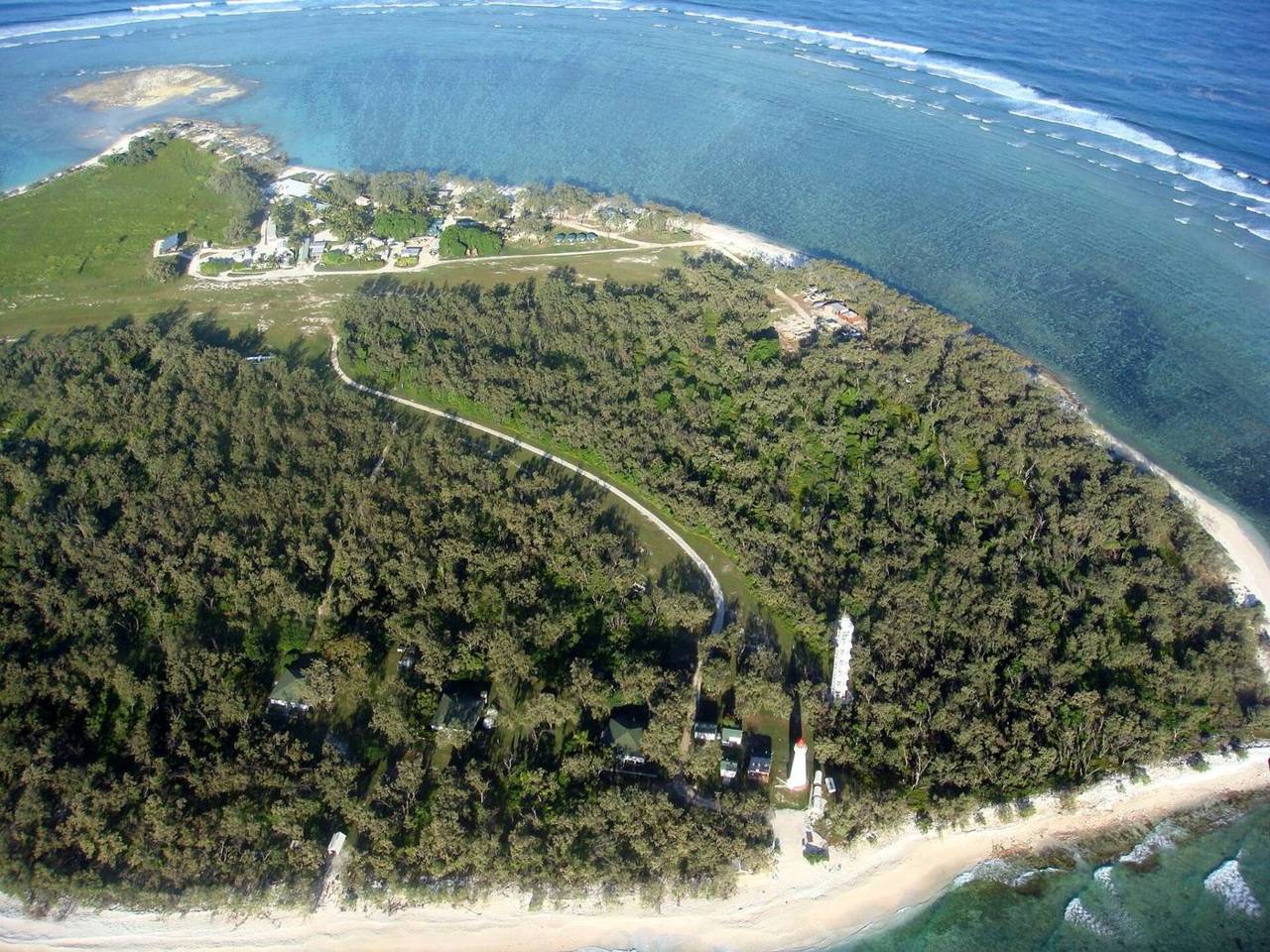 6 daysEasy
Bundaberg, turtles and Lady Elliot
The southern Great Barrier Reef, quieter than Cairns: turtles laying eggs on Mon Repos beach, the coral island of Lady Elliot with manta rays and turtles, and the towns of Agnes Water and 1770, where Captain Cook landed in Queensland.
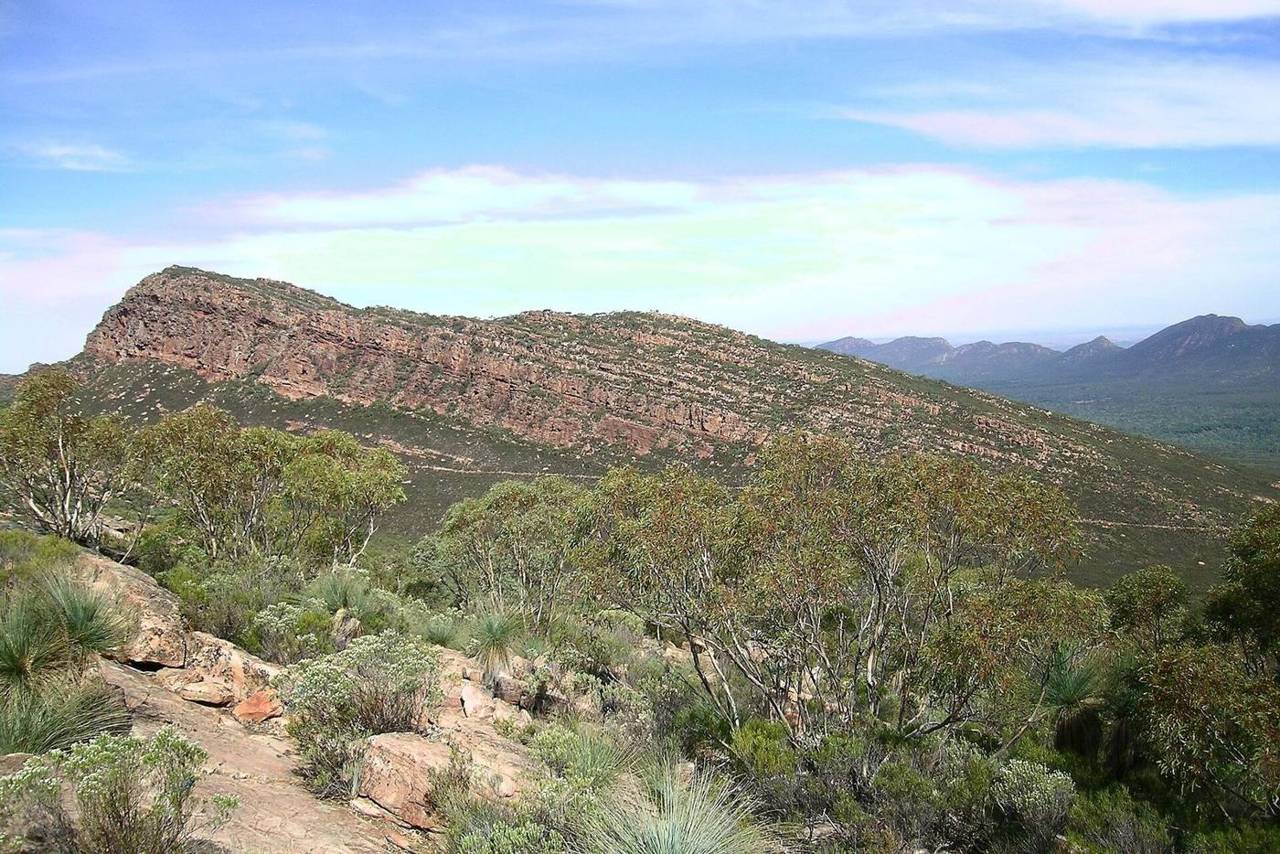 7 daysEasy
Adelaide, the Barossa and the Flinders Ranges
The lesser-known South Australia: Adelaide and its Central Market, the wineries of the Barossa and Clare Valley, then north to the rock amphitheatre of Wilpena Pound in the Flinders Ranges outback, with kangaroos, emus and Aboriginal rock art.
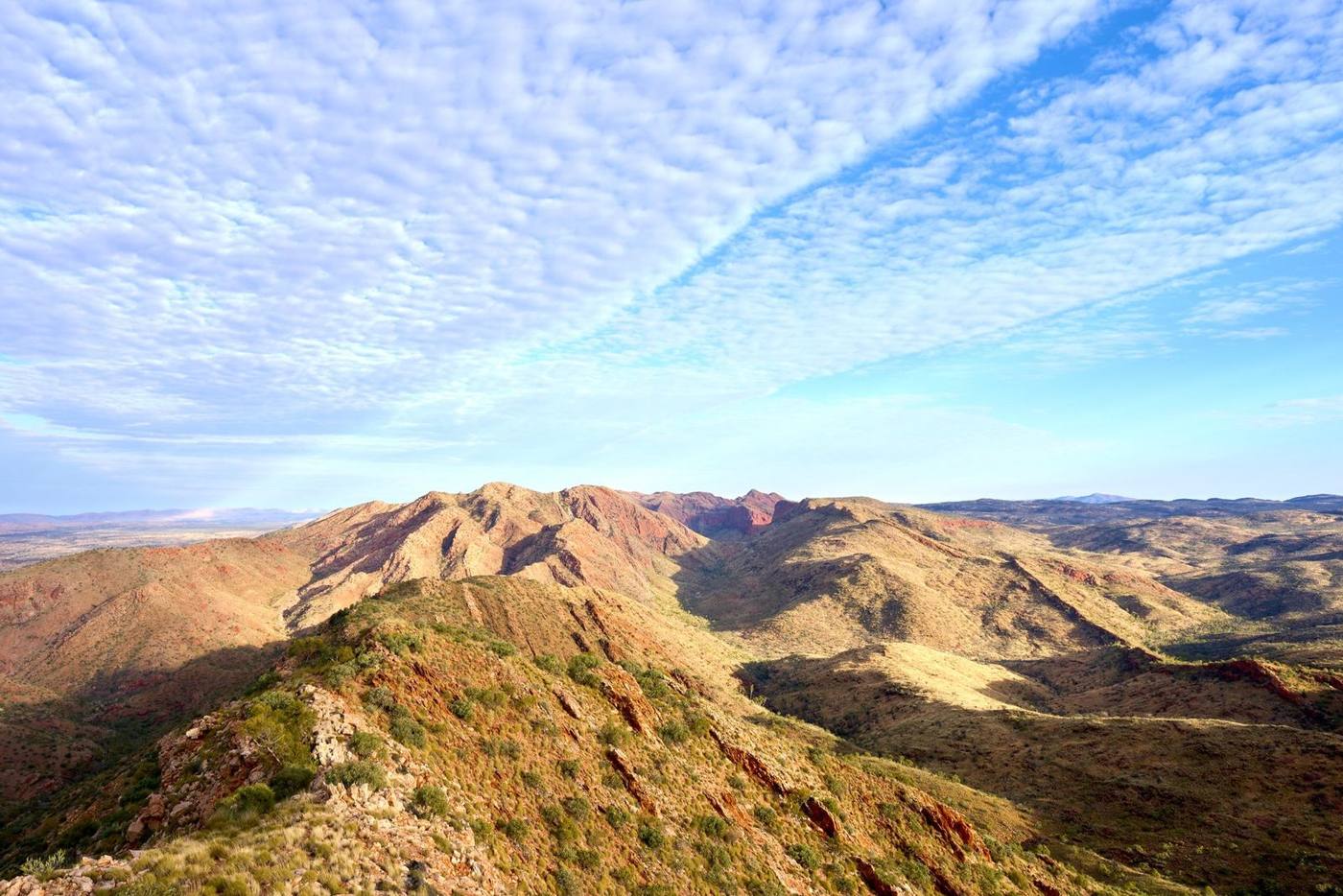 6 daysChallenging
Red Centre: the Larapinta and West MacDonnells
Australia's red heart on foot: the finest sections of the Larapinta Trail along the West MacDonnell ridges, gorges such as Standley Chasm, Ormiston and Redbank, waterholes in the desert and the starry outback sky, based in Alice Springs.