Bundaberg, turtles and Lady Elliot
The southern Great Barrier Reef, quieter than Cairns: turtles laying eggs on Mon Repos beach, the coral island of Lady Elliot with manta rays and turtles, and the towns of Agnes Water and 1770, where Captain Cook landed in Queensland.
- Brisbane
- Bundaberg
- Mon Repos
- Lady Elliot Island
- Agnes Water
- Town of 1770
Day by day
- Day 1
From Brisbane to Bundaberg, the town of rum and sugar
The central Queensland coast between Bundaberg and Agnes Water is where the Great Barrier Reef begins: here sea turtles lay their eggs on the beaches, manta rays swim around the coral islands and whales pass offshore in winter. It is less touristy than Cairns and the Whitsundays, calmer and with less crowded waters. EU citizens apply online before travelling for the eVisitor, a no-cost electronic authorisation.
In the morning drive north from Brisbane on the Bruce Highway, about four and a half hours, through the hills of the Sunshine Coast and then the sugar cane plains. Alternatively there are short flights and trains to Bundaberg.
In the afternoon you reach Bundaberg, a quiet town on the Burnett River surrounded by cane fields. Sugar cane gave rise here to a large rum distillery, famous all over Australia, which you can visit on a guided tour among the barrels and a museum. In town there is also the aviation museum dedicated to Bert Hinkler, born in Bundaberg, who in 1928 was the first to fly solo from England to Australia, and fine botanic gardens with a lake and a small steam train.
In the evening stroll along the river and taste local produce: tropical fruit, macadamias and ginger, grown in the area.
Practical tip: the sun in Queensland is very strong even in winter; always use sunscreen, a hat and sunglasses.
- Day 2
Mon Repos and an evening encounter with sea turtles
In the morning relax on the beaches near Bundaberg, such as Bargara, with a seafront walk and a natural rock pool among volcanic rocks, called the Basin, where the water is calm and clear. From here a coastal path leads to Mon Repos.
In the afternoon visit the visitor centre of Mon Repos Conservation Park, a few kilometres from Bundaberg, which explains the life of sea turtles. Mon Repos is the largest nesting site of the loggerhead turtle on the eastern Australian mainland and one of the most important in the South Pacific: researchers have studied and protected the turtles here for decades.
In the evening, in season, join the turtle encounter led by park rangers. In small groups you wait for the rangers to find a turtle on the beach and then watch it quietly in the dark as it digs its nest in the sand and lays about a hundred eggs, or see hatchlings emerge and race towards the sea. Females usually arrive from November to January; hatchlings emerge from January to March. You may wait a few hours: bring patience and water.
In the evening stay in Bundaberg or Bargara.
Practical tip: the turtle encounter only runs in season and must be booked ahead; lights and flash photography are banned on the beach, as they disorient the animals.
- Day 3
The flight to Lady Elliot and the first snorkel from the beach
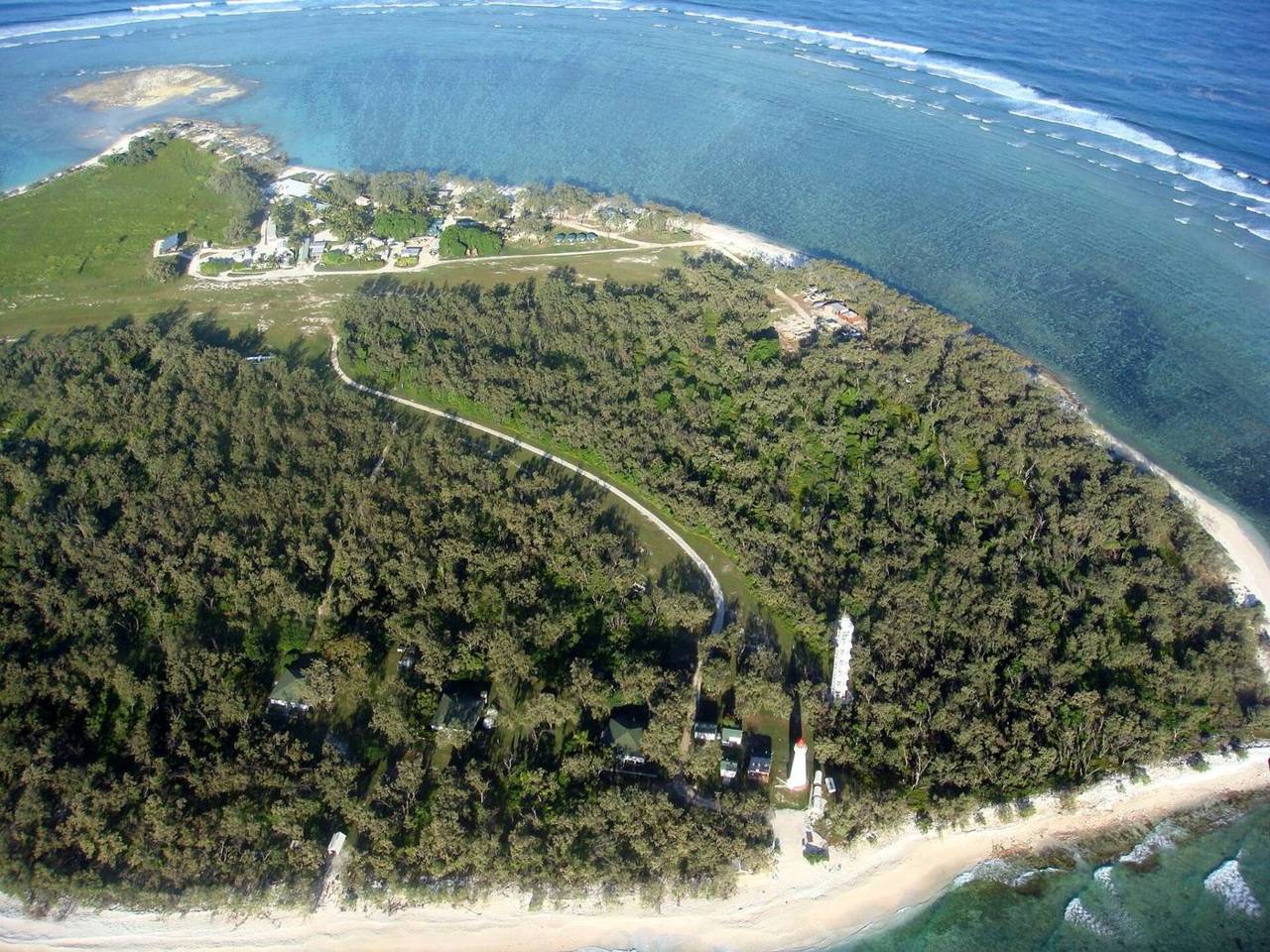
In the morning take a small plane from Bundaberg or Hervey Bay to Lady Elliot, the southernmost island of the Great Barrier Reef, a tiny, flat coral cay about a kilometre long, surrounded by reef and crystal-clear sea. The flight takes about forty minutes, and from the air you see the reefs and turquoise lagoons. The plane lands on a grass airstrip that crosses the island.
Lady Elliot lies in a green zone of the marine park, the most protected, where fishing is banned, and the island has just one small eco-lodge with a limited number of guests: this is why it is so peaceful and well preserved. The island has a white-painted lighthouse from 1873 and old ruins from the days of guano mining.
In the afternoon go snorkelling straight from the beach in the lagoon at high tide: in a few metres of water you see corals, parrotfish, rays, green turtles and hawksbill turtles swimming close to shore. The water is extremely clear. Island staff run guided snorkelling trips and reef walks every day.
In the evening watch the sunset on the western beach and listen to the thousands of seabirds nesting in the trees.
Practical tip: baggage on the plane is limited to a few kilos; bring only the essentials.
- Day 4
Lady Elliot: manta rays, turtles and seabirds
In the morning take a boat trip to snorkel or dive around the island at the deeper parts of the reef, such as Lighthouse Bommie, a coral formation where manta rays gather to be cleaned by cleaner fish. Lady Elliot is called the home of the manta ray: they are present all year but most numerous from May to August. Watching them swim above you, with wings several metres wide, is extraordinary. You often also see leopard sharks, Maori wrasse and schools of trevally.
In the afternoon walk around the island in under an hour on a beach of coral and shells. Thousands of seabirds such as terns and noddies nest in the trees and on the ground, unafraid of people. From November to March green and loggerhead turtles also come ashore to lay eggs on Lady Elliot's beaches, while from July to October humpback whales pass offshore and are often seen breaching from the beach.
At low tide join a guided reef walk on the reef flat to see sea stars, sea cucumbers, small octopus and corals up close, walking only on the sandy areas.
In the evening attend one of the talks on the reef and its conservation.
Practical tip: use only reef-friendly sunscreen or a light wetsuit, and do not touch or stand on the corals.
- Day 5
Agnes Water and Seventeen Seventy, Captain Cook's town
In the morning fly back to Bundaberg and drive north to Agnes Water, about an hour and a half. Agnes Water is a small seaside village surrounded by forest, with a long beach where ocean waves roll in: it is the northernmost surf beach in Queensland, because further north the reef blocks the swell. There are surf schools for beginners.
A few kilometres north lies Seventeen Seventy, a village on a headland between the sea and an estuary, named after the year Captain James Cook landed here in May 1770, the second time he set foot on the Australian coast during his voyage. A monument marks the landing.
In the afternoon take a kayak trip on the Round Hill estuary among mangroves and sandbanks, where you see fish, rays and sometimes turtles. Alternatively, walk the boardwalk through the paperbark forest near Agnes Water.
At sunset climb the headland at Seventeen Seventy, one of the few places on Australia's east coast where the sun sets over the sea, because the bay faces west.
In the evening try local fish and coastal prawns.
Practical tip: swim only at patrolled beaches, between the lifeguards' red and yellow flags, as currents can be strong.
- Day 6
A last morning on the coast and the journey home
In the morning, if you like adventure, join a trip in an amphibious vehicle, a converted old military truck, that takes you along the estuary and beaches to Joseph Banks Conservation Park and Bustard Head with its historic lighthouse, crossing dunes and creeks. Alternatively, take a boat to the nearest reef islands, such as Lady Musgrave, with a large coral lagoon for snorkelling, if the sea allows.
If you prefer a quiet morning, take a surf lesson or walk Agnes Water beach, where early in the morning kangaroos are often seen on the shore near the bush.
In the afternoon head off: from Agnes Water, Brisbane is about six hours' drive south; alternatively return to Bundaberg, about an hour and a half, and fly to Brisbane or Sydney. On the way you can stop at Childers, a small historic town with nineteenth-century timber buildings and an old pharmacy museum.
Things to take home: Bundaberg rum and ginger beer, macadamia nuts, honey and Aboriginal art bought from galleries that work directly with the artists.
Practical tip: from November to March dangerous jellyfish may be found near the Queensland coast; follow lifeguards' advice and wear a light wetsuit. Leave early to avoid driving at dusk, when wildlife crosses the road.
For nature lovers who want the reef without crowds. Turtles nest from November to January and hatchlings emerge from January to March; evening visits at Mon Repos are limited and booked online. Lady Elliot is reached only by small plane and places are few. From November to May there may be jellyfish in the sea: wear a stinger suit. EU citizens need the eVisitor (subclass 651), which is at no cost and must be requested online before departure.
Before you go
- Documents and visa
- Valid passport and an eVisitor, the no-cost electronic authorisation applied for online on the official Australian government website before departure.
- Health and vaccines
- No compulsory vaccines arriving from Europe. Very strong sun: high-factor sunscreen and a hat. Emergencies: 000.
- Money and payments
- Australian dollar. Contactless cards are used everywhere, even for small amounts and on public transport; cash is rarely needed.
- Power sockets
- Type I, 230 volts: you need an adapter for the angled flat-pin plugs.
- Time zone
- The country has several time zones. Sydney and Melbourne are UTC+10, UTC+11 with daylight saving from October to April.
- Safety
- One of the safest countries for travellers. The risks are natural: rip currents, bushfires especially from October to February, cyclones and floods in the north in the wet season. Official advice: GOV.UK.
Information checked in November 2026 for Italian and EU citizens. Rules change: always check before you travel.
Variations
In 4 days: Bundaberg and Mon Repos on day one, two days on Lady Elliot and the return.
In 9 days: add Hervey Bay and K'gari, the world's largest sand island, with whales from July to October.
Frequently asked questions
When can you see turtles at Mon Repos?
Females usually lay eggs from November to January; hatchlings emerge from January to March. Ranger encounters must be booked.
When can you see manta rays at Lady Elliot?
All year round, but they are most numerous from May to August, in the Australian winter.
What documents do I need?
A passport and the eVisitor, the no-cost electronic authorisation for EU citizens, applied for online before travelling.
Indicative itinerary written by World Atlas. Before booking, check timetables, seasonal openings, documents and safety.
 7 daysEasy
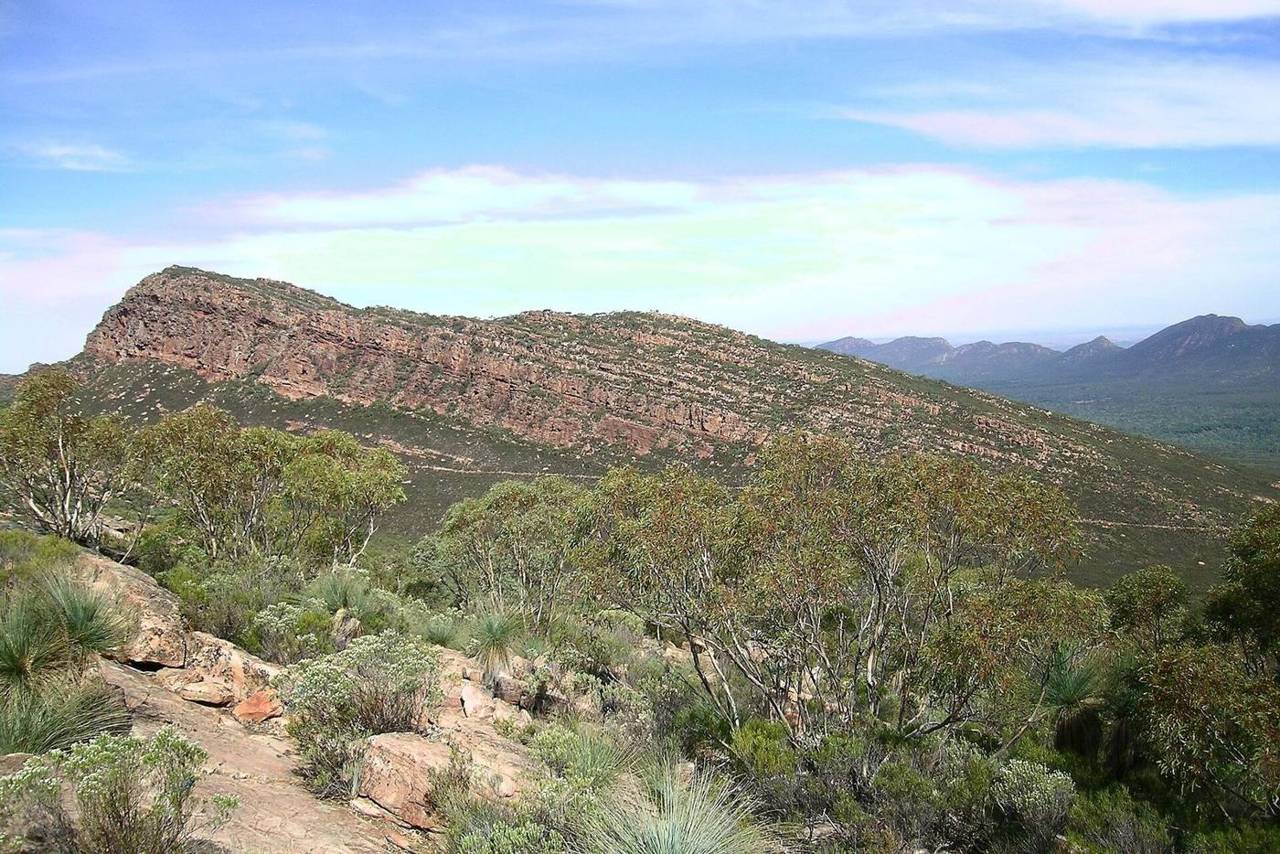
Adelaide, the Barossa and the Flinders Ranges
The lesser-known South Australia: Adelaide and its Central Market, the wineries of the Barossa and Clare Valley, then north to the rock amphitheatre of Wilpena Pound in the Flinders Ranges outback, with kangaroos, emus and Aboriginal rock art.
 6 daysChallenging
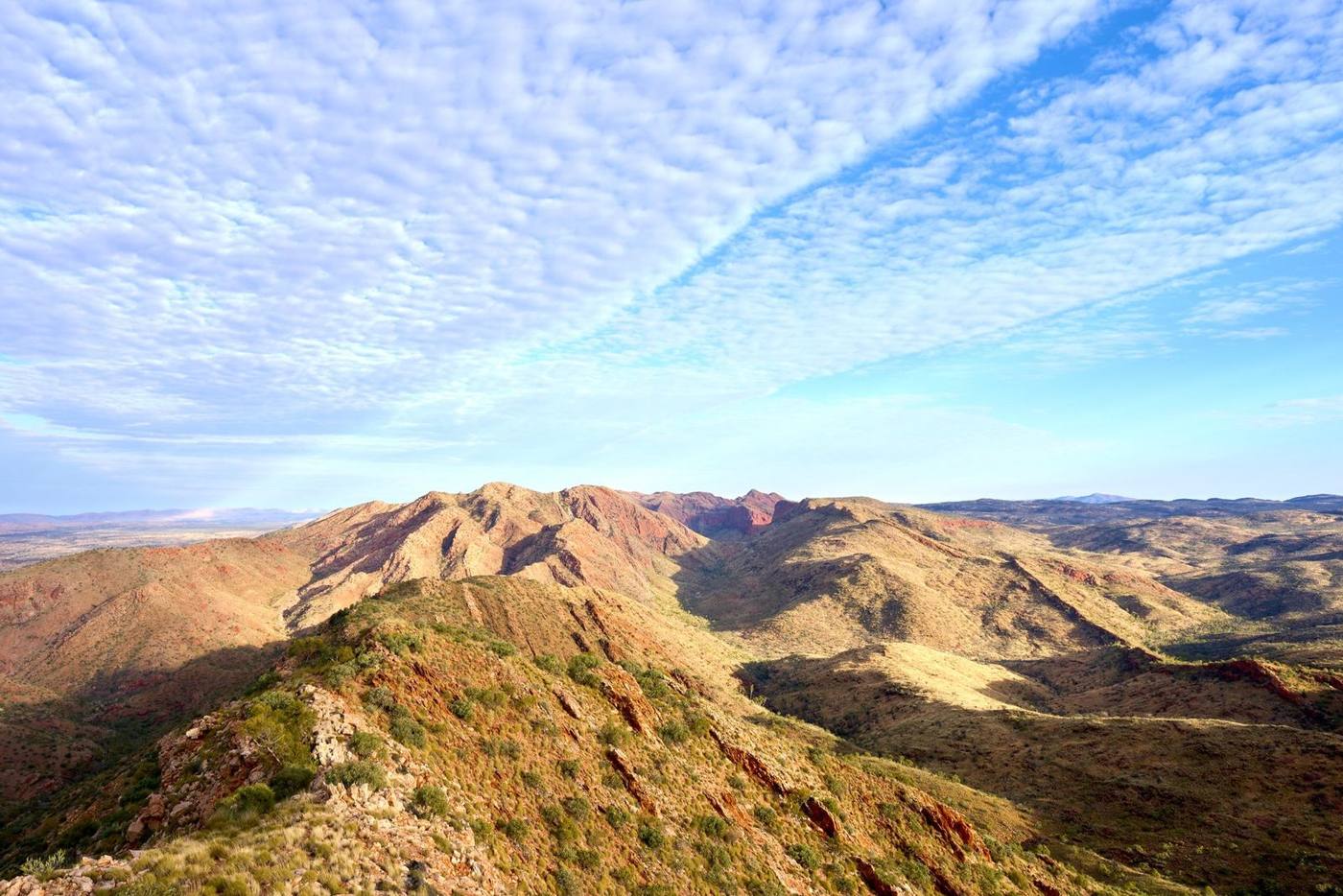
Red Centre: the Larapinta and West MacDonnells
Australia's red heart on foot: the finest sections of the Larapinta Trail along the West MacDonnell ridges, gorges such as Standley Chasm, Ormiston and Redbank, waterholes in the desert and the starry outback sky, based in Alice Springs.
 9 daysEasy
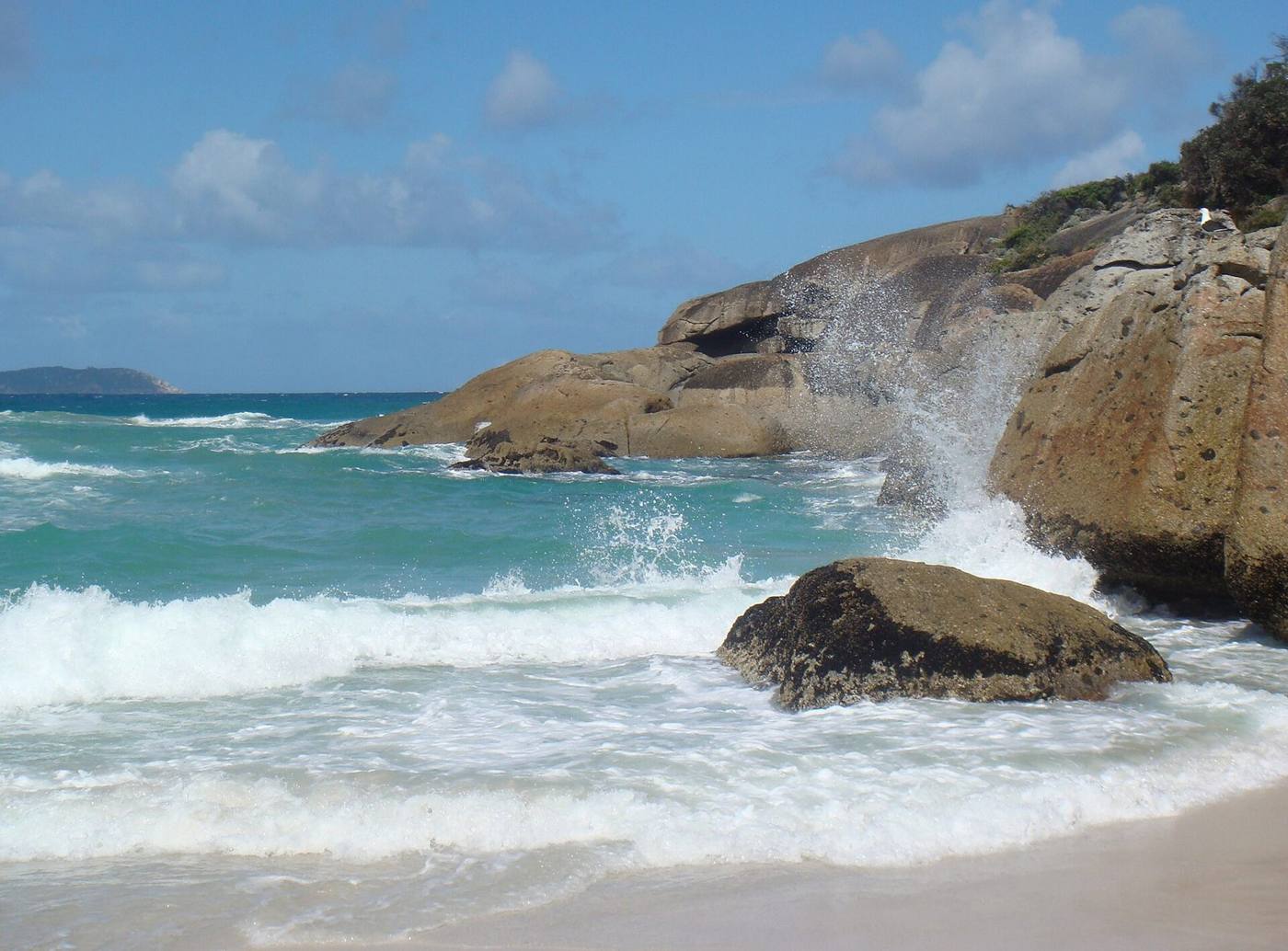
Sydney to Melbourne along the coast
The south-east's classic road trip, but away from the motorway: the white sand of Jervis Bay, the South Coast towns, the Sapphire Coast with whales in spring, wild Wilsons Promontory and the penguins of Phillip Island.