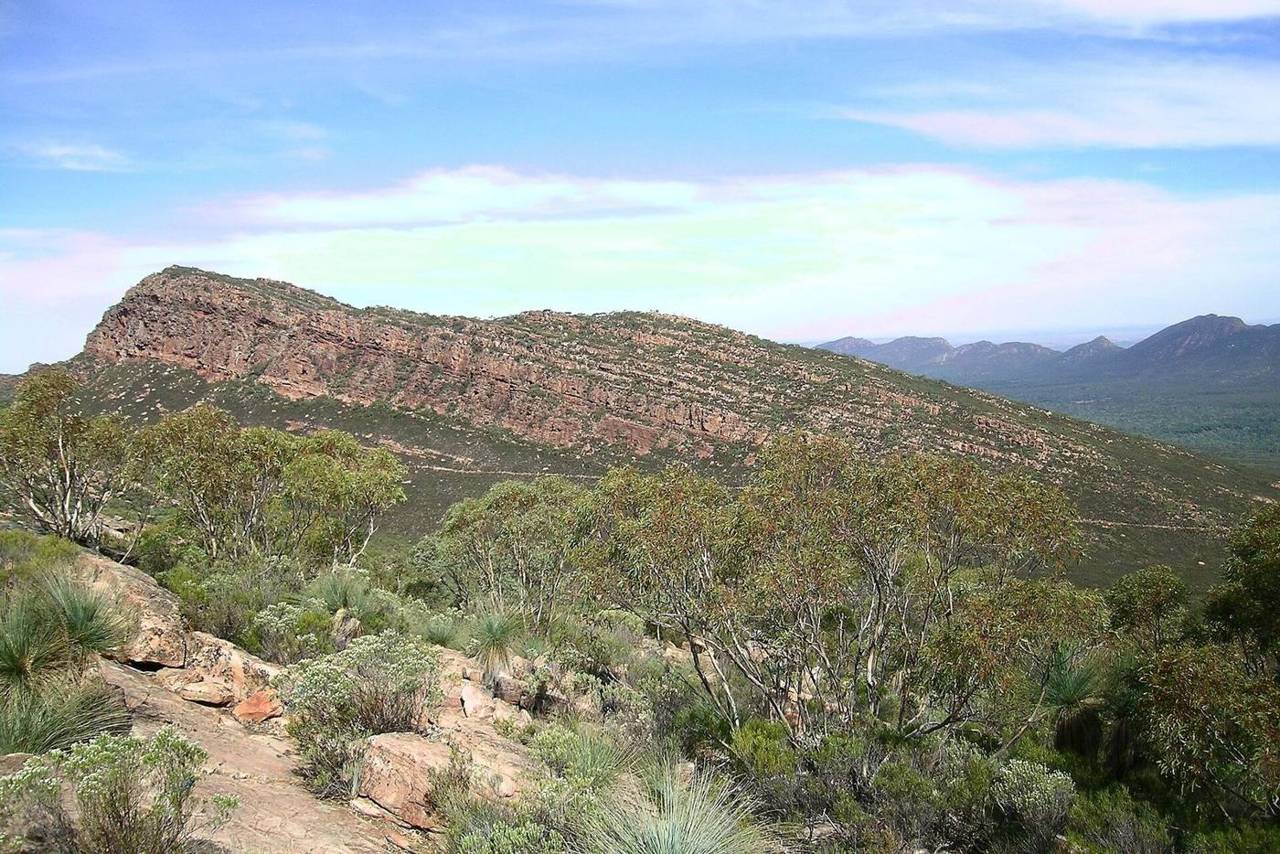
Adelaide, the Barossa and the Flinders Ranges
The lesser-known South Australia: Adelaide and its Central Market, the wineries of the Barossa and Clare Valley, then north to the rock amphitheatre of Wilpena Pound in the Flinders Ranges outback, with kangaroos, emus and Aboriginal rock art.
- Adelaide
- Barossa Valley
- Clare Valley
- Wilpena Pound
- Flinders Ranges
- Adelaide
Day by day
- Day 1
Adelaide: the market, North Terrace and sunset at Glenelg
This trip takes you to South Australia, a region less known than Sydney and Melbourne but very varied. It starts in Adelaide, a neat and relaxed city, passes through two famous wine valleys, the Barossa and the Clare, and ends among the ancient red mountains of the Flinders Ranges, on the edge of the outback. Over seven days you move between city, vineyards and wild nature.
Adelaide has an international airport a few kilometres from the centre. The city was planned in the mid nineteenth century on a grid, surrounded by a ring of parkland.
In the morning head to the Central Market, the city's large covered market, with stalls of fruit, cheese, fish, bread and food from around the world. It is the perfect place for breakfast and for getting to know the local food.
Then walk along North Terrace, Adelaide's cultural boulevard. Here you find the state art gallery, with a good collection of Aboriginal art, the South Australian Museum, with a large hall devoted to Aboriginal cultures, and the state library, with a nineteenth century reading room ringed by iron balconies.
In the late afternoon take the tram to Glenelg, the city's beach, about half an hour away. Walk along the jetty and watch the sunset over the sea.
Spend the night in Adelaide.
Practical tip: EU citizens must apply online for an eVisitor visa to enter Australia, which is at no cost. Do it before you book your flight.
- Day 2
The Barossa Valley: historic wineries and German villages
Today you leave Adelaide and drive north east for about an hour to the Barossa Valley, one of Australia's best known wine regions. It is best to hire a car for the rest of the trip, as distances are long and public transport is scarce.
The valley was settled in the mid nineteenth century by Lutheran families from Silesia and Prussia, who brought their traditions with them. You still see Lutheran churches with pointed spires and stone houses, and eat smoked sausages, bread and cakes from German tradition.
The Barossa is best known for Shiraz, a rich red wine. Some of the valley's vines are among the oldest still producing anywhere in the world, because phylloxera, the disease that destroyed Europe's vineyards in the nineteenth century, never reached here. Many wineries open their cellar doors to visitors, some by appointment.
Visit the main towns, Tanunda, Nuriootpa and Angaston, each with its own character. In the afternoon drive up to the Mengler Hill lookout, which takes in the whole valley, with rows of vines, gum trees and golden hills.
In the evening enjoy local produce for dinner and spend the night in the Barossa.
Practical tip: Australia's drink driving limit is low and checks are frequent. If you go tasting, choose a driver, use the spittoons or book a tour with a driver.
- Day 3
The Barossa by bike among the vineyards
Today you explore the Barossa by bike. A paved cycle path, mostly separate from the road, links the valley's towns over several tens of kilometres, through vineyards, fields and stands of gum trees. It is almost entirely flat with a few gentle rises, and suits even occasional cyclists. Standard and electric bikes are easy to hire in town.
Ride at an easy pace from town to town, stopping at wineries along the way and at small shops selling local produce: olive oil, cheese, jams, dried fruit and smallgoods. Many producers still use recipes from the German families who arrived in the nineteenth century.
Along the path you often see kangaroos at the edge of the vineyards, especially early in the morning and towards evening, and plenty of colourful birds such as rosellas and cockatoos.
In the afternoon, if you would rather walk, there is a short trail in Kaiser Stuhl park, in the hills above the valley, with views over the Barossa and frequent encounters with grey kangaroos.
In the evening return to your accommodation in the valley and have a relaxed dinner.
Practical tip: the Australian sun is very strong even when it is not hot. Take a hat, sunscreen and plenty of water on the bike. In summer, from December to February, temperatures can top forty degrees: ride early in the morning and rest in the middle of the day.
- Day 4
The Clare Valley, the Riesling Trail and the road north
Today you continue north to the Clare Valley, about an hour and a half from the Barossa. It is a smaller, quieter valley, famous for Riesling, a fresh and aromatic white wine.
The best way to see it is the Riesling Trail, a cycling and walking path built on an old railway line. It runs for about thirty kilometres through vineyards, woodland and small towns such as Auburn, Watervale and Clare. The gradients are gentle, because it was built for trains. You can ride a stretch, hiring a bike in town, or walk for an hour or two.
Along the way there are wineries with tasting rooms, nineteenth century stone houses and, a little to the east, the mining town of Burra, built on copper, with miners' cottages and the remains of the old mines.
In the afternoon get back in the car and drive north towards the Flinders Ranges. The landscape changes quickly: vineyards give way to wheat fields, then dry pasture and red earth. You pass small towns such as Melrose and Quorn at the foot of the first ranges.
Spend the night in Quorn, or continue to Hawker if you arrive early.
Practical tip: do not drive in the outback at dawn, dusk or night. At these times kangaroos and emus often cross the road and accidents are common. Fill up whenever you find a petrol station: further north they are few and far between.
- Day 5
The Flinders Ranges: Wilpena Pound on foot
Today you enter Ikara Flinders Ranges National Park, the heart of the ranges. The Flinders Ranges are among the oldest mountain chains on the planet, with rocks formed hundreds of millions of years ago. Their red ridges, dry riverbeds and white gums make a classic inland Australian landscape.
The best known place is Wilpena Pound, called Ikara by the Adnyamathanha, the Aboriginal people of this land. It is a huge natural amphitheatre, an oval basin enclosed by a ring of mountains, which from above looks like a vast crater. For the Adnyamathanha it is a place of deep spiritual meaning.
Several trails start from the Wilpena visitor centre. One of the best leads into the basin to the old Hills Homestead, left by settlers who tried to farm here, and on to the Wangarra lookout, with views across the inside of the Pound. It is a half day walk with a final uphill stretch.
For very fit walkers there is the long climb towards St Mary Peak. The Adnyamathanha ask visitors not to climb to the summit, as it is a sacred place: please respect this and stop at the saddle.
Towards evening watch the sunset on the ranges as they turn red and purple.
Spend the night near Wilpena.
Practical tip: a park pass is required, bought online or at the visitor centre: check the fee. On days of extreme heat or high fire danger some trails may be closed.
- Day 6
Brachina Gorge and the rock art of Arkaroo
Early in the morning go to Arkaroo Rock, a few kilometres from Wilpena. A loop trail of about three kilometres climbs through the trees to a rock shelter where, over thousands of years, the Adnyamathanha painted figures in red and yellow ochre and charcoal. The paintings tell stories linked to the creation of Wilpena Pound. View them from behind the barrier without touching them.
In the afternoon drive through Brachina Gorge, a gravel road that cuts through the ranges along a dry riverbed. Along the way, signs explain the rock layers you pass, one after another, in a journey back through hundreds of millions of years. Some of the oldest animal fossils on Earth have been found in these rocks.
The gorge is home to the yellow footed rock wallaby, a small kangaroo with a ringed tail that was once very rare. Look for it on the rock walls in the morning and towards evening. You also see emus, red kangaroos and wedge tailed eagles.
Return to Wilpena for the night. On clear nights the Flinders sky is full of stars, as there are no lights for hundreds of kilometres.
Practical tip: the park's gravel roads are fine in an ordinary car when dry, but they can close after rain. Check road conditions and make sure your hire agreement allows driving on unsealed roads.
- Day 7
Back to Adelaide
The last day is for the drive back to Adelaide, about five hours away. Leave early to avoid driving in low light, when animals cross the road.
If you have time, stop in Quorn, a town of stone houses with an old railway station from which a heritage train runs through Pichi Richi Pass on some days: check the dates. Further south, Port Augusta sits at the head of Spencer Gulf, where the outback meets the sea. It has a botanic garden devoted to arid zone plants, with easy paths among desert shrubs and flowers.
Continue south through wheat country to Adelaide. If you arrive early and still have energy, drive up Mount Lofty in the hills above the city for a last view over Adelaide and the sea, or visit Hahndorf, the German founded village in the Adelaide Hills.
In the evening, if you fly out the next day, have dinner in Adelaide and get ready for your flight. The Central Market is a good last stop for local food to take home, as long as it is allowed by your home country's customs rules.
Practical tip: return the car with a full tank and check for any damage from gravel or stones. Always leave a day of margin between an outback trip and an international flight.
A quiet Australia, between wine and outback without long domestic flights. In the Flinders do not drive at dawn or dusk: kangaroos and emus cross the road. In summer (December-February) it is very hot and some trails close on high fire-danger days. EU citizens need the eVisitor (subclass 651), which is at no cost and must be requested online before departure.
Before you go
- Documents and visa
- Valid passport and an eVisitor, the no-cost electronic authorisation applied for online on the official Australian government website before departure.
- Health and vaccines
- No compulsory vaccines arriving from Europe. Very strong sun: high-factor sunscreen and a hat. Emergencies: 000.
- Money and payments
- Australian dollar. Contactless cards are used everywhere, even for small amounts and on public transport; cash is rarely needed.
- Power sockets
- Type I, 230 volts: you need an adapter for the angled flat-pin plugs.
- Time zone
- The country has several time zones. Sydney and Melbourne are UTC+10, UTC+11 with daylight saving from October to April.
- Safety
- One of the safest countries for travellers. The risks are natural: rip currents, bushfires especially from October to February, cyclones and floods in the north in the wet season. Official advice: GOV.UK.
Information checked in November 2026 for Italian and EU citizens. Rules change: always check before you travel.
Variations
In 4 days: Adelaide and the Barossa, without the Flinders Ranges.
In 10 days: add Kangaroo Island, with seals, sea lions and koalas, from Adelaide.
Frequently asked questions
When is the best time to go?
April to October for the Flinders Ranges, when the heat is bearable. The Barossa is lovely all year, especially in autumn during the harvest.
Do I need a four wheel drive?
No. The main roads are sealed and the park's gravel roads are fine in an ordinary car when dry.
Will I see wildlife?
Yes, plenty: kangaroos, emus, rock wallabies, parrots and eagles, especially early in the morning and towards evening.
Indicative itinerary written by World Atlas. Before booking, check timetables, seasonal openings, documents and safety.
 6 daysChallenging
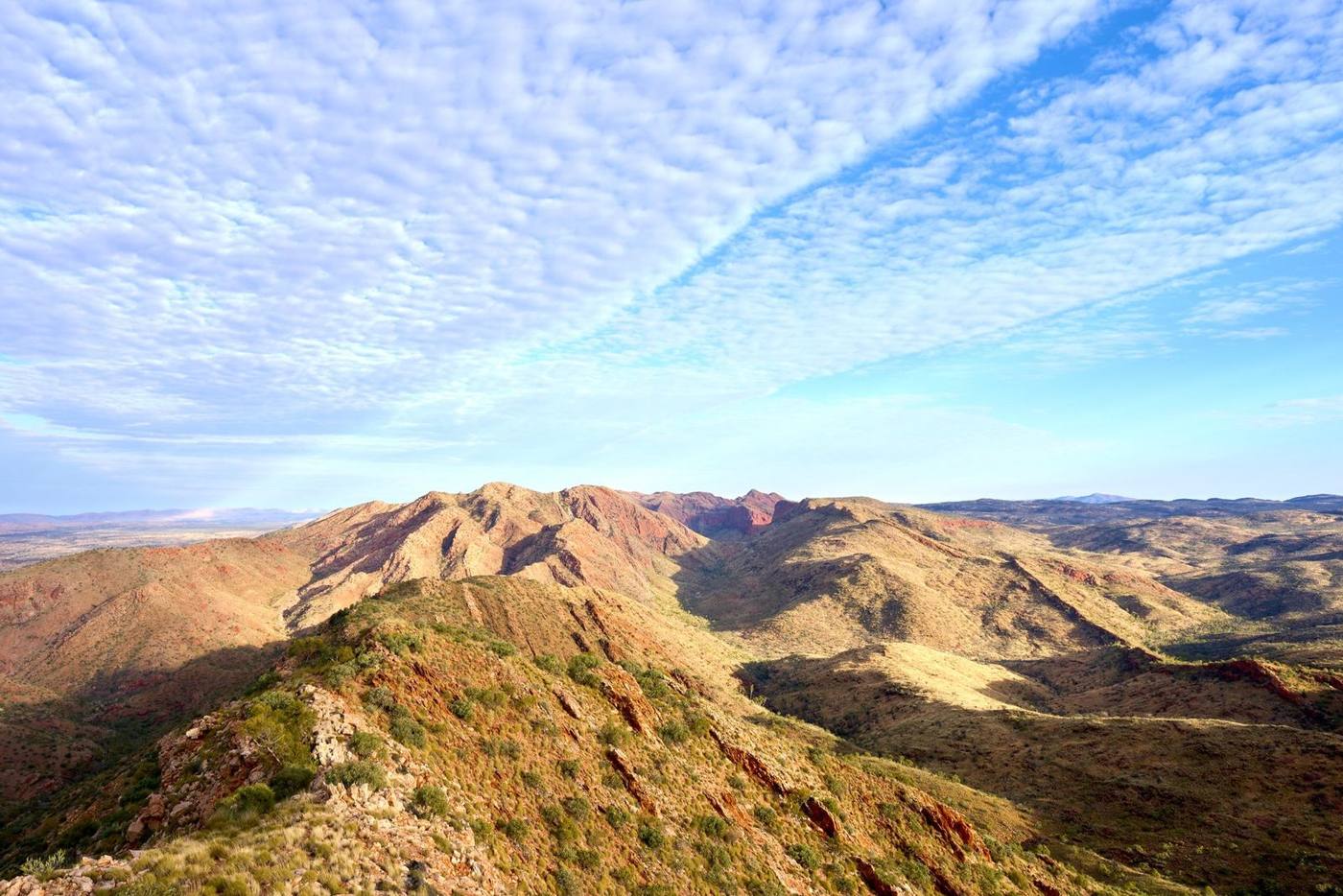
Red Centre: the Larapinta and West MacDonnells
Australia's red heart on foot: the finest sections of the Larapinta Trail along the West MacDonnell ridges, gorges such as Standley Chasm, Ormiston and Redbank, waterholes in the desert and the starry outback sky, based in Alice Springs.
 9 daysEasy
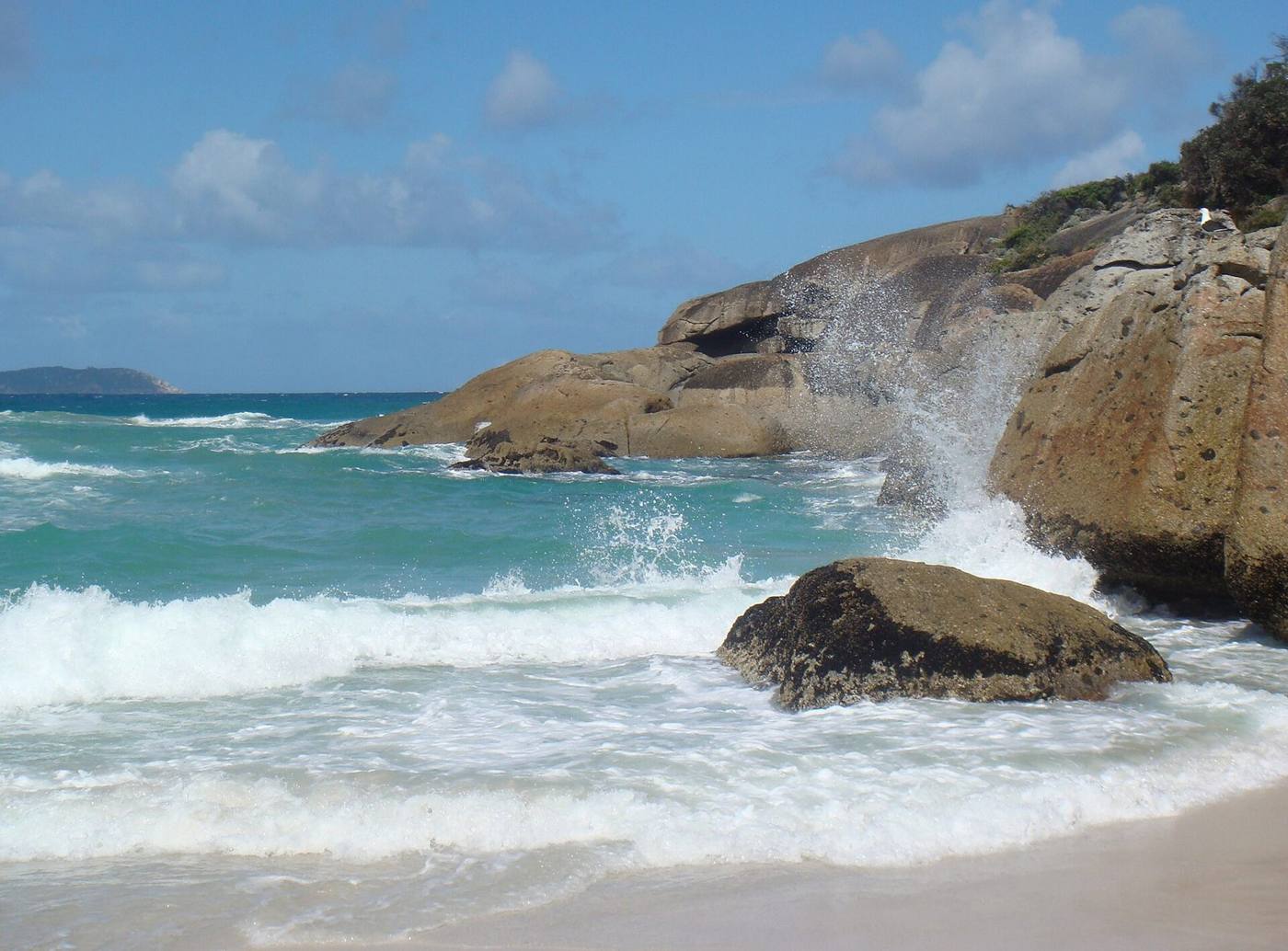
Sydney to Melbourne along the coast
The south-east's classic road trip, but away from the motorway: the white sand of Jervis Bay, the South Coast towns, the Sapphire Coast with whales in spring, wild Wilsons Promontory and the penguins of Phillip Island.
 5 daysModerate
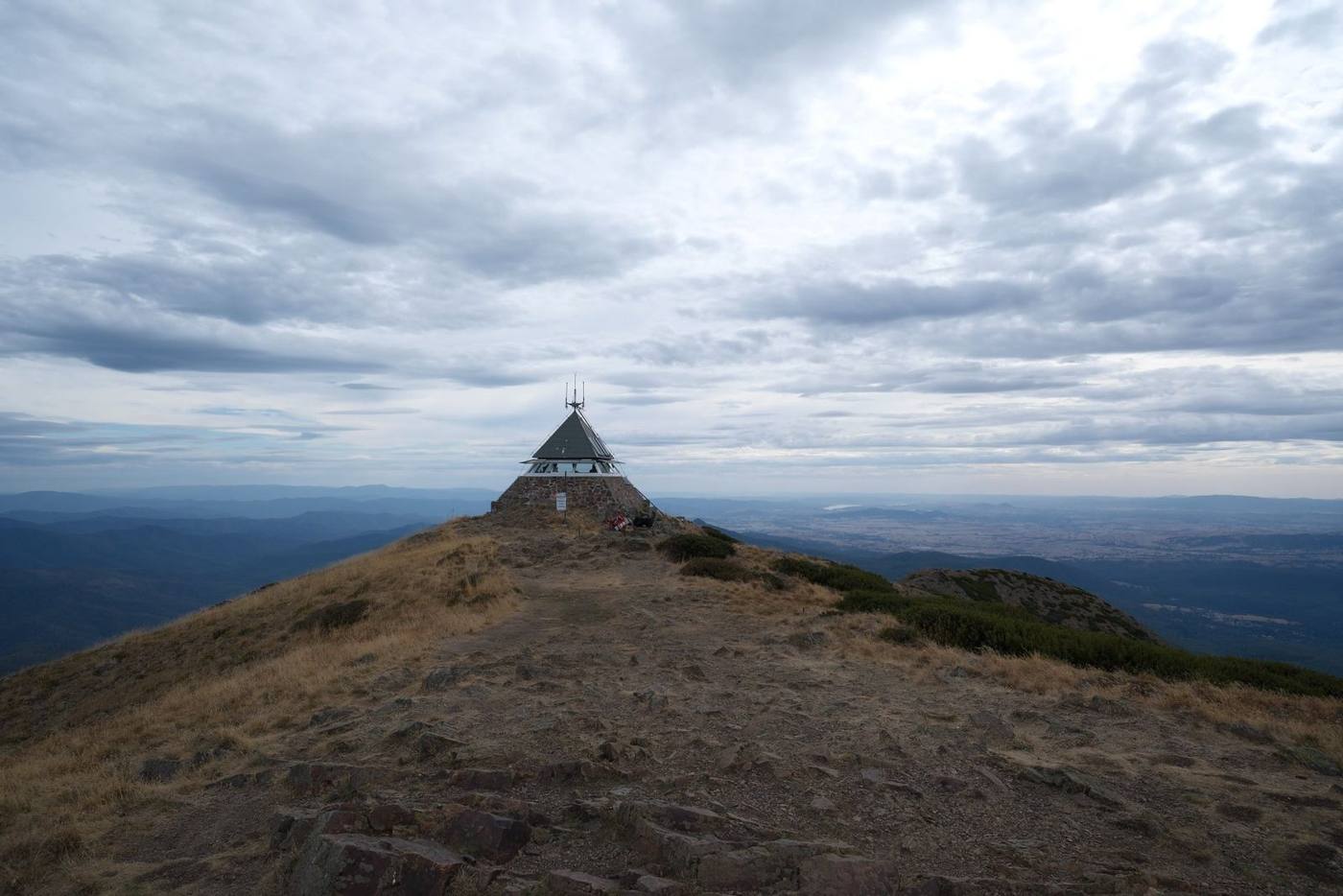
Canberra and the Snowy Mountains
The purpose-built capital, with Parliament House, the National Gallery and the Australian War Memorial, then the Australian Alps: Kosciuszko National Park, the walk to the continent's highest summit, glacial lakes and the villages of Thredbo and Jindabyne.