Yerevan food trip
The Armenian capital through its food: the GUM market, lavash baked in the tonir, Ararat brandy, the cafés of the Cascade and the Vernissage market.
- Yerevan
- GUM Market
- Ararat distillery
- Cascade
- Vernissage
Day by day
- Day 1
The GUM market and lavash from the tonir
This trip is a weekend in Yerevan through its food: the covered GUM market with its dried fruit and spices, lavash baked in an earth oven, Armenian brandy, the cafés around the Cascade and the Vernissage flea market.
Before you go: Italian citizens can enter Armenia only with a passport, valid for the whole stay: an identity card is not enough. EU citizens do not need a visa for tourism, for up to 180 days in a year. Other nationalities should check their own rules. Italy's travel advice warns against the areas along the border with Azerbaijan and near Nakhchivan, especially the Syunik and Vayots Dzor regions and the southern and eastern parts of Gegharkunik; the UK advises against all travel within 5 kilometres of the entire eastern border. Yerevan is far from these areas and this trip stays in the city. Do not drink tap water.
You land at Zvartnots airport, about half an hour from the centre. The currency is the dram: change euros in the city, where it is easy, and carry cash for the markets.
In the afternoon go to the GUM market, on Movses Khorenatsi Street. Under its roof are stalls of dried apricots, prunes, figs, walnuts, spices, mountain herbs and sujukh, walnuts threaded on a string and coated in thickened grape juice.
Then join a lavash workshop, the thin bread that UNESCO added to its list of intangible heritage in 2014. Women roll out the dough by hand and slap it onto the walls of the tonir, the clay oven sunk into the floor. In a few seconds the bread is ready.
In the evening try khorovats, meat cooked over embers, with lavash and grilled vegetables.
Sleep in Yerevan.
Practical tip: at the market bring small notes and a bag: dried fruit is sold by weight.
- Day 2
The brandy factory and the Cascade at sunset
Today you taste Armenian brandy and look at the city from above.
In the morning walk through the centre, around Republic Square, the large oval square lined with pink tuff buildings. Stop in a café for Armenian coffee, made in a small pot like Turkish coffee, and for gata, a sweet cake filled with butter and sugar.
Then go to the historic brandy factory, on the hill above the Hrazdan river, near Victory Bridge. Brandy has been made in Yerevan since the late nineteenth century from grapes of the Ararat plain, and here you visit the cellars with their oak barrels, learn the history of production and join a guided tasting. Check prices and times and book ahead, as visits are in groups.
For lunch try tolma, vine or cabbage leaves stuffed with meat and rice, served with yoghurt, matsun. In autumn also look for ghapama, pumpkin stuffed with rice, dried fruit and honey.
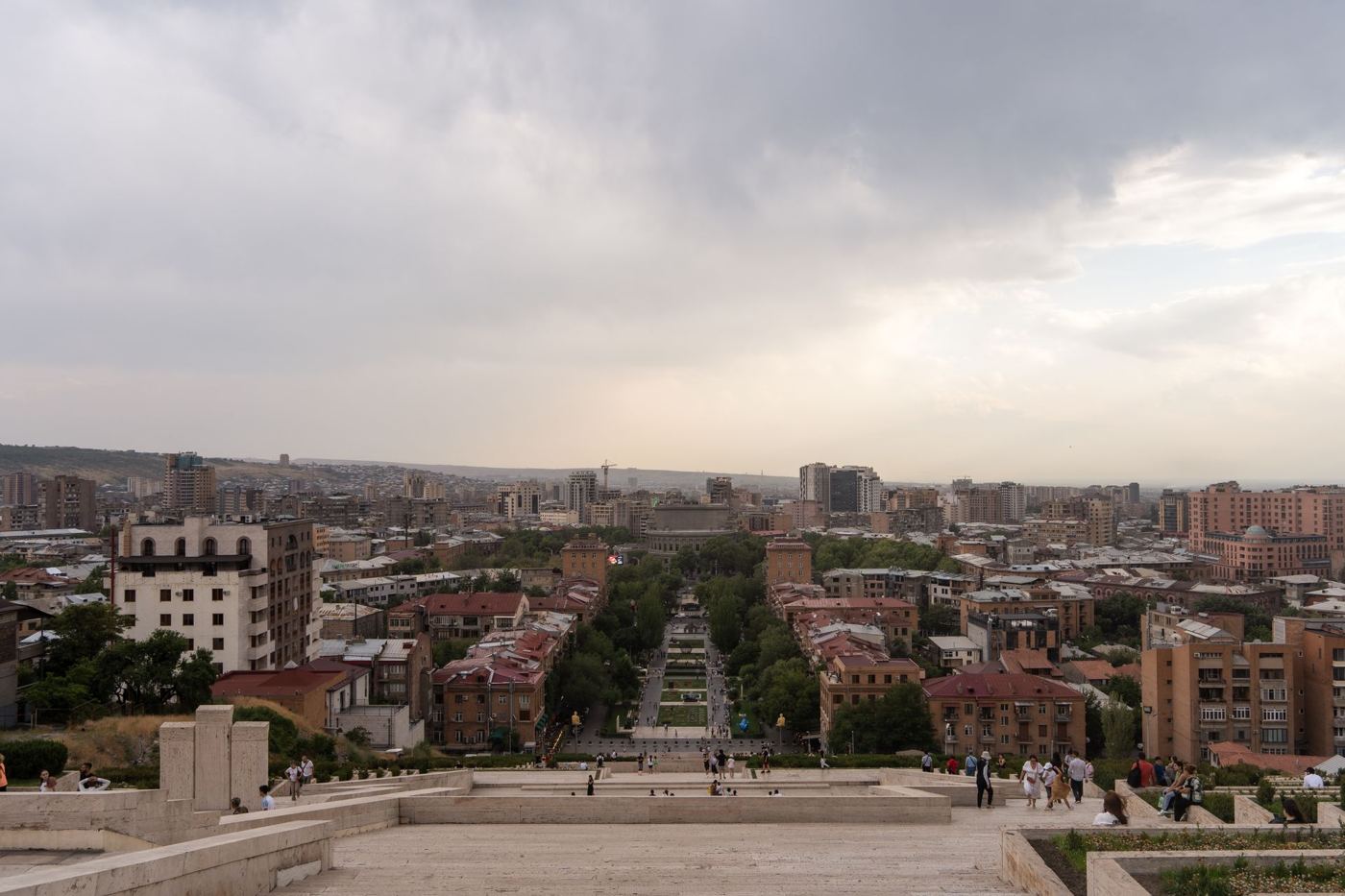
In the late afternoon go to the Cascade, the great white stone staircase that climbs from the centre towards the hill. At its foot is a garden with modern sculptures from the Cafesjian Center for the Arts, such as Botero's large cat. Climb on foot or use the indoor escalators to the top for the sunset: when the air is clear, Ararat appears behind the city with its white summit. Check times.
In the evening sit in one of the cafés at the foot of the Cascade.
Sleep in Yerevan.
Practical tip: eat something before the tasting, because Armenian brandy is strong, and do not drive afterwards.
- Day 3
The Vernissage and departure
The last day is for the open air market and a final round of tasting.
In the morning go to the Vernissage, the open air market near Republic Square, at its richest on Saturdays and Sundays. There are carpets, ceramics, silver jewellery set with obsidian, carved wooden objects, the duduk, the Armenian flute made of apricot wood, and miniature khachkars, carved stone crosses. You can also find old objects from the Soviet era. Bargain politely.
Then walk to the Matenadaran, the institute of ancient manuscripts, at the top of Mashtots Avenue, with thousands of illuminated Armenian manuscripts. Check prices and times.
For lunch try zhingyalov hats, thin bread filled with many different green herbs, and harissa, a thick porridge of wheat and chicken. In winter, in the morning, Armenians eat khash, a strong meat broth served with garlic and dry lavash.
Before leaving buy dried fruit, sujukh, mountain herb tea and a bottle of brandy. At the airport check the rules for liquids in hand luggage.
In three days you have got to know Yerevan at the table: the GUM market, lavash from the tonir, brandy and the view of Ararat from the Cascade, the Vernissage and dishes for every season.
When to go: all year round. From May to October people eat on terraces; July and August are very hot. Ararat is clearly visible only when the air is clear, often in the morning and in spring or autumn. Winter is cold, but it is the season for khash.
Practical tip: plan the trip so that you have a Saturday or Sunday in Yerevan: on weekdays the Vernissage is much smaller.
A delicious, inexpensive weekend. The Vernissage is richest on Saturday and Sunday. Ararat is only clearly visible in clear air, often in the morning.
Before you go
- Documents and visa
- Passport valid for the whole stay. British citizens can visit without a visa for up to 180 days in a year for tourism or business.
- Health and vaccines
- No compulsory vaccinations; ask your doctor about hepatitis A and B and diphtheria. Medical facilities are limited outside Yerevan: you need insurance covering medical costs and repatriation. Do not drink tap water and avoid ice. Emergencies: 911.
- Money and payments
- Armenian dram: payments in other currencies are not allowed. Euros and dollars are easy to change in Yerevan. Visa and Mastercard work well in the capital, much less elsewhere: carry cash outside the city.
- Power sockets
- Types C and F, 230 volts: you need an adapter for British plugs.
- Time zone
- UTC+4 all year, four hours ahead of the UK in winter, three in summer.
- Safety
- The UK advises against all travel within 5 km of the entire eastern border with Azerbaijan and along the road between Ijevan and Noyemberyan. The borders with Azerbaijan and Turkey are closed. The United States advises increased caution and says not to travel to the border with Azerbaijan. Yerevan is not in these areas. Official advice: GOV.UK.
Information checked in November 2026 for Italian and EU citizens. Rules change: always check before you travel.
Variations
In 2 days: the GUM market and lavash on the first day, brandy, the Cascade and the Vernissage on the second, over a weekend.
In 5 days: add the temple of Garni and the monastery of Geghard, east of the capital, and the cathedral of Etchmiadzin, to the west, the centre of the Armenian Church.
Frequently asked questions
What documents do I need for Armenia?
Italian citizens enter only with a passport, valid for the whole stay, without a visa for tourism for up to 180 days in a year. Other nationalities should check their own rules.
Is Yerevan safe?
Yes, the capital is not in the areas advised against. Italy's advice warns against the areas along the border with Azerbaijan and the Syunik and Vayots Dzor regions, and the UK advises against all travel within 5 kilometres of the eastern border. This trip stays in Yerevan.
When is the Vernissage open?
The market is at its richest on Saturdays and Sundays; on weekdays there are fewer stalls. Check the times before you go.
Indicative itinerary written by World Atlas. Before booking, check timetables, seasonal openings, documents and safety.
 3 daysEasy
Lake Sevan and Noratus
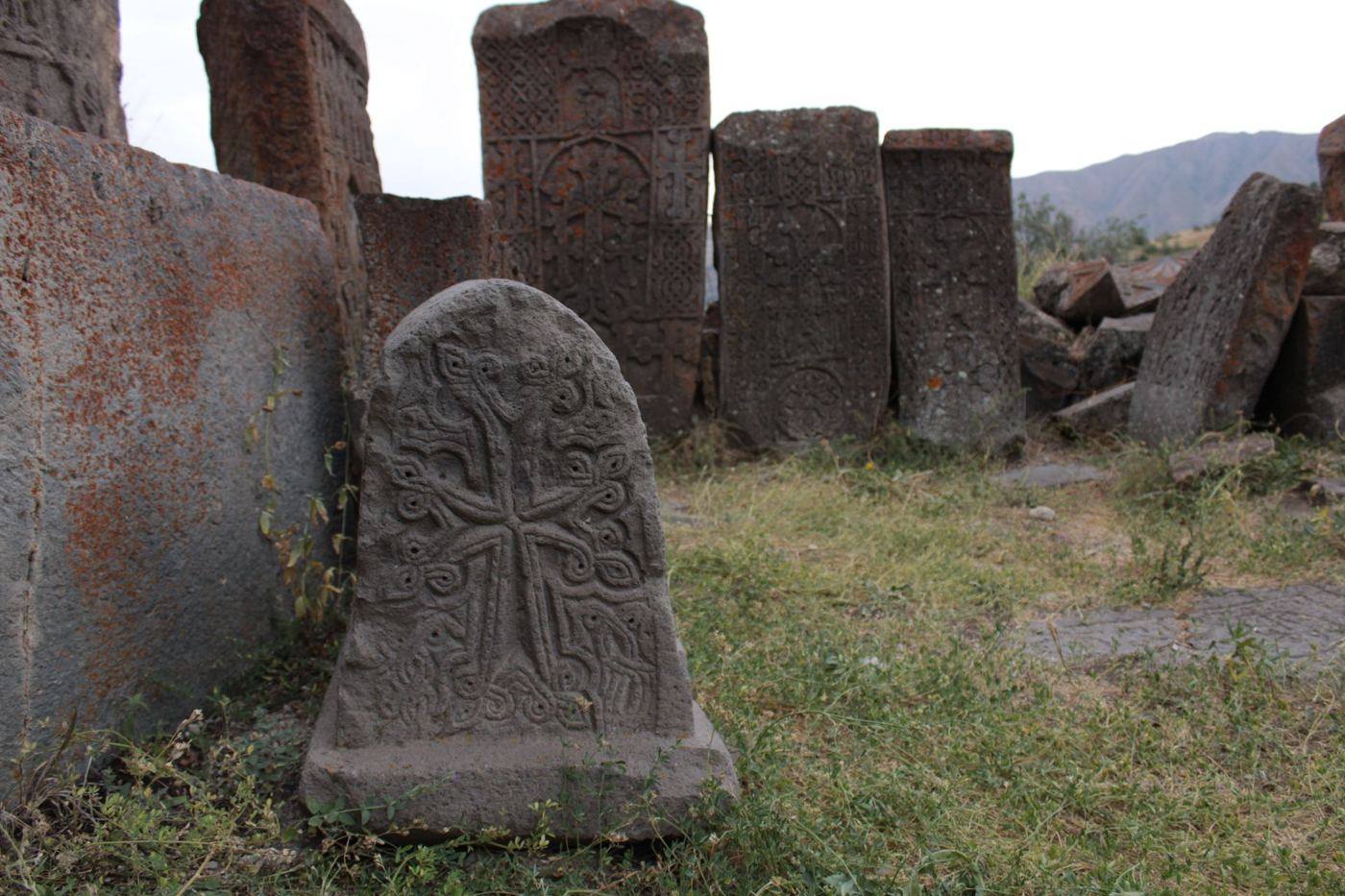
The western shore of the great high-altitude lake: the Noratus field of hundreds of khachkar stone crosses, Hayravank and the beaches of Shorzha.
 4 daysEasy
Armenia in winter
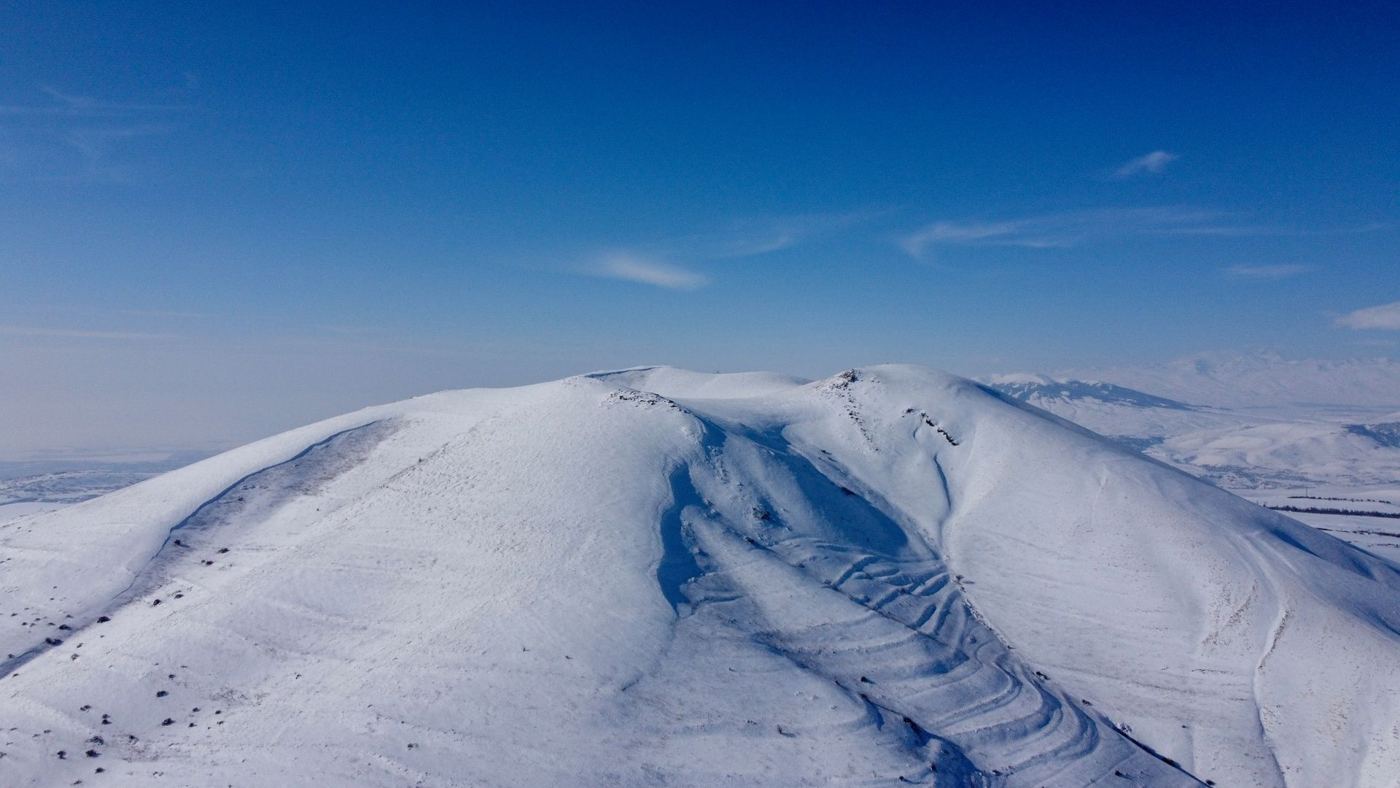
Yerevan around the Armenian Christmas of 6 January, the Tsaghkadzor ski resort, Kecharis monastery and snowy monasteries around the capital.
 6 daysEasy
Yerevan and the monasteries
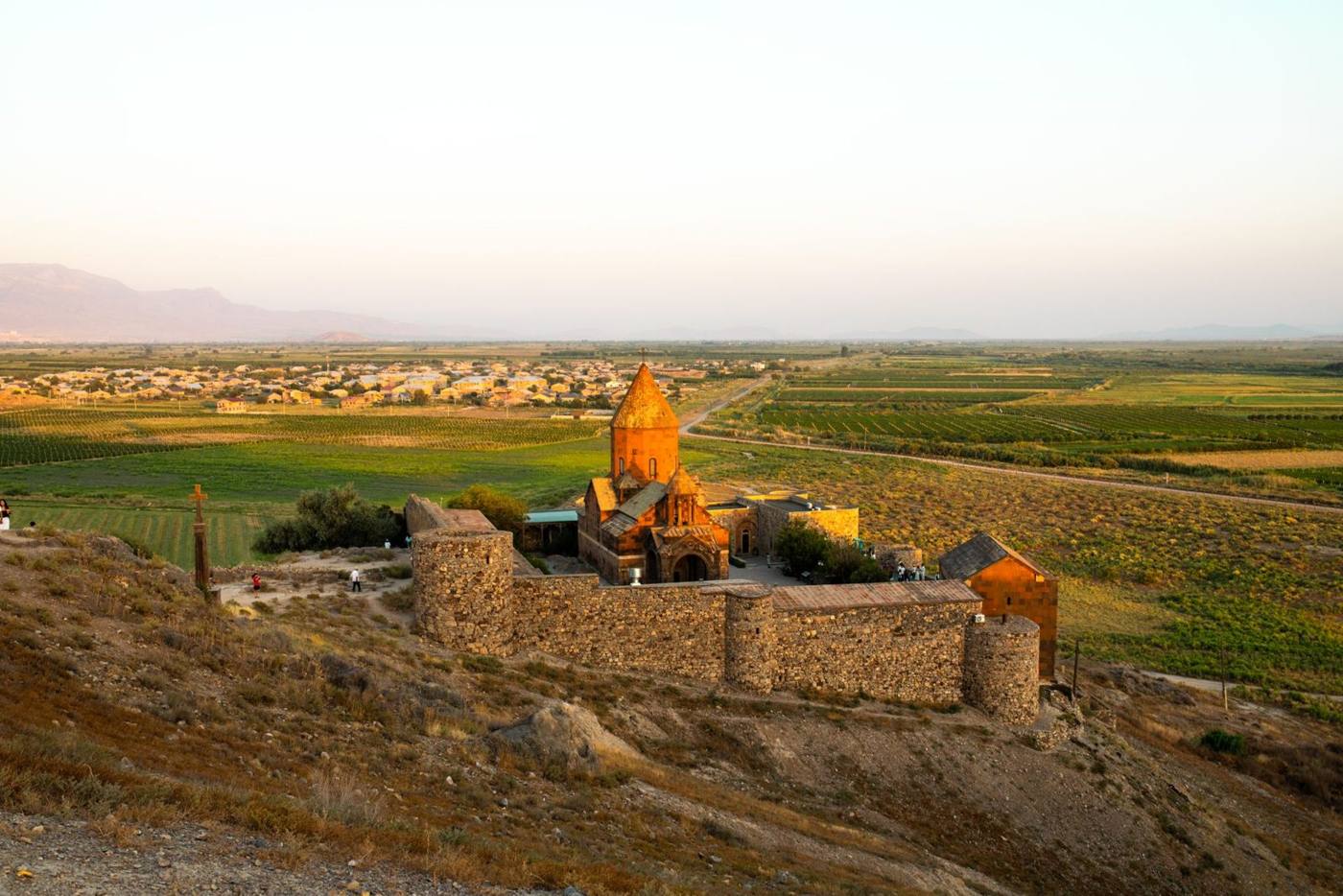
The pink capital beneath Ararat, Etchmiadzin, Garni temple, rock-cut Geghard, Khor Virap and Lake Sevan.