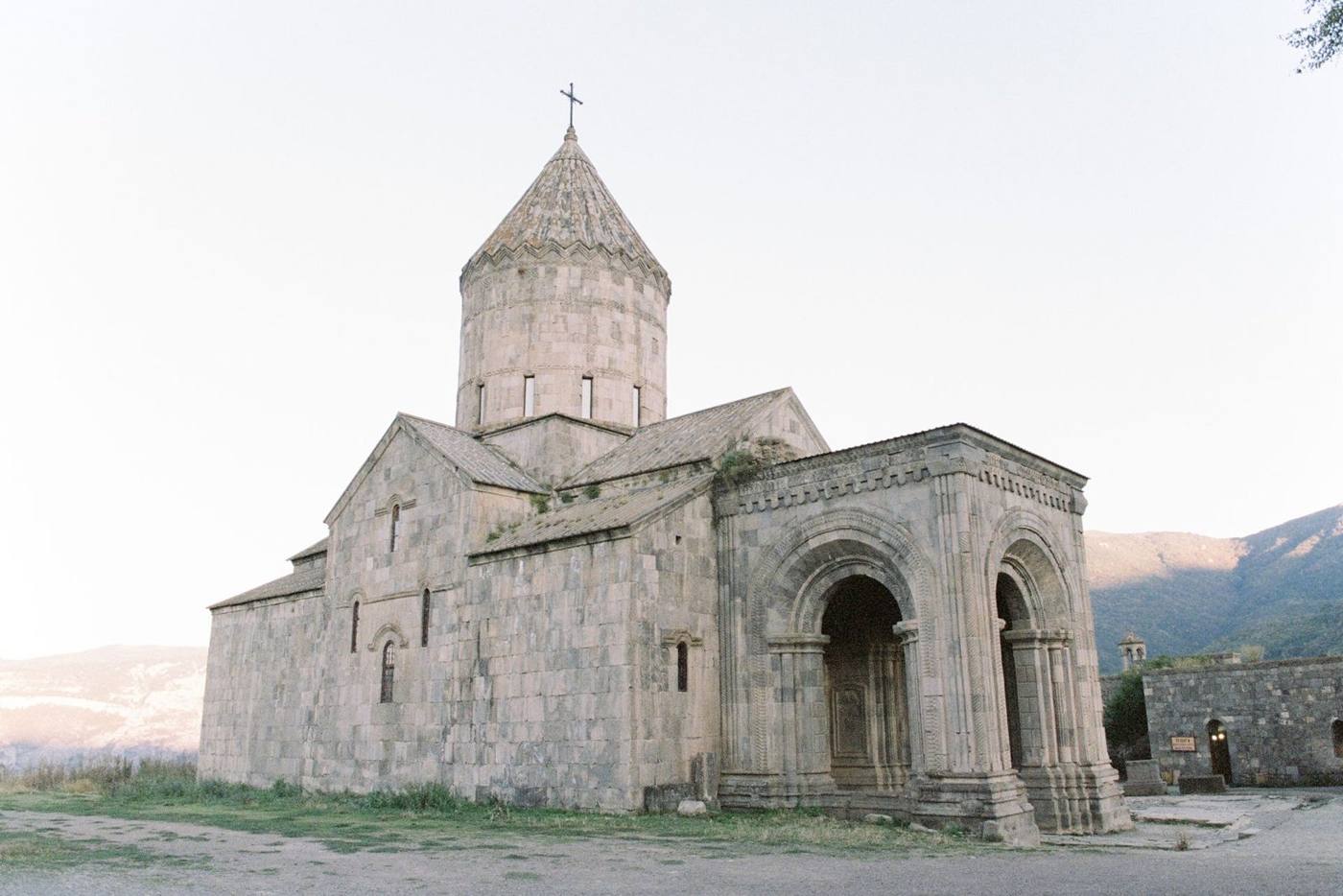
The south and Tatev
Noravank monastery in its red canyon, the Wings of Tatev cable car, the cave dwellings of Khndzoresk and the Carahunge site.
- Yerevan
- Noravank
- Jermuk
- Carahunge
- Tatev
- Khndzoresk
- Goris
Day by day
- Day 1
From Yerevan to Noravank and Jermuk
This five-day trip takes you to the south of Armenia, the part of the country with the most spectacular landscapes: Noravank monastery in its red canyon, the spa town of Jermuk, the stones of Carahunge, the cable car to Tatev monastery and the cave dwellings of Khndzoresk, near Goris.
Before you go: Italian citizens can enter Armenia only with a passport, valid for the whole stay: an identity card is not enough. EU citizens do not need a visa for tourism, for up to 180 days in a year. Other nationalities should check their own rules.
Some areas on this trip are close to borders or places where the situation changes often: check your government's travel advice before booking and again before you leave.
In the morning leave Yerevan with a local driver, the best choice for the long mountain roads of the south. After Areni turn into the side gorge that leads to Noravank: the rock walls turn dark red and the monastery appears on a terrace. Visit the two-storey church of Surb Astvatsatsin, with its outside staircase, and the carved doorways. Check prices and times.
In the afternoon carry on east, along the Arpa valley, to Jermuk, at about 2,000 metres. Taste the warm water from the small fountains in the water gallery and walk to the waterfall on the edge of town.
Sleep in Jermuk.
Practical tip: in the south distances look short on the map but the roads are slow and full of bends; do not drive at night and always allow more time than you expect.
- Day 2
The stones of Carahunge and arrival in Goris
Today you cross the high plateaus of Syunik, all the way to Goris.
In the morning leave Jermuk and get back onto the main road heading south. You cross the Vorotan pass, on a bare and very high plateau with pastures, small lakes and flocks of sheep, and then drop down towards Sisian.
Just before the town visit Carahunge, also called Zorats Karer. It is a prehistoric site with hundreds of standing stones, some more than two metres tall, spread over a grassy plateau. Many have a round hole near the top, and their meaning is still debated: tombs, an ancient place of worship or, according to some, an observatory of the sky. Walk slowly among the stones, with the mountains all around you. Check prices and times.
In Sisian, if you have time, go into the small history museum, then take a short detour to the Shaki waterfall, which falls in a wide fan of water over a basalt cliff.
In the afternoon carry on to Goris, a town of pale stone houses with wooden balconies, in a valley surrounded by hills with strange pointed rocks. The road to Goris runs close to the border in some stretches: stay on the main road and travel by day. Sleep in Goris.
Practical tip: on the Carahunge plateau a strong wind often blows and there is no shade; bring a hat, a windproof jacket and water, even in summer.
- Day 3
The Tatev cable car and the monastery above the cliff
Today you live the most spectacular day of the trip.
In the morning leave Goris for Halidzor, the lower station of the Wings of Tatev cable car. This cable car, about 5.7 kilometres long, is among the longest of its kind in the world. The cabin crosses the gorge of the Vorotan river hanging over the void, above woods, villages and rock walls, and in a few minutes brings you in front of the monastery. Check prices and times, because the service stops in strong wind or for maintenance.
Tatev monastery stands on a rocky spur above the gorge. It was founded in the ninth century and in the Middle Ages it was a great centre of learning, with a school famous throughout Armenia. Visit the main church, the walls and the monks' cells, and look for the Gavazan column, a stone pillar that sways if you push it.
In the afternoon go down to the bottom of the gorge, on foot or by car, to the Devil's Bridge, a natural rock bridge over the river, with small pools of mineral water. If you have good legs, walk to the hermitage of Mets Anapat, a monastery hidden in the valley.
Return to Goris for the evening. Sleep in Goris.
Practical tip: go to the cable car early in the morning, before the groups; at summer weekends the queue can be long and the cabins fill up quickly.
- Day 4
The suspension bridge and the caves of Khndzoresk
Today you discover a village carved into the rock.
In the morning leave Goris and drive the short distance to Khndzoresk. The old village lies in a deep gorge, with tuff walls full of caves and houses dug into the rock. Until the middle of the twentieth century many people lived here, with churches, schools and terraced gardens. Then the inhabitants moved to the new village, up on the plateau.
Walk down the path to the suspension bridge, a long footbridge that crosses the gorge and sways slightly under your steps. On the other side walk among the caves, look at the rooms, the blackened chimneys and the niches. The path is steep in places: take your time going up and down.
In the afternoon return to Goris and walk around the town, along its regular nineteenth-century streets and stone houses. Climb up to Old Goris, above the town, where rocks shaped like towers and cones hide old dwellings dug into the stone. The Goris area is close to the border zone: stay on known paths and ask locals before wandering further.
In the evening try the food of Syunik, with mountain herbs, cheese, dried fruit and the fruit vodka called oghi. Sleep in Goris.
Practical tip: at Khndzoresk wear walking boots and carry water, because the climb back from the bottom of the gorge is tiring and there are no services in the old village.
- Day 5
Back to Yerevan
Today you face the long road home.
In the morning leave Goris early. The road to Yerevan takes several hours, over mountain passes, plateaus and valleys. Make stops to break the journey: a coffee in Sisian, a photo on the Vorotan plateau, a break in Areni to taste wine or buy a bottle.
If you still have time, stop at Khor Virap monastery, facing Mount Ararat, shortly before Yerevan. Check prices and times. You reach the city in the late afternoon.
Over these five days you have seen the south of Armenia: the red canyon of Noravank, the waters of Jermuk, the field of stones at Carahunge, the cable car above the Vorotan gorge and Tatev monastery, the Devil's Bridge, the caves of Khndzoresk with their suspension bridge and the stone town of Goris.
When to go: the best period is from May to October. In May and June the plateaus are green and full of flowers, in September and October the woods of the Tatev gorge turn yellow and red. In summer the valleys are hot but it is cool up high. In winter the passes can be covered in snow and the cable car may stop.
Practical tip: before leaving Goris fill up the tank and check the weather on the passes; in autumn and spring fog on the plateaus can slow the journey a great deal.
Southern Armenia has the country's most dramatic scenery. Roads are long and mountainous: a local driver is better. The road to Goris runs close to the Azerbaijani border in places: check the situation beforehand.
Before you go
- Documents and visa
- Passport valid for the whole stay. British citizens can visit without a visa for up to 180 days in a year for tourism or business.
- Health and vaccines
- No compulsory vaccinations; ask your doctor about hepatitis A and B and diphtheria. Medical facilities are limited outside Yerevan: you need insurance covering medical costs and repatriation. Do not drink tap water and avoid ice. Emergencies: 911.
- Money and payments
- Armenian dram: payments in other currencies are not allowed. Euros and dollars are easy to change in Yerevan. Visa and Mastercard work well in the capital, much less elsewhere: carry cash outside the city.
- Power sockets
- Types C and F, 230 volts: you need an adapter for British plugs.
- Time zone
- UTC+4 all year, four hours ahead of the UK in winter, three in summer.
- Safety
- The UK advises against all travel within 5 km of the entire eastern border with Azerbaijan and along the road between Ijevan and Noyemberyan. The borders with Azerbaijan and Turkey are closed. The United States advises increased caution and says not to travel to the border with Azerbaijan. Yerevan is not in these areas. Official advice: GOV.UK.
Information checked in November 2026 for Italian and EU citizens. Rules change: always check before you travel.
Variations
In 4 days: Noravank, Carahunge, Tatev and Khndzoresk, without the night in Jermuk.
In 7 days: add two days at the wineries of Areni and Vayots Dzor and a longer walk in the Tatev gorge.
Frequently asked questions
Does the Tatev cable car run all year?
Usually yes, but it stops in strong wind, bad weather and for maintenance. Check prices and times before you go.
Can you reach Tatev without the cable car?
Yes, a mountain road goes down into the gorge and climbs back up to the monastery. It is slow and narrow, so it is better with a local driver.
Do I need a guide for Khndzoresk?
It is not compulsory: the path to the suspension bridge is clear. A local guide helps you understand the village's history and find the most interesting caves.
Indicative itinerary written by World Atlas. Before booking, check timetables, seasonal openings, documents and safety.
 4 daysEasy
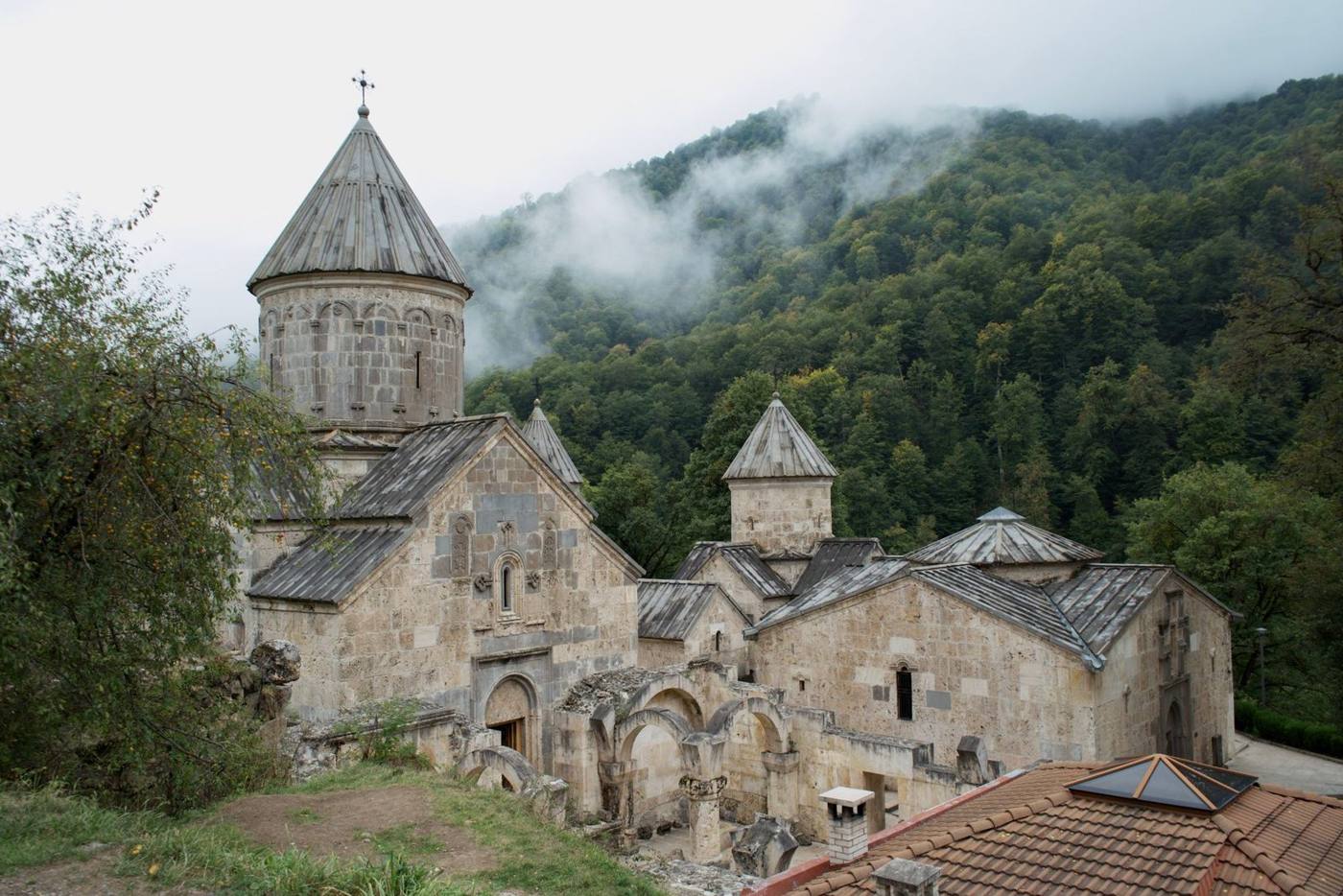
The north and the Debed valley
The UNESCO monasteries of Haghpat and Sanahin, Akhtala and its frescoes, the forests of Dilijan and Haghartsin monastery.
 3 daysEasy
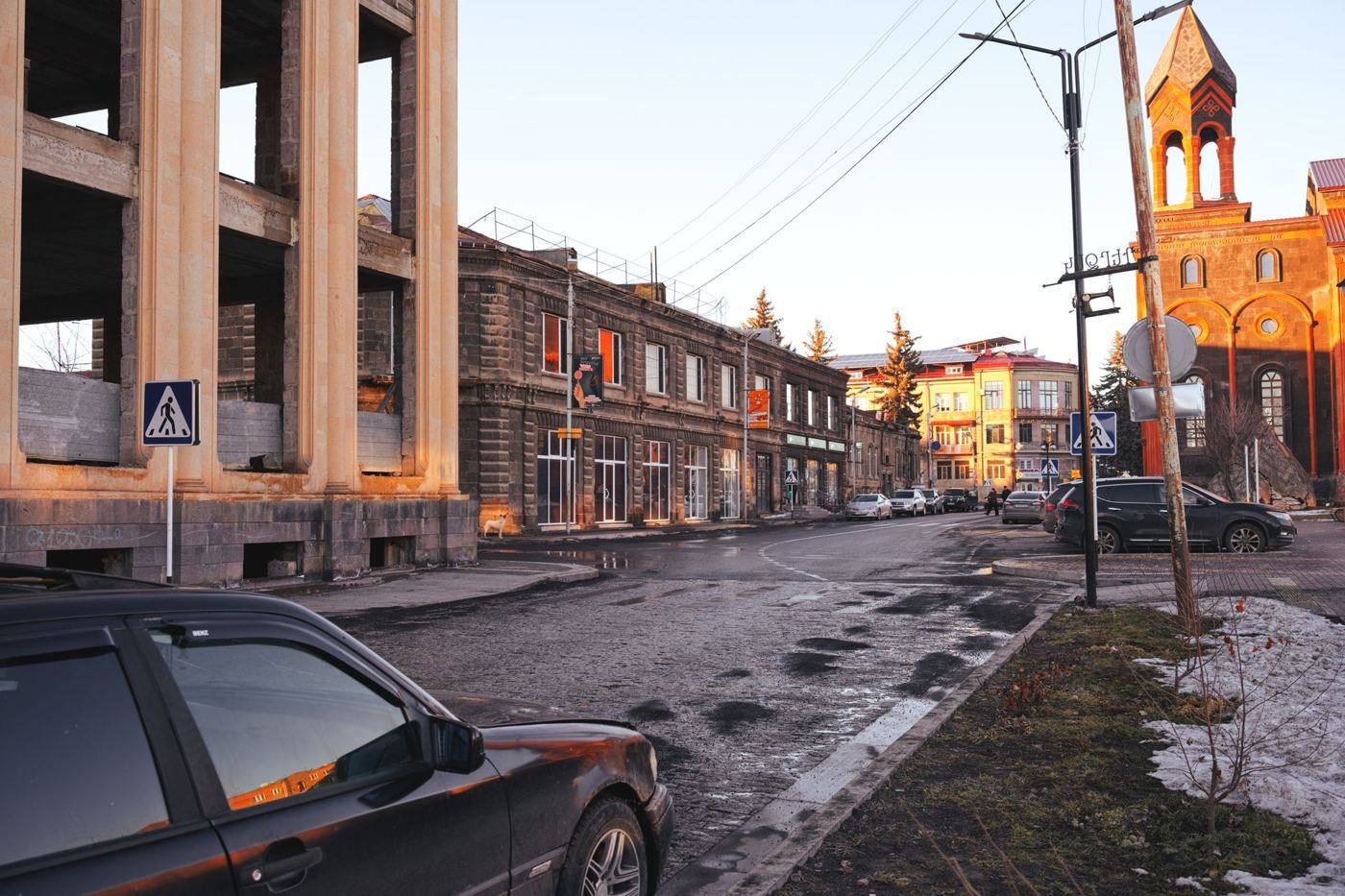
Gyumri and the north-west
Armenia's second city with the historic Kumayri district in black and red tuff, its craft workshops, and the monasteries of Marmashen and Harichavank.
 3 daysModerate
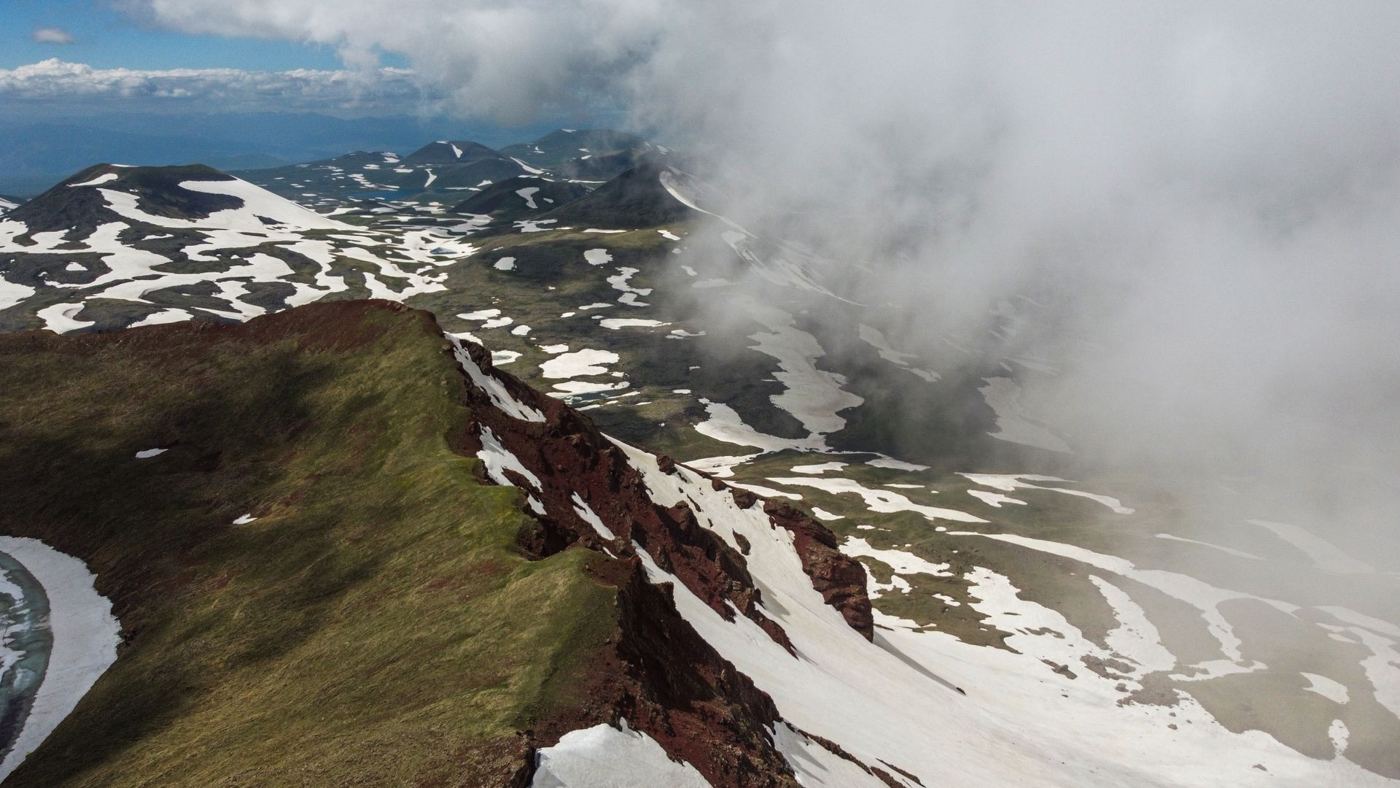
Aragats and Amberd
Amberd fortress on the slopes of Aragats, Lake Kari at 3,200 metres, the climb to the south summit of Armenia's highest mountain and the Armenian Alphabet monument.