Chubut: whales, penguins and Welsh towns
The Atlantic Patagonian coast in depth: southern right whales entering the gulfs of the Valdés Peninsula in winter and spring, the Magellanic penguin colony of Punta Tombo, the dolphins of Rawson and the tea houses of the Welsh settlers in Gaiman.
- Puerto Madryn
- Puerto Pirámides
- Valdés Peninsula
- Punta Tombo
- Gaiman
- Trelew
Day by day
- Day 1
Puerto Madryn, the Ecocentro and the seafront on the Golfo Nuevo
Chubut, on the Atlantic coast of Argentine Patagonia, is one of the best places in the world to see marine wildlife up close: southern right whales, elephant seals, sea lions, orcas, dolphins and the largest mainland colony of Magellanic penguins. Inland, along the Chubut river, lie villages founded by Welsh settlers in the nineteenth century, where Welsh is still spoken and tea is served with cakes. Italian citizens need no visa for tourism in Argentina; a valid passport is required and health insurance is required on entry.
You fly to Trelew or Puerto Madryn from Buenos Aires in about two hours. Puerto Madryn is a town on the Golfo Nuevo, founded in 1865 by Welsh settlers who arrived on the ship Mimosa and landed on this empty, windswept coast. A monument on the seafront commemorates their arrival.
In the afternoon visit the Ecocentro, a centre devoted to the Patagonian sea, built on a cliff above the bay, with rooms on marine life, a viewing tower and large windows from which, in season, you can see whales in the gulf. Then stroll along the town's long seafront.
Towards evening, from June to December, go to El Doradillo beach, about fifteen kilometres north of town: here right whales come so close to shore that you can see them from land, a few metres away, with calves beside their mothers.
In the evening try Patagonian lamb cooked over embers and seafood from the gulf.
Practical tip: Patagonia is windy almost all year; bring a windproof jacket.
- Day 2
Península Valdés and a whale-watching boat from Puerto Pirámides
In the morning drive to Península Valdés, a large, almost uninhabited peninsula joined to the mainland by a narrow isthmus, a UNESCO World Heritage site since 1999 for its marine wildlife. It is a steppe plateau of low shrubs with guanacos, rheas and maras, a kind of large Patagonian hare, and coasts of cliffs and beaches where the marine animals live. At the isthmus stands the visitor centre, with a wildlife room and a viewing tower, where you pay the protected area entry fee.
Go on to Puerto Pirámides, the peninsula's only village, on the Golfo Nuevo. From here boat trips set out to see southern right whales, which come to the peninsula's gulfs from June to December to mate and give birth; the best period is usually September to October. The boats approach slowly and cut their engines: the whales, up to fifteen metres long, surface beside the boat, blow, raise their tails and sometimes leap right out of the water. Mothers with calves are often curious.
In the afternoon walk along the cliff at Puerto Pirámides to the viewpoint over the sea lion colony, with large males and females on the rocks.
In the evening stay in Puerto Pirámides, so you are already on the peninsula next day.
Practical tip: roads on the peninsula are gravel and petrol stations few; fill up in Puerto Madryn or Puerto Pirámides.
- Day 3
Punta Delgada, Caleta Valdés and Punta Norte, among elephant seals and orcas
In the morning drive south-east to Punta Delgada, with a lighthouse on a cliff and a beach below where southern elephant seals live. Males can exceed four metres in length and three tonnes in weight, with their great trunk-like nose; from August to November you see females with pups and males fighting to defend their harems. Visits to the beach are only with a guide.
Continue along the east coast to Caleta Valdés, a long lagoon separated from the sea by a gravel spit, where more elephant seals lie on the beaches and, from September to April, there is a colony of Magellanic penguins.
In the afternoon you reach Punta Norte, at the northern tip of the peninsula. Here between March and April, and less often between October and November, orcas perform a behaviour unique in the world: they surge almost onto the beach to seize sea lion pups, then slide back into the water. Sightings are not guaranteed and require patience, sometimes hours of waiting. Even without orcas, the sea lion colony and the view over the beach are spectacular.
In the evening return to Puerto Madryn, about two and a half hours.
Practical tip: the peninsula is large and you drive many kilometres on gravel; set off early and carry water and food, as services are very few.
- Day 4
Punta Tombo and the Magellanic penguin colony
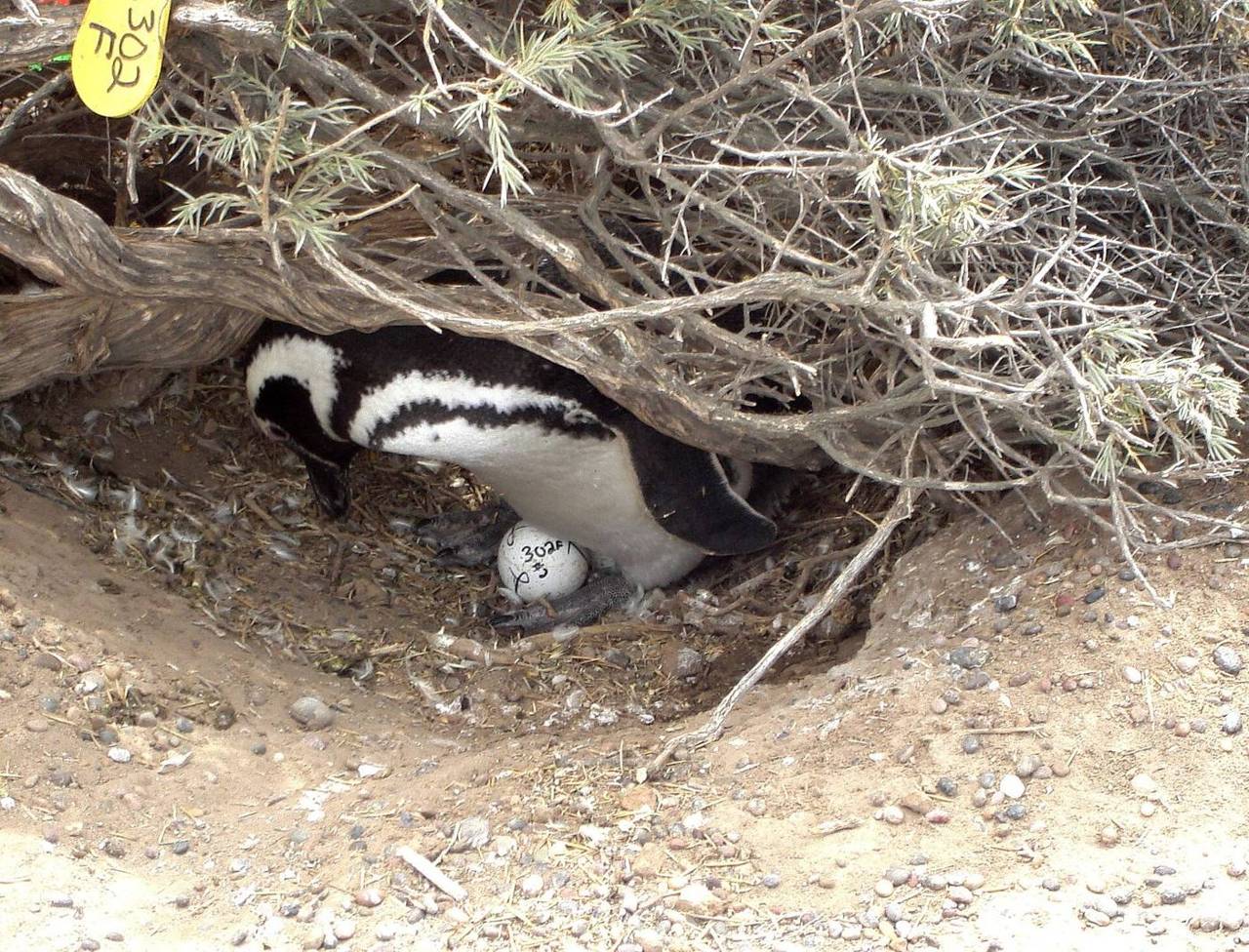
In the morning head south to Punta Tombo, about two and a half hours from Puerto Madryn, a narrow, rocky peninsula on the Atlantic coast. Here lies the largest colony of Magellanic penguins on the American continent: from September to April hundreds of thousands of penguins come to nest in burrows dug in the ground and under steppe bushes.
A marked trail with boardwalks crosses the colony for a couple of kilometres down to the beach. The penguins, used to people, walk beside the path, cross in front of visitors and sit in their nests a few metres away. In October they incubate eggs, in December the chicks hatch, covered in grey down, and in January and February you see the young learning to swim. On the beach penguins go in and out of the sea to fish. You also see guanacos, rheas, maras and cormorants in the area.
In the afternoon, on the way back, cross the Patagonian steppe and stop to watch guanacos grazing.
In the evening stay in Trelew or return to Puerto Madryn.
Practical tip: always stay on the trail, do not touch the penguins and let them pass: they have right of way. The park is only open in penguin season; check the opening dates before you go.
- Day 5
Gaiman and the Welsh tea houses, the Trelew palaeontology museum
In the morning visit the Egidio Feruglio Palaeontology Museum in Trelew, one of the most important dinosaur museums in South America. It holds the remains of many dinosaurs found in Patagonia, including a reconstruction of Patagotitan, one of the largest animals ever to live on Earth, a titanosaur more than thirty metres long. Through the windows you see the laboratory where palaeontologists prepare fossils.
In the afternoon drive to Gaiman, about twenty minutes away, a small village founded by Welsh settlers in the green valley of the Chubut river amid the steppe. The Welsh dug canals to irrigate the valley and turned the desert into fields and orchards. In Gaiman you still see the old brick houses, Protestant chapels such as Bethel chapel, the old railway tunnel and the history museum in the former station, which tells of the settlers' arrival and life. Many residents still speak Welsh, taught in the schools.
The most famous tradition is Welsh tea, served in the village tea houses: a large pot of tea, bread, butter, homemade jams and many cakes, including torta negra, a dark fruit cake the settlers kept for a long time. It is a generous spread that can replace dinner.
In the evening return to Trelew or Puerto Madryn.
Practical tip: tea houses usually open in the afternoon; Welsh tea is very filling, so a light supper is enough.
- Day 6
Commerson's dolphins at Rawson and departure from Trelew
In the morning go to Rawson, the capital of Chubut province, about twenty minutes from Trelew, and the beach of Playa Unión at the mouth of the Chubut river. From Rawson's harbour small boats set out to see Commerson's dolphins, called toninas overas, one of the smallest dolphins in the world, black and white like little orcas and about a metre and a half long. They live close to the coast and often approach boats, swimming under the bow and playing in the wake. The trip takes about an hour; the sea must be calm.
In Rawson's harbour you also see colourful fishing boats and sea lions waiting for fish scraps.
If you have time, in the afternoon make a last stop at Playa Unión, a long beach where locals go in summer, or visit the lower Chubut valley, with fields, poplars and old Welsh chapels standing alone in the countryside, such as Moriah chapel, where some of the first settlers are buried.
In the afternoon fly from Trelew airport back to Buenos Aires.
Things to take home: Welsh torta negra, handmade chocolate and jams, woollen goods and Patagonian lamb products.
Practical tip: check sea conditions before the dolphin trip; in strong wind the boats do not go out.
For nature lovers, with a rental car: distances on the peninsula are long and on gravel. Whales are seen from June to December, penguins from September to April: October and November combine both. Orcas hunting on the beach are rarely seen, in March-April at Punta Norte. Italians need no visa for up to 90 days; Argentina requires tourists to hold health insurance valid for the whole stay.
Before you go
- Documents and visa
- Valid passport; no visa for tourism up to 90 days for EU citizens.
- Health and vaccines
- No compulsory vaccines arriving from Europe; yellow fever is recommended for Misiones and Corrientes. In Patagonia beware of hantavirus in forests and closed huts. Emergencies: 911.
- Money and payments
- Argentine peso. Inflation changes prices often; foreign cards work almost everywhere and paying by card is usually best, keeping some cash.
- Power sockets
- Types I and C, 220 volts: you need an adapter for the angled flat-pin plugs.
- Time zone
- UTC-3 all year: Argentina does not use daylight saving time.
- Safety
- The United States rates Argentina level 1, with level 2 for Rosario. In Buenos Aires watch out for pickpockets; in the mountains and Patagonia the main risks are wind and weather. Official advice: GOV.UK.
Information checked in November 2026 for Italian and EU citizens. Rules change: always check before you travel.
Variations
In 4 days: Puerto Madryn and Península Valdés with the whales, Punta Tombo and Gaiman.
In 9 days: add Camarones and the Bahía Bustamante marine park further south, or continue to Puerto Deseado and its rockhopper penguins.
Frequently asked questions
When can you see whales?
From June to December in the gulfs of Península Valdés; the best period is usually September to October.
When can you see penguins at Punta Tombo?
From September to April; chicks hatch in December. The park is closed out of season.
Do I need a car?
It is very useful for Península Valdés and Punta Tombo; alternatively there are organised tours from Puerto Madryn.
Indicative itinerary written by World Atlas. Before booking, check timetables, seasonal openings, documents and safety.
 5 daysEasy
Córdoba and the Jesuit estancias
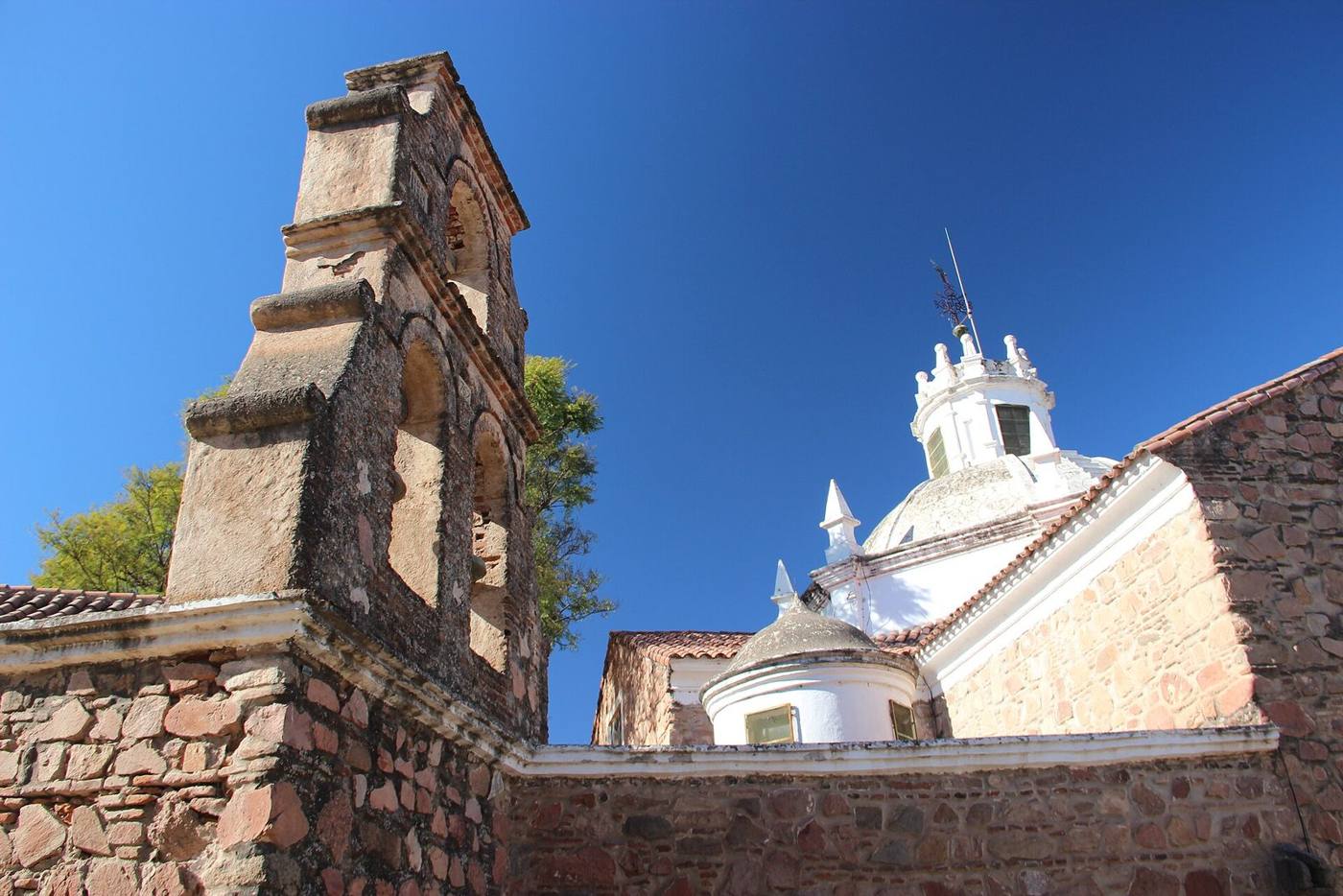
The colonial heart of Argentina: the Jesuit Block of Córdoba with the country's oldest university and the Jesuit estancias of Jesús María, Santa Catalina and Alta Gracia, a UNESCO World Heritage site, then the hills of the Sierras with the Alpine village of La Cumbrecita.
 5 daysEasy
Ischigualasto and Talampaya
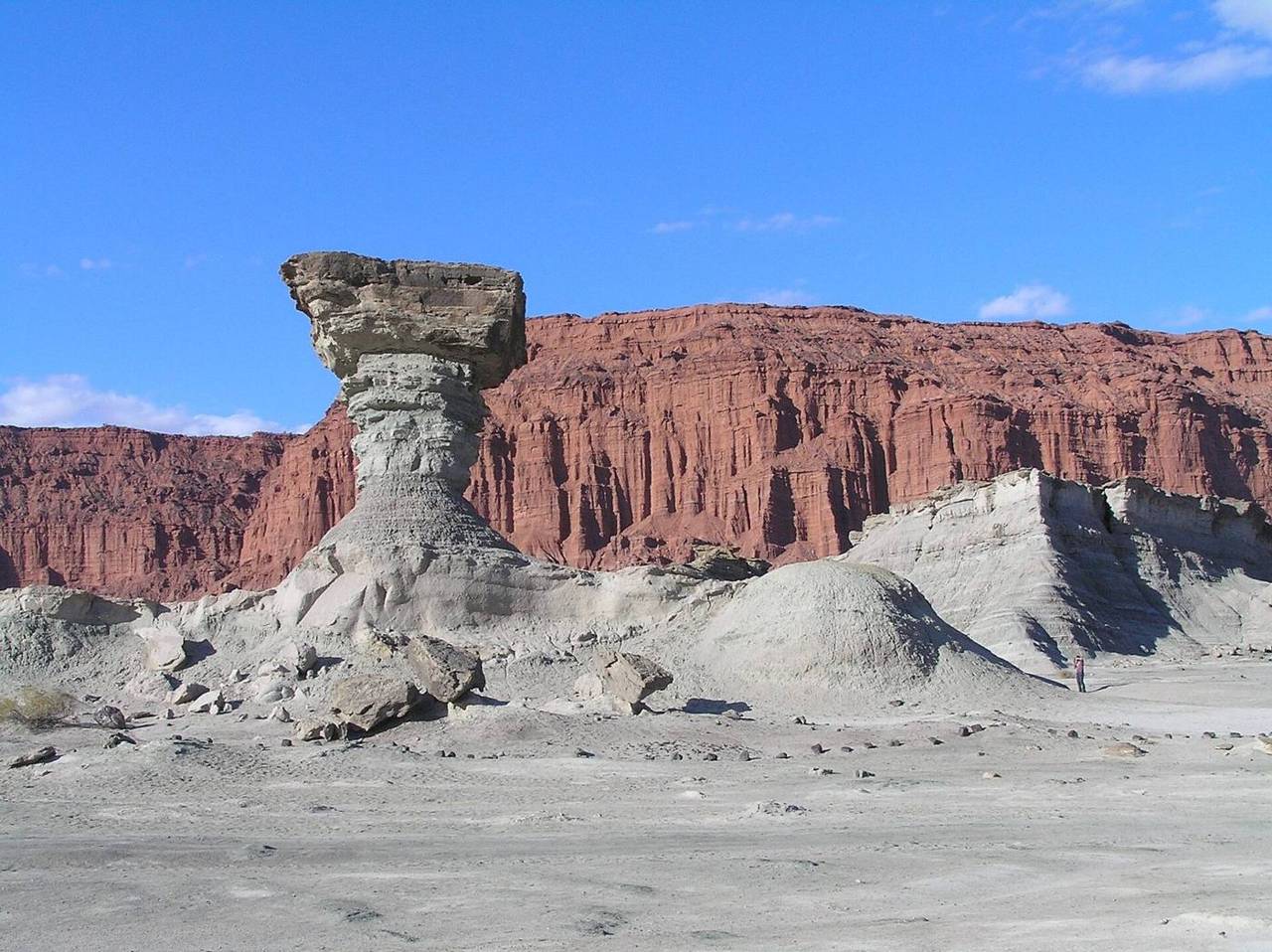
Two desert parks between San Juan and La Rioja, a UNESCO World Heritage site: the Valley of the Moon at Ischigualasto with wind-carved rocks and fossils of the earliest dinosaurs, and the red canyons of Talampaya with 150-metre walls and rock carvings.
 6 daysModerate
Los Alerces, El Bolsón and Trevelin
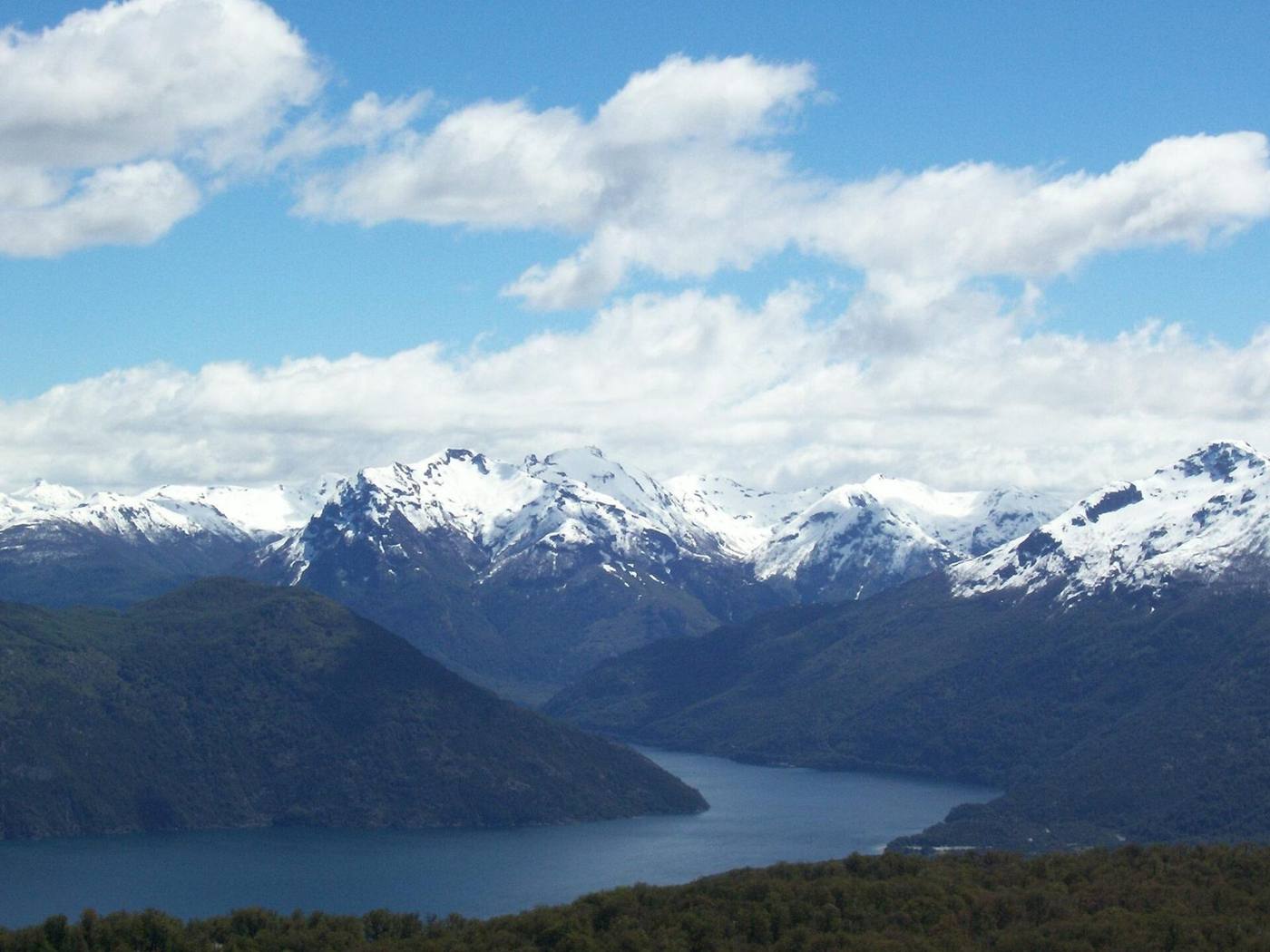
The quieter Andean Patagonia: Los Alerces National Park, a UNESCO World Heritage site, with turquoise lakes and thousand-year-old alerce trees, the Welsh town of Trevelin with its tea houses and tulips, and El Bolsón with its craft market and the trails of Cerro Piltriquitrón.