The Vjosa and Përmet, the wild river
Rafting in the Langarica canyon, the Benja hot springs, the villages of Zagoria and the Vjosa delta, in Europe's first wild river national park.
- Tirana
- Tepelena
- Përmet
- Benja
- Zagoria
- Këlcyrë
- Valona
Day by day
- Day 1
From Tirana to Përmet along the Vjosa valley
This trip follows the Vjosa, one of the last great undammed rivers in Europe, from the mountains to the sea: Përmet and the Benja hot springs, the Langarica canyon, the stone villages of Zagoria, the Këlcyrë gorge and the river mouth between the Narta lagoon and Vlorë. You travel by rental car or with a driver.
Before you go: Italian citizens can enter Albania with an electronic identity card or a passport, valid for at least three months after leaving the country, without a visa for tourist stays. Italian paper identity cards are no longer valid for travel abroad from 3 August 2026. Other nationalities should check their own rules. The United States rates Albania at level 2 because of crime, with no areas to avoid.
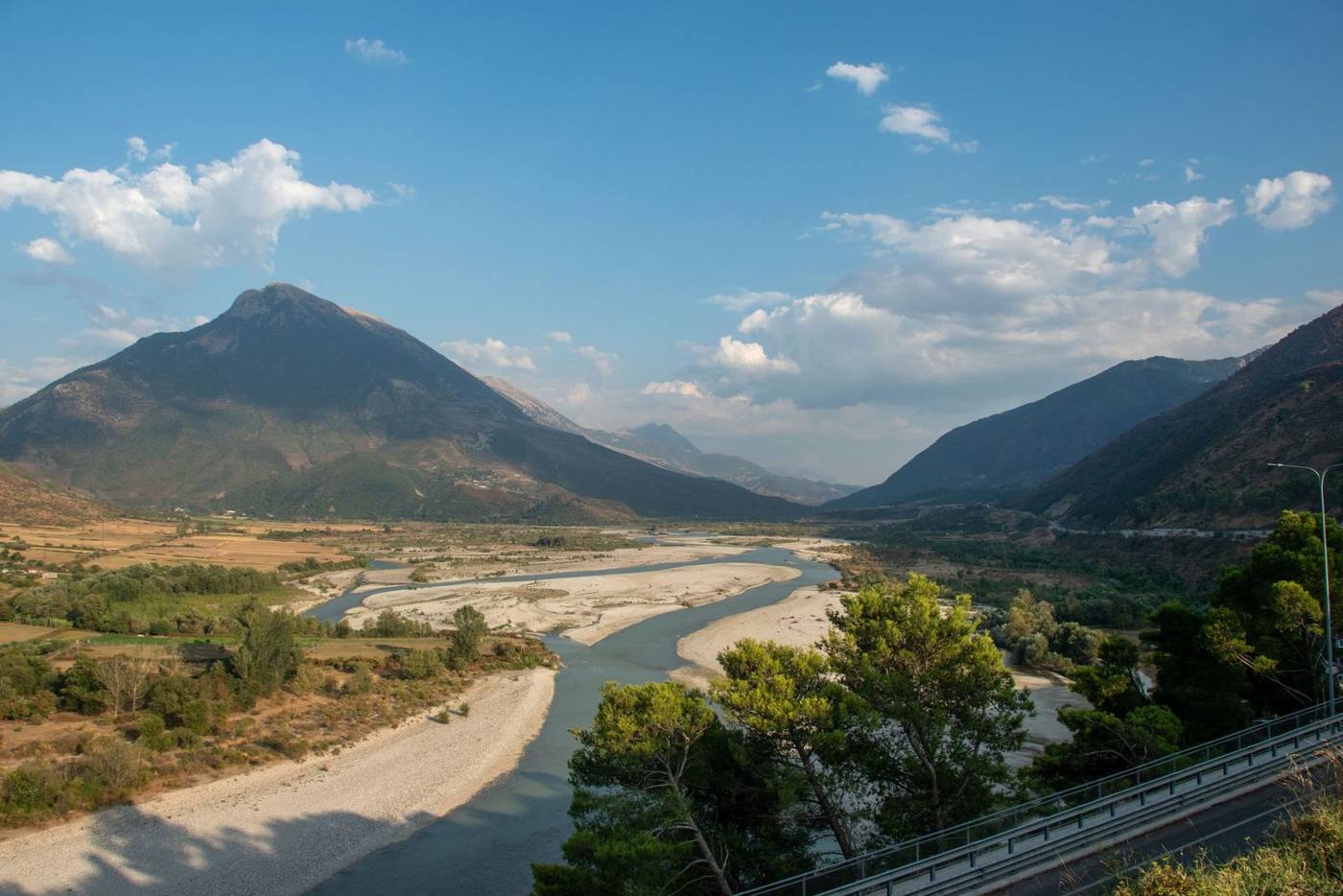
You land at Tirana airport and head straight south, via Fier and Tepelenë, about four hours in all to Përmet. After the plain the road enters the Vjosa valley. The river rises in the Pindus mountains in Greece and runs for about 270 kilometres to the Adriatic, about 190 of them in Albania. In 2023 Albania made it Europe's first wild river national park.
At Tepelenë, stop to look at Ali Pasha's castle, above the meeting of the Vjosa and the Drino. Then follow the river, wide and clear, with banks of white gravel and mountains on both sides.
In the evening you reach Përmet, a small town full of flowers on the river, with the great rock called the City Stone, Guri i Qytetit, in the middle of town.
Overnight in Përmet, for three nights.
Practical tip: fill up with fuel and take out cash before leaving the main road, because there are few petrol stations and cash machines in the valley.
- Day 2
Rafting on the Vjosa, Langarica and the Benja hot springs
Today you experience the river up close, on the water and in the warm water of the springs.
In the morning, go down the Vjosa or the Lengarica stream in a raft with a local guide, through easy rapids and calm stretches. The route changes with the flow: in spring the water is high and fast and rafting is sometimes suspended, at the end of summer it is low and calm. Always ask for a life jacket and a helmet, and check prices and times.
Then drive for about a quarter of an hour to the Langarica canyon, where the stream has carved a narrow gorge between rock walls. Walk along the path that goes into the canyon, sometimes with your feet in the water: wear shoes that can get wet.
At the mouth of the canyon are the Benja hot springs, natural pools of warm sulphurous water at the foot of the Kadiu bridge, an elegant humpbacked Ottoman stone bridge over the stream. Locals have come here for generations to treat their skin and their aches. Take your time bathing and watch the cold water of the stream flowing beside the warm water.
In the afternoon, return to Përmet and climb the City Stone to see the town and the valley from above.
In the evening, have dinner with river fish and vegetables from the valley.
Overnight in Përmet.
Practical tip: at Benja the sulphurous water tarnishes silver; take off rings and chains before getting into the pools.
- Day 3
Përmet at the table
Today you find out why Përmet is one of Albania's food capitals.
In the morning, stroll through the centre and along the river, among flower gardens and cafes. Përmet is famous throughout the country for gliko, fruit cooked slowly in sugar syrup: cherries, figs, green walnuts, quinces, even small tomatoes and watermelon rind. It is offered to guests with a glass of cold water, as a sign of welcome.
Visit a small producer in the valley to see how gliko is made, along with raki from grapes and mulberries and sheep and goat cheeses. Ask before you go, and check prices and times. Also taste the valley's red and white wine, made from local grapes.
In the afternoon, drive to the village of Leusë, a few kilometres away, to see the Church of Saint Mary, with its frescoes and stone bell tower, above the valley. Check times.
Return to Përmet for sunset, when the light turns the Nemërçka mountains, which close off the valley, orange.
In the evening, have a long dinner with the dishes of Përmet: fried cheese, roast lamb, stuffed peppers, pita and, to finish, gliko with coffee.
Overnight in Përmet.
Practical tip: buy gliko and raki directly from the producers; for the flight home, put bottles and jars in your checked luggage, well wrapped.
- Day 4
Zagoria: stone villages and trails
Today you enter Zagoria, an almost empty mountain valley between Përmet and Gjirokastër.
In the morning, drive into Zagoria with a local driver or in a high car, because the roads are partly unpaved. The valley has a dozen stone villages, with houses roofed in grey slabs, Orthodox churches and fountains. Many inhabitants have left for Greece or for the cities, and in some villages only a few families live in summer.
Walk on one of the waymarked trails that link the villages, along old mule tracks through oak woods, meadows and dry-stone walls. Visit the churches, some with frescoes, and stop at the fountains to fill your water bottle.
For lunch, eat at the guesthouse or bring bread, cheese and fruit with you: there are no shops in the villages.
In the afternoon you reach the village where you are staying and have time to sit in the square with the locals, who sometimes speak Greek or Italian too.
In the evening, have dinner at the guesthouse with mountain dishes, such as pita with herbs and cheese, beans and kid goat.
Overnight in a guesthouse in Zagoria, for two nights.
Practical tip: the Zagoria trails are waymarked but little used; download maps to your phone before setting off and ask at the guesthouse about the state of the route.
- Day 5
The Kordhoca bridge and the valley trails
Today is another day on foot in Zagoria, as far as the Kordhoca bridge.
In the morning, set off early from the guesthouse and walk down towards the valley floor. The path passes abandoned fields, woods and stream beds, with views of the surrounding mountains. With a bit of luck you will see shepherds with their flocks and, high up, birds of prey.
You reach the Kordhoca bridge, an Ottoman stone arch bridge, high and narrow, over the Zagoria stream, one of the most beautiful in the region. Stop for a break and, if it is hot and the water is low, cool your feet in the clear pools below the bridge.
Then climb back up to another village, such as Sheper or Nivan, with their churches and stone houses.
In the afternoon, return to the guesthouse and rest. The day on foot is about five or six hours, with climbs and descents on stony ground, suitable for people who walk regularly.
In the evening, have dinner at the guesthouse again and look at the sky: with no lights around, you can see a huge number of stars.
Overnight in a guesthouse in Zagoria.
Practical tip: carry at least two litres of water each and a hat; in summer and early autumn the sun is strong on the stretches without trees.
- Day 6
The Këlcyrë gorge and the mouth of the Vjosa
Today you follow the Vjosa from the mountains to the sea.
In the morning, leave Zagoria and return to the valley road. Shortly after Përmet the river enters the Këlcyrë gorge, where it narrows between two high, dark rock walls. Stop at the lay-bys to look at the green water below the road.
Then continue downstream via Tepelenë and Memaliaj and leave the main road heading west, following the river, which spreads into many channels between gravel islands and woods of willow and poplar. It is this landscape, which changes every year with the floods, that makes the Vjosa so rare in Europe.
In the afternoon you reach the mouth, in the Vjosa-Narta protected area, with the Narta lagoon, the salt pans and the dunes. Flamingos, pelicans and many other birds live in the lagoon, especially in winter and spring.
On a small island in the lagoon, linked to the shore by a long wooden bridge, stands the Zvërnec monastery, with the medieval Church of the Dormition of Mary among the pines. Check times.
In the evening you arrive in Vlorë, on the sea, the town where Albania's independence was proclaimed in 1912. Walk along the seafront and have a fish dinner.
Overnight in Vlorë.
Practical tip: to see the birds in the Narta lagoon, bring binoculars and go early in the morning or at sunset, when they are most active.
- Day 7
Return to Tirana and flight
Today you leave Albania.
In the morning, if your flight is late, visit the centre of Vlorë: Flag Square, with the independence monument, and the Muradie Mosque, from the sixteenth century, one of the oldest in the country. Then go up Kuzum Baba hill for the view over the bay and Sazan island. Check times.
Then drive to Tirana, about two and a half hours, on the motorway via Fier and Durrës. Return the car at the airport and take your flight home.
In these seven days you have followed an undammed river from the mountains to the sea: the Vjosa valley, rafting and the Langarica canyon, the warm water of Benja below the Kadiu bridge, the table of Përmet with gliko and raki, the stone villages and the Kordhoca bridge in Zagoria, the Këlcyrë gorge, the Narta lagoon and the Zvërnec monastery. It is a trip for people who prefer rivers, low mountains and good food to beaches.
When to go: the best months are May and June and September and October, with weather suited to walking and the river full of life. In spring the flow can be high and rafting is sometimes suspended; at the end of summer the water is low and calm. In July and August the valley is very hot.
Practical tip: before you leave, buy something to take home: gliko from Përmet, raki, honey, mountain tea or a mature cheese, well vacuum-packed.
In Albania tipping is not compulsory, but it is much appreciated by rafting and hiking guides and in restaurants.
For those who prefer rivers and low mountains to beaches: the Vjosa flows undammed along its whole course, a rarity in Europe. Evenings in Përmet, small and excellent at the table, are the highlight. The drawback is that rafting depends on water levels, gentle in late summer and sometimes suspended in spring. We wrote this route ourselves: we found no AnM group trip covering it.
Before you go
- Documents and visa
- Electronic identity card or passport for EU citizens, valid for at least three months after leaving Albania. Italian paper identity cards are no longer valid for travel abroad from 3 August 2026. No visa is needed for tourist stays of up to 90 days.
- Health and vaccines
- No compulsory vaccinations. Outside Tirana medical facilities are limited: you need insurance covering medical costs and repatriation. Drink sealed bottled water. Emergencies: 127 ambulance, 129 police, 128 fire.
- Money and payments
- Albanian lek. Cash machines and cards work mainly in cities and tourist areas; in villages and small shops you need cash.
- Power sockets
- Types C and F, 230 volts: you need an adapter for British plugs.
- Time zone
- UTC+1, UTC+2 in summer, one hour ahead of the UK.
- Safety
- The United States rates Albania at level 2 because of crime, with no areas to avoid. The UK advises staying away from demonstrations in central Tirana. In winter mountain roads can be blocked by snow. Official advice: GOV.UK.
Information checked in November 2026 for Italian and EU citizens. Rules change: always check before you travel.
Variations
In 5 days: Përmet, rafting, Benja and a single day in Zagoria, with a direct return to Tirana.
In 9 days: add Gjirokastër, the UNESCO-listed stone town, and two days on the coast between Vlorë and the Albanian Riviera.
Frequently asked questions
What document do I need for Albania?
Italian citizens can enter with an electronic identity card or a passport, valid for at least three months after leaving, without a visa for tourist stays of up to 90 days. Other nationalities should check their own rules.
Is rafting on the Vjosa suitable for beginners?
Yes, with a guide the stretches around Përmet suit people with no experience, but it depends on the flow. In spring, with high water, rafting is sometimes suspended: check a few days before.
Why is the Vjosa special?
It is one of the last great rivers in Europe with no dams along its whole course, from Greece to the Adriatic. In 2023 Albania created the Vjosa Wild River National Park, the first of its kind in Europe.
Indicative itinerary written by World Atlas. Before booking, check timetables, seasonal openings, documents and safety.
 6 daysEasy
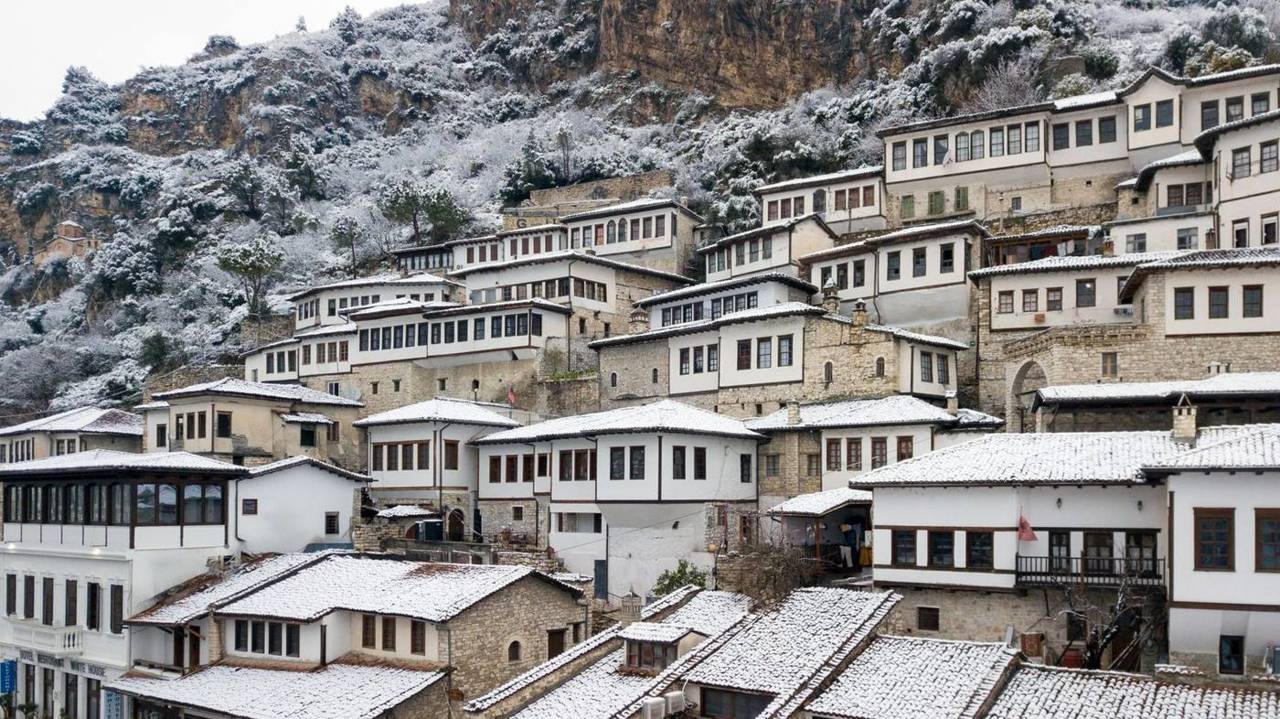
Albania in winter: Tirana, Berat and Korçë
A winter break in the towns, between Tirana's bunker museums, the white houses of Berat and the breweries and churches of snowy Korçë.
 8 daysEasy
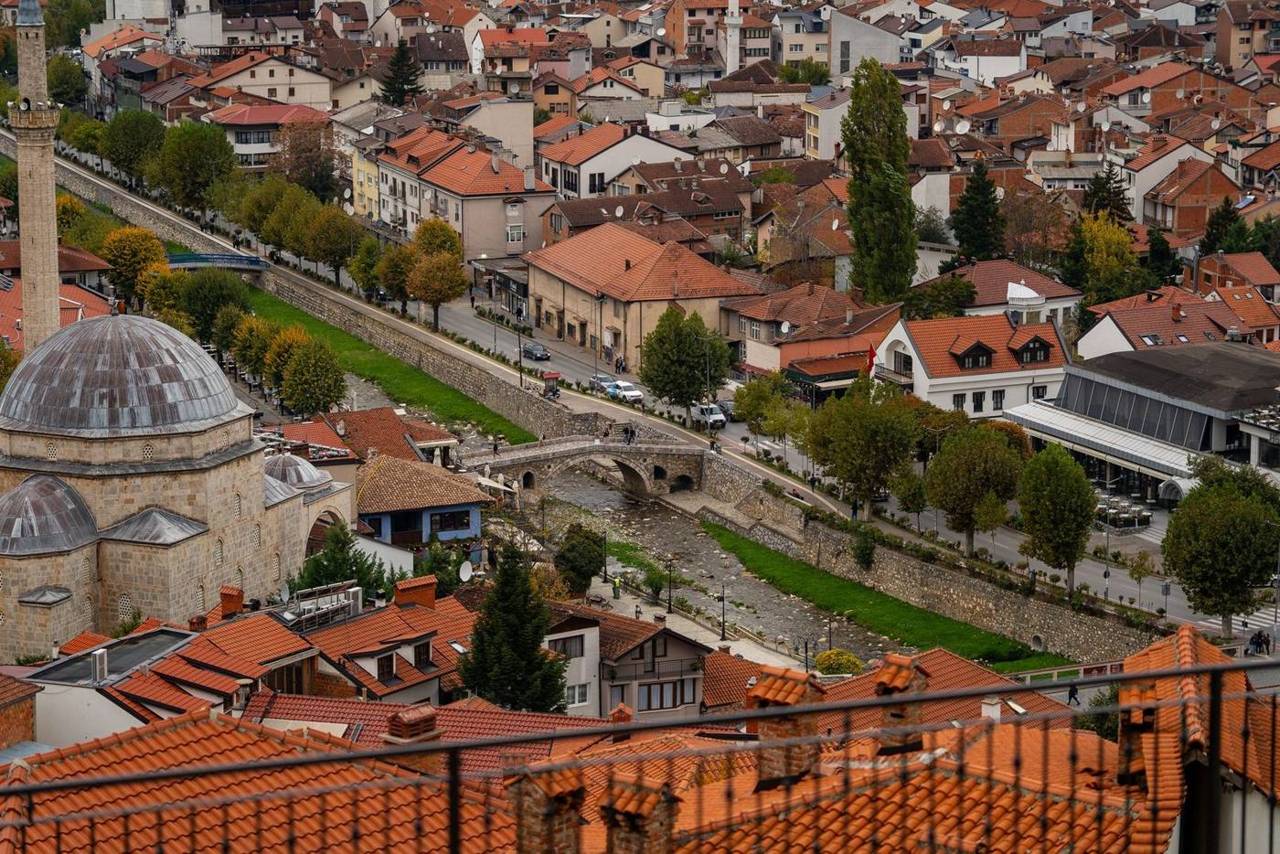
Albania and Kosovo: from Krujë to Prizren and Peja
The Road of the Nation into Kosovo, between Ottoman Prizren, the Serbian monasteries of Dečani and Gračanica and the Rugova gorge.
 8 daysModerate
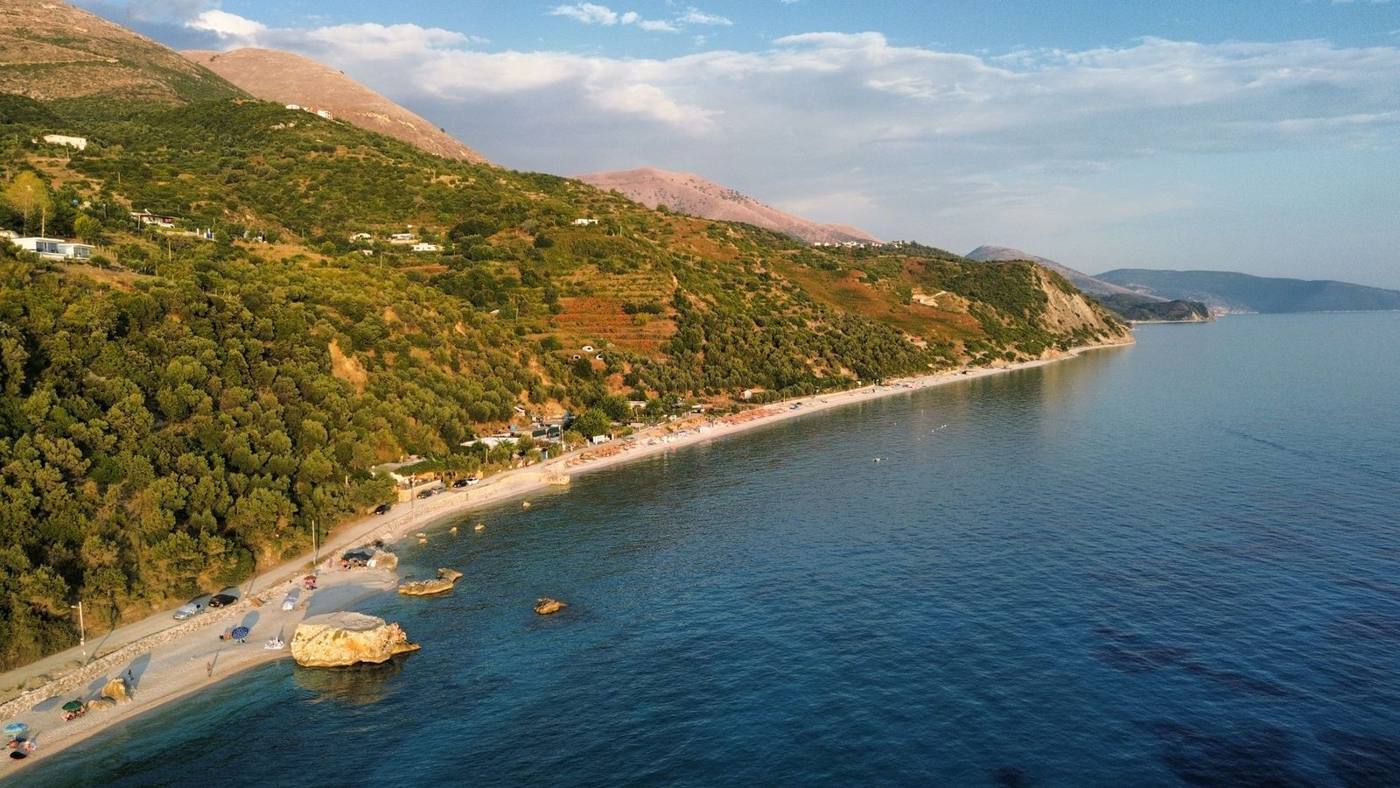
The coastal trail on foot, from Dhërmi to Nivicë
Five days of walking with a pack between coves, olive groves and abandoned hill villages above the Ionian, sleeping in the villages along the way.