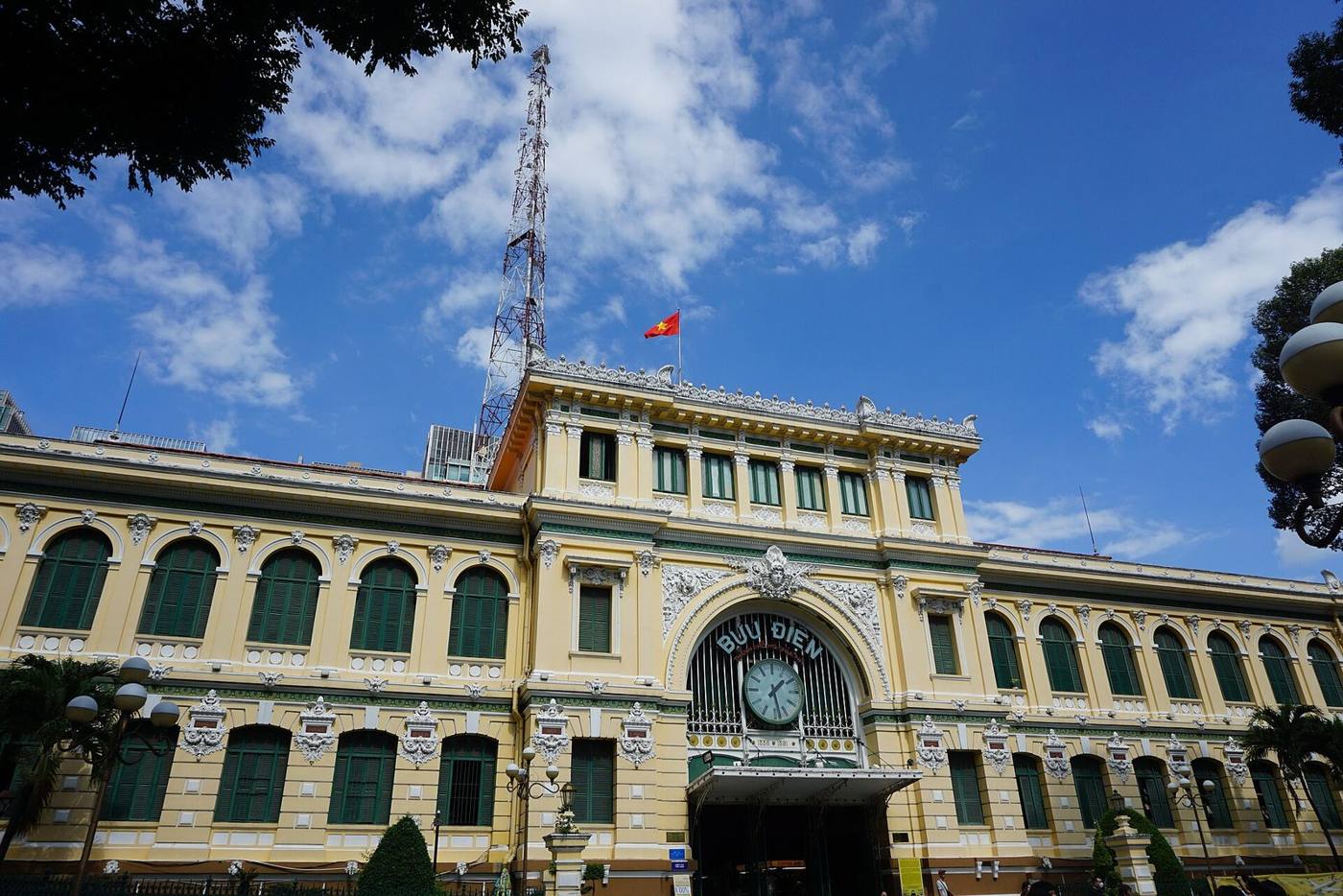
Saigon in depth and Cu Chi
Ho Chi Minh City, the southern metropolis: the French cathedral and post office, the War Remnants Museum, the Reunification Palace, Chinatown in Cholon, Ben Thanh market, street food and the Cu Chi tunnels dug during the war.
- Saigon
- Cholon
- Ben Thanh
- Cu Chi
Day by day
- Day 1
The cathedral, the central post office and the Reunification Palace
Ho Chi Minh City, which everyone still calls Saigon, is Vietnam's largest and most dynamic city, with more than nine million inhabitants and millions of scooters. Italian citizens enter without a visa for tourist stays of up to 45 days, an exemption valid until 14 March 2028; check the rule for your own nationality. Your passport must have at least six months' validity. From Tan Son Nhat airport the centre is about half an hour by taxi, booked through an app for a fixed price. The most convenient area to stay is District 1, the historic centre.
Start with Notre-Dame Cathedral, built by the French in the late nineteenth century with red bricks brought from Marseille; it has been under restoration for some years, so check whether the interior is open. Next door is the Central Post Office, a colonial building with a great iron and glass vault, period telephone booths and a portrait of Ho Chi Minh; you can still send a postcard.
In the afternoon visit the Reunification Palace, the residence of South Vietnam's president until 30 April 1975, when a North Vietnamese tank broke through the gate, marking the end of the war. The 1960s interiors remain as they were, with reception rooms, the bunker and the communications room.
In the evening walk along pedestrian Nguyen Hue boulevard to the illuminated colonial city hall. Practical tip: on the street hold your phone firmly, because snatch thefts from scooters are frequent.
- Day 2
The War Remnants Museum and a motorbike food tour
In the morning visit the War Remnants Museum, one of Vietnam's most visited and hardest-hitting museums. It tells the story of the Vietnam War from the Vietnamese point of view, with photographs by the great international photojournalists, American planes and helicopters in the courtyard, and rooms devoted to the effects of Agent Orange, the defoliant used by the American army, on people and the environment. Some images are very harrowing: think carefully before taking children. Allow at least two hours.
After lunch go to Ben Thanh Market, the great covered market in the centre, with stalls of fabrics, souvenirs, tropical fruit and small food counters. Bargain politely, because prices for tourists start high.
In the evening take a motorbike food tour, riding behind an experienced driver: it is the best way to discover Saigon as its people live it. Tours cross districts far from the centre, such as District 4 and District 5, stopping at street places to taste com tam, broken rice with pork chops, banh xeo, the crispy pancake filled with prawns and sprouts, grilled seafood and coconut sweets. Choose an operator with helmets and insurance.
Practical tip: in Vietnam drink only bottled water; ice in busy places is usually factory-made, but if you have a sensitive stomach avoid it.
- Day 3
The Cu Chi tunnels
Today is an excursion to the Cu Chi tunnels, about an hour and a half to two hours north-west of the city. During the war Vietnamese fighters dug by hand a network of more than two hundred kilometres of tunnels on several levels, with kitchens, hospitals, stores and meeting rooms underground. From here they launched attacks as far as the outskirts of Saigon.
Two sites are open to visitors: Ben Dinh, closer and busier, and Ben Duoc, further away and quieter. Guides show the hidden entrances, so small that a person barely fits, the traps, and the camouflaged chimneys that let kitchen smoke out far from the tunnels. You can enter a section of tunnel widened for tourists, crawling or walking bent over for a few dozen metres: it is narrow, dark and hot, not suitable for anyone with claustrophobia, but there are always intermediate exits.
The site also has a range where you can fire period weapons, at a cost: the sound of gunfire carries across the whole area.
You can go by bus on an organised tour or by speedboat along the Saigon River, more expensive but more pleasant. In the afternoon return to the city and rest. In the evening go up to a rooftop terrace to see the city lit up. Practical tip: wear comfortable clothes that can get dirty and bring mosquito repellent.
- Day 4
The pagodas of Cholon and departure
On the last morning go to Cholon, the Chinese quarter in District 5, one of the largest Chinatowns in the world. Chinese communities arrived here in the eighteenth century and built assembly halls and pagodas for each regional group. Thien Hau Pagoda, dedicated to the sea goddess who protects sailors, is the most beautiful: roofs decorated with ceramic figurines, courtyards full of incense smoke, great incense coils hanging from the ceiling that burn for days and carry the prayers of the faithful.
In the quarter also visit the great wholesale Binh Tay Market, with a clock tower and thousands of stalls of spices, dried fruit, fabrics and household goods. Life here is frantic and authentic.
Alternatively, if you prefer the history of Vietnamese Buddhism, visit the Jade Emperor Pagoda in District 1, from the twentieth century, with dark wooden statues and a turtle pond.
Before heading to the airport, about half an hour from the centre, have a last Vietnamese coffee with condensed milk. Things to take home: coffee with the traditional filter, tea, lacquerware, Bat Trang ceramics, silk fabrics. Practical tip: traffic to the airport at rush hour, in the morning and from 4 to 7 pm, can double journey times; leave in good time and arrive at least three hours before international flights.
A chaotic city full of energy. Beware of phone snatching from scooters: keep your phone away from the road. The Cu Chi tunnels are narrow and hot; the war museum has very harsh images. Italians enter without a visa for up to 45 days (exemption valid until 14 March 2028), with a passport valid for at least six months; longer stays need the 90-day e-visa.
Before you go
- Documents and visa
- Passport with at least six months' validity remaining. Italian, French and several other European citizens need no visa for tourism up to 45 days, an exemption valid until 14 March 2028; otherwise use the e-visa from the official portal.
- Health and vaccines
- No compulsory vaccines. Protect yourself against mosquitoes because of dengue; drink only bottled water. Emergencies: 113 police, 114 fire, 115 ambulance.
- Money and payments
- Vietnamese dong. Cards and QR code payments are widespread in cities; in markets, villages and for small purchases you need cash.
- Power sockets
- Types A and C, among others, 220 volts: a universal adapter is useful.
- Time zone
- UTC+7 all year: Vietnam does not use daylight saving time.
- Safety
- A safe country for travellers. In big cities beware of snatch thefts from scooters; from July to December typhoons and floods hit the centre and north. Official advice: GOV.UK.
Information checked in November 2026 for Italian and EU citizens. Rules change: always check before you travel.
Variations
In 3 days: the historic centre and the War Remnants Museum on day one, Cu Chi on day two, Cholon and the motorbike tour on day three.
In 6 days: add two days in the Mekong Delta, with the floating markets of Cai Rang near Can Tho and a night in a riverside homestay.
Frequently asked questions
Do I need a visa for Vietnam?
Italian citizens need no visa for tourist stays of up to 45 days, an exemption valid until 14 March 2028; check the rule for your own nationality. Your passport needs at least six months' validity.
Which Cu Chi tunnel site should I choose?
Ben Dinh is closer to the city and busier; Ben Duoc is further away and quieter. At both you can enter a section of tunnel widened for visitors.
When is the best time to visit Saigon?
December to April, in the dry season; from May to November it rains almost every afternoon with short heavy downpours. It is hot all year, with highs around 32-35 °C.
Indicative itinerary written by World Atlas. Before booking, check timetables, seasonal openings, documents and safety.
 4 daysEasy
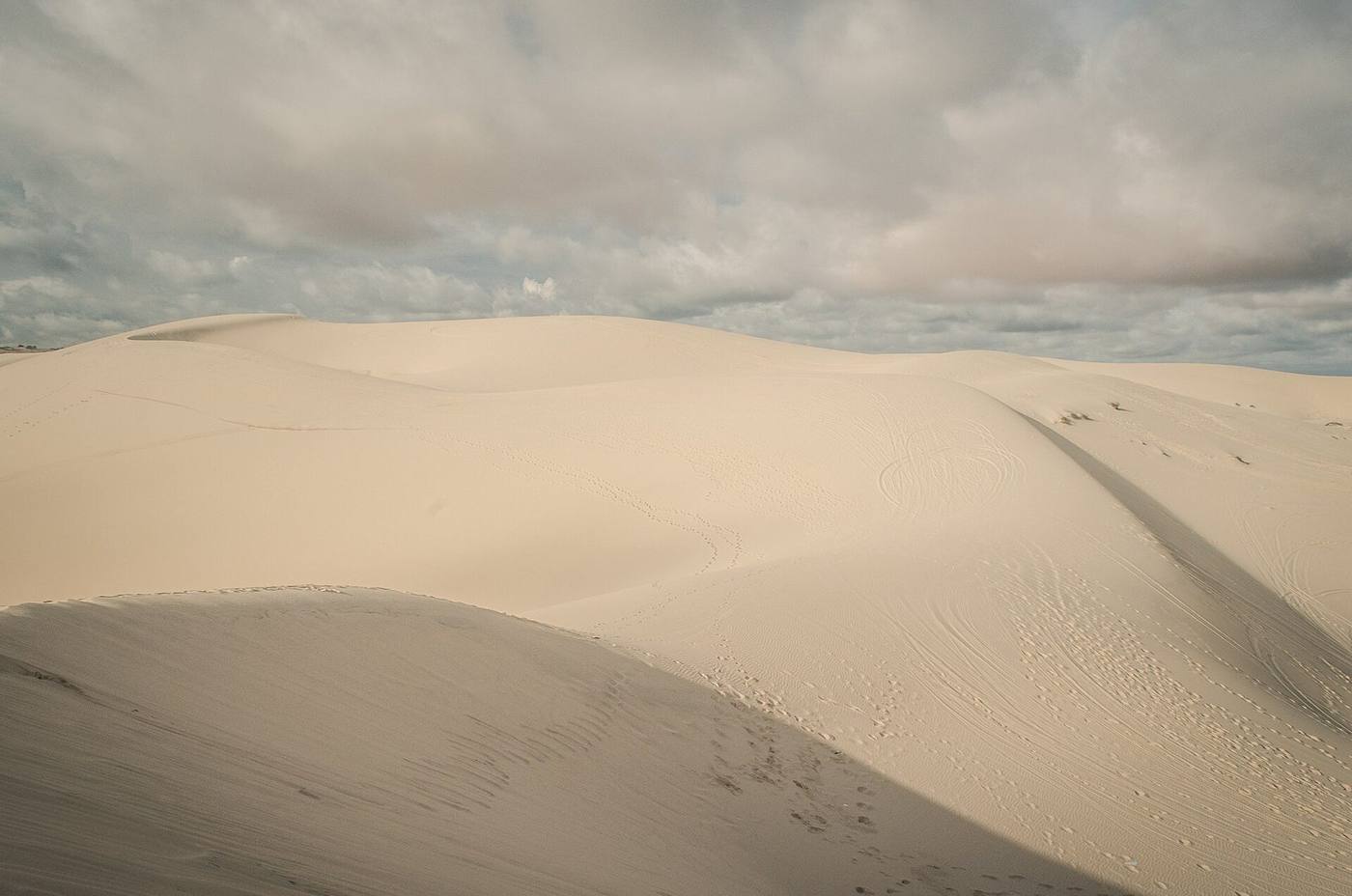
Mui Ne and the dunes
The desert by the southern sea: the white and red dunes of Mui Ne at dawn, the Fairy Stream flowing between red rocks, the fishing-boat harbour, wind for kitesurfing and the Cham towers of Po Shanu.
 17 daysModerate
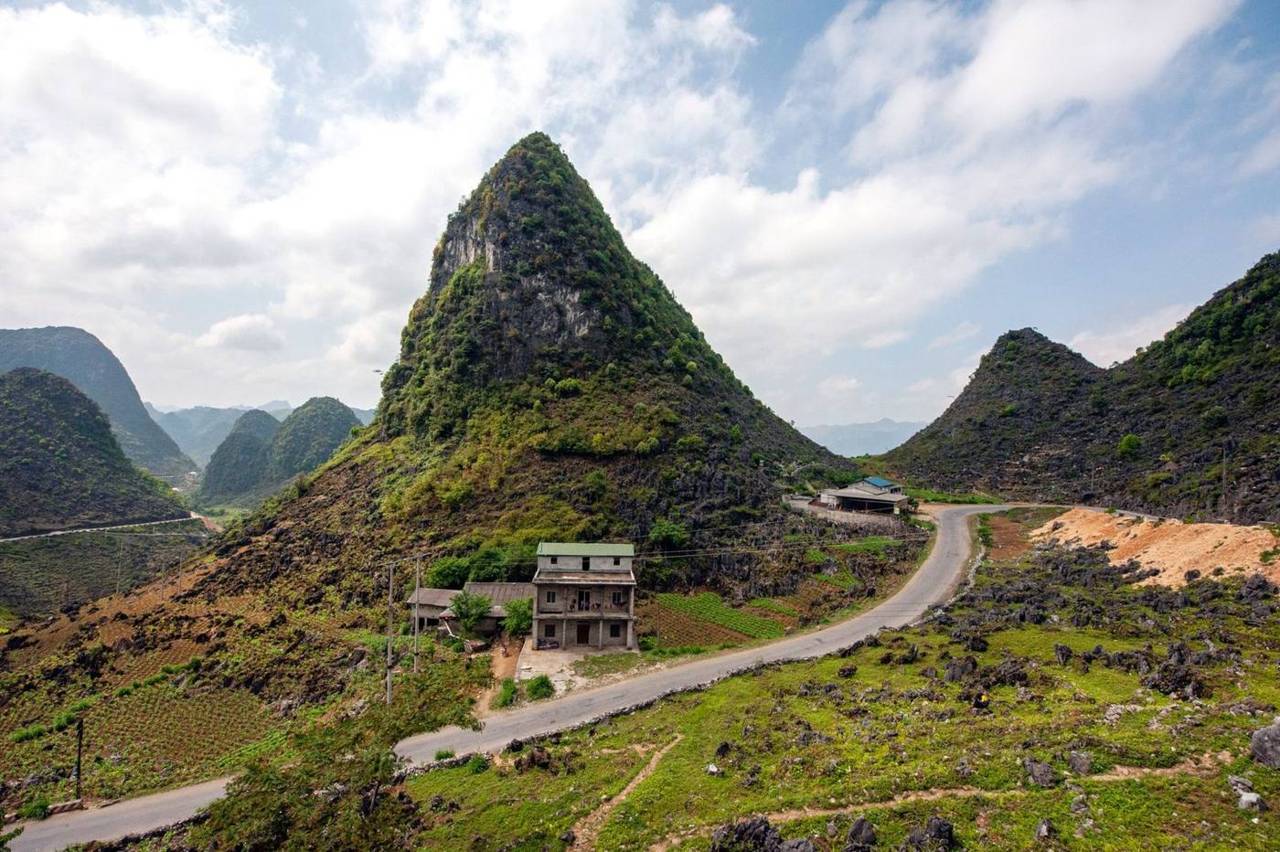
Hill tribes and mountains of the North
From the Can Cau and Bac Ha markets to the karst plateau of Dong Van, with Ba Be Lake and a night on the Gulf of Tonkin to finish.
 18 daysChallenging
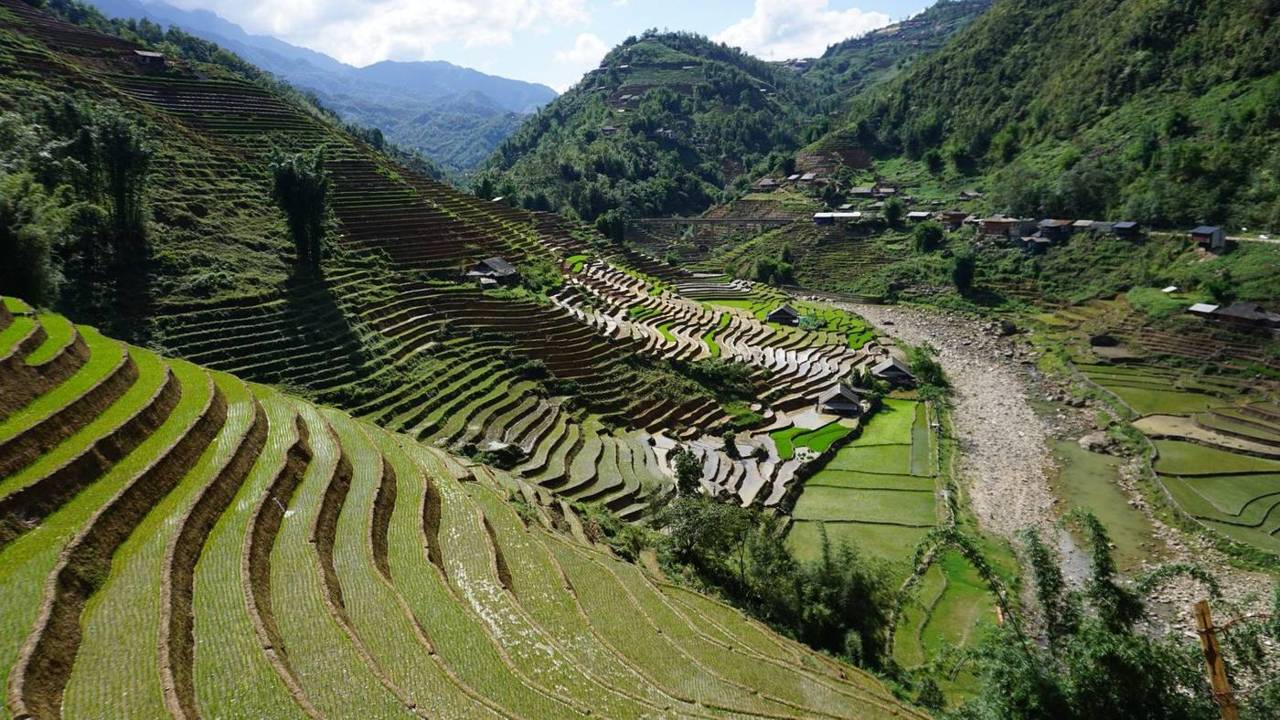
Sapa on foot and the Fansipan climb
Several days walking between Sapa's villages, the highest summit in Indochina if the season allows, then a slow return through the border provinces.