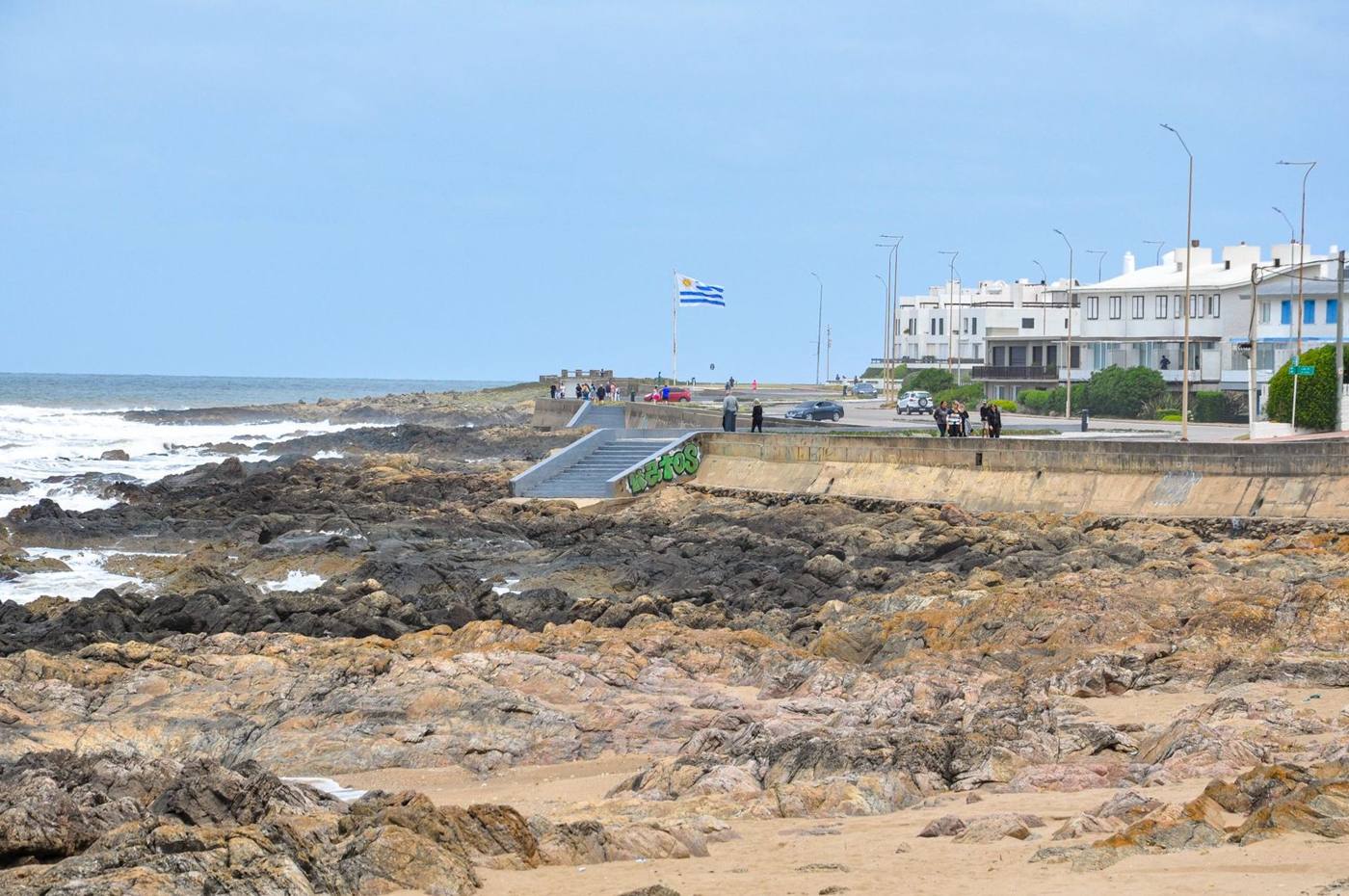
Punta del Este and the coast
Punta del Este with the Hand sculpture, José Ignacio, Casapueblo, and the wild Rocha coast with Cabo Polonio, a village without roads among the dunes.
- Montevideo
- Casapueblo
- Punta del Este
- José Ignacio
- Cabo Polonio
- Punta del Diablo
Day by day
- Day 1
Casapueblo at sunset
This trip follows the east coast of Uruguay, the riviera of South America: in six days you see Casapueblo, Punta del Este with the Hand sculpture and the sea lion island, the lighthouse of José Ignacio, the roadless village of Cabo Polonio among the dunes and the surf town of Punta del Diablo. You travel by car.
Before you go: Italian citizens enter Uruguay with a passport valid for the whole stay, without a visa for tourism for up to 90 days; an identity card is not enough. Other nationalities should check their own rules. In summer, petty theft rises in the beach towns: do not leave bags in the car and keep an eye on your things on the beach.
From Montevideo, follow the Ruta Interbalnearia east, about an hour and a half, along a coast of beaches, pines and small holiday towns. In the afternoon you reach Punta Ballena, a rocky headland between two bays.
On the cliff stands Casapueblo, a large white building with soft shapes and no right angles, which steps down in terraces towards the sea. The Uruguayan artist Carlos Páez Vilaró built it by hand, over many years, as his home and studio. Today part of it is a museum with his paintings, ceramics and sculptures. Check prices and times.
Stay until sunset. The sun sinks into the sea in front of the cliff, the white walls turn pink and orange, and on the terraces you hear the artist's voice reading a greeting to the sun.
In the evening, continue to Punta del Este, a few kilometres away.
Practical tip: arrive at Casapueblo at least an hour before sunset, because in summer the terraces fill up early.
- Day 2
Punta del Este and Isla de Lobos
Today you explore Punta del Este, the most famous seaside resort in the country.
In the morning, walk on the peninsula, where the town ends in a point between two seas. On one side is Playa Mansa, on the Río de la Plata, with calm water. On the other is Playa Brava, on the Atlantic, with strong waves. From the sand of Playa Brava rise the large fingers of the Hand, a sculpture by the Chilean artist Mario Irarrázabal that has become the symbol of the town.
Then go to the harbour. Near the stalls where fishermen clean their catch, sea lions swim a few metres from the pier waiting for scraps. Watch them from above, without feeding them.
At the end of the morning, take a boat to Isla de Lobos, a few kilometres off the coast. The island has a tall lighthouse and a large colony of sea lions, which live on the rocks and swim around the boat. The trips circle the island so you can watch the animals up close. Check prices and times and ask about sea conditions.
In the afternoon, walk along Avenida Gorlero, the main street, then rest on a beach on Playa Mansa, where the water is calmer.
At sunset, go back to the harbour: the boats return and the sky turns colours over the river.
Practical tip: if you suffer from seasickness, choose the morning boat, when the wind is usually lighter.
- Day 3
José Ignacio
Today you go further east, to José Ignacio, the most elegant village on the coast.
In the morning, leave Punta del Este along Ruta 10. After the wavy bridge over the Maldonado stream, the road passes dunes, lagoons and neighbourhoods of houses in the woods. In about half an hour you reach José Ignacio, a small village on a rocky point, with sandy streets and low houses.
Climb the nineteenth-century lighthouse, if it is open, to see the point and the two beaches on either side from above. Check prices and times. Then go down to Playa Mansa, with calmer water, and walk to Playa Brava, where the waves break hard on the shore.
For lunch, eat grilled fish or a plate of rabas, fried squid rings, much loved on the coast.
In the afternoon, continue to the Garzón lagoon. The road crosses it on a ring-shaped bridge over the shallow water. Watch the water birds and the fishermen on the shore.
At sunset, return to the beach at José Ignacio, when the light turns warm and people stop on the sand.
In the evening, stay in José Ignacio or a nearby village, to be closer to Cabo Polonio tomorrow.
Practical tip: in high season José Ignacio is very expensive: if your budget is tight, stay in La Barra or Manantiales, closer to Punta del Este.
- Day 4
The truck across the dunes to Cabo Polonio
Today you enter Cabo Polonio, the village without roads among the dunes of Rocha.
In the morning, drive east along Ruta 10, just over an hour and a half, to the national park's access terminal. Here private cars must stop: leave the car in the car park and board a 4x4 truck authorised by the park, the only way in.
The truck crosses low woodland and high dunes of white sand. In about half an hour you see the village appear: colourful wooden cottages, boats on the sand and the lighthouse on the point. The village has no mains electricity: houses use solar panels and small generators.
In the afternoon, go to the lighthouse, built at the end of the nineteenth century on a coast full of shipwrecks. If it is open, climb to the top to see the cape, the dunes and the rocky islands offshore. Check prices and times.
Below the lighthouse, on the rocks, lives the colony of sea lions and fur seals. You hear them calling from far away. Watch them from the viewing points and always keep your distance.
At sunset, sit on the rocks. In the evening, when the village stays almost dark, look at the sky full of stars and the Milky Way.
Practical tip: bring a torch and cash, and travel with a rucksack, because in the village you always walk on sand and not everywhere takes cards.
- Day 5
The beaches and dunes of Cabo Polonio
Today you stay in Cabo Polonio and explore it on foot, at the slow pace of the village.
Early in the morning, walk on Playa Sur, while the village sleeps and the sea is calm. Then watch the fishermen pulling their boats up the beach and preparing their nets.
In mid-morning, climb the dunes to the north. They are high and move with the wind, and from the top you see the small village in the middle of the sand, the lighthouse and the ocean. Carry water and a hat, because there is no shade on the dunes.
For lunch, try buñuelos de algas, seaweed fritters, a speciality of the Rocha coast, or fresh grilled fish.
In the afternoon, go to Playa Norte, wilder and often deserted. The sea is cold and rough: swim only with lifeguards and a green flag. In spring, roughly from September to November, southern right whales are sometimes seen from the coast.
Before evening, go back to the sea lions below the lighthouse, when the light is softer and the animals warm themselves on the rocks.
In the evening, listen to the music that sometimes starts up in the village's small venues, or stay outside to watch the sky.
Practical tip: bring a power bank, because houses have little electricity and you cannot always charge your phone. Remember too that tents and pets are not allowed in the park.
- Day 6
Punta del Diablo and the return
Today you leave Cabo Polonio, see Punta del Diablo and return to Montevideo.
In the morning, take the authorised truck to the terminal on Ruta 10 and pick up the car. Drive north for about an hour to Punta del Diablo, a fishing village that has become the favourite town of surfers, with sandy streets and wooden cottages.
Walk on Playa de los Pescadores, among the colourful boats, and climb the rocks of the point to watch the waves. If you have time, go a few kilometres north to Santa Teresa National Park, with its eighteenth-century fortress and woods by the sea. Check prices and times.
After lunch, drive back to Montevideo, about four and a half hours along the coast. Leave early to arrive before dark.
In these six days you have seen the whole coast of Uruguay: the white art of Casapueblo, the life of Punta del Este, the quiet elegance of José Ignacio, the wild nature of Cabo Polonio and the waves of Punta del Diablo.
When to go: from December to March, when it is warm and everything is open. In January the coast is full of Argentine and Brazilian tourists and prices can double: book well ahead. February and March are quieter. Out of season many villages are almost empty.
Practical tip: on the coast the sun is very strong even when it is windy, so use high-factor sun cream every day and drink plenty of water.
South America's riviera, elegant and relaxed. In January it fills with Argentines and Brazilians and prices double. Cabo Polonio has no grid electricity: very simple lodgings.
Before you go
- Documents and visa
- Passport valid for the whole stay, with at least one blank page for the entry stamp; no visa is needed for tourism for up to 90 days. ID cards are accepted only for citizens of neighbouring South American countries.
- Health and vaccines
- No vaccinations are compulsory. Dengue is present: use repellent, especially in summer. The sun is very strong, with high UV levels: wear sun cream and a hat. On beaches, follow the lifeguard flags; lifeguards are usually on duty from December to March. You need insurance covering medical costs and repatriation. Emergencies: 911.
- Money and payments
- Uruguayan peso. Cards work almost everywhere, including the coastal towns; carry some cash for small villages and for Cabo Polonio. Use cash machines inside banks or shopping centres, by day.
- Power sockets
- Types C, F and L, sometimes I, 220 to 230 volts: you need an adapter for British plugs.
- Time zone
- UTC-3 all year: Uruguay does not use daylight saving time.
- Safety
- Bag snatching, pickpocketing and muggings, sometimes armed, happen in Montevideo: avoid walking alone downtown and in the port area in the evening, and carry only the cash you need. Leave nothing visible in a car, even at traffic lights. In summer, petty theft rises in the beach towns. Away from the toll motorways, roads can have potholes: drive carefully, preferably by day. Official advice: GOV.UK.
Information checked in November 2026 for Italian and EU citizens. Rules change: always check before you travel.
Variations
In 4 days: Casapueblo, Punta del Este and José Ignacio, without Cabo Polonio.
In 8 days: add two days in Montevideo, with the Ciudad Vieja, the Mercado del Puerto and the Rambla.
Frequently asked questions
How do I get to Cabo Polonio?
Private cars stay at the terminal on Ruta 10. You enter only with the 4x4 trucks authorised by the park, in about half an hour across the dunes.
When is the best time for the Uruguayan coast?
From December to March. January is the busiest and most expensive month; February and March are quieter.
What document do I need for Uruguay?
Italian citizens enter with a passport valid for the whole stay, without a visa for tourism for up to 90 days. Other nationalities should check their own rules.
Indicative itinerary written by World Atlas. Before booking, check timetables, seasonal openings, documents and safety.
 4 daysEasy
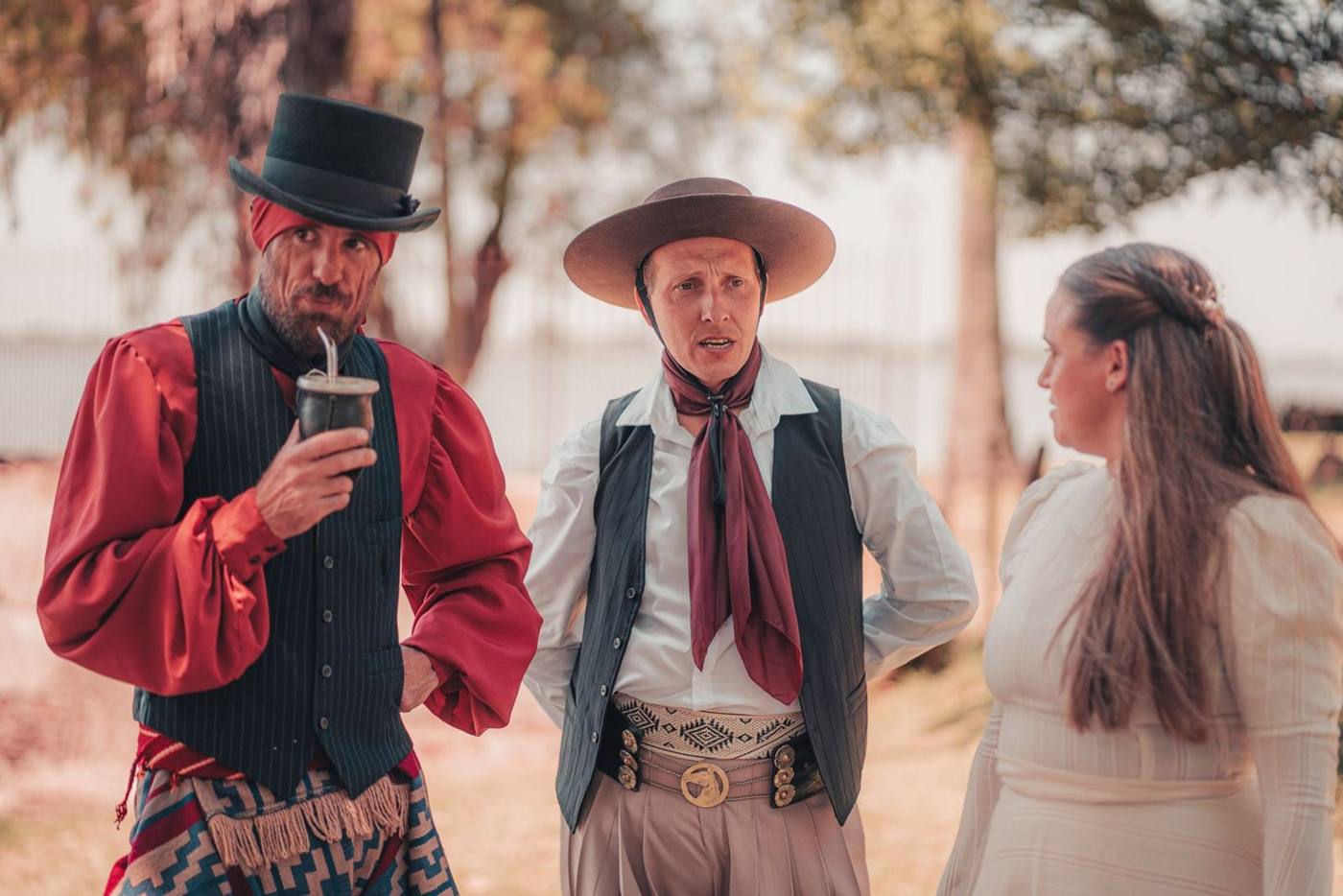
Estancias and gauchos
Rural Uruguay: nights on an estancia, riding with gauchos, asado and the hot springs of Salto and Daymán.
 3 daysEasy
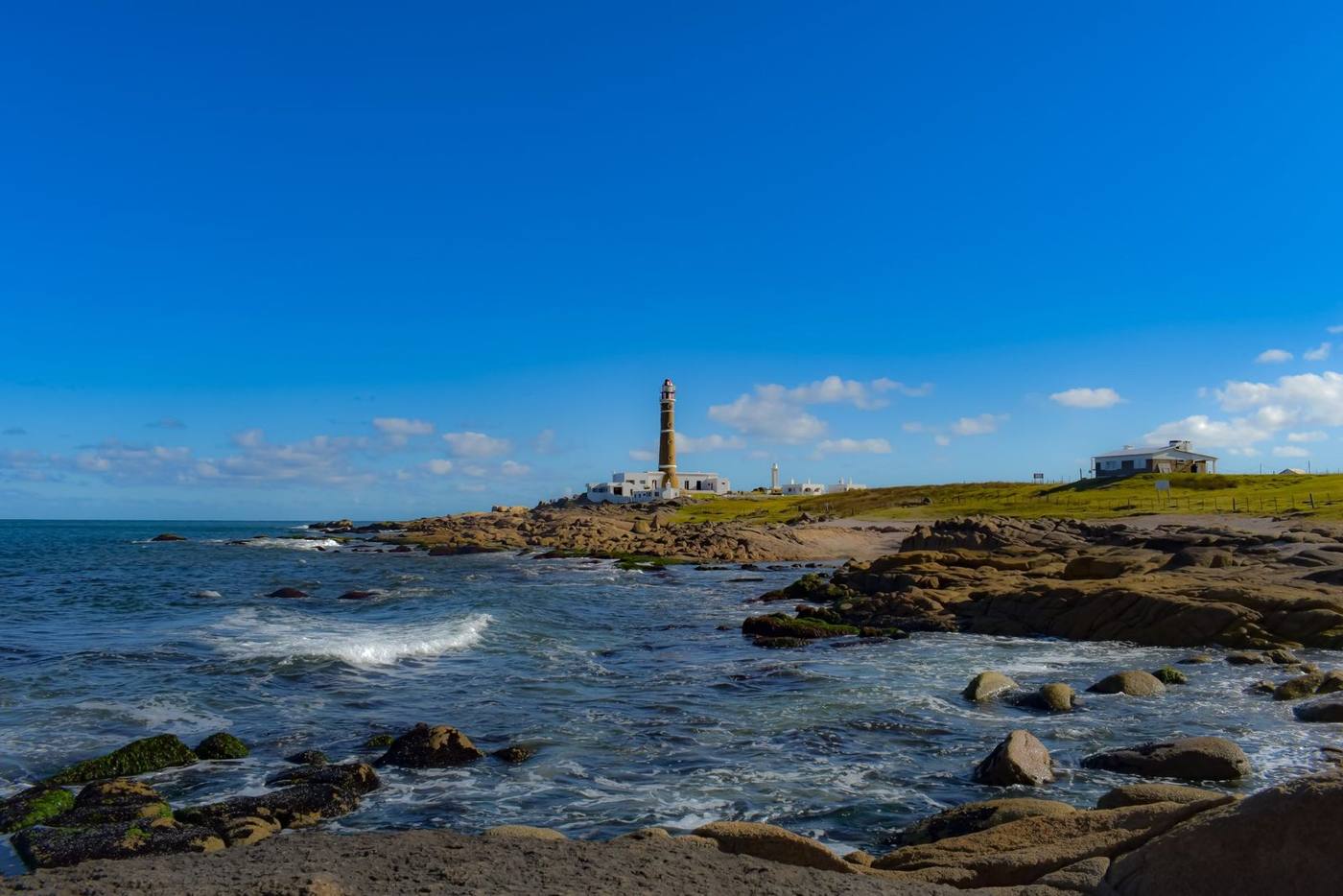
Cabo Polonio
A fishing village with no roads or mains power among the Rocha dunes, with its lighthouse, sea lion colony and starry skies.
 3 daysEasy
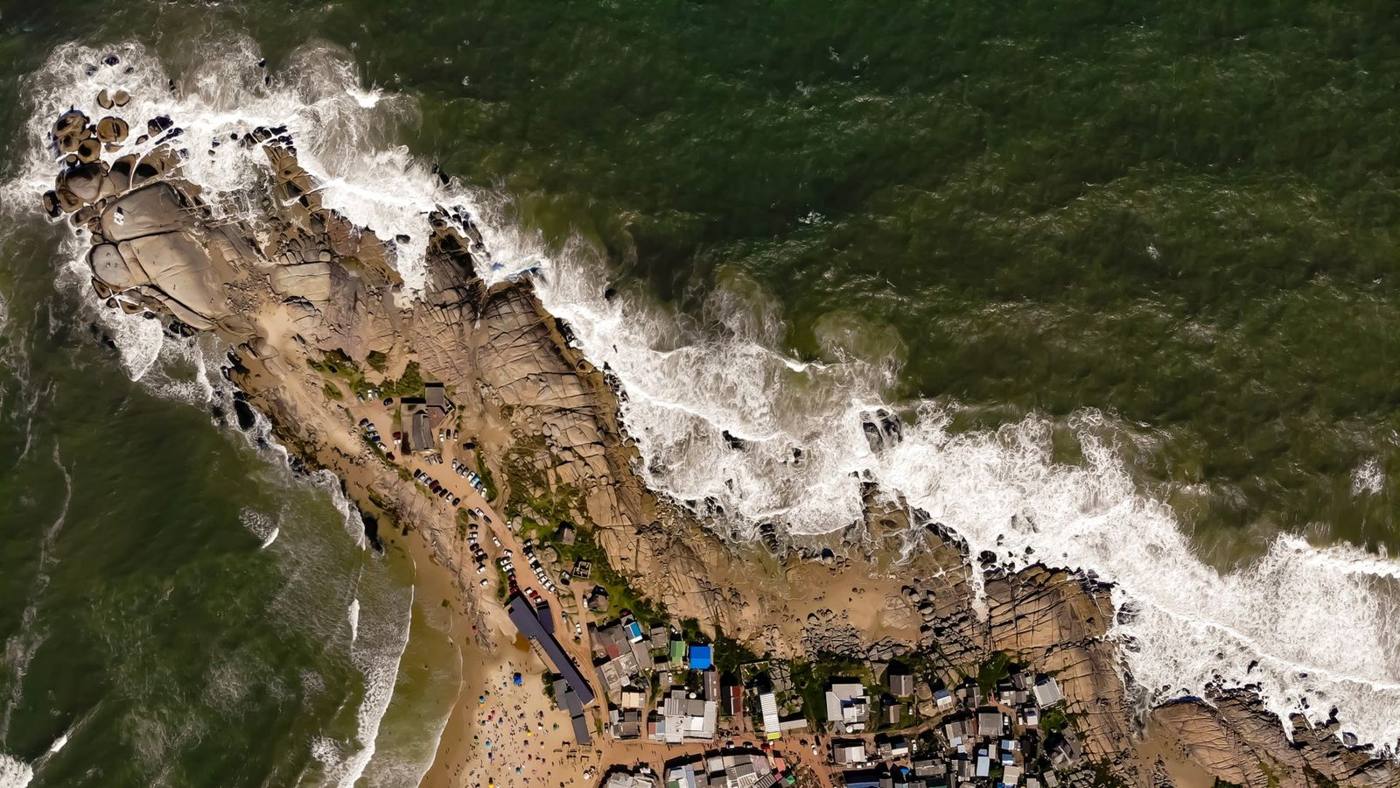
Punta del Diablo and Santa Teresa
The northern Rocha coast: the surf village of Punta del Diablo, the fortress and park of Santa Teresa with its beaches, and the lagoons near Brazil.