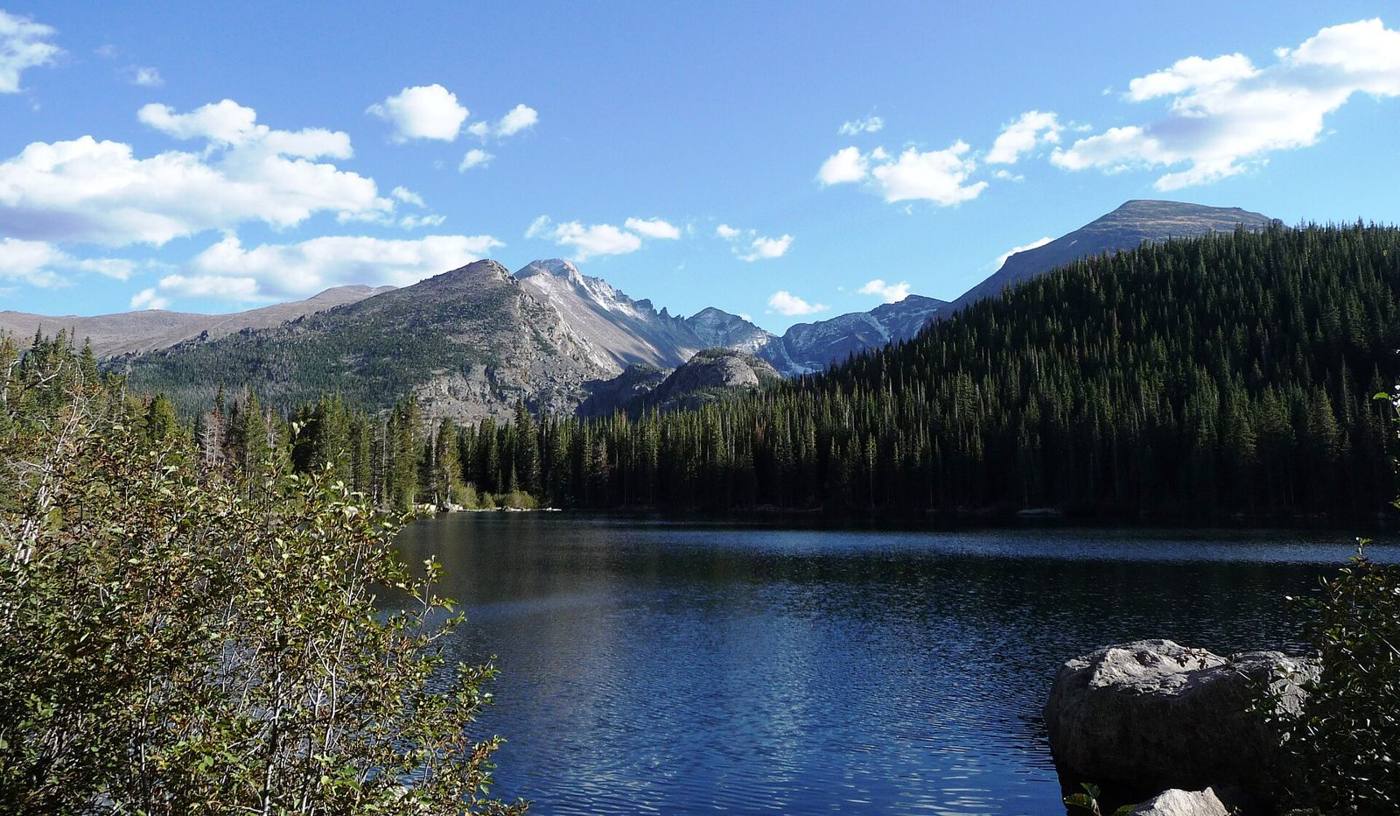
Colorado: the Rocky Mountains and Mesa Verde
Denver, Rocky Mountain National Park with the Trail Ridge Road above 3,700 metres, old mining towns, the Million Dollar Highway between Silverton and Ouray and the cliff dwellings of the ancestral Pueblo people at Mesa Verde.
- Denver
- Estes Park
- Rocky Mountain
- Glenwood Springs
- Ouray
- Silverton
- Durango
- Mesa Verde
Day by day
- Day 1
Denver, Union Station and Red Rocks
This trip crosses Colorado, the Rocky Mountain state, from Denver to Rocky Mountain National Park, the hot springs of Glenwood Springs, the San Juan Mountains with Ouray and Silverton, the Durango steam train and finally Mesa Verde, with the villages built into the cliffs by the Ancestral Puebloans. It is a journey of high passes, mountain lakes, moose, nineteenth century mining towns and archaeology.
To enter the United States, citizens of Visa Waiver countries apply online for an ESTA, costing 40.62 dollars, and need an electronic passport. You need a car: distances are long and many roads climb above three thousand metres.
You fly into Denver, the Mile High City, at about 1,600 metres. On the first day stroll through the centre, in LoDo, with its old brick warehouses, and through Union Station, the restored 1914 railway station, whose great waiting hall has become a meeting place with cafés and shops.
In the afternoon go to Red Rocks Park, about half an hour west of the city at the foot of the mountains: great formations of red sandstone up to ninety metres high, with a natural concert amphitheatre carved between the rocks, world famous for its acoustics. When there are no concerts you can climb the tiers and walk the trails around it.
At sunset watch the red light on the rocks and, from above, the plain with Denver.
Spend the night in Denver.
Practical tip: the best time is June to September. You will feel the altitude: drink plenty of water and do not overdo it on the first day.
- Day 2
Rocky Mountain: Bear Lake and Emerald Lake
Today go to Rocky Mountain National Park, about an hour and a half north west of Denver, via Estes Park, the town at the park's east entrance.
The park protects part of the Rockies with more than sixty peaks above 3,600 metres, glacial lakes, conifer forests, alpine meadows and rich wildlife: moose, elk, bighorn sheep, marmots and pikas.
Early in the morning go to Bear Lake, a lake ringed by forest and mountains, the start of many trails. From here one of the park's finest walks sets off: the lakes trail, past Nymph Lake with its water lilies and Dream Lake with mountains reflected in the water, to Emerald Lake, an emerald green lake below the walls of Hallett Peak. The route is about six kilometres return, with moderate climbing.
In the afternoon, if you have energy, walk around Bear Lake or go to Moraine Park, a great meadow where elk often graze.
At sunset the elk come out into the meadows near Estes Park.
Spend the night in Estes Park.
Practical tip: for non resident visitors, Rocky Mountain is one of the eleven parks charging a 100 dollar surcharge per person since 2026; there is also a 250 dollar annual pass for non residents. In summer a timed entry reservation is required, and the Bear Lake area has its own rules: check.
- Day 3
Rocky Mountain: Trail Ridge Road with moose and marmots
Today cross the park on Trail Ridge Road, the highest continuous paved road in the United States, climbing to about 3,700 metres and linking Estes Park on the east side to Grand Lake on the west.
The road climbs through many bends in the forest, then rises above the tree line and runs for kilometres across alpine tundra, a landscape of low meadows, lichens, tiny flowers and rocks, like the Arctic. Stop at the viewpoints, such as Many Parks Curve and Forest Canyon, to see the valleys and peaks.
Near the Alpine visitor centre, at the highest point, walk the short tundra trail to see yellow bellied marmots and pikas, small mammals like hamsters that gather hay for the winter.
In the afternoon descend the west side into the Kawuneeche Valley, where the Colorado river rises. In the meadows along the river you often see moose feeding in the water.
You reach Grand Lake, a wooden town on the largest and deepest natural lake in Colorado.
Spend the night in or near Grand Lake.
Practical tip: Trail Ridge Road is usually open from late May to mid October, depending on snow: check. At altitude the weather changes fast, with afternoon thunderstorms and lightning: cross the high section in the morning.
- Day 4
Glenwood Springs, the hot springs and Hanging Lake
Today go to Glenwood Springs, about two and a half hours from Grand Lake, down the Colorado river valley.
The road runs through Glenwood Canyon, a narrow, deep gorge cut by the Colorado river, with rock walls hundreds of metres high and the railway and road running beside the water.
In the morning, if you have obtained a permit, hike to Hanging Lake in the canyon: a steep, rocky trail of about two kilometres leads to a small lake of clear turquoise water, perched on a cliff and fed by waterfalls tumbling over moss covered rocks. To protect the lake, visitor numbers are limited and a permit booked in advance is required, and swimming is forbidden.
In the afternoon relax in the hot springs of Glenwood Springs, famous since the nineteenth century: pools of natural hot spring water with views of the mountains. There are several facilities, some with large outdoor pools, others with smaller pools along the river. The gunslinger Doc Holliday is said to have come here for his health, and he is buried in the town cemetery.
In the evening stroll through the town centre.
Spend the night in Glenwood Springs.
Practical tip: the Hanging Lake permit is booked online and not always available; the trail may close for rockfall after fires: check. The hot springs charge entry: check times and prices.
- Day 5
Ouray and the Million Dollar Highway to Silverton
Today head south into the San Juan Mountains, one of the most spectacular ranges in Colorado.
In the morning drive to Ouray, about two and a half hours from Glenwood Springs, through the Uncompahgre river valley. Ouray is a small nineteenth century mining town hemmed in by steep mountain walls, known as the Switzerland of America. Its Victorian houses, hot springs and surrounding waterfalls make it one of the prettiest towns in Colorado. Walk to Box Canyon, a narrow gorge where a waterfall plunges into a dark space between the rocks.
In the afternoon drive the Million Dollar Highway, the stretch of Highway 550 between Ouray and Silverton, about forty kilometres. It is one of the most spectacular and dramatic roads in the United States: it climbs to Red Mountain Pass at about 3,360 metres, with hairpins without guardrails above deep drops, iron red mountains and old abandoned mines. The name may come from the cost of building it or from the ore in its gravel.
You reach Silverton, a mining town at about 2,800 metres, with an unpaved main street, saloons, colourful houses and the steam train depot.
Spend the night in Silverton or Ouray.
Practical tip: drive the Million Dollar Highway only by day and calmly, especially downhill. In winter and bad weather the road can be dangerous or closed: check.
- Day 6
The Durango and Silverton steam train
Today ride the steam train between Silverton and Durango, a narrow gauge railway built in 1882 to carry silver and gold from the San Juan mines.
The train, with coal fired locomotives and vintage carriages, runs about seventy five kilometres through the gorge of the Animas river in about three and a half hours. The line runs on ledges cut into the rock above the river and crosses bridges, forests and valleys with no roads. Halfway it stops to take on water for the locomotive.
In the morning, in Silverton, stroll around the town before departure. Then board the train and watch the scenery from the windows or the open cars.
In the afternoon you reach Durango, a larger town with a nineteenth century historic centre, brick buildings, saloons and a railway museum.
To get back to Silverton for the car, you usually take the railway's bus service, or you can do the trip the other way round: drive to Durango and ride the train there and back. Plan according to the options available.
In the evening have dinner in Durango.
Spend the night in Durango.
Practical tip: the train must be booked in advance and is paid, and in some months it runs a shorter route or is replaced because of fire risk: check times and options. Sit on the river side for the best views.
- Day 7
Mesa Verde: Cliff Palace and Balcony House
Today go to Mesa Verde National Park, about an hour west of Durango, a UNESCO World Heritage Site.
Mesa Verde protects more than five thousand archaeological sites of the Ancestral Puebloans, the people who lived in this region for about seven hundred years, from the sixth to the thirteenth century. Their most famous buildings are the cliff dwellings, stone villages built under the great overhangs of the sandstone canyon walls in the thirteenth century. Then, towards the end of that century, the inhabitants left and migrated south, where their descendants, the Pueblo peoples of New Mexico and Arizona, live today.
In the morning drive up onto the mesa by a mountain road and visit the visitor centre and the archaeological museum, with finds, pottery and dioramas.
In the afternoon take a ranger guided tour of Cliff Palace, the largest cliff dwelling in North America, with about one hundred and fifty rooms and towers, or of Balcony House, reached by climbing a ten metre wooden ladder and crawling through a narrow tunnel. From the viewpoints along the Mesa Top road you see other cliff villages and the remains of older houses.
Spend the night at Mesa Verde or in Cortez.
Practical tip: the Cliff Palace and Balcony House tours must be booked and have limited places; some dwellings close for works: check. Balcony House is not suitable for those afraid of heights or enclosed spaces.
- Day 8
Mesa Verde and the journey home
On the last morning visit other parts of Mesa Verde, such as Spruce Tree House, one of the best preserved cliff dwellings, seen from the viewpoint, or the quieter Wetherill Mesa, open only in summer, with more dwellings and trails.
If you have time, drive up to Park Point, the highest point in the park, with a view over the four states that meet in this area, Colorado, Utah, Arizona and New Mexico, and the San Juan Mountains.
Then set off home. There are two options: drive back to Denver, about six or seven hours across the mountains, or take a flight from Durango to Denver and connect for Europe. If your flight is the next day, you can break the drive to Denver with a night in a mountain town such as Pagosa Springs, with its hot springs.
On the way, if you drive back, stop at Great Sand Dunes National Park, with the tallest sand dunes in North America at the foot of the Sangre de Cristo Mountains: a detour well worth making.
Before leaving buy some souvenirs: silver and turquoise jewellery, Pueblo pottery, blankets and South Western chillies.
Practical tip: Wetherill Mesa and some park services are open only in summer: check. Return the car at the airport well before your flight.
For lovers of mountains and Western history, with a lot of driving. Rocky Mountain requires a timed-entry reservation from late May to mid-October, and the park is one of the 11 with the non-resident surcharge. Hanging Lake needs a limited permit. Mesa Verde cliff-dwelling tours must be booked ahead. You will feel the altitude: drink plenty in the first days.
Before you go
- Documents and visa
- Electronic passport and ESTA authorisation for Visa Waiver nationalities, applied for online on the official site at least 72 hours ahead: since 16 October 2026 it costs 40.62 dollars and is valid for two years. Travellers who have visited certain countries, such as Cuba or Iran, need a visa.
- Health and vaccines
- No vaccines required. Healthcare is extremely expensive: insurance with very high medical cover is essential. Emergencies: 911.
- Money and payments
- Dollar. Cards accepted everywhere. Prices are shown before tax, added at the till; restaurant tips of 15 to 20 per cent are expected.
- Power sockets
- Types A and B, 120 volts: you need a flat-pin adapter.
- Time zone
- Six time zones: New York is UTC-5, Los Angeles UTC-8; daylight saving changes on different dates from Europe.
- Safety
- Risks are mainly crime in some urban areas and natural hazards: hurricanes, wildfires, extreme desert heat. Official advice: GOV.UK.
Information checked in November 2026 for Italian and EU citizens. Rules change: always check before you travel.
Variations
In 5 days: Denver, Rocky Mountain and Glenwood Springs.
In 12 days: add Great Sand Dunes and the Black Canyon of the Gunnison, or the parks of Utah.
Frequently asked questions
Do I need a visa?
Citizens of Visa Waiver countries, such as Italy, apply online for an ESTA, costing 40.62 dollars, with an electronic passport.
Are there park surcharges?
For non resident visitors, Rocky Mountain charges a 100 dollar surcharge per person since 2026; there is a 250 dollar annual pass for non residents. Check the current rules.
When is the best time to go?
June to September, when mountain roads are open. In September the aspen groves turn gold.
Indicative itinerary written by World Atlas. Before booking, check timetables, seasonal openings, documents and safety.
 6 daysModerate
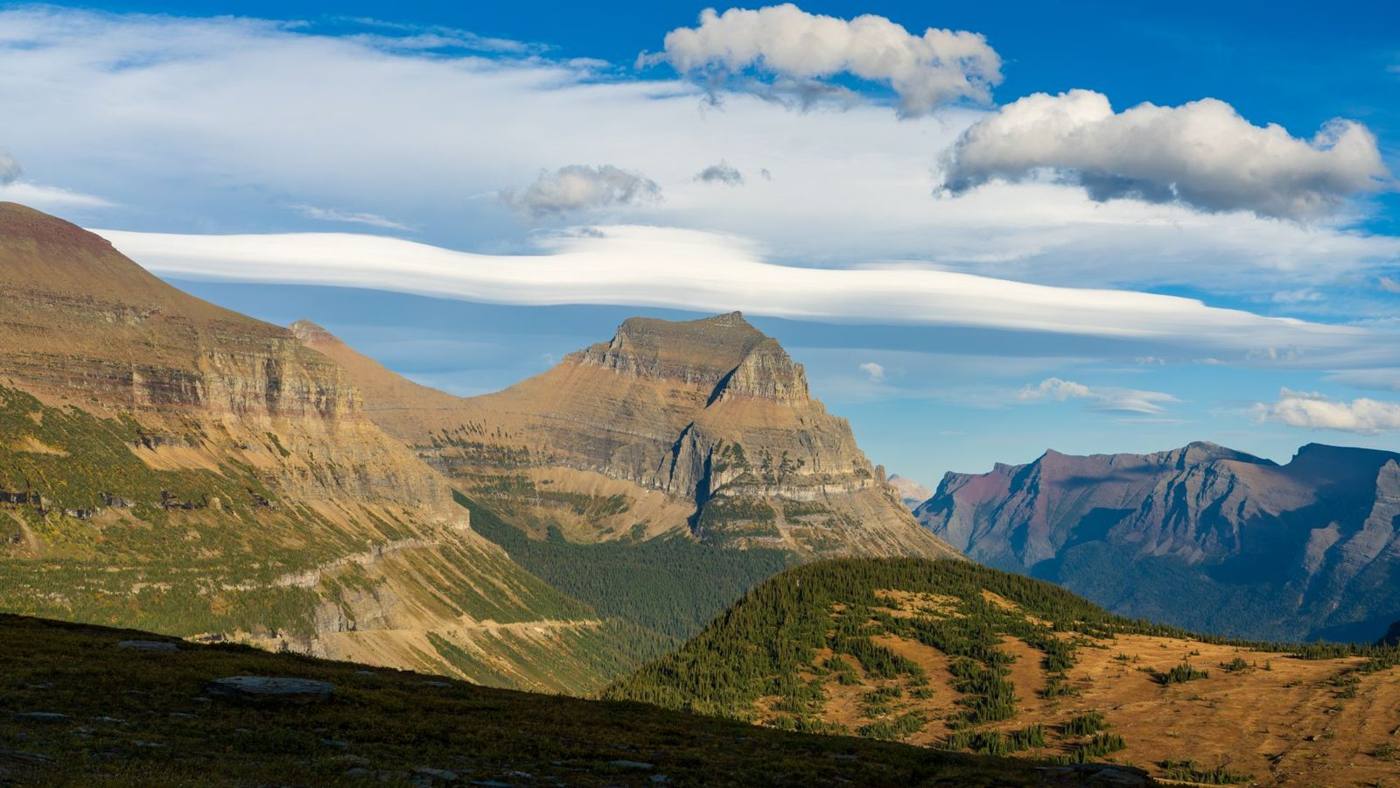
Montana: Glacier National Park
The Crown of the Continent: the Going-to-the-Sun Road up to Logan Pass, the turquoise lakes of Many Glacier, mountain goats and grizzly bears, Two Medicine and Lake McDonald with its coloured pebbles.
 7 daysEasy
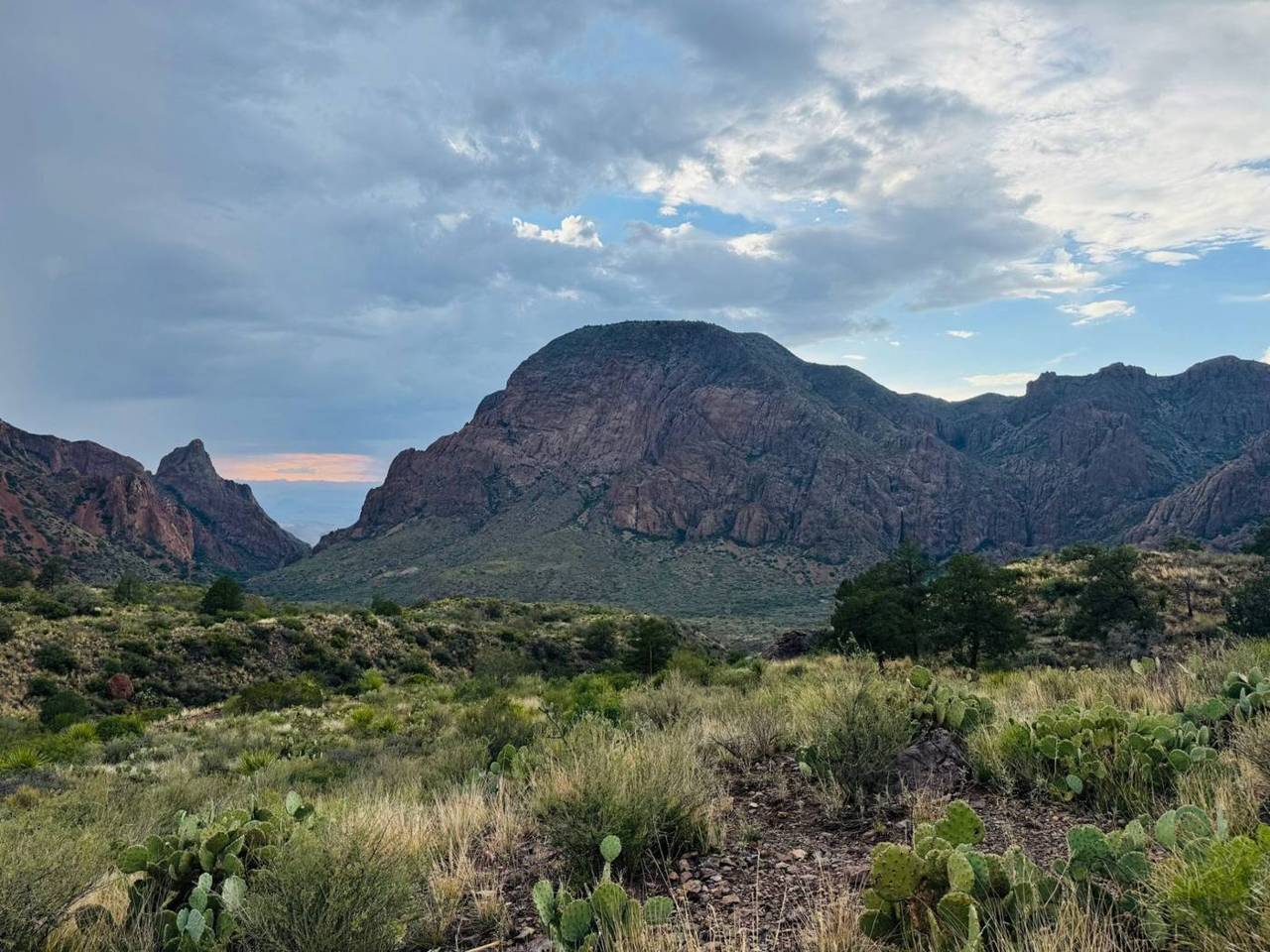
Texas: Austin, San Antonio and Big Bend
Austin's live music and barbecue, the Texas Hill Country with its German towns, San Antonio's Spanish missions (UNESCO World Heritage) and the Chihuahuan Desert in Big Bend National Park along the Rio Grande.
 6 daysEasy
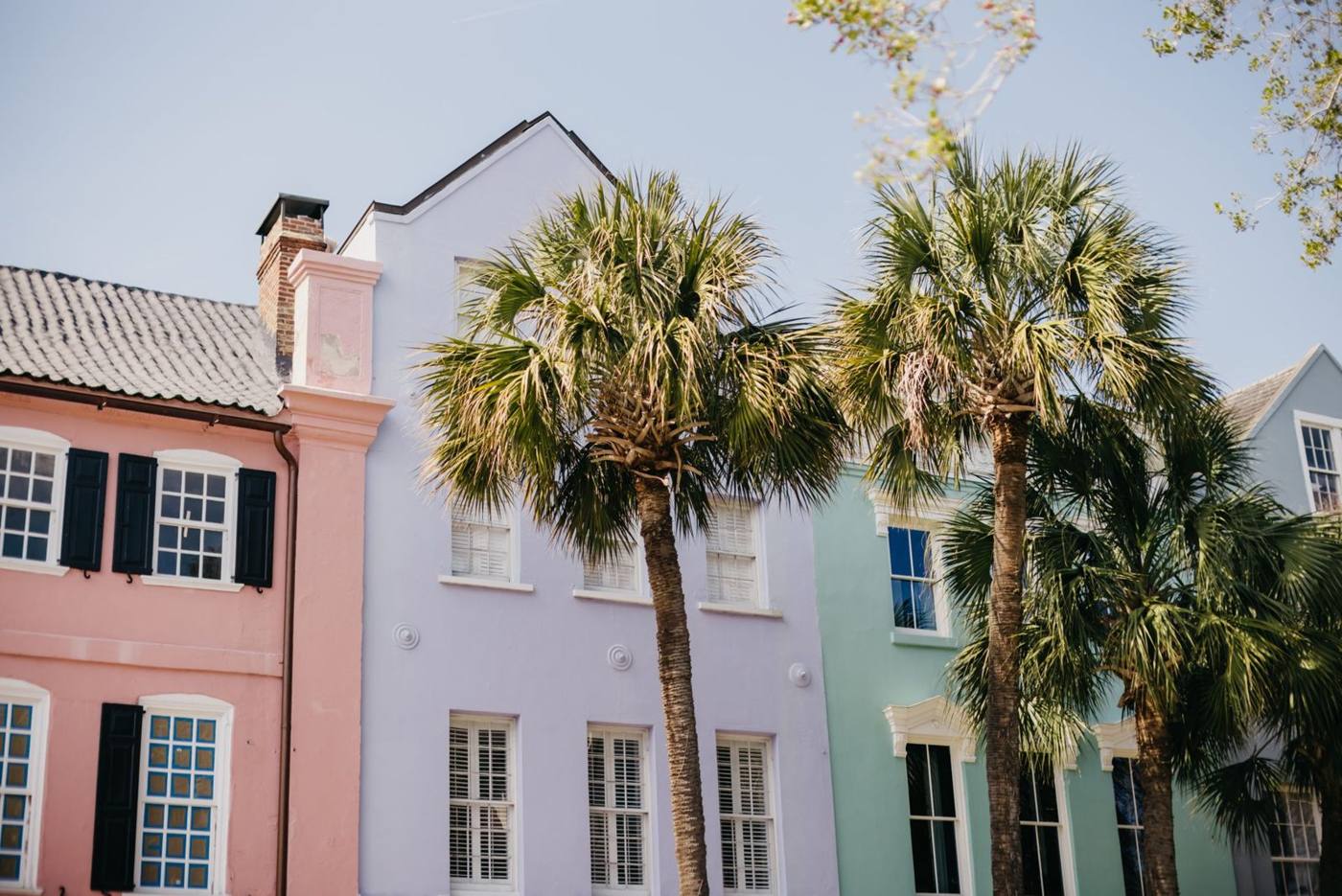
Charleston, Savannah and the Lowcountry
The elegant South: Charleston's colourful houses and gardens, the plantations with their history of slavery told honestly, the marshes and islands of the Lowcountry, Beaufort and Savannah's oak-shaded squares.