Kidepo and Karamoja
Uganda's most remote corner: the Kidepo valley, one of Africa's most beautiful and empty parks, and the Karimojong herders.
- Entebbe
- Murchison Falls
- Gulu
- Kidepo
- Moroto
- Sipi
Day by day
- Day 1
Arrival in Entebbe
Before you go: Italian citizens need a passport valid for at least six months from the date of arrival and a visa, applied for only online on the official Ugandan government website, visas.immigration.go.ug, a few weeks before departure: print the approval letter and show it on arrival. Beware of unofficial websites that charge more. If you plan to visit Kenya or Rwanda too, consider the East Africa Tourist Visa. Carry the international yellow fever vaccination certificate, which may be checked on arrival and by airlines, and ask your doctor about malaria prevention. Other nationalities should check their own rules. Some areas on this trip are close to borders or places where the situation changes often: check your government's travel advice before booking and again before you leave.
This is a trip for explorers, to the most remote corner of Uganda: the north and north-east, where tourists are few and distances long. You spend the first night in Entebbe, on Lake Victoria, to recover from the flight.
If you have a few hours, walk along the lakefront or in the botanical gardens, among century-old trees, monkeys and birds. Then devote the evening to planning: on a route like this it is essential to travel with a local driver guide who knows the north well, with a four-wheel drive in good condition, a spare wheel, water and reserve fuel.
Also consider the domestic flight to Kidepo: it links Entebbe to the park in a few hours and saves two days on the road. On this itinerary you go overland on the way out, to see Murchison and Gulu, but many travellers choose to fly back.
Practical tip: bring enough cash in shillings and dollars, because in the north there are few cash machines and in Kidepo park cards do not always work.
- Day 2
To Murchison Falls and the rhinos of Ziwa
Leave early heading north. After about three hours on the road you reach Ziwa rhino sanctuary, where a small population of white rhinos has been reintroduced after the species died out in Uganda because of poaching. Here you can go on a short walk with the rangers to watch them from a distance, a rare experience. Check prices and times.
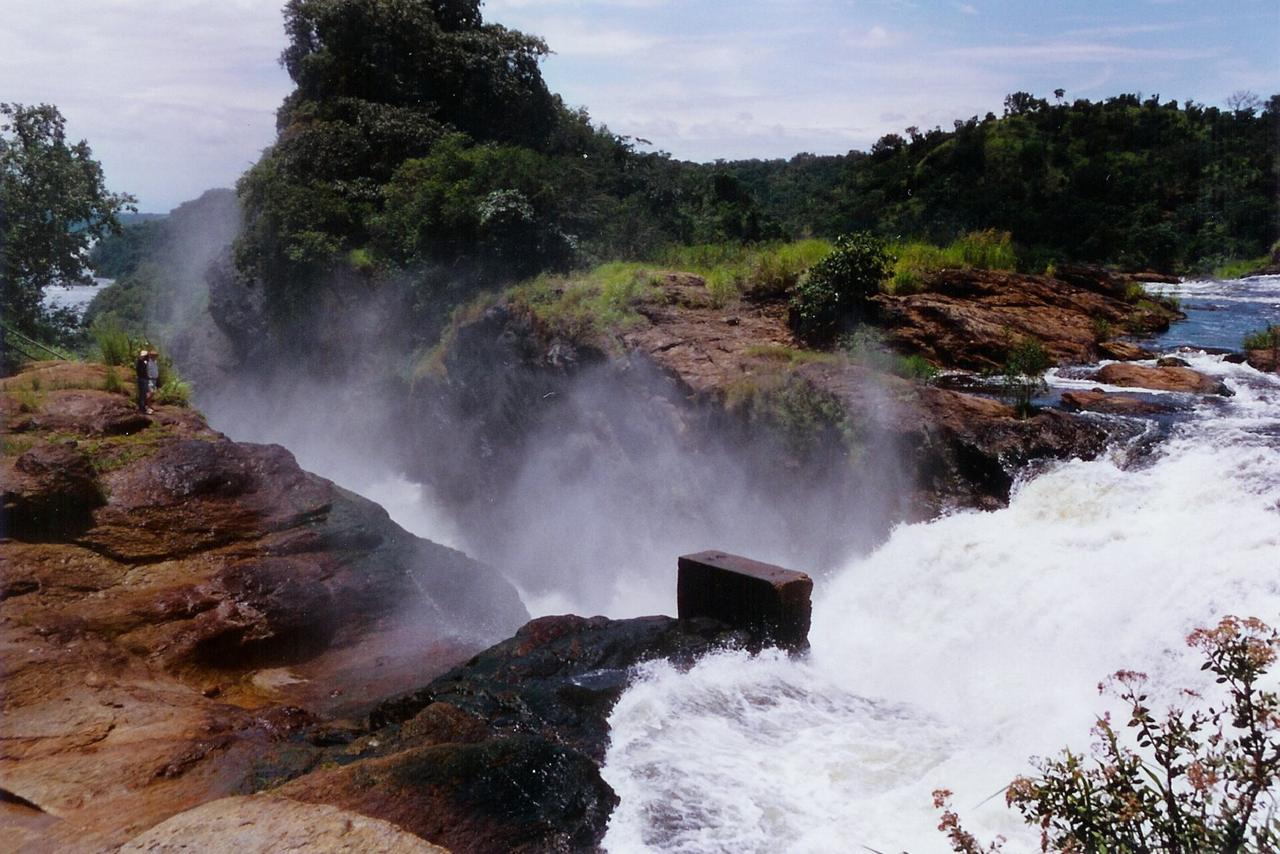
In the afternoon continue to Murchison Falls National Park, the largest in Uganda, crossed by the Victoria Nile. Before reaching your accommodation, stop at the top of the falls. Here the river, tens of metres wide, squeezes into a cleft in the rock only a few metres across and plunges with a deafening roar. The spray often creates a rainbow and the ground trembles beneath your feet. The falls are named after a president of the Royal Geographical Society in London, a name given by nineteenth-century British explorers.
A short trail leads to several viewpoints along the gorge. It is one of the most spectacular places in the country and one of the most photographed.
In the evening sleep near the river, on the south bank or after the ferry on the north bank, depending on where you stay.
Practical tip: on the cliffs by the falls stay behind the barriers and do not go near the edge for a photo, as the rocks are wet and very slippery.
- Day 3
Murchison: safari and a boat to the foot of the falls
Early in the morning take the ferry to the north bank of the Nile and go on a game drive through grasslands dotted with borassus palms. This is the part of the park richest in wildlife: Rothschild's giraffes, elephants, buffalo, Uganda kob, hartebeest and warthogs. With some luck you also see lions and leopards. The delta area, where the Nile flows into Lake Albert, is excellent for birds.
In the afternoon board the boat that sails up the river towards the falls. The trip takes a few hours there and back and is a safari from the water: dozens of hippos, Nile crocodiles among the largest in Africa, elephants bathing, buffalo on the banks and a huge number of birds. The boat stops at a safe distance from the rapids below the falls, which this time you see from below, in all their power.
Murchison is also one of the places where you can see the shoebill, in the swamps of the delta: ask your guide whether it is the right season.
In the evening, at sunset, the sounds of the savannah and the river stay with you into the night: the grunts of hippos, the calls of hyenas, the singing of frogs.
Practical tip: check the times of the Paraa ferry, because the whole day's planning depends on them. Check prices and times for the boat.
- Day 4
Gulu and the north
Today you leave Murchison and travel to Gulu, the main town of the Acholi region in northern Uganda. The road crosses savannah countryside, villages of round huts with thatched roofs and fields of sorghum and groundnuts. The landscape is drier and more open than in the south.
Northern Uganda lived through a long conflict that ended in the mid-2000s, and Gulu still carries its memory. Today it is a lively town, with a university, busy markets and many rebuilding projects. Stroll through the central market, where you find fruit, colourful fabrics and local produce, and try Acholi dishes such as malakwang, a slightly sour leafy vegetable cooked with groundnut paste.
If you are interested, visit one of the town's cultural or craft projects, which often help women and young people affected by the war. Talk to people, perhaps over a cup of tea at a market stall: northerners are very hospitable and happy to tell you about their region.
Gulu is also a good stop for a quiet night and for stocking up on fuel, cash and water before the long stretch to Kidepo.
Practical tip: from here on the roads get rougher and services fewer; plan tomorrow's departure for dawn and never travel after sunset.
- Day 5
Arrival in Kidepo and the Narus valley
From Gulu it takes several hours on a partly unpaved road to reach Kidepo Valley National Park, in the far north-east of the country, near the borders with South Sudan and Kenya. The journey is long but the landscape repays you: the savannah opens up, mountains appear on the horizon and villages become ever rarer.
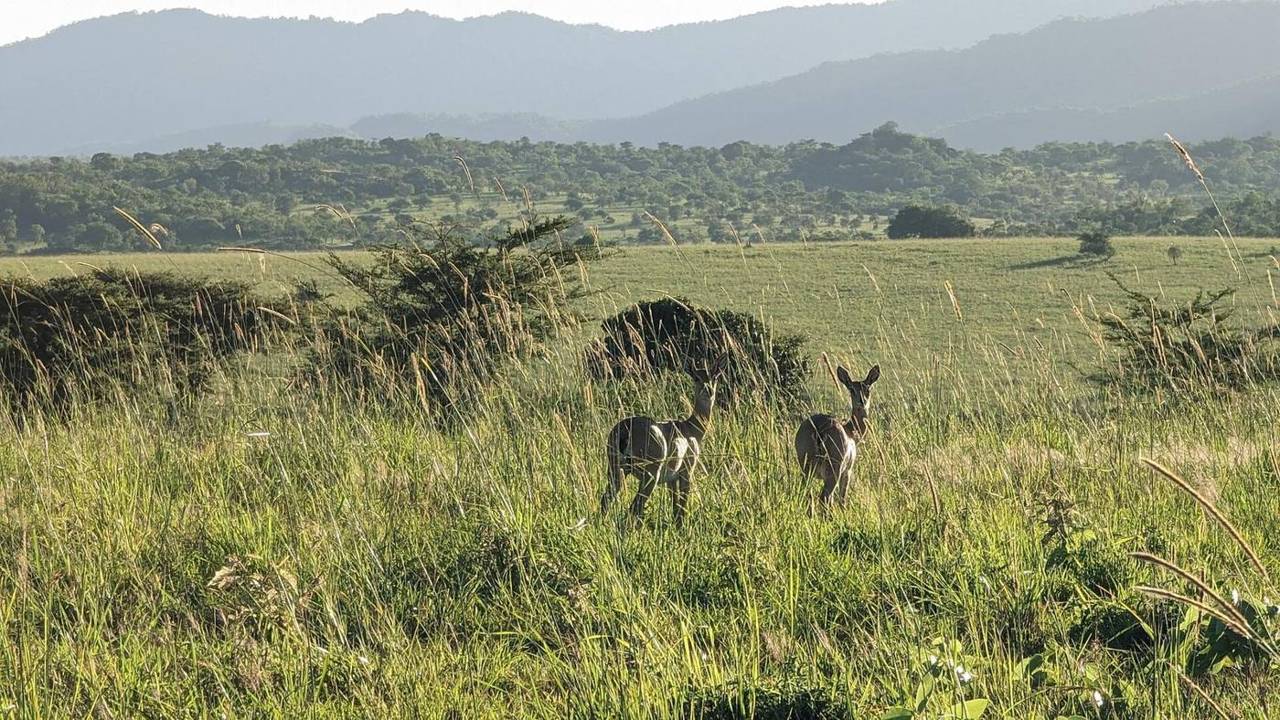
Kidepo is considered one of the most beautiful and wildest parks in Africa. It is a large valley enclosed by mountains, with golden grass, acacias and borassus palms. Here you can spend hours without meeting another vehicle, and that makes every sighting more intense.
In the afternoon go on your first game drive in the Narus valley, the area with water even in the dry season and therefore the richest in animals. You see large herds of buffalo, zebras, hartebeest, Rothschild's giraffes and elephants. Lions like to rest on the rocks that rise from the savannah, from where they watch over the valley.
At sunset the light on the mountains turns red and the silence is complete, broken only by the animals. At night the temperature drops and you need a light jacket.
Practical tip: in the park always follow the instructions of the Uganda Wildlife Authority rangers; some outings may require their escort, and never wander away from the vehicle on your own.
- Day 6
Kidepo: cheetahs, ostriches and the Kidepo river valley
Today you explore the park in more depth. Kidepo is home to animals not seen elsewhere in Uganda, adapted to the semi-arid north: cheetahs, ostriches, caracals, bat-eared foxes and some dry-country antelopes. You look for cheetahs on the open plains early in the morning, when they hunt.
After the morning drive you can head towards the Kidepo river valley in the north, a sand river that stays dry most of the year, lined with borassus palms. Here the landscape is even more desert-like and the animals rarer, but the atmosphere is unique. The area is close to the border: go only if your guide and the rangers think it wise that day and follow their route.
In the hottest hours, when the sun is strong and the animals hide in the shade, rest and watch the animals that come to drink at the waterholes near camp: elephants, buffalo and warthogs often come close.
In the late afternoon return to the Narus valley for a second drive. With more than four hundred bird species, Kidepo is also a paradise for birdwatchers, with eagles, vultures, ground hornbills and countless colourful birds.
Practical tip: bring powerful binoculars and a camera with a telephoto lens, because in Kidepo the animals are often far away on the open plains.
- Day 7
Kidepo on foot and the mountain communities
In the morning take a guided walk with an armed ranger in the savannah near camp. Walking in such a large, silent park reveals details you miss from the vehicle: animal tracks, insects, medicinal plants and droppings that your guide reads like a book.
Later you can visit one of the communities living around the park. On the nearby mountains live the Ik, a small, isolated people with their own language and villages perched on the slopes. On the plains live the Karimojong, herders who move with their cattle. The visit should be arranged with local guides and with the communities' permission: always ask before taking photos and respect their pace.
In the afternoon go on your last drive in Kidepo. Look for lions on the rocks, cheetahs on the plains and the great herds of buffalo moving towards water at sunset. These are moments that sum up the meaning of this trip: huge spaces, few visitors and nature in the foreground.
In the evening, under a sky full of stars, listen to hyenas and lions in the distance.
Practical tip: for community visits bring small useful gifts, such as exercise books or soap, only if your guide recommends it; better still, pay an agreed contribution. Check prices and times.
- Day 8
Karamoja: Karimojong villages and Mount Moroto
Today you leave Kidepo and cross Karamoja, a semi-arid region of plains and isolated mountains, towards Moroto. The road is long, partly unpaved, and runs through a landscape of dry savannah, rocky hills and herders' villages.
The Karimojong are semi-nomadic pastoralists for whom cattle are at the centre of life: wealth, dowry and prestige are measured in cows. They live in villages surrounded by fences of thorny branches, called manyattas, and keep traditional dress, colourful bead necklaces and distinctive hairstyles. With a local guide you can visit a village, see how people live, watch songs and dances and, if it happens, the milking of the cattle.
Moroto, the main town of the region, lies at the foot of Mount Moroto, a mountain of about three thousand metres that dominates the plain. In the afternoon take a short guided walk on its lower slopes, among rocks and small villages, for the view over Karamoja. In the evening you sleep in town.
The region calls for caution because of cattle raiding between rival groups: travel only by day, with a local guide who is up to date on the situation, and follow their advice on where to go.
Practical tip: in Karamoja always ask permission before taking photos, even from a distance; for many people it is an essential sign of respect.
- Day 9
Sipi Falls on Mount Elgon
From Moroto you head south along Uganda's eastern edge, with the great massif of Mount Elgon growing in front of you. After a few hours on the road you climb its green slopes to Sipi, a village at almost two thousand metres, where the air is cool and the landscape is completely different from Karamoja: instead of dry savannah there are coffee fields, banana plants and streams.
There are three Sipi Falls, along the river that comes down from the mountain. The highest drops almost a hundred metres into a deep gorge. In the afternoon take a guided walk linking the falls, passing through arabica coffee plantations farmed by local growers and going down to the foot of the main fall, where the spray soaks you even from a distance.
If you have time left, ask your guide to stop at a coffee-growing family, to see how the beans are processed and taste the coffee freshly roasted.
At sunset the view from the escarpment over the plain is magnificent: it is the last evening of the trip, a good moment to look back on the road you have travelled.
Practical tip: Sipi is cool in the evening, so keep a sweatshirt and a jacket to hand; on the trails wear shoes with a good sole, because the rocks are damp.
- Day 10
Back to Entebbe and departure
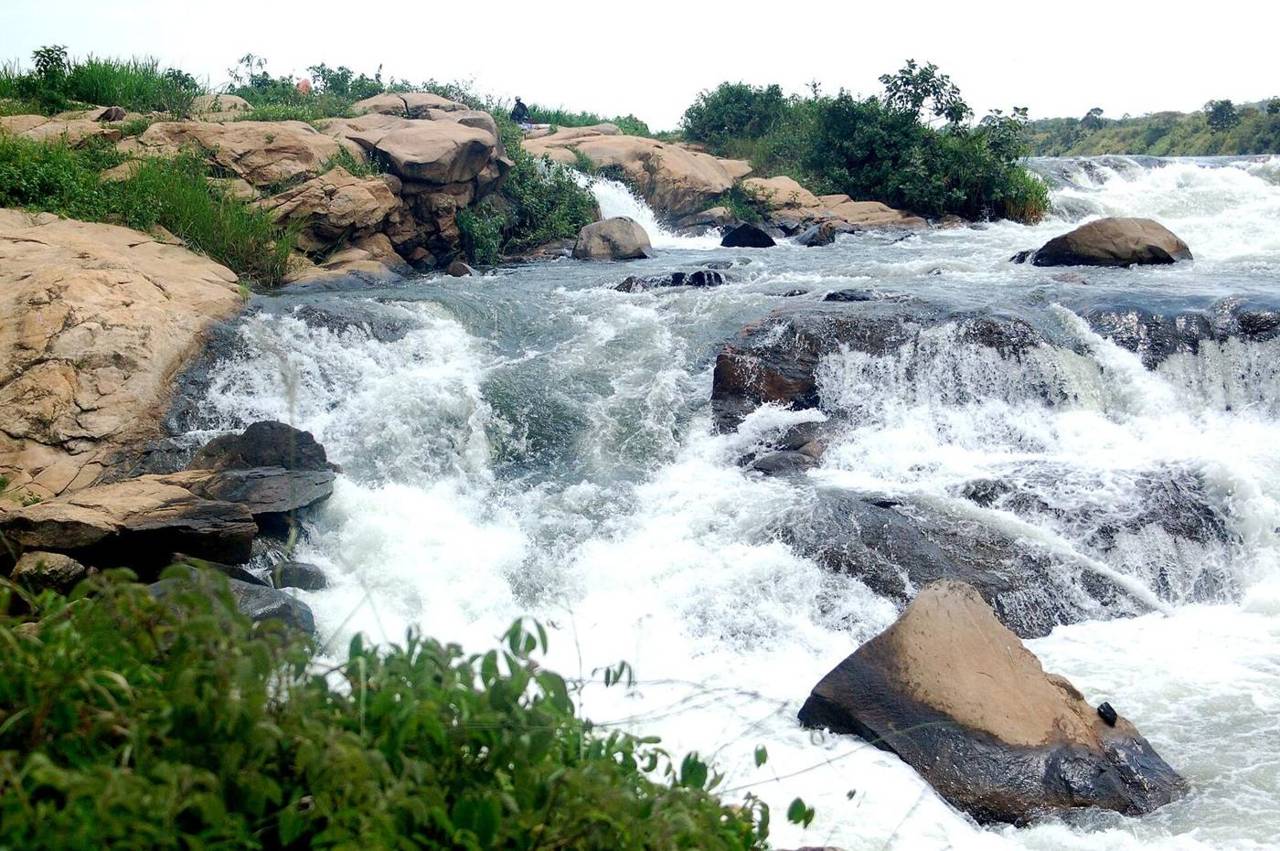
The last day is for the journey back. From Sipi to Entebbe takes about seven hours by road, through Mbale, Jinja and Kampala. Leave early and allow a wide margin if your flight is in the evening. If you stop in Jinja, look at the Nile leaving Lake Victoria: it is the same river you saw plunging over Murchison Falls.
In ten days you have seen Uganda at its most remote: the rhinos of Ziwa, Murchison Falls from above and below, the town of Gulu and the history of the north, three days in Kidepo among buffalo, cheetahs and ostriches, the Karimojong villages and Mount Moroto, and finally Sipi Falls. It is a safari for explorers: the roads are long and hard, but in Kidepo you can spend a whole day without meeting another vehicle.
If time is short, the domestic flight from Entebbe to Kidepo saves two days and lets you spend more time in the park.
When to go: the best months are from June to September and from December to February. In the dry season the animals in Kidepo gather in the Narus valley near the water and are easier to see, while in the rains some tracks become hard to drive.
Practical tip: before leaving, ask your local operator for the latest information on roads and security in the north, because conditions change often.
An explorer's safari: in Kidepo you can spend a whole day without meeting another jeep. Roads are long and rough; an internal flight from Entebbe saves two days. Go with local operators who know the area and keep up to date on security.
Before you go
- Documents and visa
- Passport valid for at least six months from your arrival date and a compulsory visa, applied for only online on the official Ugandan government website, visas.immigration.go.ug, before leaving: beware of unofficial sites. The East Africa Tourist Visa also covers Kenya and Rwanda. Carry an international yellow fever vaccination certificate.
- Health and vaccines
- Yellow fever vaccine: carry the international certificate, which may be checked on arrival and by airlines. Malaria risk throughout the country: ask your doctor about antimalarials. Outside Kampala health facilities are limited: you need insurance covering medical costs and repatriation. Drink only bottled water. Emergencies: 999 or 112.
- Money and payments
- Ugandan shilling. Bring recent US dollar notes in good condition, to change at banks or exchange offices. Cards work in towns and at many tourist places; mobile phone payments are everywhere.
- Power sockets
- Type G, 240 volts, the same as in the UK.
- Time zone
- UTC+3 all year.
- Safety
- Areas near the borders with the DRC and South Sudan and the Karamoja region call for caution and up to date information. Outside towns avoid travelling after dark, do not show valuables and in the parks always follow rangers and guides. Official advice: GOV.UK.
Information checked in November 2026 for Italian and EU citizens. Rules change: always check before you travel.
Variations
In seven days fly from Entebbe to Kidepo, spend three days in the park and fly back.
With fourteen days add Kibale and Queen Elizabeth to combine the remote north with the primates of the west.
Frequently asked questions
Can you fly to Kidepo?
Yes, there are domestic flights from Entebbe that land near the park and save two days on the road. Book ahead, because seats are few.
Which animals can you see in Kidepo?
Buffalo, elephants, zebras, giraffes, lions and many antelopes, as well as dry-country species such as cheetahs, ostriches and caracals, rare in the rest of Uganda.
Do I need a guide in Karamoja?
Yes, it is best to travel with a local guide who is up to date on the situation, move only by day and arrange village visits with the communities' consent.
Indicative itinerary written by World Atlas. Before booking, check timetables, seasonal openings, documents and safety.
 7 daysModerate
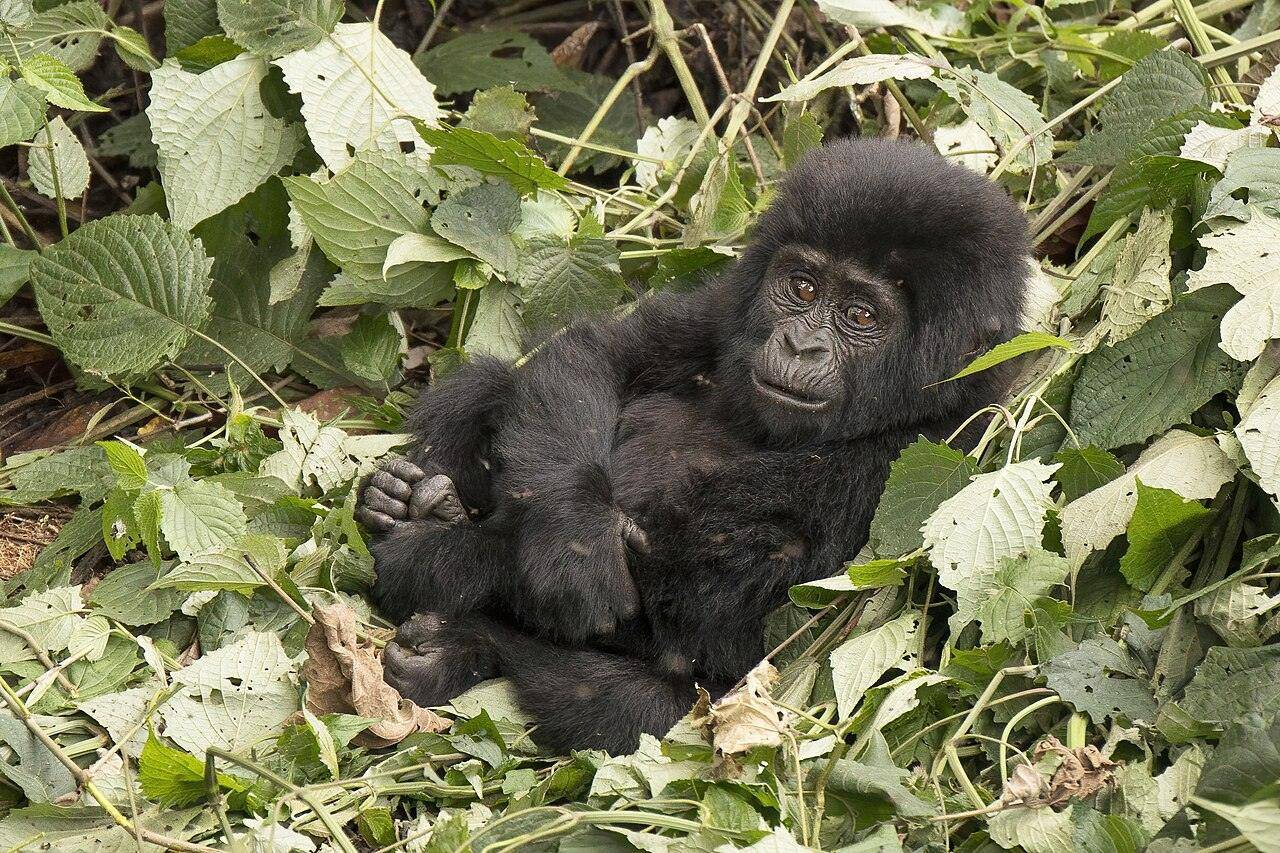
Bwindi gorillas and Kibale chimpanzees
A week focused on primates: an hour with mountain gorillas and a chimpanzee trek in the forest.
 15 daysModerate
Complete Uganda: Murchison, primates and lakes
From the Nile falls to Lake Bunyonyi: savannah, rhinos, chimpanzees, gorillas and the green landscapes of the Pearl of Africa.
 12 daysModerate
Uganda express: the Nile, the Mountains of the Moon and gorillas
The source of the Nile at Jinja, the chimpanzees of Kibale, the tree-climbing lions of Queen Elizabeth and an hour with a gorilla family in Bwindi.