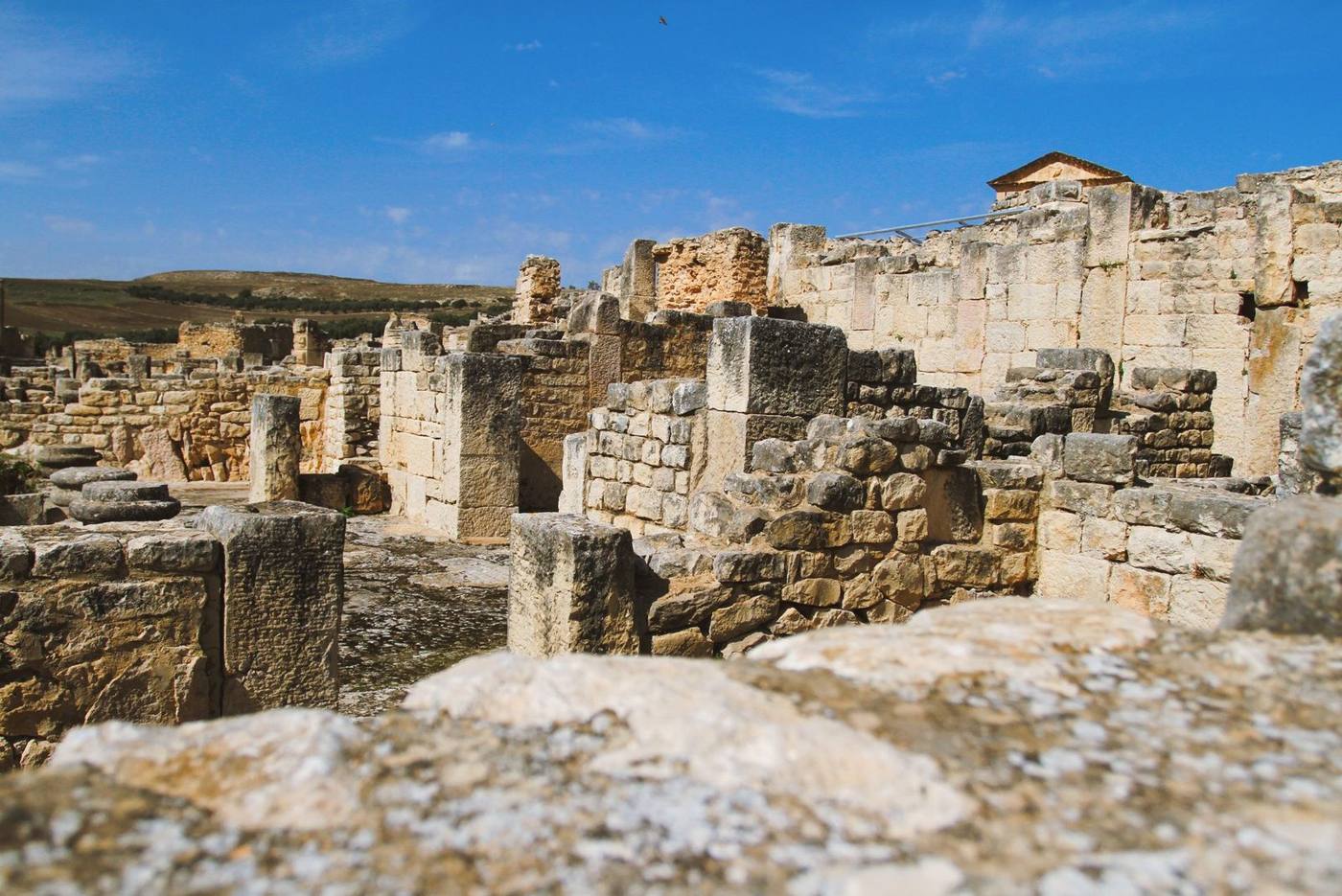
Dougga and Bulla Regia
The Roman towns of the north-west among olive groves: Dougga's Capitolium and theatre on the hill, and the underground villas of Bulla Regia with mosaics still in place.
- Tunis
- Dougga
- Bulla Regia
Day by day
- Day 1
From Tunis to Dougga
This three-day trip takes you among the Roman cities of north-western Tunisia, surrounded by olive groves and wheat fields: Dougga, with its Capitol and theatre on the hill, and Bulla Regia, with its underground villas and mosaics still in place. You travel by car, ideally with a driver.
Before you go: Italian citizens can enter Tunisia only with a passport, with at least three months' remaining validity: an identity card is no longer enough. Tourist stays of up to 90 days need no visa. The Tunisian dinar cannot be exported: change a little at a time and keep the receipts. Other nationalities should check their own rules. Some areas on this trip are close to borders or places where the situation changes often: check your government's travel advice before booking and again before you leave.
In the morning you leave Tunis heading west. The road crosses the valley of the Medjerda river, among farmed hills and olive groves, and in about two hours you reach Dougga, ancient Thugga, a UNESCO World Heritage Site.
Dougga is considered the best preserved Roman city in North Africa. It was a Numidian town, then became Roman and grew across the hill. Enter by the theatre, from the second century AD, still used for performances, then climb to the Capitol, the temple dedicated to Jupiter, Juno and Minerva, whose great columns and pediment stand out against the sky. Around it you find the Square of the Winds, the market, the baths and houses with mosaics. Check prices and times.
At sunset the stones turn golden and the site empties.
Sleep in Téboursouk, near Dougga, for two nights.
Practical tip: enter Dougga at opening time; the site is large, uphill and has little shade, and you need at least three hours. Wear good shoes, as the ancient paving is uneven.
- Day 2
Bulla Regia and the underground villas
Today you visit Bulla Regia, a Roman city unique in the world for its houses built underground.
In the morning, if you like, return to Dougga to see the parts you missed yesterday: the Libyco-Punic mausoleum, a Numidian funerary tower standing alone among the olive trees, and the Arch of Septimius Severus. The mausoleum bore an inscription in two languages, Punic and Libyan, which is now kept in the British Museum in London.
Then take the road north-west and in about an hour and a half you reach Bulla Regia, on the plain near Jendouba. Here the wealthy inhabitants of the Roman period built the main rooms of their villas below ground level, to protect themselves from the summer heat. Go down the stairs and you find yourself in cool halls, with columns and mosaic floors still in place, which is very rare.
In the House of Amphitrite you see the mosaic of Venus riding a dolphin, surrounded by cupids; in the House of the Hunt you see scenes of animals and hunters. Outside there are also the theatre, the baths and the forum. Check prices and times.
In the late afternoon return to Téboursouk, through the farmed hills. Do not go beyond Bulla Regia to the west, towards the border with Algeria and the mountains.
Sleep in Téboursouk.
Practical tip: bring a small torch or use your phone's light; some underground rooms are poorly lit and the steps are worn. Visit in the late morning, when sunlight reaches the courtyards and the mosaics are easier to see.
- Day 3
Testour and back to Tunis
Today you return to Tunis, with a stop in one of the most unusual towns in the Medjerda valley.
In the morning you leave Téboursouk and drive down to Testour, a short distance away. The town was founded in the seventeenth century by Muslims and Jews expelled from Spain, the Andalusians, who brought their way of building here. You see it in the tiled roofs, the straight streets and above all the great mosque, with a minaret that recalls Spanish bell towers. On the minaret there is a clock whose hands turn backwards, one of the symbols of the town. Walk around the main square and the nearby streets.
Then take the road east again. In about an hour and a half you reach Tunis.
In three days you have seen two of the most beautiful Roman cities in North Africa: Dougga, with the Capitol, the theatre and the Numidian mausoleum on the hill, and Bulla Regia, with its underground villas and mosaics left in place. There are few visitors and you are often almost alone among the ruins. If you have an extra day in Tunis, visit the Bardo Museum, which displays many mosaics found at Dougga and in Tunisia's other Roman cities.
When to go: the best periods are from March to May, when the hills are green and in flower, and from October to November, with pleasant temperatures. In summer it is very hot and the sites have little shade.
Practical tip: make the trip with a driver who knows the area and travel only by day; country roads are narrow and poorly lit.
For many the finest Roman site in North Africa, with almost no visitors. Bulla Regia is near Jendouba: do not go on towards the Algerian border and the mountains to the west. Better with a driver.
Before you go
- Documents and visa
- You need a passport with at least three months' remaining validity: an identity card is no longer enough. Tourist stays of up to 90 days need no visa for Italian citizens; other nationalities should check their own rules.
- Health and vaccines
- No compulsory vaccinations for travellers arriving from Europe. Rabies is increasing: keep away from stray dogs and cats and see a doctor at once if you are bitten or scratched. Drink bottled water. Emergencies: 190 ambulance, 197 police, 198 fire brigade.
- Money and payments
- Tunisian dinar, which cannot be exported: change a little at a time and keep your exchange receipts. Cards work in cities and large hotels; in souks and villages you need cash.
- Power sockets
- Type C and E, 230 volts: you need an adapter for British plugs.
- Time zone
- UTC+1 all year.
- Safety
- The UK and Italy advise against the areas close to the borders with Algeria and Libya, the mountain areas of Kasserine, El Kef and Sidi Bouzid governorates, where there are military operations, and the military zone in the southern Sahara. In the desert, go only on organised trips, with a 4x4 and a guide. Official advice: GOV.UK.
Information checked in November 2026 for Italian and EU citizens. Rules change: always check before you travel.
Variations
In two days you can do Dougga and Bulla Regia with a single night in Téboursouk, leaving Tunis very early.
In five days you can combine this trip with Tunis, the Bardo Museum, Carthage and Sidi Bou Saïd.
Frequently asked questions
Why is Dougga so famous?
It is considered the best preserved Roman city in North Africa, with its Capitol, theatre, baths and houses on a hill among olive trees. It is a UNESCO World Heritage Site.
What is special about the villas of Bulla Regia?
Their main rooms are underground, built to escape the heat, and many mosaics are still in place on the floors.
Can I drive myself?
Yes, but it is better with a local driver. Stay on the main roads, travel by day and do not go beyond Bulla Regia towards the Algerian border.
Indicative itinerary written by World Atlas. Before booking, check timetables, seasonal openings, documents and safety.
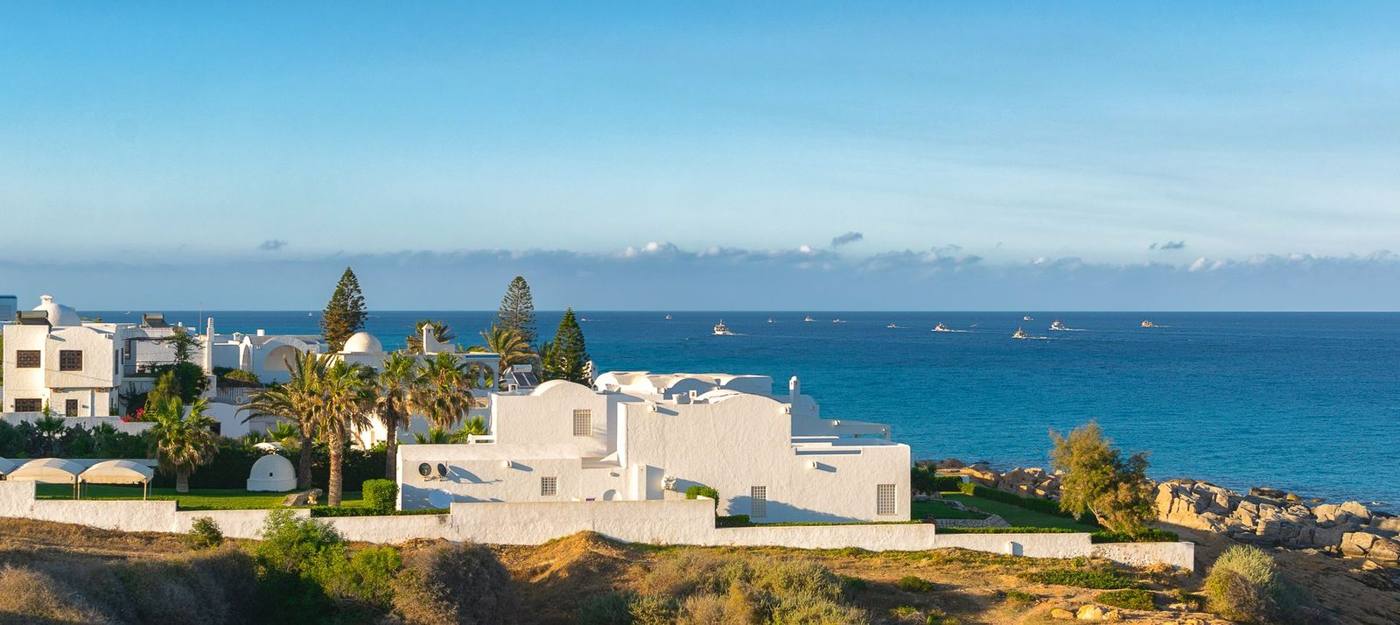 3 daysEasy
Cap Bon
The green peninsula facing Sicily: the beaches of Kelibia below the fortress, the Punic town of Kerkouane, Nabeul with its ceramics and Hammamet with its seaside medina.
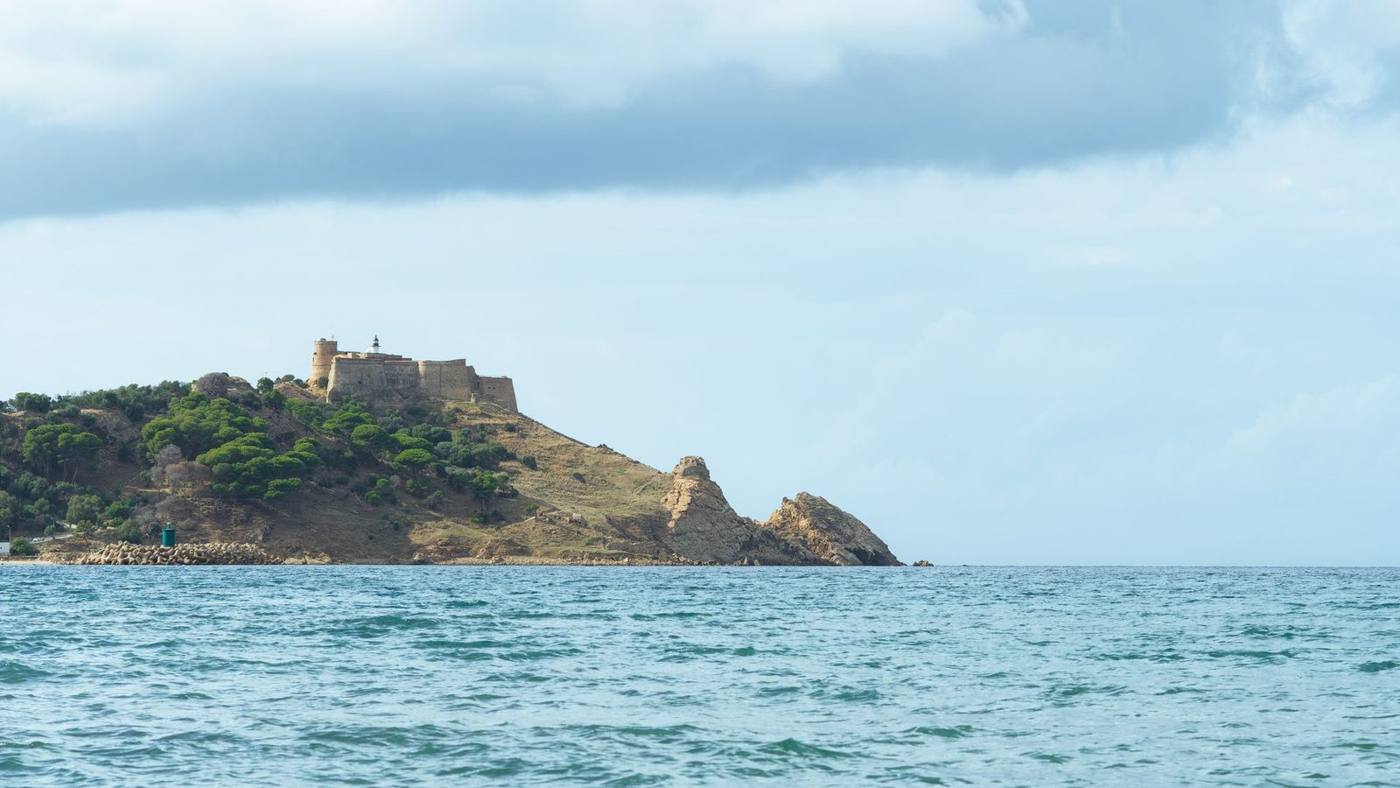 3 daysEasy
Tabarka and Aïn Draham
The coral coast and the cork-oak forests: the Genoese fort of Tabarka, diving among sea fans, the Aiguilles rocks and the cool of Aïn Draham in the hills.
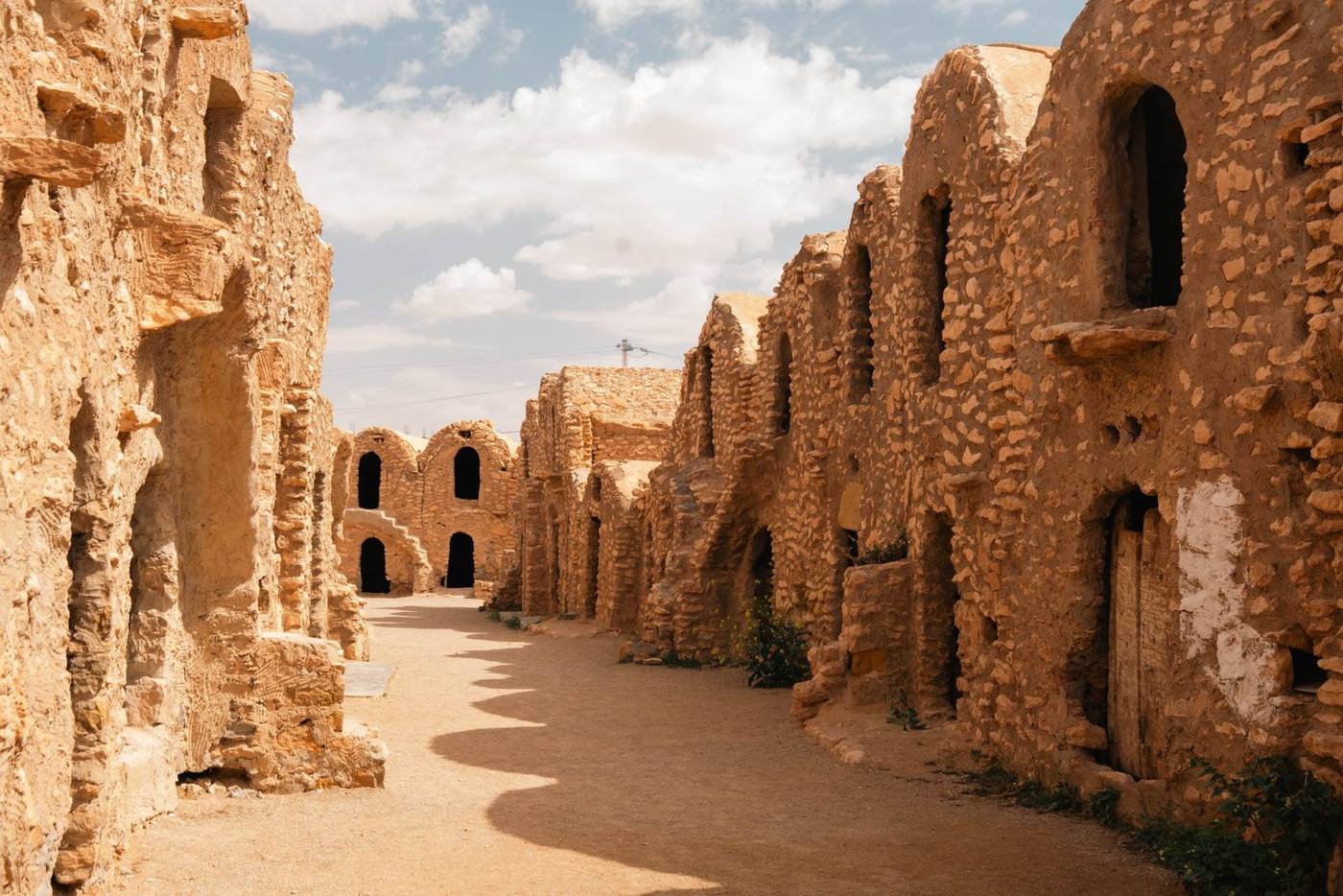 4 daysModerate
The ksour of Tataouine and Matmata
The Berber south: the troglodyte houses of Matmata, the fortified granaries of Ksar Ouled Soltane, the ridge village of Chenini and the Star Wars filming locations.