Main Ridge and Castara
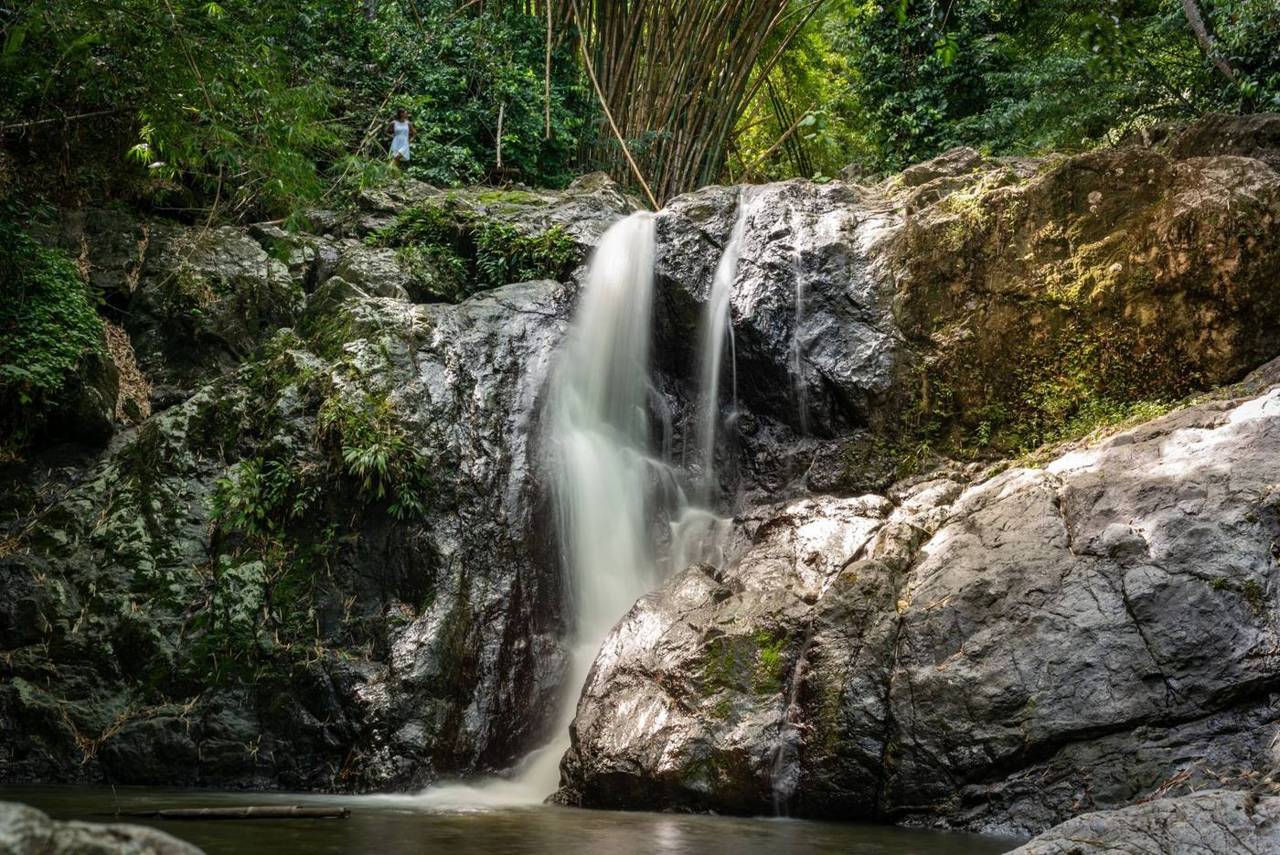
Green Tobago: the Main Ridge forest, protected since 1776, with hummingbirds and tropical birds, the Argyll waterfall and the fishing villages of Castara and Englishman's Bay.
- Castara
- Main Ridge
- Argyll Falls
- Englishman's Bay
Day by day
- Day 1
The coast road to Castara
This three-day trip takes you to the greenest side of Tobago: the Main Ridge forest, protected since 1776, with hummingbirds and tropical birds, the Argyll waterfalls and the fishing villages of Castara and Englishman's Bay, on the north coast.
Before you go: Italian citizens enter Trinidad and Tobago with a passport valid for at least six months, without a visa for stays of up to 90 days. In the 72 hours before arrival, and again before departure, fill in the Arrival/Departure Card online on the official portal travel.gov.tt. Other nationalities should check their own rules. Crime is high on Trinidad, especially in Port of Spain, and security measures can change: if you change planes there use only official taxis, and check your government's travel advice before you leave. Crime is lower on Tobago, but tourists have been robbed and attacked: do not walk alone at night and leave nothing on view in the car.
You arrive at Crown Point airport, in the south-west of the island. From here take the road that climbs along the Caribbean coast to the north, through Plymouth and Moriah. The road is narrow and full of bends, among forest-covered hills and bays that open up suddenly.
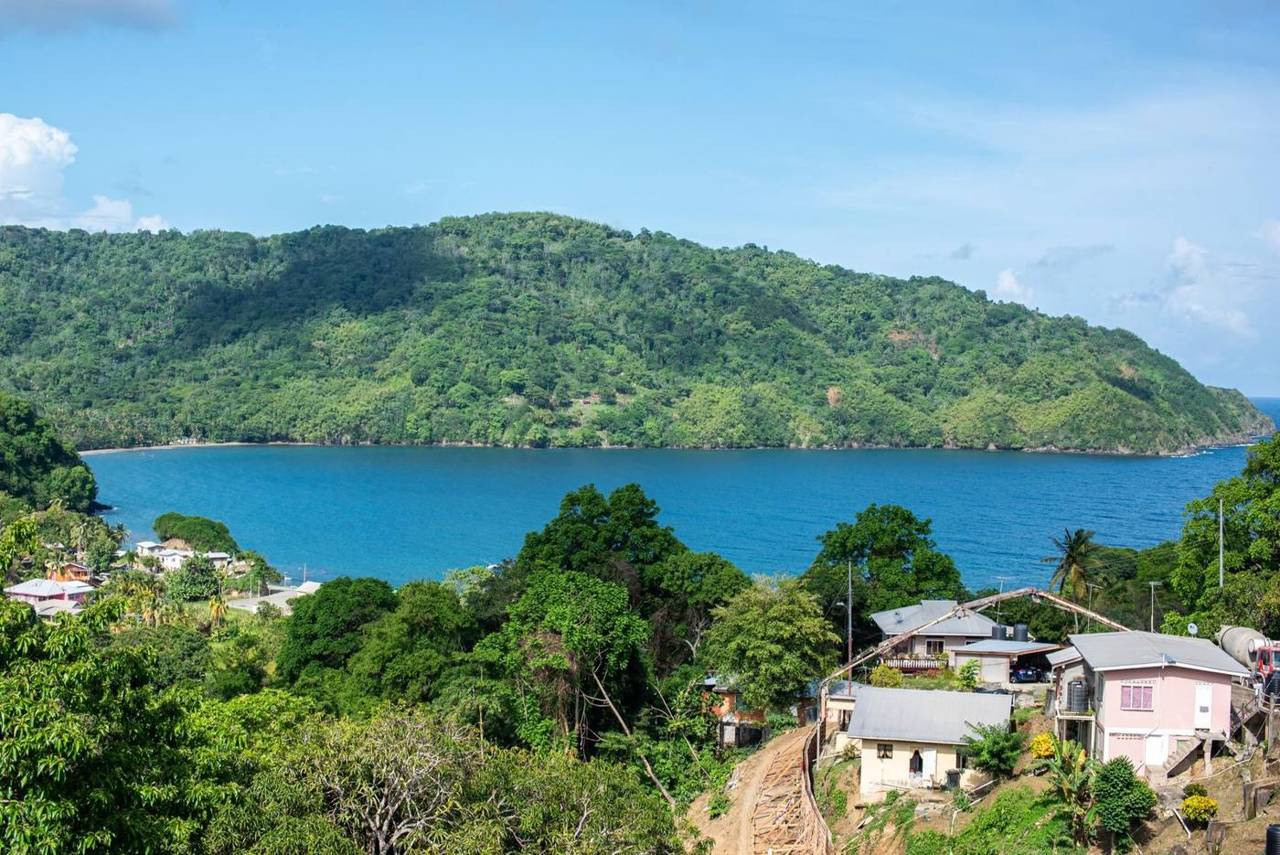
In the afternoon you reach Castara, a fishing village looking over a bay of golden sand, with colourful boats pulled up on the shore and houses on the hillside. Swim in the main bay or in the smaller Little Bay, with calm water good for snorkelling near the rocks.
At sunset, if you are lucky, watch the fishermen hauling the big net in by hand from the shore, helped by anyone passing by.
Sleep in Castara, for two nights.
Practical tip: on Tobago you drive on the left; on mountain roads go slowly, sound your horn before blind bends and do not drive at night.
- Day 2
Gilpin Trace in the Main Ridge
Today you walk in the rainforest of the Main Ridge, the chain of hills that runs across Tobago.
The Main Ridge Forest Reserve was protected in 1776 to safeguard the island's rainfall and springs, and is considered one of the oldest legally protected forest areas in the world. Today it is part of the UNESCO biosphere reserve of north-east Tobago.
Leave early and drive up the road that crosses the forest between Roxborough and Parlatuvier. At the start of the Gilpin Trace trail you find local guides: going with a guide is advisable, because they know the bird calls and where to look. If the trail is muddy, you may find rubber boots to hire.
The trail goes under very tall trees, tree ferns and palms, with small streams and a waterfall hidden in the forest. Look for hummingbirds, including the large white-tailed sabrewing, the motmot with its long racket-shaped tail, trogons and the manakin, a small black bird with a blue back. Listen too for the cocrico, the symbol bird of Tobago, with its noisy call.
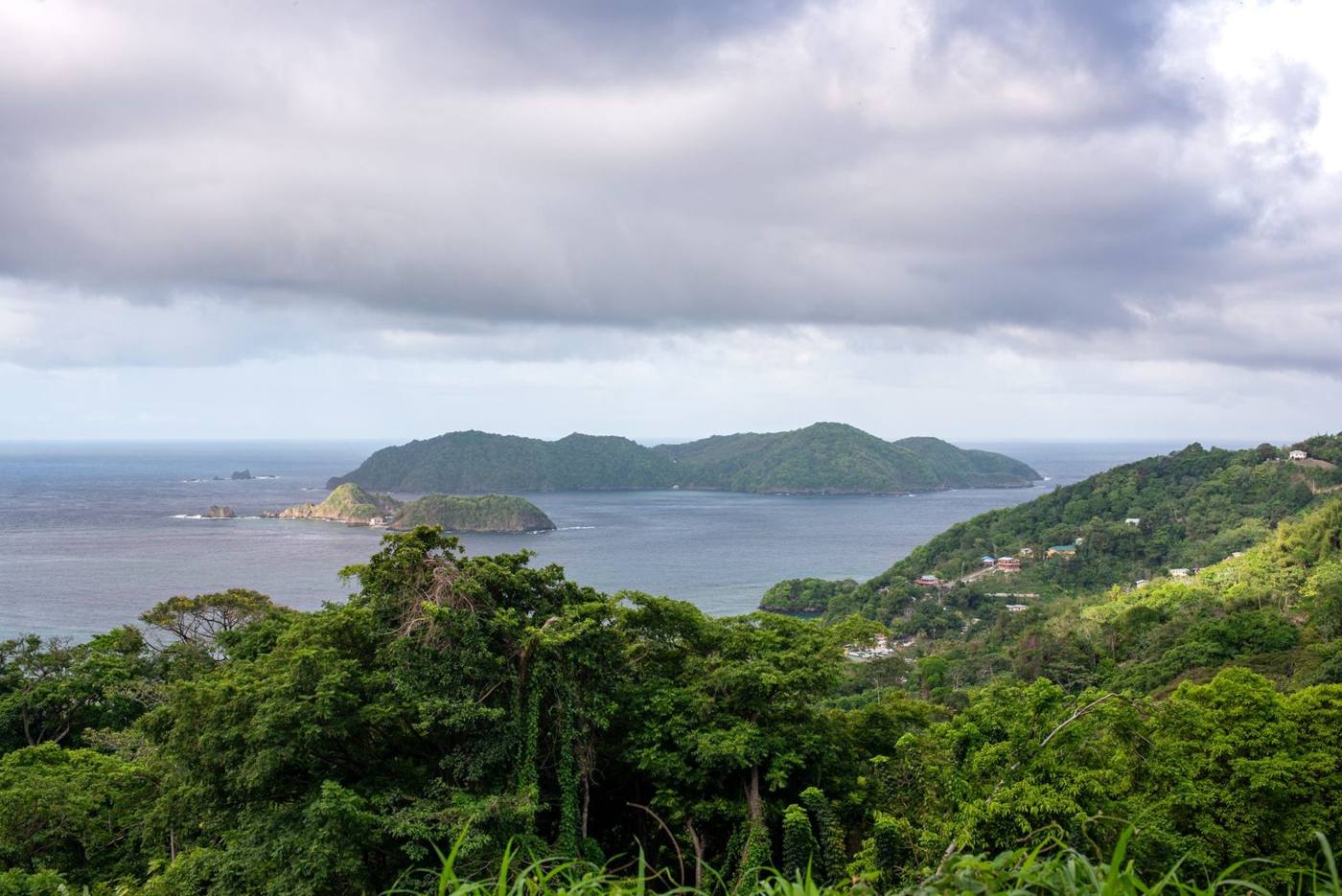
Stop at the viewpoint on the road, with the view over the north coast and the islands offshore.
In the afternoon go back to Castara and rest on the beach.
Sleep in Castara.
Practical tip: after rain the trail is very slippery; wear shoes with a good sole and bring a light waterproof jacket.
- Day 3
Englishman's Bay and the Argyll waterfalls
Today, on the last day, you see one of the most beautiful beaches in the Caribbean and the highest waterfalls on Tobago.
In the morning go to Englishman's Bay, a few kilometres east of Castara: a crescent bay of golden sand, enclosed by forest running down to the beach, without buildings, with calm, clear water. Swim and snorkel near the rocks. The beach is often almost empty: do not leave belongings unattended.
Then cross the Main Ridge on the mountain road and go down to the Atlantic coast as far as Roxborough. A little further on, at the entrance to the Argyll waterfalls, you find local guides. A trail of about a quarter of an hour through the forest leads to the waterfall, which drops in several steps into a green gorge. With the guide you can climb to the higher levels, where there are pools for swimming. Check prices and times.
In the afternoon head back to the south-west, along the Atlantic coast and through Scarborough, to Crown Point airport.
In these three days you have seen green Tobago: the coast road, the fishing village of Castara, the Main Ridge forest with the hummingbirds on the Gilpin Trace, the bay at Englishman's Bay and the Argyll waterfalls.
When to go: from January to May, in the dry season, with less muddy trails and a calm sea. From June to November it rains more and it is hurricane season.
Practical tip: at the waterfalls choose only the official guides at the entrance and agree the price before you set off.
Tobago only: the United States advises reconsidering travel to Trinidad and Tobago because of crime and the 2026 state of emergency; Tobago has less crime. Muddy trails after rain, a guide is advised.
Before you go
- Documents and visa
- Passport valid for at least six months; Italian citizens do not need a visa for stays of up to 90 days. In the 72 hours before arrival and before departure fill in the Arrival/Departure Card online on the official portal travel.gov.tt.
- Health and vaccines
- No compulsory vaccinations. The yellow fever vaccine is recommended only for people going to the dense forests of Trinidad, not for those staying on Tobago. Dengue and Zika are present, especially in the rainy season: use repellent. Private clinics are good but expensive: you need insurance with medical costs and repatriation. Police: 999; ambulance: 990.
- Money and payments
- Trinidad and Tobago dollar. US dollars are accepted; Visa and Mastercard work in most lodgings, restaurants and shops. Use well-lit ATMs, in daylight.
- Power sockets
- Types A and B, 115 volts: you need an adapter for American plugs; check that your devices accept 100 to 240 volts.
- Time zone
- UTC-4 all year.
- Safety
- Violent crime is high on Trinidad, especially in Port of Spain, with armed robbery, including against foreigners; take particular care in Laventille, Morvant, Barataria, Beetham and downtown Port of Spain, and on the road from Piarco airport. Crime is lower on Tobago, but tourists have been robbed and attacked. Special security measures can change: check before you leave. Use only official taxis, do not walk alone at night or on deserted beaches, and avoid demonstrations. Tropical storms can cause floods and landslides. Official advice: GOV.UK.
Information checked in November 2026 for Italian and EU citizens. Rules change: always check before you travel.
Variations
Shorter: two days, with Castara and the Gilpin Trace.
Longer: add two days in Speyside, with diving and the islet of Little Tobago.
Frequently asked questions
Do you need a guide for the Gilpin Trace?
It is advisable. Local guides know the birds and the trail, and at the start of the path you can often hire rubber boots too.
Is it easy to drive on Tobago?
You drive on the left, and the roads in the north are narrow and full of bends. Drive by day and calmly.
Which birds can you see in the Main Ridge?
Hummingbirds, motmots, trogons, manakins and the cocrico, the symbol bird of Tobago. The early morning hours are the best.
Indicative itinerary written by World Atlas. Before booking, check timetables, seasonal openings, documents and safety.
 3 daysModerate
Speyside and Little Tobago
Tobago's north-eastern tip: drift dives full of life, giant brain corals, manta rays at certain times and the islet of Little Tobago with its seabirds.
 2 daysEasy
The turtles of Tobago
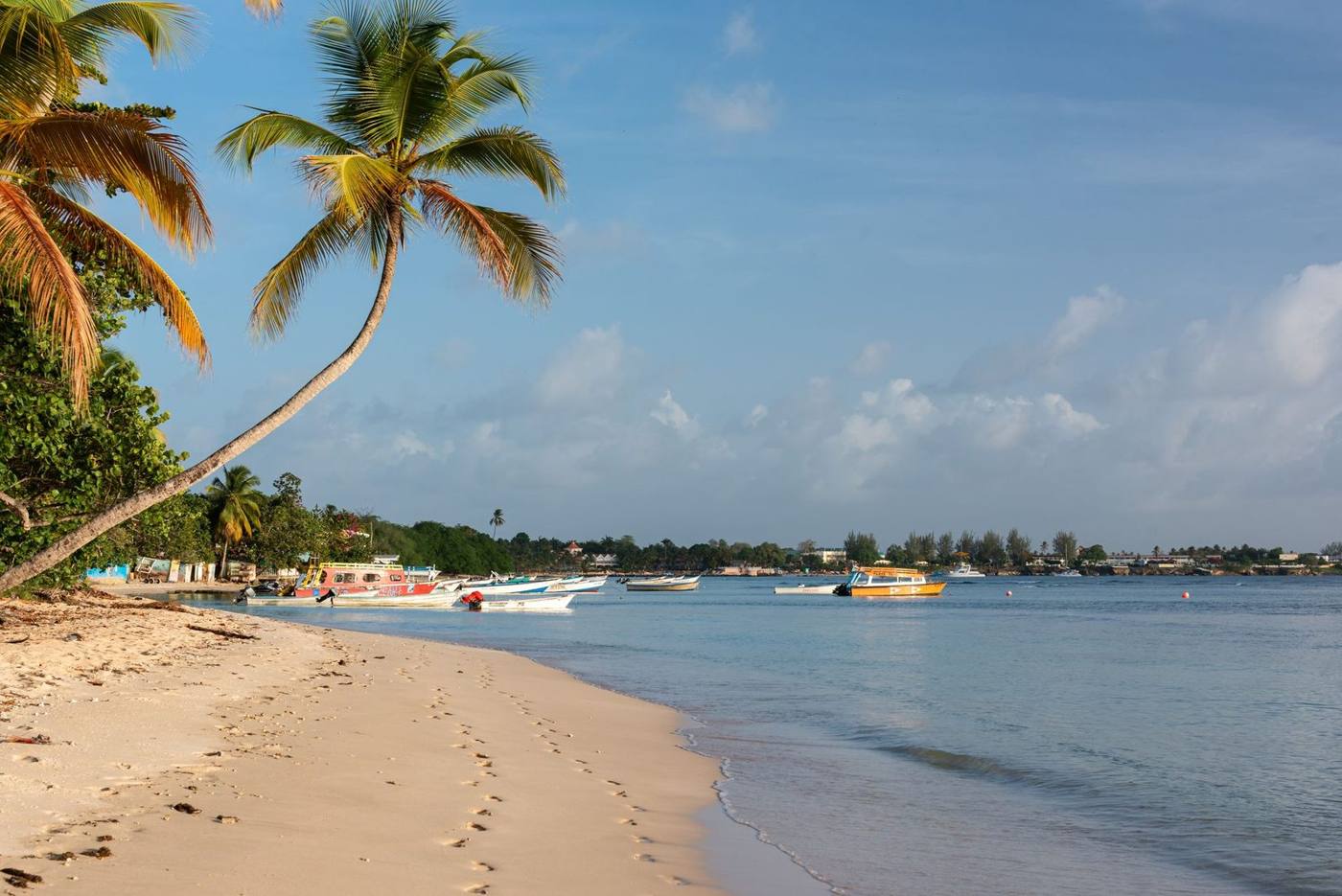
Leatherback turtle nesting nights on the beaches of Turtle Beach and Grafton, with local guides, and days at Pigeon Point and the Nylon Pool.
 6 daysEasy
Tobago
The western hemisphere's oldest protected forest, the beaches of Pigeon Point and Englishman's Bay, Buccoo Reef and Speyside with its mantas.