Bangkok and the Gulf of Thailand Islands
Three days in the capital, then Ko Samui, Ang Thong Marine Park, Koh Phangan and the reefs of Koh Tao, on the side of Thailand that copes best with summer.
- Bangkok
- Damnoen Saduak
- Ko Samui
- Ang Thong Marine Park
- Koh Phangan
- Koh Tao
Day by day
- Day 1
Flight to Bangkok
This trip combines Thailand's capital with the islands of the Gulf of Thailand, on the eastern side of the peninsula: Ko Samui, the Ang Thong marine park, Koh Phangan and Koh Tao. It is the ideal beach trip for the months when it rains most on the Andaman Sea.
Before you go: Italian citizens do not need a visa for tourist stays in Thailand of up to 30 days, with a passport valid for at least six months; in the three days before arrival you must fill in the Thailand Digital Arrival Card, called TDAC, online. Other nationalities should check their own rules.
Today you fly from Italy to Bangkok, usually with a stop in the Gulf or in Europe. The journey takes between 12 and 16 hours. Thailand is six hours ahead of Italy in winter and five in summer.
You arrive at Suvarnabhumi, Bangkok's main airport, often in the evening. To reach the centre take the airport rail link and then the elevated metro, or an official taxi from the rank on the arrivals floor, with the meter on.
In the evening, if you are still awake, take a walk near your accommodation and try the street food: pad thai, stir fried noodles with egg, bean sprouts and peanuts, or chicken rice.
Sleep in Bangkok, for two nights.
Practical tip: in Bangkok choose accommodation near an elevated metro station or the river. Traffic is very slow and this way you get around much faster. Keep small notes for street food and boats, as change is not always available.
- Day 2
Bangkok, the Grand Palace and Wat Pho
Today you discover Bangkok's great monuments.
Early in the morning go to the Grand Palace, the residence of the kings of Siam since 1782. Inside the complex is Wat Phra Kaew, the most sacred temple in Thailand, which houses the Emerald Buddha, a small green jade statue dressed in golden robes that the king changes each season. Around it are golden stupas, statues of guardian demons and a long gallery painted with the story of the Ramakien, the Thai version of the Ramayana. Respectful dress is required: shoulders and knees covered. Check opening times and tickets.
Then walk to Wat Pho, a few minutes away, with the Reclining Buddha, 46 metres long, covered in gold, with the soles of its feet inlaid with mother of pearl. Wat Pho is also home to the traditional school of Thai massage. Check prices and opening times.
In the afternoon take the small ferry across the Chao Phraya river to Wat Arun, the Temple of Dawn, with its towers covered in coloured ceramic and porcelain. You climb very steep steps to the terrace.
In the evening return to the river and take the public boat, the cheapest and most pleasant way to see the city lit up. Then have dinner in Chinatown, on Yaowarat road, full of food stalls.
Sleep in Bangkok.
Practical tip: near the temples someone may tell you the temple is closed and offer you a tuk-tuk ride. It is a scam: always go straight to the entrance.
- Day 3
The markets outside Bangkok
Today you leave the city to see two famous markets.
Early in the morning set off for Damnoen Saduak, about two hours south west of Bangkok. It is the best known floating market: vendors in straw hats sell fruit, vegetables and cooked dishes straight from boats along the canals. Today it is very touristy, but at dawn it still keeps a little of its atmosphere. You can tour the canals by boat. Agree the price before boarding.
Then go to Maeklong, about half an hour away, where there is the railway market: stalls of fish, fruit and vegetables are set up right on the tracks. Several times a day, when the train arrives, the vendors pull back their awnings and baskets in a few seconds, the train passes slowly through the market, and then everything goes back as before. Check the train times.
In the afternoon return to Bangkok. If it is Saturday or Sunday, go to the Chatuchak weekend market, one of the largest in the world, with thousands of stalls of clothes, crafts, plants and food. Bring water: it is very hot.
In the evening, if you want a view over the city, go up to one of the rooftop terraces on the skyscrapers, or have a Thai massage to rest your legs.
Sleep in Bangkok.
Practical tip: in Bangkok the heat is strong and humid all year. Drink plenty, alternate visits with breaks in the cool and always carry an umbrella for sudden downpours. A small towel helps too.
- Day 4
Flight to Ko Samui
Today you leave the capital and reach the islands.
In the morning take the domestic flight to Ko Samui, about an hour. Samui airport is small, with thatched roofs and tropical gardens. Alternatively, to save money, you can fly to Surat Thani and take the ferry, but it takes many more hours.
Ko Samui is the second largest island in Thailand, in the Gulf of Thailand, with white sand beaches, coconut palms and jungle covered hills inland. It once lived on coconuts; today it is a beach destination with plenty of accommodation, but it still has quiet corners.
In the afternoon settle in and relax on the beach. Choose your area according to what you are looking for: Chaweng is the longest and liveliest beach, Lamai is quieter, and the north coast around Bophut and Maenam is calmer, good for families.
In the evening walk along the beach at sunset and have dinner with fresh grilled fish or a green curry, cooked in coconut milk with Thai basil.
Sleep on Ko Samui, for four nights.
Practical tip: the best period for the Gulf of Thailand is from January to August. From October to December the north east monsoon arrives, with heavy rain and rough seas. It is the opposite of the Andaman Sea, so choose the coast according to the month.
- Day 5
Around Samui island
Today you make a full tour of the island.
In the morning hire a scooter or a car, or use the songthaews, small trucks with two benches in the back that serve as buses. The ring road around the island is about 50 kilometres long.
Start in the north east with the Big Buddha, a golden statue 12 metres high on an islet linked by a causeway, and the nearby temple of Wat Plai Laem, with a white statue of a many armed deity above a lake. Then head south towards Lamai, where there are the Hin Ta and Hin Yai rocks, two granite formations with a very curious shape, famous all over the island.
In the afternoon go inland to the Na Muang waterfall, on two levels in the forest: the first is close to the road, the second is reached by a path of about half an hour. In some pools you can swim. On the way, stop at one of the country temples, quieter than the famous ones.
In the evening, if it is Friday, go to the Bophut fishermen's village, with its old Chinese wooden houses by the sea, when the street becomes a big night market with food, music and crafts. On other days the village is still pleasant for dinner by the sea.
Sleep on Ko Samui.
Practical tip: ride a scooter only if you have a valid motorcycle licence and always wear a helmet. Accidents are common and insurance often does not cover riders without a licence.
- Day 6
Samui beaches and relaxation
Today is a slow beach day.
In the morning choose a quieter beach than the one by your accommodation. In the south west there are little visited beaches, with shallow water and sunsets over the sea; in the north, Choeng Mon has a small sheltered bay, good for swimming. Bring a mask and snorkel: near the rocks you see colourful fish.
If you prefer something active, take a half day Thai cooking class. You usually start at the market to buy the ingredients, such as herbs, lemongrass, galangal and chillies, and then cook three or four dishes, such as tom yum soup, a curry and pad thai. It is one of the most useful souvenirs to take home.
In the afternoon relax on the beach or have a Thai massage in the shade. Samui also has many yoga classes.
In the evening, if you want to see a traditional sport, you can watch a muay thai bout, Thai boxing, fought with fists, elbows, knees and kicks. Check days and times.
Sleep on Ko Samui.
Practical tip: there are jellyfish in the Gulf of Thailand, some dangerous, especially in the rainy season. Many beaches have bottles of vinegar for stings: ask for information and, if there is a red flag, do not go in the water. A light rash vest gives some protection while snorkelling.
- Day 7
The Ang Thong marine park
Today you spend a day by boat in the finest marine park in the gulf.
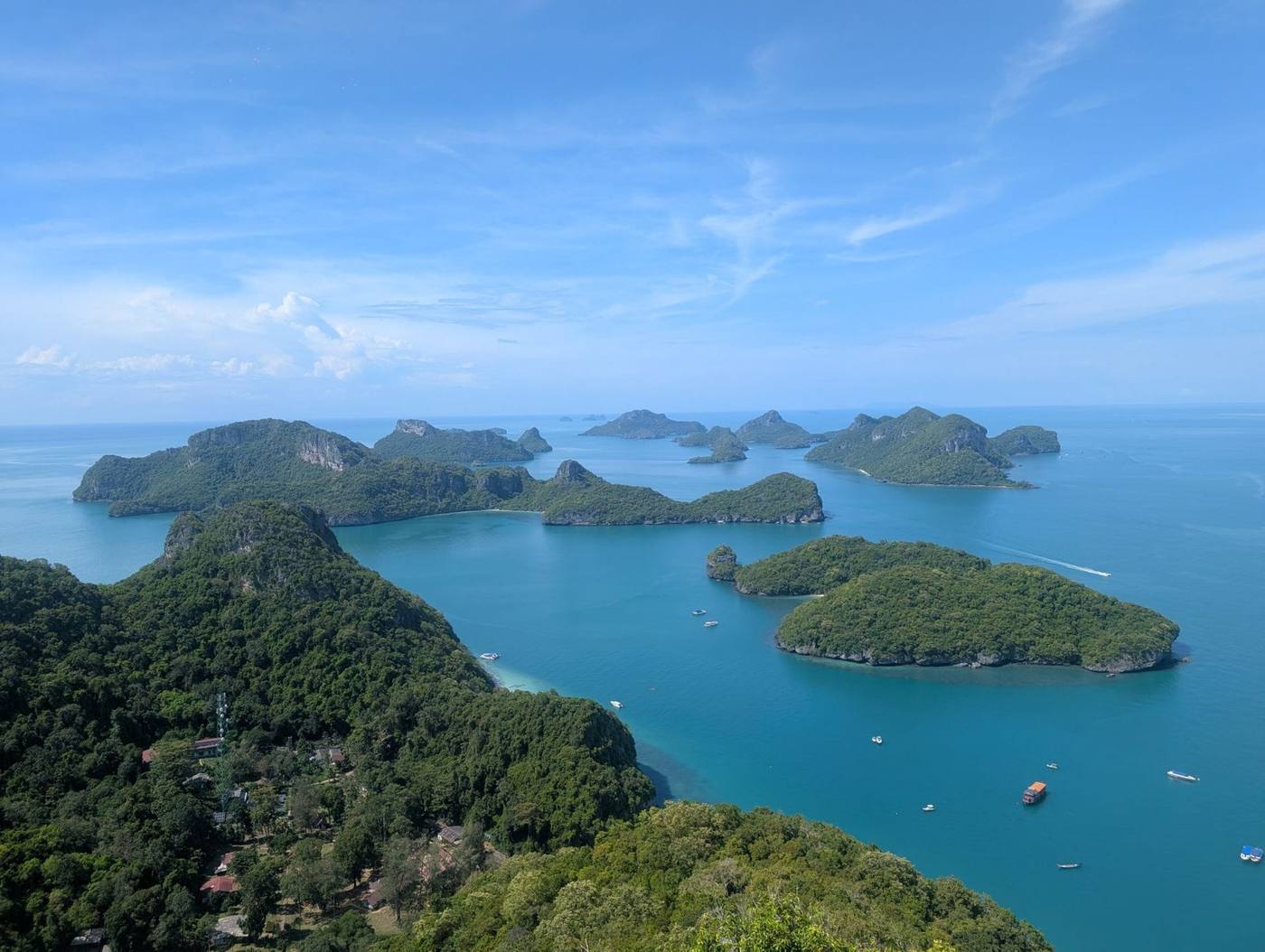
In the morning leave Samui harbour for Ang Thong National Marine Park, an archipelago of more than forty limestone islands and islets, covered in jungle, with cliffs plunging into the sea, caves and white sand beaches. The boat trip takes about an hour and a half. You go on organised excursions: check prices, times and whether park entry is included.
The day usually includes a kayak trip among the sea stacks and into small lagoons, and snorkelling near the rocks. Then you land on the island of Koh Wua Talab, where the park headquarters is: from here you climb to the viewpoint, a short but very steep path, with ropes and steps in the rock, about half an hour up. From the top you see the whole archipelago, one of the most famous views in Thailand.
In the afternoon many excursions stop at Koh Mae Ko, where a staircase leads to a viewpoint over Thale Nai, an emerald green saltwater lake inside the island, enclosed by rock walls and linked to the sea by underground tunnels.
In the evening you return to Samui tired and happy.
Sleep on Ko Samui.
Practical tip: for the climb to the viewpoint you need closed shoes with a good sole, not flip flops. Bring water: there is no shade at the top and the rock is sharp.
- Day 8
Ferry to Koh Phangan
Today you reach the neighbouring island, which is wilder.
In the morning take the ferry or speedboat to Koh Phangan, half an hour to an hour depending on the pier and the boat. Check times and prices.
Koh Phangan is famous for the full moon party, held every month on Haad Rin beach, at the southern tip, with thousands of young people. But the rest of the island is quiet: forests inland, waterfalls, small bays and fishing villages. The north and west coasts are the calmest.
In the afternoon settle into your accommodation. If you can, choose the north or north west coast, such as Haad Salad, Haad Yao or Mae Haad. At Mae Haad, at low tide, a sandbar links the beach to the islet of Koh Ma, where you can snorkel among the corals.
In the evening watch the sunset from the west coast, where the sun sinks into the sea behind the Ang Thong islands.
Sleep on Koh Phangan, for two nights.
Practical tip: anyone who wants the full moon party can find the dates in advance; on those days accommodation costs much more and fills up early. If it does not interest you, avoid that period or stay away from Haad Rin. At the parties be careful with drinks and substances: Thai drug laws are very strict.
- Day 9
Thong Nai Pan and Bottle Beach
Today you go to Phangan's most beautiful and isolated beaches.
In the morning go to Thong Nai Pan, on the north east coast, two crescent shaped bays with pale sand and forested hills. The road is paved but very steep, with sharp climbs and descents: if you are not an experienced scooter rider, take a taxi or songthaew.
Then take a small boat from the village of Chaloklum to Bottle Beach, Haad Khuat in Thai, an isolated bay on the north coast, reached only by boat or by a mountain path. The water is calm and clear, and all around there is only jungle. Check boat times and prices.
In the afternoon, if you like walking, follow the path above Bottle Beach to the viewpoint over the bay, about twenty minutes uphill. Or visit the Phaeng waterfall, in Than Sadet National Park, with a forest path to a viewpoint over the island.
In the evening return to your accommodation and have a southern dish for dinner, such as massaman curry, sweeter, with potatoes and peanuts, influenced by Muslim cooking.
Sleep on Koh Phangan.
Practical tip: between November and January the east and north coasts of Phangan get rough seas and the boats to Bottle Beach may not run. Always ask the day before. On those days the west coast beaches are usually calmer.
- Day 10
Koh Tao, optional
Today is a day on Koh Tao, the small diving island.
In the morning take the speedboat to Koh Tao, about an hour, or join an organised day trip. Koh Tao is a small rocky island with bays full of coral, and it is one of the places in the world where most diving certifications are issued each year, thanks to the calm sea, warm water and low prices.
If you want to try, do a one day trial dive or start a course for your first certification, which usually takes three or four days. Check prices and the reliability of the centre, with certified instructors and well maintained equipment. You see clownfish, turtles, rays and, with luck, the whale shark, which passes through the waters of the gulf in some months.
If you prefer snorkelling, go to Koh Nang Yuan, three islets joined by strips of white sand, a few minutes by boat from Koh Tao. Climb to the viewpoint for the island's most famous photo. Access is paid and there are rules to protect the corals, such as a ban on bringing plastic: check prices and rules.
In the evening return to Koh Phangan or, if you are continuing the course, stay on Koh Tao.
Sleep on Koh Phangan or Koh Tao.
Practical tip: do not dive in the 24 hours before a flight. If you dive, plan your Koh Tao day at least one day before departure.
- Day 11
Back to Samui and flight to Bangkok
Today you leave the islands.
In the morning take the ferry or speedboat to Ko Samui. Check the times and allow a wide margin before your flight, because in rough seas boats can be delayed or cancelled.
If you have a few hours on Samui before your flight, relax on a beach near the airport, such as Bangrak, near the Big Buddha, or buy a souvenir in the shops of the fishermen's village.
In the afternoon take the flight to Bangkok, about an hour.
In the evening, in Bangkok, choose a different district from your first days. You can have dinner at the city's night markets, with street food, music and stalls, or take a boat trip on the river at sunset.
If you still have energy, visit the area around Khao San Road, the backpackers' street, with food stalls, bars and music until late, or the quieter Banglamphu district, with old houses and the Phra Sumen fort on the river.
Sleep in Bangkok.
Practical tip: for your last night choose accommodation convenient for Suvarnabhumi airport, near the rail link line. On the morning of departure Bangkok traffic can be very slow. Pack the night before, so the morning is calm.
- Day 12
Return to Italy
Today you leave Thailand.
In the morning, if your flight leaves late, make a last visit in Bangkok. You can see the Jim Thompson House, home of an American who revived Thai silk in the 1950s and 1960s: his house is made of six old traditional wooden houses, with a tropical garden and a collection of Asian art. Check opening times and tickets. Or stroll in Lumphini Park, where in the morning people do tai chi and large water monitors live.
Then go to Suvarnabhumi airport on the rail link. Arrive at least three hours before an international flight.
Over these days you have seen the capital with its golden temples and markets, the beaches of Samui, the Ang Thong marine park, the nature of Koh Phangan and the sea at Koh Tao.
When to go: for the Gulf of Thailand the best months are from January to August, with calm seas and little rain. From October to December it rains a lot. In Bangkok the most pleasant period is from November to February, when it is less hot; April is the hottest month and coincides with Songkran, the Thai new year, with great water fights in the streets.
Practical tip: in Thailand the king and the royal family are deeply respected and the law severely punishes insults. Make no comments and treat royal images and banknotes, which carry the king's portrait, with respect.
This is the best beach trip for anyone who can only travel in summer, when the Andaman coast is under the rain. Ang Thong is the best day, Koh Tao the best underwater. The drawback is that Samui, and Chaweng in particular, is heavily built up: sleep in Bophut or on the south coast. With AnM, the domestic flight to Samui instead of Krabi carries a supplement.
Before you go
- Documents and visa
- Passport valid for at least six months. Since 15 September 2026 many nationalities, including most EU citizens, enter without a visa for tourism for up to 30 days. Before each entry, within the three days beforehand, the no-cost Thailand Digital Arrival Card (TDAC) must be completed online on the official website.
- Health and vaccines
- No vaccines required arriving from Europe; ask your doctor about hepatitis A and typhoid. Dengue is present: use repellent. Do not drink tap water. Health insurance recommended. Emergencies: 191 police, 1669 ambulance, 1155 tourist police.
- Money and payments
- Baht. Cards accepted in cities and hotels; markets and small places need cash. ATMs charge a flat fee for withdrawals with foreign cards.
- Power sockets
- Types A, B, C and O, 220 volts: bring a universal adapter.
- Time zone
- UTC+7, no daylight saving time.
- Safety
- A safe country for travellers. Avoid the southernmost provinces near Malaysia and the border strip with Cambodia. Beware of tuk-tuk and gem scams, and of scooter traffic. Official advice: GOV.UK.
Information checked in November 2026 for Italian and EU citizens. Rules change: always check before you travel.
Variations
In 9 days: two days in Bangkok and then only Ko Samui with the Ang Thong park, flying back from Samui.
In 16 days: add Ayutthaya from Bangkok and three nights on Koh Tao to finish a diving course without rushing.
Frequently asked questions
What document do I need for Thailand?
Italian citizens do not need a visa for tourist stays of up to 30 days, with a passport valid for at least six months. In the three days before arrival you must fill in the TDAC online. Other nationalities should check their own rules.
When is the Gulf of Thailand best?
From January to August, with calm seas. From October to December the north east monsoon brings heavy rain and rough seas. In those months the Andaman Sea, on the other side of the peninsula, is a better choice.
Do I need experience for Ang Thong and Koh Tao?
No. Kayaking and snorkelling suit everyone; the climb to the Ang Thong viewpoint is short but steep and you need closed shoes. On Koh Tao you can do a trial dive even without a certification, with certified instructors.
Indicative itinerary written by World Atlas. Before booking, check timetables, seasonal openings, documents and safety.
 17 daysModerate
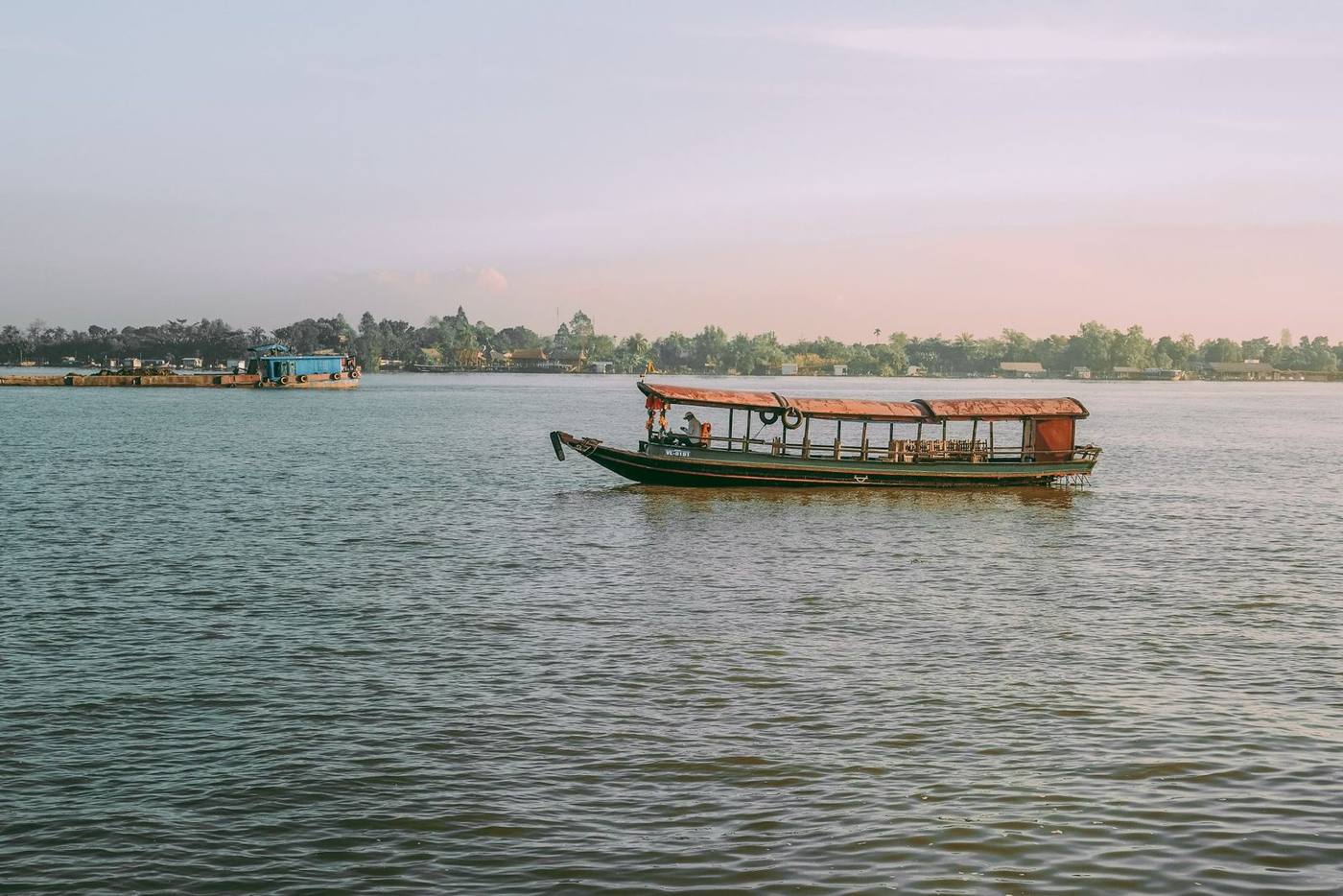
Thailand and Laos: from the Golden Triangle down the Mekong
From northern Thailand you cross the Mekong at Huay Xai, take two days of slow boat to Luang Prabang, then Vang Vieng and Vientiane, and finish with three beach days on Ko Samet.
 17 daysModerate
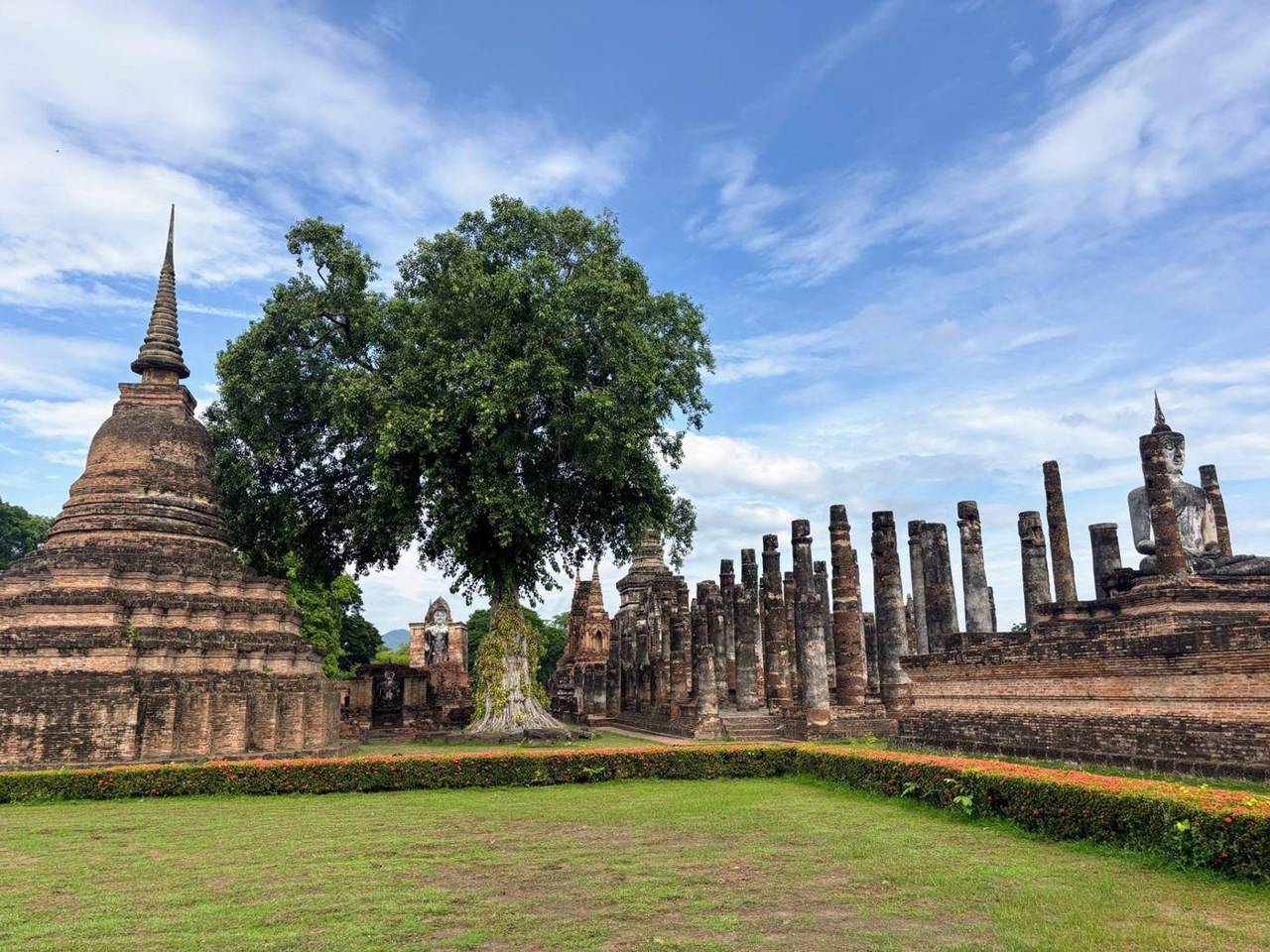
Thailand and Cambodia: from Sukhothai to Angkor
Trekking among northern hill villages, the old capitals of Siam, then the temples of Angkor, Tonle Sap lake and Phnom Penh with its Khmer Rouge memorial sites.
 11 daysEasy
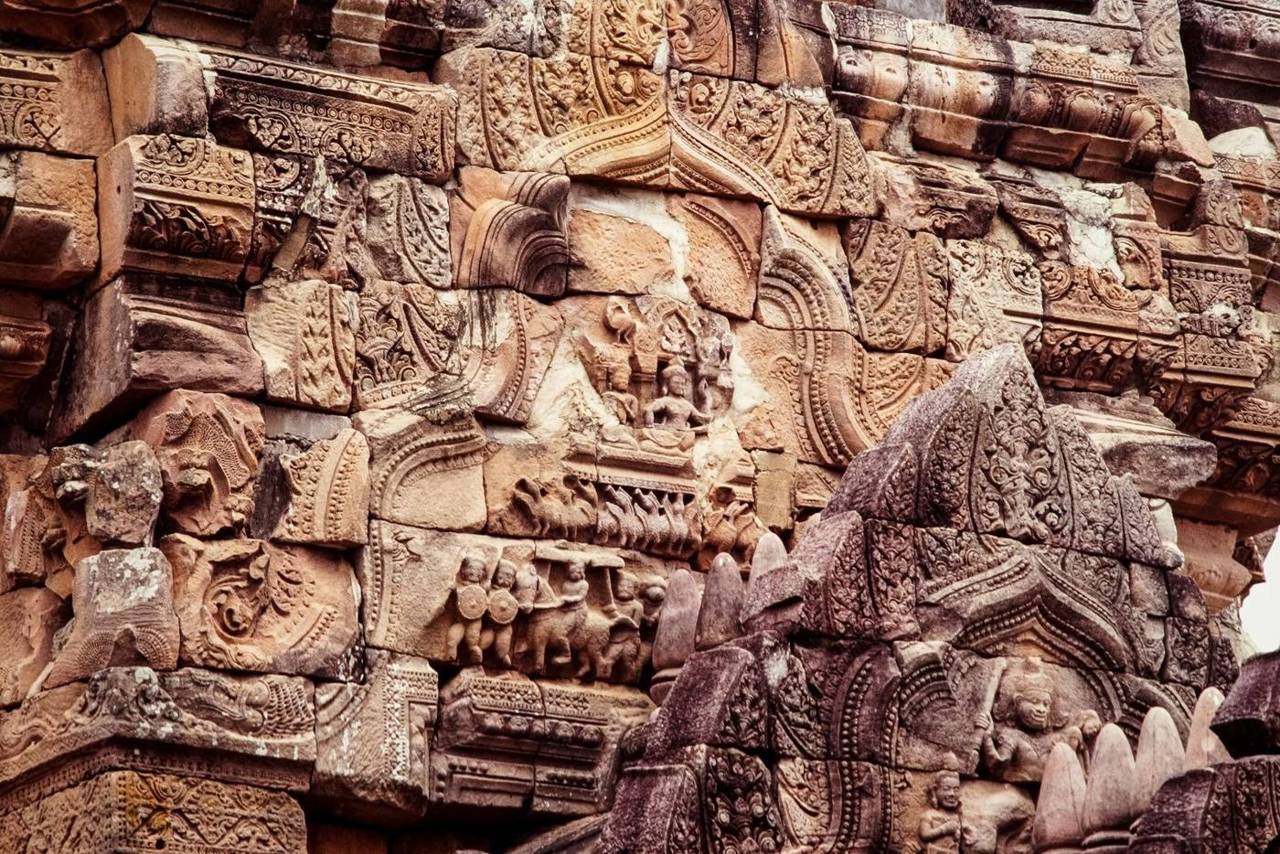
Isan: Khao Yai and the Khmer temples to the Mekong
The Thailand most visitors skip: wild elephants and hornbills in Khao Yai, the Khmer sanctuaries of Phimai and Phanom Rung, and the rock paintings of Pha Taem above the Mekong.