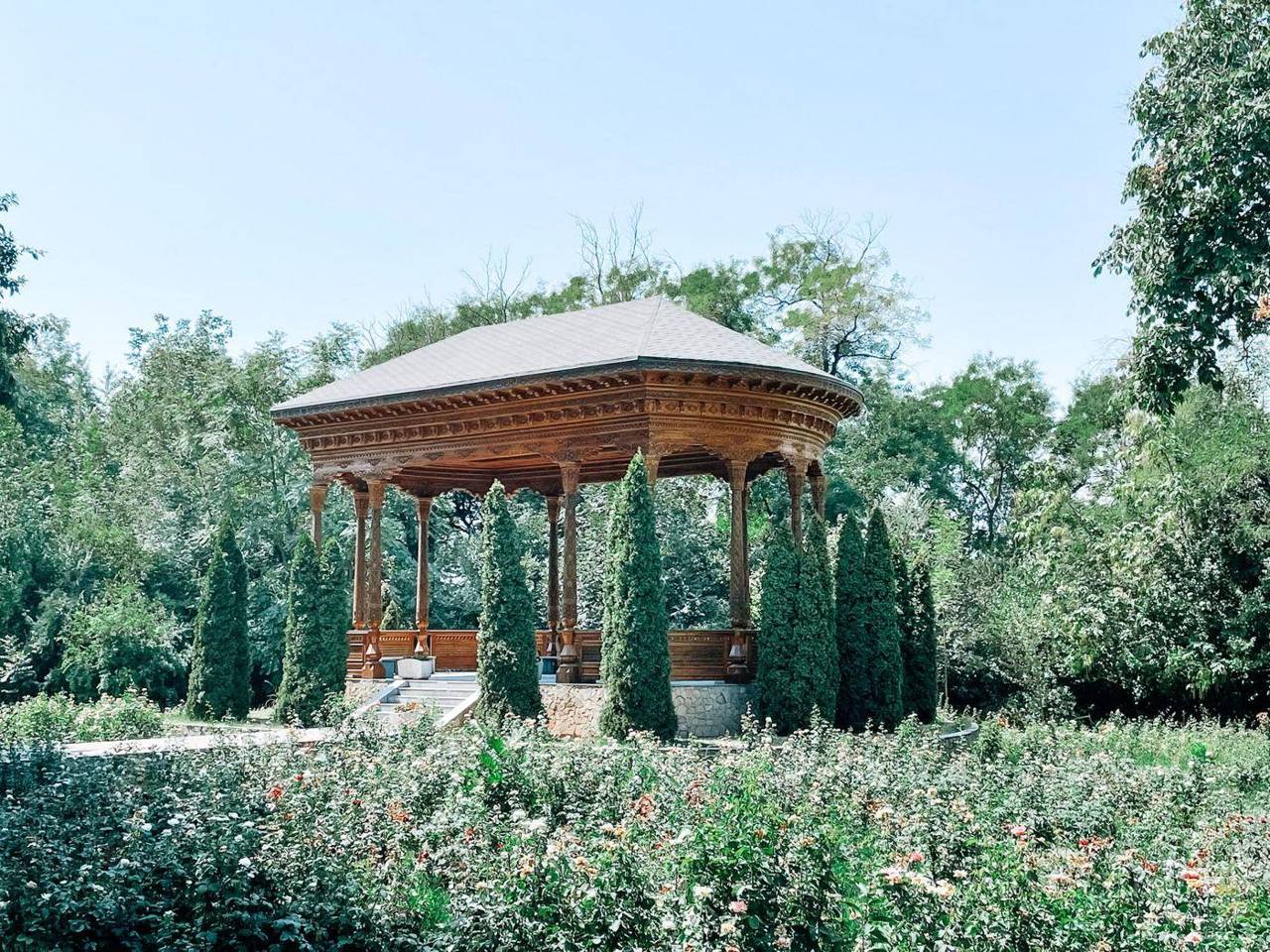
Dushanbe and Hisor
The capital with its tree-lined avenues, the national museum and the sleeping Buddha of the antiquities museum, the Mehrgon bazaar and Hisor fortress.
- Dushanbe
- Mehrgon Bazaar
- Hisor
Day by day
- Day 1
Dushanbe and the Museum of Antiquities
This three-day trip introduces you to Dushanbe, the capital of Tajikistan, a young and tidy city with tree-lined avenues, fountains and large new buildings. The name means «Monday», the day the market was held here when it was only a village. It is also the natural base for the Fan Mountains and the Pamirs.
Before you go: Italian citizens can enter Tajikistan without a visa for tourism for up to 30 days, with a passport valid for at least six months. If you stay more than 10 working days without an e-visa you must register with the immigration office; for longer trips an e-visa from the official portal is the better choice. For the Pamirs you also need a GBAO permit. Other nationalities should check their own rules. In the city do not photograph government or military buildings or the police, and avoid demonstrations.
Start at the National Museum of Antiquities, small but precious. Its most famous room holds the Sleeping Buddha of Ajina Tepa, a clay statue about thirteen metres long, found in a Buddhist monastery in the south of the country. There are also Greco-Bactrian and Sogdian objects. Check prices and times.
Then walk along Rudaki Avenue, the main street, to the square with the monument to Ismoil Somoni, the Samanid ruler seen as the father of the nation, beneath a large golden arch. Nearby is Rudaki Park, with the statue of the poet and neat flower beds.
Practical tip: carry cash in somoni, because many museums and taxis do not accept cards.
- Day 2
Mehrgon bazaar and Hisor fortress
In the morning go to Mehrgon bazaar, the city's great covered market. On the ground floor you find dried fruit, walnuts, spices and, in autumn, baskets of pomegranates; in the halls nearby there is bread, cheese and meat. It is the best place to see everyday life and to taste local sweets, such as halva and navat, crystallised sugar.
Around midday visit the National Museum of Tajikistan, the large modern building near the flag park. Its rooms tell the story of the country from archaeology to traditional costume, with a natural history section on the Pamir mountains. Check prices and times.
In the afternoon take a taxi or a car with a driver to Hisor, about half an hour west by road. The fortress stands on a hill at the foot of the mountains, and for centuries it controlled the roads of the valley. Today you see the large rebuilt brick gateway with its two towers, and in the area below the hill an old madrasa, a mausoleum and a small museum. Check prices and times.
Stay until sunset, when the light colours the walls and local families come for a stroll. Return to Dushanbe for dinner: try qurutob, layered flatbread with a yoghurt sauce, onions and vegetables, the national dish.
Practical tip: agree the price with the taxi beforehand for the outward trip, the wait and the return from Hisor.
- Day 3
A last morning in the city and departure
The last morning has no fixed plan. If you get up early, go up to Victory Park, on a hill above the city, where you can see Dushanbe and, on clear days, the mountains to the north. Then come down into the streets behind Rudaki Avenue, with low houses, courtyards with vines and small teahouses where men play backgammon.
If you like handicrafts, look for suzani, large hand embroideries with flowers and circles, and tubeteika, small embroidered skullcaps. Always ask whether a piece is handmade and bargain calmly. Before lunch you can also visit the botanical garden, cool and shady, useful when summer is very hot.
After lunch you have two options. The first is to go to the airport, close to the centre. The second is to start a journey into the mountains. For the Fan Mountains and the Seven Lakes you head north. If you are thinking of the Pamirs, be aware that the stretch of road along the Panj river follows the border with Afghanistan, an area some governments advise against: check the latest travel advice before booking.
In three days you have seen the Buddha of Ajina Tepa, Rudaki Avenue and the Somoni monument, Mehrgon bazaar, the National Museum and Hisor fortress.
When to go: from April to June and in September and October. In July and August temperatures often go above 35 degrees, and there are sometimes dust storms; in winter it is cold but the city is quiet.
Practical tip: on dusty days stay indoors and follow local advice on air quality.
A calm, orderly capital, base for the Pamirs and the Fan mountains. The e-visa is easy to get. Respect the ban on photographing government buildings.
Before you go
- Documents and visa
- Passport valid for at least six months with two blank pages. Italian citizens can enter for tourism without a visa for up to 30 days; anyone staying more than 10 working days without an e-visa must register with the immigration office. Alternatively, you can apply for an e-visa on the official Ministry of Foreign Affairs portal at least two weeks ahead. For the Gorno-Badakhshan Autonomous Region, the Pamirs, you also need a GBAO permit, requested with the e-visa or from the Ministry of Foreign Affairs, which can be suspended at short notice.
- Health and vaccines
- Check vaccines with your doctor at least eight weeks before you leave. Medical care is generally poor, and outside Dushanbe almost absent: you need insurance that covers treatment and evacuation. Altitude sickness is a risk in the mountains. Drink bottled water and wash fruit and vegetables. Ambulance: 103 from a mobile.
- Money and payments
- Tajik somoni (TJS). Cash is essential; cards work only in some Dushanbe hotels and cash machines are rare outside the cities. Bring clean, new dollar or euro notes to change.
- Power sockets
- Type C and F, 220 volts: you need an adapter for British plugs.
- Time zone
- UTC+5 all year.
- Safety
- There have been cross-border attacks and armed clashes near the Afghan border in 2025 and 2026, including in Darvoz; the United States advises reconsidering travel near that border and in Gorno-Badakhshan. There is a risk of unrest in Khorog and some roads can be closed. On the Kyrgyz border, especially near Isfara and the Vorukh enclave, there have been clashes in the past: check the situation first. Near the Afghan and Uzbek borders there are marked and unmarked minefields, so never leave roads and marked paths. Do not photograph government or military buildings. Official advice: GOV.UK.
Information checked in November 2026 for Italian and EU citizens. Rules change: always check before you travel.
Variations
In two days: the Museum of Antiquities and Rudaki Avenue, then the bazaar and Hisor.
In six days: add the Varzob gorge and the mountain resort of Safed Dara, north of the city.
Frequently asked questions
Do I need a visa for Tajikistan?
Italian citizens can enter without a visa for tourism for up to 30 days, with a passport valid for at least six months. If you stay more than 10 working days without an e-visa you must register. Other nationalities should check their own rules.
Is Dushanbe a safe city?
Generally yes, with little crime against tourists. Avoid demonstrations, do not photograph government buildings and check the travel advice, especially if you then head towards the Afghan border.
How do I get to Hisor?
By taxi or with a car and driver, in about half an hour from Dushanbe. Agree the price before you leave, including the waiting time.
Indicative itinerary written by World Atlas. Before booking, check timetables, seasonal openings, documents and safety.
 3 daysEasy
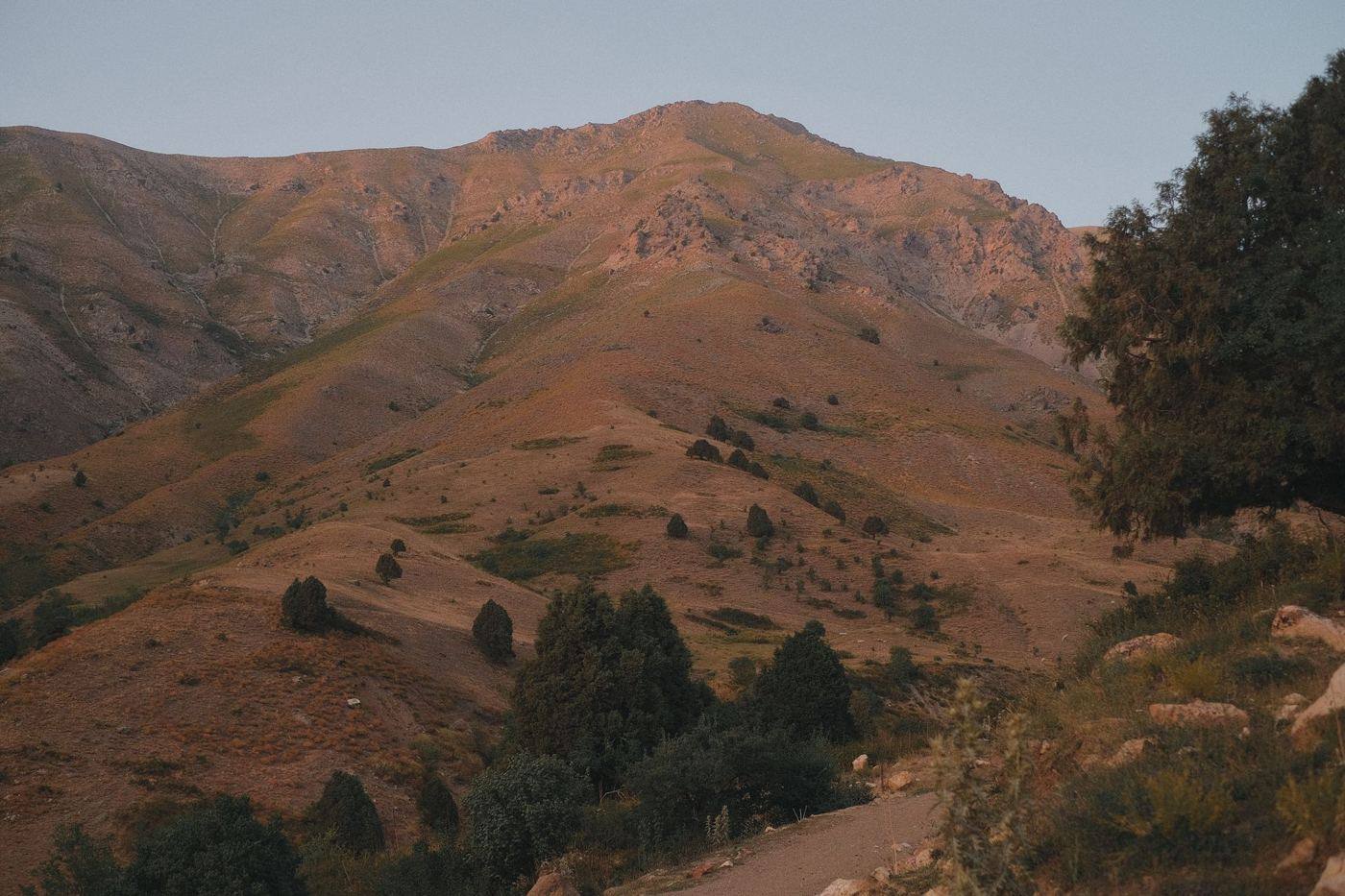
Varzob and Safed Dara
The Varzob river gorge north of Dushanbe with its waterfalls and teahouses, and the Safed Dara mountain resort, for summer walks and winter skiing.
 3 daysEasy
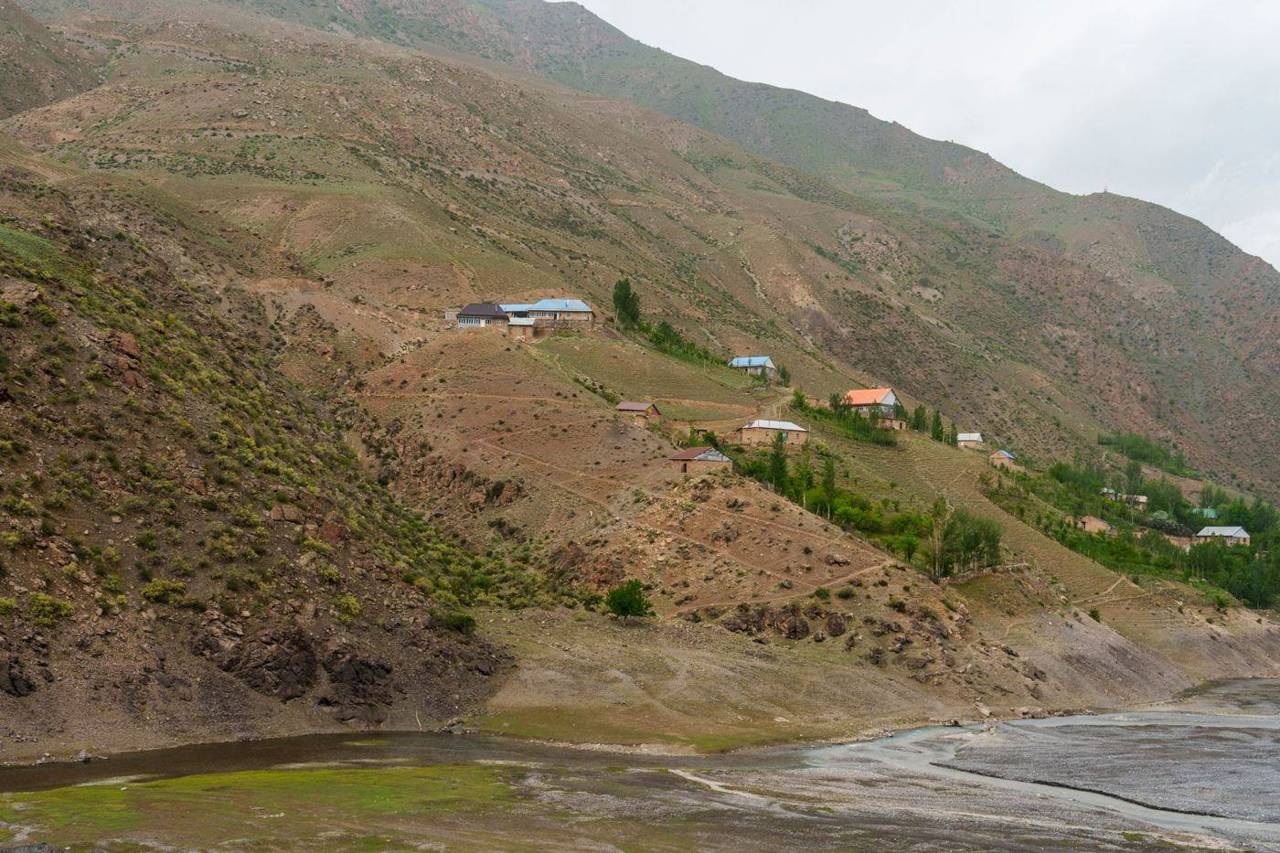
Khujand and Istaravshan
The north on the Fergana Valley: Khujand, ancient Alexandria Eschate, with the Panjshanbe bazaar and fortress, and Istaravshan with its blacksmiths and mosques.
 2 daysEasy
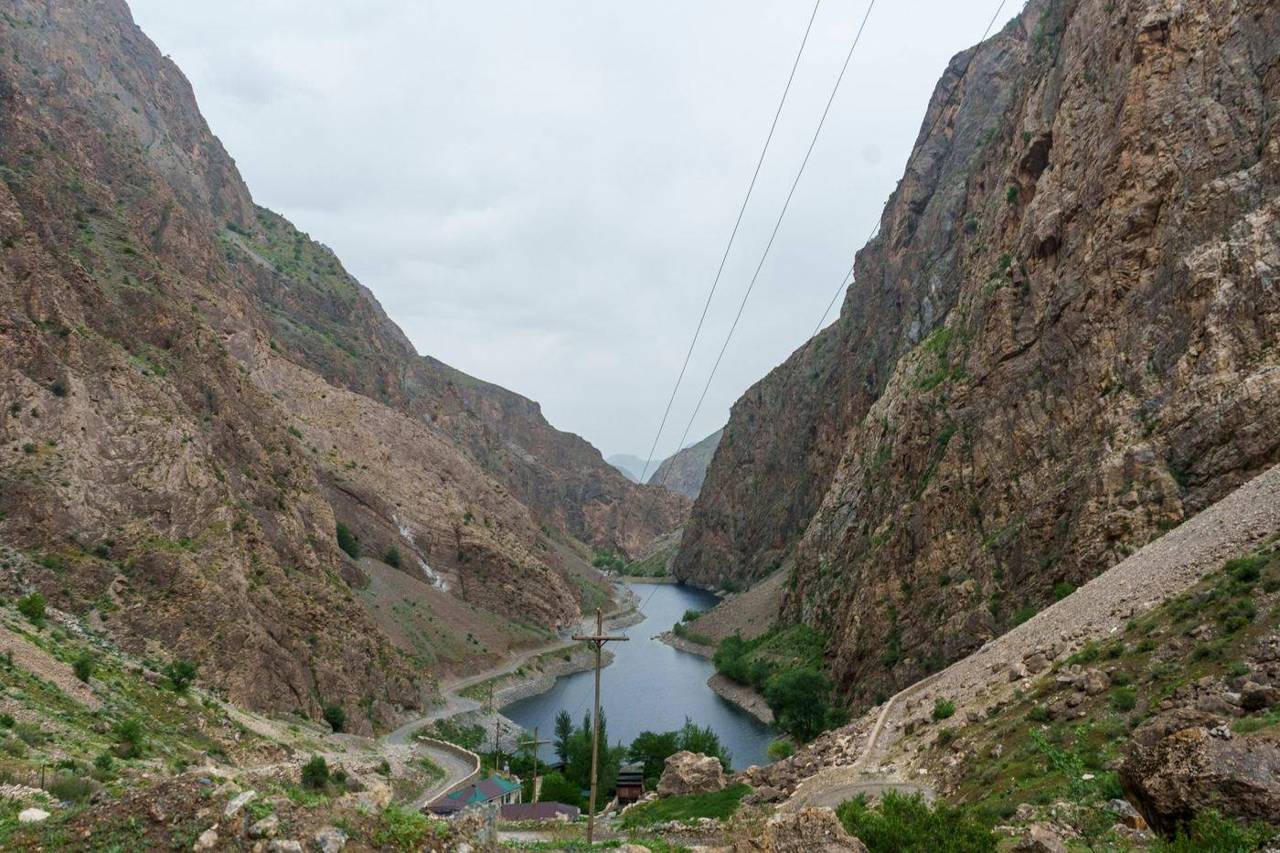
Panjakent and Sarazm
An hour from Samarkand: the ruins of ancient Sogdian Panjakent with its frescoes, the UNESCO proto-urban site of Sarazm and the town bazaar.