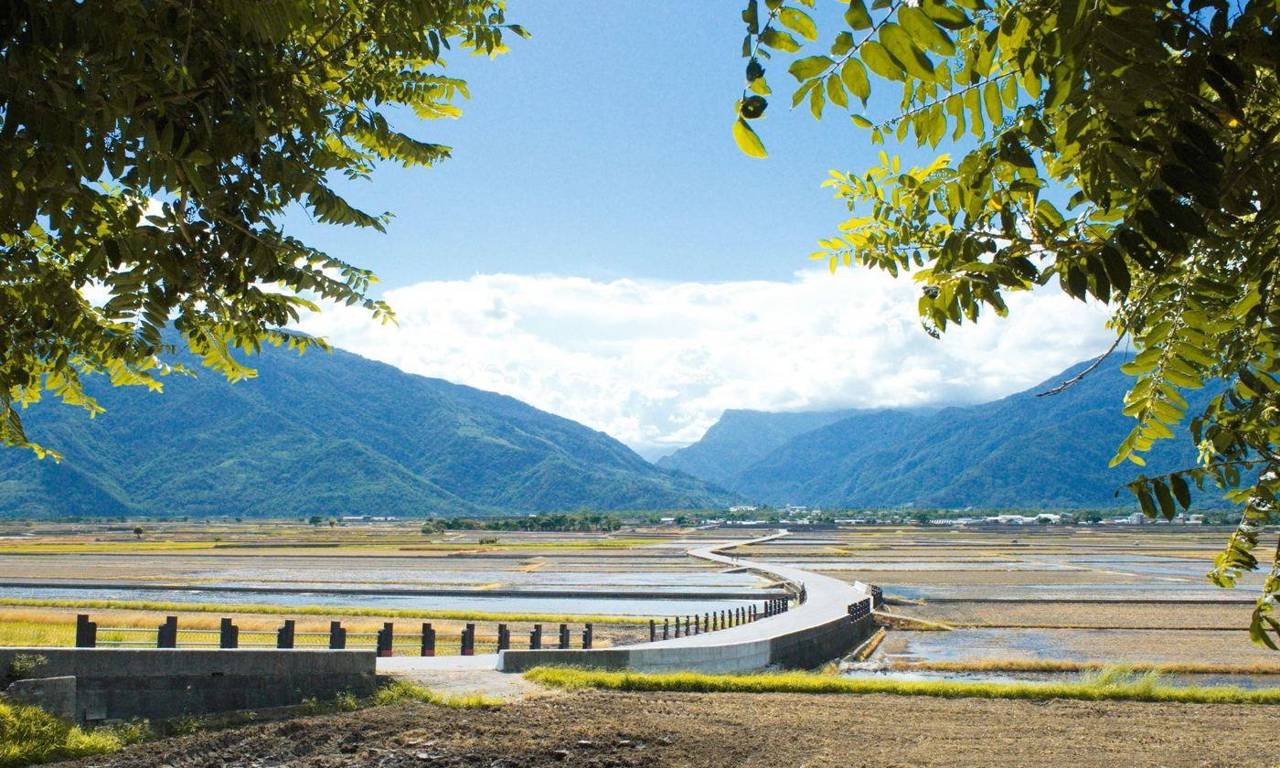
The East Rift Valley
The valley between Hualien and Taitung by train and bike: Chishang's rice fields, Luye plateau with its summer hot-air balloons, Amis villages and hot springs.
- Hualien
- Ruisui
- Chishang
- Luye
- Taitung
Day by day
- Day 1
From Hualien to Ruisui and the hot springs
This trip travels by train and bike along the East Rift Valley, the long green plain between the Central Range and the coastal mountains, from Hualien to Taitung. It is rural and indigenous Taiwan, with rice fields, tea plantations, Amis villages and hot springs, far from the rush of the cities.
Before you go: Italian citizens need a passport valid for at least six months from the date of entry; the electronic identity card is not enough. They can stay up to 90 days without a visa. Within the three days before arrival, fill in the Taiwan Arrival Card online on the official immigration website. Other nationalities should check their own rules. The east coast is prone to earthquakes and typhoons: after a strong event, check that trains and roads are running normally.
You arrive in Hualien by train from Taipei, the most comfortable and safest option: the Suhua coastal road often closes because of landslides. In the morning walk on the pebble beach of Qixingtan, facing the Pacific Ocean, with the mountains behind.
Then take a local train south. Get off at Ruisui, just over an hour later. On the main road near the village there is the monument marking the Tropic of Cancer, the point where the tropical belt begins.
In the afternoon bathe in the Ruisui hot springs. The water is rich in iron and has a yellow, reddish colour, unlike almost all other hot springs in Taiwan. In summer, on the nearby Xiuguluan river, there are rafting trips through the gorges.
Sleep in Ruisui.
Practical tip: local trains on the east coast are few. Book the fast trains online and download the timetables of the regional ones.
- Day 2
Chishang by bike among the rice fields
In the morning take the train to Chishang, a small town famous for its rice, considered among the best in Taiwan. Just outside the station there are many bike hire places, including electric bikes.
Ride along the lanes between the rice fields, flat and easy, with mountains on both sides of the valley. The most famous road is a long straight with no power poles, made famous by several adverts. There is also a large solitary tree that everyone photographs. When the rice is green, everything looks like a carpet; in autumn it turns gold.
Follow the cycle path to Dapo pond, a small lake with reeds, birds and a wide view of the Central Range. Stop in the shade, watch the herons walking in the shallow water and set off again. Along the route there are signs and small rest areas with water and toilets.
At lunch try the Chishang rice box, the takeaway meal born here in the days of the railway stations: rice, meat, egg and vegetables in a box to take on your journey.
In the afternoon, if you still have energy, ride the cycle path towards Guanshan, the nearby town, on a loop along the river and the hills. Return to Chishang at sunset, when the light on the rice fields is at its best.
Sleep in Chishang or nearby.
Practical tip: bring sun cream, a hat and water. On the roads between the rice fields there is no shade and in summer the sun is very strong.
- Day 3
Luye and the Amis villages
Today continue south to Luye, by train or by bike. The town is in the hills, where tea and pineapples are grown. Its plateau, Gaotai, is a large meadow on top of the hill, with a view over the valley and the Beinan river.
In summer, usually between July and August, the international balloon festival takes place here: at dawn dozens of colourful balloons rise above the valley. The dates change every year: check them on the official website before booking. The rest of the year paragliding flights take off from the plateau in good weather, and the meadow is quiet, perfect for a picnic looking over the valley.
Taste Luye tea, especially red oolong, more oxidised and sweeter than mountain tea. Many small growers open their tea rooms to visitors.
In the afternoon visit one of the Amis villages in the area. The Amis are the largest indigenous people of Taiwan and live mainly along the coast and in the valley. In summer they celebrate harvest festivals, with songs, circle dances and red costumes. If you can attend, always ask before photographing people and respect the village rules.
Sleep in Luye, in the hills, or go down to Taitung.
Practical tip: for the balloon festival, accommodation and trains fill up early. Book well ahead and get to the plateau before dawn.
- Day 4
Taitung and departure
In the morning you reach Taitung, the largest city in the south-east, quiet and green, between the sea and the mountains.
Visit the National Museum of Prehistory, which tells the ancient history of Taiwan and its indigenous peoples. Nearby is the Beinan archaeological site, with stone slabs and tombs from an ancient village. Check prices and times.
Then walk or cycle in Taitung Forest Park, a large forest at the mouth of the river, with ponds and a cycle path that reaches the sea. In the centre stop at the old railway station, now a cultural space with tracks turned into a garden.
At lunch taste the fish of the east coast or dishes of indigenous cuisine, with rice cooked in bamboo, mountain vegetables and grilled pork.
From Taitung you can fly back to Taipei, take the train towards Kaohsiung or continue to Green Island and Orchid Island.
In short, in four days you travel down the Rift Valley by train and bike: the iron-rich springs of Ruisui, the rice fields of Chishang, the Luye plateau with its tea, the Amis villages and the city of Taitung. When to go: October and November for ripe rice and a mild climate; July and August for the balloons and the harvest festivals, with strong heat and a risk of typhoons.
Practical tip: in Taitung the fast train north fills up at weekends. Book your return as soon as you know the date.
Rural, indigenous Taiwan, slow and green. The local train is convenient. The balloon festival's dates change every year.
Before you go
- Documents and visa
- Passport valid for at least six months from the date of entry. British citizens can visit without a visa for up to 90 days, which can be extended by a further 90 days after arrival. Since 1 October 2025 the online Taiwan Arrival Card is compulsory: submit it within three days before arrival on the official National Immigration Agency website (twac.immigration.gov.tw), or you cannot clear immigration.
- Health and vaccines
- No vaccinations required. Healthcare is excellent; you still need insurance covering medical costs. In summer there are dengue outbreaks in the south: use repellent. Drink bottled or boiled water. Emergencies: 119 ambulance and fire, 110 police.
- Money and payments
- New Taiwan dollar. Cards work in cities, hotels and large shops; night markets, temples and the countryside need cash. Convenience store cash machines accept foreign cards. The rechargeable EasyCard works on the metro, buses, local trains and for small purchases.
- Power sockets
- Type A and B, 110 volts: you need an adapter for British plugs; phone and laptop chargers work, but hair dryers and straighteners often do not.
- Time zone
- UTC+8 all year, eight hours ahead of the UK in winter, seven in summer.
- Safety
- Taiwan is very safe and the United States rates it level 1, the lowest. The main risks are natural: earthquakes, and typhoons from May to November that cause landslides and close mountain roads, especially in the centre and south. Since the 2024 earthquake Taroko National Park has been only partly open. Relations with mainland China are tense and military exercises sometimes take place in the strait: follow local news. Official advice: GOV.UK.
Information checked in November 2026 for Italian and EU citizens. Rules change: always check before you travel.
Variations
In 2 days: Hualien and Chishang by bike, returning to Taipei by train.
In 7 days: add three days on Green Island and Orchid Island, by ferry from Taitung.
Frequently asked questions
Do I need a car for the Rift Valley?
No. The local train stops in every town in the valley, and in Chishang, Ruisui and Luye you can hire bikes. A car or scooter only helps for the most isolated villages.
When is the balloon festival?
Usually in summer, between July and August, on the Luye plateau. The dates change every year: check them on the official website before booking.
Can I visit an Amis village?
Yes, many villages welcome visitors, especially during the summer harvest festivals. Ask before photographing people and follow the community's instructions.
Indicative itinerary written by World Atlas. Before booking, check timetables, seasonal openings, documents and safety.
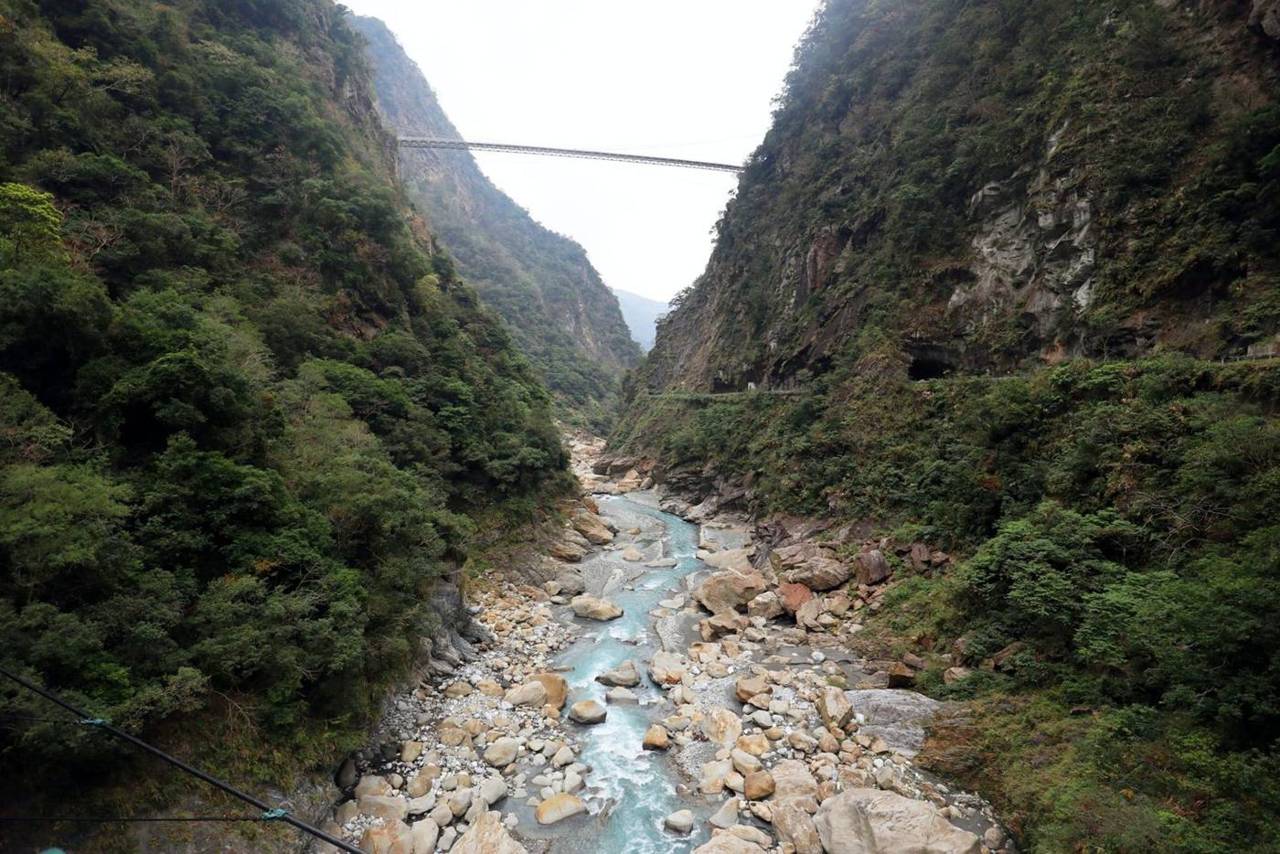 10 daysEasy
Around the island
Taipei and its night markets, Taroko Gorge, the east coast, Kenting, Tainan and its temples and Sun Moon Lake, by train.
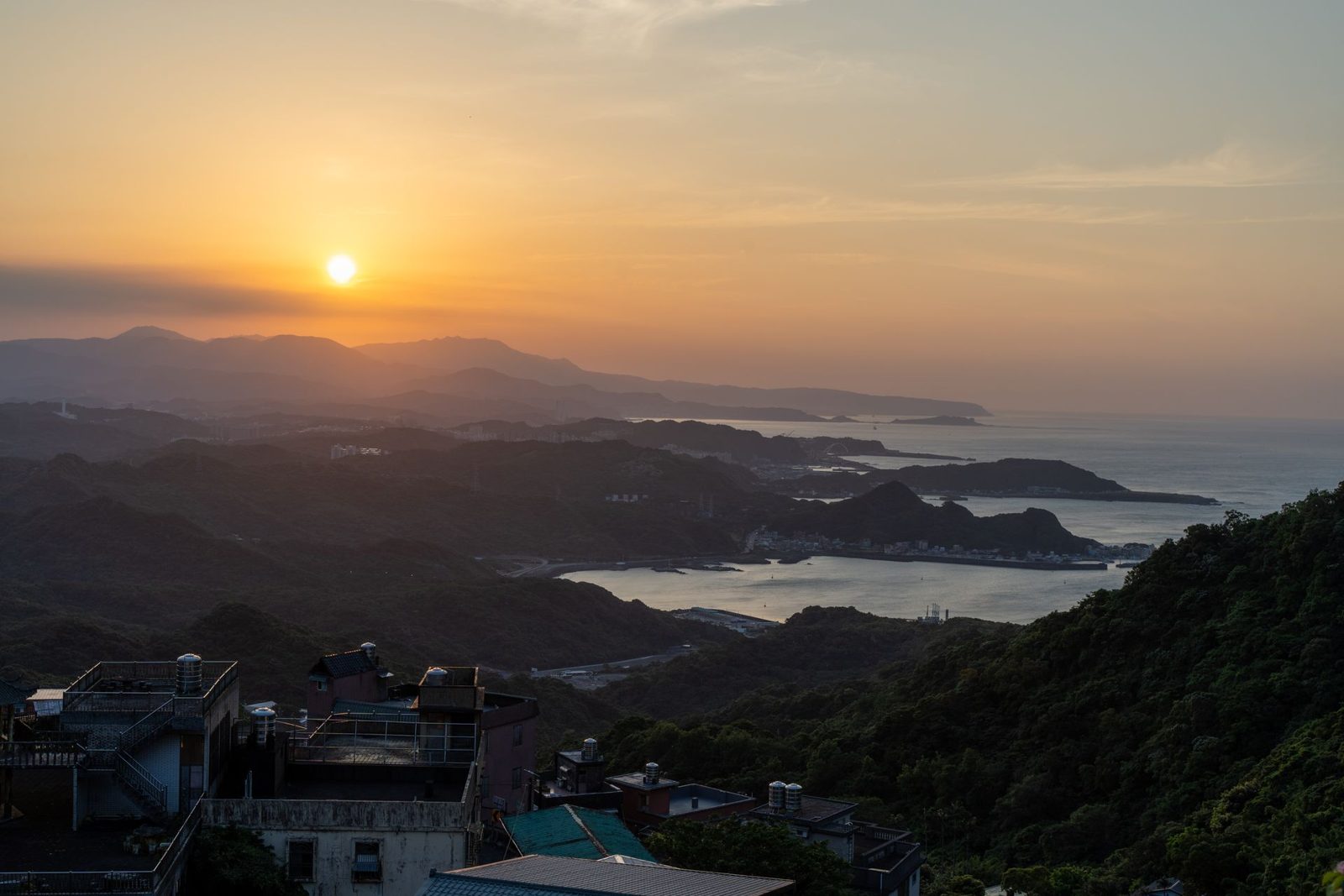 5 daysEasy
Taipei and around
The capital with the Beitou hot springs, Elephant Mountain, Maokong tea, the village of Jiufen and the lanterns of Shifen.
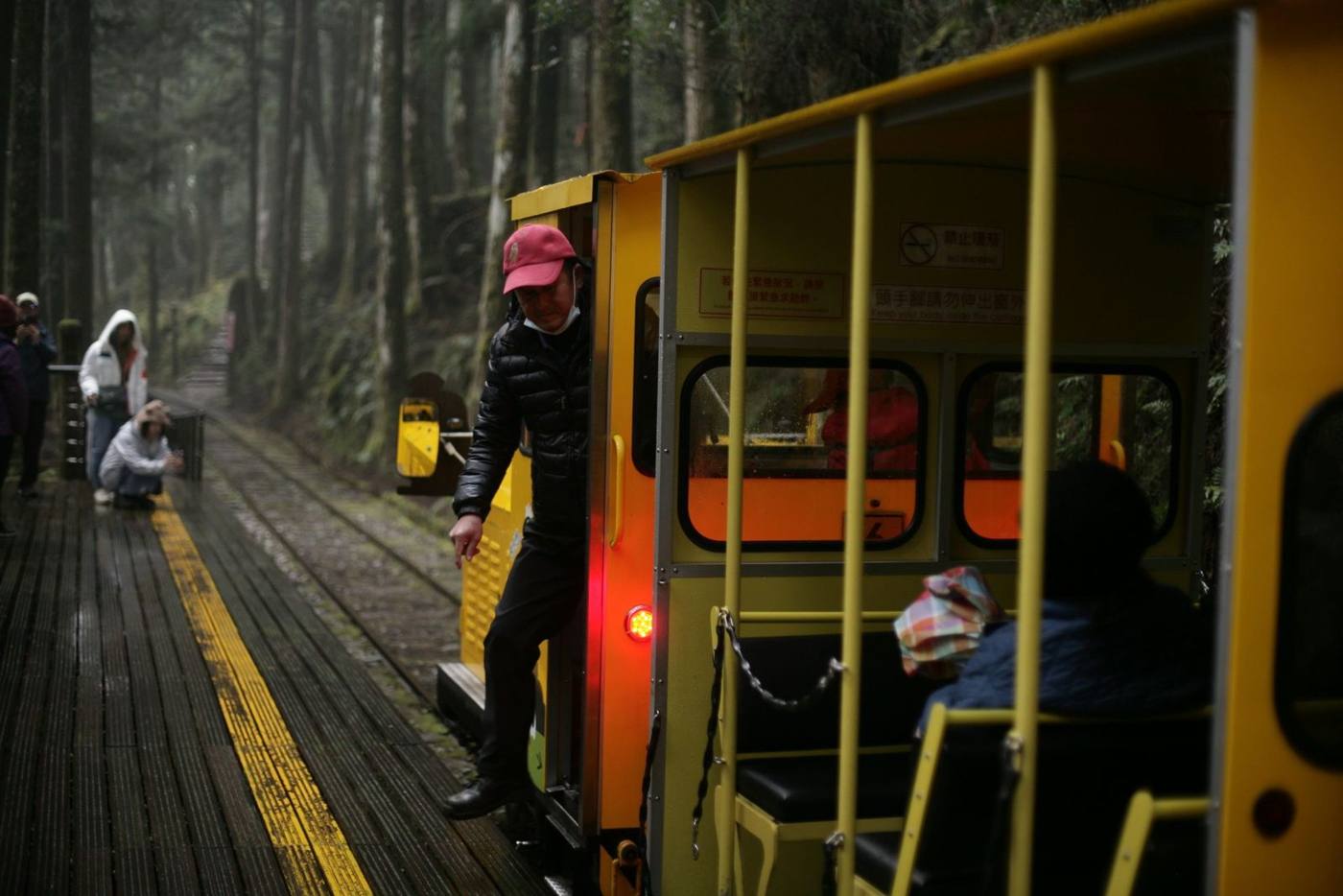 5 daysModerate
Alishan and Yushan
The Alishan forest railway, sunrise over the sea of clouds, high-mountain tea gardens and the climb of Yushan, the highest mountain in East Asia.