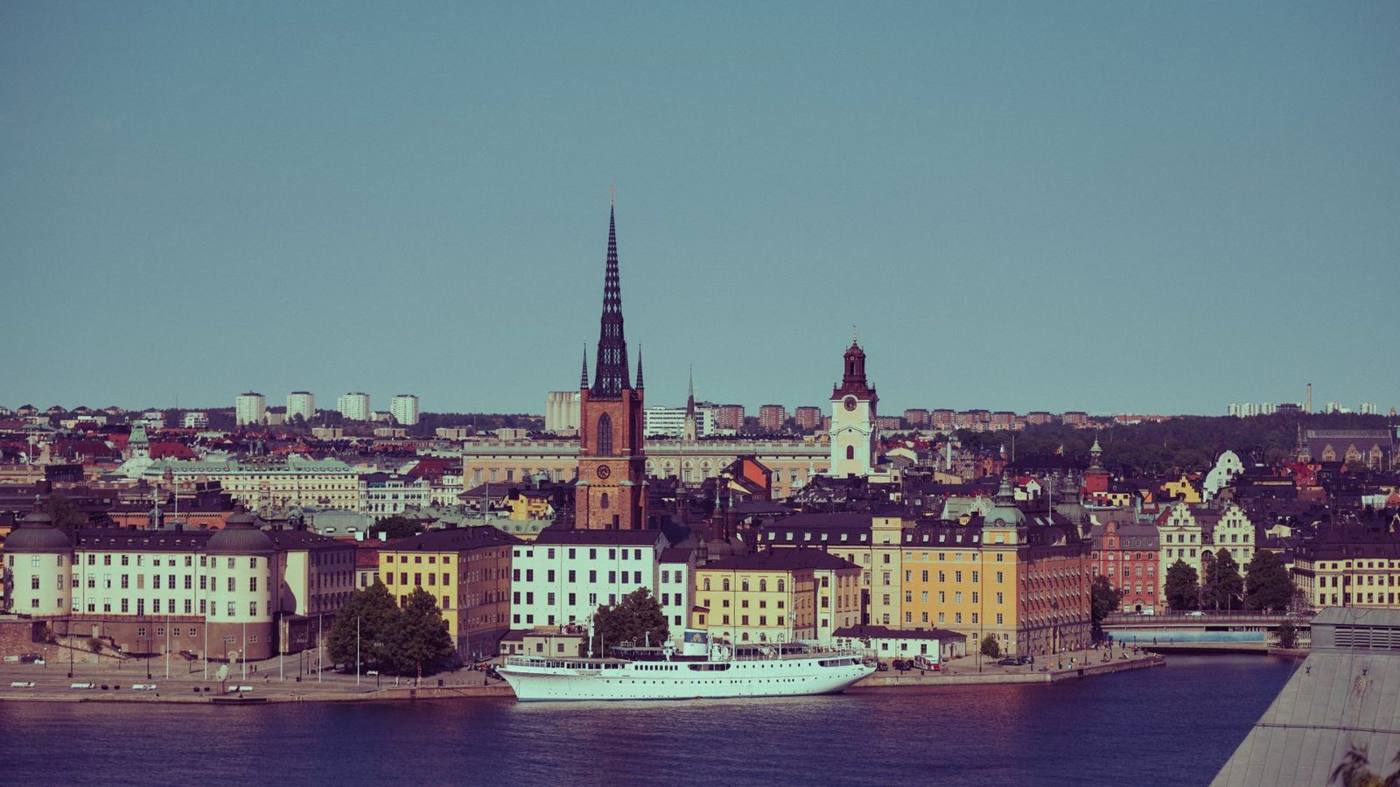
Stockholm and the archipelago
Gamla stan, the Vasa Museum, Skansen and Djurgården, then by boat among the archipelago islands to Sandhamn or Vaxholm.
- Stockholm
- Gamla stan
- Djurgården
- Vaxholm
- Sandhamn
- Drottningholm
Day by day
- Day 1
Gamla stan, the Royal Palace and Södermalm at sunset
This trip takes you to Stockholm, the capital of Sweden, built on fourteen islands between Lake Mälaren and the Baltic Sea. You will visit the old town of Gamla stan and the museums of Djurgården island, take a boat into the archipelago to Vaxholm and Sandhamn, discover the art of the metro and the City Hall, and finish at Drottningholm Palace.
Before you go: Italian citizens can enter Sweden with a valid electronic identity card or passport, without a visa. Other nationalities should check their own rules. Sweden has reintroduced border checks: keep your document with you. The country is almost cashless: you need a card for everything, even public toilets. In Stockholm theft is common in bars and on public transport: keep an eye on your phone and wallet. The archipelago has ticks: talk to your doctor about the vaccine.
Start in Gamla stan, the old town, an island of narrow lanes, ochre and red houses and squares. At its heart is Stortorget, the oldest square, with merchants' houses and colourful gables.
Then visit the Royal Palace, one of the largest in Europe still in use, with state rooms, the treasury and the armoury. At midday, every day in summer, the changing of the guard takes place in the courtyard. Check prices and times.
At sunset, cross the bridge to Södermalm and climb Monteliusvägen, a path on the hillside with a wide view over Gamla stan, the City Hall and the lake.
Practical tip: buy a travel card for a few days; it is valid on the metro, buses, trams and some of the boats linking the central islands.
- Day 2
Djurgården: the Vasa Museum, Skansen and ABBA The Museum
Today you explore Djurgården, a green island a few minutes from the centre, full of parks and museums. You can get there on foot, by tram or by the boat from Slussen, which crosses the harbour in a few minutes.
Start at the Vasa Museum, the most visited in Sweden. It houses the Vasa, a seventeenth-century warship that sank in 1628 on its maiden voyage, a few hundred metres from the harbour. It lay on the seabed for more than three centuries and was raised in 1961, almost intact. Seeing it in person, as tall as a building, with its wooden carvings, is striking. Check prices and times.
Then visit Skansen, the world's first open-air museum, opened in 1891. It gathers houses, farms, churches and workshops brought from all over Sweden, with craftspeople in costume, and a zoo with Nordic animals such as elk, bears, lynx and reindeer. Check prices and times.
In the afternoon, visit the ABBA museum, devoted to the world's most famous Swedish pop group, with costumes, gold records and interactive games where you can sing along with them. Check prices and times.
In the evening, take a walk along the Djurgården canal, among meadows and villas, and return to the centre by boat.
Practical tip: buy timed tickets online for the most famous museums, especially in summer; early in the morning the queues at the Vasa Museum are shorter.
- Day 3
By boat to Vaxholm and a night in Sandhamn
Today you head out into the Stockholm archipelago, with tens of thousands of islands, islets and skerries. Public boats leave from the Strömkajen quay, in the centre near the National Museum, and reach Vaxholm in about an hour.
Vaxholm is a little town of colourful wooden houses, with a harbour full of boats. In front of the town, on an islet, stands Vaxholm Fortress, built to defend the sea approach to Stockholm. A small ferry takes you there in a few minutes; inside there is a museum. Check prices and times. Then stroll through the lanes of the town and along the waterfront.
In the afternoon, continue to Sandhamn, on the island of Sandön, in the outer archipelago. In summer there are direct boats from Stockholm and connections from the port of Stavsnäs, which you can reach by bus: check the times in advance, because they change with the season.
Sandhamn is the sailing capital of the archipelago, with a harbour full of yachts and wooden houses among the pines. Follow the path through the woods to Trouville beach, on the south side of the island, with fine sand and smooth rocks for swimming.
In the evening, stay the night on the island and watch the sunset over the sea as the boats return to the harbour.
Practical tip: book accommodation in Sandhamn well in advance, because there are few places; outside summer boats are rare and many services on the islands close.
- Day 4
Back to the city, the metro art and the City Hall
In the morning, return to Stockholm by boat. Enjoy the journey through the islands: summer villas, small jetties, pine woods and red rocks sliding into the water.
In the afternoon, discover the Stockholm metro, often called the longest art gallery in the world. More than ninety stations are decorated with paintings, sculptures and installations. Many are carved into the bare rock, with the rough walls painted. Start at T-Centralen, on the blue line, with its blue leafy vines on the vault. Then continue to Kungsträdgården, with the colours and statues of an underground baroque garden, and to Solna centrum, with its red vault above a green forest. With a single ticket you can tour them for hours.
Then visit Stockholm City Hall, on the shore of Lake Mälaren, a great red-brick building with a tall tower, inaugurated in 1923. Every year the Nobel Prize banquet is held here, in the Blue Hall. The Golden Hall, covered in gilded mosaics, is the most spectacular. The halls can be seen on a guided tour; in summer you can also climb the tower. Check prices and times.
In the evening, have dinner with Swedish dishes, such as meatballs with mashed potatoes and lingonberries or herring in various sauces.
Practical tip: places on the City Hall tower are limited and tickets are sold on the spot or in advance; go early so you do not find it sold out.
- Day 5
Drottningholm Palace by boat and departure
On the last day you go to Drottningholm, the residence of the royal family, on an island in Lake Mälaren. In summer a boat leaves from the quay near the City Hall and arrives in about an hour, through islands and woods. Otherwise you can get there by metro and bus.
Drottningholm Palace is a UNESCO World Heritage Site. Built in the seventeenth century, it recalls Versailles, with decorated rooms, grand staircases and a large park with French and English gardens. Visit the rooms open to the public and then the eighteenth-century court theatre, one of the few in the world that still has its original stage machinery. In the park there is also the Chinese Pavilion, a small residence in oriental style. Check prices and times.
In the afternoon, return to the city and get ready to leave. Arlanda Airport is reached by express train or bus.
In these five days you have seen Gamla stan and the Royal Palace, the view from Södermalm, the Vasa Museum, Skansen and ABBA The Museum, Vaxholm Fortress and the beach at Sandhamn, the metro art, the Nobel City Hall and Drottningholm Palace.
When to go: from June to August, when the days are very long and boats to the archipelago are frequent. June is the brightest month. In winter boats are rare and it gets dark early, but in December the city is full of lights and Christmas markets.
Practical tip: bags may be banned at big concerts, festivals and sports events in Stockholm; check the rules before you go.
A capital on the water, at its best in the long days of June. Archipelago boats are frequent in summer and rare in winter. Sweden is almost cashless: you need a card for everything, even public toilets.
Before you go
- Documents and visa
- EU citizens need a valid identity card or passport: Sweden is in the EU and the Schengen area. Sweden has reintroduced border checks, so carry your document on trains and ferries too. Other nationalities should check the Schengen rules and the Entry/Exit System.
- Health and vaccines
- Excellent healthcare. EU citizens should bring their EHIC, plus insurance covering medical costs and repatriation. In summer, meadows and woods may have ticks that carry Lyme disease and tick-borne encephalitis, especially around Stockholm, the archipelago and Lake Mälaren: ask your doctor about the vaccine. In summer in the north, bring mosquito repellent. Emergencies: 112.
- Money and payments
- Swedish krona. Cards are accepted almost everywhere, even for tiny amounts, and many shops, buses and public toilets do not take cash. Sweden is expensive, especially in the cities and the mountains.
- Power sockets
- Types C and F, 230 volts.
- Time zone
- Central European Time (UTC+1, summer UTC+2).
- Safety
- The national terrorism threat level is raised. Some suburbs of Stockholm, Malmö and Gothenburg are affected by organised crime; in Stockholm theft is common in bars and on public transport. Bags may be banned at large concerts, festivals and sports events. The drink-drive limit is very low and headlights must be on during the day. Official advice: GOV.UK.
Information checked in November 2026 for Italian and EU citizens. Rules change: always check before you travel.
Variations
In 3 days: Gamla stan, Djurgården and a day in Vaxholm.
In 8 days: add the university town of Uppsala and more nights in the archipelago, on Utö and Grinda.
Frequently asked questions
Do I need cash in Stockholm?
Hardly ever. Almost everything is paid by card or phone, including transport, public toilets and small kiosks. Many places do not accept cash.
How do I get around the city?
On foot in the centre and by metro, tram, bus and boat. A travel card for a few days is the most convenient option and is also valid on some boats.
When is the best time for the archipelago?
From June to August, when boats are frequent and all services on the islands are open. In spring and autumn there are fewer sailings, and in winter many islands have only a few departures.
Indicative itinerary written by World Atlas. Before booking, check timetables, seasonal openings, documents and safety.
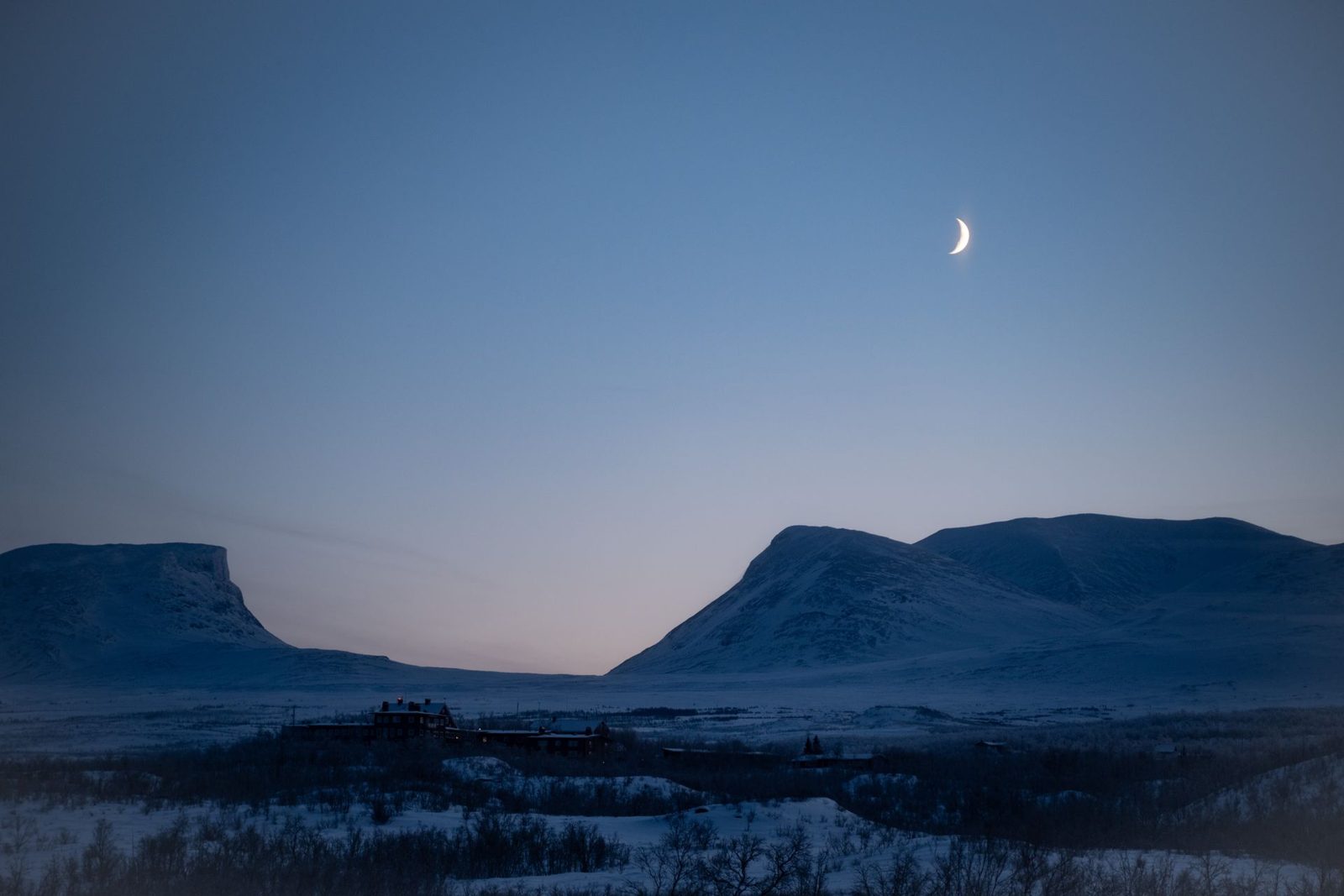 6 daysModerate
Swedish Lapland
Kiruna, the Icehotel at Jukkasjärvi, dog sledding, the northern lights from Abisko's Aurora Sky Station and Sami culture.
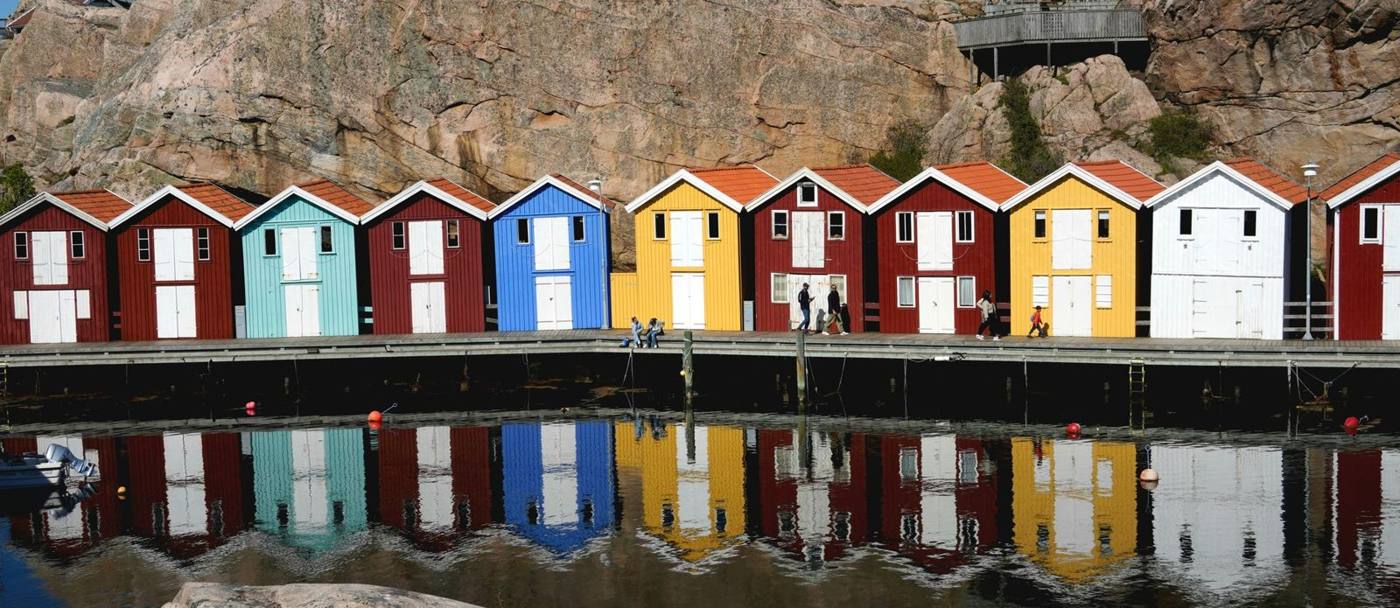 6 daysEasy
Gothenburg and the west coast
Gothenburg and its archipelago closed to cars, then the Bohuslän coast: Marstrand, Smögen, Fjällbacka and the oysters and langoustines of Grebbestad.
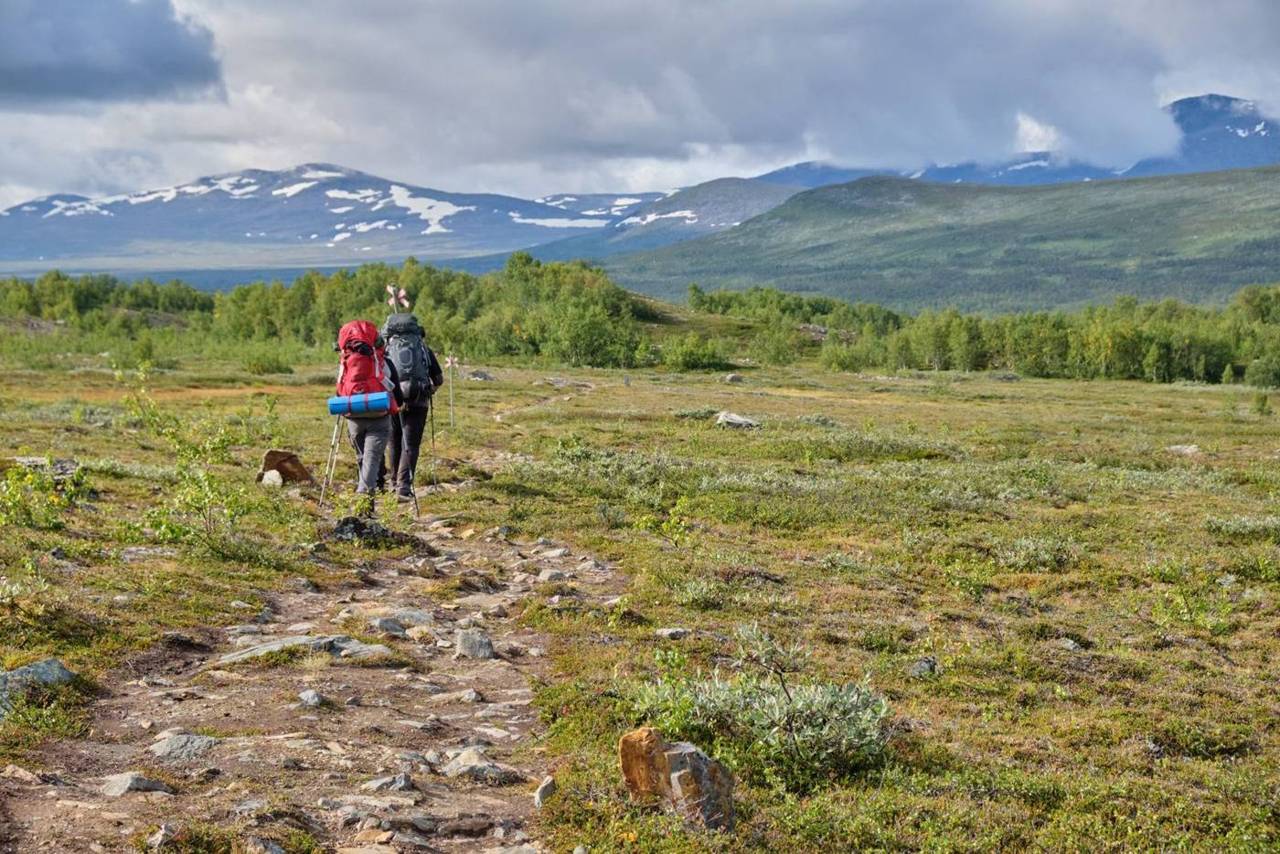 8 daysChallenging
The Kungsleden
The 'King's Trail' from Abisko to Nikkaluokta, with staffed huts, midnight sun, the Tjäktja valley and the side trip to Kebnekaise, Sweden's highest peak.