Gotland and Visby
The Hanseatic town of Visby with its UNESCO walls, the island's medieval churches, the rauk sea stacks of Fårö and Baltic beaches.
- Nynäshamn
- Visby
- Lummelunda
- Fårö
- Tofta
Day by day
- Day 1
The ferry and Visby at sunset
This trip takes you to Gotland, Sweden's largest island, in the middle of the Baltic Sea. You sail from Nynäshamn, south of Stockholm, spend three nights in Visby, the walled medieval town, and from there visit the Lummelunda caves, the sea stacks of Fårö and the country churches down to the beach at Tofta.
Before you go: Italian citizens can enter Sweden with a valid electronic identity card or passport, without a visa. Other nationalities should check their own rules. Sweden has reintroduced border checks: you may be asked for your document when boarding. In Sweden you pay by card almost everywhere, even at the ferry café. In summer the meadows and woods have ticks: use repellent and check yourself in the evening.
From Stockholm, reach Nynäshamn by commuter train or bus in about an hour. The ferry to Visby takes just over three hours. On deck, in good weather, you watch the Stockholm archipelago fade away and then only open sea.
You arrive in Visby in the afternoon or evening. Drop your bags and walk straight into the old town, among stone houses, steep lanes and gardens full of roses. At sunset, climb the steps near the cathedral and watch the sun sink into the sea beyond the red roofs.
Practical tip: book the ferry well in advance if you travel in summer or with a car; vehicle spaces sell out quickly, especially in July and during Medieval Week in August.
- Day 2
The walls, the ruins and the botanical garden
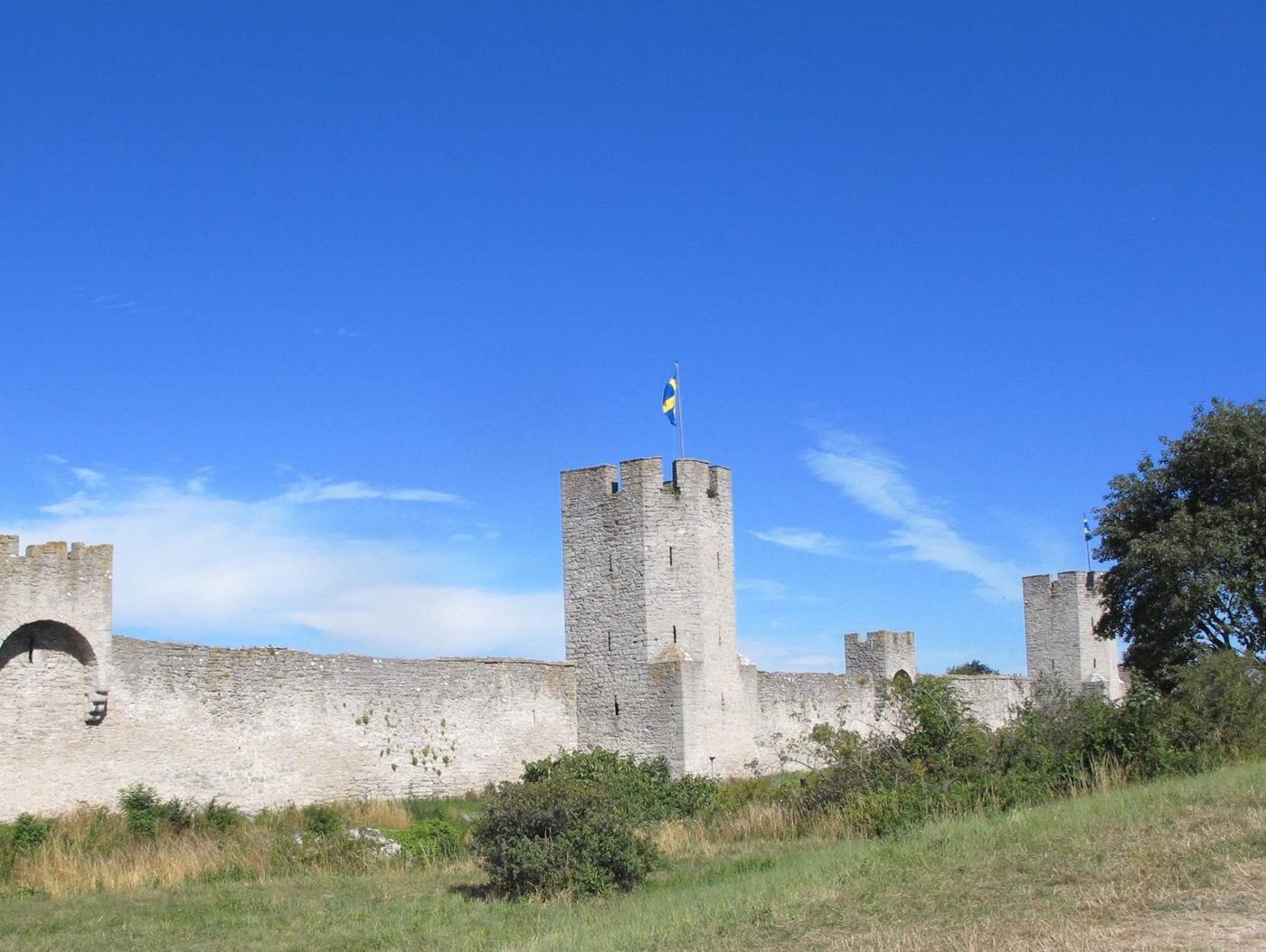
Today you explore Visby on foot. In the Middle Ages the town was a great port of the Hanseatic League, and today it is a UNESCO World Heritage Site. The ring wall, more than three kilometres long with dozens of towers, is one of the best preserved in northern Europe.
Start with a walk along the outside of the walls, where a strip of grass follows them almost all the way. Go back in through one of the gates and climb to St Mary's Cathedral, the only large medieval church in town still in use, with a great tower topped by a baroque cupola.
Visby is full of church ruins: the merchants built many churches, which were abandoned after the Reformation. Visit the ruins of St Catherine's on the main square, those of St Nicholas, where concerts are held in summer, and those of Drotten and St Clement's. Some are open to wander in, others have set hours: check prices and times.
At midday, visit the Gotland Museum, with Viking-age picture stones and the silver hoards found on the island. Check prices and times.
In the afternoon, walk to the botanical garden near the sea, with mulberry trees, roses and the ruins of St Olof's church among the flowerbeds. Then follow the seafront promenade to the harbour.
In the evening, try the island's dishes, such as Gotland lamb and saffranspannkaka, a saffron rice cake served with dewberry jam and cream.
Practical tip: the centre is all uphill with uneven cobbles, so wear comfortable shoes; in the evening, climb onto the walls from the park side for a better view.
- Day 3
Lummelunda, Fårö and the rauks of Langhammars
Today you head north to Fårö, the island of sea stacks. You will need a car, or an e-bike and good legs: the distance from Visby to the Fårösund ferry is about sixty kilometres.
On the way, stop at the Lummelunda caves, north of Visby. They are passages carved by an underground river in the limestone, with stalactites and small pools. The guided tour follows a short stretch of the cave. Check prices and times.
At Fårösund, take the ferry to Fårö, which crosses the strait in a few minutes. Fårö is a flat, windy island of heath, pine woods, dry-stone walls and stone houses with reed roofs. The film director Ingmar Bergman lived here for many years and is buried in the island's churchyard.
The main goal is Langhammars, on the north-west coast. Here you find the rauks, limestone stacks carved by sea and wind into strange shapes, like heads, columns and human figures. Walk among the rocks and pebble beaches, especially in the late afternoon, when the light is warmer.
If you have time, also visit Fårö lighthouse, on the eastern tip, and the long sandy beach of Sudersand, where the water is shallow and warmer.
Return to Visby in the evening, or stay the night on Fårö to see the sunset over the rauks.
Practical tip: do not climb the rauks and do not take stones or fossils; the limestone is fragile and the stacks are protected.
- Day 4
By bike among the country churches to Tofta beach
Today you cycle south. Gotland is almost flat, with quiet country roads and a network of cycle paths, so it is perfect for cycling. Hire a bike in Visby, near the harbour, and choose one with panniers.
The island has more than ninety medieval churches, almost all still in use, built of limestone with tall, narrow towers. Many hold frescoes, carved fonts and wooden crucifixes. Along the coast road south you pass Västerhejde church and then Tofta church. They are usually open during the day in summer.
Between churches you ride through wheat fields, meadows with dry-stone walls, farms with long-horned sheep and pine woods that run down to the sea.
The goal is Tofta, one of the longest and busiest sandy beaches on the island, about twenty kilometres from Visby. The seabed slopes gently and in summer the water is pleasant enough for a swim. Behind the beach there are shady pine woods where you can rest.
In the afternoon, ride back towards Visby on different inland roads, or put the bike on the bus if the service allows it.
In the evening, if you are in Visby in August during Medieval Week, you will find markets, tournaments and people in costume all over the centre.
Practical tip: always carry water, sun cream and a windproof jacket; there are few shops outside the villages and the wind off the sea can be strong.
- Day 5
Departure
On the last day you leave Gotland. If the ferry leaves in the afternoon, you still have the morning in Visby. Take a last walk through the market on the main square or the lanes among the ruins, or go and see the Österport gate, on the east side, and the Kruttornet tower, near the harbour, the oldest part of the defences.
Before you leave, buy something to take home, such as the island's mustard and saffron products, wool from the local sheep or handmade pottery.
The ferry to Nynäshamn again takes just over three hours. Back on the mainland, take the train or bus to Stockholm.
In these five days you have seen the ferry across the Baltic, the walls, cathedral and ruins of Visby, the Gotland Museum and the botanical garden, the Lummelunda caves, the rauks of Langhammars on Fårö, the medieval country churches and the beach at Tofta.
When to go: from June to August, when Gotland is one of the sunniest parts of Sweden, ferries are frequent and all services are open. At the end of June there is the Almedalen political week and in August Medieval Week: on those days accommodation sells out and prices rise. May and September are quieter, cooler and less crowded.
Practical tip: get to the port in good time, especially with a car, because vehicle boarding closes before departure.
Sweden's holiday island, sunny and full of history. During Almedalen week in late June and Medieval Week in August, accommodation sells out. Book the ferry early.
Before you go
- Documents and visa
- EU citizens need a valid identity card or passport: Sweden is in the EU and the Schengen area. Sweden has reintroduced border checks, so carry your document on trains and ferries too. Other nationalities should check the Schengen rules and the Entry/Exit System.
- Health and vaccines
- Excellent healthcare. EU citizens should bring their EHIC, plus insurance covering medical costs and repatriation. In summer, meadows and woods may have ticks that carry Lyme disease and tick-borne encephalitis, especially around Stockholm, the archipelago and Lake Mälaren: ask your doctor about the vaccine. In summer in the north, bring mosquito repellent. Emergencies: 112.
- Money and payments
- Swedish krona. Cards are accepted almost everywhere, even for tiny amounts, and many shops, buses and public toilets do not take cash. Sweden is expensive, especially in the cities and the mountains.
- Power sockets
- Types C and F, 230 volts.
- Time zone
- Central European Time (UTC+1, summer UTC+2).
- Safety
- The national terrorism threat level is raised. Some suburbs of Stockholm, Malmö and Gothenburg are affected by organised crime; in Stockholm theft is common in bars and on public transport. Bags may be banned at large concerts, festivals and sports events. The drink-drive limit is very low and headlights must be on during the day. Official advice: GOV.UK.
Information checked in November 2026 for Italian and EU citizens. Rules change: always check before you travel.
Variations
In 3 days: Visby on foot and a day on Fårö.
In 8 days: add the south of Gotland with the rauks of Hoburgen and the island of Stora Karlsö, with its seabird colonies.
Frequently asked questions
Do I need a car on Gotland?
Not for Visby, as the centre is easy to walk. A car is useful for Fårö and the north, but the island is flat and many people tour it by bike. Buses link the main villages, with few departures.
How long is the ferry?
From Nynäshamn to Visby the ferry takes just over three hours. There are also sailings from Oskarshamn, further south. In summer it is best to book well ahead.
What are rauks?
They are limestone stacks, remains of ancient coral reefs, shaped by sea and wind. The most famous are on Fårö, at Langhammars and Digerhuvud, and in the south of the island.
Indicative itinerary written by World Atlas. Before booking, check timetables, seasonal openings, documents and safety.
 5 daysEasy
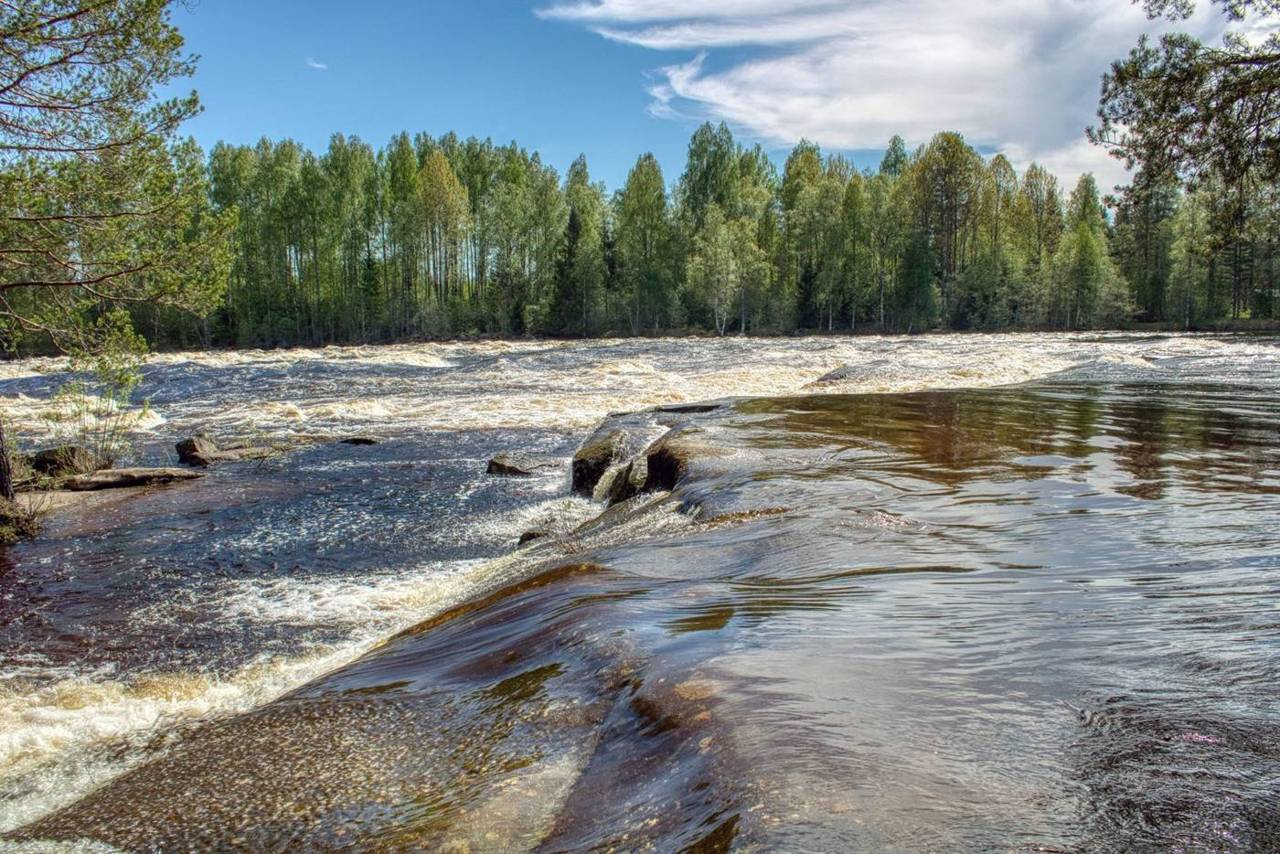
Dalarna and Lake Siljan
Sweden's folk heart: the wooden horses of Nusnäs, painter Carl Larsson's home, the UNESCO Falun mine and Midsummer on Lake Siljan.
 5 daysEasy
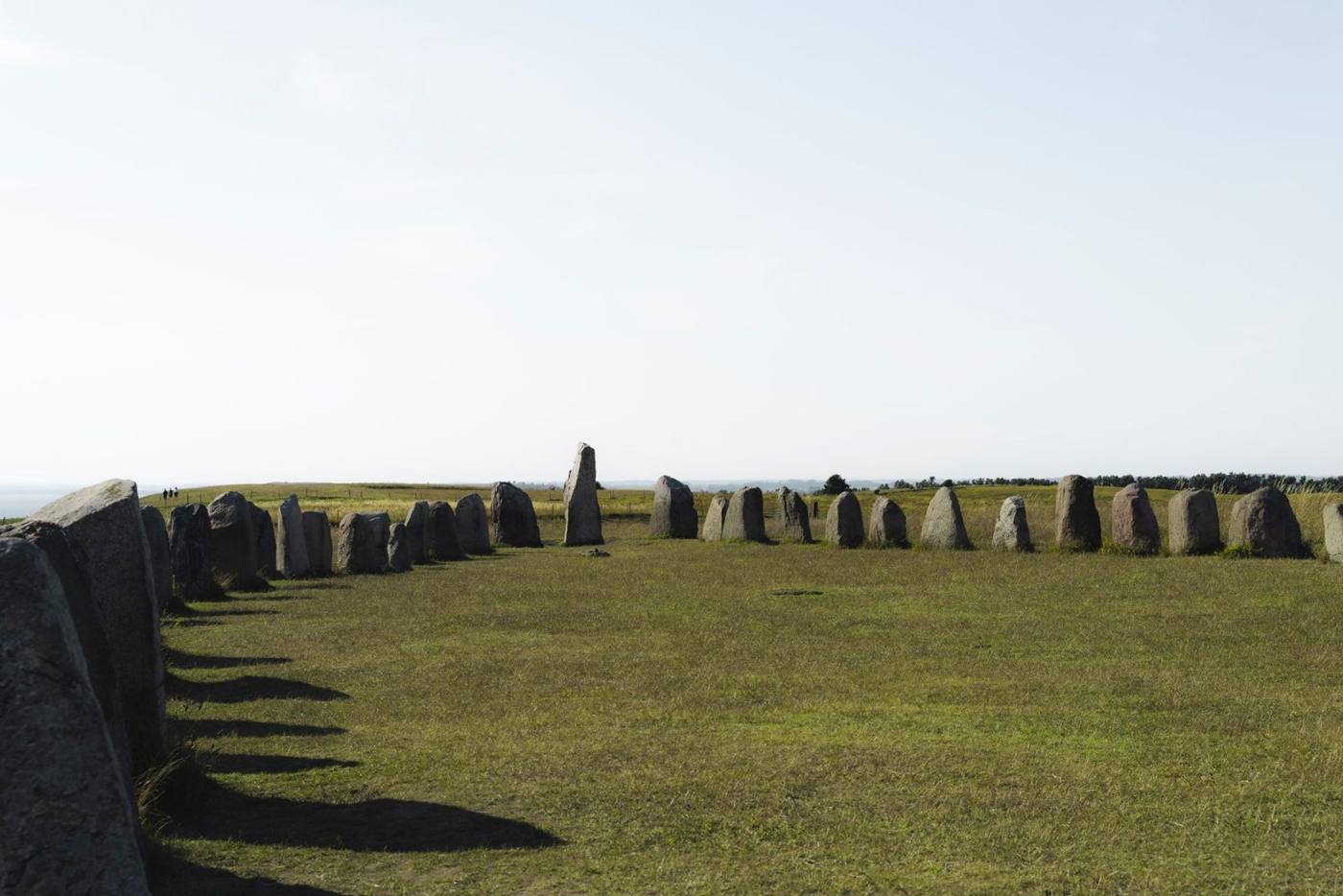
Skåne and Österlen
Malmö and the Øresund bridge, Lund, the Österlen coast with the Ales Stenar stones, Ystad of Inspector Wallander and the orchards of Kivik.
 5 daysModerate
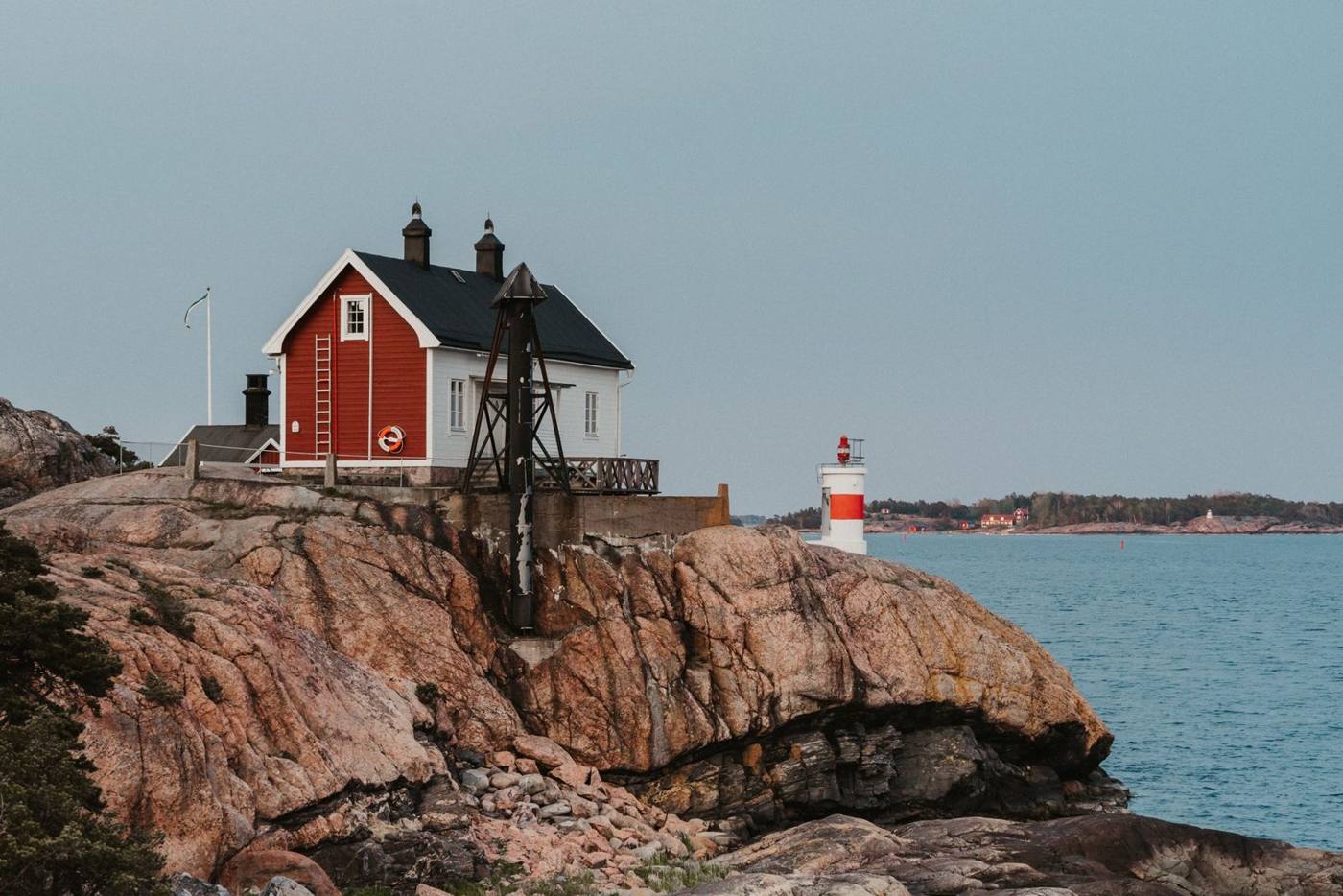
The High Coast
Höga Kusten, a UNESCO site where the land is still rising after the last Ice Age: Skuleskogen park with the Slåttdalsskrevan gorge, Ulvön island and the coastal trail.